Château Fonroque

Falstaff Winery - Listed
Château Fonroque gives Saint-Émilion’s limestone-and-clay story a biodynamic frame, with Merlot and Cabernet Franc grown across plateau and hillside parcels. The visit is vineyard-led rather than spectacle-led: quiet estate grounds, cellar context, and a tasting format built around how farming choices shape Right Bank red wine.
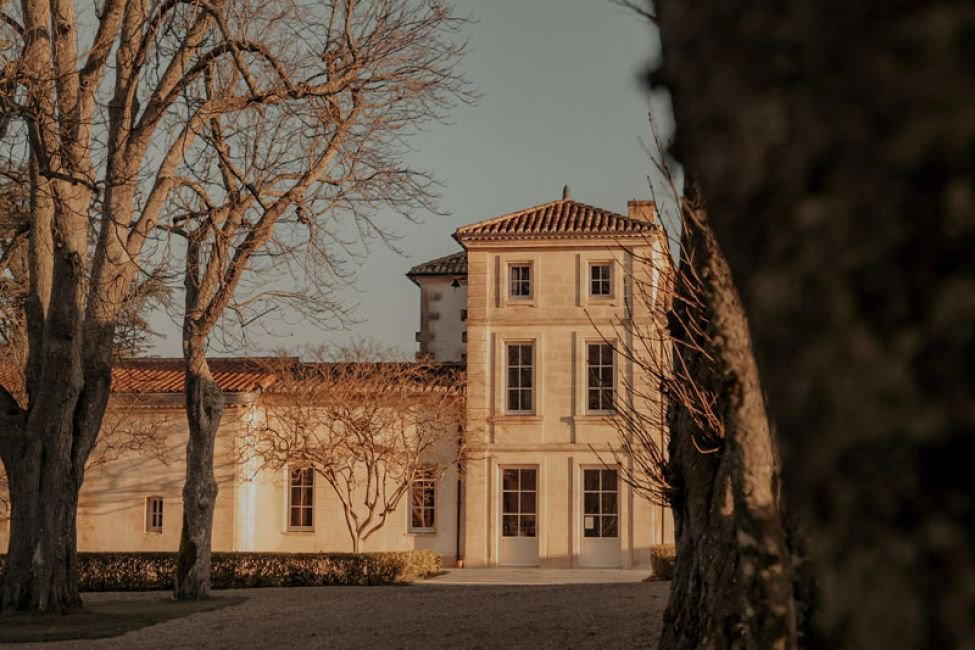
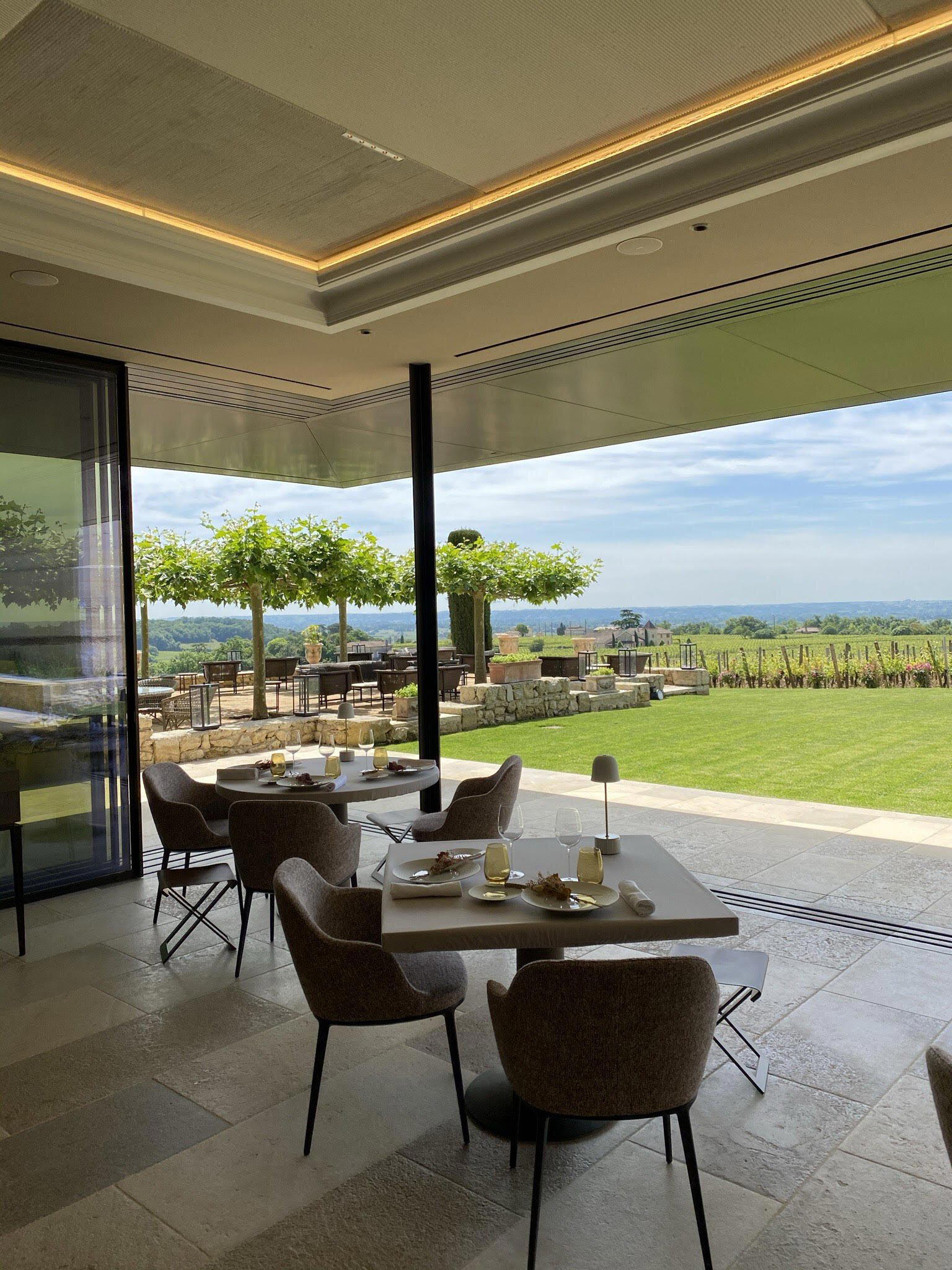
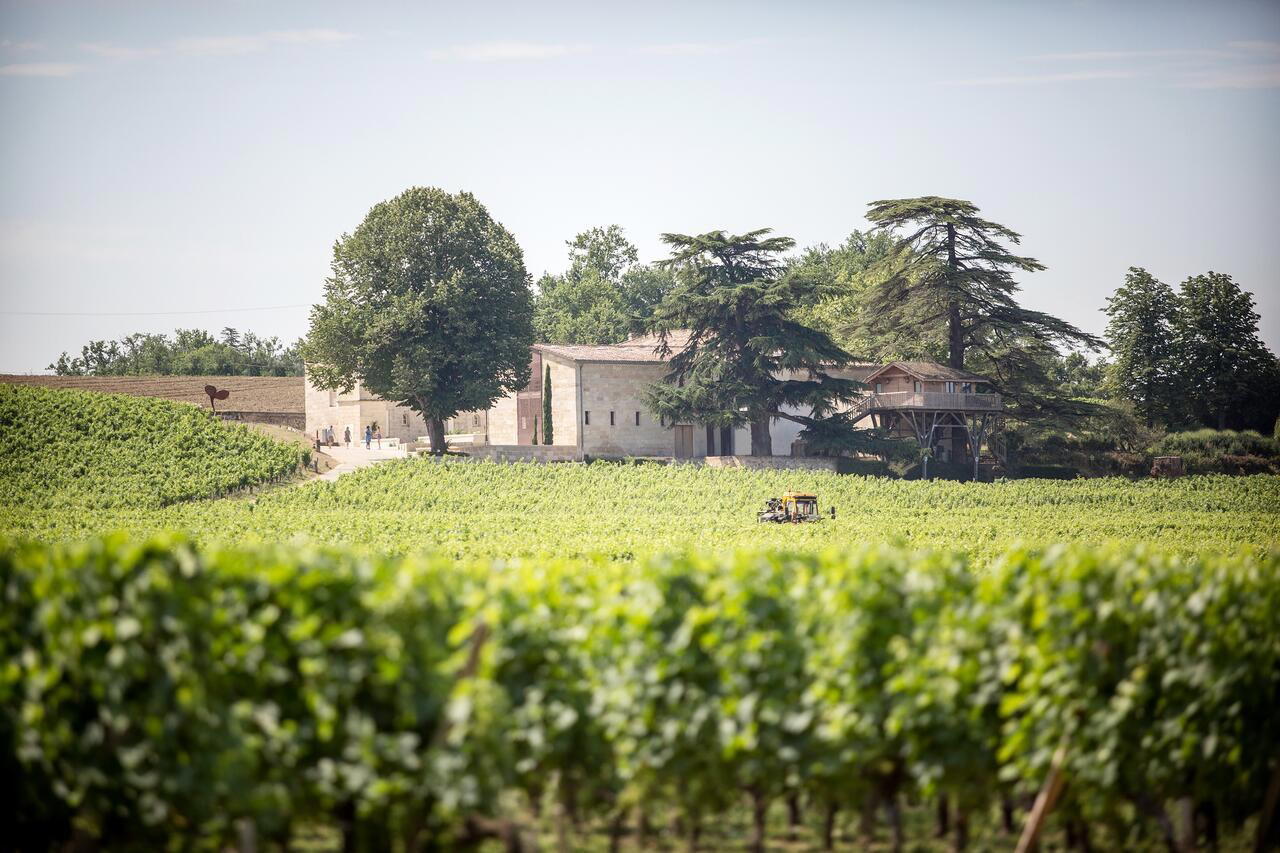
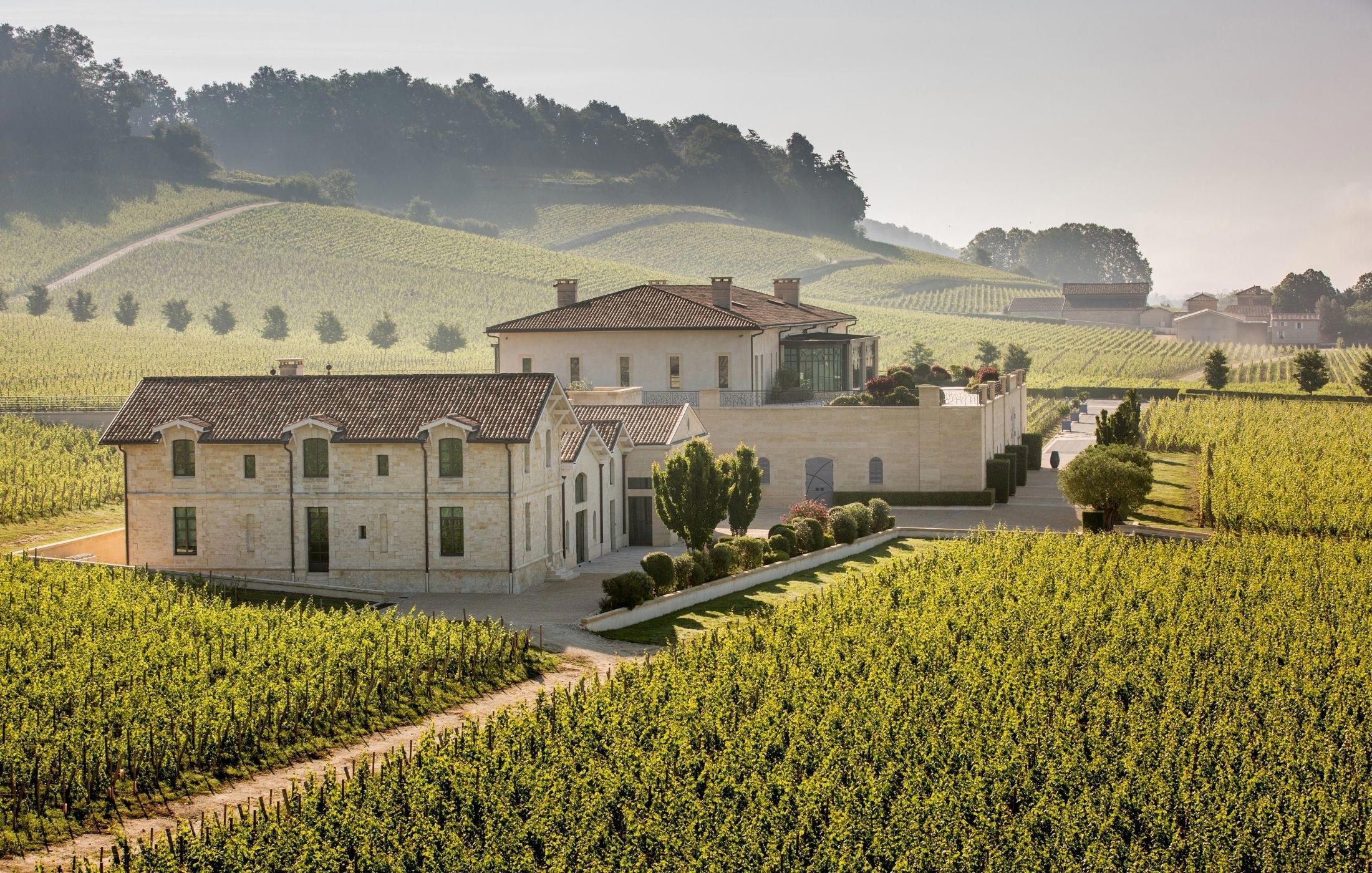
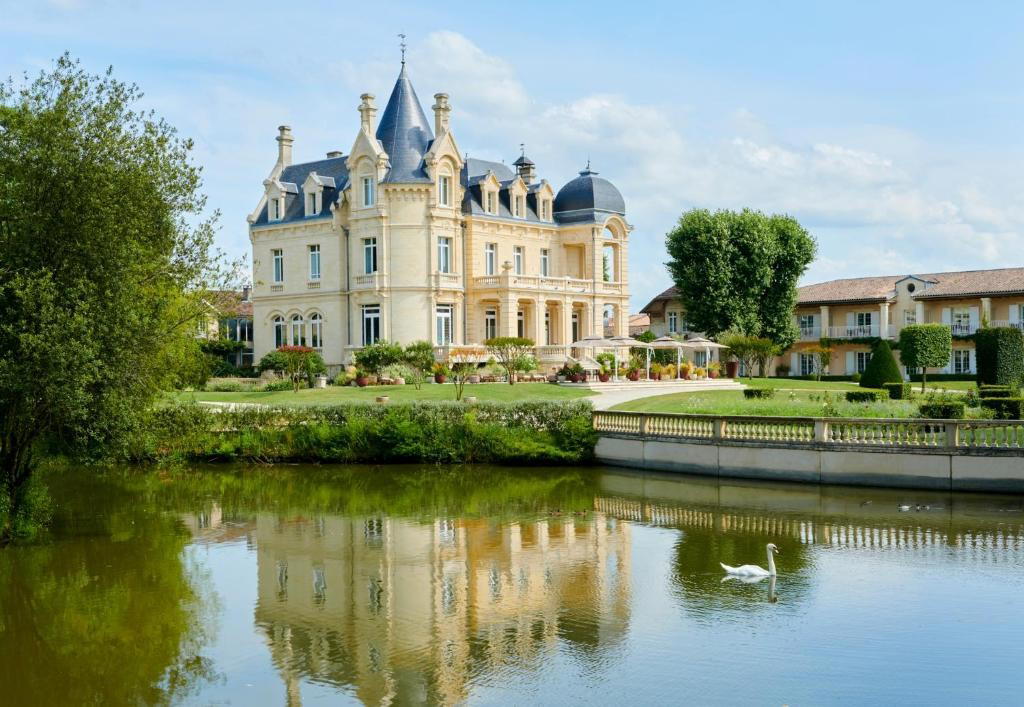
Château Fonroque is a Saint-Émilion estate best understood through its setting: a large vineyard block, a wooded park, a limestone plateau and a west-facing hillside. The picture is quiet and classic rather than flashy, with guest visits framed around the vineyard and the idea of terroir. For travellers looking for a winery stop in Saint-Émilion, the appeal is the chance to spend time in a sophisticated, hidden-gem setting where the landscape is central to the experience, not simply a backdrop to it. The estate reads as a place where the physical contours of Saint-Émilion help shape the mood of the visit from the start.
What can be said with confidence is that Château Fonroque presents itself as a vineyard-first Saint-Émilion visit, with the limestone plateau, hillside and parkland forming the core context for understanding the estate. That clarity is useful: rather than relying on spectacle or overstatement, the visit is anchored in the visible elements of the property and in the slower pleasure of reading a wine estate through its land.
Limestone, hillside and a terroir-focused Saint-Émilion setting
The strongest detail at Château Fonroque is the site itself. The estate is described through a large vineyard block, wooded park, limestone plateau and west-facing hillside, which gives visitors a clear sense of why the place matters before any deeper wine discussion begins. In Saint-Émilion, that kind of landscape-led experience is often the most useful way to read a property: the ground, slope and exposure shape the atmosphere of the visit, while the surrounding calm gives those features room to register.
Instead, the more reliable way to frame Château Fonroque is as a quiet, classic winery setting where the visit is organized around the vineyard and terroir rather than spectacle. The emphasis is not on presenting the estate as a showpiece, but on allowing its limestone, hillside position and parkland to define the experience. That makes the visit feel measured and rooted, especially for travellers who are interested in how place is communicated through a wine estate.
That makes the estate a good fit for travellers who prefer a calm, place-led stop. It is not necessary to build the recommendation on awards or detailed cellar claims; the grounded appeal is the setting itself, the Saint-Émilion context and the emphasis on vineyard-first visits. The best reason to include Château Fonroque is therefore direct: it offers a composed way to encounter the landscape that gives the estate its identity.
A visit built around the vineyard rather than spectacle
Guest visits at Château Fonroque are described as vineyard-first and terroir-focused. The atmosphere is classic, quiet and sophisticated, suiting the estate’s Saint-Émilion surroundings. Visitors should expect the landscape to be part of the point: vineyard rows, parkland, limestone and hillside are not background details but the main reasons to place the estate on a wine itinerary. In practical terms, that means the value of the stop comes from slowing down enough to notice the setting and connect the visit to the broader character of Saint-Émilion.
Travellers should therefore treat those details as items to confirm directly with Château Fonroque before planning around them. That is especially important because a vineyard-first visit can still vary in structure, and the most accurate way to prepare is to check the current format with the estate rather than assuming details that are not stated here.
For context within Saint-Émilion, compare Château Fonroque with other local dining and wine experiences generically rather than assuming a like-for-like format. Château Fonroque’s identity rests on its vineyard setting, quiet mood and terroir-led guest experience. It is best approached as a refined, landscape-centered stop, one that complements a broader day in the area without needing to compete on drama or excess.
How to place it within a Saint-Émilion itinerary
Château Fonroque makes the most sense for travellers who want a Saint-Émilion visit centered on place. The price is $29 per person, which gives a clear planning anchor without needing to invent a specific service format. If your day is built around winery visits, the estate’s limestone plateau, wooded park and west-facing hillside make it a natural stop for understanding the local landscape. It fits particularly well when the goal is to balance tastings or meals with time spent absorbing the physical setting of the appellation.
Its location in Saint-Émilion also makes it possible to consider alongside other local restaurants, hotels, bars, wineries and experiences in a broader itinerary. Keep the planning practical: confirm current visit details directly, use the $29 per person price as the baseline, and allow time to experience the estate as a quiet, vineyard-led setting rather than a high-spectacle stop. In that role, Château Fonroque is less about checking off a dramatic attraction and more about giving the day a calm, terroir-focused pause within the Saint-Émilion landscape.
Frequently asked questions
What's the vibe at Château Fonroque?
The mood is quiet, classic and rooted in the vineyard, with a large vineyard block, wooded park, limestone plateau and west-facing hillside in Saint-Émilion. The description points to a sophisticated, terroir-focused estate experience rather than showy hospitality.
Where is Château Fonroque in Saint-Émilion?
Château Fonroque is in Saint-Émilion.
What's the price range for Château Fonroque?
Pricing at Château Fonroque is listed as $29 per person.
What makes Château Fonroque worth visiting?
Château Fonroque is worth considering for its classic Saint-Émilion winery setting: vineyard rows, wooded parkland, a limestone plateau and a west-facing hillside. The guest experience is vineyard-first and terroir-focused.
How far ahead should I plan for Château Fonroque?
Confirm current arrangements directly with Château Fonroque before building it into a Saint-Émilion itinerary.
When does Château Fonroque make the most sense to choose?
It suits travellers who want a quiet, vineyard-led Saint-Émilion stop rather than a spectacle-driven experience. At $29 per person, it also has a clear price point for planning.
Any tips before I go to Château Fonroque?
Use the basics as your planning base: Château Fonroque is in Saint-Émilion, the listed price is $29 per person, and the experience is described as vineyard-first and terroir-focused. Confirm any timing, booking, language, payment or food details directly before visiting.
Recognition history
Dated appearances from independent guides and award organizations, with the underlying list record or original source where available.
Falstaff Winery - Listed
Falstaff
Request a visit to Château Fonroque
Tell us when you would like to go and how many people, and we put the request to the estate and reply to you by email.
Continue exploring
More in Saint-Émilion
Wineries in Saint-Émilion
All wineries in Saint-Émilion →
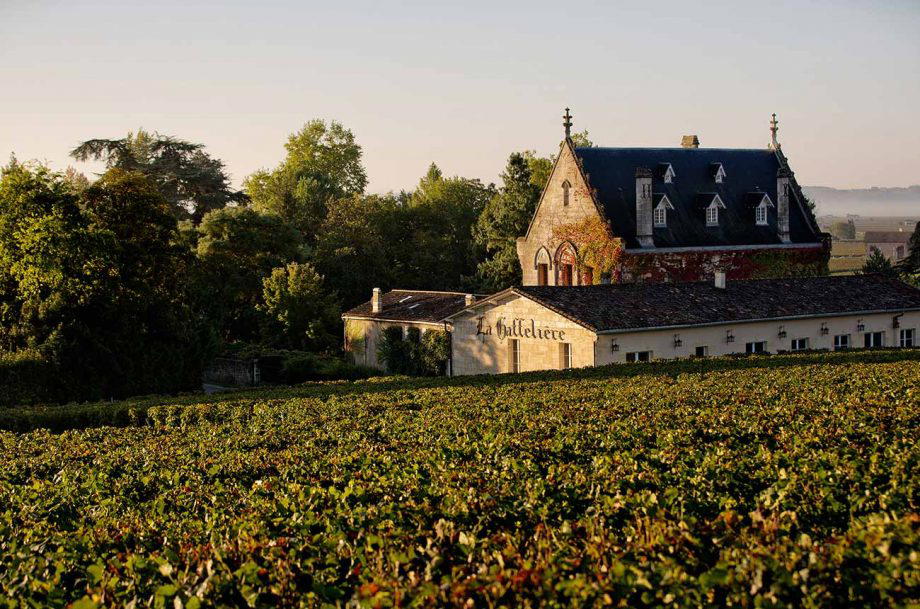
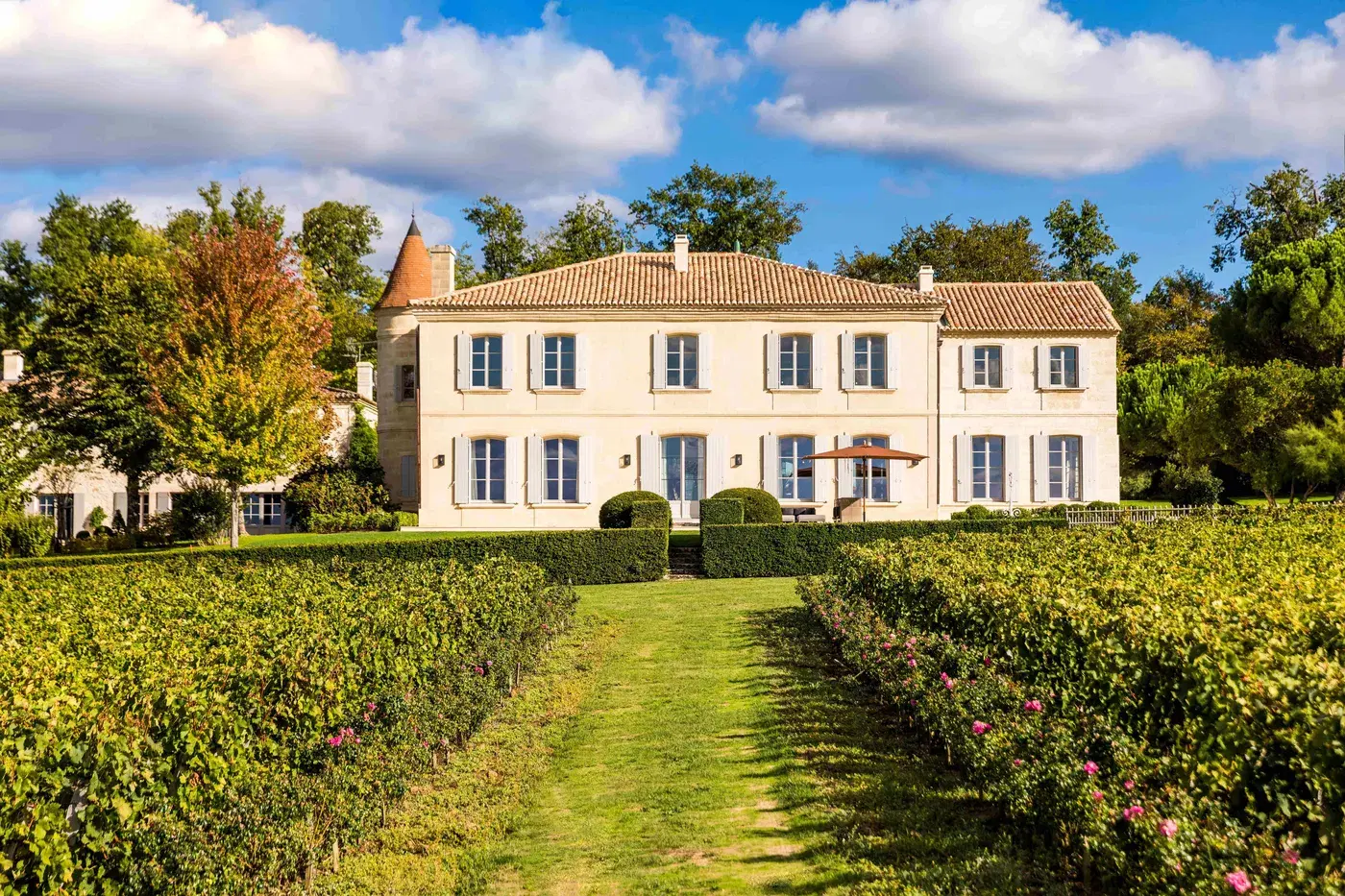
Bars in Saint-Émilion
Browse all →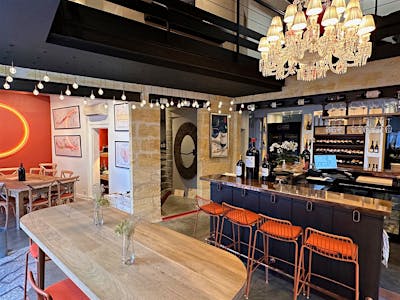
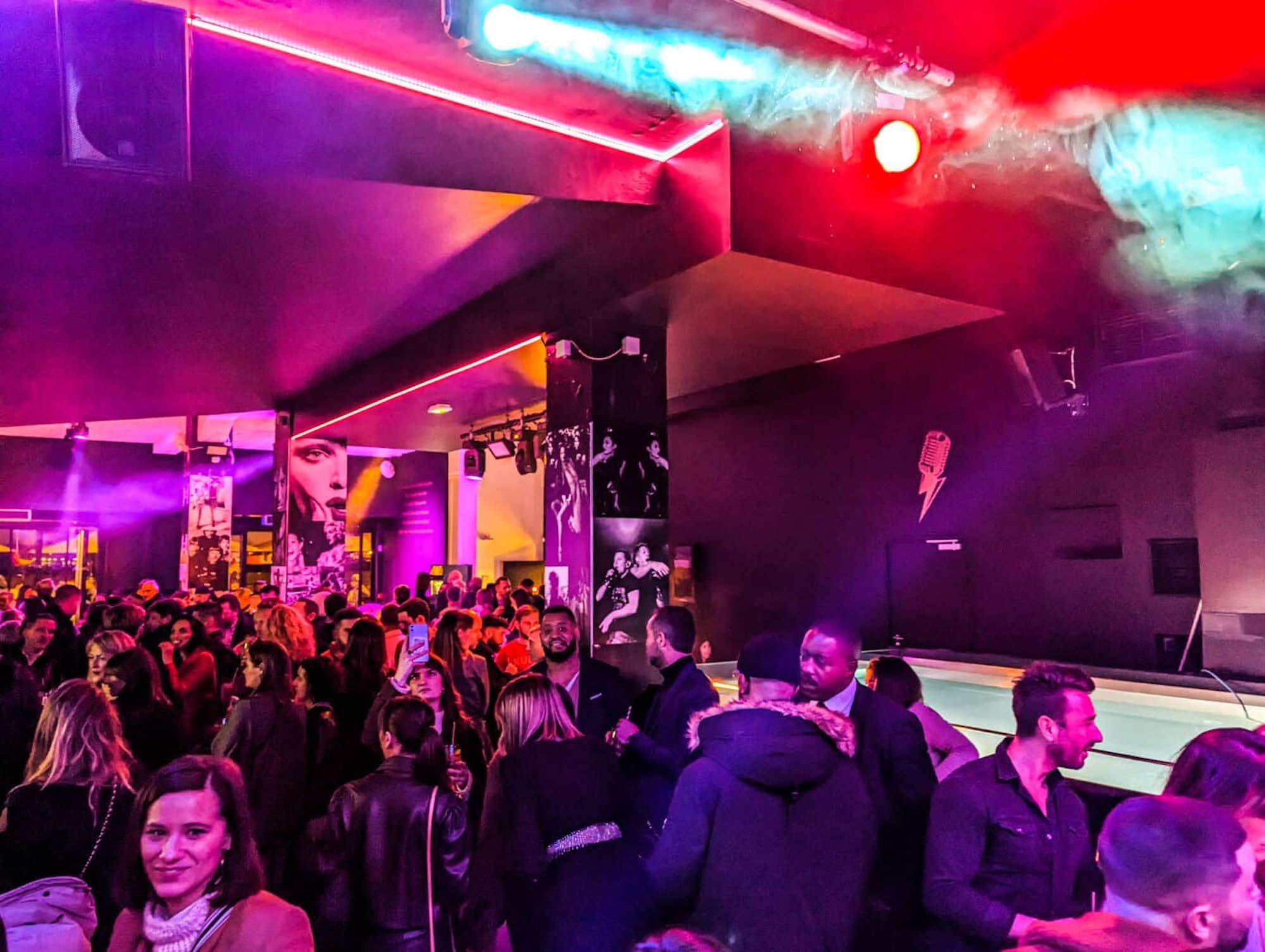
Restaurants in Saint-Émilion
All restaurants in Saint-Émilion →
Details
- Classic
- Quiet
- Sophisticated
- Rustic
- Wine Education
- Special Occasion
- Group Outing
- Vineyard Tour
- Estate Grounds
- Historic Building
- Private Tasting
- Organic
- Biodynamic
- Vineyard
- Merlot
- Cabernet Franc
- Still Red
- Guided Tasting
- Estate Visit
- French
- English
Current opening hours
- Monday
- 10 AM–5 PM
- Tuesday
- 10 AM–5 PM
- Wednesday
- 10 AM–5 PM
- Thursday
- 10 AM–5 PM
- Friday
- 10 AM–5 PM
- Saturday
- 10 AM–5 PM
- Sunday
- 10 AM–5 PM
Hours can change for holidays and private events. Hours as of .
Classic Saint-Émilion winery setting with a large vineyard block, a wooded park, limestone plateau and west-facing hillside; guest visits emphasize vineyard-first, terroir-focused experiences.