
Falstaff Winery - Listed
Château Doisy Dubroca belongs to the old grammar of Barsac: small scale, Sémillon, limestone-rich soils and sweet wine built for time rather than cellar-door theatre. Its 1855 Second Growth status, 3.28 hectares under vine and roughly 1,250-case production place it in the classified-growth tradition at a notably intimate scale.

Pearl is the En Primeur Club membership app — saves, bookings, and concierge access live there. Same editors, same standards.
- Address
- Barsac, Nouvelle-Aquitaine, Frankreich

Barsac is closely associated with Sauternes-Barsac sweet wine, and Château Doisy Dubroca belongs to that historic context. The picture is focused rather than expansive: a Barsac estate known for concentrated, honeyed dessert wine made from old Semillon vines on limestone-rich soils, with an emphasis on classic ageworthy style rather than a modern visitor-centre experience. That narrower frame is part of the point. This is not a venue best understood through spectacle, breadth of facilities or a checklist of touristic comforts, but through the quieter language of place, vine material and traditional sweet-wine expectation.
Barsac terroir, read through Sémillon and limestone
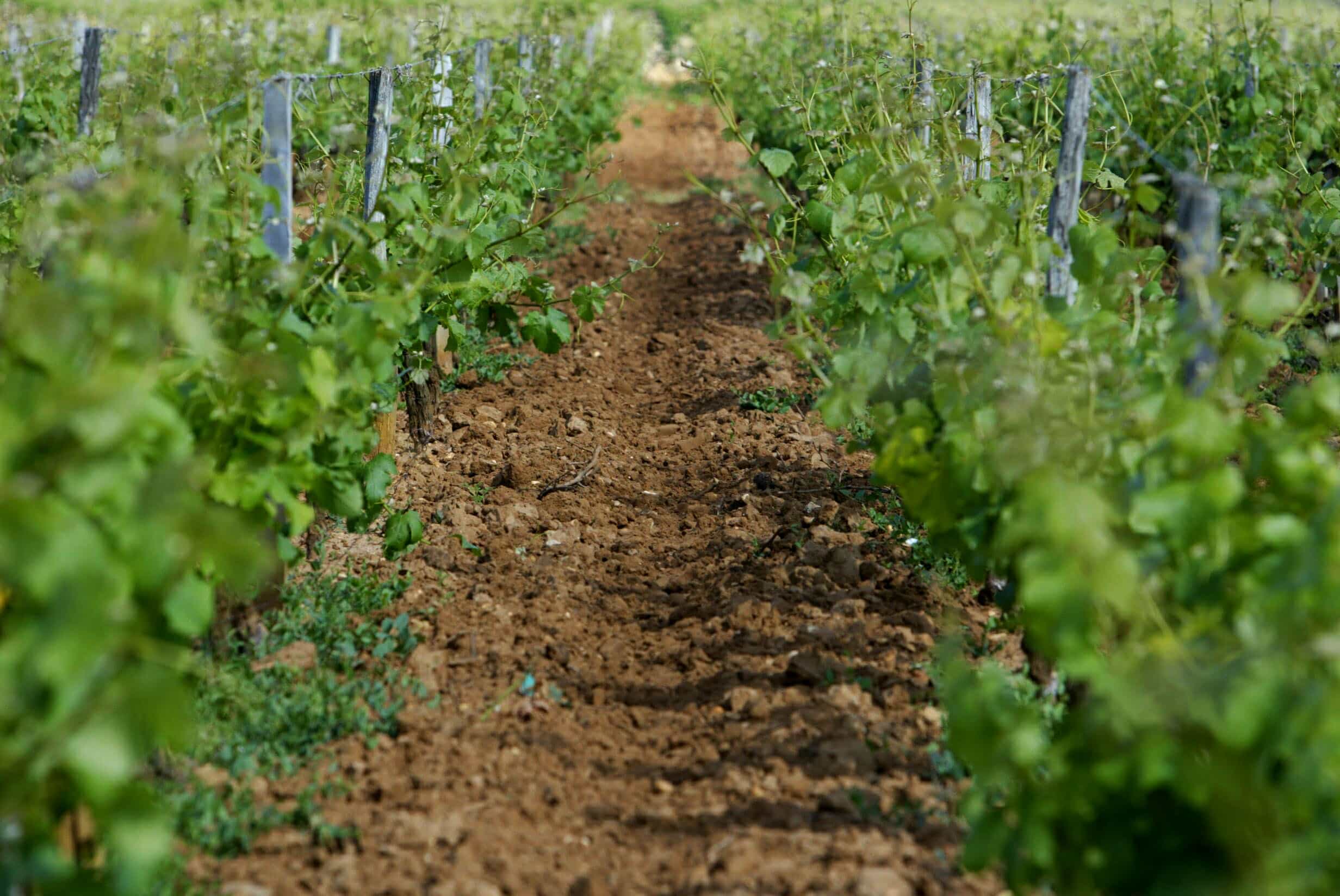
The defining lens here is land and grape variety. Château Doisy Dubroca is presented through old Semillon vines and limestone-rich soils, a combination that supports the estate’s reputation for concentrated, honeyed Sauternes-Barsac. Rather than describing the estate through a broad hospitality program or a long list of visitor amenities, the more reliable way to understand it is through its traditional sweet-wine identity. The emphasis on old vines matters because it helps explain why concentration is central to the description, while the limestone-rich soils give the profile a clear sense of rootedness in Barsac rather than a generic idea of sweet Bordeaux.
Within Barsac, the appeal is not modern novelty but continuity: dessert wine with concentration, honeyed character and the capacity to age. Those qualities sit together as a coherent style. Sweetness alone would be too simple a description; the more relevant idea is a wine category where density, aromatic richness and patience are part of the same conversation. Château Doisy Dubroca is therefore most naturally read through the classic grammar of Sauternes-Barsac, where maturity and longevity are not incidental but central to the attraction.
What can be said clearly is that Château Doisy Dubroca represents a classic expression of Sauternes-Barsac rather than a contemporary tourism-led château experience. For drinkers, the interest lies in the relationship between Semillon, limestone-rich soils and an ageworthy sweet-wine style. That relationship gives the estate its editorial shape: not broad, not flashy, but specific. It is a place to consider for what it reveals about Barsac’s enduring sweet-wine identity, especially for anyone more interested in the logic of terroir and style than in a highly packaged visitor narrative.
A historic sweet-wine estate without visitor-centre gloss
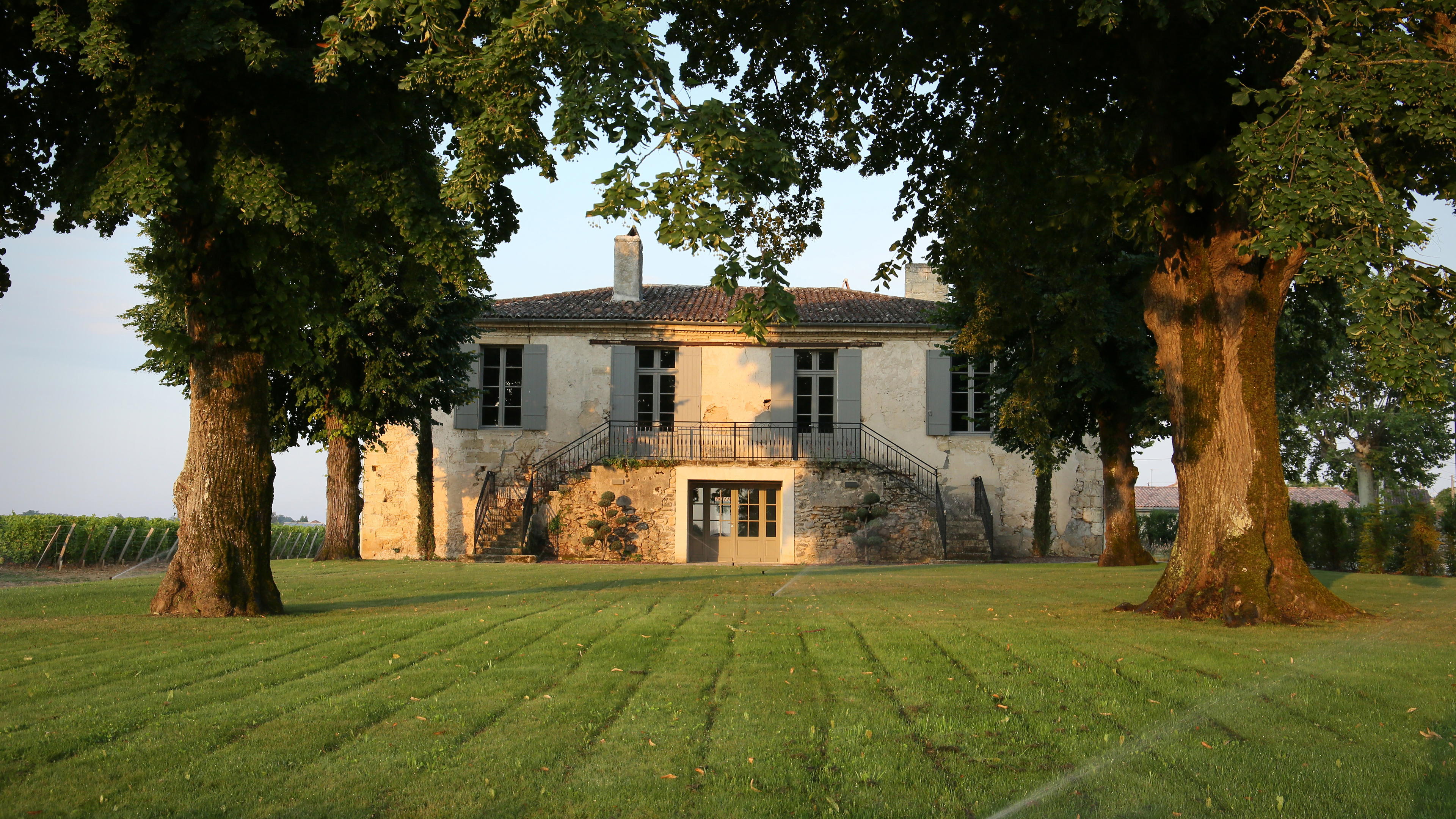
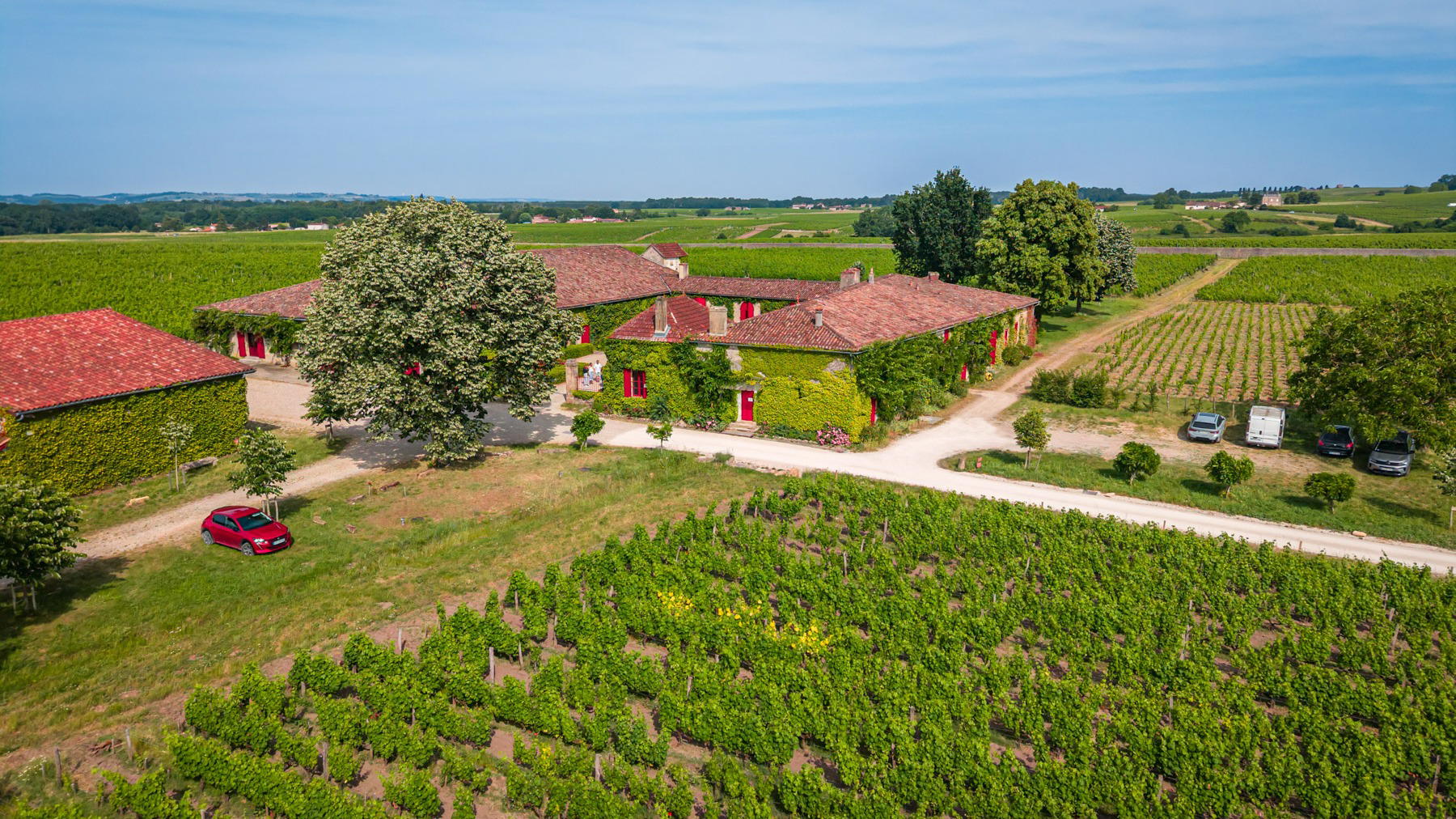
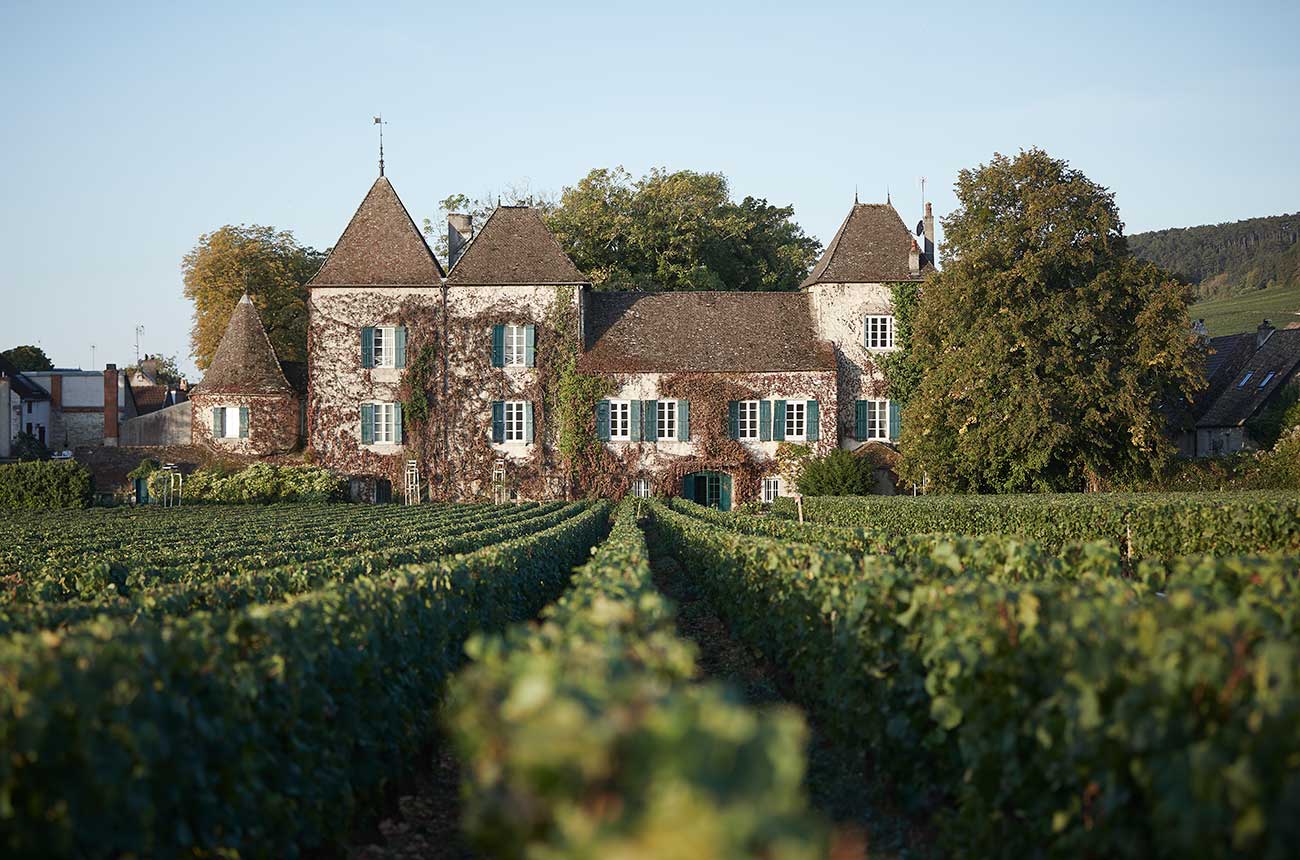
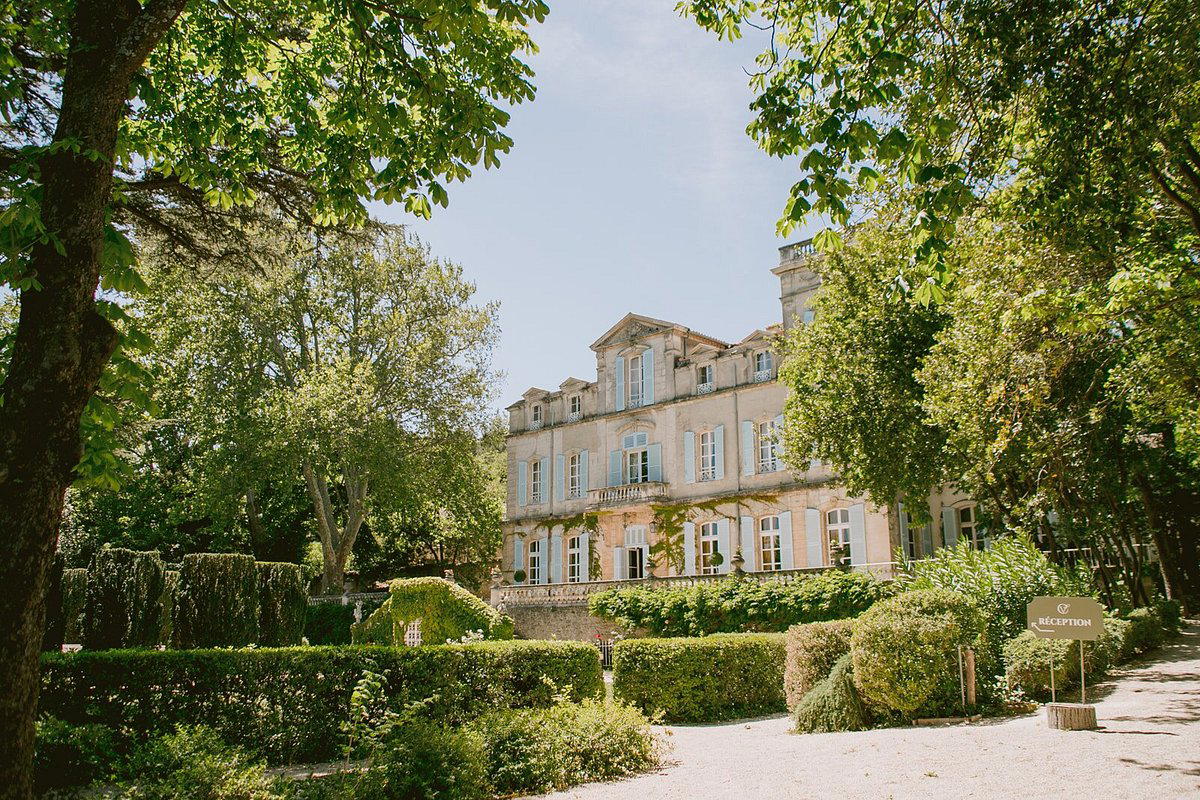
Not every serious wine address is designed around hospitality. Château Doisy Dubroca is best framed as a historic Barsac sweet-wine estate, not as a polished visitor-centre destination. That distinction matters for travellers who may expect a fully choreographed wine-tour format; the information points instead to a traditional estate identity centred on the wine itself. In practical editorial terms, that means the château should be approached less as an all-purpose attraction and more as a reference point for understanding Barsac’s sweet-wine tradition.
The style associated with Château Doisy Dubroca is concentrated and honeyed, in keeping with classic Sauternes-Barsac expectations. That phrasing is compact, but it carries much of the estate’s meaning: concentration suggests depth and substance, while honeyed character places the wine firmly within the dessert-wine register. The important qualification is that this is not presented as a casual sweetness or an easy novelty; it belongs to a more formal, ageworthy tradition.
The broader lesson is that Barsac sweet wine is not merely about sweetness. In its classic form, it can balance richness, concentration and ageing potential, making it a category for patient drinking rather than quick novelty. Château Doisy Dubroca fits into that lesson neatly because the available picture is so concentrated around essentials. Old Semillon vines, limestone-rich soils and a honeyed, ageworthy profile are enough to define the estate’s relevance without requiring additional embellishment.
How to place it within a Barsac itinerary
For a Barsac-focused wine day, Château Doisy Dubroca is better treated as a historical and terroir marker than as the centre of a broad visitor schedule. The estate speaks to the traditional sweet-wine side of the appellation, with old Semillon vines, limestone-rich soils and an ageworthy style. In that sense, its value within an itinerary is conceptual as much as practical: it helps anchor the idea of Barsac in a specific style of wine, one that depends on concentration, honeyed richness and the expectation of development over time.
Readers studying the area can compare Château Doisy Dubroca with other dining options in Barsac generically, while keeping the focus on what is for this estate: Barsac location, $$$ price level, and a classic Sauternes-Barsac identity. The comparison should not obscure the main point. This is not a venue whose appeal rests on an expansive restaurant-style proposition or a dense list of amenities; its identity is narrower and more wine-led. For the right traveller or drinker, that narrower identity can be exactly what makes it useful.
The editorial case for Château Doisy Dubroca is precise: it is a historic Barsac sweet-wine estate known for concentrated, honeyed Sauternes-Barsac from old Semillon vines on limestone-rich soils. For drinkers who care about traditional dessert wine, the interest lies in that combination of place, grape variety and ageworthy style. It is a compact but meaningful proposition, especially in a region where the best understanding often comes from paying attention to small distinctions: Barsac rather than just sweet wine, Semillon rather than a vague blend, limestone-rich soils rather than scenery, and ageworthy concentration rather than simple sweetness.
Recognition history
Dated appearances from independent guides and award organizations, with the underlying list record or original source where available.
Falstaff Winery - Listed
Falstaff
Continue exploring
More in Barsac
Details
- Classic
- Well Known
- Intimate
- Special Occasion
- Wine Education
- Romantic Getaway
- Organic
- Vineyard
- Semillon
- Dessert
Historic Barsac sweet-wine estate known for concentrated, honeyed Sauternes-Barsac made from old Semillon vines on limestone-rich soils, offering a classic, ageworthy dessert-wine style rather than a modern visitor-center experience.