
Château Crabitey reads as Graves in a quieter register: gravel soils, Garonne influence, Cabernet Sauvignon, Merlot, Petit Verdot, Sauvignon Blanc and Sémillon rather than cellar-door theatre. The Portets estate began wine production in 1882 after Franciscan nuns planted vines to support an orphanage, and today its appeal sits in that mix of Bordeaux history, medium-scale production and sustainable vineyard work.
Pearl is the En Primeur Club membership app — saves, bookings, and concierge access live there. Same editors, same standards.
- Address
- Portets, Graves, Nouvelle-Aquitaine, Frankreich
- Directions
- Get directions
 Saves & bookings on Pearl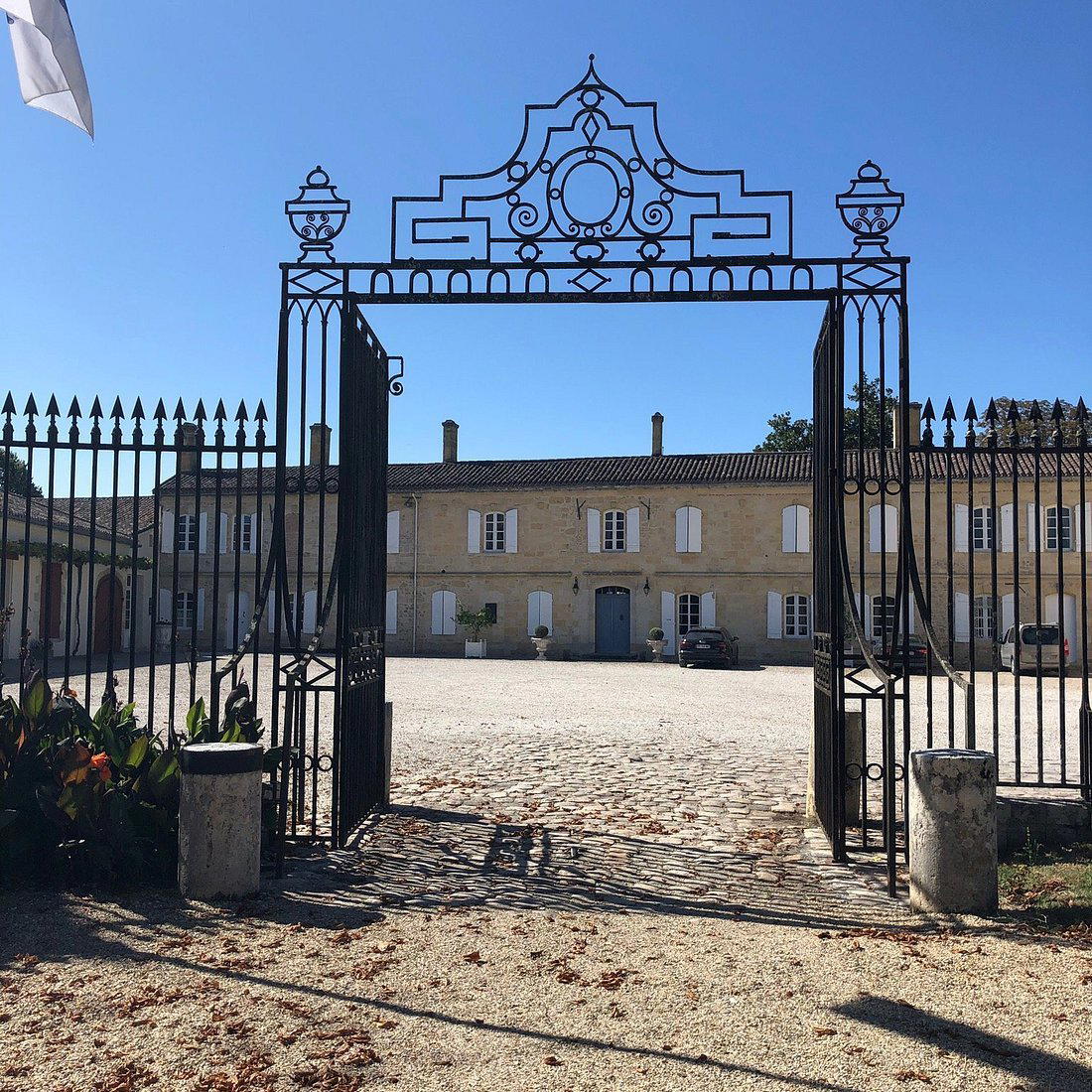
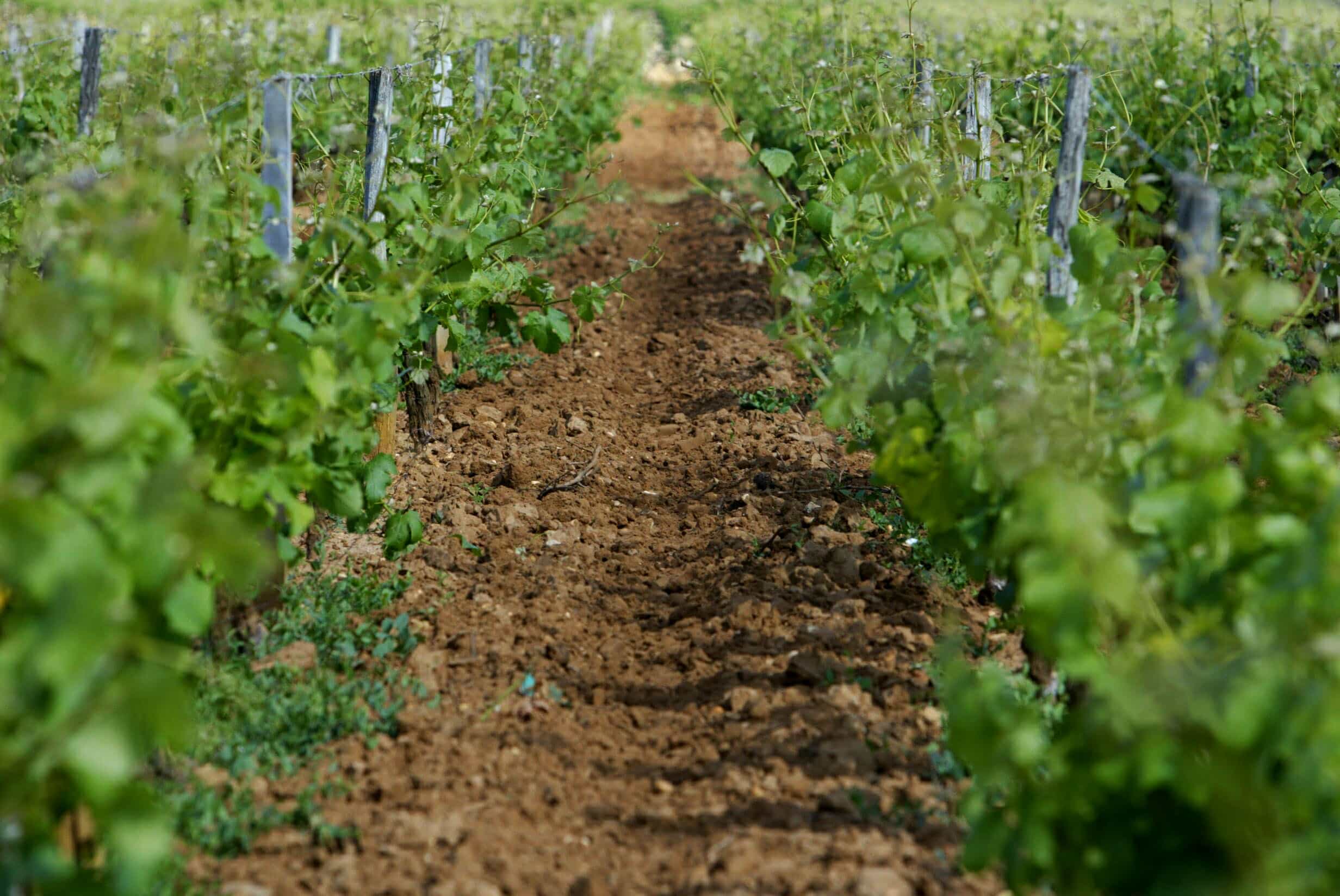
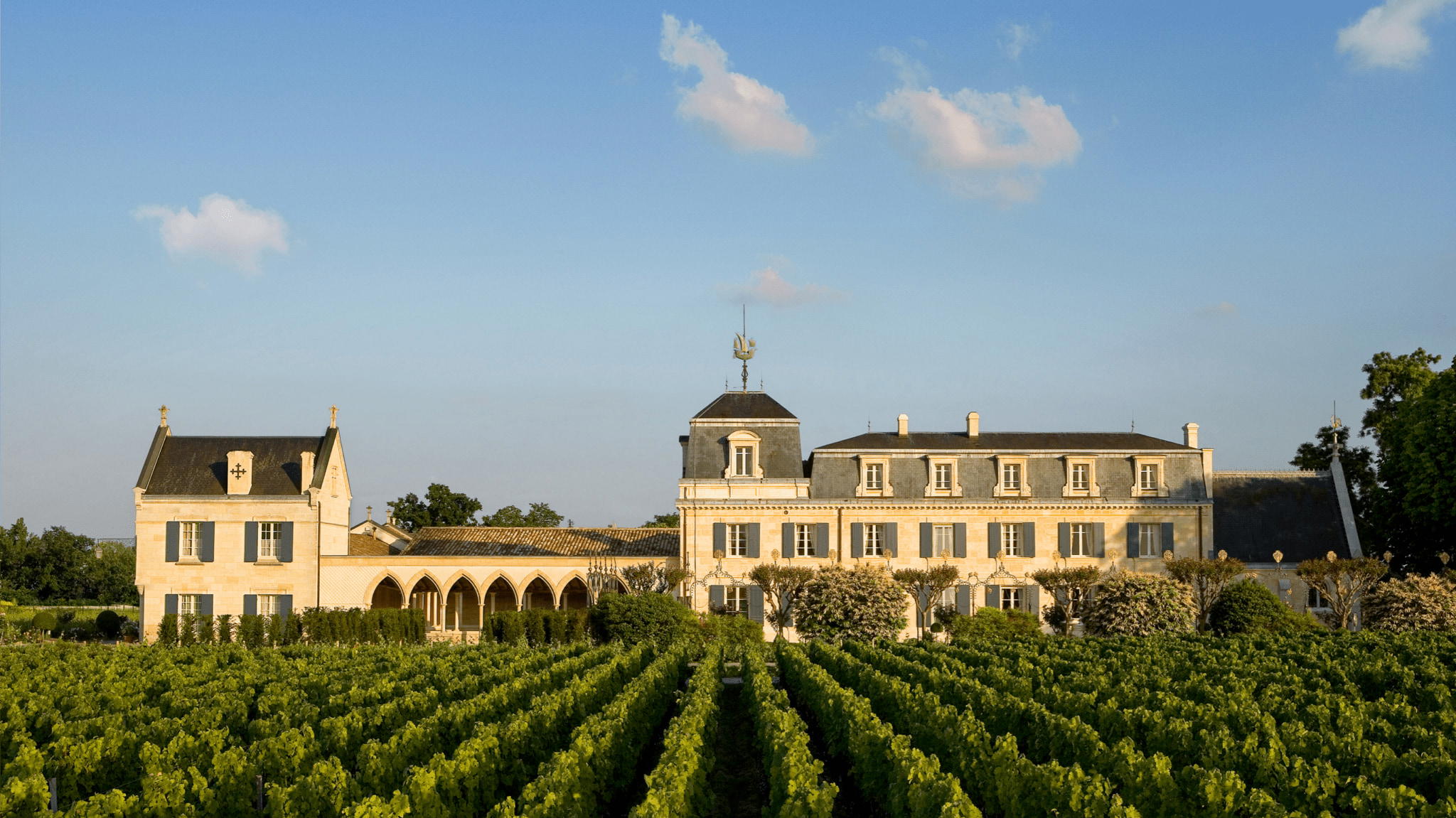
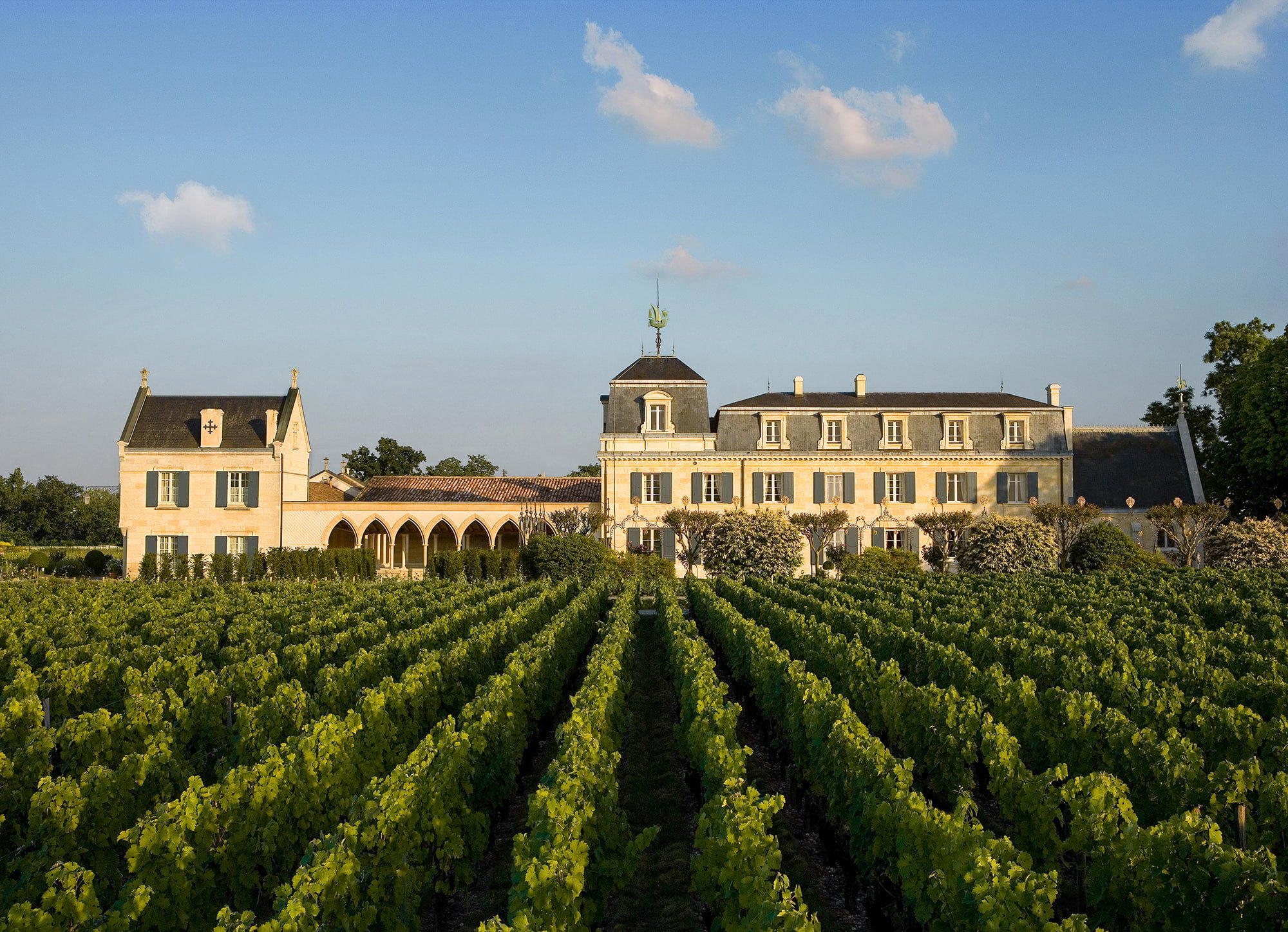
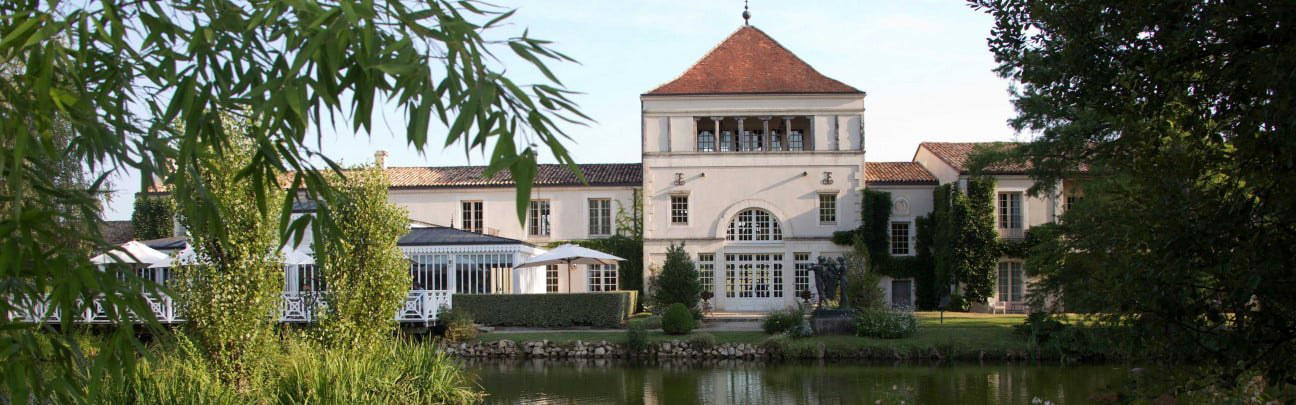
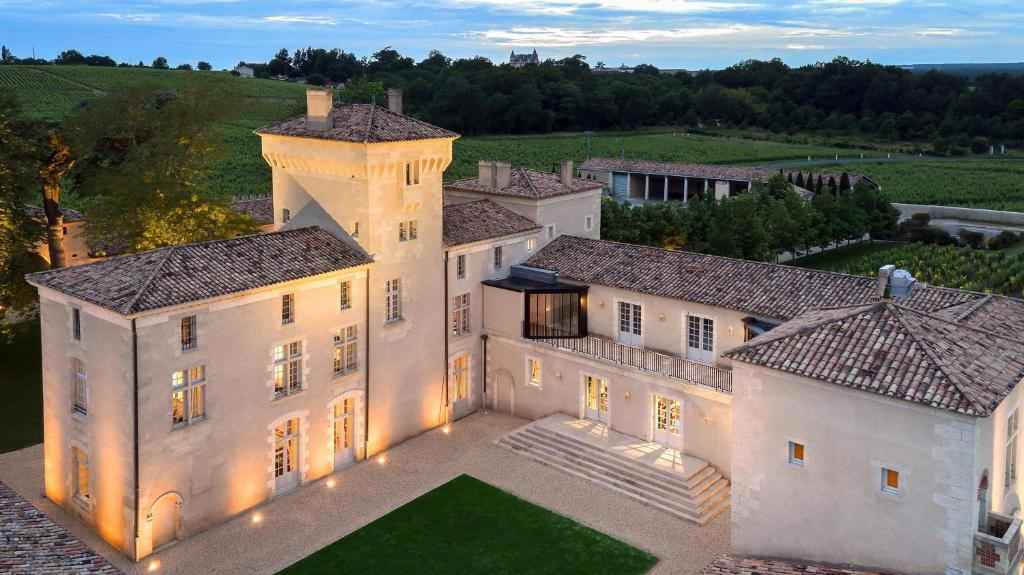
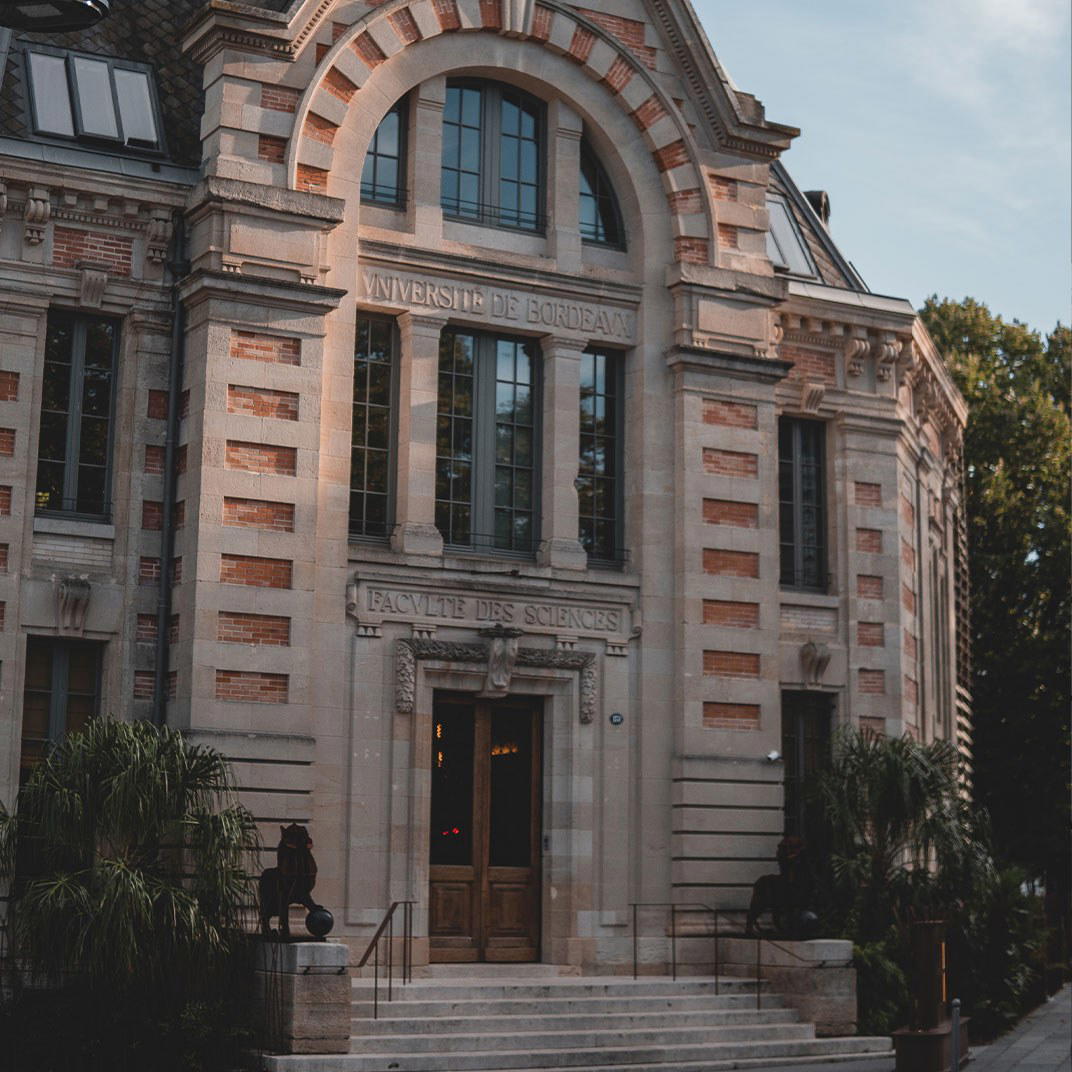
Approaching Château Crabitey in Portets, the first cue is not spectacle. It is the classic Bordeaux architecture, the ordered vineyard rows, the gravel underfoot and the quiet rural atmosphere near the Garonne. The estate belongs to a Portets rhythm shaped more by wine-growing than by tourism performance, and that distinction matters. The appeal begins with a sense of proportion: built form, cultivated land and river-country quiet all working together without the need for theatrical presentation.
The picture is deliberately simple: Château Crabitey is a historic Graves estate set among gravel-soil vineyards in Portets. Rather than leaning on claims about specific services, production details or accolades, it is best understood as a scenic, rustic and relatively hidden wine-growing property with a classic Bordeaux look. That makes the estate useful to read as a place of atmosphere first. Its value, from the information available here, is not in a list of confirmed visitor amenities, but in the way it expresses a recognizable Graves landscape: restrained, agricultural, architectural and closely tied to its surroundings.
Gravel, river air and a quiet Graves setting
The local appeal rests on setting before spectacle. Château Crabitey sits among gravel-soil vineyards near the Garonne, with a calm rural mood that feels connected to the landscape around Portets. The impression is classic rather than flashy: Bordeaux architecture, vineyard rows and a sense of restraint. Nothing in the description asks to be overdramatised. The estate’s presence is grounded in the ordinary beauty of wine country: the texture of the soils, the geometry of the vines and the softened atmosphere of a rural site close to the river.
For readers comparing places in Portets, the estate’s strongest qualities are atmosphere and context. It is not documented here with confirmed menu details, visitor formats, awards, opening hours or production figures, so those specifics should be checked directly before planning around them. That caution is important because a place can be visually and culturally compelling without every practical detail being established in advance. The winery should therefore be approached with a clear distinction between what is known from the present description and what would need confirmation from the estate itself.
What can be said with confidence is that winery fits the profile of a historic Graves estate: scenic, rustic and focused on wine-growing. Its appeal is the setting itself, especially for travelers who value quiet vineyard landscapes over heavily staged hospitality. In that sense, the estate is less about a checklist and more about context. It offers a way to understand Portets through its vineyards, its gravelly ground and its classic Bordeaux visual language, all without requiring the louder signals often associated with major visitor destinations.
A historic Bordeaux estate atmosphere
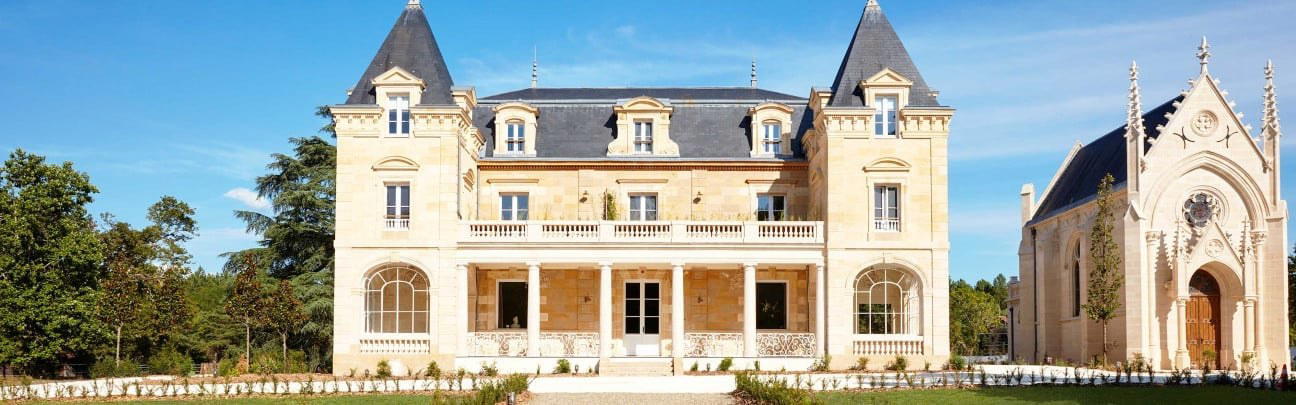
The winery’s character is architectural and agricultural. The estate presents a classic Bordeaux château setting in Portets, surrounded by vineyards and marked by the gravel soils associated with Graves. That gives it a strong sense of place without needing embellishment. The architecture and the land read together: the château provides the formal note, while the rows of vines keep the focus rooted in cultivation. The result is a setting that feels composed but not showy, traditional but not overexplained.
The atmosphere is best described as rural and understated. It reads as a hidden-gem estate rather than a highly touristic stop, with the surrounding vines and nearby Garonne landscape shaping the experience. That hidden quality should not be confused with a claim about exclusivity or special access; it simply describes the tone suggested by the place as presented here. The winery appears most compelling when considered as part of the quieter face of Bordeaux wine country, where the landscape itself carries much of the interest.
Those may be meaningful to confirm separately, but they are not part of the available information. Practical questions about visits, tastings, food, production, schedules or other services should not be assumed from the estate’s atmosphere alone. The available portrait supports a more careful reading: the winery is a historic, scenic Graves property in Portets, and the reliable emphasis belongs on its setting, its rural character and its classic Bordeaux identity.
How to read Château Crabitey in a Portets itinerary
For a visitor building time around Portets, the winery works as a scenic Graves estate to keep on the map. The setting is historic, the architecture is classic Bordeaux, and the mood is quiet and rural rather than urban or nightlife-driven. It is the kind of reference point that helps frame Portets as wine country rather than as a general-purpose destination.
Before making plans, confirm practical details directly with the estate. That includes any questions that would affect timing, access or expectations, because the description here does not establish those particulars. The safest approach is to treat the winery as a strong atmospheric and geographical marker first, then verify anything operational before relying on it.
Portets itself can be approached as a focused wine-country stop, with the winery as the named reference point here. Other dining or travel planning in Portets should be researched separately and treated generically unless details are confirmed. Within that careful frame, the winery’s role is clear: it represents a quiet Graves landscape, classic Bordeaux architecture and a rural vineyard setting near the Garonne, best appreciated for its understated sense of place rather than for claims.
Recognition history
Dated appearances from independent guides and award organizations, with the underlying list record or original source where available.
Falstaff Winery - Listed
Falstaff
Continue exploring
More in Portets
Wineries in Portets
Browse all →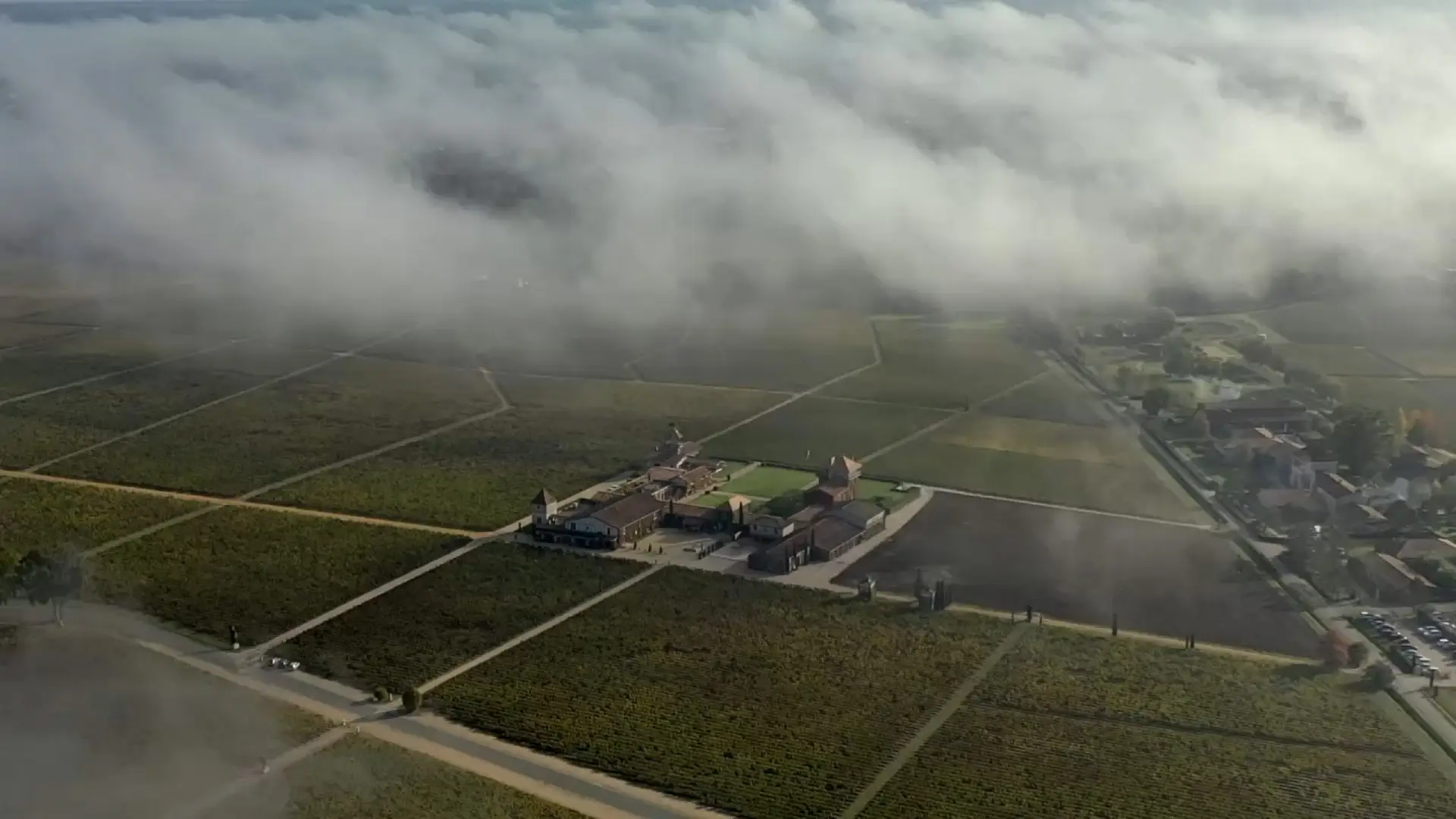
Bars in Portets
Browse all →
Restaurants in Portets
Browse all →
At a Glance
- Classic
- Scenic
- Rustic
- Romantic Getaway
- Group Outing
- Solo Exploration
- Wine Education
- Estate Grounds
- Vineyard Tour
- Historic Building
- Sustainable
- Vineyard
- Garden
- Graves AOC
- Cabernet Sauvignon
- Merlot
- Petit Verdot
- Sauvignon Blanc
- Semillon
- Still Red
- Still White
- Estate Tasting
- Vineyard Tour
Historic Graves estate with classic Bordeaux architecture set among gravel-soil vineyards near the Garonne, offering a quiet, rural atmosphere focused on wine-growing rather than tourism.