

Michelin 1 Grape · Falstaff Winery - 4 Stars
Château Coutet is a historic Premier Cru Classé Barsac estate where sweet-wine tradition is read through limestone, clay, botrytis and time. The visit is strongest for travelers who want a serious Sauternes context rather than a casual cellar-door pour, with guided formats, long cellars and a fortified château setting anchoring the experience.

Pearl is the En Primeur Club membership app — saves, bookings, and concierge access live there. Same editors, same standards.
- Address
- Château Coutet, 33720 Barsac, France
- Phone
- +33 5 56 27 15 46
- Hours
- Mon–Fri 9 AM–5 PMSat–Sun Closed
- Website
- chateaucoutet.com
- Directions
- Get directions
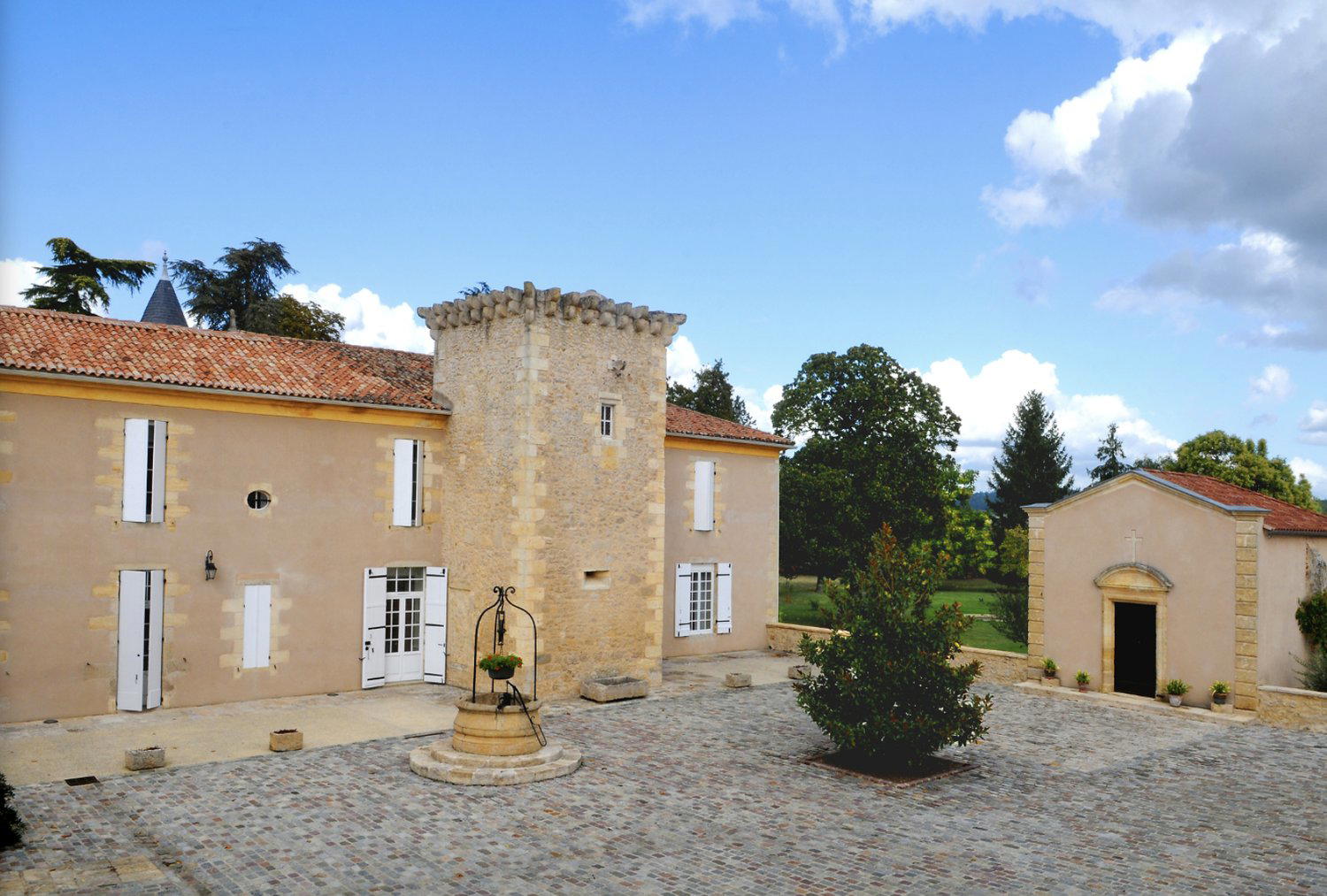
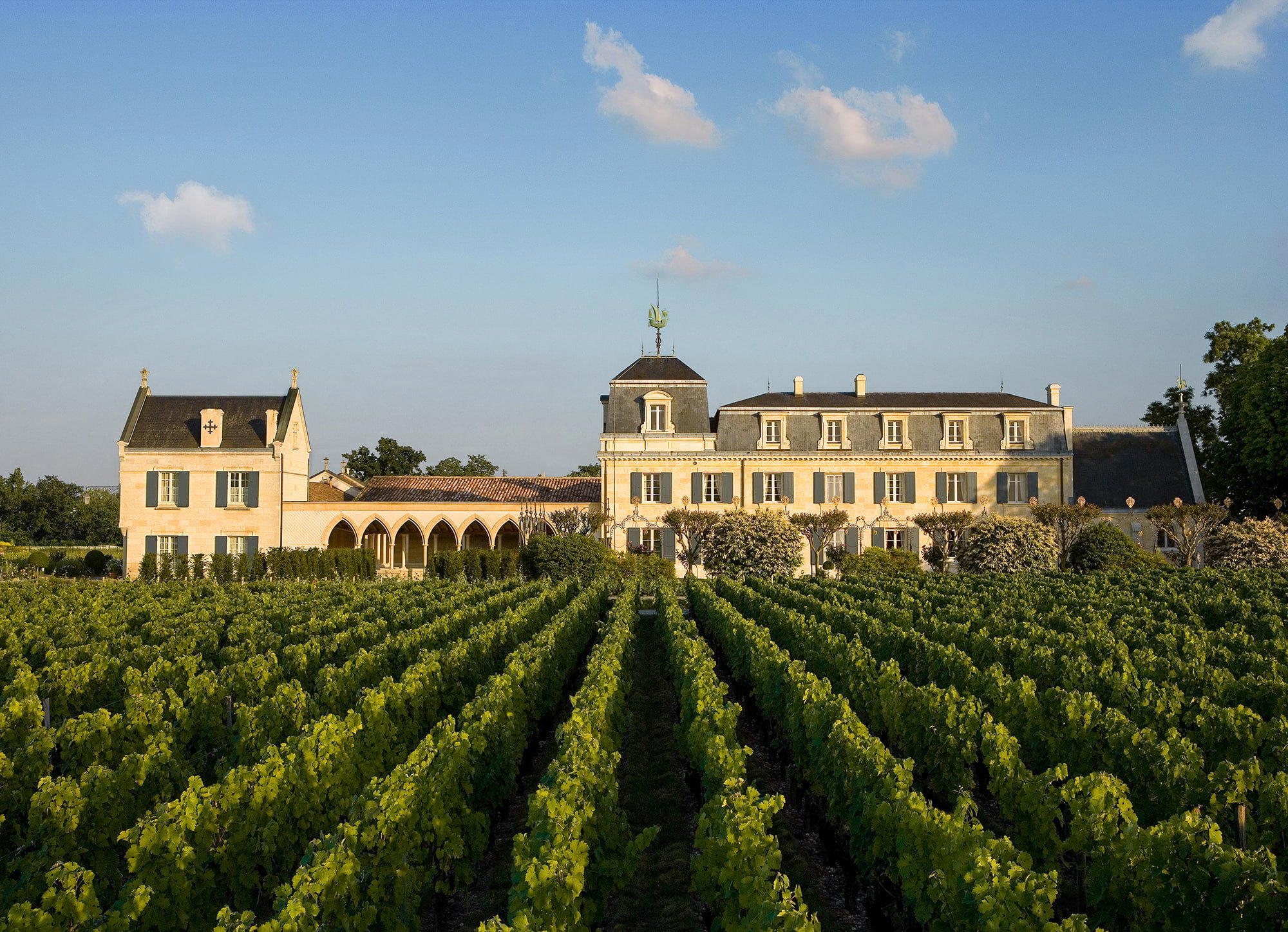
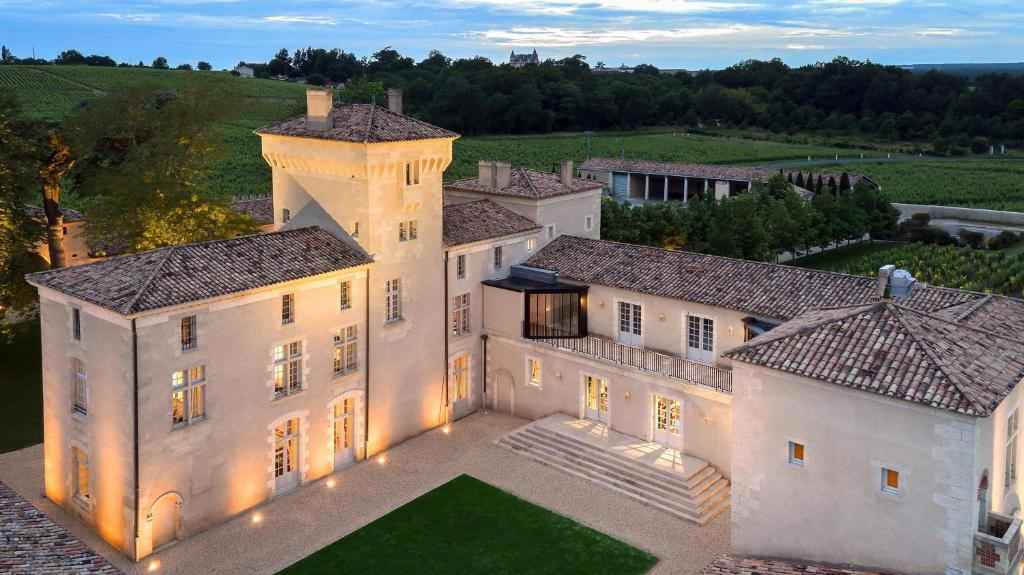
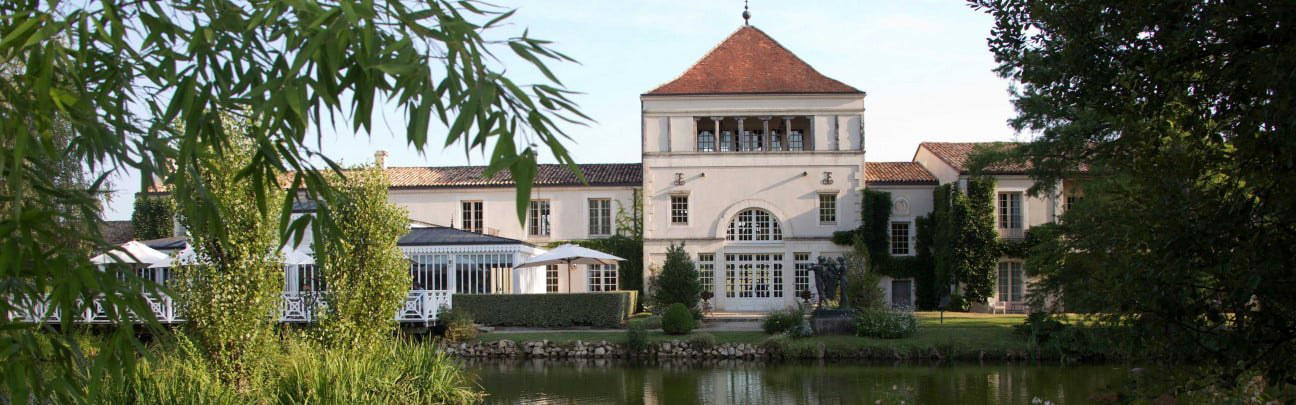
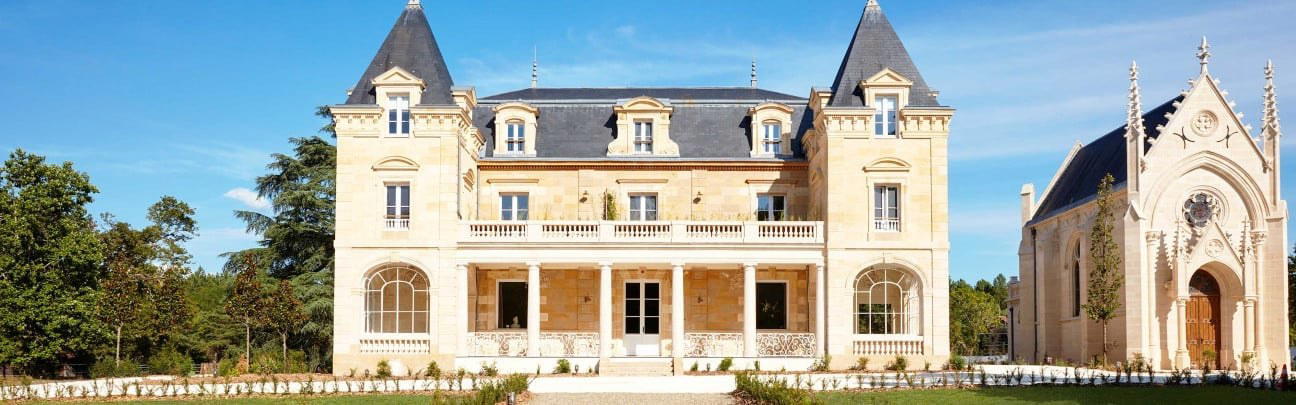
The first impression in Barsac is architectural before it is anything else: Château Coutet is a historic first-growth estate with a traditional, quietly elegant atmosphere, centered around a 13th-century fortress tower and long limestone cellars. The experience is best understood as a classic, contemplative setting for sweet wine tasting rather than as a page built around service details. In other words, the draw is not a long list of promised extras, but the feeling of entering a place where the building, the cellar spaces and the Barsac context do much of the talking.
For visitors planning a stop in Barsac, the most reliable way to frame Château Coutet is simple: it is a historic estate setting where the architecture, cellar atmosphere and sweet-wine context carry the visit. Specific claims about menus, tour formats, production figures, varieties, opening hours or hospitality extras should be confirmed directly before planning around them. That is especially important here because the appeal is clear even without overloading the description: Château Coutet belongs in an itinerary as a calm, heritage-led sweet-wine address, not as a venue that needs embellished detail to make sense.
Barsac sweetness in a historic estate setting
Château Coutet’s strongest appeal is its setting: a Barsac first-growth estate with a 13th-century fortress tower and long limestone cellars. The mood is traditional and quietly elegant, making it a good fit for visitors who want a slower, more contemplative sweet-wine tasting environment. It is the kind of place where the surrounding architecture matters as much as the glass in hand, because the estate’s age and atmosphere help frame the tasting in a distinctly Barsac way.
The price is $22 per person. The useful planning point is therefore deliberately narrow: the listing gives a price and a historic estate context, while the finer operational details should be treated as information to verify rather than assumptions to build into a schedule.
That restraint matters for planning. Château Coutet can be described confidently as a historic Barsac estate for sweet wine tasting, but any more detailed itinerary assumptions should be checked with the estate before travel. For some travelers, that may be enough: the combination of first-growth status, fortress architecture and limestone cellar atmosphere gives the stop a clear identity. For others, especially those coordinating timing, group needs or expectations around the structure of a visit, direct confirmation will make the experience easier to place alongside the rest of a Barsac day.
A cellar visit shaped by age, not theatre
The long limestone cellars and the 13th-century fortress tower give Château Coutet its sense of place. The atmosphere is classic rather than showy: traditional, quiet and suited to visitors who appreciate historic surroundings as part of the tasting experience. This is not a description built on spectacle; it is a description built on age, stone, cellar coolness and the slower pace that often suits sweet wine particularly well.
Those details may change and should be confirmed directly with Château Coutet. The same caution applies to anything more specific than the broad character of the estate: if a plan depends on the precise format, timing, access or inclusions, it is better to ask the estate directly than to infer too much from the setting.
What can be said with confidence is that the estate’s identity is rooted in Barsac, sweet wine tasting and a historic architectural setting. For many visitors, that is the main reason to include it in a Barsac plan. The visit reads as a chance to connect the wine style with the physical environment around it: a first-growth property, a fortress tower, long limestone cellars and a traditional atmosphere that encourages attention rather than haste.
How to place it in a Barsac itinerary
Château Coutet is best approached as a classic Barsac sweet-wine stop with a quietly elegant estate atmosphere. It is especially relevant for travelers who value historic context: a 13th-century fortress tower, long limestone cellars and the contemplative rhythm of a traditional first-growth property. In an itinerary, that means allowing it to function as a heritage-focused pause rather than treating it as a generic tasting appointment. The point is the setting as much as the service mechanics.
Its value in a plan comes from clarity rather than complexity: a sweet-wine tasting context, a first-growth estate identity, and an architectural backdrop that gives the stop its character. Confirm the practical details before committing to a schedule, then treat the visit as a quiet, traditional counterpoint within a wider Barsac route.
Recognition history
Dated appearances from independent guides and award organizations, with the underlying list record or original source where available.
Michelin 1 Grape
Michelin
Falstaff Winery - 4 Stars
Falstaff
Continue exploring
More in Barsac
Wineries in Barsac
Browse all →
Bars in Barsac
Browse all →
Restaurants in Barsac
Browse all →
Details
- Classic
- Scenic
- Romantic
- Well Known
- Sophisticated
- Wine Education
- Group Outing
- Romantic Getaway
- Special Occasion
- Corporate Event
- Estate Grounds
- Barrel Room
- Historic Building
- Private Tasting
- Vineyard
- Semillon
- Sauvignon Blanc
- Muscadelle
- Dessert
- Still White
- Guided Tasting
- Estate Tour + Tasting
- Workshop
- Private Tasting
- French
- English
Current opening hours
- Monday
- 9 AM–5 PM
- Tuesday
- 9 AM–5 PM
- Wednesday
- 9 AM–5 PM
- Thursday
- 9 AM–5 PM
- Friday
- 9 AM–5 PM
- Saturday
- Closed
- Sunday
- Closed
Hours can change for holidays and private events. Last verified .
Historic Barsac first-growth estate with a traditional, quietly elegant atmosphere, centered around a 13th‑century fortress tower and long limestone cellars that create a classic, contemplative setting for sweet wine tasting.