Château Clarke

Falstaff Winery - 1 Stars
Château Clarke is a historic Listrac-Médoc estate founded in 1771 and now part of Edmond de Rothschild Heritage. Its interest lies in clay-limestone Médoc expression: Merlot leads the red blend, while Le Merle Blanc adds a rare white-wine counterpoint in a Left Bank zone built largely around red Bordeaux.

Pearl is the En Primeur Club membership app — saves, bookings, and concierge access live there. Same editors, same standards.
- Address
- Château Clarke, accueil, D208, 33480 Listrac-Médoc, France
- Phone
- +33 5 56 58 38 00
- Hours
- Mon–Fri 8 AM–12 PM, 2–5 PMSat–Sun Closed
- Directions
- Get directions
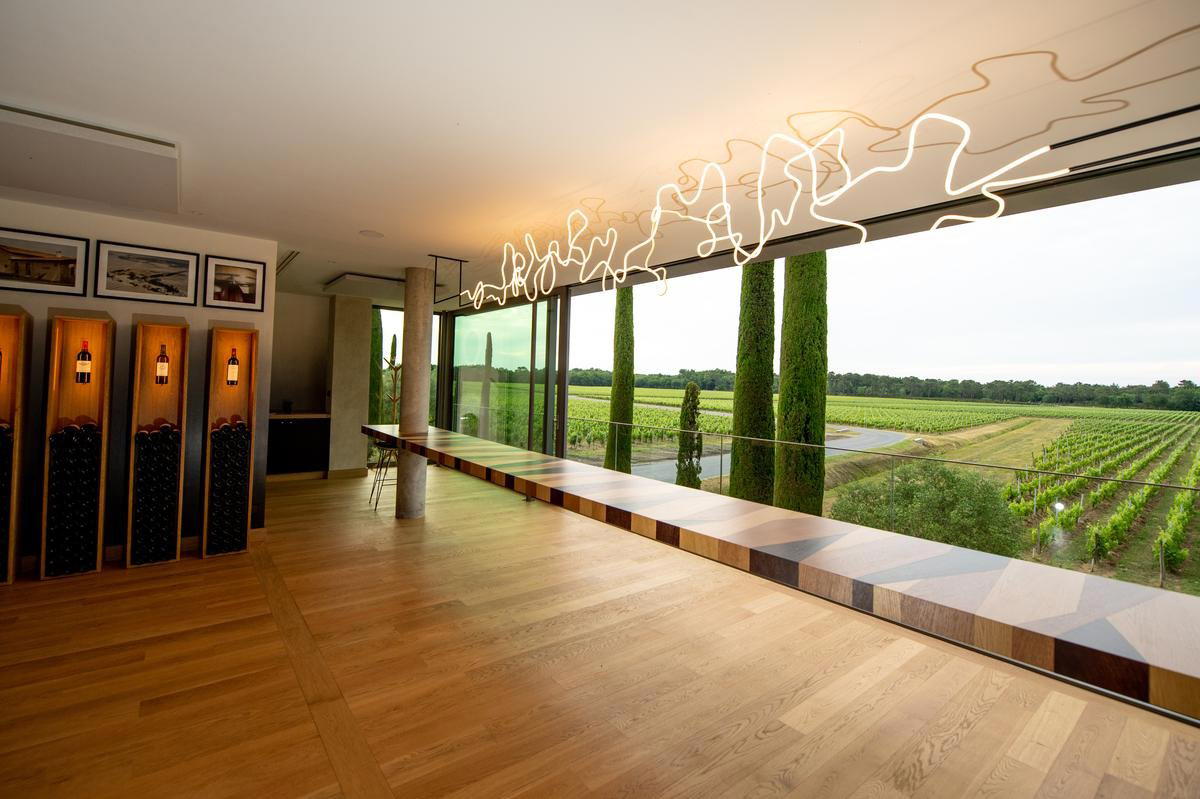
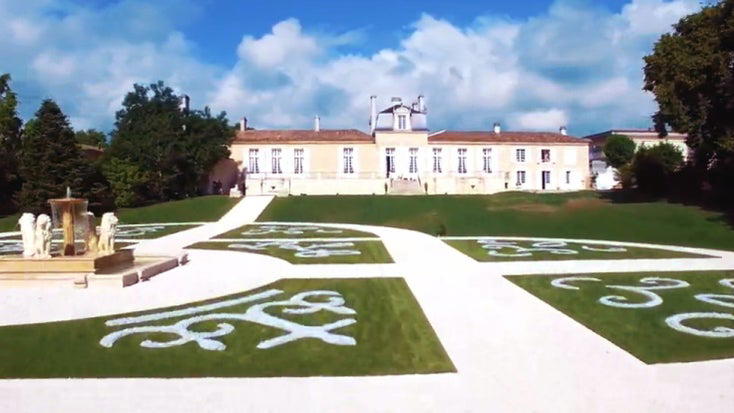
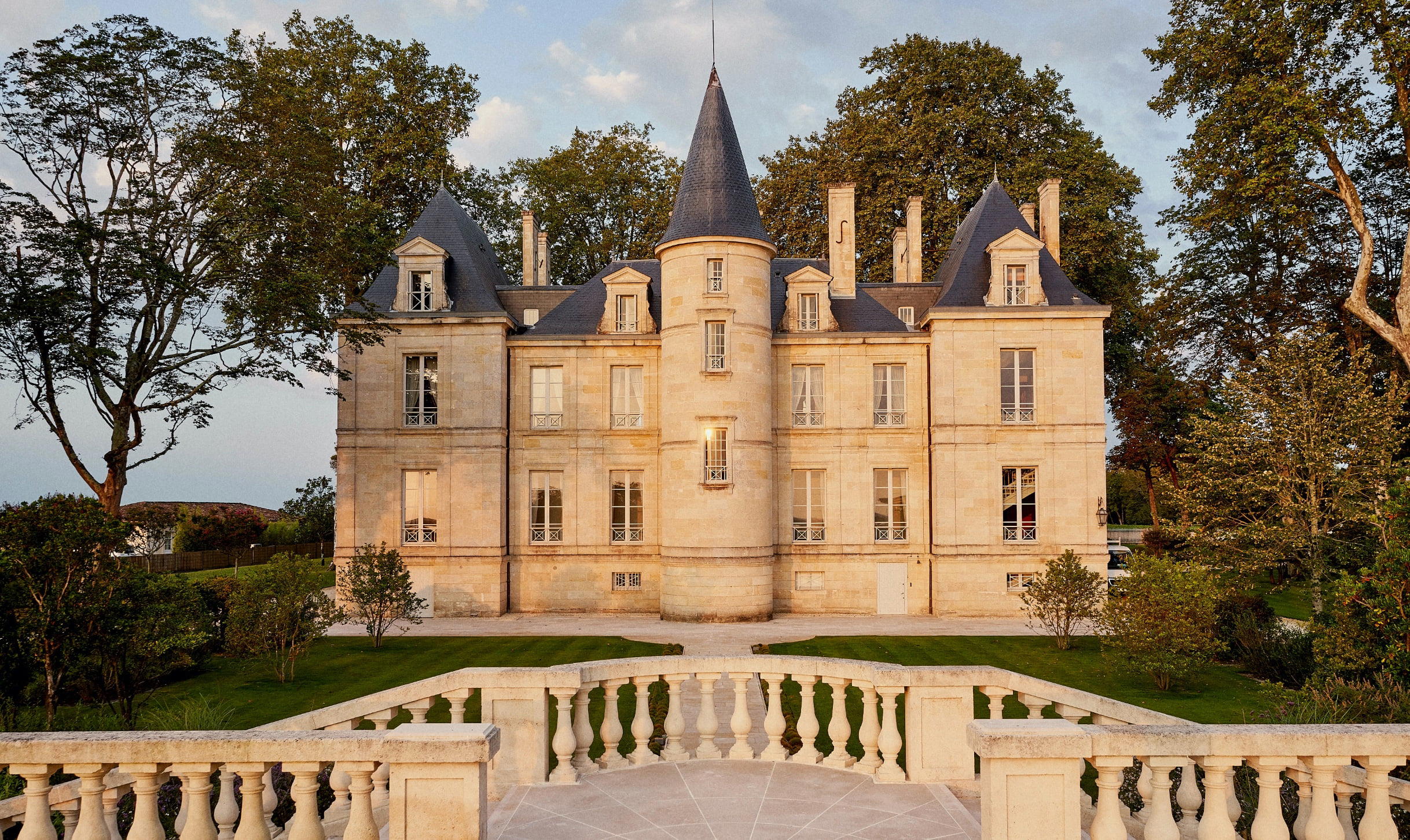
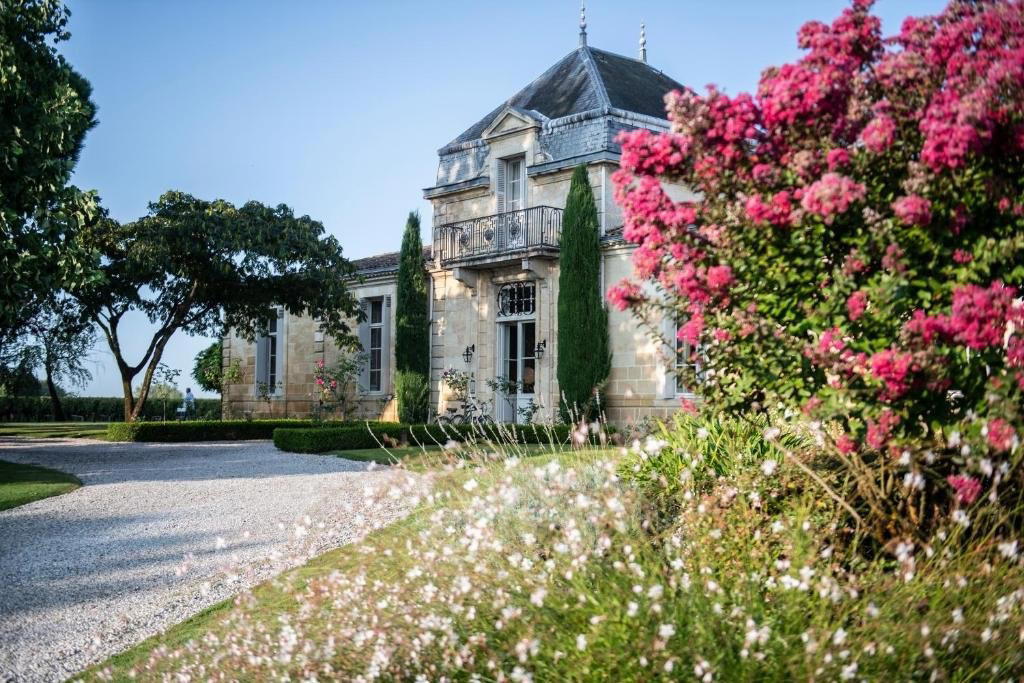
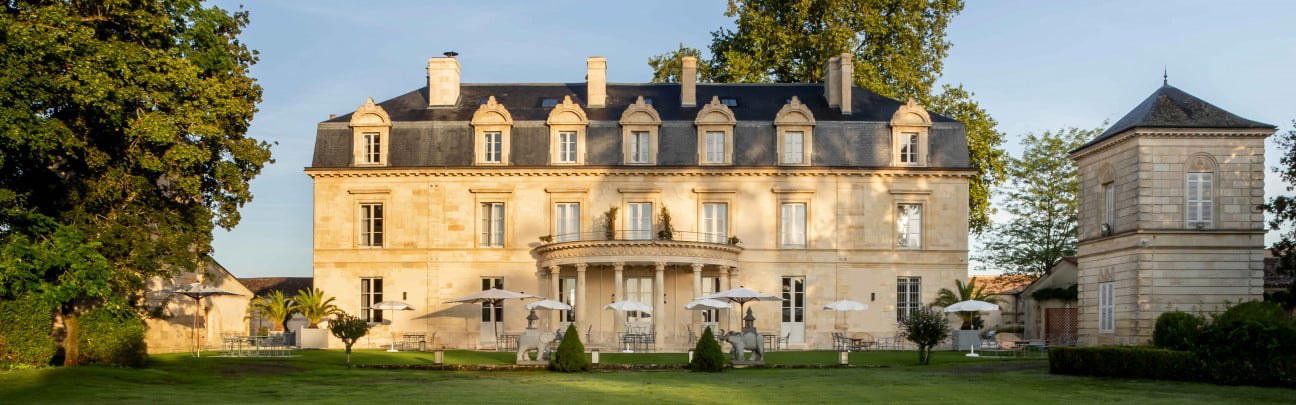
Approaching a château estate in Listrac-Médoc means entering a quieter register of the Left Bank. The scale is Bordeaux, but the mood is less ceremonial than the classified-growth corridors farther south: vineyard rows, cellar architecture, and a sense of land doing more of the speaking than brand theatre. Château Clarke belongs to that register, with a historic château setting and a cellar-focused tasting environment that suits visitors interested in why this appellation tastes different from the Médoc shorthand they may already know.
Listrac-Médoc rewards attention because it does not follow the easy script of Left Bank Cabernet dominance. The appellation’s clay-limestone soils make Merlot more persuasive here than it is in many Médoc conversations, and Château Clarke has leaned into that distinction. Its plantings are 70% Merlot and 30% Cabernet Sauvignon, a ratio that shifts the discussion from gravel-driven austerity toward structure carried by clay, limestone, and slower ripening. For travelers building a broader local circuit, the estate sits naturally alongside the regional context in Our full Listrac-Médoc wineries guide, with dining, hotel, bar, and experience planning covered separately in Our full Listrac-Médoc restaurants guide, Our full Listrac-Médoc hotels guide, Our full Listrac-Médoc bars guide, and Our full Listrac-Médoc experiences guide.
Clay-limestone Médoc, read through Merlot rather than Cabernet
The useful way to read Château Clarke is through soil first. Listrac-Médoc sits within a Left Bank culture often reduced to Cabernet Sauvignon, yet this estate’s profile makes a different case: Merlot is not a softening accessory here, it is the central instrument. The red wine is built around Merlot with Cabernet Sauvignon providing frame and longevity, a composition that makes sense on clay and limestone rather than the more familiar gravel narrative attached to other Médoc zones.
The estate covers roughly 54 to 58 hectares, with vines averaging about 30 years of age and annual production around 230,000 bottles. Those figures matter because they place the property in a middle zone: large enough for consistency and distribution, but still tied to an estate identity rather than négociant-style breadth. Vinification uses oak tanks and stainless steel vats, followed by oak aging typically described in the 12-to-18-month range for the red wines. The result is not a radical break from Bordeaux convention; it is a local adjustment inside that convention.
Le Merle Blanc adds the sharper editorial point. First produced in 1890, it is one of the rare white wines associated with the Médoc, a region where red wine defines the commercial and cultural imagination. That white bottling changes the estate’s role for visitors: it turns the tasting from a single red-Bordeaux lesson into a more complete study of what this site chooses to emphasize. For a Listrac-Médoc itinerary, that contrast can be more instructive than another repetition of left-bank orthodoxy.
A long estate history, sharpened by Rothschild-era investment
The property’s formal history begins in 1771 with the Clarke family, though viticulture on the site is described as reaching back to the 12th century. Its modern identity changed in 1973, when Baron Edmond de Rothschild acquired the estate and began a major replanting program between 1974 and 1978. That period matters more than the usual ownership footnote: it explains why a historic name in a quieter appellation has a contemporary, investment-backed profile.
Current ownership under Benjamin and Ariane de Rothschild keeps the estate within Edmond de Rothschild Heritage, and press coverage has framed the property around fresh investment, terroir focus, and a modern idea of affordable luxury within Bordeaux. The phrase is useful if treated with restraint. This is not a claim that Listrac-Médoc competes with the prestige economics of the Médoc’s grandest names; rather, it points to a reader decision. The estate offers Rothschild-linked infrastructure, historic depth, and critic-recognized wines in an appellation where pricing and attention are often less inflated than in better-known Left Bank addresses.
Recognition has come through consistent 90-plus-point critical ratings for both the red and the white wines, along with coverage in Decanter, Luxury Lifestyle Magazine, and The Wine Cellar Insider. The 50th-anniversary vertical tasting, spanning reds from 1982 to 2018 and including Le Merle Blanc, also reinforces the central claim: this is a property to understand through continuity, bottle age, and the way investment can clarify an appellation’s voice without erasing it.
How to place it inside a Listrac-Médoc wine day
The estate works especially well for visitors who want wine education rather than spectacle. The format is guided or private tasting, the atmosphere is quiet, and the setting is a historic château with vineyard grounds rather than a hospitality complex built around restaurant service or outdoor lounging. Sustainability credentials add another layer: HVE Level 3 and ISO 14001 certifications place the viticulture inside a structured environmental framework, relevant in Bordeaux where climate, water use, and soil health now shape serious estate conversations.
Château Clarke should be treated as a terroir stop, not a trophy stop. The learning value is in tasting how Merlot behaves on this part of the Left Bank, then considering the white wine as a regional exception rather than a novelty. Its appeal is strongest for collectors, Bordeaux drinkers, and travelers who prefer appellation nuance to label-chasing. Groups and corporate visits fit the format, while families with young children and casual drop-ins are less aligned with the experience.
For a tighter Listrac-Médoc route, nearby editorial planning can include Château Bibian, Château Cap Léon Veyrin, Château Cave Grand-Listrac, and Château du Cartillon. Broader French and European wine-reference pages include Chateau Beausejour, A. Margaine in Villers-Marmery, Abbaye de Fontfroide in Narbonne, Abbotts & Delaunay in Marseillette, »der Steiner« Hans Steiner in Podersdorf am See, and & Handwein in Mannheim.
Recognition history
Dated appearances from independent guides and award organizations, with the underlying list record or original source where available.
Falstaff Winery - 1 Stars
Falstaff
Continue exploring
More in Listrac-Médoc
Wineries in Listrac-Médoc
Browse all →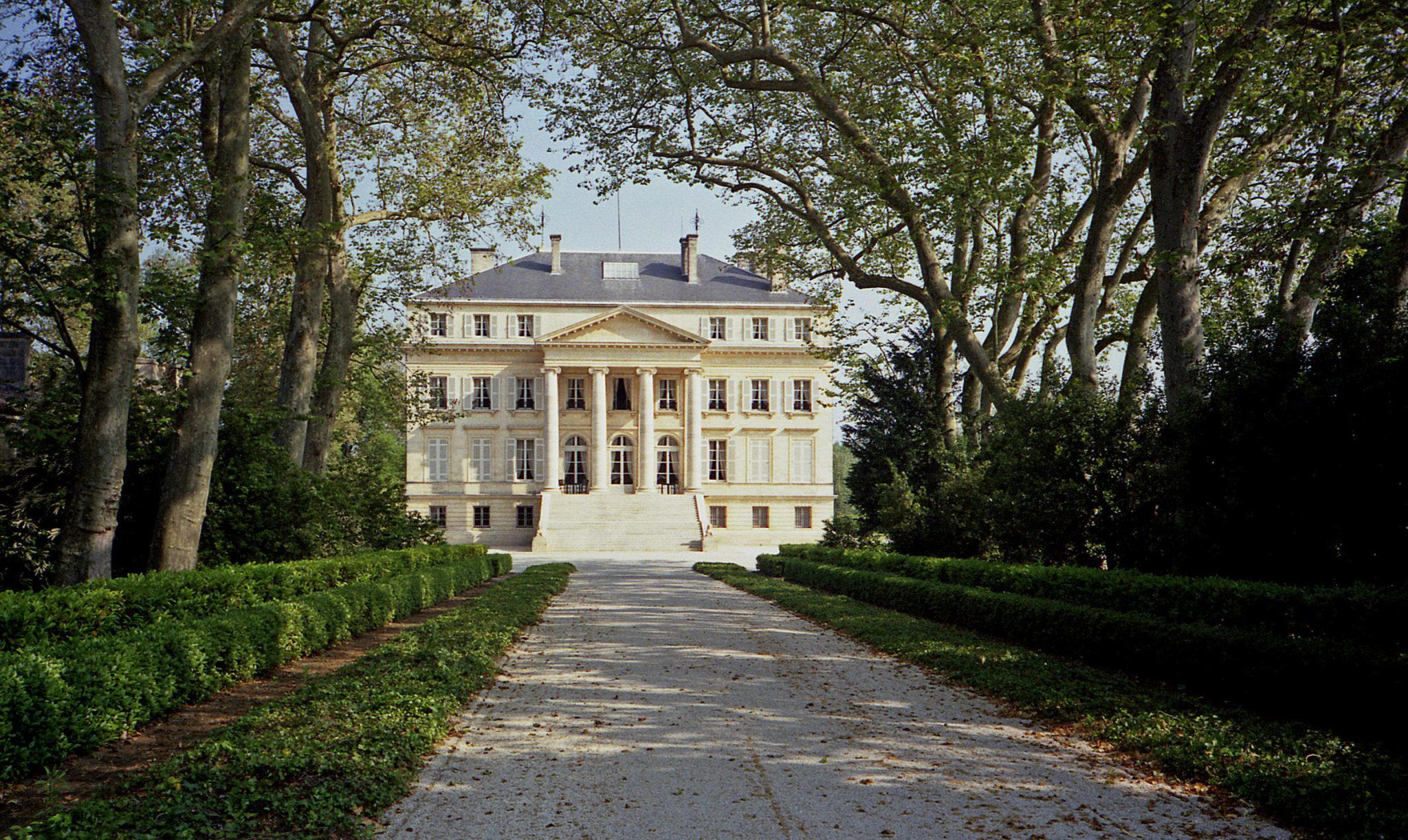
Bars in Listrac-Médoc
Browse all →

Restaurants in Listrac-Médoc
Browse all →

Details
- Classic
- Elegant
- Scenic
- Sophisticated
- Special Occasion
- Wine Education
- Corporate Event
- Group Outing
- Historic Building
- Vineyard Tour
- Private Tasting
- Design Destination
- Vineyard
- Merlot
- Cabernet Sauvignon
- White Bordeaux Varieties
- Still Red
- Still White
- Guided Tasting
- Private Tasting
Current opening hours
- Monday
- 8 AM–12 PM, 2–5 PM
- Tuesday
- 8 AM–12 PM, 2–5 PM
- Wednesday
- 8 AM–12 PM, 2–5 PM
- Thursday
- 8 AM–12 PM, 2–5 PM
- Friday
- 8 AM–12 PM, 2–5 PM
- Saturday
- Closed
- Sunday
- Closed
Hours can change for holidays and private events. Last verified .
Historic Bordeaux estate with a refined, terroir-driven feel; press describes a modern vision of affordable luxury and fresh investment at the Rothschild-owned property.