Château Capbern Gasqueton

Falstaff Winery - Listed
Château Capbern Gasqueton reads as Saint-Estèphe in a quieter register: gravel, clay and chalky soils, Cabernet-led red wine, and a historic Médoc setting shaped by serious cellar work rather than visitor spectacle. The estate’s 33 hectares, 1894 modern-era footing and post-2012 Calon-Ségur ownership place it in the appellation’s value-conscious, terroir-driven lane.

Pearl is the En Primeur Club membership app — saves, bookings, and concierge access live there. Same editors, same standards.
- Address
- Saint-Estèphe, Nouvelle-Aquitaine, Frankreich

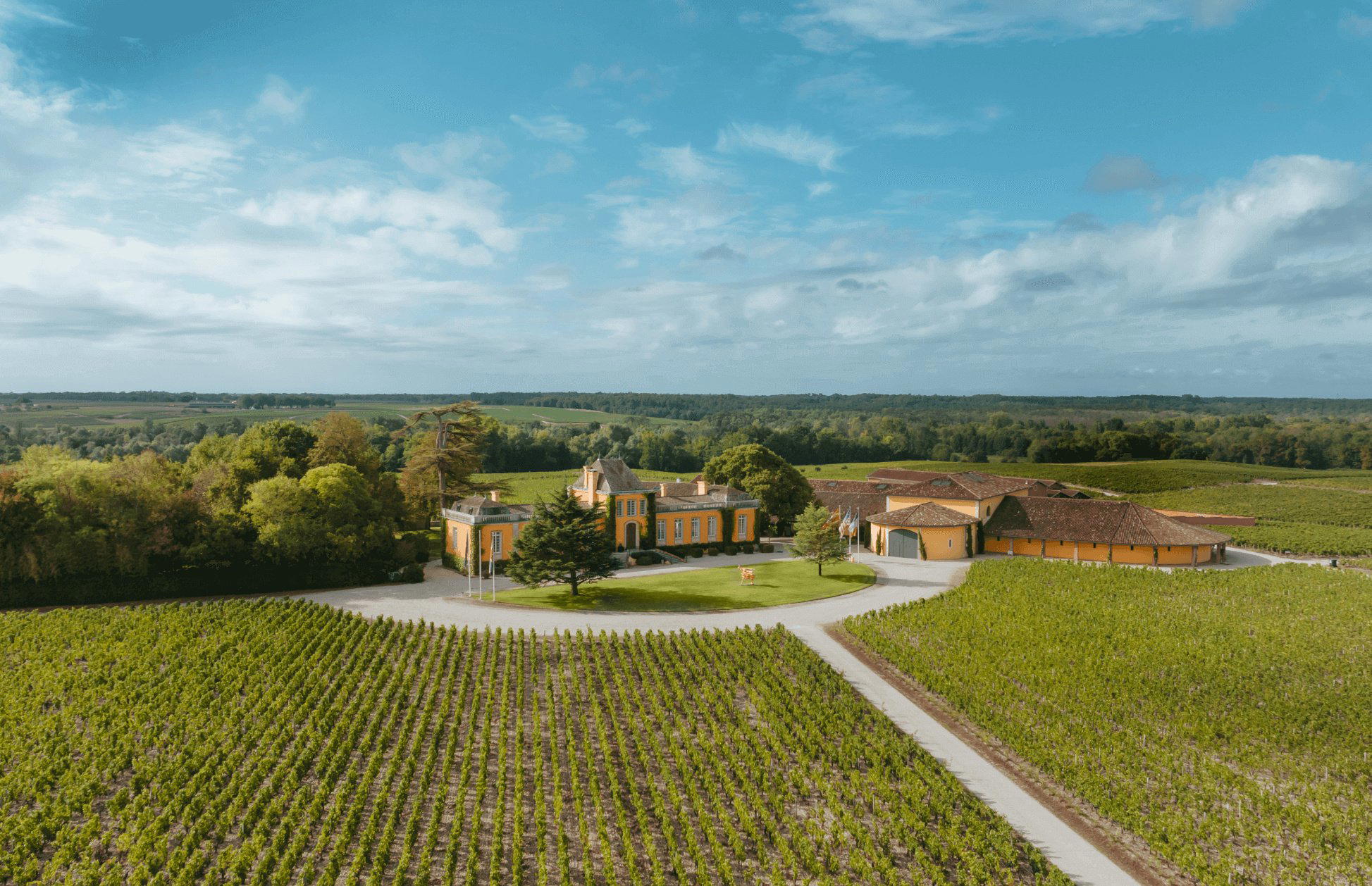
Saint-Estèphe announces itself through structure before charm. In this part of the Left Bank, gravel, clay and chalky soils are central to the way the village is understood, not as a decorative backdrop but as the framework through which its wines are often approached. At Château Capbern Gasqueton, the picture is that of a historic Bordeaux estate in Saint-Estèphe, with traditional cellar facilities and vineyards on those gravel, clay and chalky soils.
The estate belongs to the classic Médoc world rather than to a broad hospitality pitch. Its appeal is best framed around Saint-Estèphe character: a serious but approachable red-wine atmosphere, traditional estate fabric and a village setting. This is not a venue to understand through spectacle; it is better read through the quieter language of place, cellar and soil. For broader trip planning, Our full Saint-Estèphe wineries guide is the useful starting point, with food, lodging and evening options covered separately in Our full Saint-Estèphe restaurants guide, Our full Saint-Estèphe hotels guide, Our full Saint-Estèphe bars guide and Our full Saint-Estèphe experiences guide.
Gravel, clay and chalk give the wine its Saint-Estèphe frame
The strongest reason to pay attention here is the soil story. Château Capbern Gasqueton is associated with vineyards on gravel, clay and chalky soils, a combination that fits the classic Saint-Estèphe conversation around structure, firmness and Médoc depth. Those words matter because they set expectations before any more technical discussion begins: the estate is understood first through the ground beneath it and through the village identity that ground helps express.
Without relying on parcel, blend or production details, the estate is best understood through its place: Saint-Estèphe, on Bordeaux’s Left Bank, where soil and cellar tradition shape expectations. The profile points to a property focused on serious yet approachable red wines rather than on spectacle. That approach gives Château Capbern Gasqueton a clear role for visitors and drinkers who want the character of the appellation without needing the experience to be framed as theatre.
The cellar context is traditional. That matters because the estate’s identity is not presented here as a modern lifestyle destination, but as a historic village Médoc property with traditional cellar facilities and a clear connection to the area’s red-wine culture. In practical editorial terms, the emphasis should remain on continuity, restraint and locality: a Saint-Estèphe address whose interest comes from the way its historic estate fabric sits inside the broader Médoc landscape.
A historic estate sharpened by classic Médoc character
Château Capbern Gasqueton is a historic Left Bank Bordeaux estate in Saint-Estèphe. The grounded editorial angle is therefore not a detailed ownership timeline, named technical team or critic-score story, but the estate’s position within the village’s classic Médoc atmosphere. That distinction is useful, because it keeps the focus on what can be said securely: this is a place to consider through Saint-Estèphe’s established vocabulary of red wine, structure and tradition.
That atmosphere is serious without needing to be forbidding. The facts support a description of Château Capbern Gasqueton as a traditional estate focused on red wines that are approachable while still speaking to Saint-Estèphe’s structured reputation. The word approachable should not soften the sense of place too much; here, it sits alongside the firmer Left Bank frame, giving the estate a tone that feels measured rather than showy.
For drinkers trying to understand this part of Bordeaux, the value lies in the combination of place and restraint: Saint-Estèphe, traditional cellar facilities, gravel, clay and chalky soils, and a red-wine identity grounded in the Left Bank. Taken together, those elements create a concise but coherent portrait. Château Capbern Gasqueton is best seen as part of the village’s serious fabric, not as an outlier asking to be interpreted through a different lens.
How to place it within a Saint-Estèphe itinerary
Saint-Estèphe rewards visitors who treat wine travel as a study of ground and village character. Château Capbern Gasqueton fits that approach as a historic Médoc estate in the village, with a profile centered on cellar tradition and vineyards rooted in gravel, clay and chalky soils. It is most compelling when placed within that broader Saint-Estèphe context, where the point is not only to taste red wine but to understand the setting that gives it shape.
The village’s appeal lies in how soil, tradition and red-wine seriousness overlap. Château Capbern Gasqueton sits comfortably within that overlap, offering a reference for the kind of restrained, classic Médoc identity that makes Saint-Estèphe distinct. The estate’s traditional cellar facilities and historic positioning give the visit, or even the mental picture of the property, a sense of continuity with the surrounding Left Bank landscape.
For readers building a wider Bordeaux route, Château Capbern Gasqueton is best used as a grounded Saint-Estèphe reference point: historic Left Bank setting, classic Médoc atmosphere and a focus on serious yet approachable red wines. It belongs in an itinerary for those who want the village’s character to come through clearly, with gravel, clay and chalky soils, cellar tradition and red-wine structure kept at the center of the story.
Recognition history
Dated appearances from independent guides and award organizations, with the underlying list record or original source where available.
Falstaff Winery - Listed
Falstaff
Continue exploring
More in Saint-Estèphe
Wineries in Saint-Estèphe
Browse all →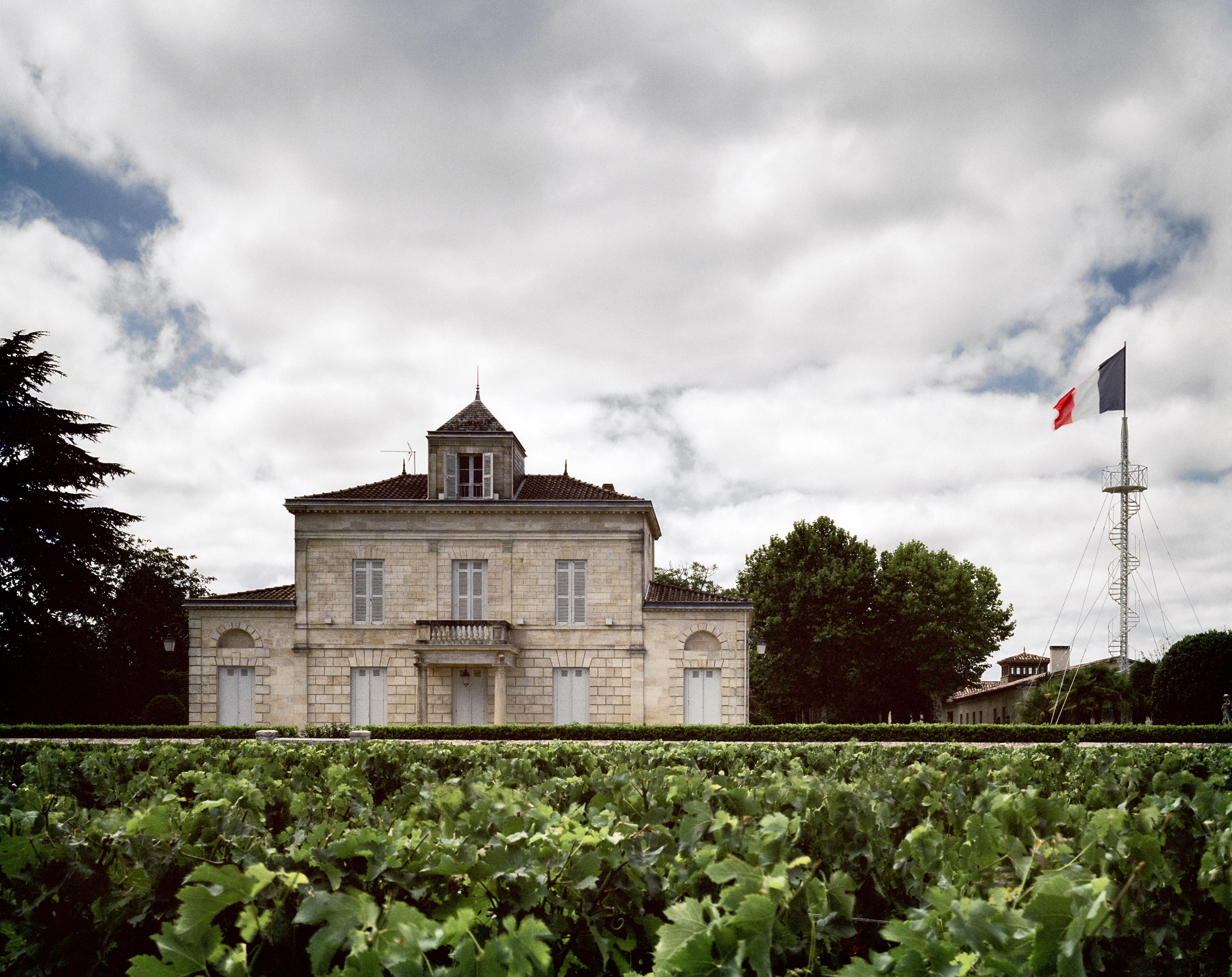
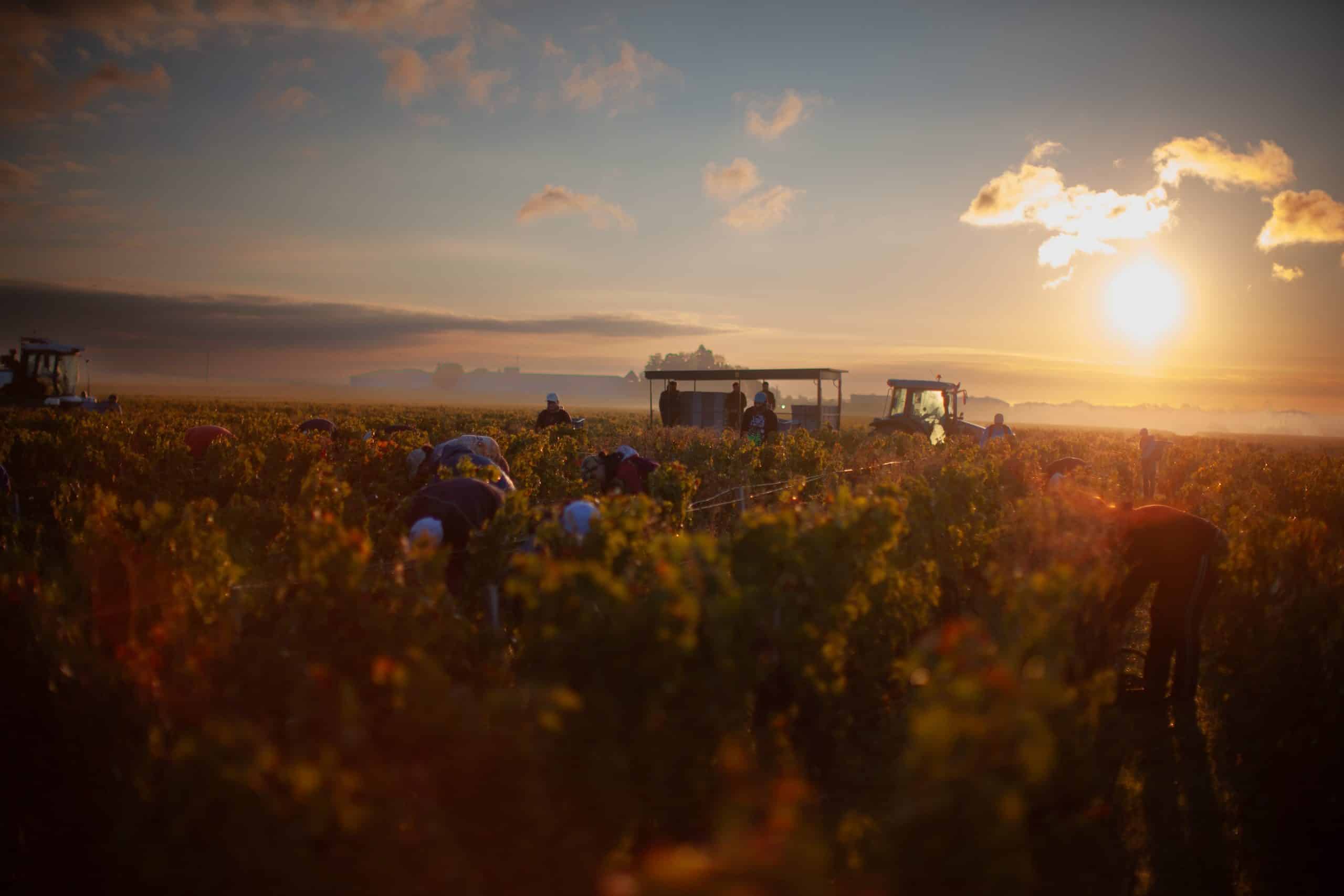
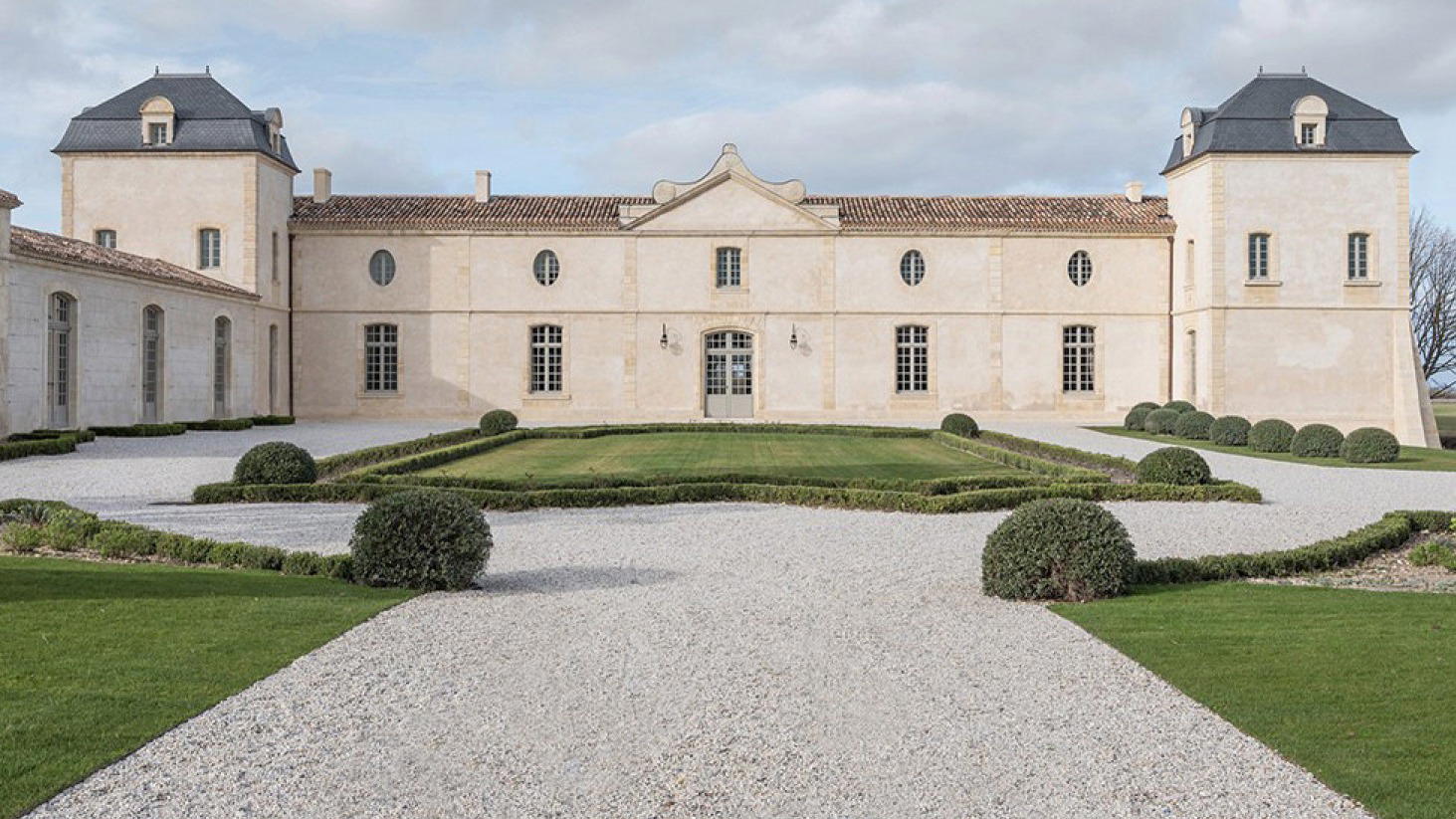
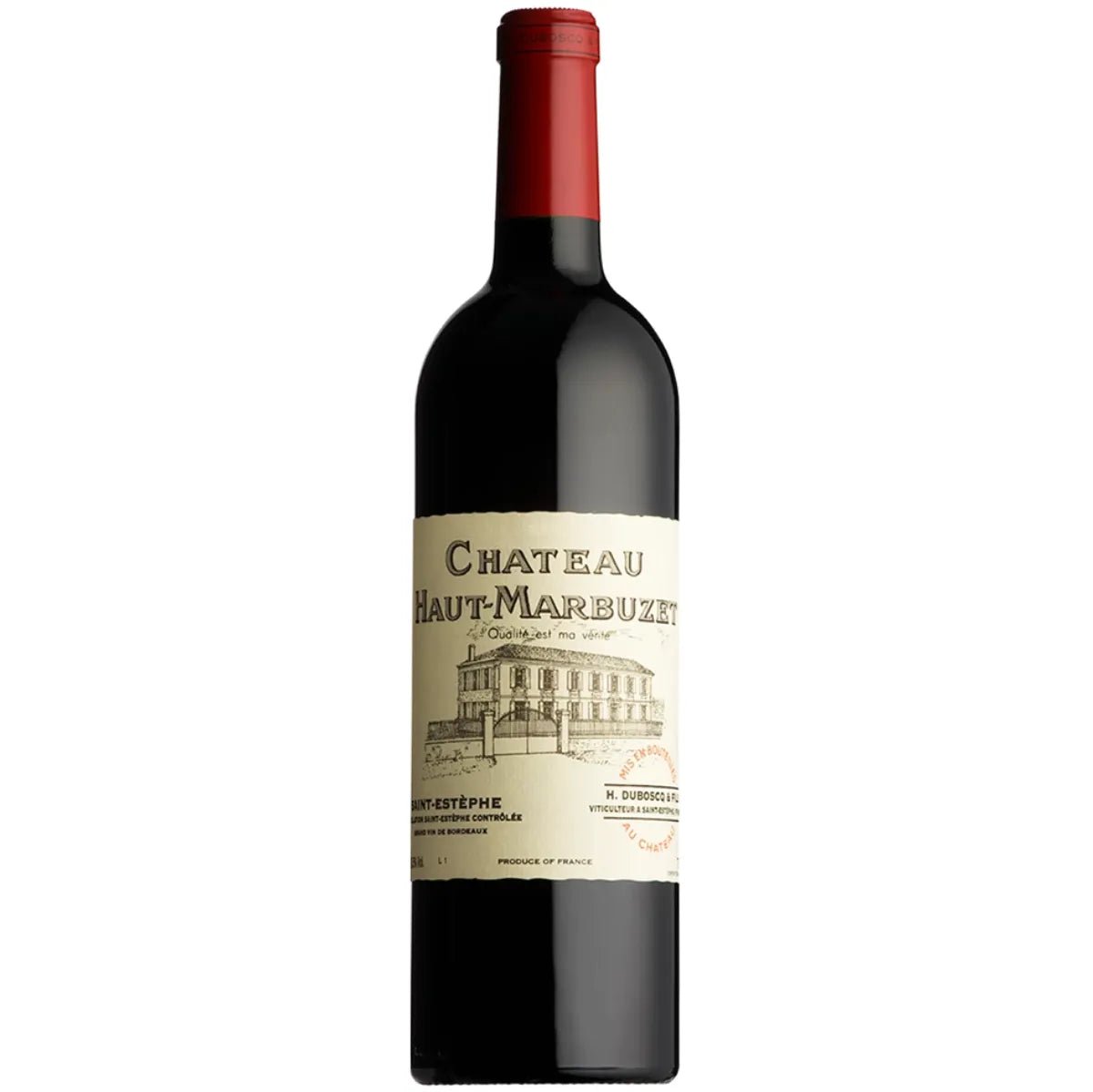
Restaurants in Saint-Estèphe
Browse all →
Hotels in Saint-Estèphe
Browse all →
Details
- Classic
- Scenic
- Romantic
- Romantic Getaway
- Group Outing
- Wine Education
- Special Occasion
- Solo Exploration
- Vineyard Tour
- Estate Grounds
- Historic Building
- Vineyard
- Cabernet Sauvignon
- Merlot
- Petit Verdot
- Cabernet Franc
- Still Red
- Standard Tasting
- Estate Tour
Historic Left Bank Bordeaux estate with traditional cellar facilities in the village of Saint-Estèphe and vineyards on gravel, clay and chalky soils, offering a classic Médoc atmosphere focused on serious yet approachable red wines rather than tourism-heavy experiences.