
Falstaff Winery - 2 Stars
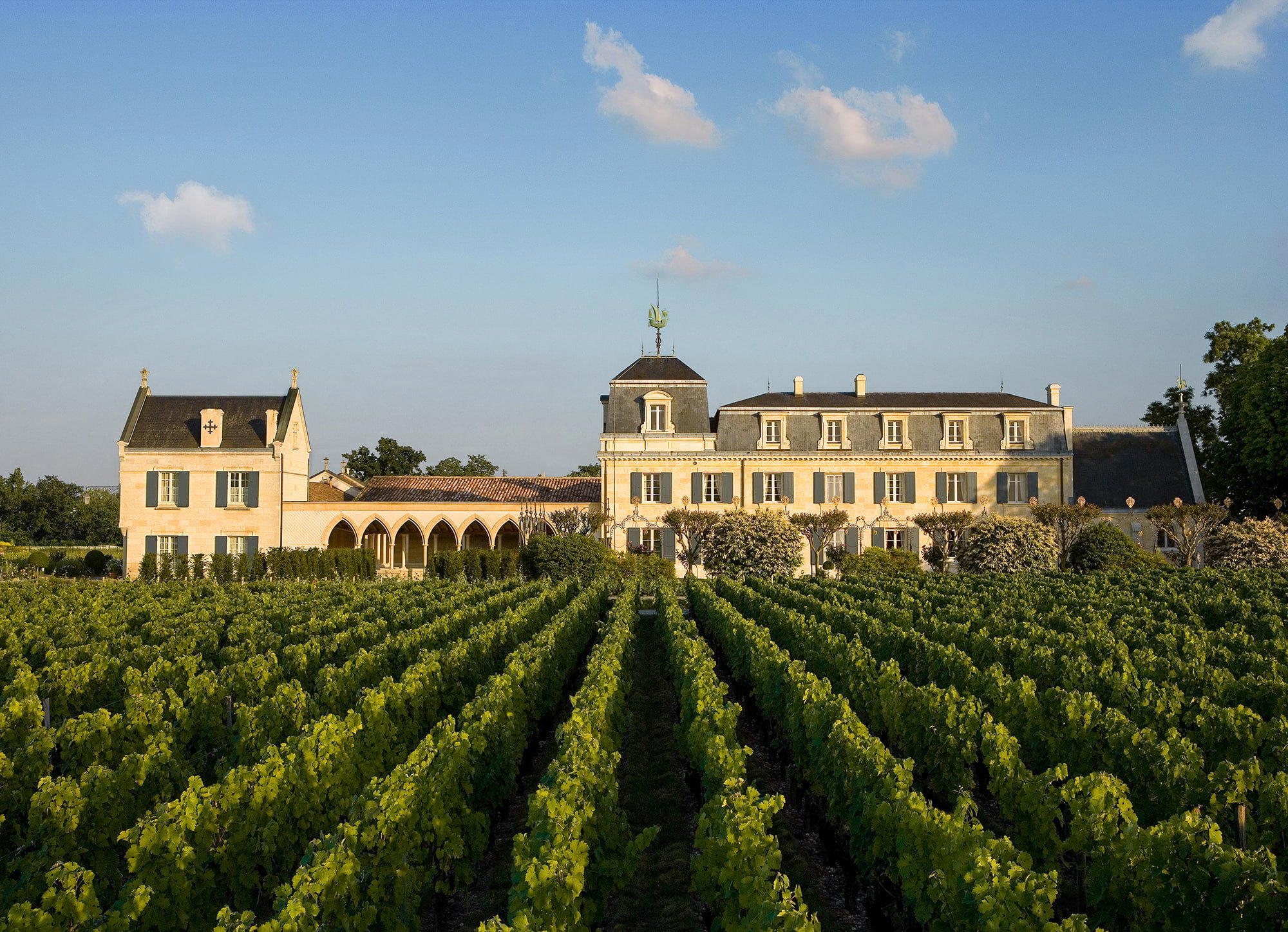
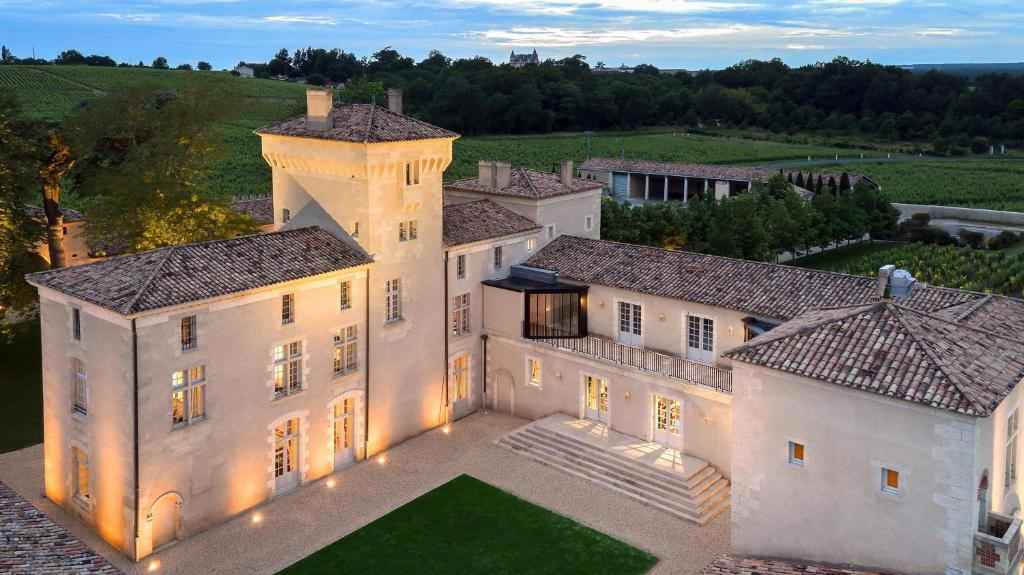
Château Caillou is a historic Barsac estate for drinkers who prefer Sauternes with lift rather than sheer weight. Its single hillside vineyard, Sémillon-led plantings, and stone-heavy clay-limestone soils frame a style built around freshness, cool service, and small-production sweet wines with enough structure for cellar time.

Pearl is the En Primeur Club membership app — saves, bookings, and concierge access live there. Same editors, same standards.
- Address
- Barsac, Nouvelle-Aquitaine, Frankreich
- Directions
- Get directions
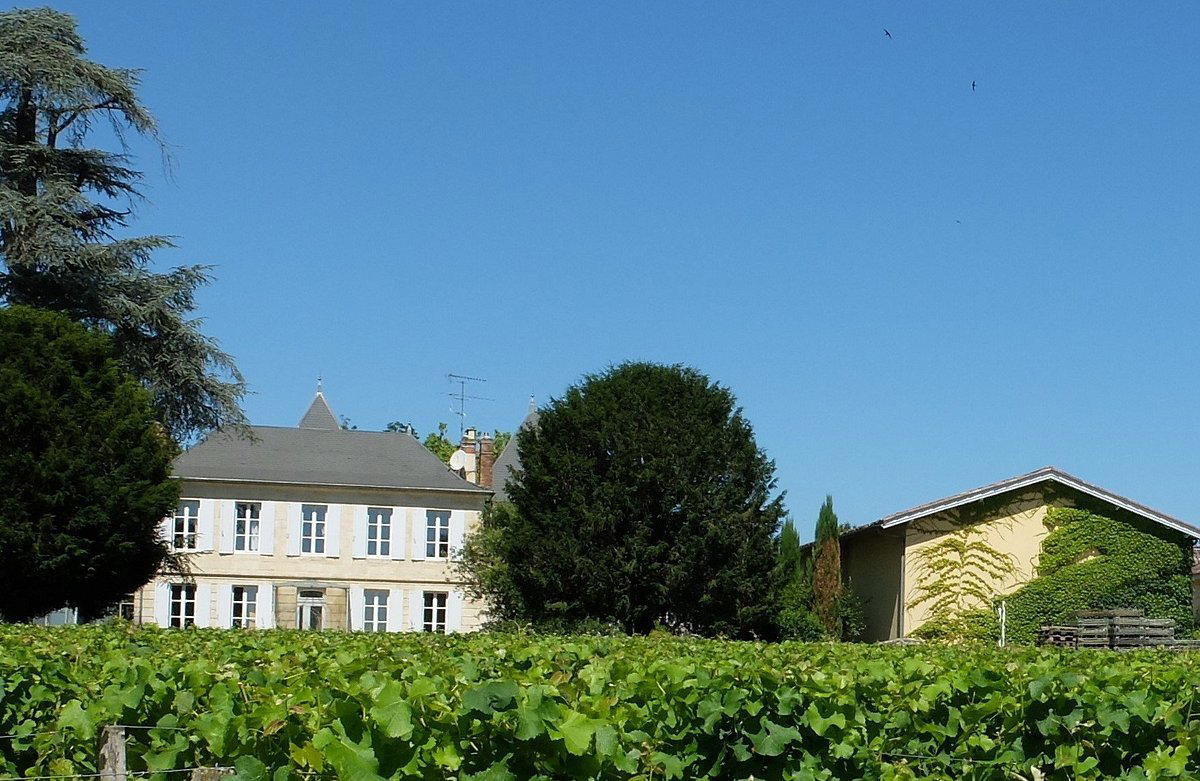
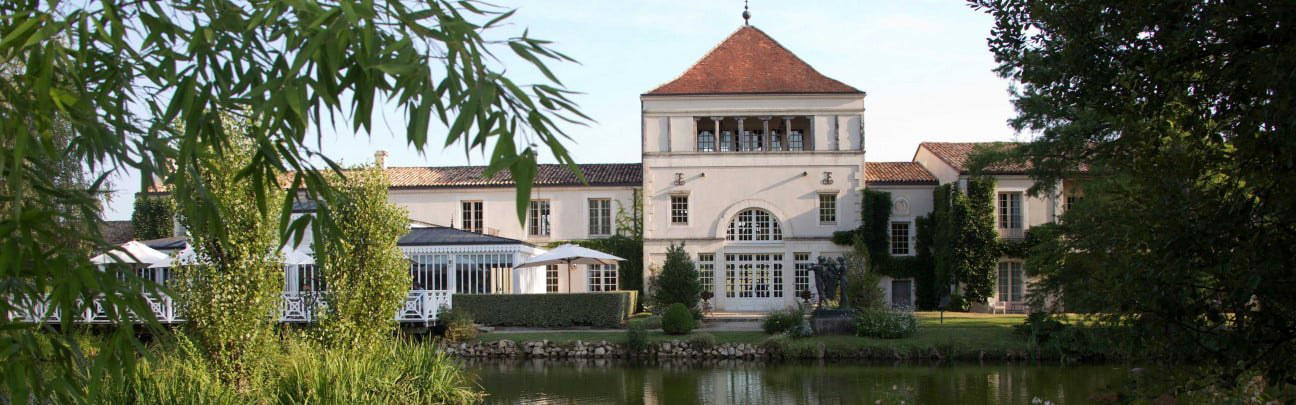
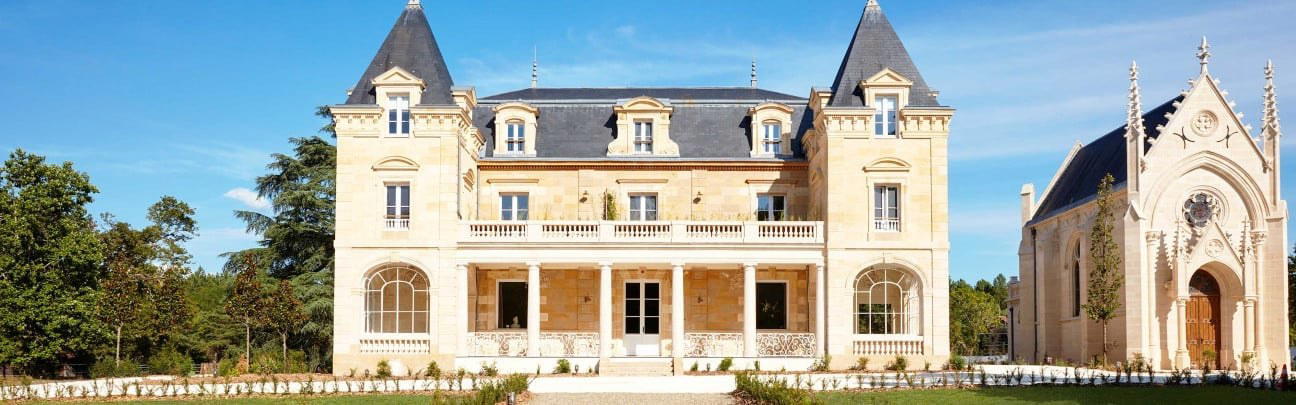
Château Caillou is in Barsac and is as a historic estate focused on elegant, lighter-style sweet wines. Its profile is best understood through freshness, balance, and classic Sauternes character rather than opulent heaviness. That distinction is important, because sweet wine can sometimes be judged only by its concentration or richness. Here, the more useful reading is about proportion: sweetness present, but shaped by a sense of lift.
The appeal here is the way sweetness can be framed by fresh acidity. Château Caillou is especially relevant for guests who enjoy classic Sauternes served at cool cellar temperatures, where lift and aromatic complexity can come through clearly. In that setting, the wine’s sweetness does not need to dominate the experience; it can sit alongside freshness, perfume, and a cleaner finish, giving the estate a more graceful register.
A lighter reading of Sauternes
Château Caillou’s profile points to a historic Barsac estate with a lighter, more elegant reading of sweet wine. Rather than building the experience around richness alone, the useful lens is freshness: sweetness held in check by acidity, especially when the wine is served at cool cellar temperature. This is the kind of balance that can make a sweet wine feel composed rather than excessive, with the structure doing as much work as the sugar.
For guests who enjoy classic Sauternes, that cool serving temperature matters. It can make the wine feel more lifted, more aromatic, and less heavy, which is central to the estate’s appeal. Served too warm, the impression of sweetness can become more prominent; served cool, the brighter side of the style has more room to show. That is why the estate reads best through clarity, restraint, and poise.
Because only limited details are here, it is better to avoid assuming specific vineyard figures, production levels, grape proportions, tour formats, or cuvée structures. The grounded takeaway is simpler: Château Caillou is a Barsac estate for drinkers drawn to elegant sweet wines with freshness. The emphasis should stay on what is clearly available: a historic setting, a classic Sauternes identity, and a style that favours balance over weight.
A historic Barsac estate without the heavy-handed register
Château Caillou’s strongest identity is stylistic. It is a historic Barsac estate associated with lighter-style sweet wines, fresh acidity, and a classic Sauternes profile that benefits from being served cool. That combination gives the estate a particular place for guests who want the recognisable character of the appellation without seeking the most lavish or forceful expression of sweetness.
That makes it a useful address for guests who want the sweetness of Barsac without an overly opulent register. The emphasis is on lift, aromatic complexity, and elegance rather than sheer weight. In practical terms, that means the wine’s pleasure comes from the way its elements are arranged: sweetness, acidity, and aroma working together, rather than one element overwhelming the rest.
For context within Barsac, the broader trip can include other dining in Barsac, but Château Caillou should be judged on its own profile: a historic estate with a fresh, elegant sweet-wine identity. It is not necessary to turn the visit into a comparison exercise or to measure it against a heavier model of Sauternes. The more rewarding approach is to let the estate’s own register define the experience: classic, sweet, fresh, and comparatively light on its feet.
How to read the visit: style before ceremony
The strongest way to approach Château Caillou is through style rather than ceremony. The appeal is not a specific tour format, tasting structure, or hospitality package, but the estate’s lighter interpretation of classic Sauternes. That makes the visit, or the decision to seek out the wine, less about external spectacle and more about understanding how sweetness can be made to feel elegant.
That makes Château Caillou especially relevant for guests who already enjoy sweet wines served cool, or for those who want to understand how acidity can keep Sauternes lifted and aromatic rather than heavy. It is a useful example of how a sweet wine can remain refreshing in impression, provided the balance is right and the service temperature supports that balance. The attraction is subtle rather than forceful.
Planning a wider stay in Barsac is easiest when Château Caillou is treated as one part of a broader local itinerary. Keep expectations focused on the estate’s strengths: historic Barsac character, elegant sweet wines, fresh acidity, and a $$$ price category. Within that frame, the estate makes most sense for guests who value finesse, cool service, aromatic detail, and a less heavy-handed expression of classic Sauternes.
Recognition history
Dated appearances from independent guides and award organizations, with the underlying list record or original source where available.
Falstaff Winery - 2 Stars
Falstaff
Continue exploring
More in Barsac
Wineries in Barsac
Browse all →
Bars in Barsac
Browse all →
Restaurants in Barsac
Browse all →

Details
- Romantic
- Classic
- Elegant
- Scenic
- Romantic Getaway
- Special Occasion
- Wine Education
- Group Outing
- Vineyard Tour
- Barrel Room
- Estate Grounds
- Private Tasting
- Vineyard
- Semillon
- Sauvignon Blanc
- Dessert
- Still White
- Tasting Only
- Tasting Plus Tour
- Private Tasting
Historic Barsac estate focused on elegant, lighter-style sweet wines with fresh acidity rather than ornate heaviness, appealing to guests who enjoy classic Sauternes served at cool cellar temperatures for lift and aromatic complexity.