
Falstaff Winery - 2 Stars
Château Broustet is a historic Barsac estate working the sweet white Bordeaux tradition through Sémillon, Sauvignon Blanc and Muscadelle on clay-limestone and gravel soils. The draw is terroir rather than spectacle: botrytised wines shaped by acidity, honeyed fruit and the capacity to move from aperitif freshness to long-aged candied complexity.

Pearl is the En Primeur Club membership app — saves, bookings, and concierge access live there. Same editors, same standards.
- Address
- 1 Broustet, 33720 Barsac, France
- Phone
- +33 5 47 74 78 00
- Hours
- Mon–Fri 9:30 AM–6 PMSat–Sun Closed
- Website
- vignoblesdeterroirs.com
- Directions
- Get directions
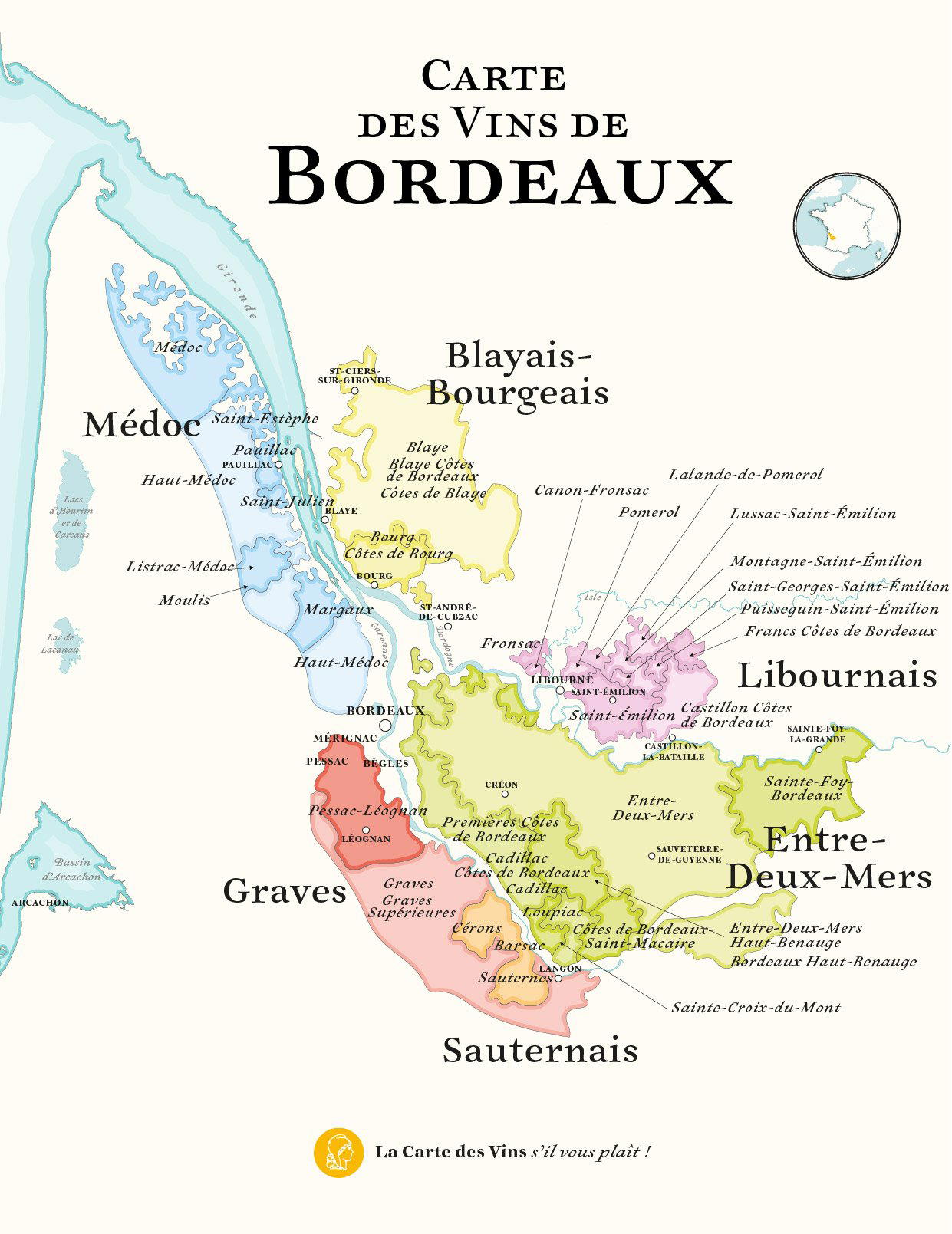
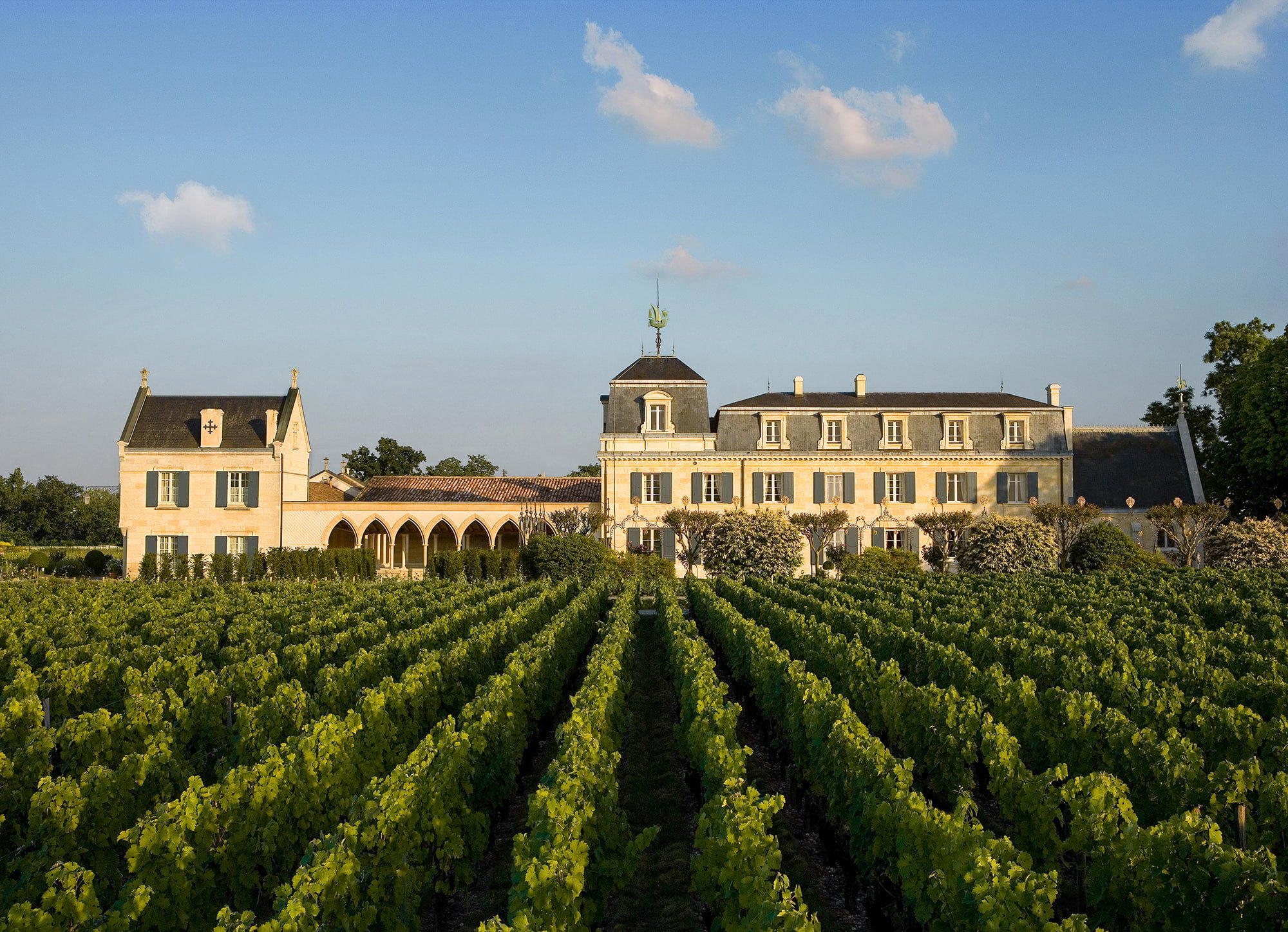
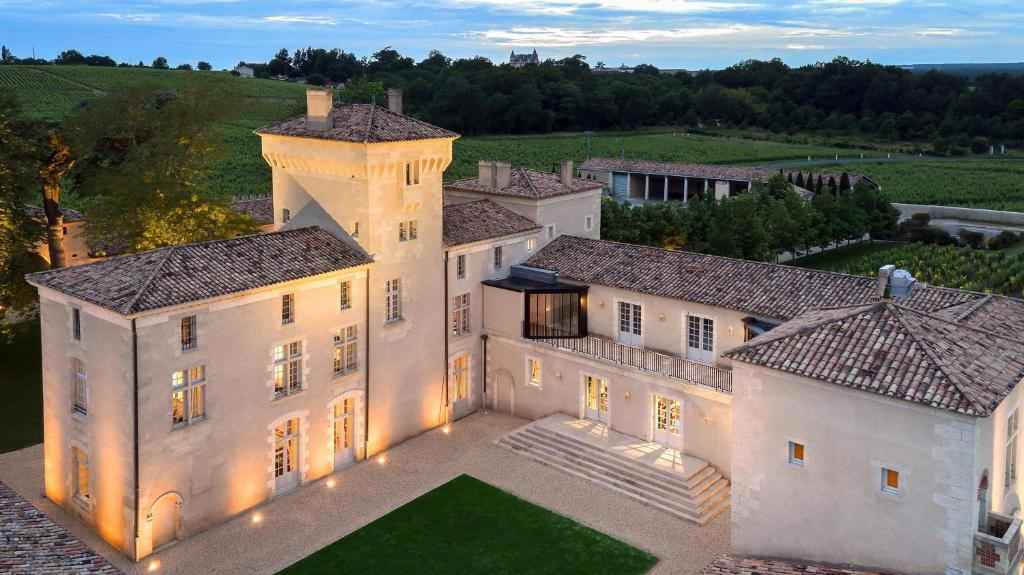
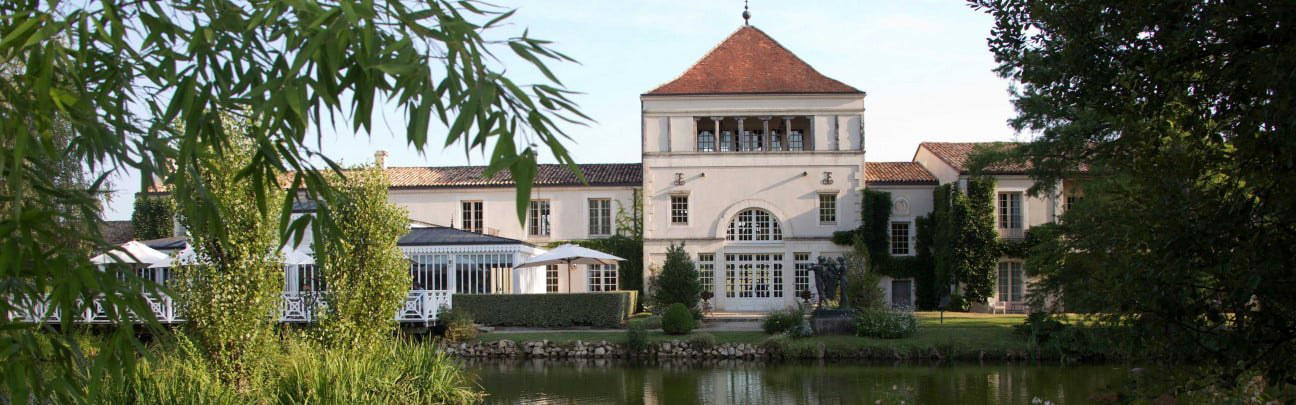
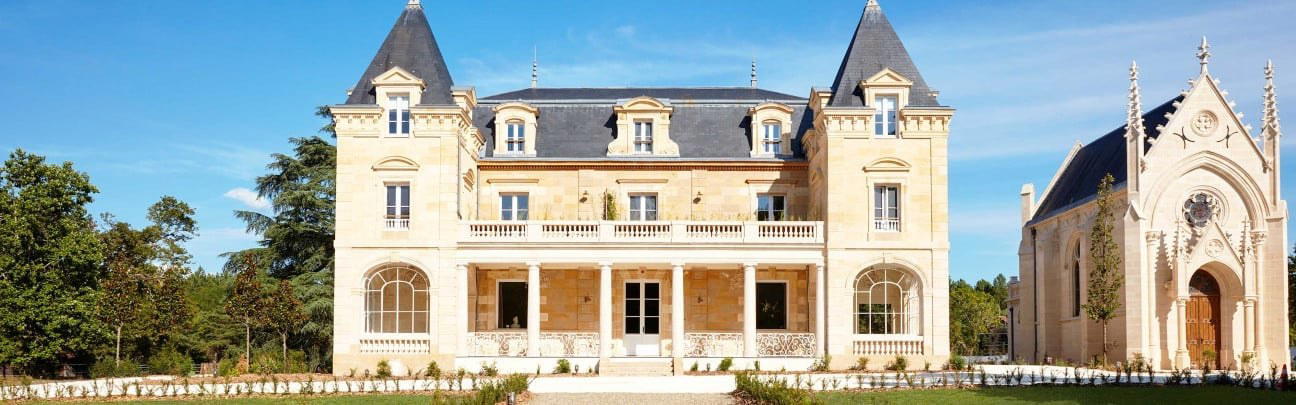
Château Broustet is a historic, scenic estate in Barsac associated with classic sweet white Bordeaux. The safest and most useful picture is of a Barsac Sauternes estate producing sweet white Bordeaux with vibrant acidity and tropical, honeyed fruit, rather than a venue that should be described through visitor details or hospitality claims. In other words, the emphasis belongs on place and wine style: a Barsac address, a historic estate setting, and the kind of sweetness that is given shape by freshness rather than simply weight.
That distinction matters because an estate like this can be easy to over-describe in venue terms when the available grounding is wine-led. Château Broustet reads most clearly as part of the Barsac sweet-wine landscape, where the appeal is not only lushness but the tension between ripe, honeyed fruit and a clean, bright line. The result is a profile that feels classic without needing unsupported additions about visits, amenities, or service formats.
Barsac sweetness with a fresh, classic line
Château Broustet’s appeal is tied to the character of Barsac sweet white Bordeaux: richness balanced by acidity, with fruit that can read as tropical and honeyed while still feeling lifted. The estate is best understood through that classic profile rather than through unsupported specifics about blends, production volumes, classifications, or tasting formats. What can be said with confidence is that the wine identity rests on the familiar sweet Bordeaux balance: generosity on one side, freshness on the other, and enough brightness to keep the sweetness from feeling static.
The central appeal is that sweetness is not the whole story. The style points to wines that can be enjoyed young as a fresh aperitif, then gain richer candied-fruit complexity with long ageing. That ageing arc is one reason Barsac remains compelling for drinkers who want sweet Bordeaux with freshness as well as depth. Youthful examples can be appreciated for lift, perfume, and immediacy, while the same basic profile suggests a capacity to move into deeper, more layered territory over time, where honeyed and candied-fruit impressions become more pronounced without losing the sense of balance.
For drinkers approaching Château Broustet, that means the useful frame is not simply “sweet wine,” but sweet wine with architecture. Acidity gives the fruit a line; the honeyed and tropical tones supply generosity; age can add a broader, more candied register. None of that requires speculation about cellar practice or presentation. It is enough to understand the estate through the classic Barsac promise of richness held in check by freshness, with pleasure available both in youthful brightness and in more mature complexity.
More specific claims about appointments, languages, bottle formats, annual production, named personnel, or awards should be confirmed directly before planning around them. Those details can matter for a practical visit, but they should not be inferred from the estate’s reputation or from the general romance of Barsac. Keeping the description disciplined helps preserve what is genuinely supported: Château Broustet as a historic, scenic Barsac estate whose strongest public identity is tied to classic sweet white Bordeaux rather than to visitor logistics.
A Barsac estate to understand through the wine
Château Broustet is best approached as a wine-focused Barsac estate rather than as a venue defined by service details. The grounded draw is the bottle: classic sweet white Bordeaux with freshness, tropical and honeyed notes, and the capacity to move from youthful aperitif brightness toward more complex candied-fruit tones with age. This makes the estate especially legible through tasting language rather than hospitality language. Its relevance comes from the way it expresses a style associated with Barsac: sweet, but not heavy in concept; rich, but given definition by acidity.
That makes the estate useful for anyone trying to understand why Barsac’s sweet wines can feel both generous and precise. The description points to a historic, scenic setting and a classic style, but it does not support detailed claims about tour length, tasting structure, languages, group policy, ownership, or winemaking personnel. The most reliable way to write about Château Broustet, therefore, is to keep the focus on the wine’s expected shape: tropical and honeyed fruit, a lifted line of freshness, and an ageing path that can move toward candied-fruit depth.
For a wider Barsac itinerary, keep Château Broustet in conversation with the commune rather than treating it as a standalone spectacle. Other dining and experience options in Barsac can round out a visit, but Château Broustet itself is most securely described through its historic estate character and its classic sweet white Bordeaux profile. Seen that way, it becomes a reference point for the broader appeal of Barsac: sweetness with clarity, richness with poise, and a style that can offer immediate aperitif charm while also suggesting a slower evolution in bottle.
Recognition history
Dated appearances from independent guides and award organizations, with the underlying list record or original source where available.
Falstaff Winery - 2 Stars
Falstaff
Continue exploring
More in Barsac
Wineries in Barsac
Browse all →
Bars in Barsac
Browse all →
Restaurants in Barsac
Browse all →
Details
- Classic
- Scenic
- Elegant
- Romantic
- Special Occasion
- Romantic Getaway
- Wine Education
- Celebration
- Solo Exploration
- Estate Grounds
- Historic Building
- Vineyard
- Semillon
- Sauvignon Blanc
- Muscadelle
- Dessert
- Still White
- Bottle Tasting
- French
Current opening hours
- Monday
- 9:30 AM–6 PM
- Tuesday
- 9:30 AM–6 PM
- Wednesday
- 9:30 AM–6 PM
- Thursday
- 9:30 AM–6 PM
- Friday
- 9:30 AM–6 PM
- Saturday
- Closed
- Sunday
- Closed
Hours can change for holidays and private events. Last verified .
Historic Barsac Sauternes estate producing classic, sweet white Bordeaux with lively acidity and tropical, honeyed fruit, enjoyed both young as a fresh aperitif and after long ageing for richer candied fruit complexity.