Cave St. Philippe – Philippe Constantin

Cave St. Philippe – Philippe Constantin is a small family cellar in Salgesch, framed by Valais vineyards and a production story tied to Pinot Noir, alpine light, and sustainable vineyard work. Established in 1987, it works about 6.5 hectares and a compact range of Valais varieties, with Falstaff-rated bottles and a cellar atmosphere that keeps attention on the wines rather than décor.
Pearl is the En Primeur Club membership app — saves, bookings, and concierge access live there. Same editors, same standards.
- Address
- Salgesch, Salquenen - Salgesch, Valais, Schweiz
- Directions
- Get directions
 Saves & bookings on Pearl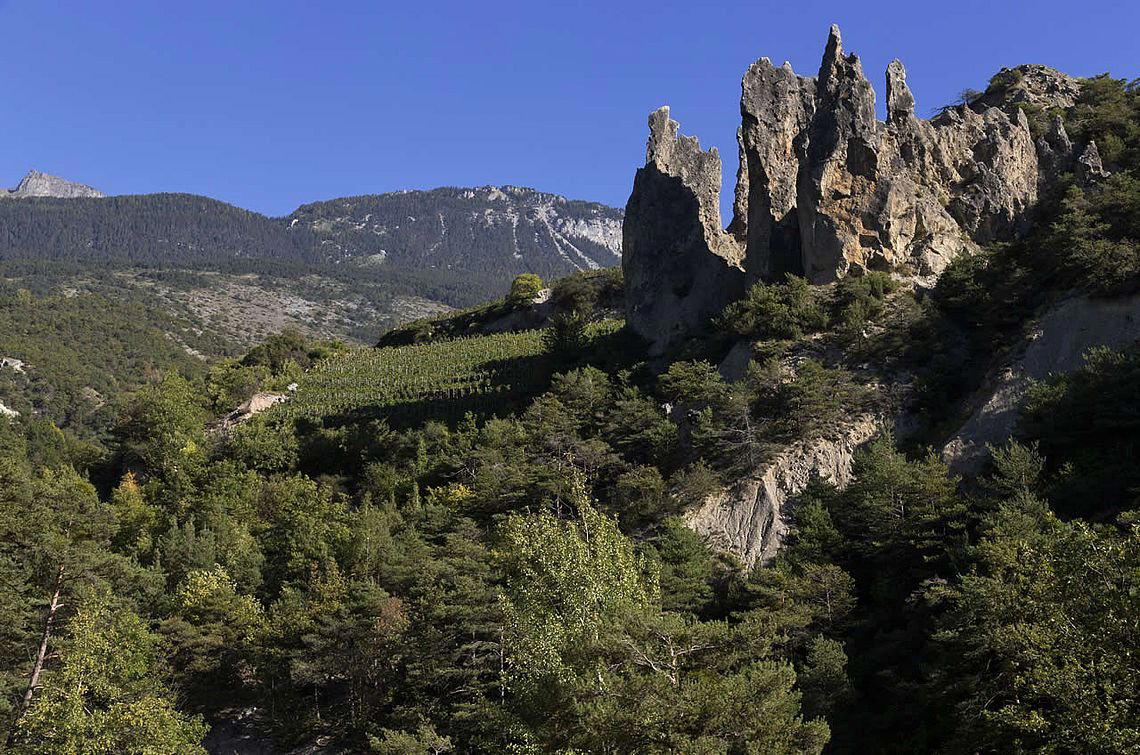
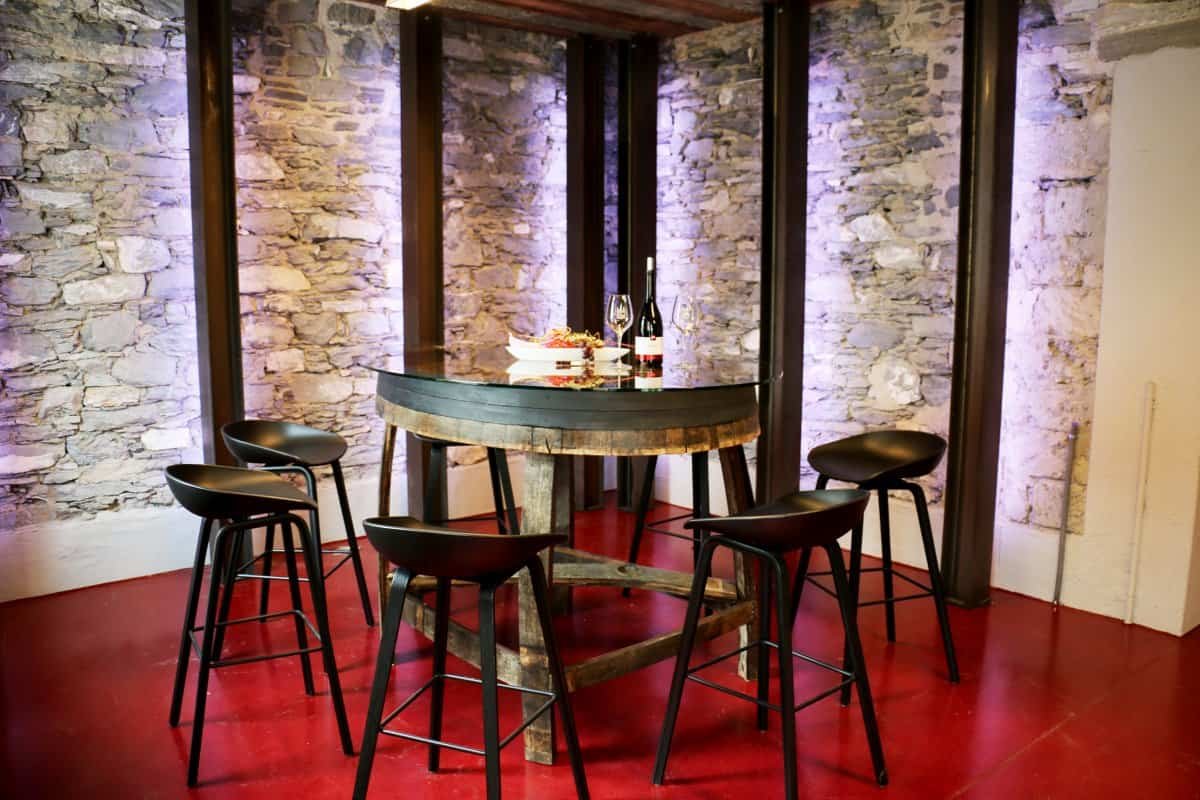
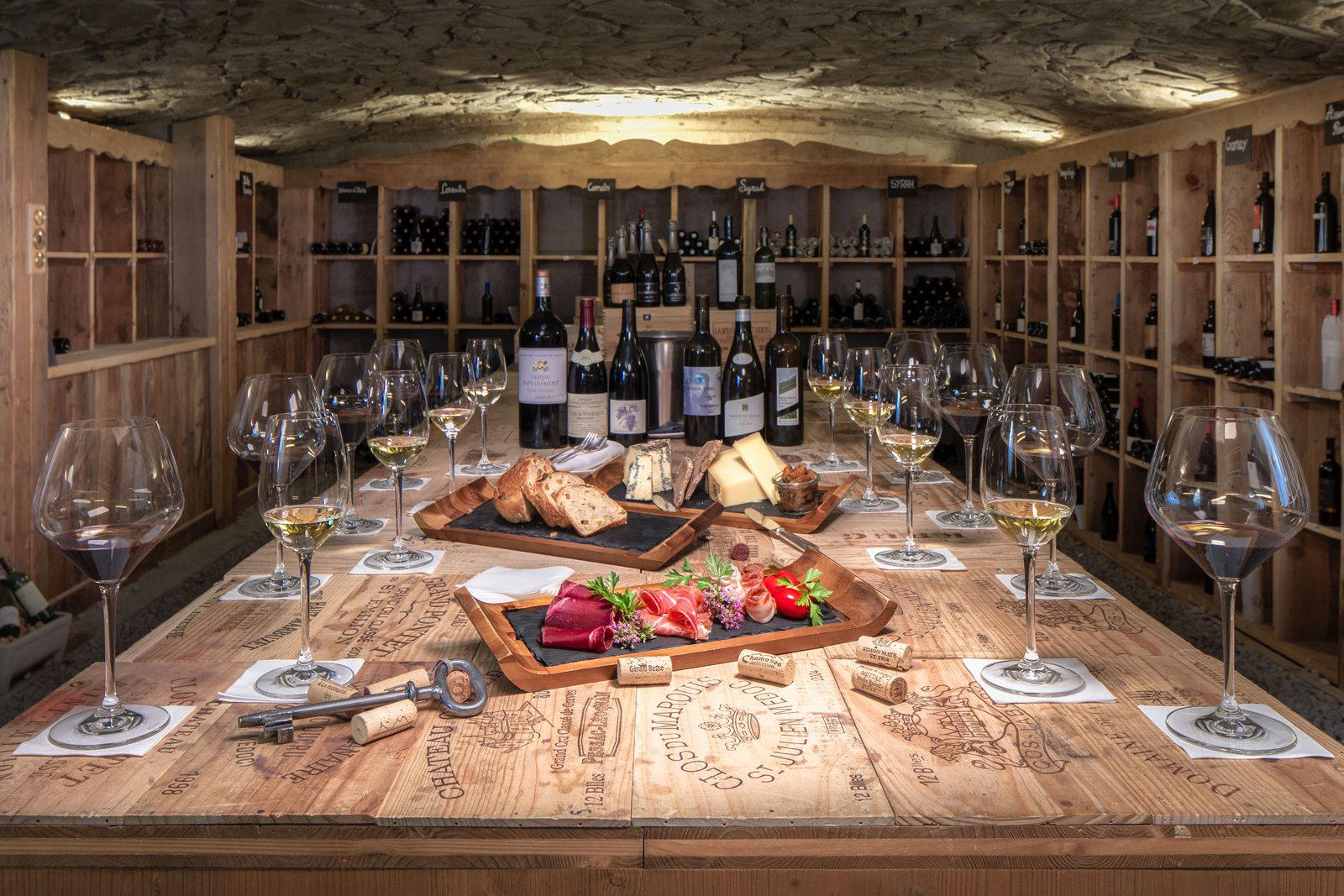
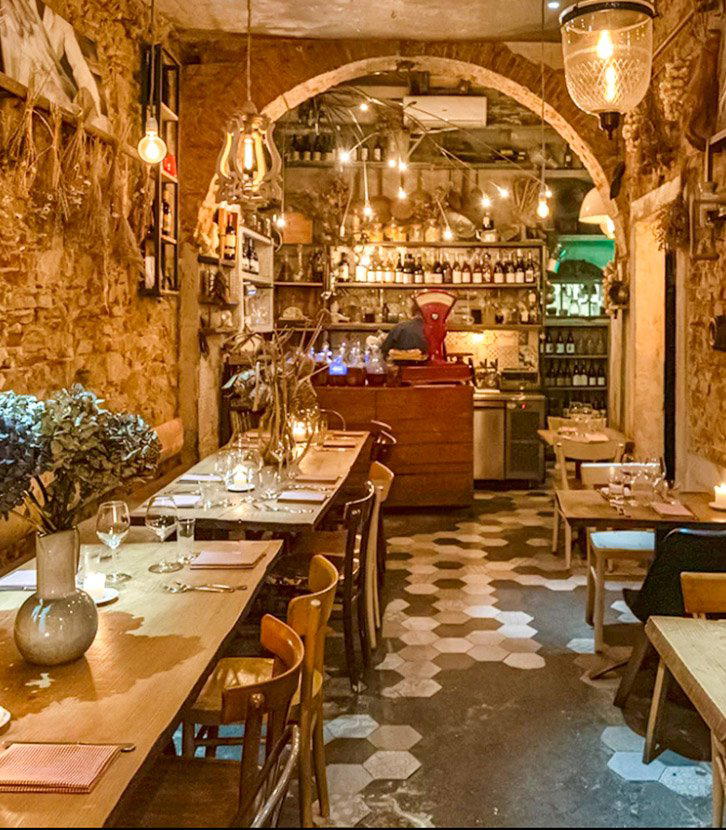
Salgesch is presented here through the context of Cave St. Philippe – Philippe Constantin: a small, family-run cellar in the vineyards of Salgesch. The venue is best understood as a modest cellar rather than a polished design destination, and that distinction is important to the way it should be approached. The appeal is the atmosphere: rustic, scenic, cozy, intimate, and relaxed, with a simple tasting-room feel focused on the wines rather than decorative frills. In other words, the character comes from scale, setting, and mood rather than from any elaborate concept layered on top.
For EP Club readers, one useful way to approach Cave St. Philippe – Philippe Constantin is as a low-key Salgesch stop where the setting matters as much as any formal hospitality language. The room is described as informal and daylight-filled during opening hours, with the emphasis on cellar character and the surrounding vineyard context. That makes the venue feel less like a destination built to impress and more like a place to slow down, pay attention to the glass, and register the landscape immediately around it.
Salgesch setting in a small-cellar register
The grounded editorial case for Cave St. Philippe – Philippe Constantin is not built on ratings, awards, tasting-menu structure, or an elaborate service format. What matters here is the scale of the experience: a small, family-run cellar in the vineyards of Salgesch with a rustic room and an unpretentious tone. The language to use is correspondingly plain. This is not a venue to oversell with assumptions about luxury, ceremony, or a complicated programme; its usefulness lies in being direct, local in feeling, and closely tied to its wine-country surroundings.
That makes it a fit for travellers who prefer simple wine-focused hospitality over a highly designed venue. The atmosphere is scenic and intimate, but the focus remains practical and wine-led rather than theatrical. Visitors who enjoy smaller rooms, relaxed pacing, and a sense of being close to the vineyard setting are more likely to understand the appeal than those looking for a glossy hospitality statement. The cellar’s modest register is part of the point: it suggests a stop where the wine, the room, and the place carry the experience without needing much embellishment.
Treat the winery as a rustic Salgesch cellar to verify directly before planning around any detailed service expectation. That direct verification matters because the dependable description here is intentionally narrow: family-run, small, vineyard-based, informal, scenic, cozy, and focused on wine. Anything more specific should be checked rather than assumed.
What to read in the glass
Rather than inventing those details, the honest reading is broader: this is a Salgesch wine-cellar setting where the experience is framed by the vineyards, the family-run scale, and the relaxed tasting-room atmosphere. Particularly reliable expectation is therefore not a list of named bottles or technical production claims, but a sense of place expressed through a modest cellar visit. Read the glass in relation to the setting: a small room, a vineyard context, and a hospitality style that appears more informal than ceremonial.
That restraint is useful. The winery should be approached for its intimate cellar character and local setting, not for claims about production size, founding dates, awards, named wines, or technical vineyard practices. Keeping the description disciplined helps protect the venue from being turned into something it is not presented as here. It also gives travellers a clearer way to decide whether it suits them: the draw is not prestige language, but the possibility of a quiet, wine-led encounter in Salgesch.
The strongest expectation to bring is a simple one: a rustic, informal place focused on wine, with a cozy and scenic atmosphere. If you need details on specific bottles, languages, visit formats, accessibility, food, or payment methods, confirm them directly with the venue before you go. What it can support is the broader impression of an intimate cellar stop where the experience should remain uncomplicated and grounded.
How to place it in a Salgesch itinerary
Salgesch has other dining and wine-country options, but the winery is distinctive here for its small-cellar feel. Build an itinerary around the village’s vineyard setting, then use this venue as a relaxed, intimate stop rather than a formal destination with assumed extras. It fits best when the day is organized around atmosphere and locality, not when every element needs to be structured, highly polished, or heavily programmed. In that sense, it can serve as a quieter counterpoint within a Salgesch visit.
For travellers comparing options, keep the comparison general unless you have current first-hand details. The comparison should therefore stay at the level of mood and format: small rather than expansive, informal rather than elaborate, wine-focused rather than design-led. That is enough to place it usefully without overstating what is known.
The editorial case is therefore deliberately simple: the winery is for visitors who want an informal Salgesch cellar atmosphere, a cozy room, and a focus on wine over design frills. Pricing is listed as $$. Approach it with the right expectations and the modesty becomes part of the appeal: a small, family-run setting where the vineyard context and relaxed cellar character do most of the work.
Recognition history
Dated appearances from independent guides and award organizations, with the underlying list record or original source where available.
Falstaff Winery - Listed
Falstaff
Continue exploring
More in Salgesch
Wineries in Salgesch
Browse all →

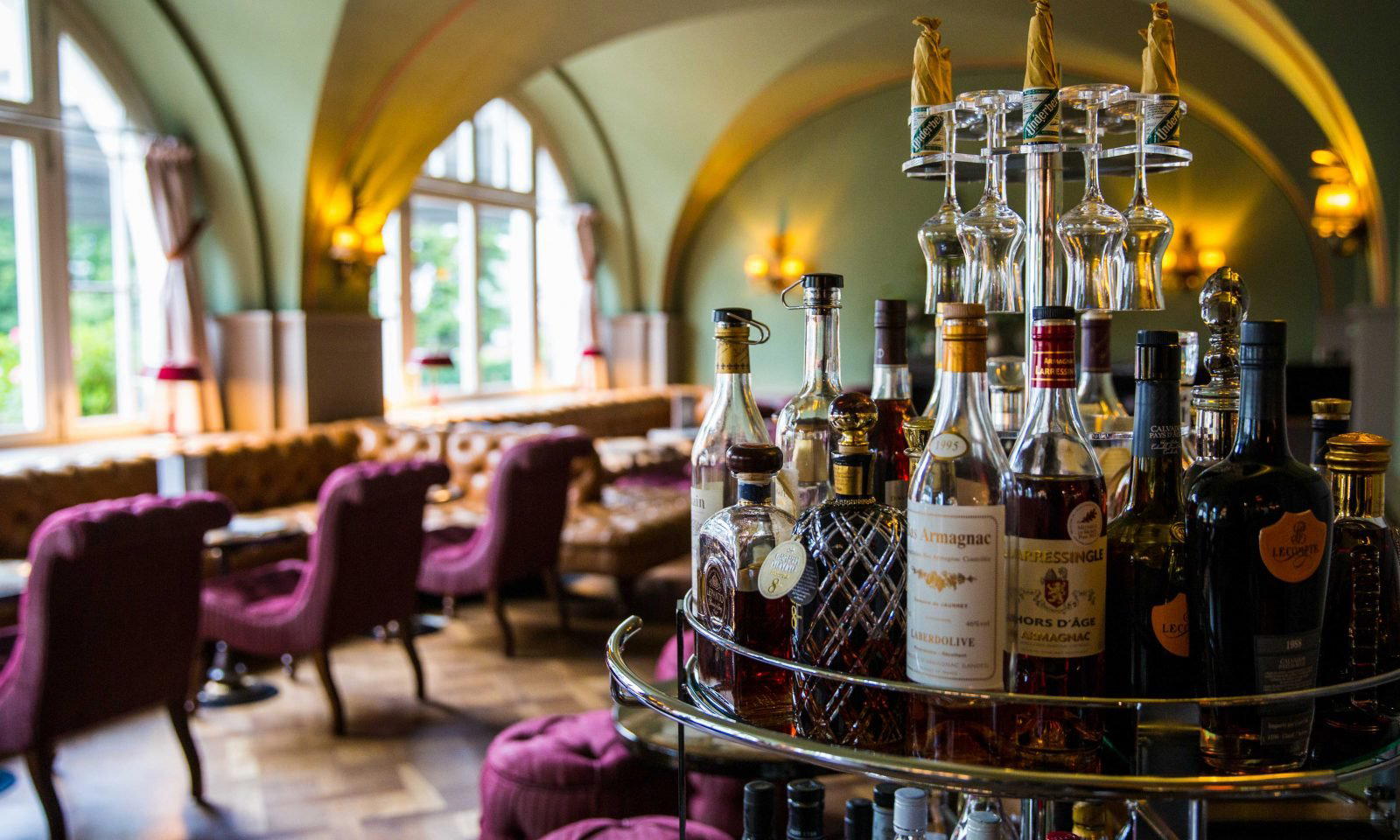
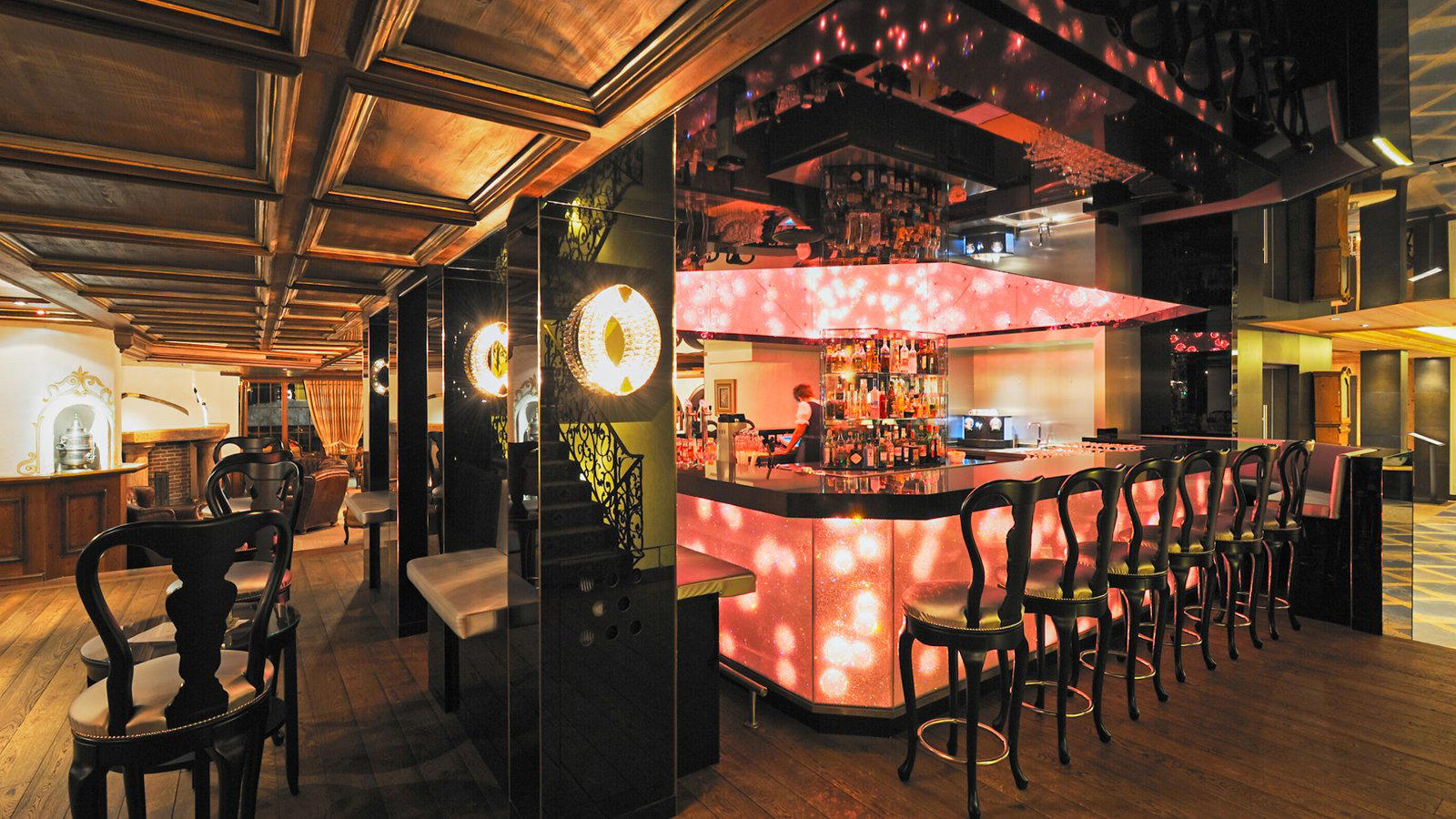
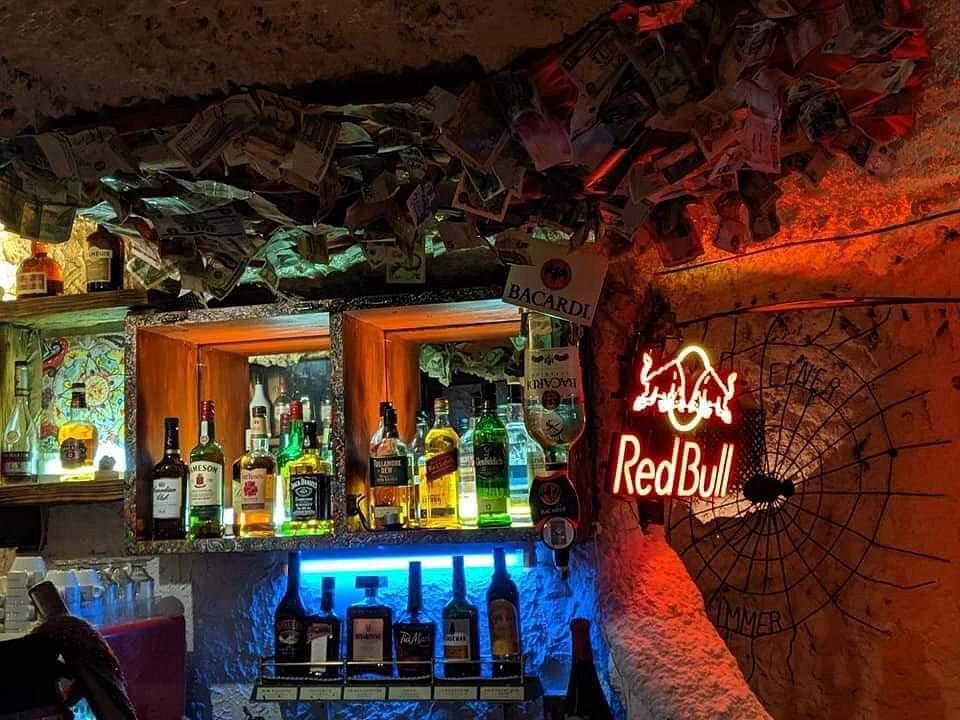
Bars in Salgesch
Browse all →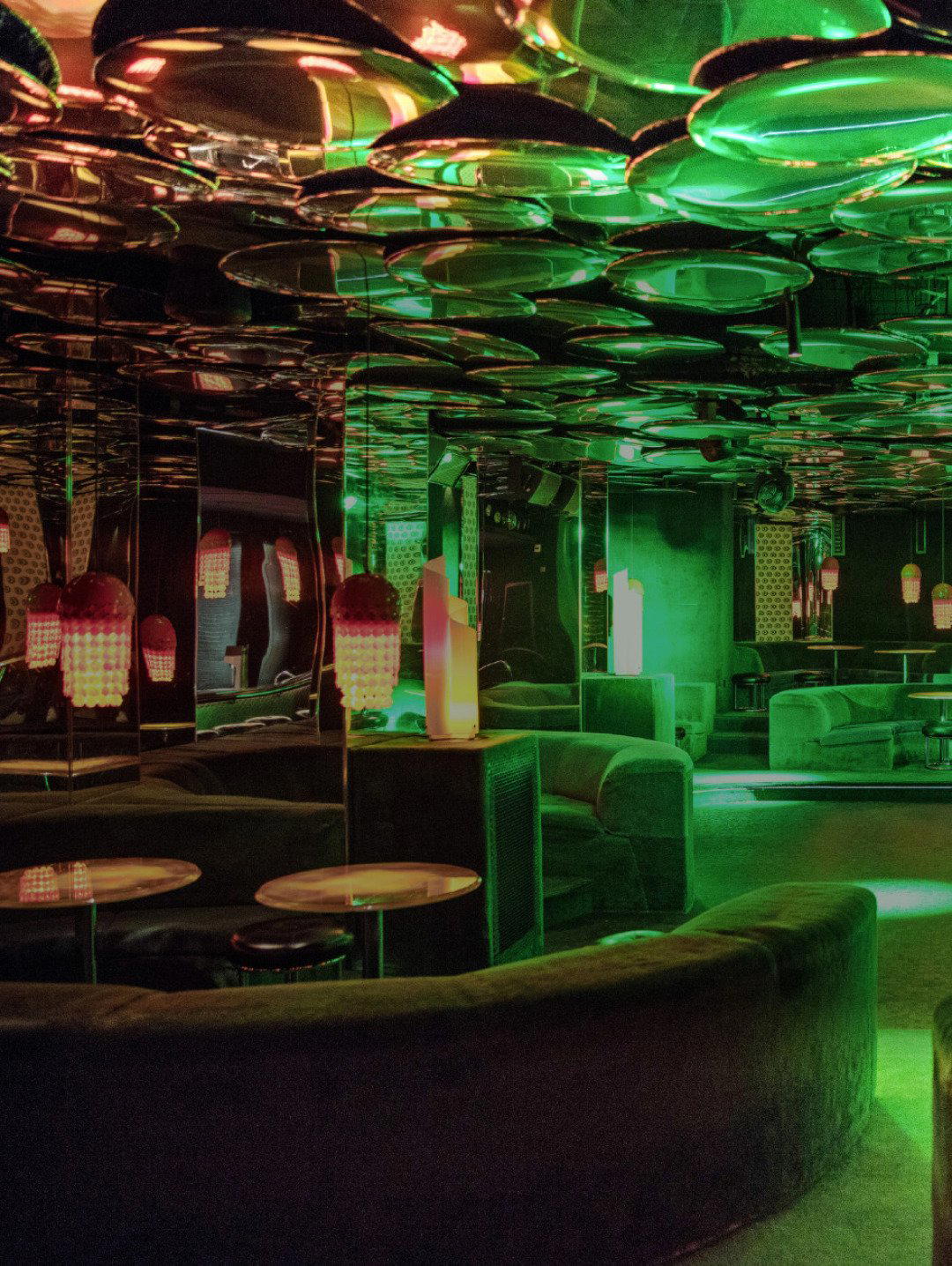
Restaurants in Salgesch
Browse all →
At a Glance
- Rustic
- Scenic
- Cozy
- Intimate
- Group Outing
- Wine Education
- Romantic Getaway
- Solo Exploration
- Special Occasion
- Cave Tasting
- Vineyard Tour
- Private Tasting
- Estate Grounds
- Sustainable
- Vineyard
- Mountain
- Valais AOC
- Pinot Noir
- Diolinoir
- Gamaret
- Syrah
- Chardonnay
- Still Red
- Still White
- Still Rosé
- Bar Tasting
- Seated Tasting
- Vineyard Visit
- Cellar Tour
- Private Group Tasting
Small, family-run cellar in the vineyards of Salgesch with a simple, rustic tasting room atmosphere; daylight during opening hours and a relaxed, informal setting focused on the wines rather than design frills.