Bar Le Farinet
Bar Le Farinet belongs to Saillon’s small-scale drinking culture rather than Switzerland’s grand hotel bar circuit. With, it is best read as a local Valais address whose value depends on setting, timing, and the way a compact town bar fits into an evening around wine country.

Pearl is the En Primeur Club membership app — saves, bookings, and concierge access live there. Same editors, same standards.
- Address
- Saillon, Switzerland
- Directions
- Get directions
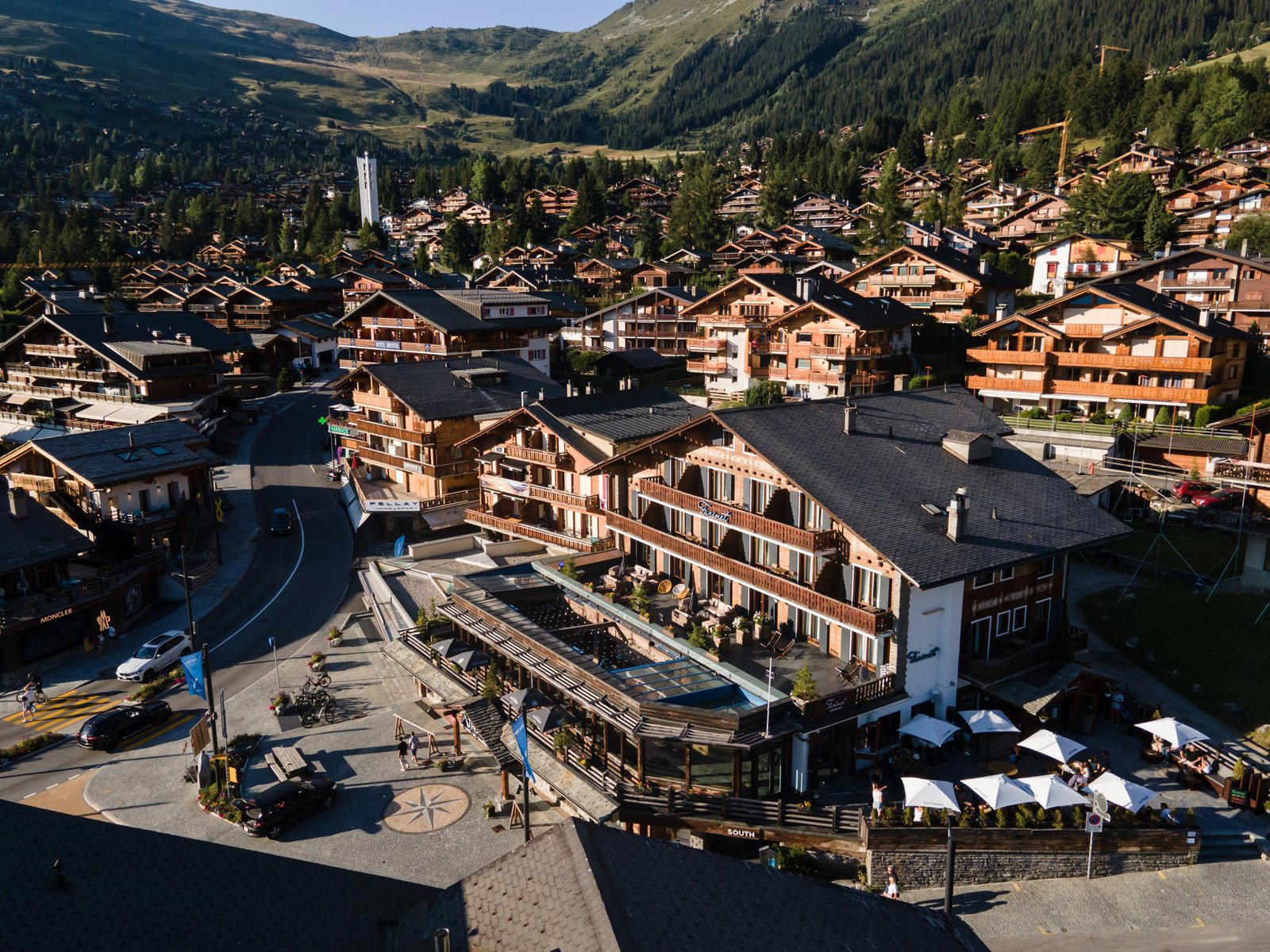
A Saillon bar in a wine-country frame
Saillon changes the rhythm before a drink is even ordered. The village sits in Valais, where terraces, stone lanes, thermal-country traffic, and vineyard culture shape the evening more than late-night metropolitan theatre. Approaching a bar here is not the same social act as stepping into a Zürich hotel lounge or a Basel grand-café room. The expectation is smaller, more local, and more dependent on the immediate town setting: conversation after dinner, a pause between wine-country appointments, or a quiet nightcap when the village has thinned out.
In Saillon, a bar does not need the machinery of a capital-city drinks programme to be useful. Its relevance comes from scale, location, and whether it gives the village an after-dark anchor beyond restaurants, hotels, and wine tastings.
Swiss bar culture splits into several lanes. There are polished hotel bars with formal service, urban cocktail rooms built around technique, café-bars that blur daytime and evening habits, and village addresses where the room functions as social infrastructure. That makes the editorial question narrower and more useful: what should a visitor expect from a Saillon bar when the destination itself is defined by wine, walking, and low-capacity hospitality rather than metropolitan drinking trends?
The cocktail question in a village setting
The assigned lens is the cocktail programme, but the honest reading begins with restraint. Specific claims about clarified serves, local botanicals, house infusions, vintage glassware, or a named creative vision would be fabrication. The more credible way to frame the drinks is comparative: this is not documented as a destination cocktail laboratory; it belongs to the category of bars where the programme must be assessed in person, through the range of classics, the care taken with base spirits, and how the room responds to the pace of the village.
That distinction is useful for travellers who plan Swiss drinking around credentials. A bar with Michelin-adjacent dining links, a 50 Best listing, or a published head bartender carries a different promise. Saillon offers a different proposition. Here, the drinks decision is tied to geography. Valais is a wine canton with a strong local identity, and evenings can move naturally from regional bottles to a shorter bar stop without requiring a formal cocktail pilgrimage. If a visitor wants a technically documented programme before committing time, Switzerland has clearer reference points elsewhere. If the aim is to keep the evening in Saillon after dinner, this address fills a more practical role.
The absence of listed awards also affects expectations. Without them, Bar Le Farinet should not be compared directly with recognised urban cocktail rooms or luxury hotel bars that publish bar teams, menus, and accolades. A fairer comparison is with small Swiss town bars where the deciding factors are ease, atmosphere, and consistency rather than global recognition. That may sound modest, but for travel planning it is more valuable than inflated language. Not every worthwhile stop has to perform as a destination in itself.
How Saillon shapes the evening
Saillon’s drinking culture is inseparable from Valais. The canton’s wine production gives the region a different centre of gravity from cocktail-led cities. In practical terms, that means a visitor may spend the afternoon in cellars, take dinner early by urban standards, and then look for a final address that does not require a taxi back to a larger town. A village bar becomes useful because it keeps the evening local. It offers continuity, not spectacle.
This is where the address earns consideration. That is a limitation for precision planning, especially for travellers coordinating transport, dinner reservations, or hotel check-in. It also underlines the need to verify current details before building a night around it. In smaller Swiss towns, opening patterns can vary by season, day of week, and local demand.
For broader planning in town, EP Club’s local coverage is a better first layer than treating the bar in isolation. Pair a drink with dinner research through Our full Saillon restaurants guide, check overnight options in Our full Saillon hotels guide, and compare the town’s drinking addresses through Our full Saillon bars guide. The wider regional logic also matters: Saillon sits in wine country, so Our full Saillon wineries guide and Our full Saillon experiences guide will often shape the day before any bar decision is made.
Where it sits against Swiss bar peers
Switzerland’s premium bar map is unusually fragmented. Zürich supplies café-bars and cocktail rooms with urban regulars, St. Moritz adds altitude and luxury-hotel seasonality, Basel leans into grand-hotel heritage, and Ticino brings courtyard drinking into warmer weather. Saillon is not competing on the same terms. Its scale and setting put it in a more intimate category, and that difference should guide expectations.
For a city comparison, Grande Café & Bar in Zürich represents the café-bar model in a larger urban market, where footfall, business hours, and metropolitan drinking habits create a broader audience. Grand Hotel Les Trois Rois in Basel belongs to the grand-hotel tradition, where service choreography and historic setting carry much of the bar’s authority. Altitude Bar in St. Moritz sits in a seasonal luxury environment shaped by mountain travel, winter calendars, and a clientele often moving between hotels, slopes, and late dinners.
Those addresses clarify what Saillon is not. It is not an urban cocktail stage, not a palace-hotel salon, and not a resort bar riding a concentrated high season. That leaves a narrower but still useful role: a village bar in a wine region, where the evening is measured less by mixology credentials and more by fit. A traveller who wants a documented list of signature drinks should look to the larger Swiss cities or resort markets. A traveller already in Saillon, especially after a meal or a day built around wine, may value the simplicity of staying local.
Other Swiss comparisons sharpen the point. Bar Bassa Selim und Cortile Barbarossa in Ascona points toward the Italian-speaking lake-and-courtyard mode, where climate and outdoor space shape drinking culture. The Aarburg Hotel & Café in Unterseen shows how hotel-café hybrids serve travellers moving through an Alpine gateway. Alex Bar in Thalwil reflects the suburban-lakeside category, where local regularity and commuter geography affect the room. Bar Le Farinet belongs to a different pocket: Valais village drinking, with wine-country proximity as its strongest contextual credential.
What to expect when public data is limited
Limited venue data requires a different editorial discipline. It is tempting to fill the gaps with generic bar language, but that helps nobody. Those omissions should shape behaviour. Do not assume late service. Do not assume a full cocktail programme. Do not assume card policies, walk-in availability, or food service. In a small town, practical variables can determine whether a bar stop works.
The better approach is to treat the address as an opportunistic Saillon stop rather than the centrepiece of a night. Plan dinner first, check lodging logistics, and leave room for adjustment. If current online listings show open hours on the day, it becomes a natural after-dinner option. If the listing is unclear, ask locally before committing. This is not over-caution; it is how small-town travel works when official information is thin.
Price is another unknown. With no database-backed range, it would be irresponsible to classify the bar as budget, mid-range, or luxury. Switzerland is generally expensive by European standards, and Valais is not exempt from that reality, but local bars outside the largest cities can vary significantly depending on format and clientele. The only useful advice is to verify current menus or posted prices when available, especially if comparing against hotel bars or urban cocktail rooms where costs are easier to anticipate.
The case for going anyway
The reason to include this bar in a Saillon plan is not trophy recognition. The reason is geographic intelligence. Travel in wine country often fails when every stop is treated as a headline attraction. Good evenings need minor anchors too: a place to end without extending the route, a room that keeps the day within the village, a bar that gives structure after the restaurant bill is paid.
That is the credible role here. In a town where restaurants, hotels, wineries, and local experiences carry much of the itinerary, a bar can be valuable precisely because it is modest in function. It gives the traveller a way to read the village after dark. It also offers a contrast to Switzerland’s more formal drinking rooms, where the performance of service can dominate the night. Saillon’s appeal is lower-volume and more grounded in place.
International comparisons make the same point from another angle. Café La Trova in Miami is built around a public, recognisable cocktail identity in a city where bar culture is part of the destination economy. A Saillon address cannot be assessed by that yardstick without distorting it. The useful question is not whether it competes with a high-profile cocktail room abroad, but whether it serves the local evening well.
Planning notes for Saillon
Use Bar Le Farinet as a flexible final stop, not a fixed appointment unless current opening information is confirmed. That matters even more if arriving outside the main dinner window, travelling in shoulder season, or relying on public transport. Saillon’s scale makes the bar appealing, but the same scale means alternatives may be limited if hours change.
Dress expectations are not documented. In practical terms, Saillon does not demand the same wardrobe planning as a formal grand-hotel bar, but absence of a published dress code is not permission to assume anything specific. Smart casual travel clothing is the safest default for a village bar after dinner. Reservations are also unconfirmed. If the evening depends on securing a seat, confirm locally before dinner.
Continue exploring
More in Saillon
Bars in Saillon
Browse all →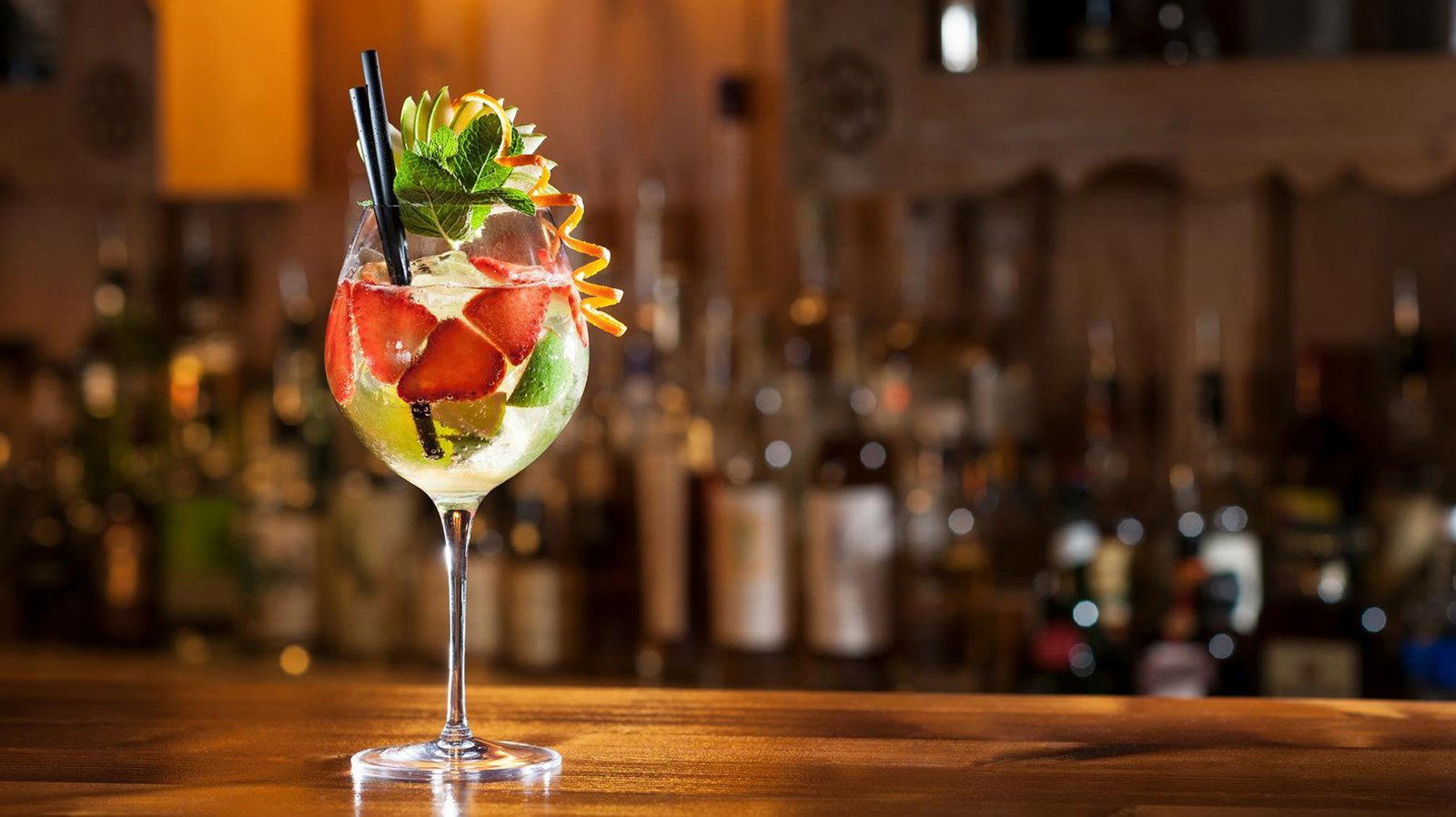
Restaurants in Saillon
Browse all →
Hotels in Saillon
Browse all →

Details
- Cozy
- Classic
- Scenic
- Casual Hangout
- Group Outing
- Solo
- After Work
- Standalone
- Terrace
- Seated Bar
- Outdoor Terrace
- Conventional Wine
- Craft Beer
- Zero Proof
- Vineyard
- Mountain
Casual, friendly, and cheerful; described as a relaxed bar-café with a convivial atmosphere.