Casa E. di Mirafiore

Casa E. di Mirafiore belongs to the historic, terroir-led side of Barolo: Serralunga d’Alba Nebbiolo, organic farming, old cellars, and a measured estate atmosphere in the UNESCO-listed Langhe hills. Founded in 1878 and revived in the modern era, it is strongest for visitors who want Barolo context, vineyard setting, and a structured tasting rather than design-led winery theatre.
Pearl is the En Primeur Club membership app — saves, bookings, and concierge access live there. Same editors, same standards.
- Address
- Serralunga d'Alba, Piedmont, Italien
 Saves & bookings on Pearl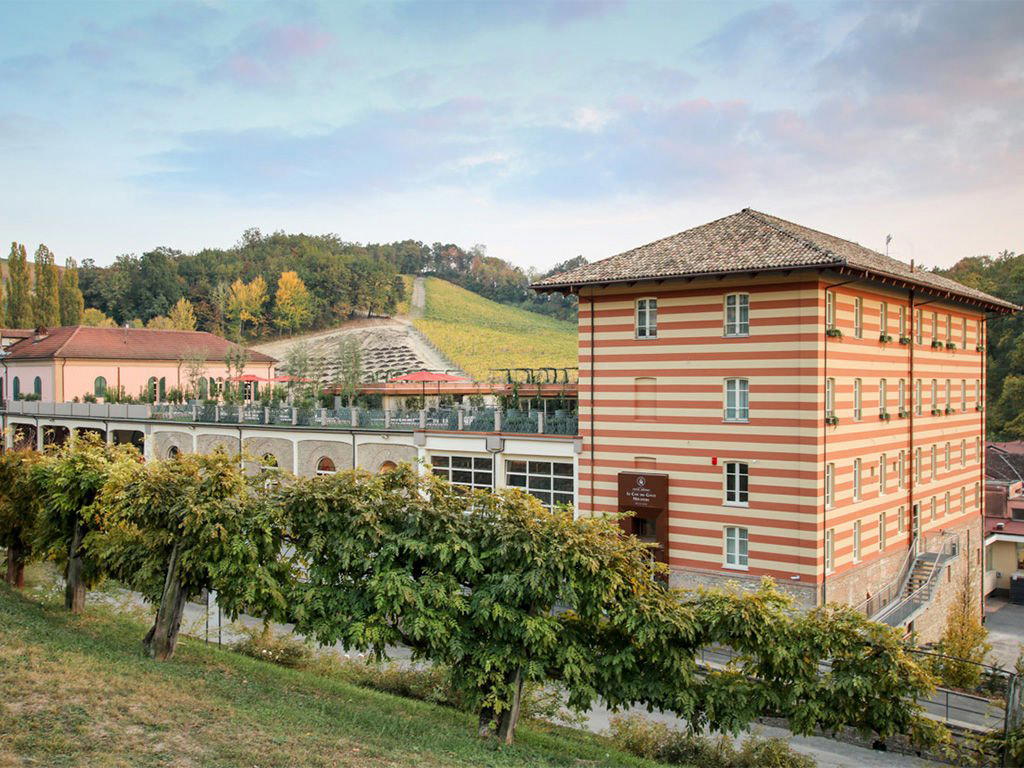
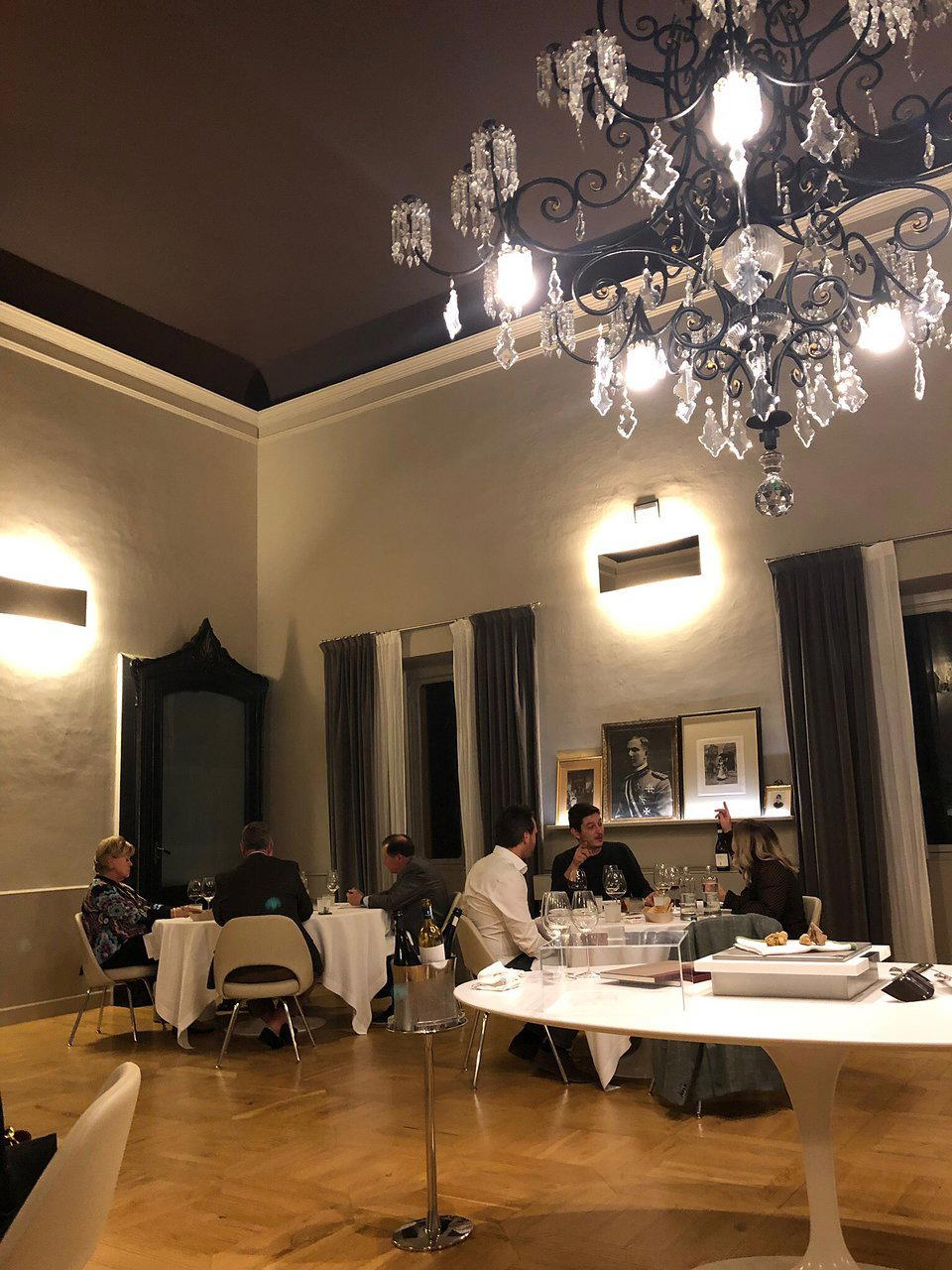
Casa E. di Mirafiore is presented as a historic Piedmontese estate in Serralunga d'Alba, set among classic cellars and vineyards in the UNESCO-listed Langhe hills. The picture is one of tradition, organic farming, and a sober, elegant atmosphere rather than flashy contemporary design. In EP Club terms, it reads less like a venue built around novelty and more like a place whose appeal comes from continuity: the landscape, the agricultural setting, and the calm authority of an estate rooted in its surroundings.
For planning purposes, the safest way to read the venue is through its setting and mood: a scenic Langhe estate environment with a classic, romantic feel. That framing matters, because it helps set expectations correctly. The draw is not described through an elaborate list of amenities or a highly programmed experience, but through the combination of place, atmosphere, and the quiet prestige of Serralunga d'Alba.
Serralunga structure, organic farming, and the classical Langhe frame
The grounded appeal of Casa E. di Mirafiore is its estate atmosphere in Serralunga d'Alba. Historic cellars, vineyards, and the surrounding UNESCO-listed Langhe landscape give the venue a traditional Piedmontese identity, with organic farming noted as part of that identity. Taken together, those elements create a clear sense of context: this is a venue to understand through the Langhe's relationship with land, wine culture, and rural elegance, rather than through a detached hospitality concept.
Beyond that, detailed claims about founding dates, production scale, vineyard holdings, varieties, techniques, or named labels should be treated as unless confirmed directly with the venue. That approach is deliberately cautious, but useful. It avoids overstating what a visitor should expect, while still recognizing the features that make the estate relevant for travellers comparing experiences in and around Serralunga d'Alba.
Visitors considering Casa E. di Mirafiore should expect an elegant but restrained setting rather than a venue defined by spectacle. The emphasis, as verified, is on tradition, vineyards, historic cellars, and the broader cultural range of Serralunga d'Alba. The restraint is part of the appeal: the atmosphere is not presented as theatrical, urban, or trend-led, but as measured, composed, and closely tied to the countryside around it.
What the visit suggests about Langhe estate culture
The estate's atmosphere is strongest when read against the language of understatement. The setting is described through historic cellars, vineyards, and the UNESCO-listed Langhe hills, with a sober, elegant style that suits a classic countryside estate. For travellers drawn to the Langhe, that kind of understatement can be especially valuable, because it allows the setting itself to do much of the work: rows of vines, old cellars, agricultural rhythm, and the sense of being within a landscape shaped over time.
Travellers should confirm practical arrangements directly before building an itinerary around a particular type of visit. That includes treating any assumptions about format, timing, availability, or inclusions as provisional until with the venue. The winery may be easy to place emotionally within a Langhe itinerary, but the practical details still need direct confirmation, particularly for anyone planning a tight day or travelling with specific requirements.
What can be said with confidence is that winery offers a scenic, traditional estate context in Serralunga d'Alba. It is best framed as a place for travellers who value heritage, organic farming, and the range of the Langhe rather than a venue defined by amenities or programming. In that sense, its appeal is relatively focused. It suits guests who want the feeling of a historic Piedmontese estate, and who are more interested in atmosphere and place than in a long checklist of on-site features.
Planning the wider Serralunga d'Alba day
For planning, treat the winery as a $$$ venue in Serralunga d'Alba with a classic, elegant estate atmosphere. Confirm hours, booking requirements, visit availability, accessibility, parking, group arrangements, and any food or dietary details directly with the venue before visiting. This is especially important because especially reliable description among the venue is atmospheric rather than operational: the identity is clear, but the day-to-day visitor experience should be checked before it anchors a schedule.
Travellers building a Serralunga d'Alba route can compare the winery with other local dining or estate experiences in general terms, focusing on whether the day should feel historic, scenic, agricultural, or more formal. The winery sits naturally on the historic and scenic side of that comparison, with organic farming and the estate frame adding an agricultural dimension. It is not necessary to overcomplicate the decision; the main question is whether this particular kind of restrained Langhe setting matches the tone of the day.
For a broader itinerary, pair the estate with the wider hospitality and dining context of Serralunga d'Alba. The draw here remains simple: historic Piedmontese cellars, vineyards, organic farming, and a sober, romantic Langhe setting. Read that simplicity as a strength rather than a limitation. The winery is most persuasive when approached as part of the landscape itself: a classic estate environment where the pleasure lies in the cumulative effect of place, tradition, and quiet elegance.
Recognition history
Dated appearances from independent guides and award organizations, with the underlying list record or original source where available.
Falstaff Winery - Listed
Falstaff
Continue exploring
More in Serralunga d'Alba
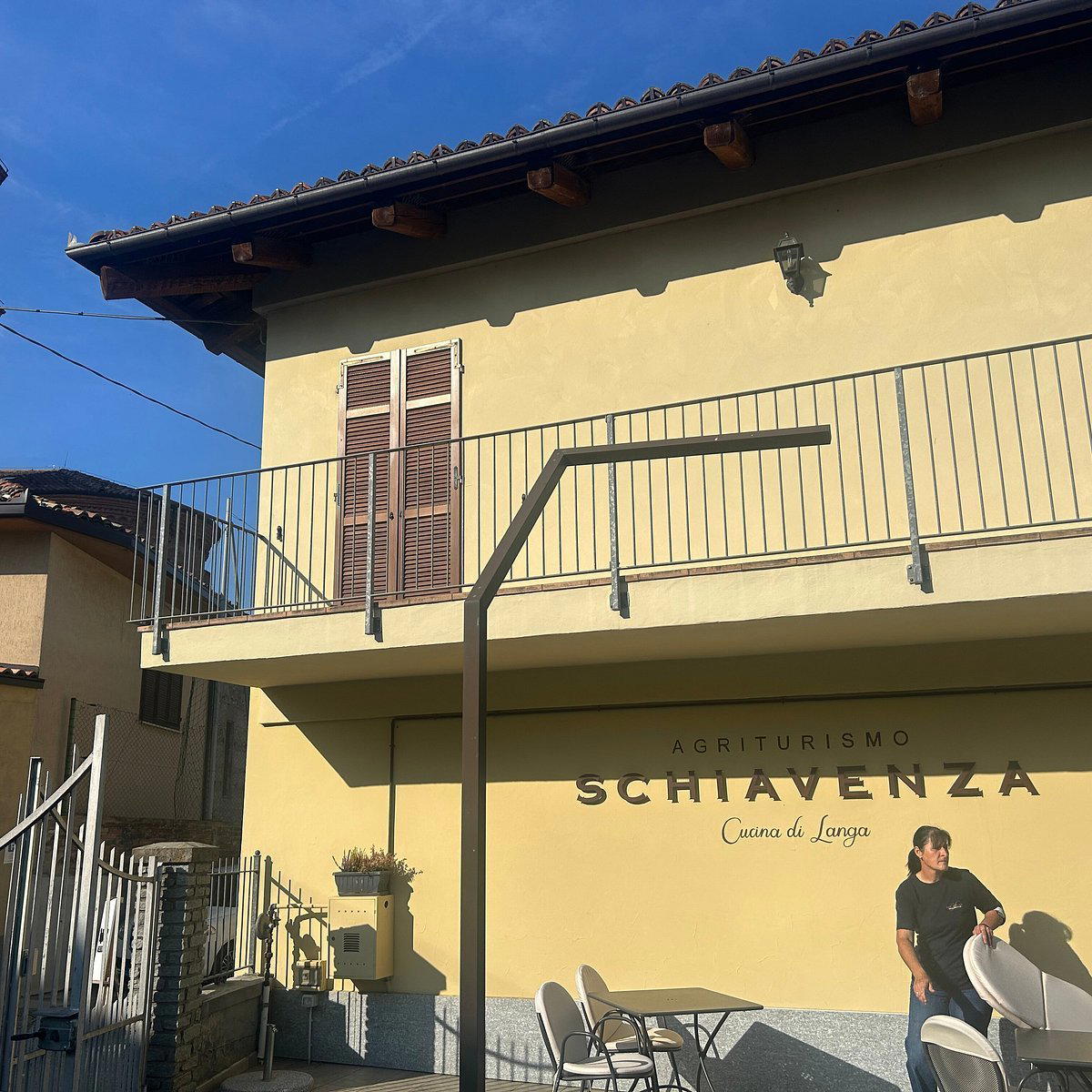
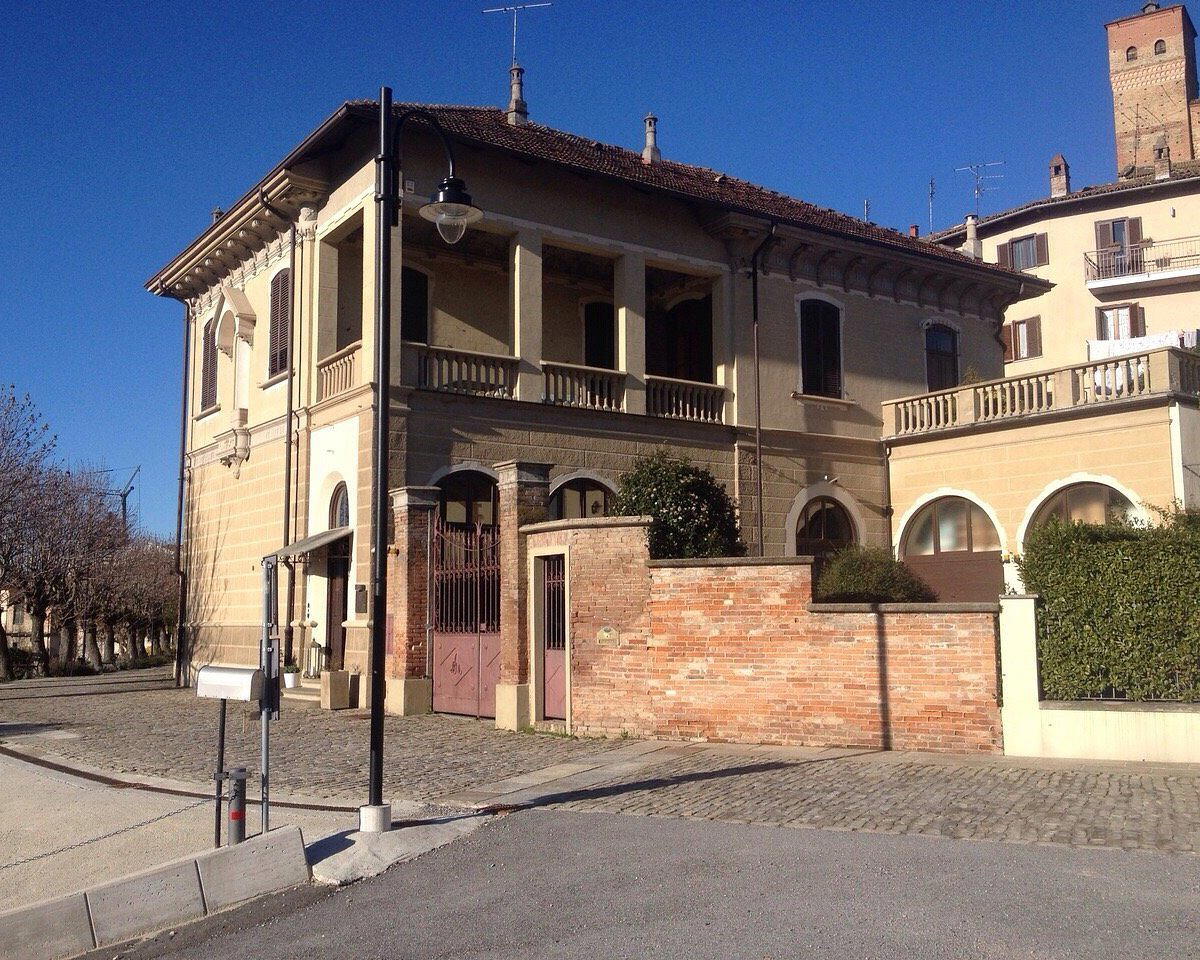
Wineries in Serralunga d'Alba
Browse all →
Bars in Serralunga d'Alba
Browse all →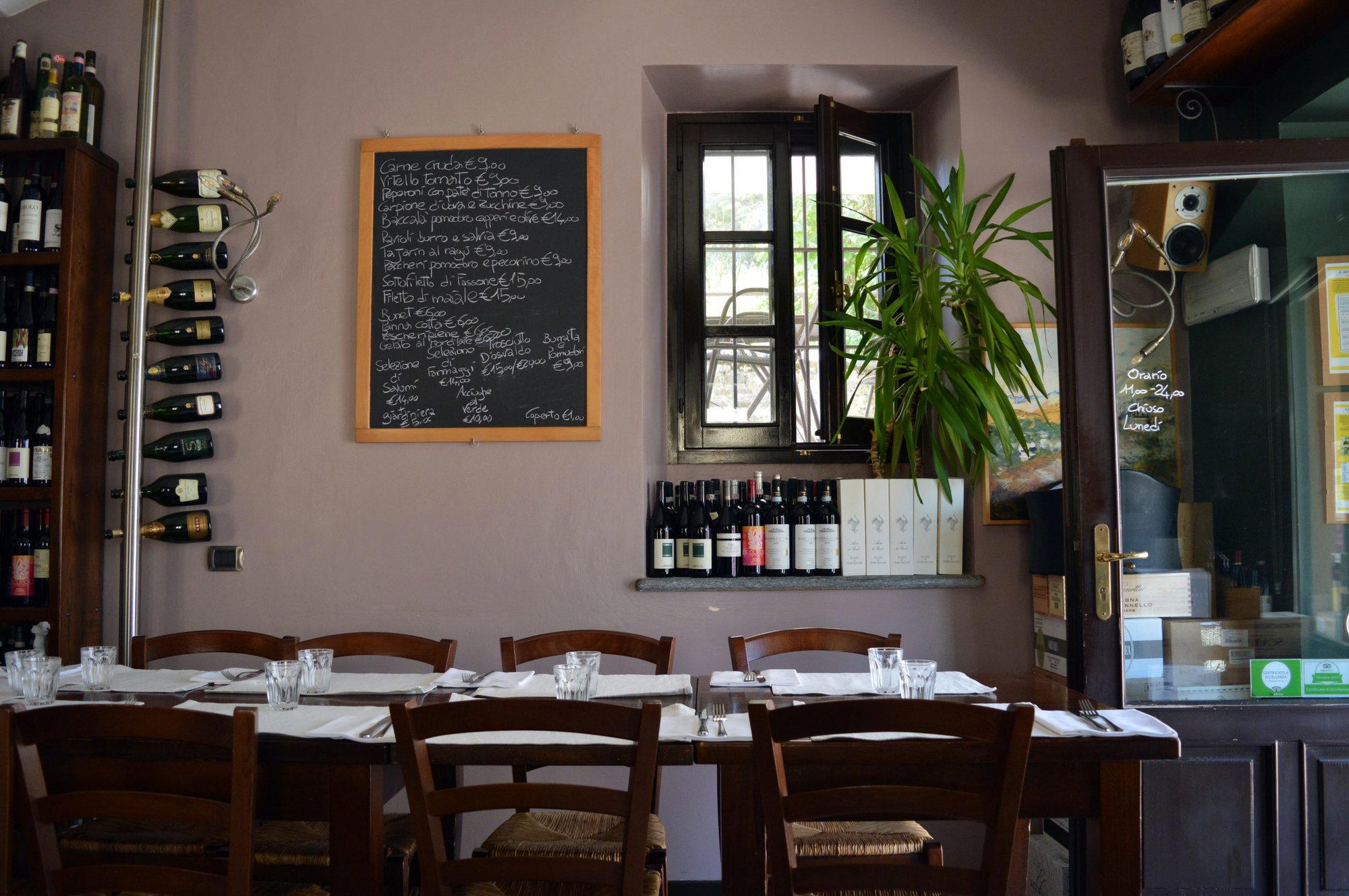
Restaurants in Serralunga d'Alba
Browse all →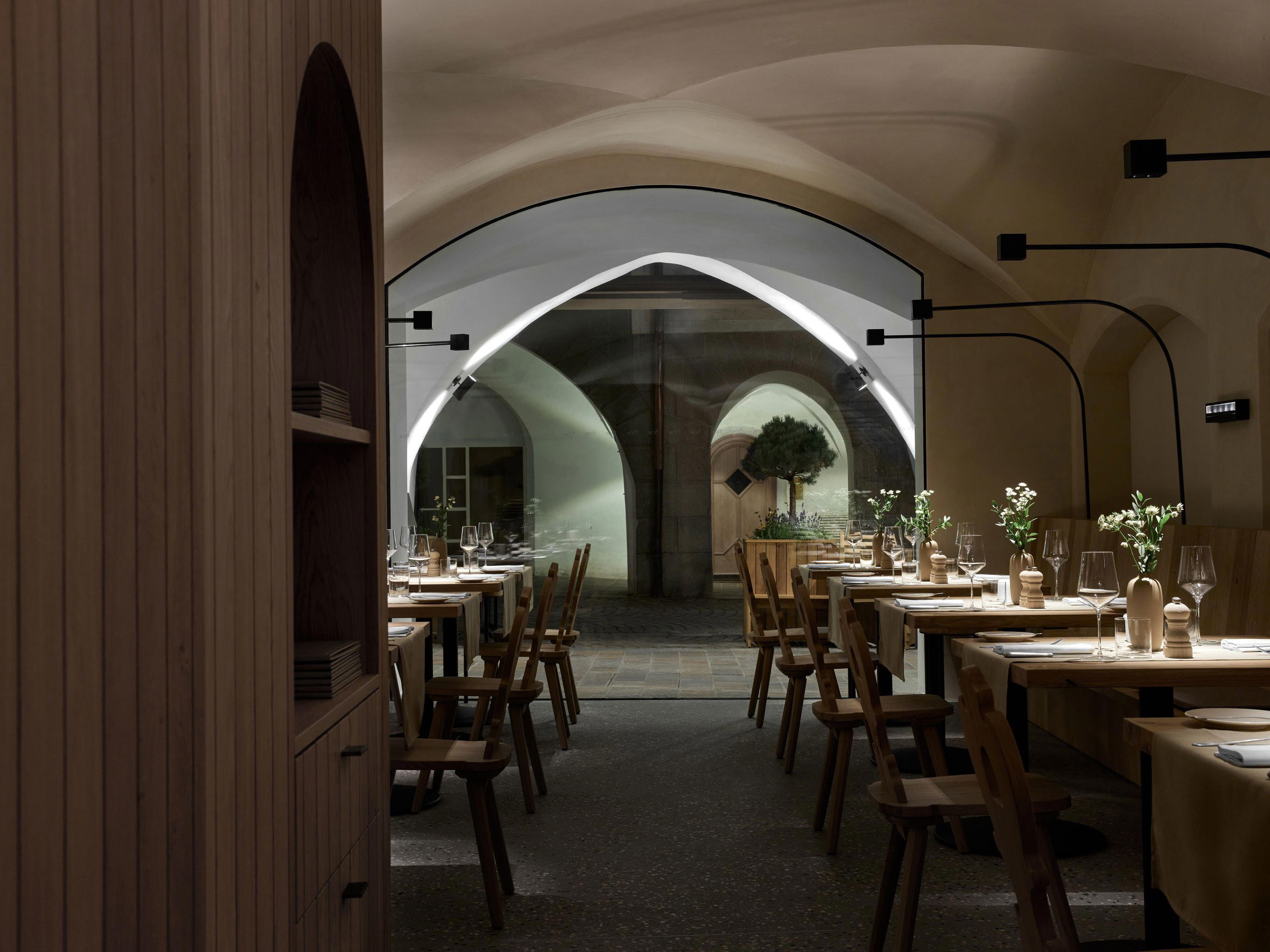
Hotels in Serralunga d'Alba
Browse all →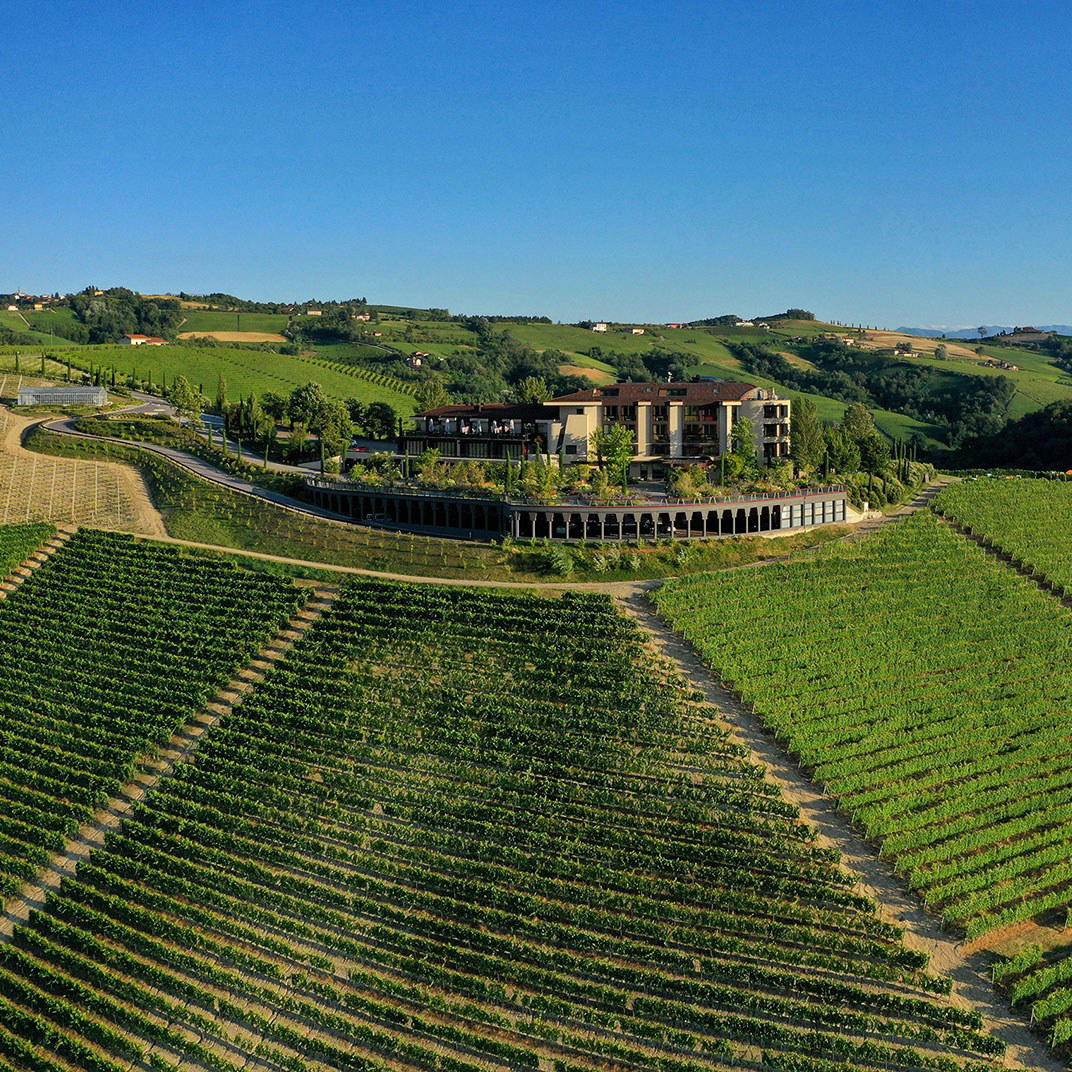
At a Glance
- Classic
- Scenic
- Elegant
- Romantic
- Well Known
- Rustic
- Romantic Getaway
- Group Outing
- Wine Education
- Special Occasion
- Estate Grounds
- Vineyard Tour
- Historic Building
- Private Tasting
- Organic
- Vineyard
- Mountain
- Garden
- Barolo DOCG
- Nebbiolo
- Barbera
- Dolcetto
- Pinot Noir
- Nascetta
- Still Red
- Still White
- Sparkling
- Standard Tasting
- Estate Tour + Tasting
- Paired Tasting Menu
- Private Tasting
Historic Piedmontese estate atmosphere with classic cellars and vineyards in the UNESCO-listed Langhe hills, emphasizing tradition, organic farming, and a sober, elegant style rather than flashy modern design.