
Falstaff Winery - Listed
Casa de Mouraz puts the Dão’s granite soils, forested hills and indigenous varieties ahead of cellar theatre. Founded in 2000 by António Lopes Ribeiro and Sara Dionísio, the small family-led estate matters because it moved early into organic and biodynamic farming in a region better known for quiet classicism than trend-chasing natural wine.

Pearl is the En Primeur Club membership app — saves, bookings, and concierge access live there. Same editors, same standards.
- Address
- Tondela, Viseu, Portugal
- Directions
- Get directions
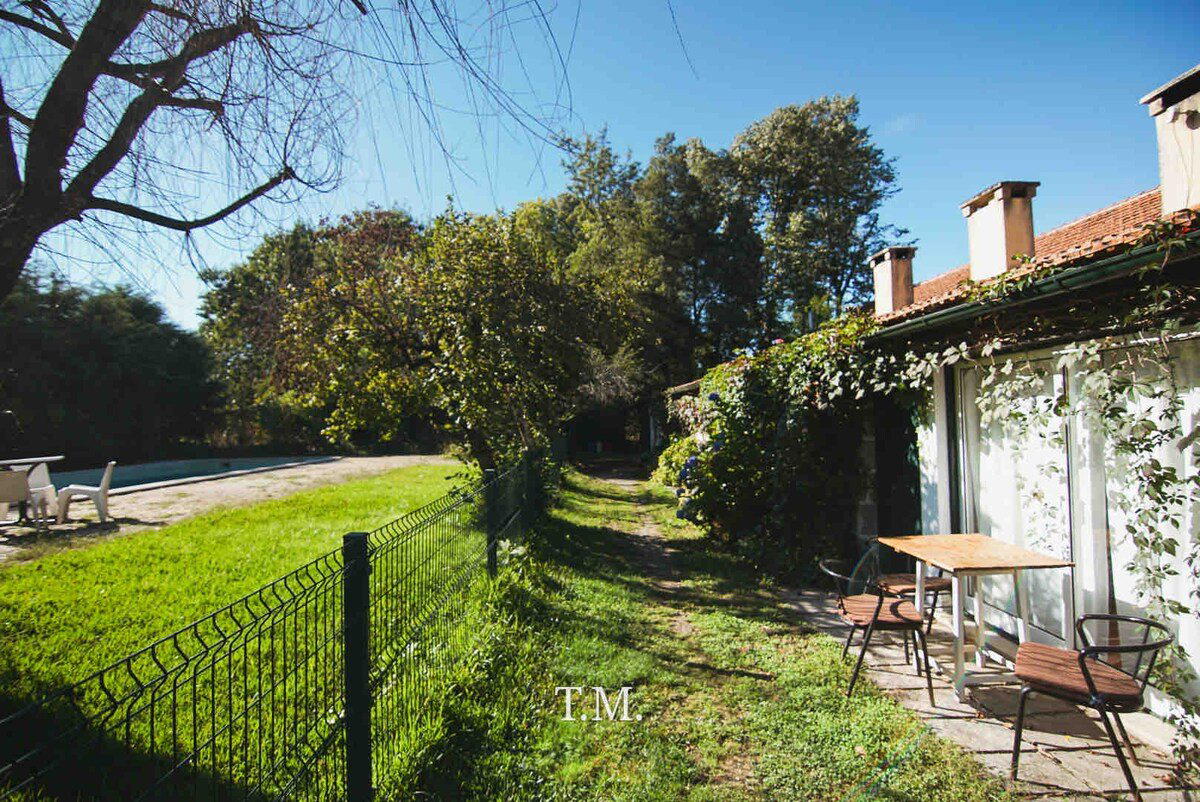
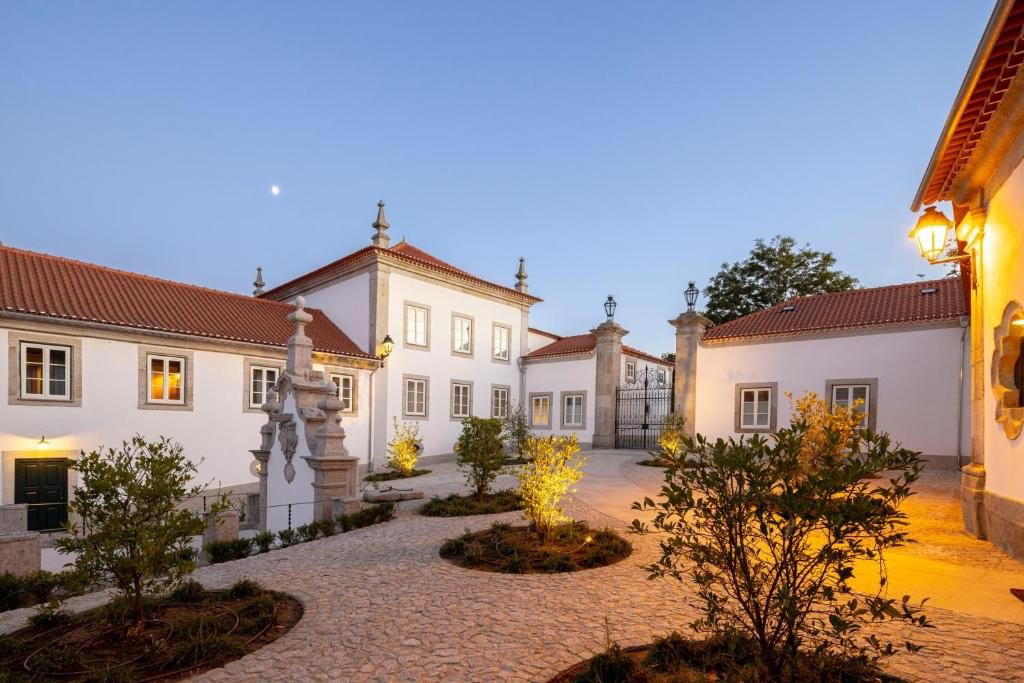
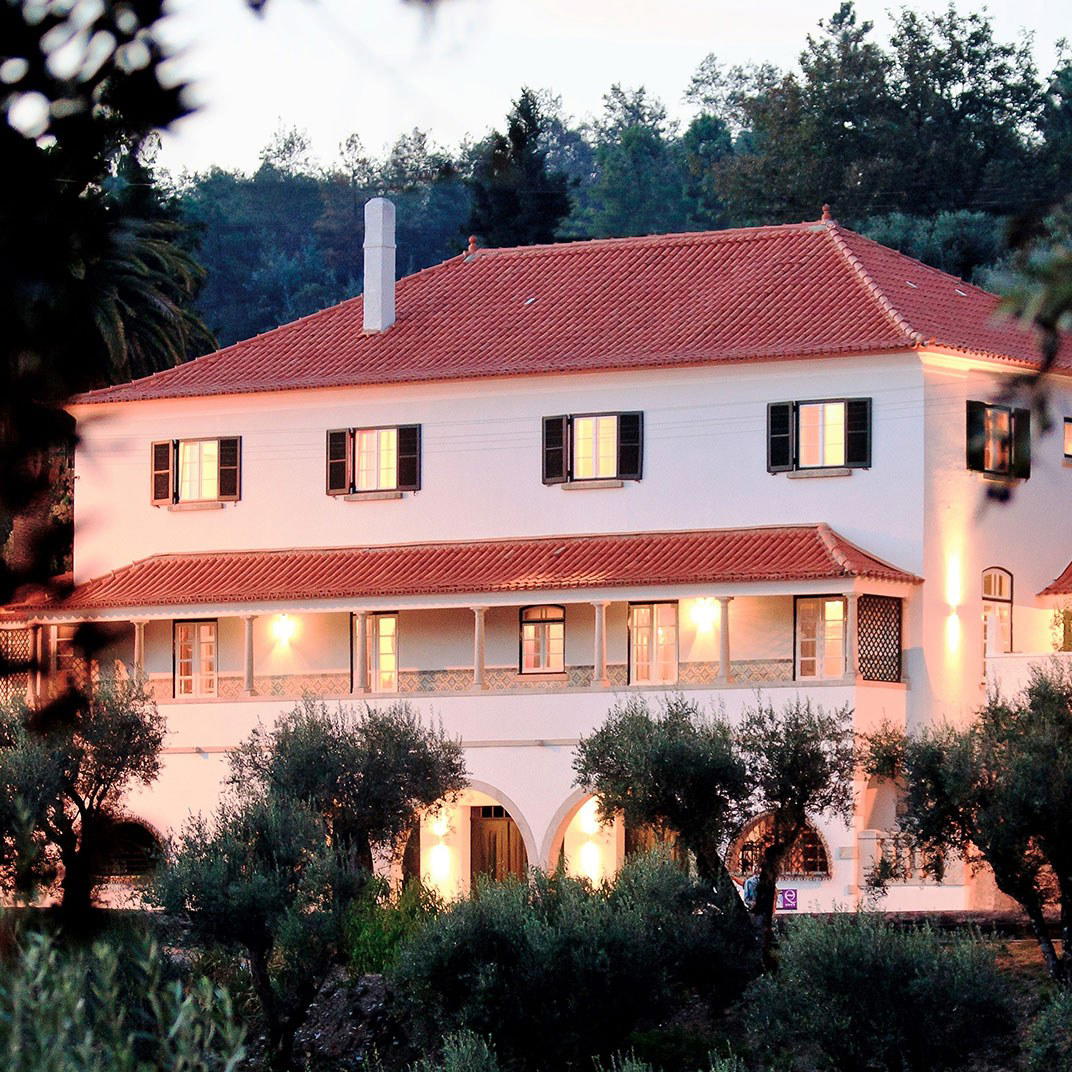
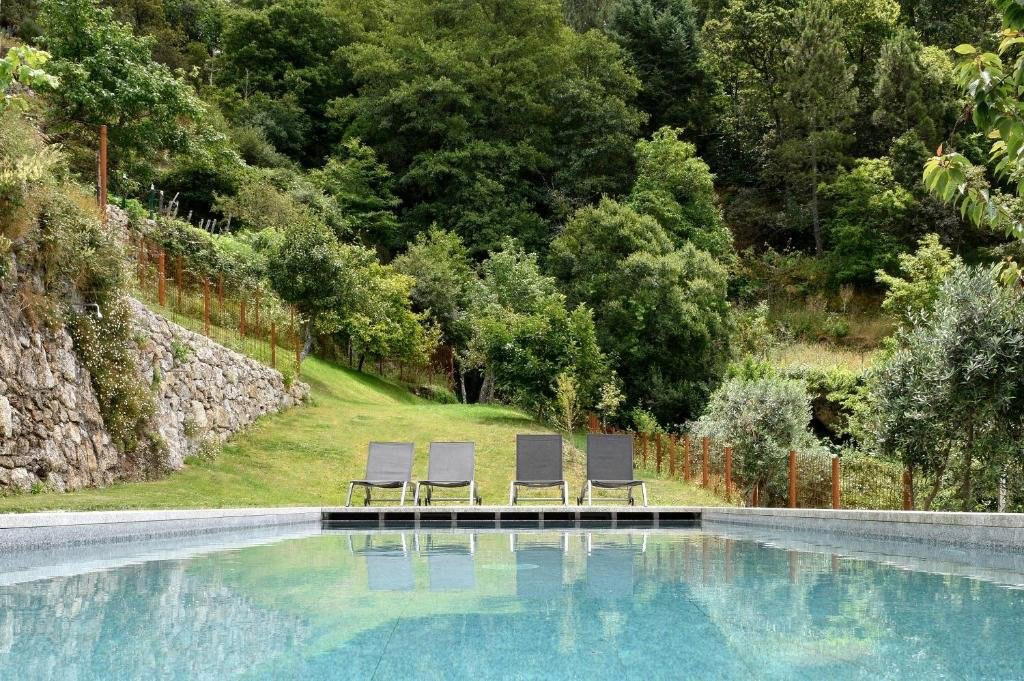
Casa de Mouraz in Tondela is best understood as a small, family-led organic and biodynamic estate rather than a polished tourist facility. Its character comes from a rustic working-winery feel: a small cellar tucked behind the town and the village church, with a setting that reads as authentic, scenic and closely tied to the Dão landscape. The emphasis is less on performance and more on place, with the kind of modest, local presence that makes sense in a village-based wine address.
Because the public details are limited, the most reliable way to frame Casa de Mouraz is by what is clearly known: it is an organic and biodynamic estate in the Tondela area, with a modest, village-based identity and a $$ price level. Specific claims about individual wines, grape varieties, tasting formats, opening hours or visitor services should be confirmed directly before planning around them. This is especially important for travellers who are building a schedule around a single stop, since the confirmed information supports the estate’s identity more than it confirms a complete visitor itinerary.
Rustic Dão character in Tondela
The appeal of Casa de Mouraz is not a luxury presentation or a large hospitality complex. It is the atmosphere of a family-led estate in a small Dão village, where the cellar sits close to the everyday fabric of the town. That gives the place a grounded, working-winery quality rather than the feel of a staged wine-tour stop. The setting behind the town and church reinforces that impression: it suggests a winery embedded in its surroundings, not separated from them by a resort-style layer of visitor infrastructure.
The identity of the estate is rooted in organic and biodynamic farming. That orientation is central to how the place should be understood, because it places Casa de Mouraz within a more deliberate, land-focused style of winemaking rather than a generic regional cellar visit. For travellers, the safest expectation is a rustic, scenic estate experience in Tondela with a strong organic and biodynamic orientation, while leaving the specifics to be clarified directly with the estate.
Casa de Mouraz is also a useful reminder that not every memorable wine address needs to be framed by awards, elaborate service language or a long list of amenities. Its confirmed strengths are simpler: a family-led estate, a Dão village setting, a small cellar behind the town and church, and an authentic working-winery feel. Those qualities matter because they give the address a sense of proportion. It is a place to understand through its scale, its farming identity and its relationship to Tondela, not through assumptions borrowed from larger wine destinations.
A small estate, not a polished wine-tour circuit
Casa de Mouraz should be approached as a modest estate in Tondela rather than as a destination with restaurant-style services or a broad published visitor program. There is no confirmed basis here for claiming lunch, dinner, take-out, delivery, specific tours, set tasting menus, allergy accommodations or formal service formats. In practical terms, that means visitors should avoid over-reading the winery’s appeal as a guarantee of particular hospitality arrangements. The better expectation is a small, place-led wine address whose value lies in its character and setting.
That restraint is part of the honest description. The available facts support a picture of a rustic, scenic, family-led organic and biodynamic winery with a small cellar and a village setting. Travellers who need current practical details should confirm them directly before visiting. That might include any details that affect timing, access or the shape of a visit, because the information available here is intentionally limited to what can be stated with confidence.
For a wider Tondela itinerary, treat Casa de Mouraz as one possible wine-focused stop and plan other dining or travel elements separately. Other dining in Tondela can be considered generically, but no specific comparison venue is here beyond Casa de Mouraz itself. This keeps the expectations clean: Casa de Mouraz belongs in a plan as a modest, organic and biodynamic Dão estate with a rustic village feel, while meals, transport and other services should be arranged on their own terms rather than assumed as part of the winery experience.
Recognition history
Dated appearances from independent guides and award organizations, with the underlying list record or original source where available.
Falstaff Winery - Listed
Falstaff
Continue exploring
More in Tondela
Wineries in Tondela
Browse all →
Bars in Tondela
Browse all →
Restaurants in Tondela
Browse all →
Details
- Rustic
- Scenic
- Classic
- Intimate
- Solo Exploration
- Wine Education
- Group Outing
- Romantic Getaway
- Estate Grounds
- Vineyard Tour
- Historic Building
- Organic
- Biodynamic
- Sustainable
- Dry Farmed
- Vineyard
- Mountain
- Touriga Nacional
- Jaen
- Alfrocheiro
- Tinta Roriz
- Baga
- Still Red
- Still White
- Still Rosé
- Pet Nat
- Skin Contact
- Estate Tasting
- Vineyard Visit
Family-led organic and biodynamic estate in a tiny Dao village, with a small cellar tucked behind the town and the village church, giving a rustic, authentic working-winery feel rather than a polished tourist facility.