
Falstaff Winery - Listed
Cantina Ninni belongs to the small-scale, land-first side of Umbrian wine, where Trebbiano Spoletino is treated as a serious local grape rather than a generic white category. In the Spoleto hills, old ungrafted vines, native yeasts, hand harvests and house-cellar production give the estate a sharply territorial point of view.

Pearl is the En Primeur Club membership app — saves, bookings, and concierge access live there. Same editors, same standards.
- Address
- Spoleto, Umbria, Italien
- Directions
- Get directions

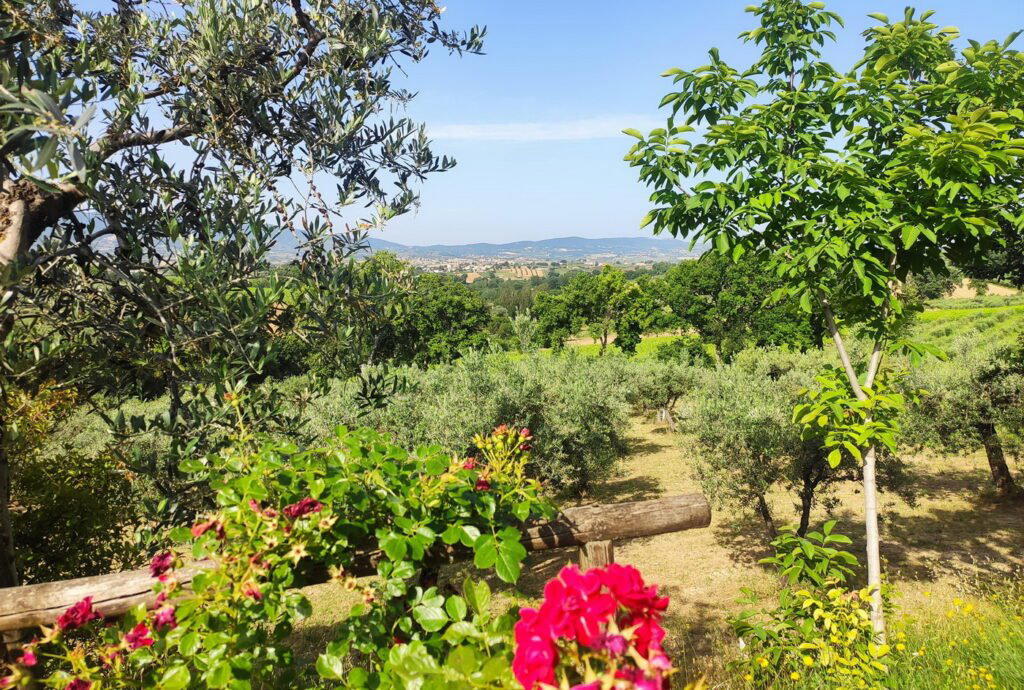
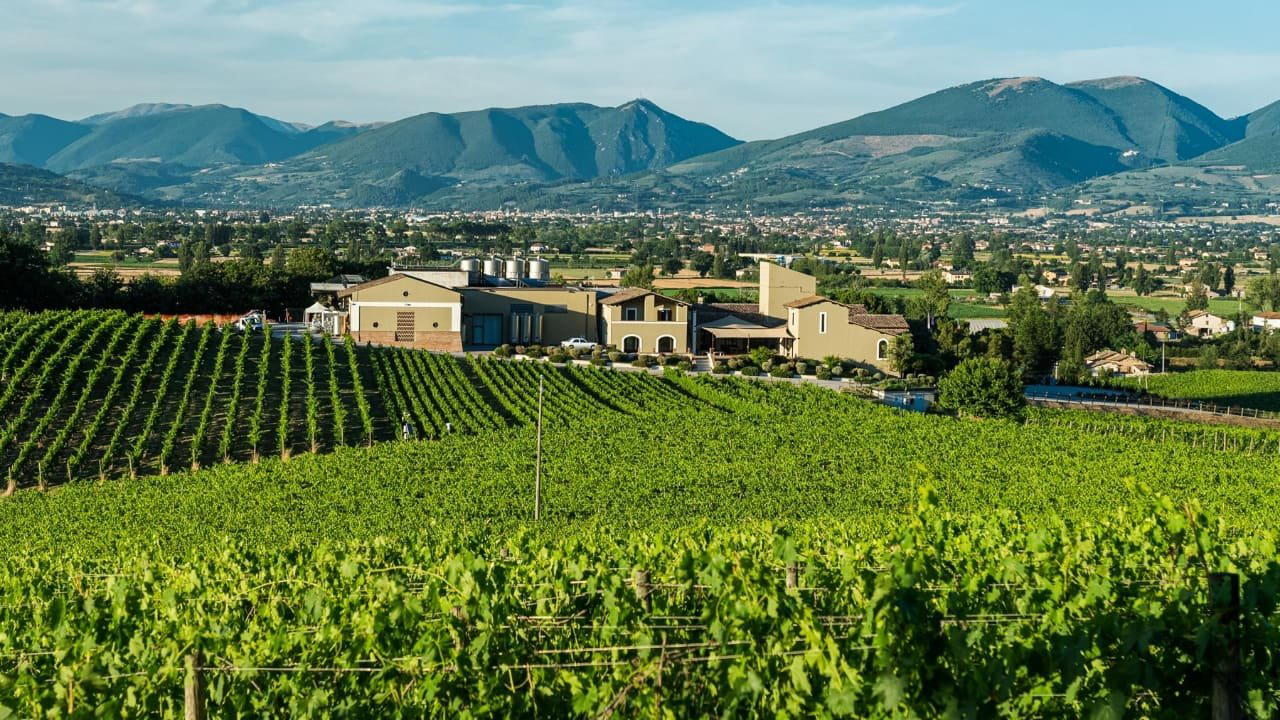
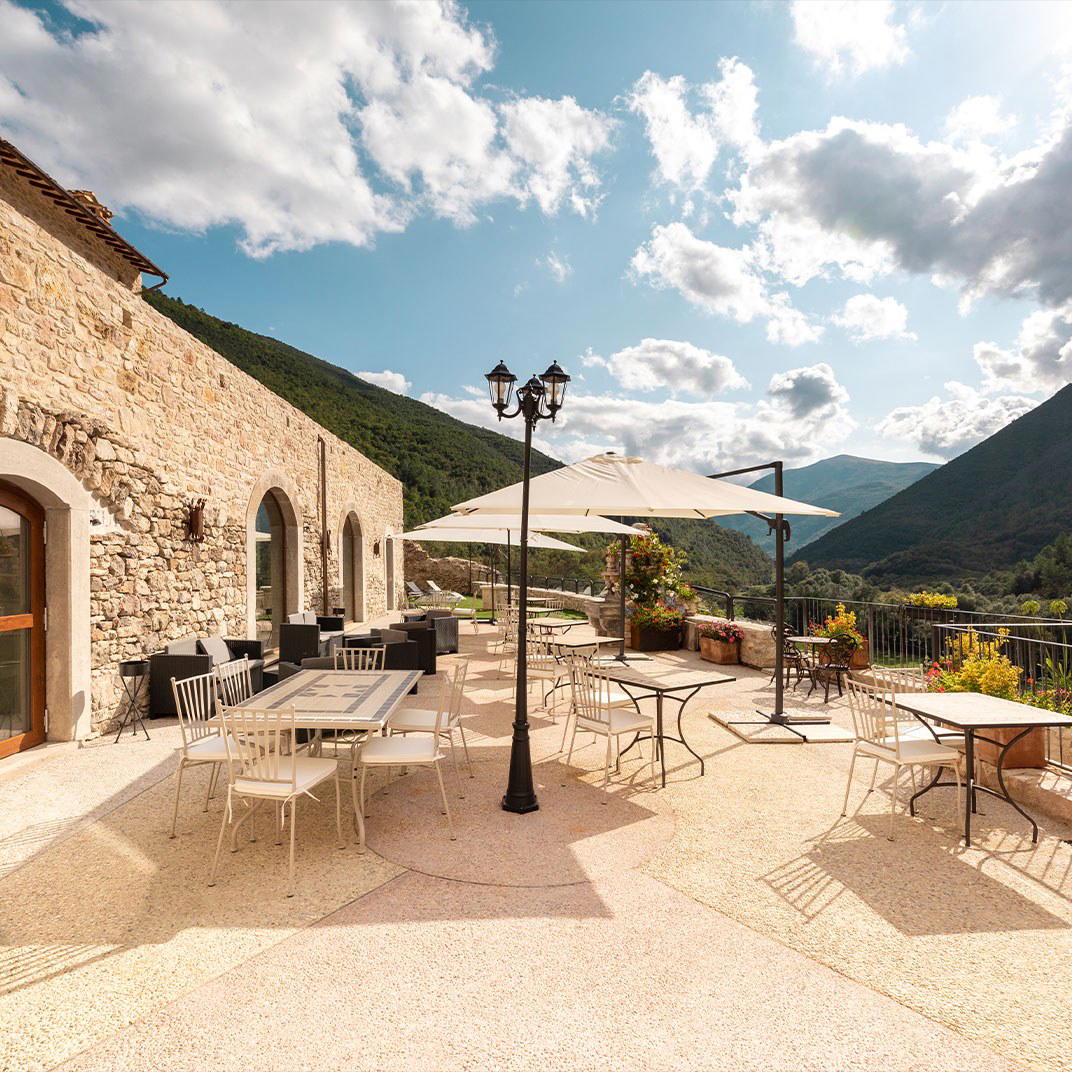
The approach to Cantina Ninni is defined less by architecture than by terrain: vineyard rows in the hills around Spoleto, a hillside setting, and the sense that the cellar is closely connected to the fields. Before the visit becomes a tasting, it reads as a small encounter with landscape, where the slope, the vines and the working cellar set the terms. The conversation can turn from broad Italian wine categories to a specific local grape and a specific way of understanding place.
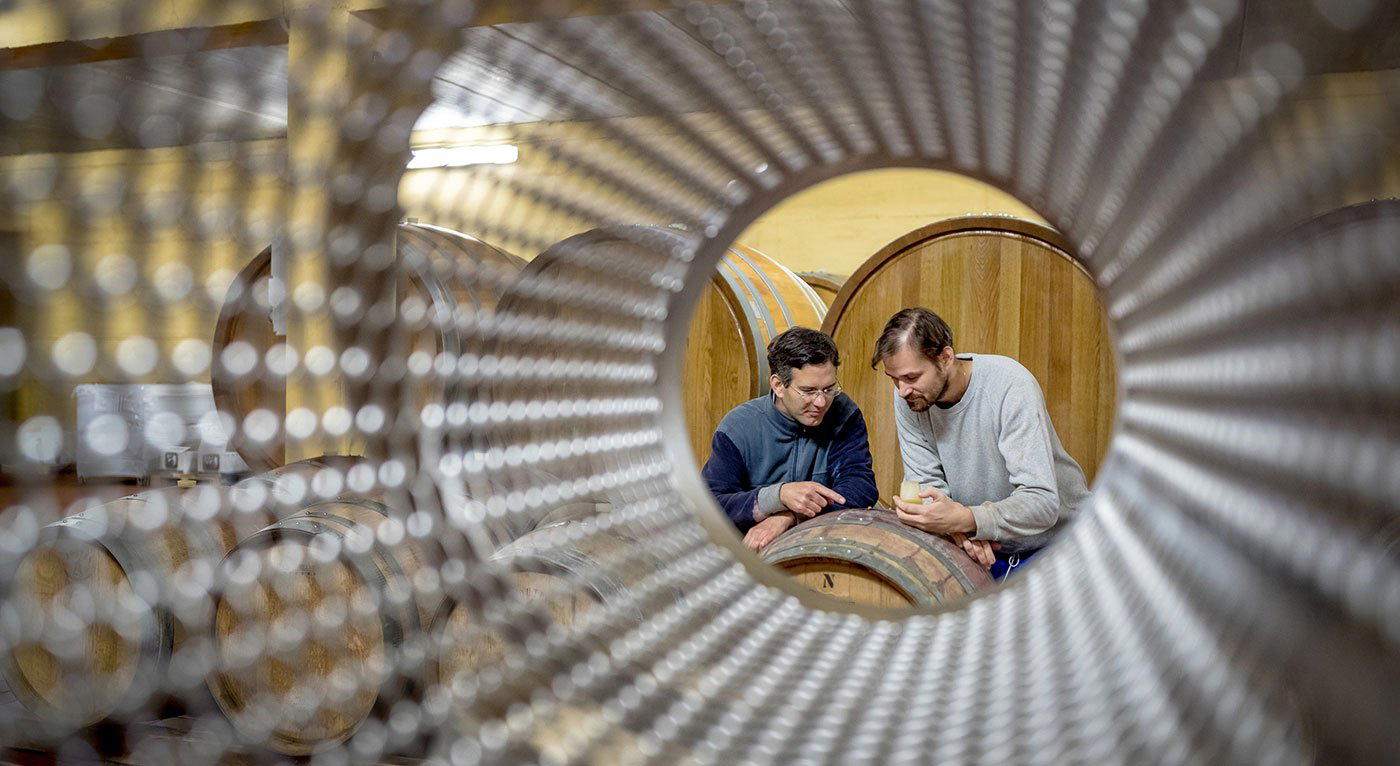
Cantina Ninni is presented through a focused lens: a small, deeply territorial artisan winery with old Trebbiano Spoletino vines, a house cellar and a hands-on, experimental winemaker guiding guests through the vineyards and cellar. Its interest lies in that concentration. Rather than offering a diffuse version of countryside hospitality, the visit is anchored in one place, one cellar and one particularly important local thread.
Trebbiano Spoletino as a territorial argument
The estate’s strongest editorial signal is its connection to old Trebbiano Spoletino vines. Rather than framing the visit as generic wine tourism, Cantina Ninni gives travelers a way to read the hills around Spoleto through a grape rooted in the winery’s own story. The grape is not treated here as an abstract category on a list, but as the main route into the place: a reason to look more closely at the land, the age of the vines and the choices that bring the wine into the cellar.
The picture is intentionally narrow: this is a small artisan winery, with a house cellar and an educational tasting experience shaped by direct contact with the person making the wine. Specific production details, bottle counts, vineyard measurements and cellar techniques are not confirmed here, so the more reliable emphasis is on scale, place and the guided encounter with the vineyard and cellar. That restraint is useful for visitors, because it keeps the focus on what can be understood directly during the experience rather than on unsupported technical detail.
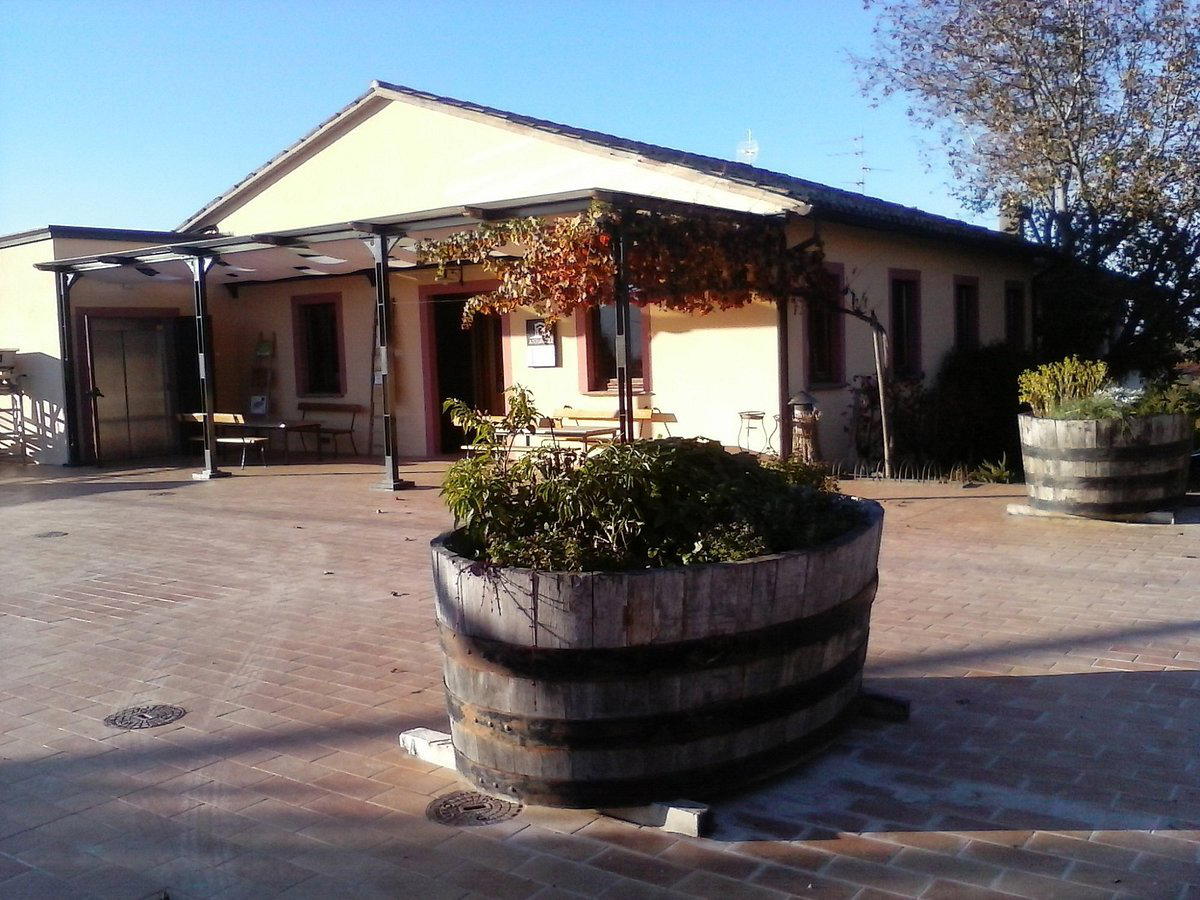
That framework gives the visit its character. Cantina Ninni is best understood as a territorial wine stop rather than a broad hospitality complex: the draw is the chance to learn about Trebbiano Spoletino, the surrounding hills and the choices of an experimental winemaker at close range. The appeal is therefore quieter and more specific than a conventional tasting-room checklist. It is about using the winery as a way into the landscape around Spoleto.
A cellar visit built around farming, not theatre
The experience is grounded in a guided passage through vineyards and cellar, with an intimate, educational tone. The winemaker’s hands-on role matters here as a craft signal: visitors are not simply sampling a label, but being led through the setting and the cellar that shape the wine. In that format, explanation and proximity do much of the work. The value comes from seeing how the vineyard and the house cellar relate, and from hearing the thinking behind the wines in a direct, personal way.
The visit is quiet in spirit and suited to travelers who want a close reading of a small winery rather than a large, staged production. It is especially relevant for guests interested in how a territorial grape, old vines and a house cellar can define a wine experience in the hills around Spoleto. Those expectations matter: the more a visitor is looking for context, agricultural texture and a focused conversation, the more natural Cantina Ninni’s format becomes.
For Spoleto, that matters. Cantina Ninni’s appeal depends on specificity rather than spectacle: a small scale, an old-vine Trebbiano Spoletino focus, and a guided cellar-and-vineyard format that makes most sense for visitors who care about how place and wine connect. It is not positioned as a catch-all attraction, but as a precise stop for understanding one strand of the local wine identity.
How to place it within a Spoleto itinerary
Travelers building a broader Spoleto stay should treat Cantina Ninni as part of a hills-around-Spoleto day rather than a casual urban drop-in. The draw is the intimate, educational tasting guided through the vineyards and cellar, so it is best planned with enough time to focus on the winery itself. That means allowing the visit to unfold as a landscape-and-cellar experience, not merely as a quick tasting added between unrelated plans.
Spoleto also rewards cross-category planning. Pair the wine visit with other dining in Spoleto, places to stay and broader experiences in the area rather than treating the cellar as an isolated stop. For readers comparing the local wine landscape, Cantina Ninni stands out for its old Trebbiano Spoletino vines, house cellar and hands-on approach. Its role in an itinerary is clearest when seen as a focused, place-led counterpoint to the rest of a Spoleto stay: small in scale, strongly rooted in the hills, and built around the conversation between vineyard, cellar and grape.
Recognition history
Dated appearances from independent guides and award organizations, with the underlying list record or original source where available.
Falstaff Winery - Listed
Falstaff
Continue exploring
More in Spoleto
Wineries in Spoleto
Browse all →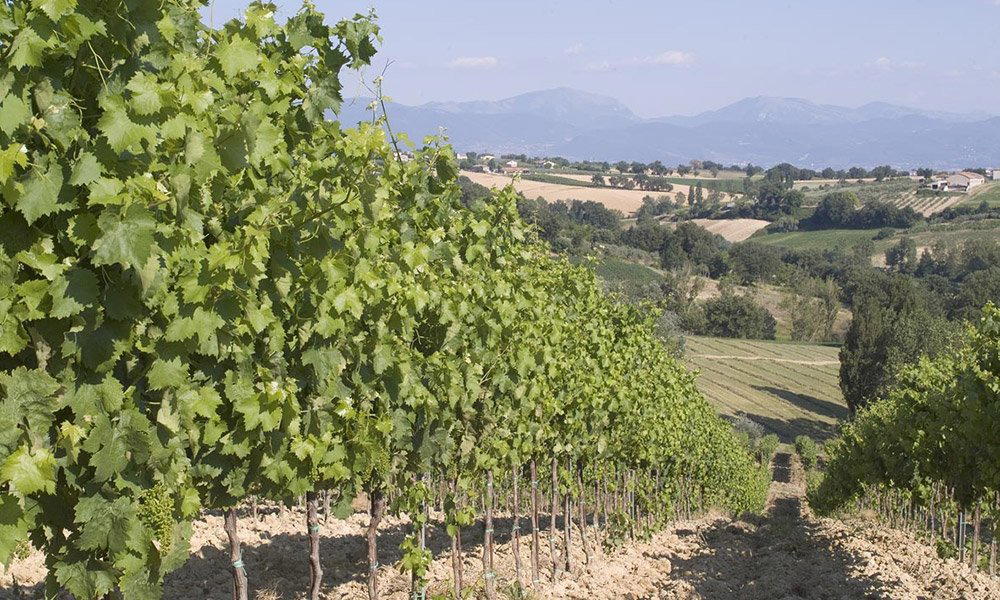
Bars in Spoleto
Browse all →
Restaurants in Spoleto
Browse all →
Details
- Rustic
- Scenic
- Intimate
- Solo Exploration
- Group Outing
- Wine Education
- Romantic Getaway
- Vineyard Tour
- Estate Grounds
- Private Tasting
- Organic
- Sustainable
- Vineyard
- Garden
- Mountain
- Trebbiano Spoletino
- Sangiovese
- Malvasia
- Montepulciano
- Merlot
- Barbera
- Aleatico
- Still White
- Still Red
- Sparkling
- Orange
- Pet Nat
- Skin Contact
- Seated Tasting
- Vineyard Visit
- Cellar Tour
- Italian
A small, deeply territorial artisan winery in the hills around Spoleto, with old Trebbiano Spoletino vines, a house cellar, and a hands‑on, experimental winemaker guiding guests through vineyards and cellar for intimate, educational tastings.