
Falstaff Winery - 2 Stars
A small family-run Rioja DOCa winery in Tudelilla, Bodegas y Viñedos Ortega Ezquerro is strongest when read through its ground: old Garnacha and Tempranillo, stony soils, and the warmer, drier character of Rioja Oriental. The draw is not spectacle, but a rural, appointment-led visit anchored in vineyard context, traditional varieties, and a cellar lineage that reaches back to the late 19th century.

Pearl is the En Primeur Club membership app — saves, bookings, and concierge access live there. Same editors, same standards.
- Address
- Tudelilla, Rioja Baja, La Rioja, Spanien
- Directions
- Get directions
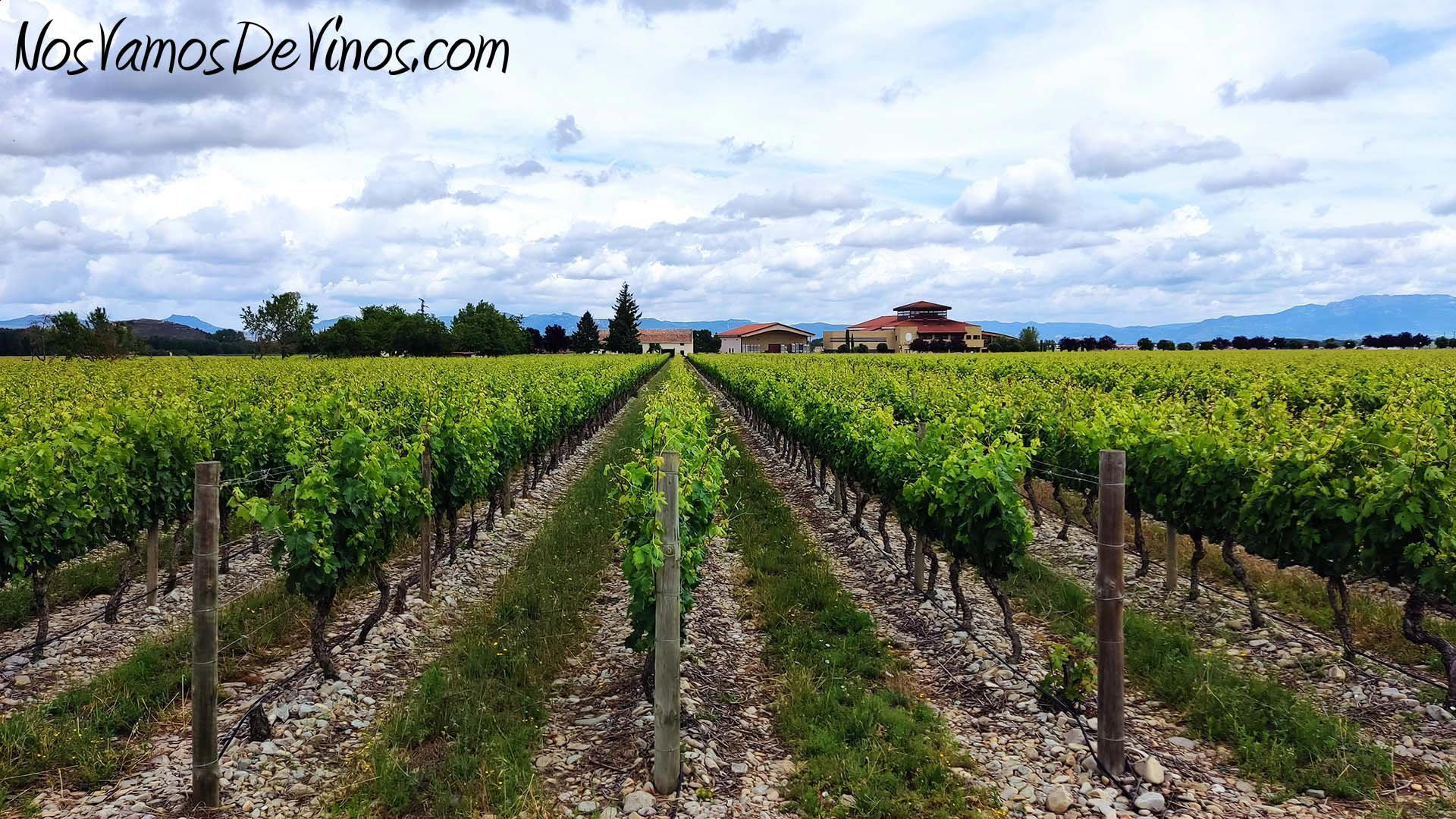
Approaching wine country in Tudelilla means reading a rural Rioja identity through land, heritage, and village scale. Bodegas y Viñedos Ortega Ezquerro is a family-run winery rooted in the small village of Tudelilla, with a traditional feel and a focus on old-vine Garnacha and Tempranillo grown on stony soils. The emphasis is on indigenous grapes, local continuity, and a close connection between vineyard and place. Rather than presenting Rioja as a polished brand alone, this is the kind of address that asks visitors to notice the quieter elements: the scale of the village, the persistence of old vines, and the way a winery’s character can be shaped by its immediate surroundings.
For broader trip planning around the village, it is best framed as part of a rural Rioja itinerary rather than as a single isolated winery stop. Tudelilla works especially well when understood in relation to landscape and local rhythm, so the winery’s value is not only in what it produces, but in how it helps make sense of this more intimate side of Rioja.
Rioja, read through old Garnacha and stone
Bodegas y Viñedos Ortega Ezquerro’s identity is centered on old-vine Garnacha and Tempranillo. The story is deliberately grounded: vines, soils, family continuity, and the traditional Rioja varieties that remain central to the region’s identity.
The strongest grounded description is also the simplest: a family-run Rioja winery in Tudelilla, traditional and rural in atmosphere, with old vines and stony soils shaping the story. For travelers interested in Rioja beyond polished cellar theatrics, that combination is the main reason to pay attention. It points toward a form of wine tourism where the landscape is not background decoration, but the core of the experience.
Rather than treating the winery as a trophy stop, it is better understood as a Tudelilla expression of heritage, indigenous grapes, and vineyard continuity. The price level is listed as $$, keeping the positioning approachable within a Rioja itinerary. That approachable framing matters: it supports the idea of the winery as part of a lived rural setting, not as a destination that needs to be justified by luxury signals or elaborate hospitality language.
A visit framed by vineyard identity
What can be said with confidence is that the atmosphere is traditional, rural, and family-run, with the winery’s identity tied to old-vine Garnacha and Tempranillo. Those are the essential coordinates for understanding the venue. They also set expectations clearly: the appeal is in grounded Rioja character, not in a heavily mediated or theatrical version of wine country.
That makes the venue strongest for visitors who value context over spectacle. The appeal is not a documented tasting-menu format, restaurant service, or a named drinks program; it is the relationship between Tudelilla, stony soils, heritage, and Rioja grape varieties. In editorial terms, the winery is most compelling when approached slowly, as part of a wider reading of place. The point is not to extract a checklist of amenities, but to understand why old vines and indigenous grapes still carry emotional and cultural weight here.
The grounded editorial point remains the same: Bodegas y Viñedos Ortega Ezquerro represents a small-village Rioja perspective rather than a heavily staged hospitality experience. That distinction is important for planning. Visitors looking for spectacle may find the description modest, while those drawn to heritage, rural atmosphere, and vineyard continuity will find that modesty precisely the point.
How to place it within a wider Spanish wine itinerary
Travellers building a wider wine route can use Tudelilla as a quieter counterpoint to more formal or internationally famous wine destinations. It adds balance to an itinerary by keeping attention close to land, village, and grape variety.
The editorial reason to prioritize Bodegas y Viñedos Ortega Ezquerro is its specific, ground-level voice. It is strongest for travellers who prefer vineyard heritage, family-scale atmosphere, and old-vine context over architectural drama or restaurant-style hospitality. In Tudelilla, the lesson is in the stony soils, the local continuity, and the continued relevance of Garnacha and Tempranillo as part of Rioja identity. Seen this way, the winery’s importance lies less in spectacle than in focus: it keeps the experience rooted in the village, in the vines, and in a rural Rioja sensibility that rewards careful attention.
Recognition history
Dated appearances from independent guides and award organizations, with the underlying list record or original source where available.
Falstaff Winery - 2 Stars
Falstaff
Continue exploring
More in Tudelilla
Wineries in Tudelilla
Browse all →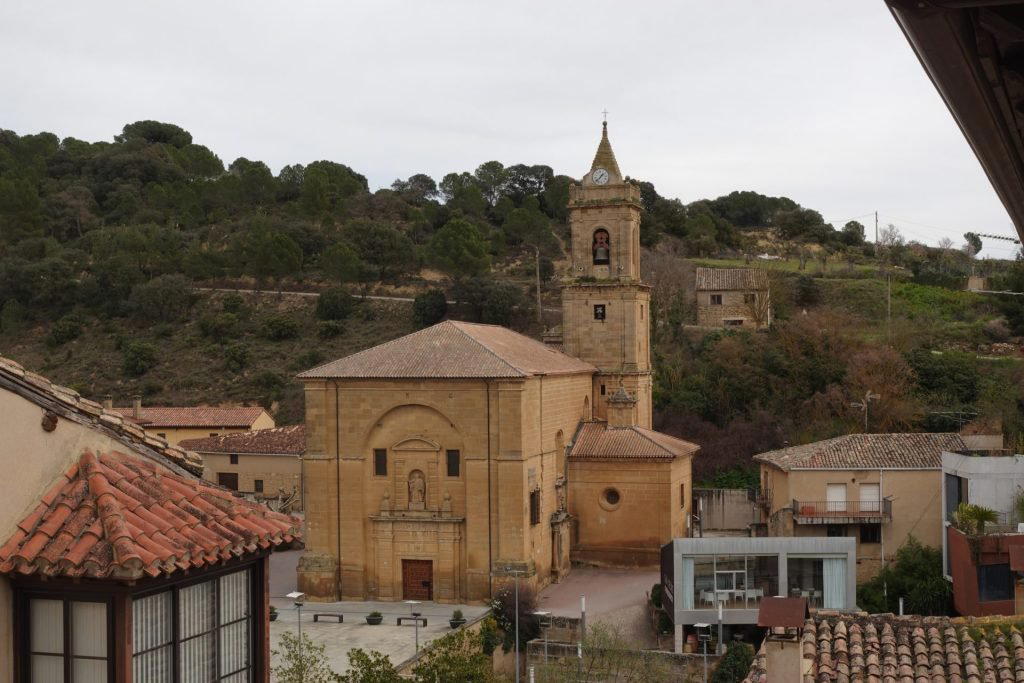
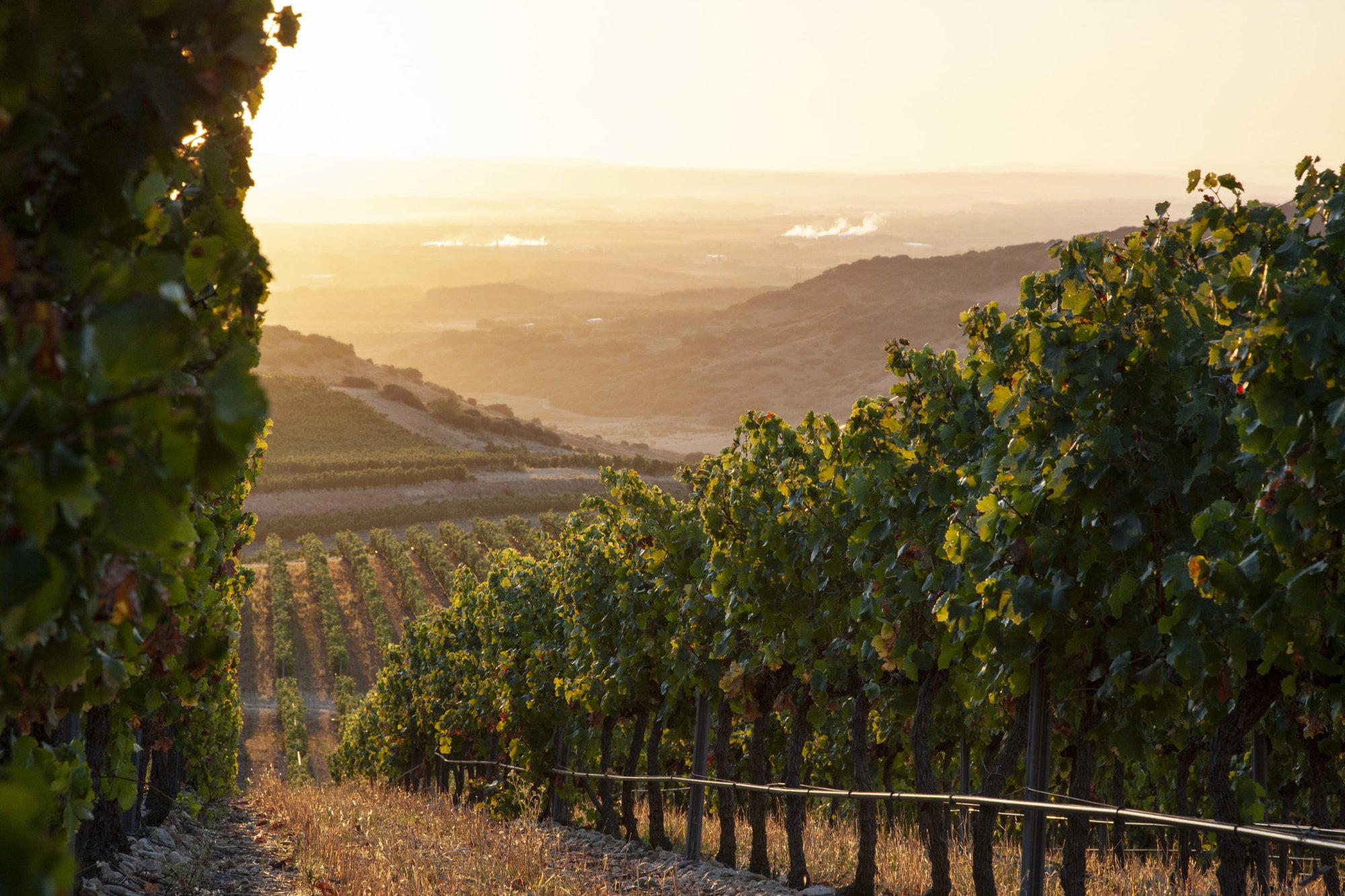
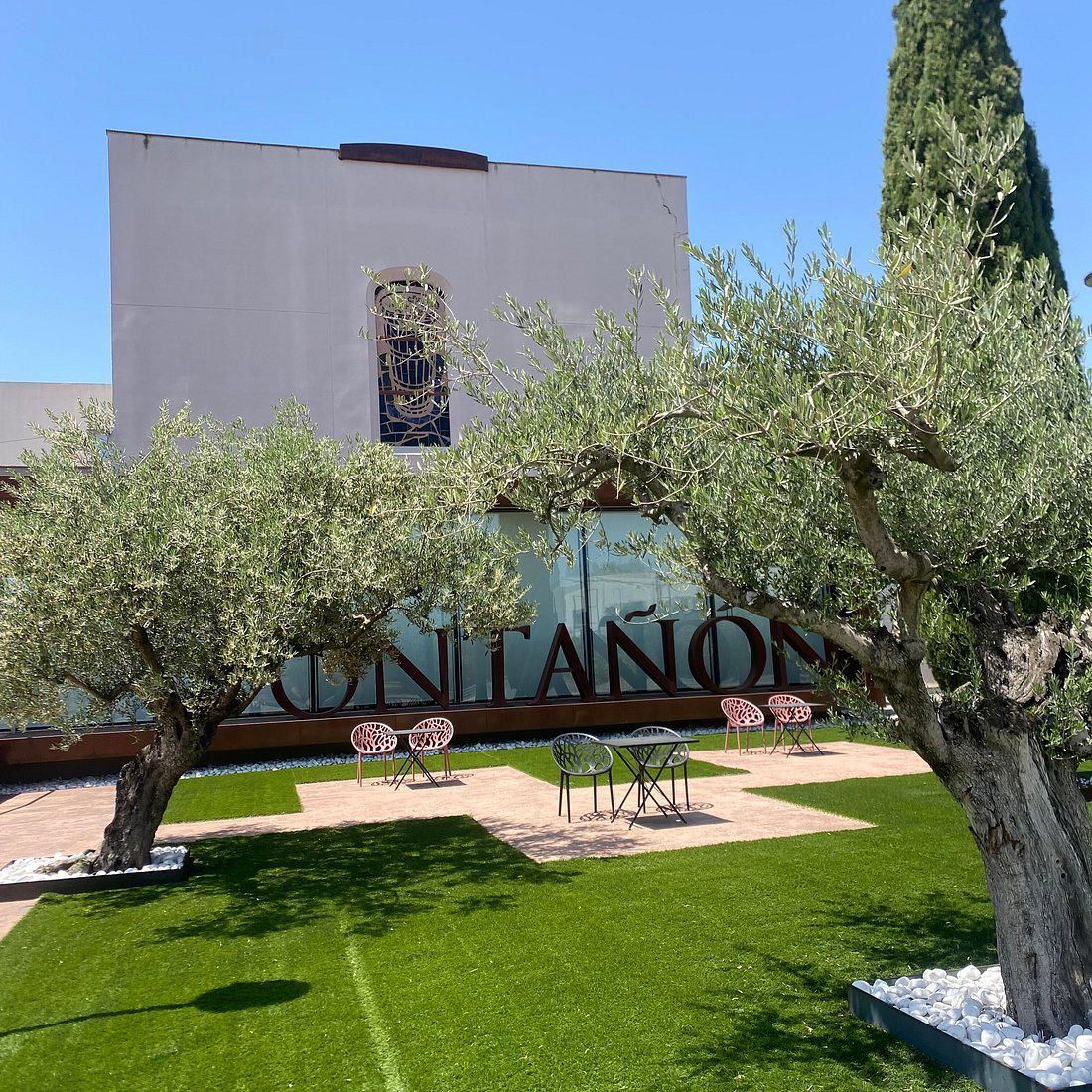

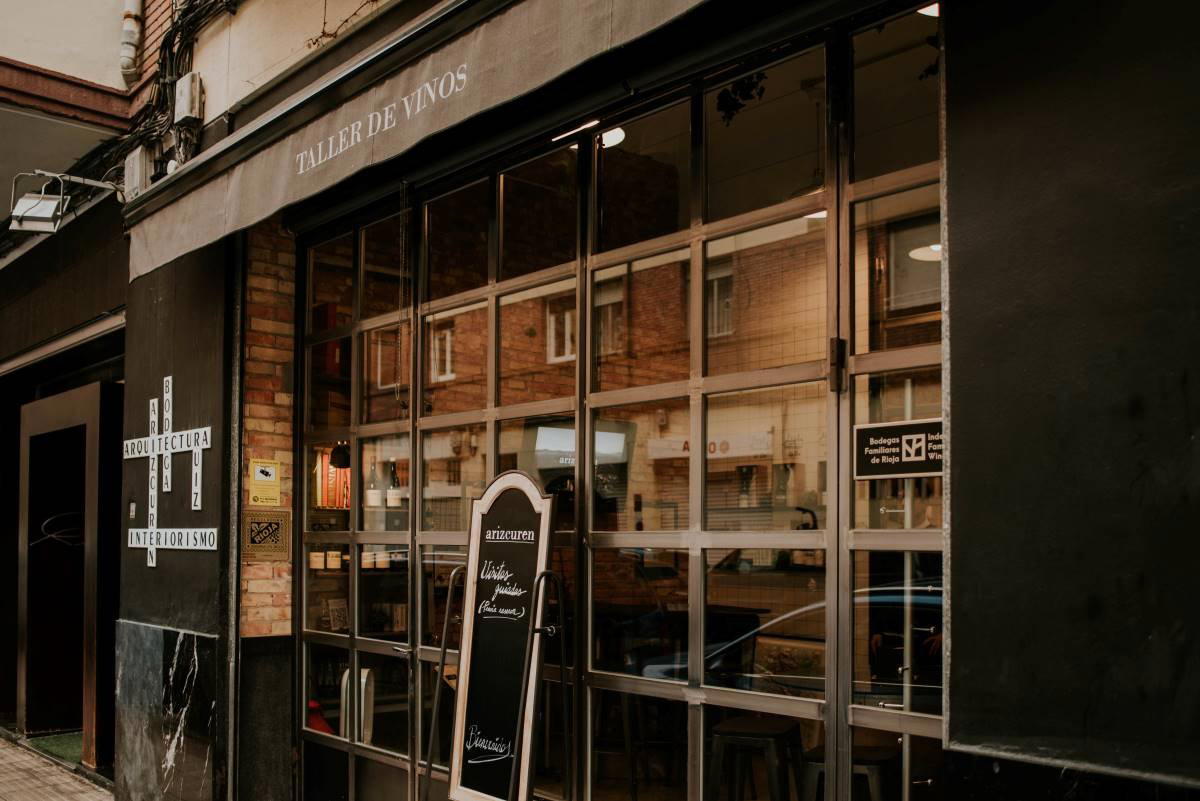
Bars in Tudelilla
Browse all →
Restaurants in Tudelilla
Browse all →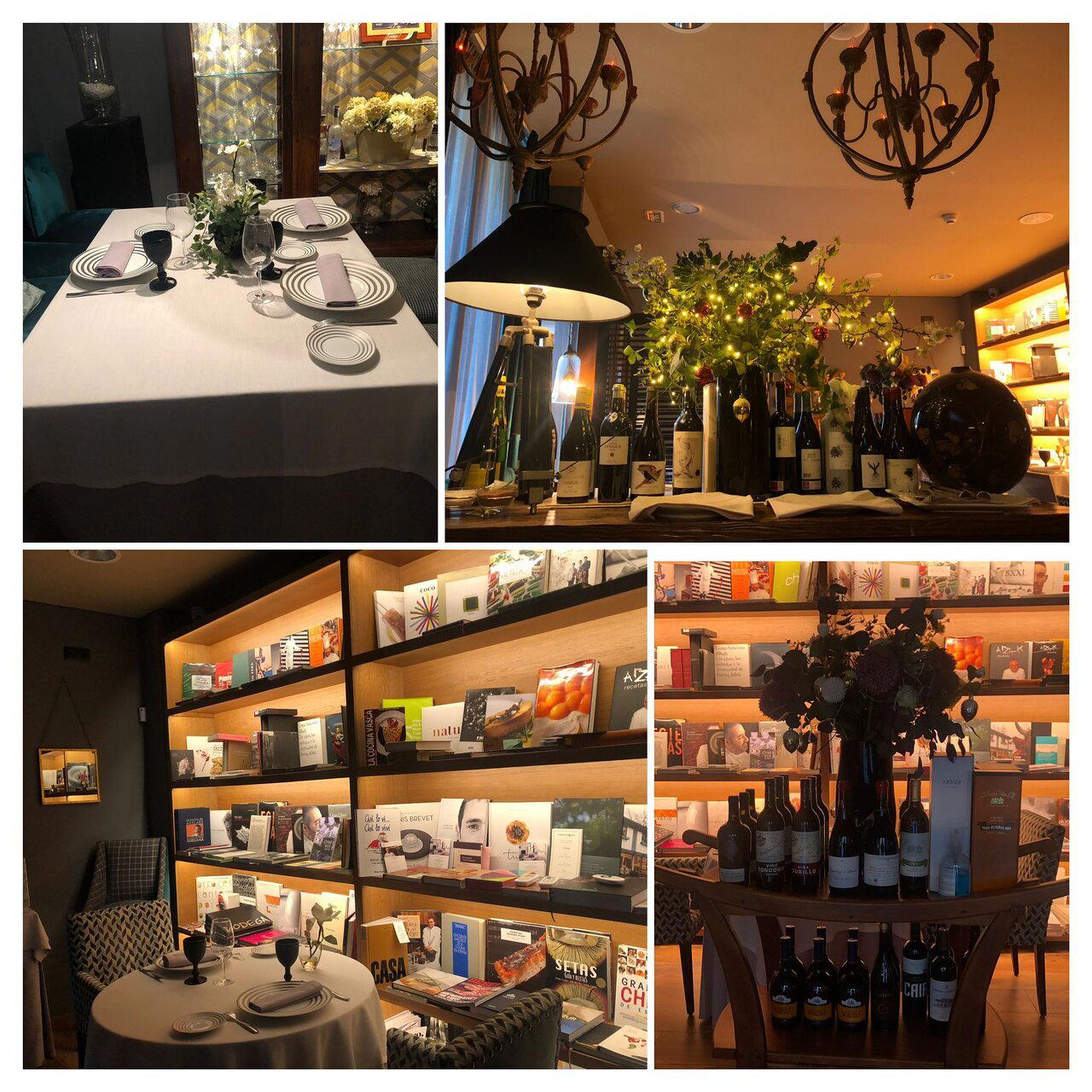
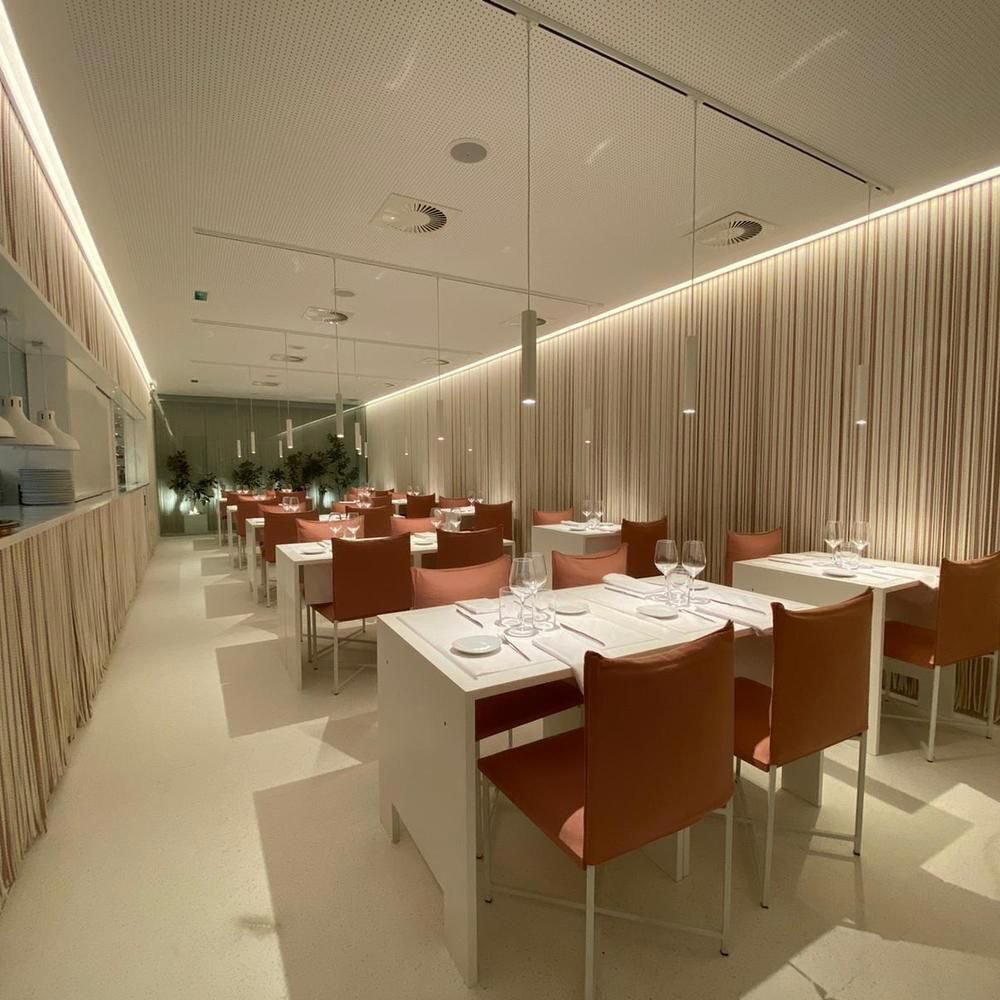
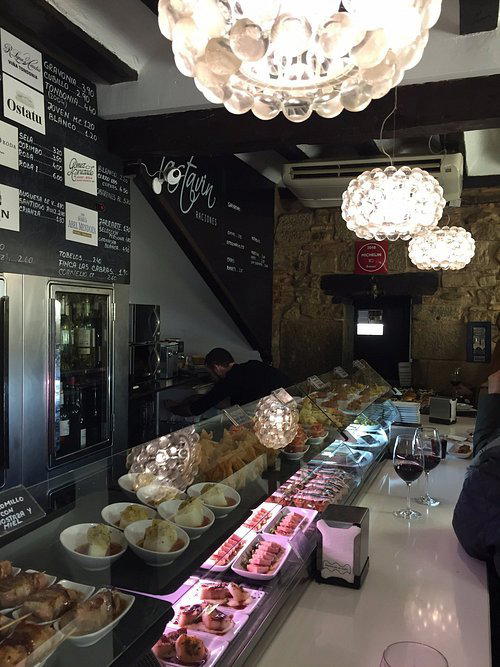
Hotels in Tudelilla
Browse all →
Details
- Rustic
- Classic
- Scenic
- Cozy
- Wine Education
- Group Outing
- Romantic Getaway
- Solo Exploration
- Special Occasion
- Vineyard Tour
- Estate Grounds
- Historic Building
- Private Tasting
- Sustainable
- Vineyard
- Mountain
- Tempranillo
- Garnacha
- Viura
- Graciano
- Still Red
- Still White
- Still Rosé
- Standard Tasting
- Private Tasting
- Vineyard Tour
- Spanish
- English
Family-run Rioja winery rooted in the small village of Tudelilla, with a traditional, rural feel and a focus on old-vine Garnacha and Tempranillo grown on stony soils; the atmosphere emphasizes heritage, indigenous grapes, and a close connection to the surrounding vineyards.