
Falstaff Winery - 3 Stars
Bodegas Prieto Pariente is a small Castilla y León winery in Seca shaped around old vines, manual selection, and a wider reading of regional terroir than Rueda alone. Its portfolio moves across Tempranillo, Garnacha, Godello, Viognier, and Cabernet Sauvignon, with critic scores from Guía Proensa, Guía Peñín, Vinous, Wine Advocate, Wine & Spirits, and Guía Gourmets giving the project serious external weight.

Pearl is the En Primeur Club membership app — saves, bookings, and concierge access live there. Same editors, same standards.
- Address
- Seca, La, Castilla y León, Spanien
- Directions
- Get directions

Bodegas Prieto Pariente is a small, terroir-focused Castilla y León winery in Seca. Its appeal is quiet rather than showy: the emphasis is on old vines, careful manual selection, and delicate, low-intervention winemaking for wines described around freshness and complexity. In that sense, the venue reads less like a destination built on spectacle and more like one shaped by patience, restraint, and close attention to place.
Because the public detail is limited, the most reliable way to frame the winery is not through unconfirmed scores, named parcels, grape-by-grape claims, or a detailed visitor program. The grounded picture is simpler: Bodegas Prieto Pariente is a thoughtful, rustic-leaning winery in Seca, with a premium price position and a focus on terroir rather than volume. That restraint matters, because it keeps expectations aligned with what is actually clear: this is a place best understood through its winemaking philosophy and its Castilla y León setting, not through a long list of extra claims.
Old vines and careful selection define the approach
The defining theme at Bodegas Prieto Pariente is old-vine, site-conscious winemaking. The winery is described as small and terroir-focused, with an atmosphere that is quiet, elegant, and restrained. That makes it a better fit for travelers interested in thoughtful Castilla y León wine than for anyone looking for a large, high-energy cellar experience. The language around the winery suggests a slower, more deliberate kind of visit or purchase decision, where the main attraction is the sense that the wines are rooted in place and handled with care.
The production approach is also framed around care rather than excess. Information points to careful manual selection and delicate, low-intervention winemaking, with the aim of producing fresh, complex wines. Those ideas work together: manual selection implies attention at a human scale, while a low-intervention approach suggests a reluctance to overwhelm the character of the fruit or the site. Freshness and complexity are broad descriptors, but here they help define the winery’s center of gravity: wines intended to feel precise, layered, and connected to their origin rather than polished into anonymity.
Beyond that, specific claims about individual bottlings, scores, vineyards, varieties, cellar vessels, or award recognition are not confirmed here and should be treated cautiously unless checked directly with the winery. That caution is part of the honest read on Bodegas Prieto Pariente. The essential story does not need embellishment. A small winery, old vines, terroir, careful selection, and restrained cellar work already create a clear identity, especially for visitors who value confidence without noise.
For visitors mapping Seca, Bodegas Prieto Pariente stands as its own reference point: a quiet winery built around terroir, old vines, and restraint. Other dining and wine options in Seca can be considered generically as part of a broader local itinerary, but the clearest reason to focus on this venue is its old-vine Castilla y León identity. It is the kind of place that makes most sense when approached with curiosity about the land, the vines, and the choices made in the winery, rather than with a checklist of amenities.
A quiet Seca winery for terroir-minded visitors
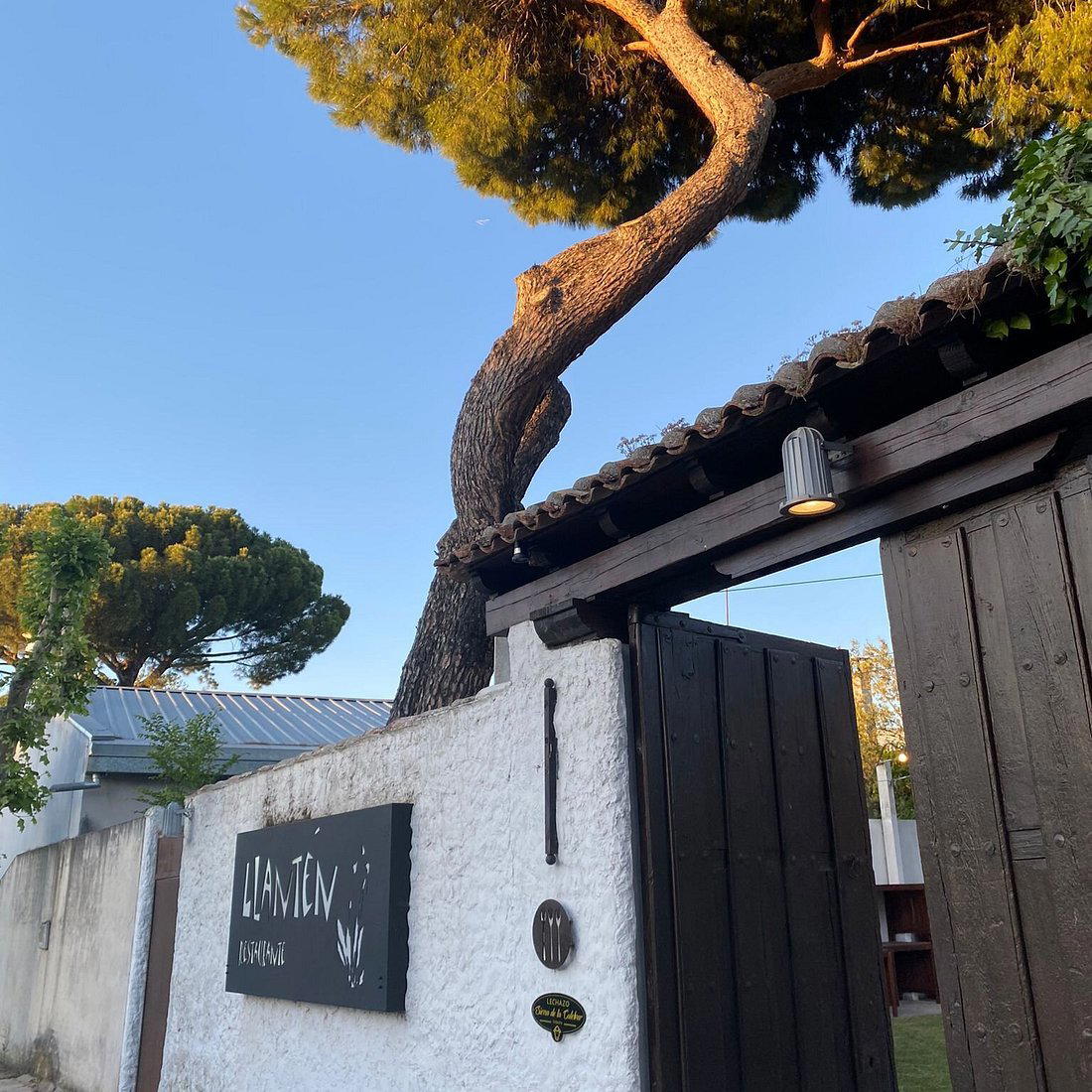
The experience is best understood through atmosphere and intent. Bodegas Prieto Pariente is described as quiet, elegant, rustic, and hidden-gem in character. That makes it most appealing to people who want a calm setting and a serious wine focus rather than a heavily staged visit. The rustic element keeps the tone grounded, while the elegance and restraint suggest that the winery’s personality is refined without being flashy.
The price positioning is $$$, so it sits in a premium bracket rather than a casual one. For planning, keep the confirmed details narrow: the venue is in Seca, and any current visit arrangements should be checked directly with Bodegas Prieto Pariente. Rather than assuming formats, schedules, or services, the smarter approach is to treat the winery as a focused, premium wine address and verify the practical details before building an itinerary around it.
Seen within Spain’s wider wine map, the takeaway is concise: Bodegas Prieto Pariente in Seca is a small Castilla y León winery centered on old vines, terroir, careful manual selection, and low-intervention winemaking. Its strength is the quiet confidence of that focus, not claims about formats, awards, or visitor services. For the right traveler, that quiet confidence is precisely the appeal: a winery whose identity is built on restraint, careful work, and a clear sense of place.
Recognition history
Dated appearances from independent guides and award organizations, with the underlying list record or original source where available.
Falstaff Winery - 3 Stars
Falstaff
Continue exploring
More in Seca
Wineries in Seca
Browse all →
Restaurants in Seca
Browse all →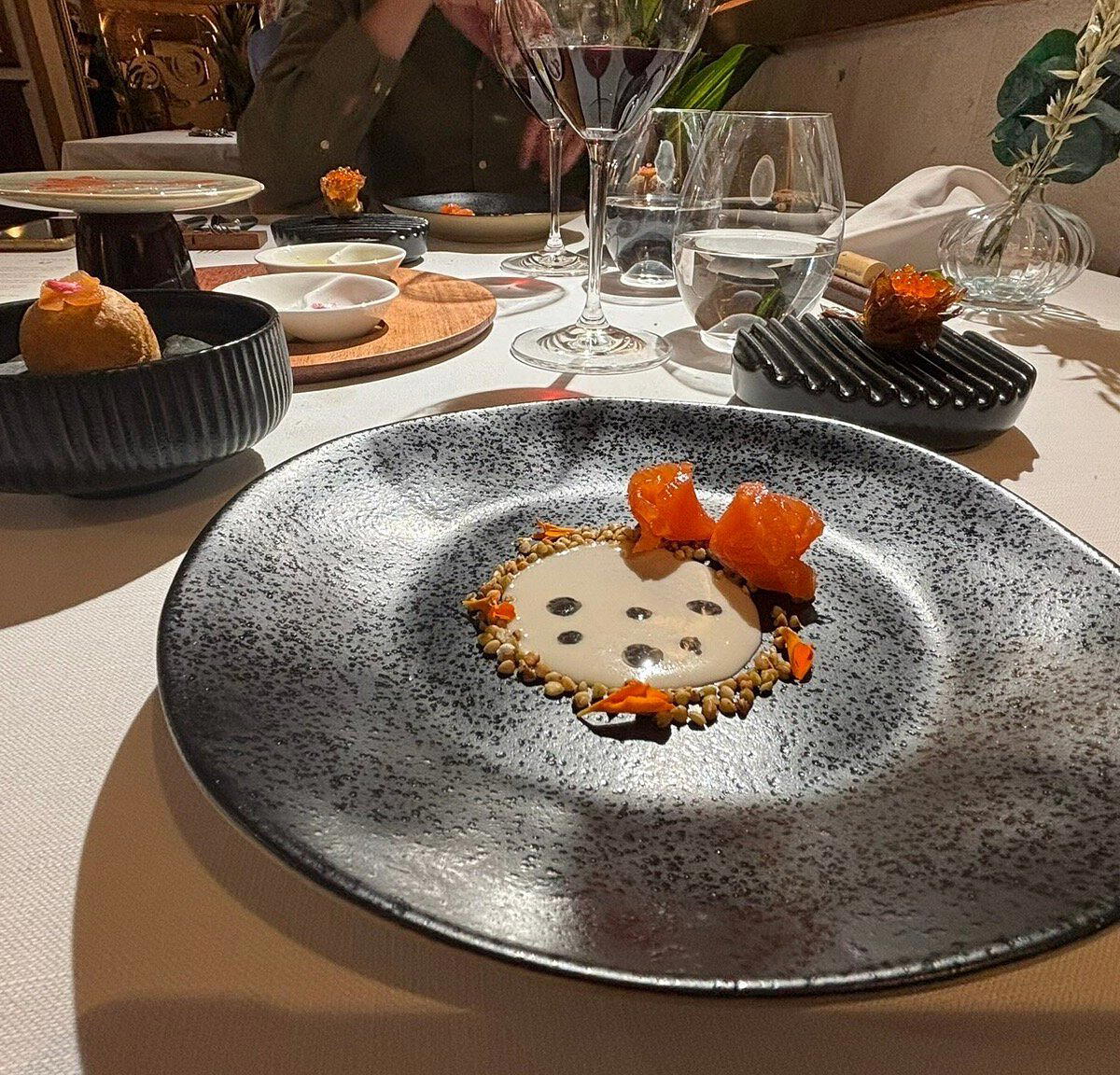
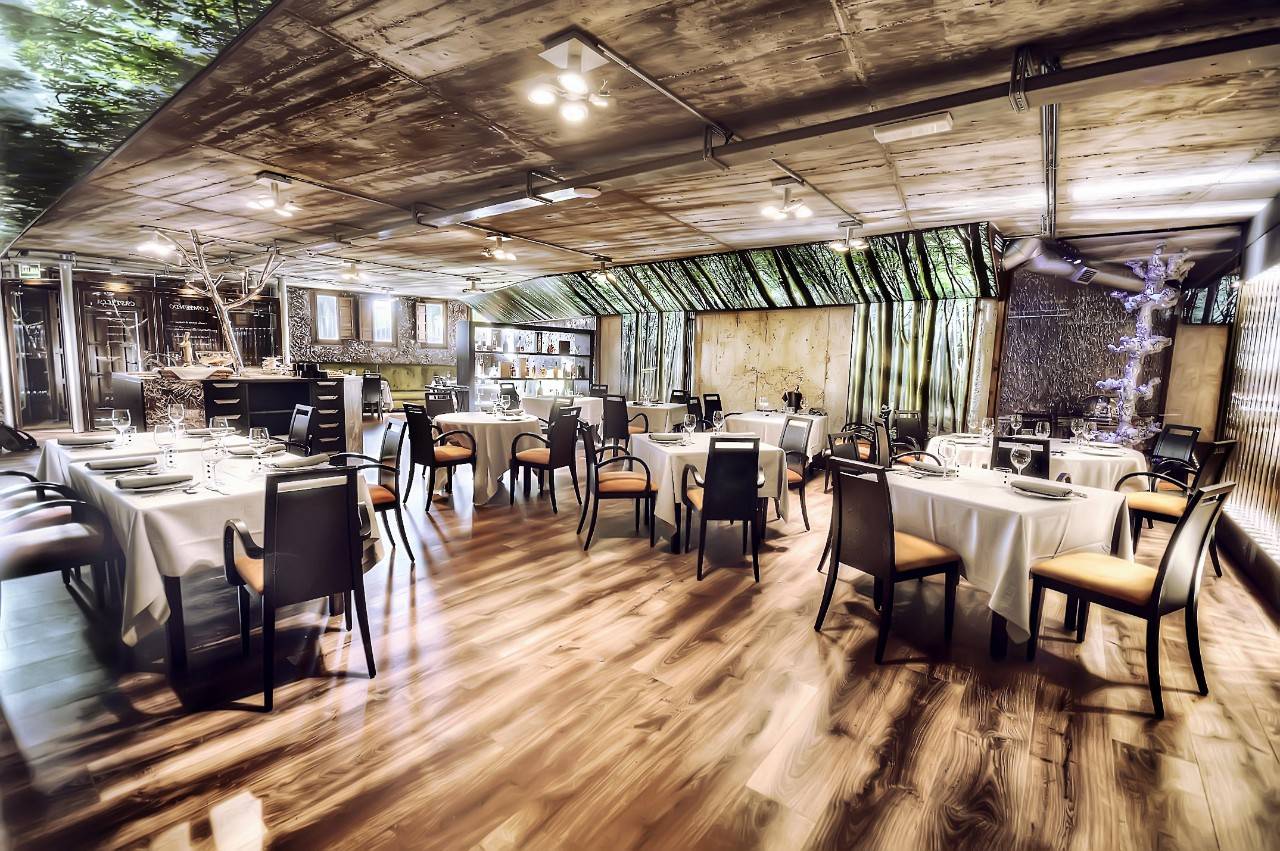
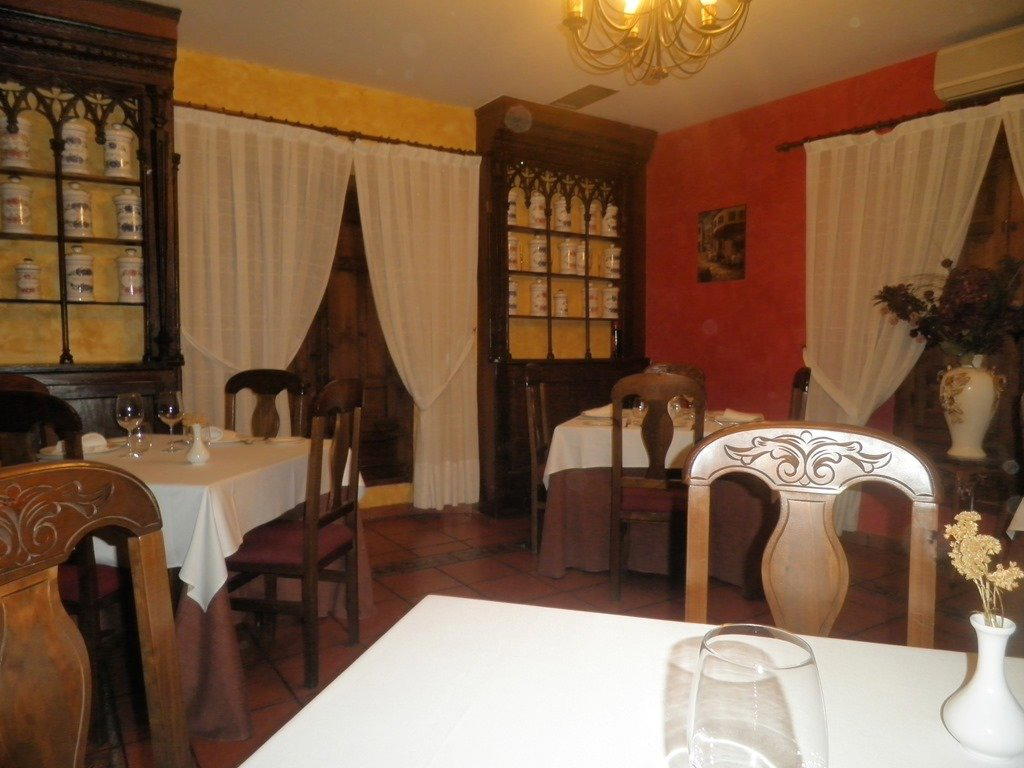
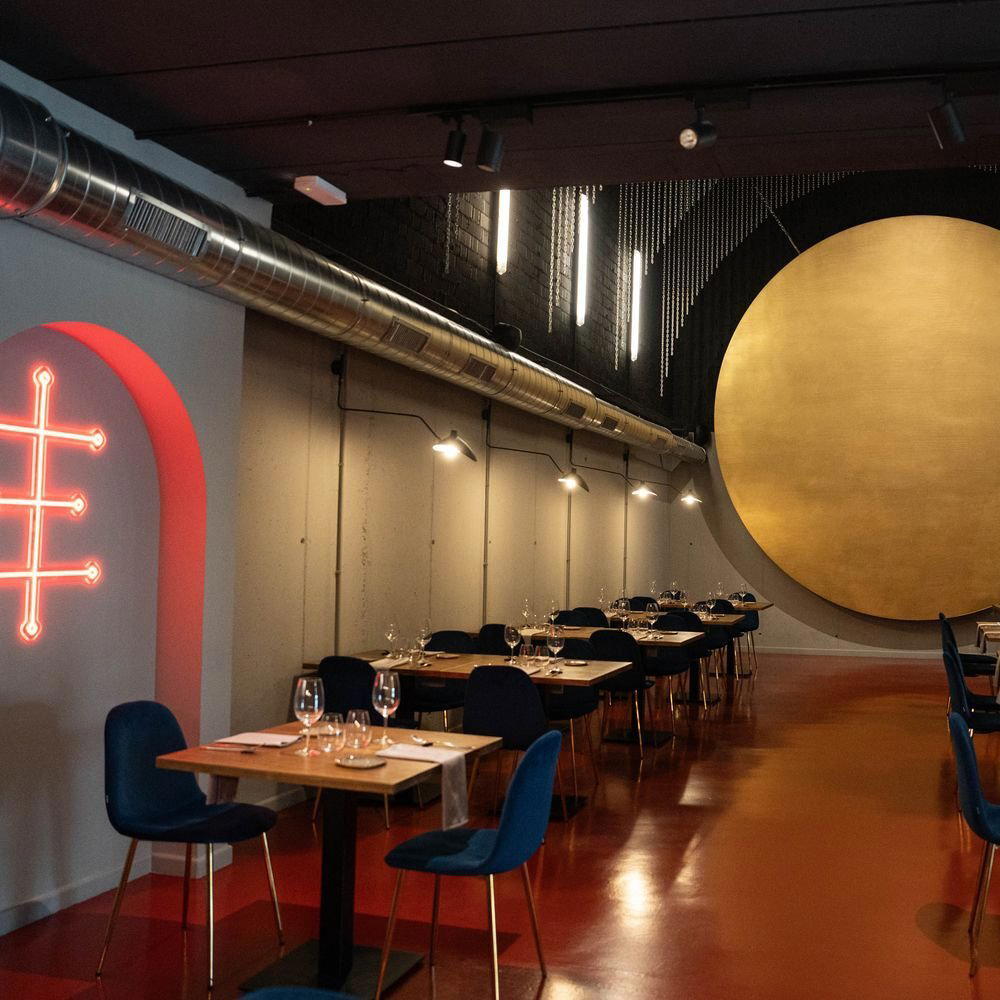
Hotels in Seca
Browse all →
Details
- Quiet
- Elegant
- Rustic
- Sophisticated
- Scenic
- Wine Education
- Romantic Getaway
- Solo Exploration
- Special Occasion
- Group Outing
- Estate Grounds
- Vineyard Tour
- Private Tasting
- Design Destination
- Sustainable
- Vineyard
- Mountain
- Tempranillo
- Garnacha
- Godello
- Viognier
- Cabernet Sauvignon
- Still Red
- Still White
- Standard Tasting
- Private Tasting
- Educational Tasting
- Spanish
- English
A small, terroir-focused Castilla y León winery with a quiet, thoughtful atmosphere, emphasizing old vines, careful manual selection, and delicate, low-intervention winemaking for fresh, complex wines.