
Bodegas Imperial puts Rioja Alta’s old-vine Tempranillo tradition inside CVNE’s historic Haro cellars, where French oak vats, barrel rooms and the Eiffel nave give the visit a serious sense of lineage. The draw is not modern winery theatre but a tightly focused Imperial range, tied to notable vintages and backed by major critic recognition, including Wine Spectator’s 2013 No. 1 wine.
Pearl is the En Primeur Club membership app — saves, bookings, and concierge access live there. Same editors, same standards.
- Address
- Haro, Rioja Alavesa, La Rioja, Spanien
 Saves & bookings on Pearl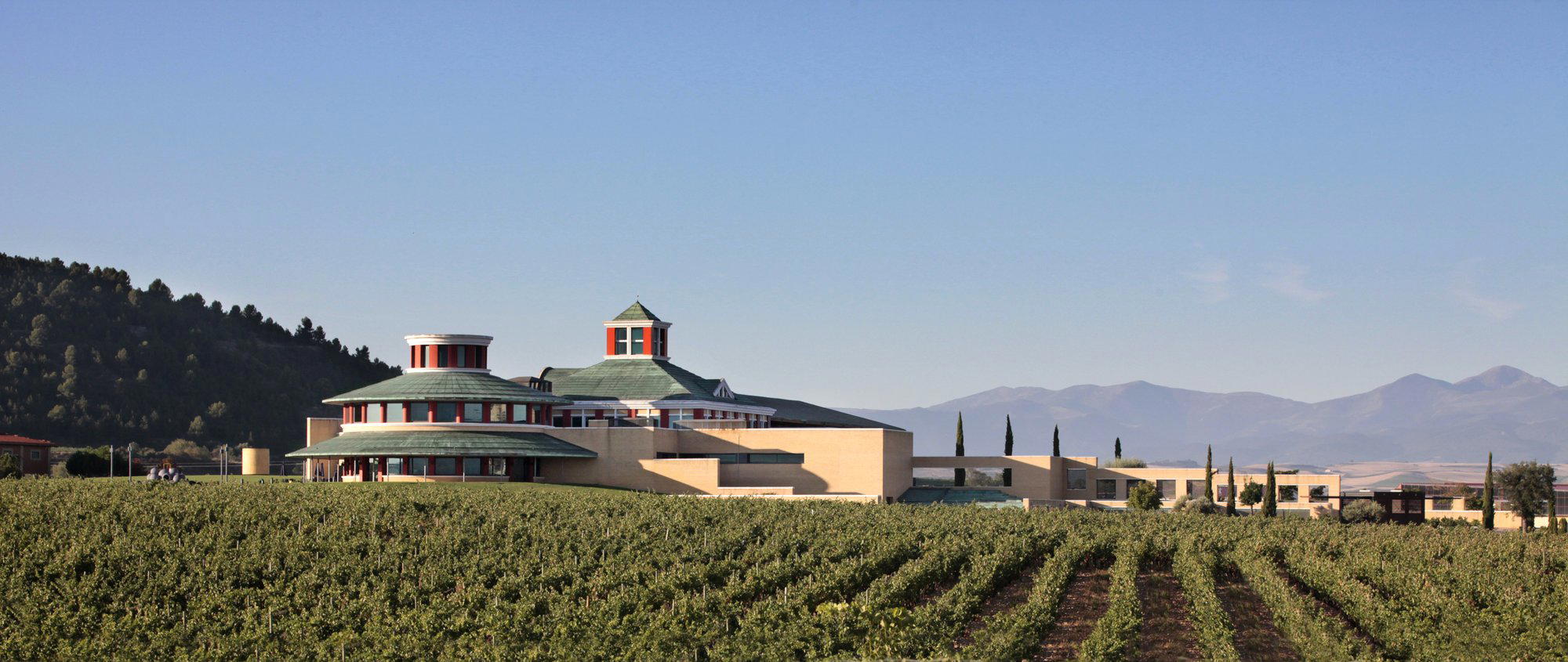
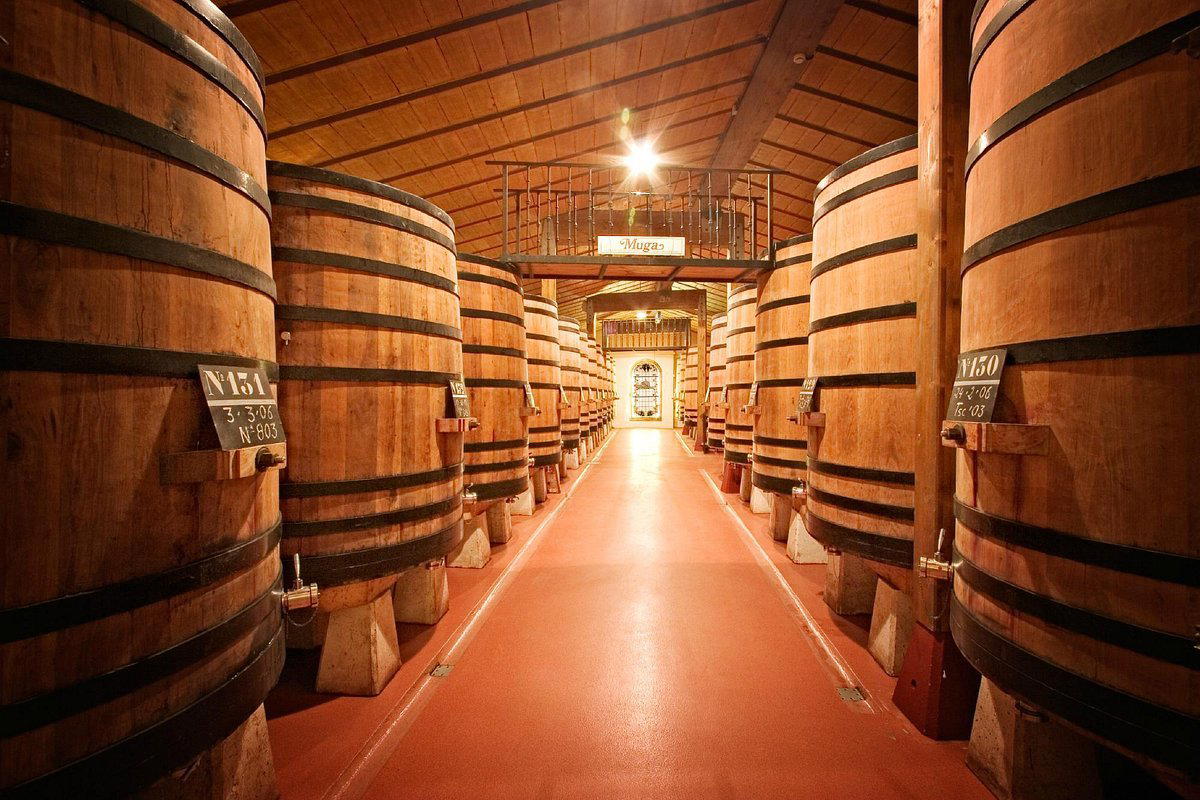
Haro’s cellar culture is at its strongest when the architecture and the wine setting make the same argument. At Bodegas Imperial, that argument is classic Rioja atmosphere: French oak vats, barrel rooms and historic cellars from the 19th to early 20th century, including the Eiffel nave, within CVNE’s original Haro facilities. The feel is artisanal yet polished rather than modern or design-led, and that distinction matters: the venue’s appeal comes less from spectacle than from the accumulated weight of materials, rooms and cellar tradition. It is the kind of place where oak, stone, scale and age do much of the communicating.
This is a venue to understand through setting first. The draw is not a specific menu, service format, tasting structure or award claim, but the atmosphere of an historic Rioja cellar environment in Haro. For travellers planning carefully, the safest expectation is a premium, classic winery context with a $$$ price level and a strong sense of Haro’s cellar heritage. In practical terms, that means approaching Bodegas Imperial as a place whose value lies in context and mood: a polished encounter with Rioja’s historic grammar rather than a venue defined by contemporary hospitality language or by details that are not confirmed here.
Rioja atmosphere translated through oak and time
Bodegas Imperial is best described here through its environment rather than through unconfirmed production details. The presence of French oak vats, barrel rooms and older cellar architecture gives the venue a deeply traditional Rioja character. Its appeal is the way the space communicates time, craft and cellar culture without relying on a modern hospitality look. The French oak vats and barrel rooms are not merely decorative references; they help establish the tone of the experience, placing the visitor inside a recognisably serious Rioja setting where the cellar itself becomes the central point of interest.
What can be stated confidently is that the venue sits in Haro, carries a $$$ price level and offers a historic, classic Rioja atmosphere within CVNE’s original facilities. That is enough to position it clearly for EP Club readers: not as a general-purpose dining recommendation, not as a nightlife stop, and not as a design-forward venue, but as a premium cellar-led address whose strongest credential is its rootedness in Haro’s wine landscape. The setting is the message, and the message is deliberately traditional.
For EP Club purposes, the core reference point is the winery itself: a Haro venue defined by French oak vats, barrel rooms and 19th–early 20th century cellars, including the Eiffel nave. That is the grounded reason to include it in a premium Haro itinerary. The Eiffel nave, in this context, belongs to the same broader reading of the venue: a marker of historical architecture within CVNE’s original Haro facilities, reinforcing the sense that the experience is anchored in built heritage as much as in wine culture.
The setting reflects Haro's serious wine grammar
The strongest language for the winery is architectural and historical: original Haro facilities, cellar rooms, French oak vats and the Eiffel nave. It is polished without feeling contemporary, and artisanal without being casual. That balance gives the venue its particular character. It does not need to be framed as rustic, nor should it be oversold as sleek or modern; its strength is the controlled seriousness of an established cellar environment, where refinement comes through preservation, proportion and atmosphere.
That makes it most relevant for travellers who want a classic Rioja setting in Haro. It is especially suited to an itinerary where the priority is to feel the depth of the town’s wine identity through rooms, barrels and historic cellar architecture rather than through a list of ancillary amenities. The appeal is concentrated and specific: a premium, traditional Rioja atmosphere in a location where that atmosphere is central to the reason for visiting.
For a wider Haro itinerary, use the winery as the anchor when the priority is historic cellar atmosphere rather than a restaurant, bar or hotel comparison. That focus helps keep expectations accurate. Visitors should read the venue primarily as a cellar and heritage experience, not as a recommendation built around an menu, service format or tasting promise.
The winery is therefore best understood as a premium Haro stop for atmosphere, cellar architecture and a traditional Rioja feel. The reliable planning facts are concise: Haro location, $$$ price level and a historic, polished cellar environment with French oak vats, barrel rooms and the Eiffel nave. Within those boundaries, the venue has a clear role: it gives structure to a Haro visit by foregrounding the physical language of Rioja’s cellar culture, allowing the architecture and wine setting to speak in the same restrained, confident register.
Recognition history
Dated appearances from independent guides and award organizations, with the underlying list record or original source where available.
Falstaff Winery - 3 Stars
Falstaff
Continue exploring
More in Haro
Wineries in Haro
Browse all →
Restaurants in Haro
Browse all →
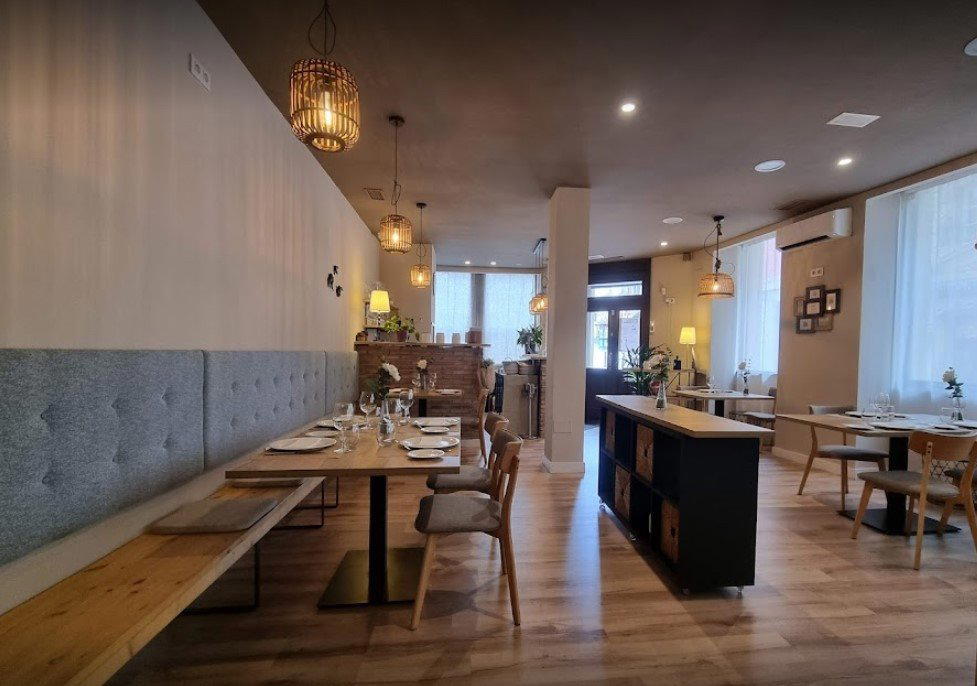
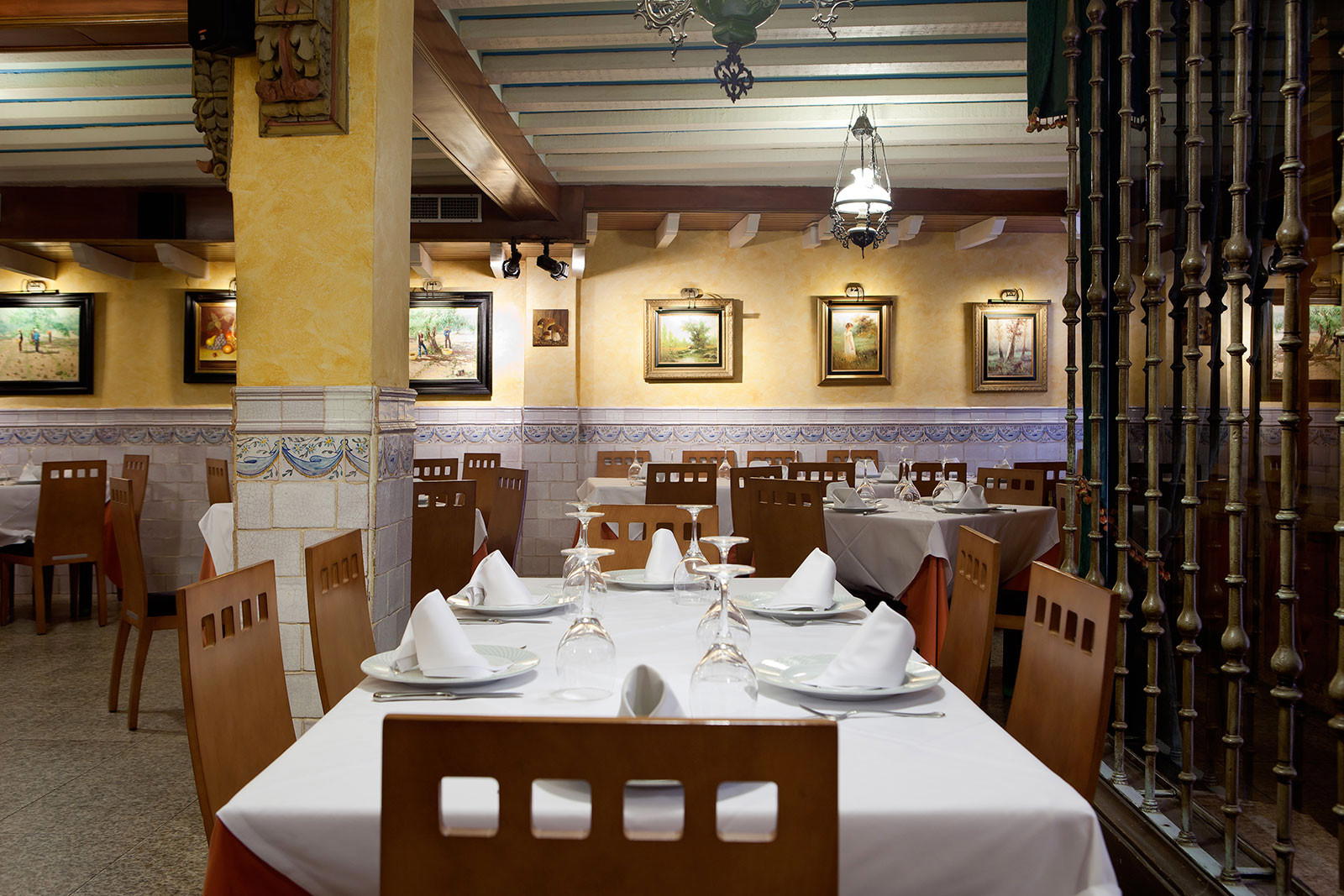
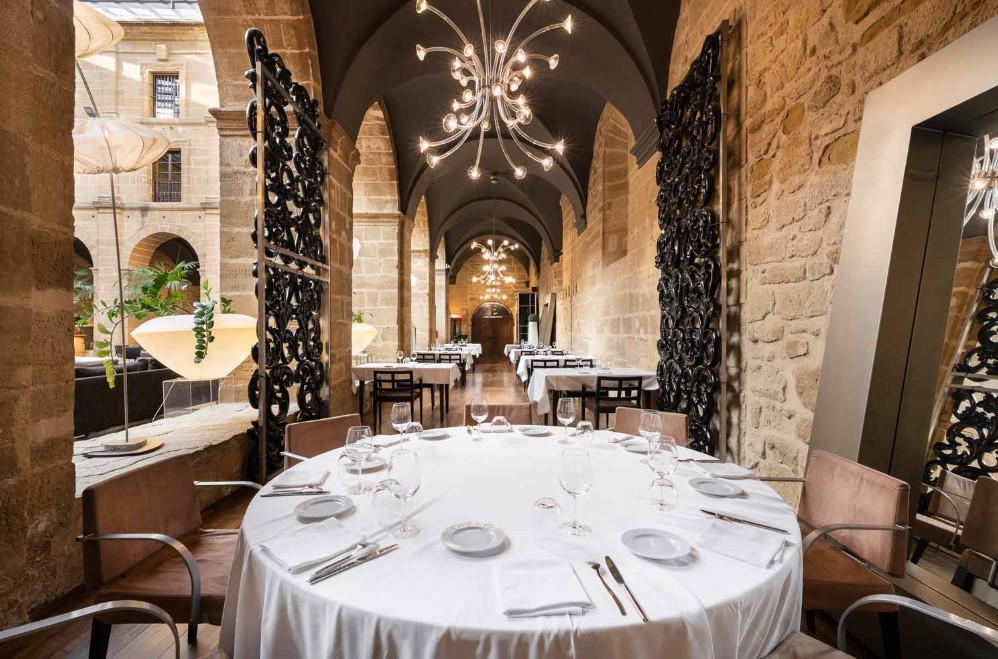
Hotels in Haro
Browse all →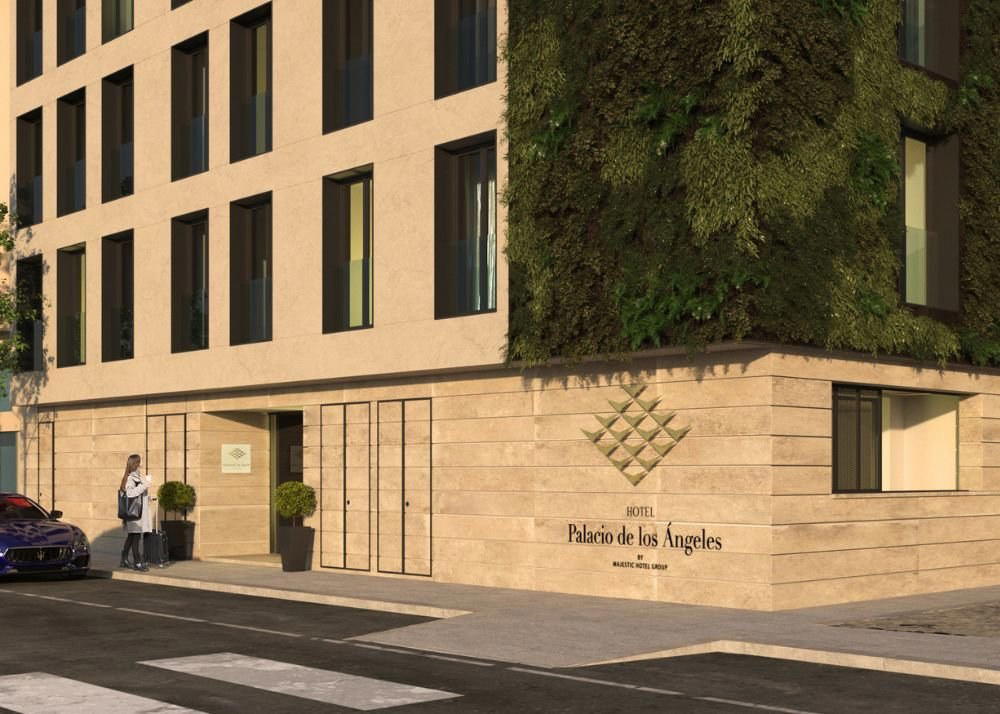
At a Glance
- Classic
- Well Known
- Elegant
- Sophisticated
- Wine Education
- Group Outing
- Special Occasion
- Romantic Getaway
- Solo Exploration
- Barrel Room
- Historic Building
- Cave Tasting
- Estate Grounds
- Vineyard
- Rioja Doca
- Tempranillo
- Graciano
- Mazuelo
- Still Red
- Guided Tasting
- Cellar Tour
- Barrel Tasting
Historic, classic Rioja atmosphere within CVNE’s original Haro facilities, with French oak vats, barrel rooms and 19th–early 20th century cellars (including the Eiffel nave), giving an artisanal yet polished feel rather than a modern design destination.