
Falstaff Winery - Listed
Bisci is a rural Verdicchio di Matelica estate in the Apennine foothills, built around limestone-rich soils, organic farming and cellar work that favors cement over oak. The draw is not spectacle but an unusually serious reading of Verdicchio: high-altitude vineyards, long lees aging for selected cuvées and recognition from Gambero Rosso, Vinous, Falstaff and Slow Wine.

Pearl is the En Primeur Club membership app — saves, bookings, and concierge access live there. Same editors, same standards.
- Address
- Matelica, Marche, Italien
- Directions
- Get directions
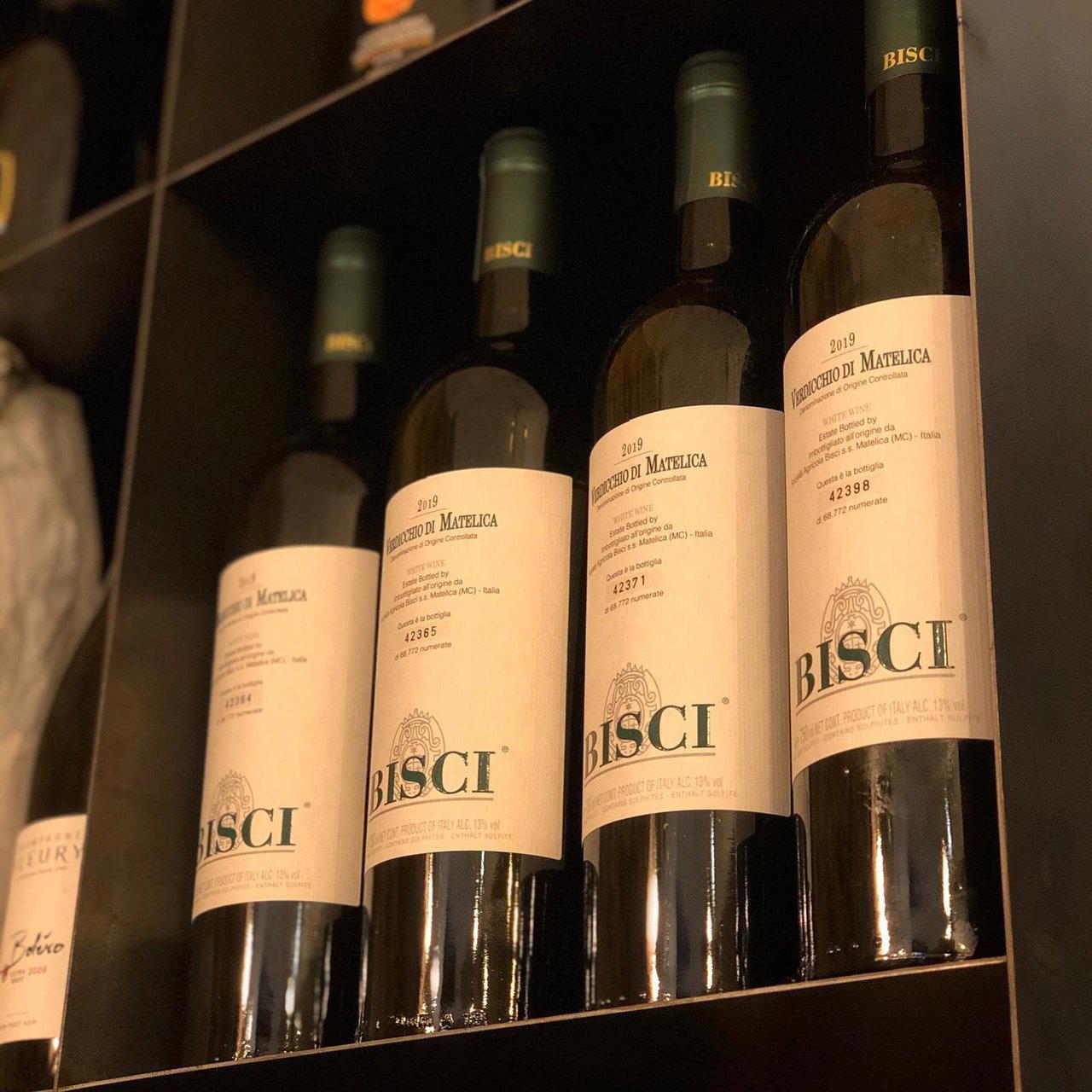
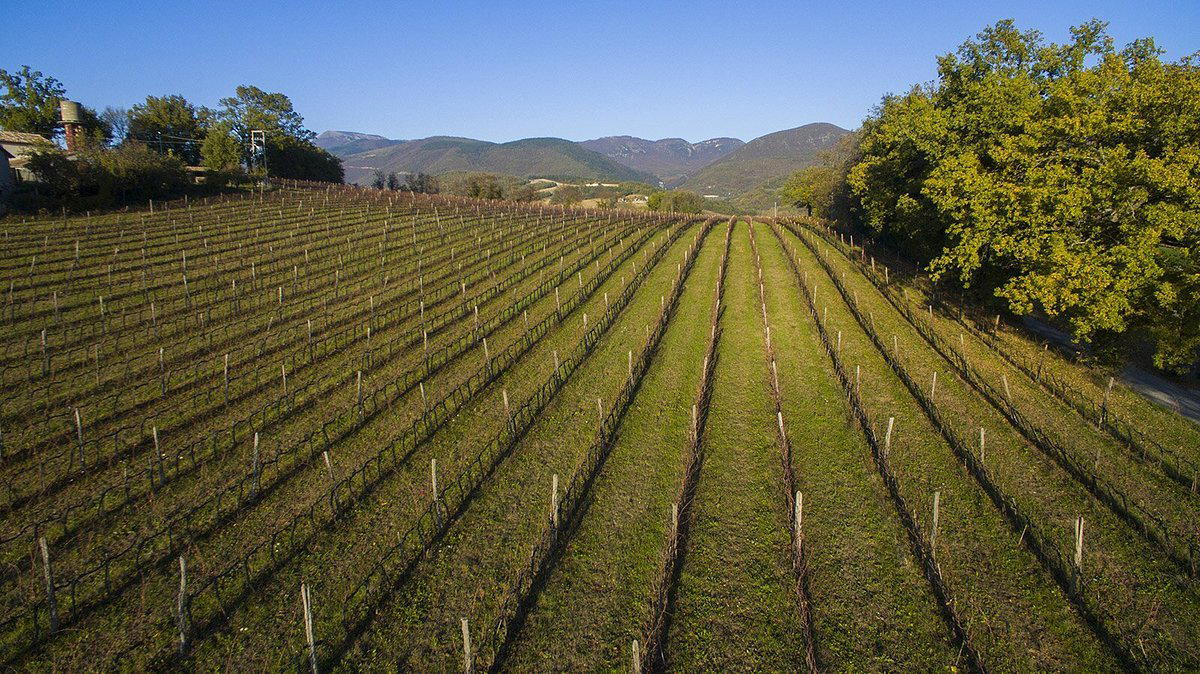
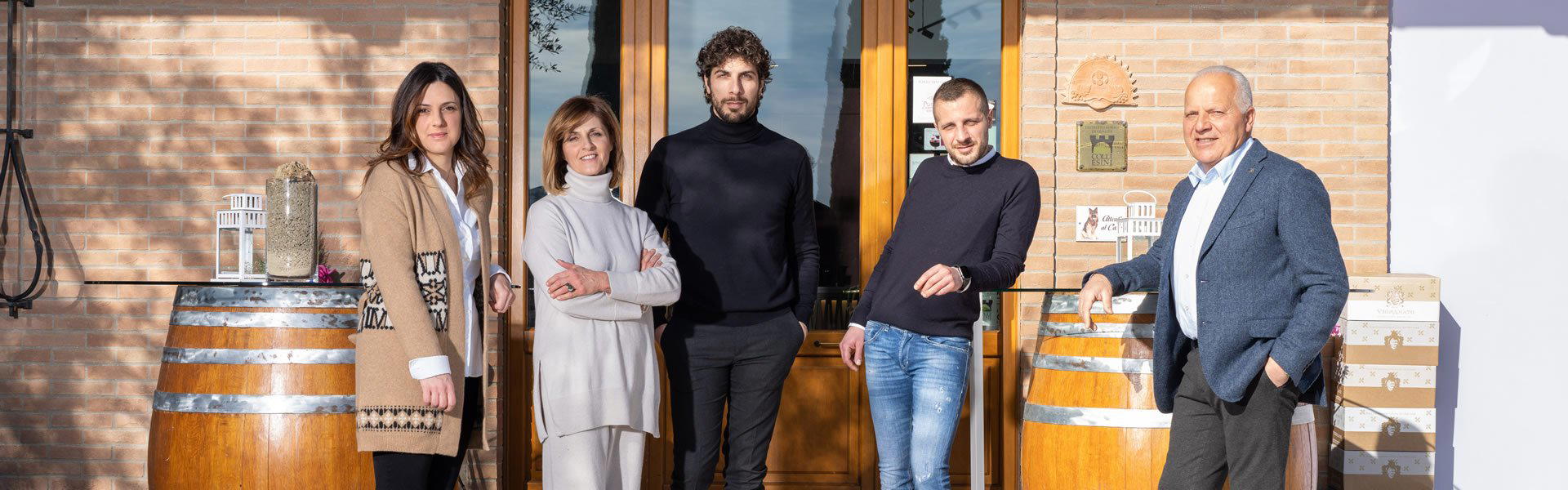
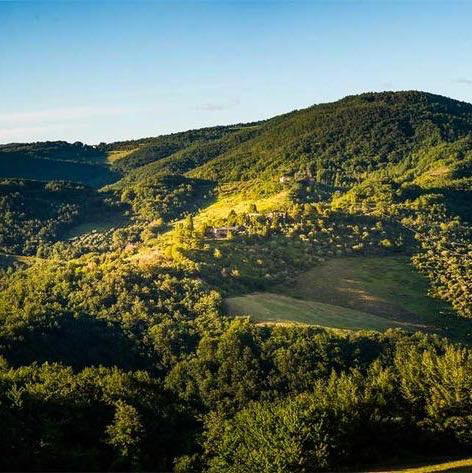
Bisci in Matelica is best approached as a quiet rural estate rather than a flashy design-led stop. The picture is simple and deliberately understated: vineyards, limestone soils, Apennine foothills and a working cellar shape the experience more than decorative hospitality cues or highly staged presentation. For travelers who prefer restrained, classic wine-country settings, that is the appeal. It is the kind of place whose character is read through landscape, agriculture and cellar activity, not through spectacle.
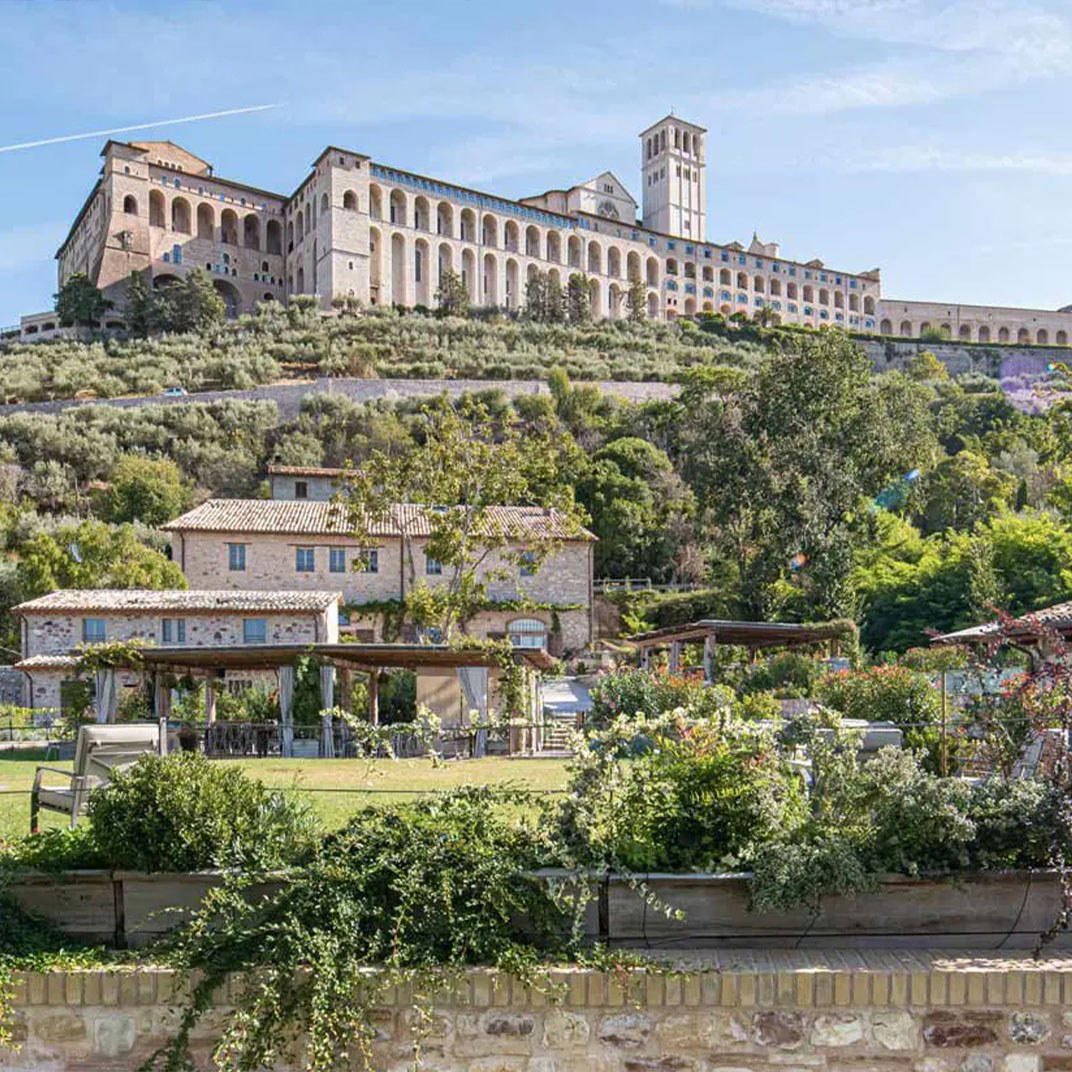
The atmosphere is scenic, rustic and quietly elegant, with a hidden-gem feel. That does not mean obscure for the sake of obscurity; rather, it suggests a stop that rewards visitors who are attentive to setting and mood. The estate comes across as calm and grounded, better suited to slow observation than to checklist tourism.
Matelica through vineyards, limestone and a working cellar
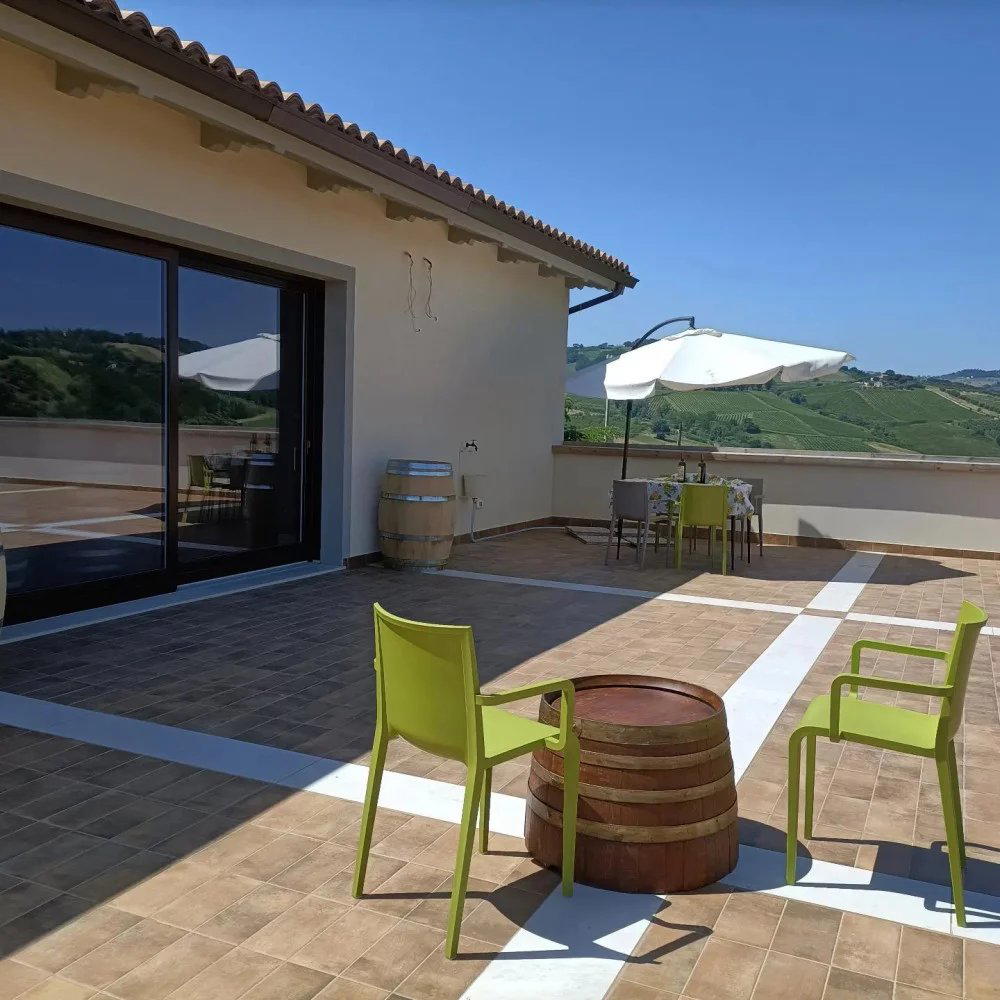
The strongest context for Bisci is its setting. Matelica sits in an inland, foothill landscape, and Bisci’s identity is tied to vineyards and limestone soils rather than to urban polish. That makes it a useful stop for visitors who want a quieter, more agricultural side of the area, where the surrounding land is not just scenery but part of the reason to come.
In this sense, the estate helps frame Matelica as more than a name on an itinerary. The combination of foothills, vines and limestone gives the visit a specific texture: dry, rural, open and quietly serious. Nothing in the description points toward a theatrical hospitality model, and that is important. The appeal lies in an honest sense of place, with the working cellar reinforcing the impression that this is an active wine estate first and a polished visitor attraction second.
For travelers comparing options, other dining or wine-related stops in Matelica can be considered generically, but Bisci’s appeal is its restrained estate character rather than a documented list of services or accolades. It is best evaluated on those terms. If the goal is to understand the rural side of Matelica, a place shaped by vineyards, limestone soils and cellar work may say more than a busier or more decorative stop.
A working estate visit, not a design-led tasting room
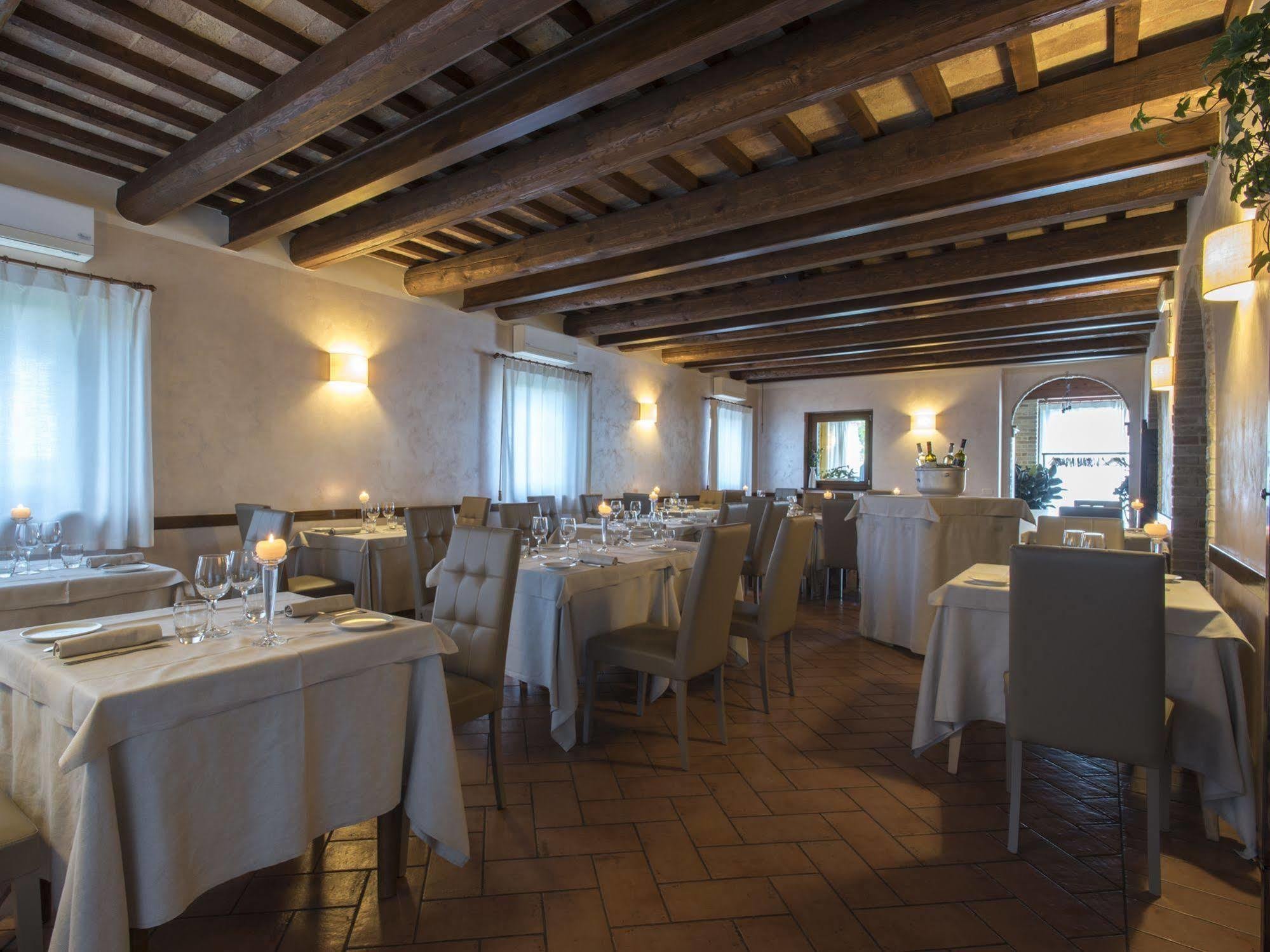
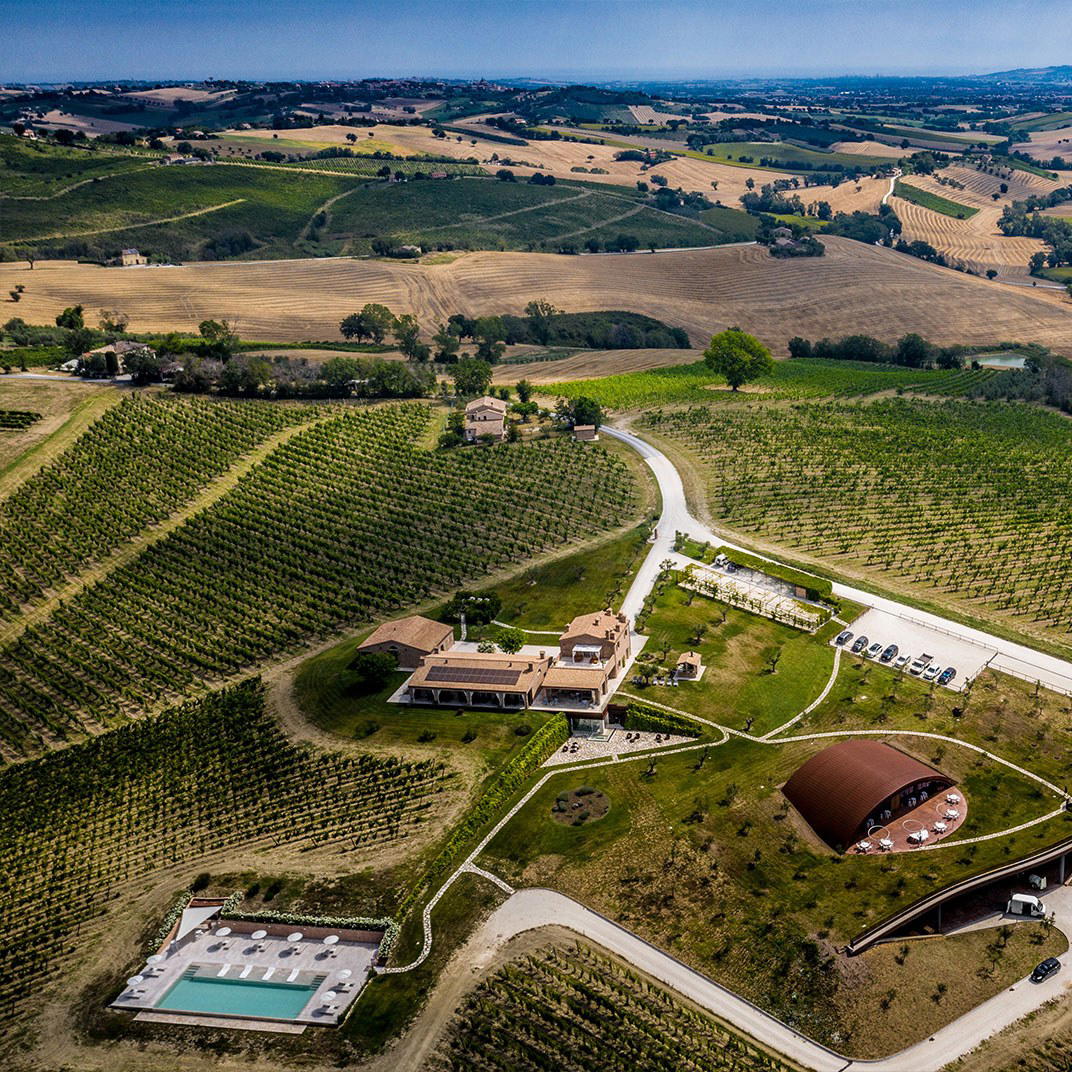
The experience should be understood as rural, classic and quiet. The description points to a working cellar and an estate landscape in the Apennine foothills, so the mood is closer to traditional wine-country understatement than to a polished luxury showroom. Visitors should therefore expect the main impression to come from the setting and the estate’s functional character rather than from conspicuous design language.
That distinction matters when planning a visit. A design-led tasting room often announces itself through architecture, display and a tightly managed sense of arrival. Bisci, as described here, reads differently: it is more about a cellar embedded in its landscape, with vineyards and limestone soils providing the essential context. The tone is not flashy, and the quietness is not a drawback. It is part of what makes the stop feel appropriate to Matelica’s inland, foothill character.
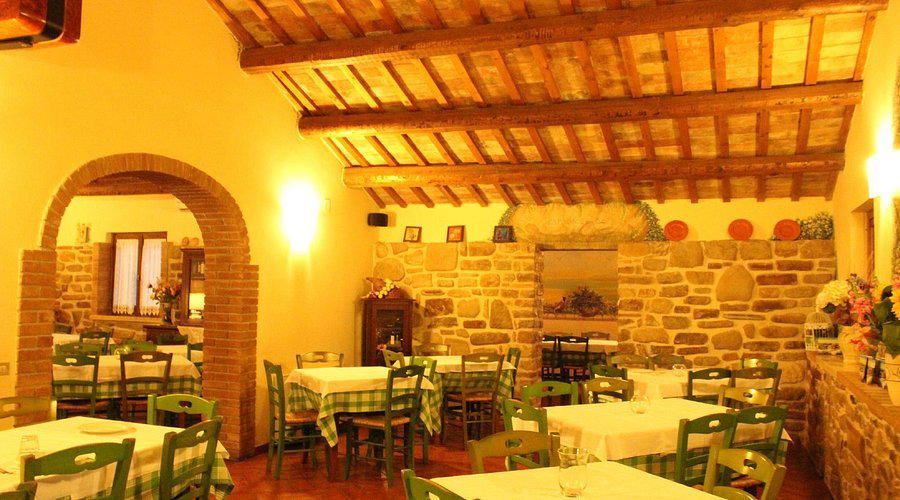
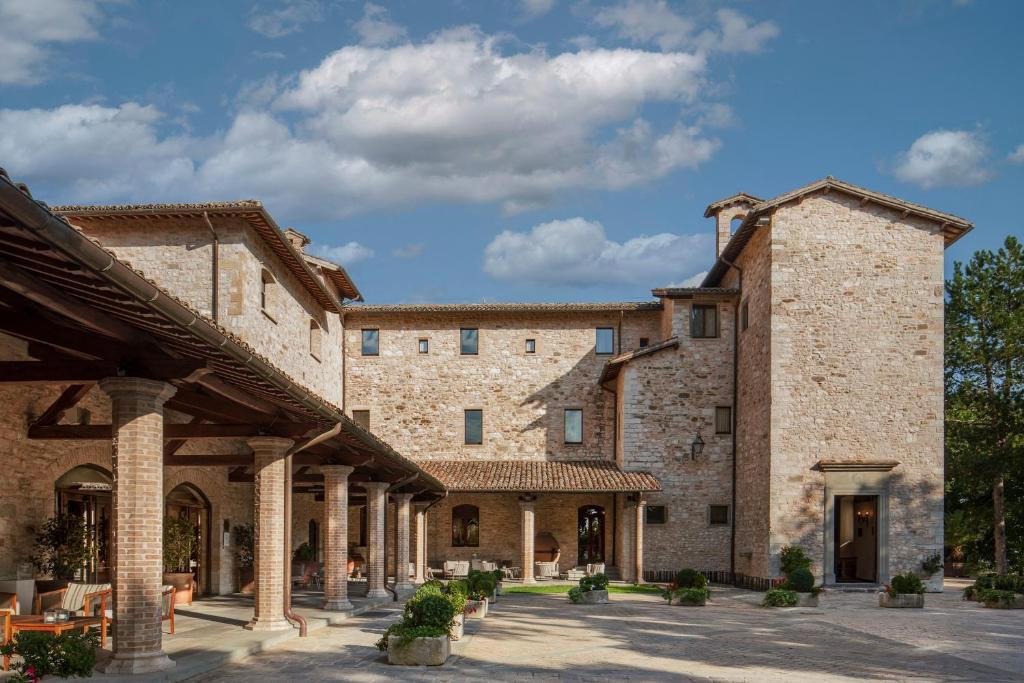
That restraint is part of the draw. It is more honestly described as a scenic Matelica estate where vineyards, limestone soils and a calm rural setting define the visit. The words rustic and quietly elegant sit comfortably together here: rustic because the experience is rooted in the countryside and a working estate, quietly elegant because the simplicity has its own composure. Nothing needs to be overstated for the place to make sense.
If you are building a Matelica itinerary, treat Bisci as one quiet anchor among other local options. Keep plans flexible unless you have confirmed current visit arrangements directly, since public details here do not establish hours, booking rules or service formats. That practical caution fits the overall profile. Rather than assuming a standardized visitor model, it is better to approach the estate with the same restraint the place itself suggests: confirm what needs confirming, then allow the landscape and cellar context to set the pace.
Why this stop belongs on a serious Matelica route
Bisci belongs on a Matelica route for its sense of place. The facts support a picture of a classic estate in the Apennine foothills, centered on vines, limestone and cellar work. That is enough to distinguish it from more decorative or urban-feeling stops. For a traveler taking Matelica seriously, this kind of grounded stop can be especially useful because it keeps attention on the area’s rural frame rather than on a more generic hospitality experience.
Its value is therefore not dependent on an expanded list of claims. The estate’s identity is already clear in the available description: scenic, rustic, quietly elegant and shaped by its landscape. Those qualities make it a strong fit for visitors who want to understand the quieter rhythm of the area, especially those who prefer wine-country experiences where the setting is allowed to speak plainly.
The price level is listed as $$, which places it in an accessible mid-range category rather than a luxury-only frame. For travelers seeking a quiet, rustic and quietly elegant Matelica experience, Bisci offers a grounded point of reference without needing claims about awards, rankings or elaborate hospitality features. Its role is simpler and, in many ways, stronger for that simplicity: a calm estate stop where vineyards, limestone soils, foothill scenery and a working cellar remain the central story.
Recognition history
Dated appearances from independent guides and award organizations, with the underlying list record or original source where available.
Falstaff Winery - Listed
Falstaff
Continue exploring
More in Matelica
Wineries in Matelica
Browse all →
Restaurants in Matelica
Browse all →
Details
- Scenic
- Rustic
- Classic
- Quiet
- Wine Education
- Romantic Getaway
- Group Outing
- Special Occasion
- Solo Exploration
- Estate Grounds
- Vineyard Tour
- Private Tasting
- Organic
- Vineyard
- Mountain
- Verdicchio
- Sangiovese
- Merlot
- Still White
- Still Red
- Still Rosé
- Sparkling
- Estate Tasting
- Food And Wine Pairing
- Private Appointment
- Italian
- English
Rural estate winery in the Apennine foothills with a classic, quietly elegant feel, centered on vineyards, limestone soils, and a working cellar rather than flashy design.