
Falstaff Winery - 2 Stars
BIO-Weingut Daniel Then is a small organic Franconian family winery in Sommerach, rooted in estate history dating to 1849 and now shaped by certified organic viticulture. The interest here is terroir rather than theatre: Silvaner, Pinot Noir and sparkling styles read through the Maindreieck’s village-scale wine culture, with Daniel Then overseeing vineyard and cellar work.

Pearl is the En Primeur Club membership app — saves, bookings, and concierge access live there. Same editors, same standards.
- Address
- Sommerach, Franconia, Bavaria, Deutschland
- Directions
- Get directions
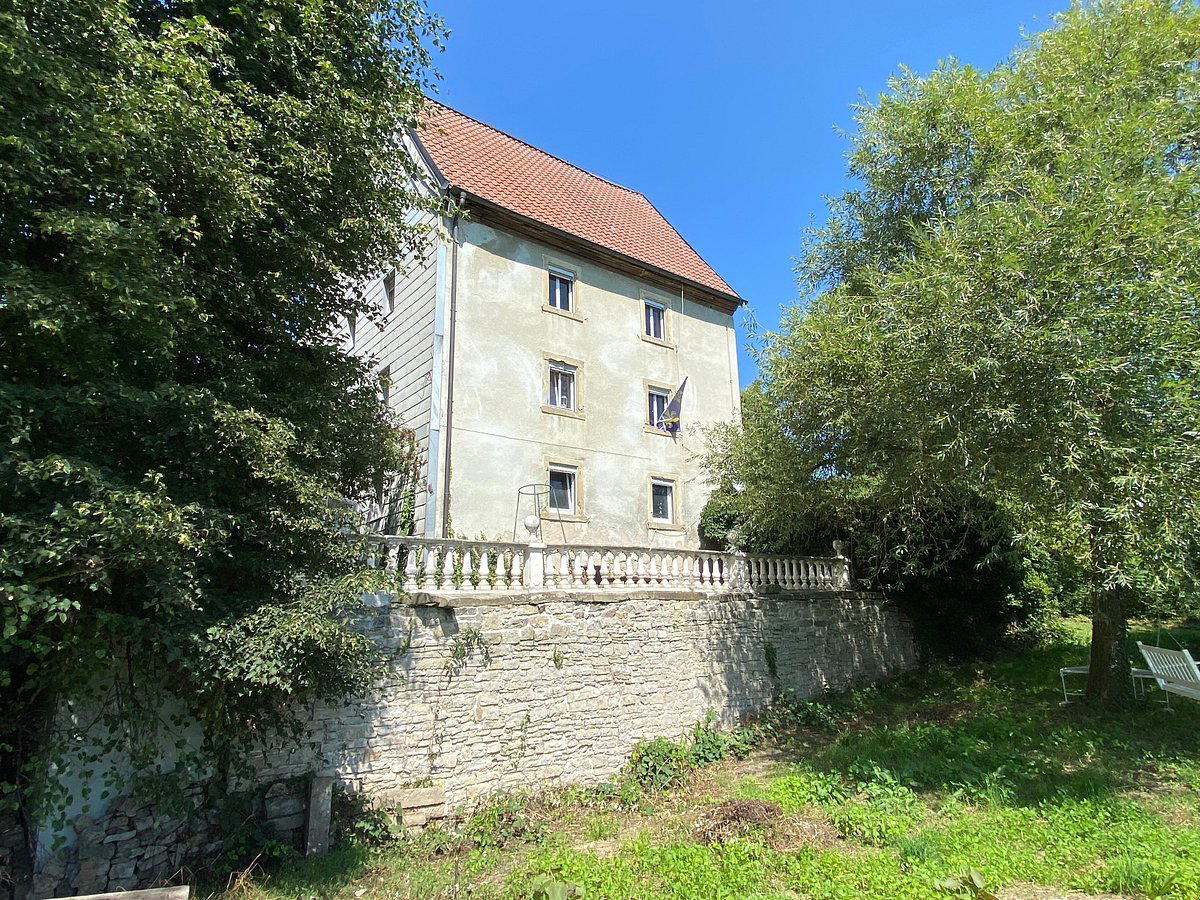
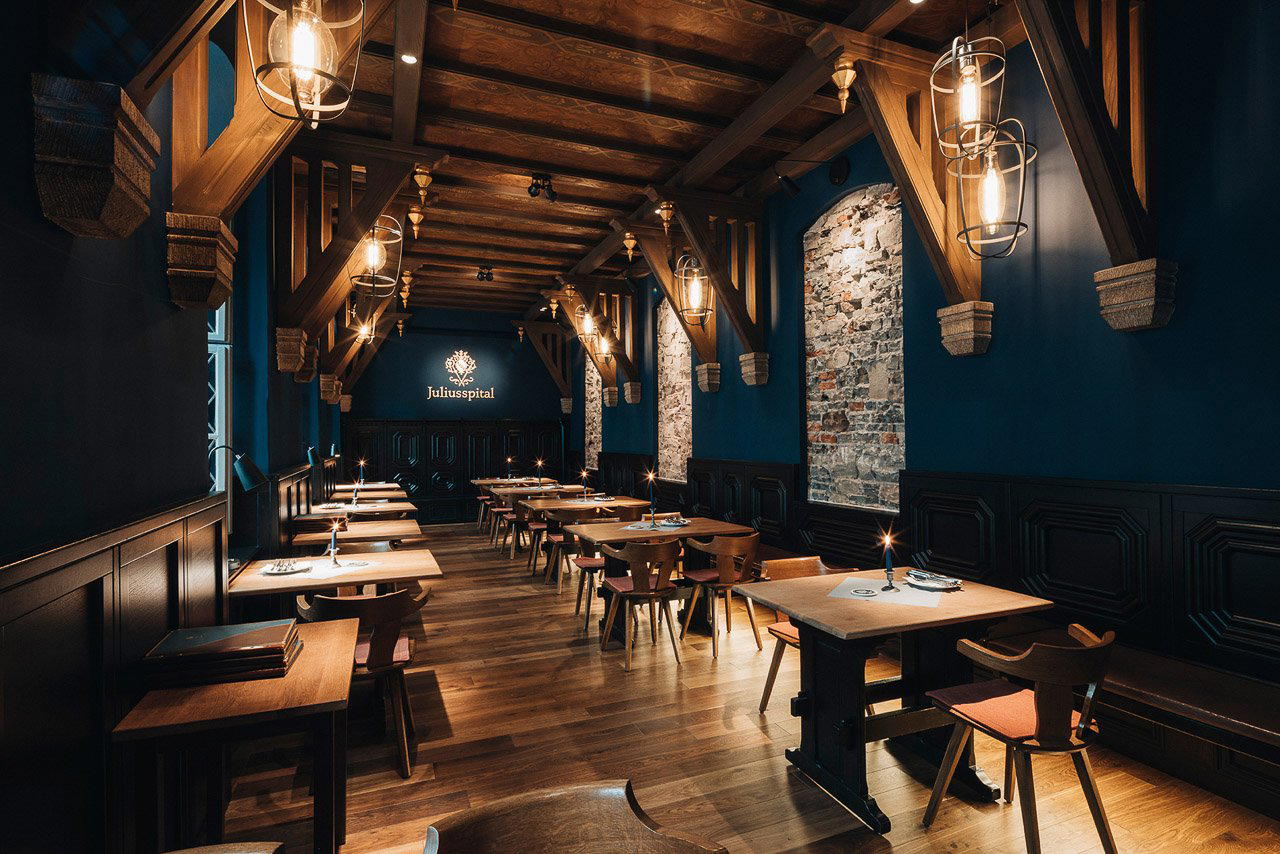
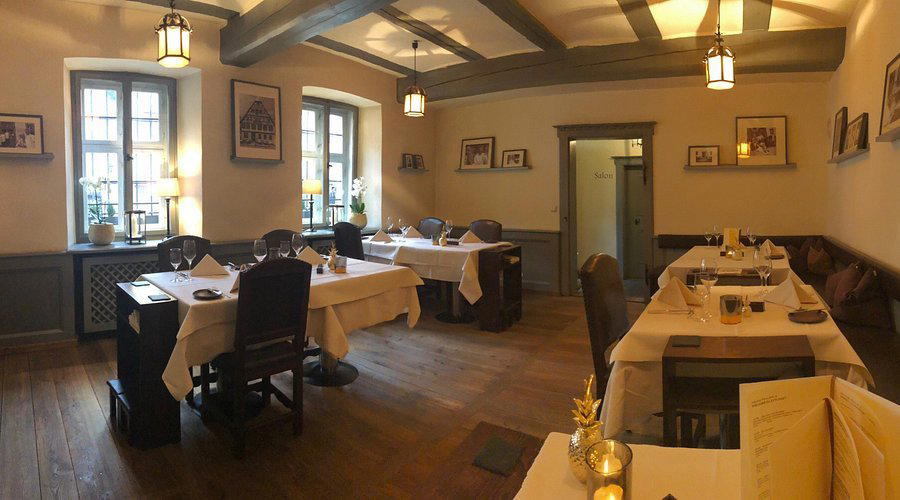
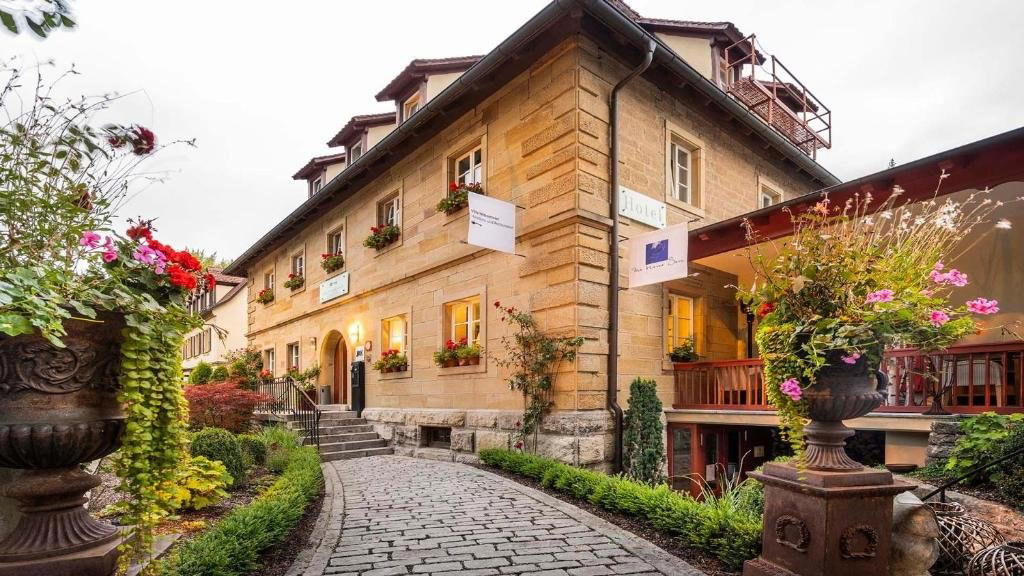
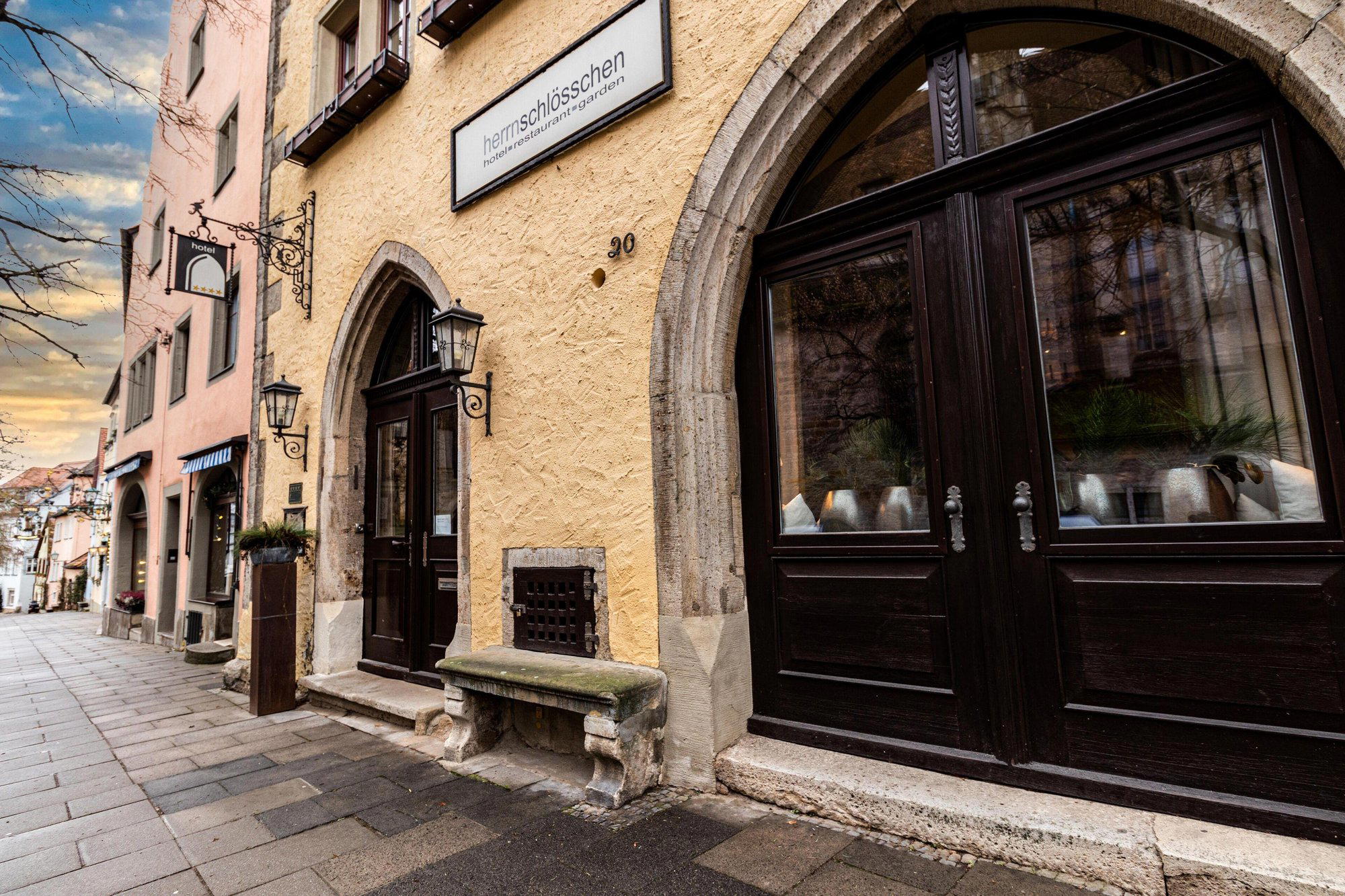
The first impression is not grand-winery spectacle. The mood is quiet, classic and rustic, closer to a traditional family winery than a showpiece tasting venue. In Sommerach, BIO-Weingut Daniel Then is best understood as a long-established estate with a clear bio-focused identity and a cellar-and-vineyard emphasis. That framing matters, because it keeps the venue in the right register: this is not a place to approach through exaggerated claims, lifestyle gloss, or a checklist of unconfirmed extras, but through the steadier appeal of a family winery rooted in its setting.
A bio-focused family winery in Sommerach
BIO-Weingut Daniel Then’s profile is intentionally simple: a traditional family winery atmosphere, a quiet and classic tone, and a rustic sense of place. The estate is positioned around its bio-focused identity rather than around luxury signals or a highly staged visitor format. In editorial terms, that gives the winery a compact but useful identity for travellers who prefer substance over presentation and who are comfortable with a venue whose appeal come from continuity, restraint and a close connection to its working environment.
The bio-focused aspect is central to how the estate should be read, but it is also important not to make it carry more than the confirmed information supports. It indicates a defining orientation for the winery and helps distinguish the venue within a Sommerach itinerary, while the family-winery atmosphere gives that orientation a more personal, local feel. The result is a profile that is modest rather than vague: quiet, traditional, rustic and clearly tied to the idea of winegrowing as a cellar-and-vineyard practice.
Because the confirmed information is limited, it is better not to overstate details about grape varieties, production scale, awards, exact services, or tasting formats. What can be said with confidence is that the venue belongs in a Sommerach wine itinerary for visitors seeking a hidden-gem estate with an understated, cellar-and-vineyard feel. That makes it a stronger fit for guests who value atmosphere, context and a grounded sense of place than for those trying to compare a long list of amenities before they arrive.
A long-established estate with a cellar-and-vineyard emphasis
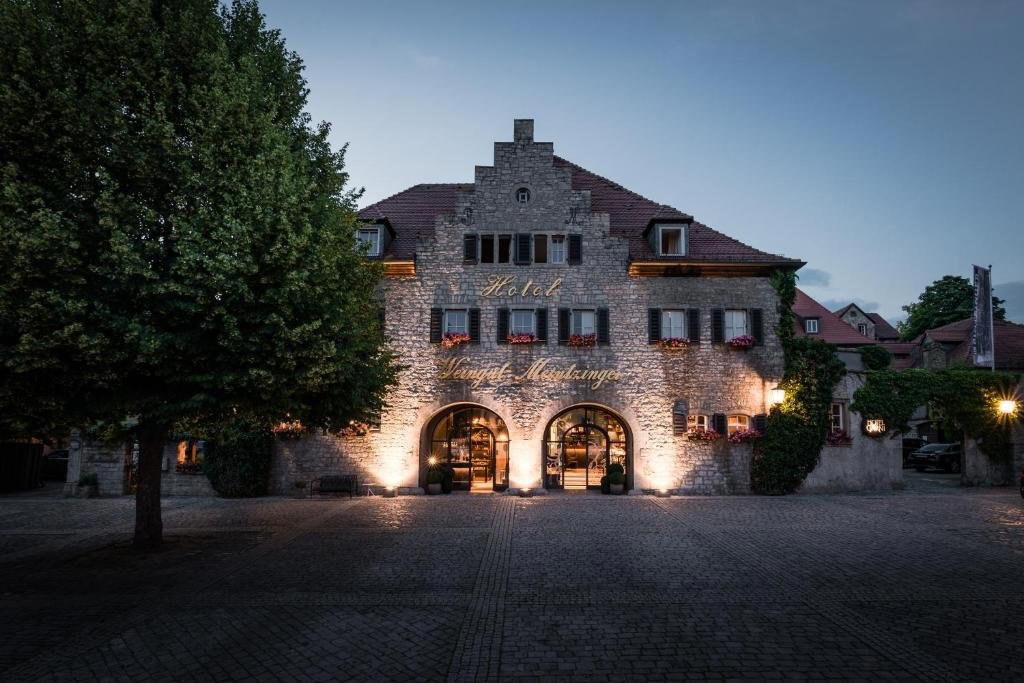
The useful frame for BIO-Weingut Daniel Then is continuity rather than spectacle. Its profile points to a long-established estate in Sommerach, with the character of a family winery and a clear connection to vineyard and cellar work. That continuity gives the venue its editorial weight: it suggests a winery whose appeal is not dependent on dramatic architecture or elaborate presentation, but on the quieter credibility of an estate that belongs to its village and its wine landscape.
The cellar-and-vineyard emphasis is also helpful because it sets expectations in a practical way. Visitors should not read the venue as a polished destination built primarily around performance hospitality. Instead, it sits more naturally in the category of places where the working identity of the winery remains visible in the overall mood. The rustic and classic descriptors reinforce that point, pointing toward a setting that feels traditional rather than trend-driven.
Price positioning is listed as $$, which places expectations in a moderate range. The editorial read is direct: this is a quiet, rustic Sommerach winery for visitors interested in a bio-focused estate atmosphere, not a venue to describe through awards, specific bottle lists, or invented visitor amenities. The moderate price signal supports that understated interpretation, but it should not be stretched into assumptions about what a visit includes or how any particular tasting or purchase is structured.
For comparison, other dining and wine stops in Sommerach can be considered generically, but BIO-Weingut Daniel Then should be judged on its own confirmed identity: traditional, quiet, classic, rustic, and rooted in a cellar-and-vineyard setting. That is enough to give the venue a clear role without forcing it into a broader narrative it does not need. Its strength, based on the available profile, is the simplicity of the proposition: a bio-focused family winery with a restrained atmosphere and a sense of local continuity.
How to place it within a Sommerach itinerary
The strongest reason to include BIO-Weingut Daniel Then is its understated family-winery atmosphere. It suits an itinerary built around quieter local character rather than a highly produced hospitality experience. In a village wine context, that can be valuable: not every stop needs to be grand, formal or packed with visitor-facing features. A more restrained estate can add balance to a day by offering a different texture, especially for travellers who are interested in the feel of a working wine place as much as in any single headline detail.
Plan around Sommerach itself, and keep expectations grounded: the profile supports a bio-focused, long-established winery atmosphere with moderate pricing, but does not confirm specific opening hours, tasting arrangements, food service, grape varieties, shipping, outdoor seating, or other detailed amenities. The safest approach is to treat the winery as a quietly appealing possibility within the wider local wine landscape, while avoiding assumptions about services that have not been verified.
In that sense, BIO-Weingut Daniel Then is best placed on an itinerary for visitors who appreciate the less performative side of wine travel. Its appeal lies in the combination already established by the venue profile: Sommerach location, family-winery character, bio-focused identity, rustic classic tone and a cellar-and-vineyard emphasis. Kept within those boundaries, the recommendation remains clear, useful and accurate.
Recognition history
Dated appearances from independent guides and award organizations, with the underlying list record or original source where available.
Falstaff Winery - 2 Stars
Falstaff
Continue exploring
More in Sommerach
Wineries in Sommerach
Browse all →
Restaurants in Sommerach
Browse all →
Details
- Quiet
- Classic
- Rustic
- Solo Exploration
- Wine Education
- Special Occasion
- Historic Building
- Estate Grounds
- Organic
- Street Scene
- Silvaner
- Pinot Noir
- Cabernet Sauvignon
- Still White
- Still Red
- Sparkling
- Wine Tasting
- Retail Tasting
Traditional family winery atmosphere with a clear, bio-focused identity; positioned as a long-established estate in Sommerach with a cellar-and-vineyard emphasis.