
Falstaff Winery - Listed
MF Frankensekt is a small Franconian sparkling-wine cellar in Ebelsbach, shaped around traditional-method Sekt, guided cellar tours, and tastings inside historic bunker tunnels. The draw is less a polished tasting-room circuit than a compact, appointment-led encounter with Franken’s sparkling side, including regional varieties, underground aging atmosphere, and a simple Franconian snack format.

Pearl is the En Primeur Club membership app — saves, bookings, and concierge access live there. Same editors, same standards.
- Address
- Ebelsbach, Bavaria, Deutschland
- Directions
- Get directions

The first thing to understand about MF Frankensekt is the setting. Sparkling wine here is produced and aged in historic underground bunker tunnels, or Stollen, in Ebelsbach. That gives the visit a clear identity: the cool, atmospheric, slightly rustic cellar environment is not just background, but part of how the Sekt is presented and understood.
Because the public details for MF Frankensekt are limited, the safest way to describe the venue is to stay close to what is confirmed. This is a Sekt producer in Ebelsbach whose experience is centered on the underground tunnels and on traditional bottle-fermented sparkling wine. The appeal is not a long list of published amenities, restaurant-style services, or awards; it is the combination of cellar setting, production context, and a focused look at how sparkling wine can be made and aged below ground.
Sekt framed by tunnels, not tasting-room theatre
The cellar’s appeal lies in how tightly the visit links production and setting. The historic Stollen define the atmosphere: cool, enclosed, and a little rustic, with the sense that the wine’s aging environment is being shown rather than merely described. For visitors who care about process, that matters. Sparkling wine can be discussed in technical language, but a cellar tour makes the idea of bottle fermentation and aging feel more physical and immediate.
The focus of tours is the history of the tunnels and traditional bottle-fermented Sekt production. That gives the experience a useful structure even without relying on menu details, service claims, or promotional embellishment. The point is not to present MF Frankensekt as a luxury tasting salon or a restaurant; it is better understood as a production-led Sekt visit in Ebelsbach, built around the distinctive underground space.
That setting also shapes expectations. A visit here should be approached as a cellar-focused experience rather than as conventional dining or bar service. The known facts support a picture of historic tunnels, sparkling-wine production, aging underground, and tours that explain both place and method. Anything beyond that should be checked directly with the venue before planning around it.
What the format says about wine travel in Ebelsbach
Ebelsbach is the essential location detail for MF Frankensekt, and the venue’s identity is tied to that place through its underground Stollen. For travelers, the most reliable reason to include it in an itinerary is the chance to see Sekt production in a setting that is unusually atmospheric and practical at the same time: cool bunker tunnels used for producing and aging sparkling wine.
The price level is listed as $$, which places MF Frankensekt in a moderate bracket. Those details may matter for a real visit, so they should be confirmed directly with MF Frankensekt rather than inferred from general wine-tour expectations.
That does not weaken the core description; it simply means the venue should not be framed around medals, rankings, scores, or guide recognition. Its confirmed draw is more concrete: Sekt produced and aged in historic underground tunnels in Ebelsbach, with tours focused on the history of those tunnels and traditional bottle-fermented production.
How to place it in a wider Ebelsbach itinerary
For travelers building time in Ebelsbach, MF Frankensekt works well as a wine-focused stop centered on place and process. The underground environment is the main distinction, so it should not be treated as interchangeable with a standard tasting counter or a restaurant reservation. The facts point to a cellar visit where the tunnels themselves help explain the character of the experience.
When planning the rest of the day, use other Ebelsbach resources generically for meals, overnight logistics, or additional activities, and confirm current details with each venue. MF Frankensekt’s own profile remains narrow but distinctive: moderate price level, historic bunker tunnels, Sekt produced and aged underground, and tours focused on tunnel history and traditional bottle-fermented sparkling wine.
In a broader wine-travel context, MF Frankensekt stands out most clearly for the way it connects sparkling wine to a specific underground setting in Ebelsbach. Rather than leaning on claims about awards, founding dates, grape varieties, food pairings, or visitor services, the honest editorial hook is simple: this is a Sekt producer where the cellar environment is central to the experience.
Recognition history
Dated appearances from independent guides and award organizations, with the underlying list record or original source where available.
Falstaff Winery - Listed
Falstaff
Continue exploring
More in Ebelsbach
Wineries in Ebelsbach
Browse all →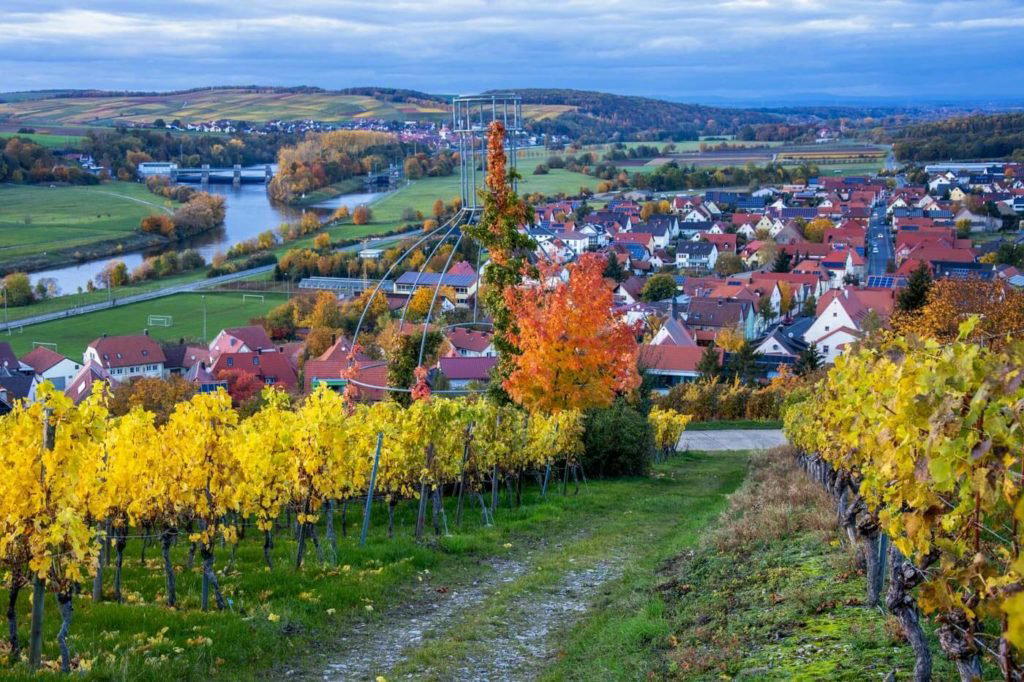
Details
- Rustic
- Intimate
- Classic
- Cozy
- Group Outing
- Celebration
- Wine Education
- Special Occasion
- Solo Exploration
- Cave Tasting
- Historic Building
- Private Tasting
- Schwarzriesling
- Gold Rivaner
- Silvaner
- Rotling
- Sparkling
- Guided Tasting
- Cellar Tour With Tasting
- German
Sparkling wine is produced and aged in historic underground bunker tunnels (Stollen), creating a cool, atmospheric, slightly rustic setting where tours focus on the history of the tunnels and traditional bottle-fermented Sekt production, culminating in tasting and a simple Franconian snack in the vaults.