
Falstaff Winery - 3 Stars
Becksteiner Winzer is a large Baden cooperative in Beckstein, rooted in Tauberfranken’s limestone-influenced wine country rather than the boutique estate model. Its scale, 1894 founding, 354 grower members and Falstaff-noted Schwarzriesling make it useful for understanding how the region translates small-village viticulture into a broad, accessible portfolio.

Pearl is the En Primeur Club membership app — saves, bookings, and concierge access live there. Same editors, same standards.
- Address
- Beckstein, Württemberg, Baden-Wuerttemberg, Deutschland
- Directions
- Get directions
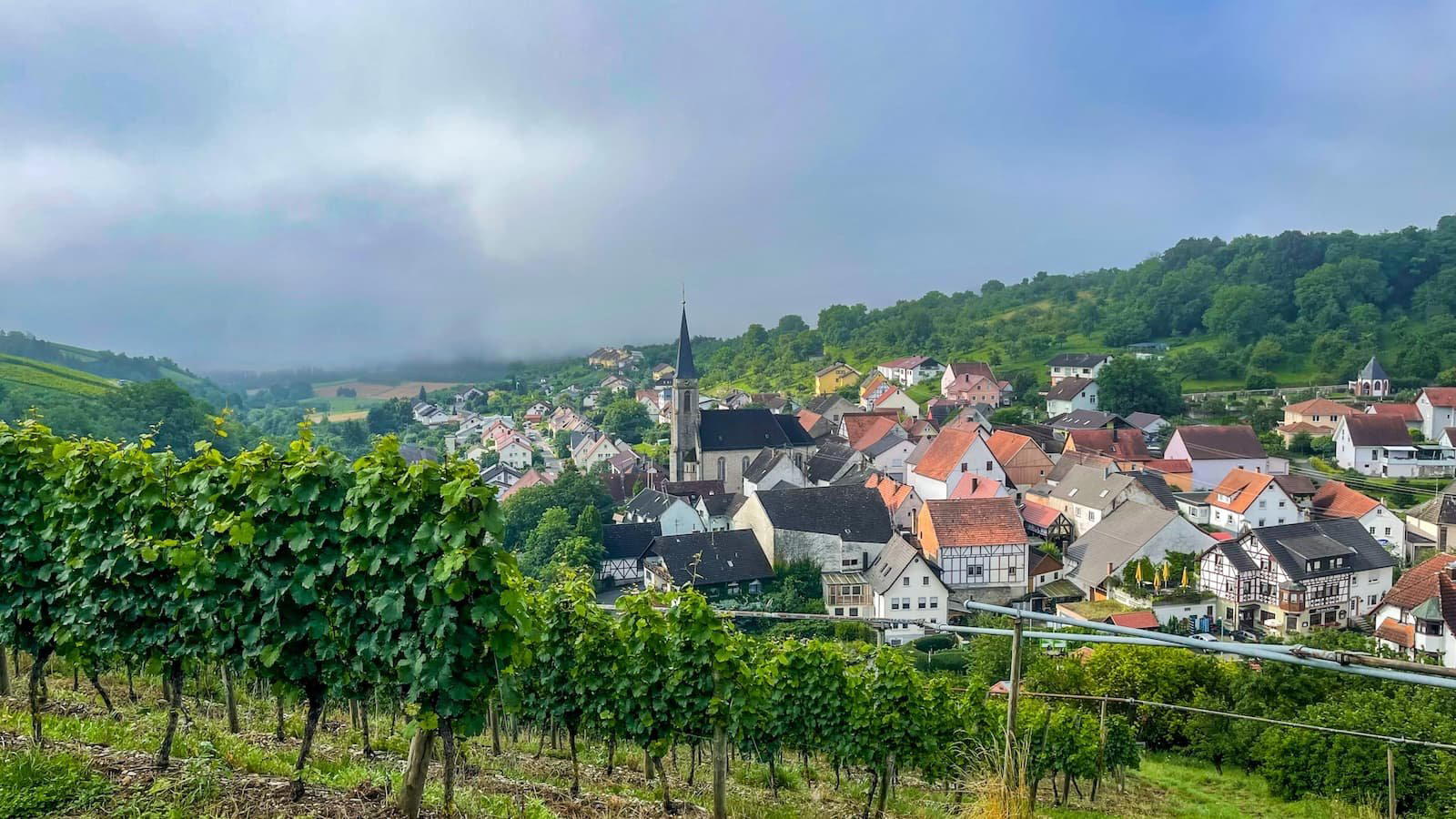
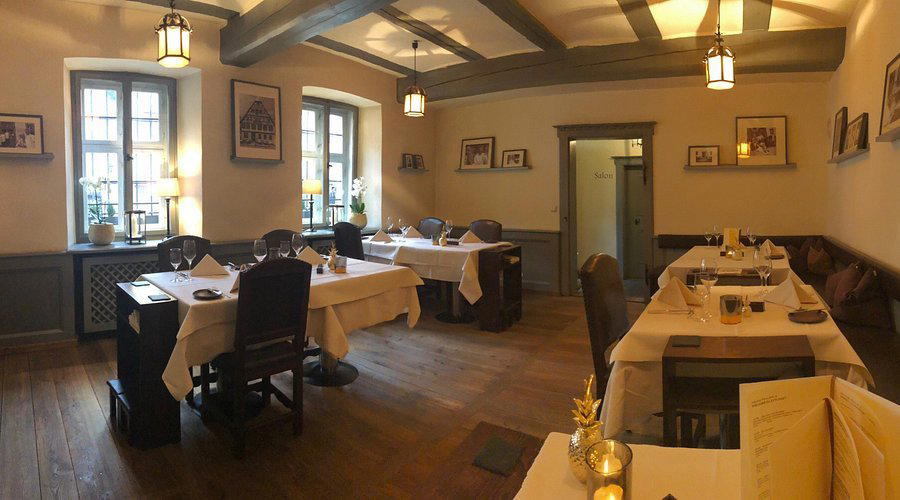
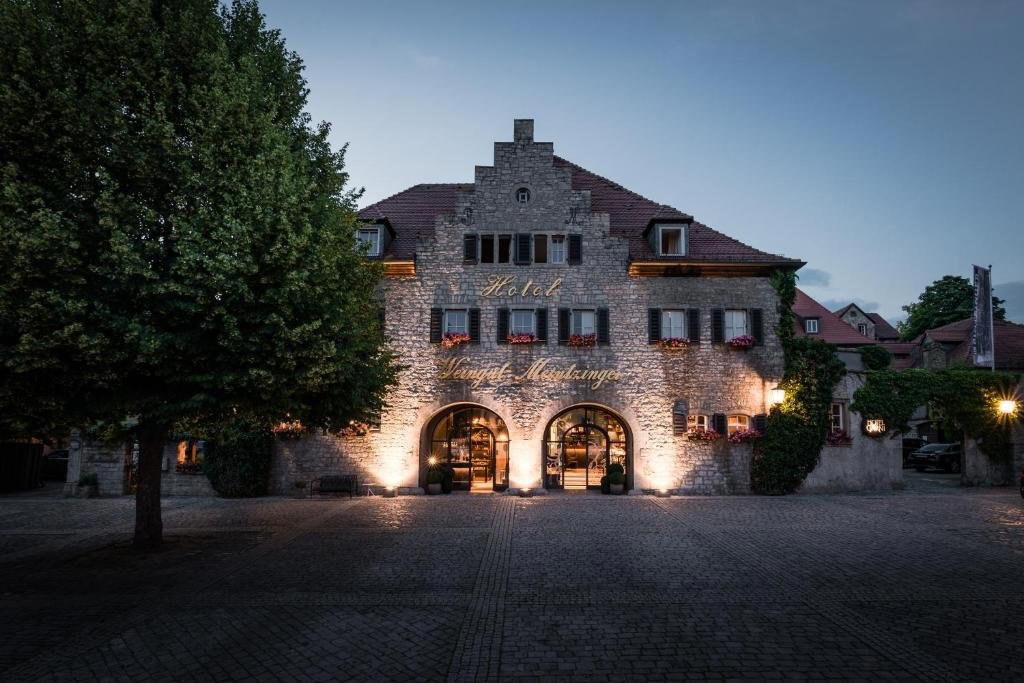
Becksteiner Winzer in Beckstein is best understood as a cooperative winery rather than a restaurant-style venue, and that distinction matters for setting expectations. The picture is specific but intentionally limited: a modern vinothek, production cellars, and an atmosphere that connects historic roots from 1894 with contemporary, efficient facilities. In other words, the strongest reading of the venue is not as a place defined by a long menu, a chef-driven dining room, or a named sequence of tastings, but as a working wine address where the public-facing side and the production side sit close together. The setting is classic and rustic in part, but the working side is also practical, with attention to safe, quiet conditions in the fermentation cellar. That combination gives Becksteiner Winzer a grounded, functional character: heritage is present, but so is the day-to-day reality of cooperative wine production.
Beckstein's cooperative winery model
The central fact here is structure. Becksteiner Winzer is a cooperative winery in Beckstein with historic roots dating to 1894. That cooperative identity is the most useful starting point, because it frames the venue less as an individual estate built around one private cellar narrative and more as a collective local wine-production site. Rather than framing the venue around menu details, grape lists, awards, or visitor formats, the grounded way to read it is as a place where Beckstein wine culture is expressed through shared production, a modern vinothek, and production cellars.
That makes the venue useful for visitors who want context around Beckstein wine culture without assuming a restaurant, tasting-menu, or boutique-estate experience. The available information supports a picture of a cooperative operation with both heritage and modern infrastructure, not a luxury dining room or a small private cellar. The history gives the address weight, while the contemporary facilities keep the emphasis on current use rather than nostalgia alone. For travelers, that means the appeal is likely to sit in the combination of place, production, and local identity, rather than in a highly scripted hospitality format that has not been confirmed here.
Seen this way, Becksteiner Winzer occupies a clear middle ground. It is not presented as purely historic, even though the roots reach back to 1894, and it is not presented as purely industrial, even though production cellars are part of the picture. The cooperative model allows those elements to coexist: a local institution with a practical working purpose, and a visitor-facing vinothek that gives that work a more accessible setting.
A modern vinothek attached to production cellars
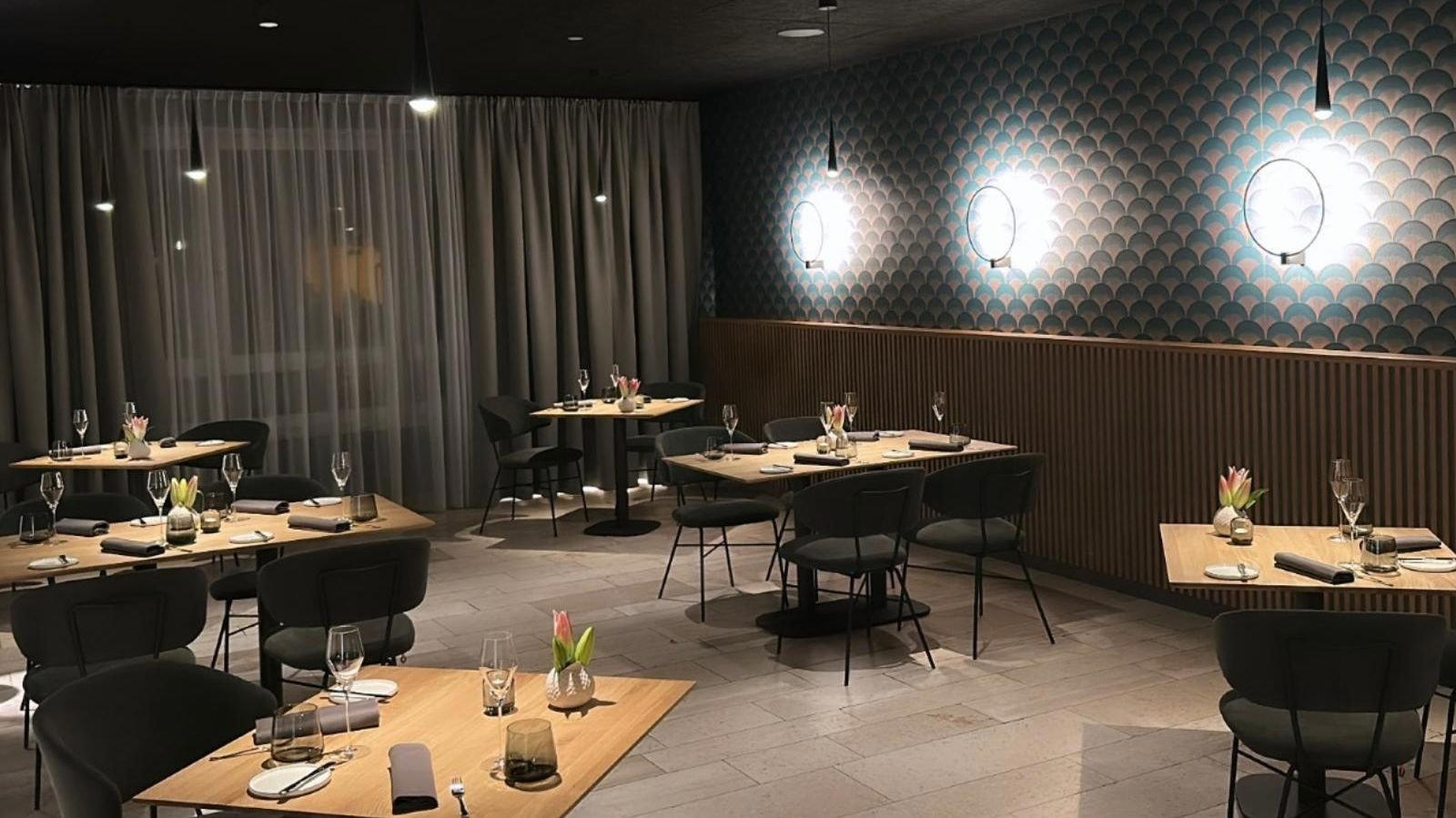
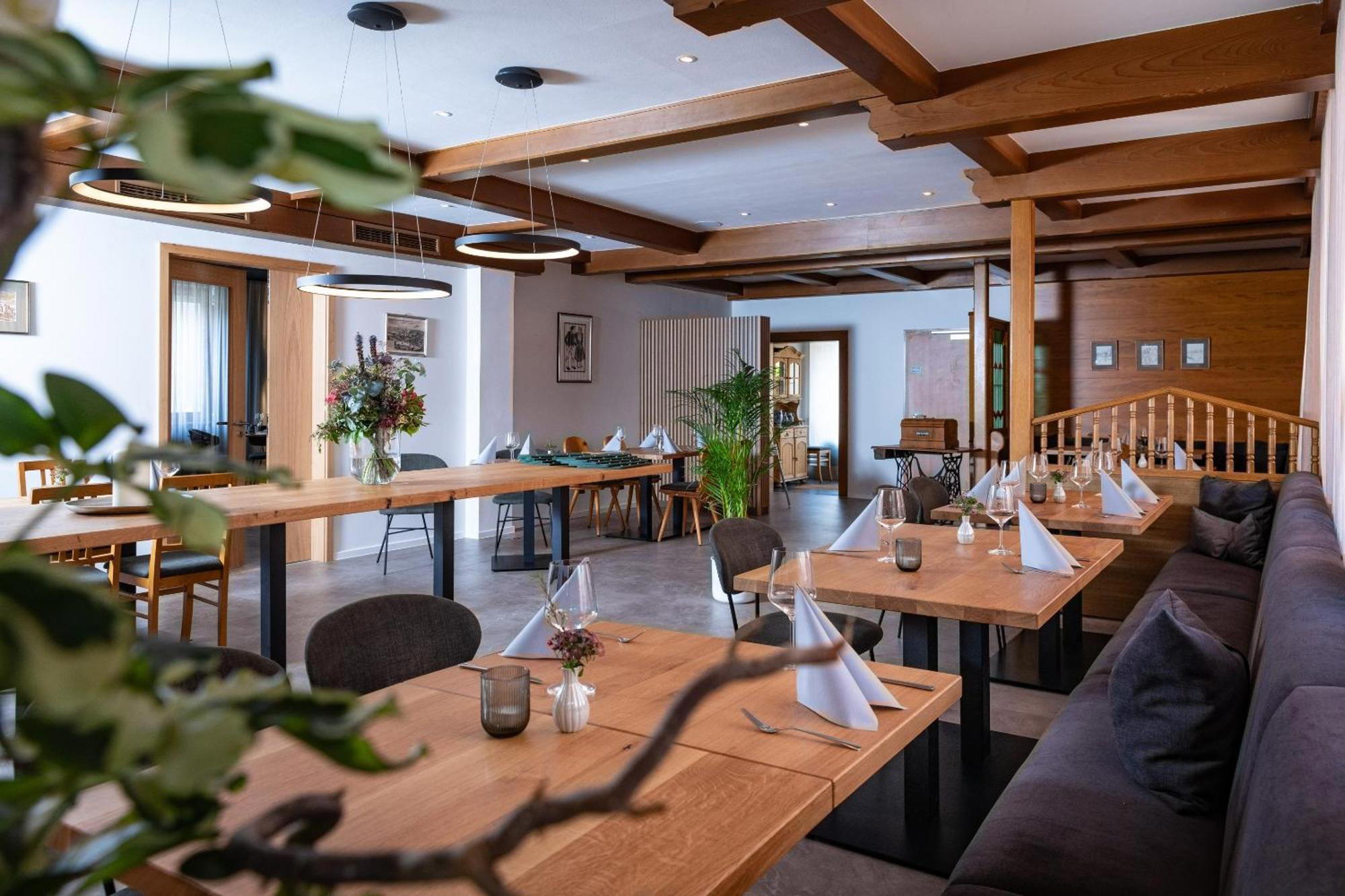
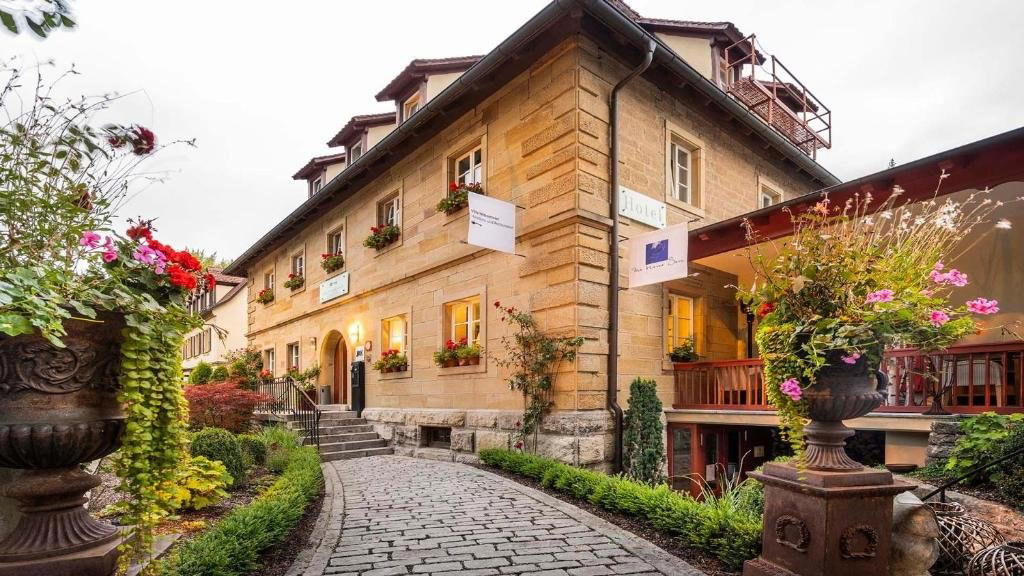
The most grounded description of the venue is architectural and operational: a modern vinothek connected to production cellars. The atmosphere combines classic, rustic elements with contemporary facilities designed for efficient work. That contrast is the point. Becksteiner Winzer is not only a place to encounter wine as hospitality, but also a working cooperative winery. The vinothek suggests a cleaner, more contemporary point of contact for visitors, while the cellars anchor the venue in the processes behind the bottles rather than in presentation alone.
The fermentation cellar is part of the identity of the venue, with a stated focus on safe, quiet working conditions. Without confirmed technical specifications, capacity figures, or sustainability metrics, it is better to describe that cellar in general terms: a production environment where operational safety and calm working conditions are part of the experience and identity. The emphasis on quietness is especially important to keep in proportion. It should not be inflated into a detailed technical claim, but it does help shape the atmosphere: this is a place where the production setting is treated as controlled, orderly, and purposeful.
That practical atmosphere also helps explain why Becksteiner Winzer should not be over-described as a conventional restaurant venue. The available facts point to infrastructure, production, and wine retail or presentation through the vinothek, not to a kitchen-led concept. Visitors expecting a polished, formal dining experience may therefore be looking for the wrong thing, while visitors interested in the connection between a village, its cooperative history, and its working cellar environment will find the description more coherent.
Pricing is listed as $$, which gives a broad expectation of cost level but does not verify any particular tasting price, bottle price, menu, tour fee, or reservation format. That makes it useful only as a general signal, not as a substitute for current confirmation. It should be read cautiously, especially because no specific product, service, or visitor arrangement is attached to it in the available description.
Where it fits in a Beckstein itinerary
Becksteiner Winzer makes sense when the goal is to understand Beckstein through a cooperative winery lens: historic roots from 1894, a modern vinothek, and production cellars that point to a working wine operation. It is best described as casual to classic-rustic rather than formal. The fit is strongest for an itinerary that values local wine context and a sense of production setting, rather than one built entirely around restaurant reservations or elaborate tasting structures.
For a broader local plan, pair Becksteiner Winzer with other dining or wine-related stops in Beckstein generically, checking current details directly before visiting. Treated with those expectations in mind, Becksteiner Winzer reads as a grounded Beckstein wine stop: cooperative in structure, historic in origin, modern in its visitor-facing vinothek, and practical in its working cellars.
Recognition history
Dated appearances from independent guides and award organizations, with the underlying list record or original source where available.
Falstaff Winery - 3 Stars
Falstaff
Continue exploring
More in Beckstein
Wineries in Beckstein
Browse all →

Bars in Beckstein
Browse all →
Restaurants in Beckstein
Browse all →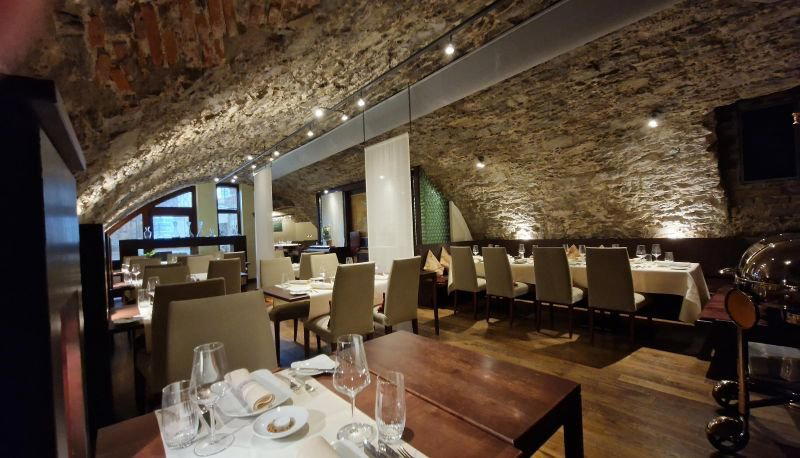
Details
- Classic
- Rustic
- Scenic
- Industrial
- Well Known
- Group Outing
- Wine Education
- Celebration
- Special Occasion
- Solo Exploration
- Estate Grounds
- Vineyard Tour
- Historic Building
- Vineyard
- Müller Thurgau
- Silvaner
- Bacchus
- Still White
- Still Red
- Still Rosé
- Sparkling
- Standard Tasting
- Group Tasting
- Vineyard Pavilion Tasting
- Guided Tasting
- German
Cooperative winery with a modern vinothek and production cellars; atmosphere combines historic roots from 1894 with contemporary, efficient facilities and a focus on safe, quiet working conditions in the fermentation cellar.