Bayer – Erbhof

Bayer – Erbhof belongs to the old Leithaberg grammar of wine: family farming, limestone and slate, and a preference for character over cellar theatrics. The Donnerskirchen estate dates to 1735, works around 20–22 hectares sustainably, and gives Blaufränkisch, Grüner Veltliner, Chardonnay and Pinot varieties a distinctly Burgenland frame.
Pearl is the En Primeur Club membership app — saves, bookings, and concierge access live there. Same editors, same standards.
- Address
- Donnerskirchen, Leithaberg, Burgenland, Österreich
- Directions
- Get directions
 Saves & bookings on Pearl
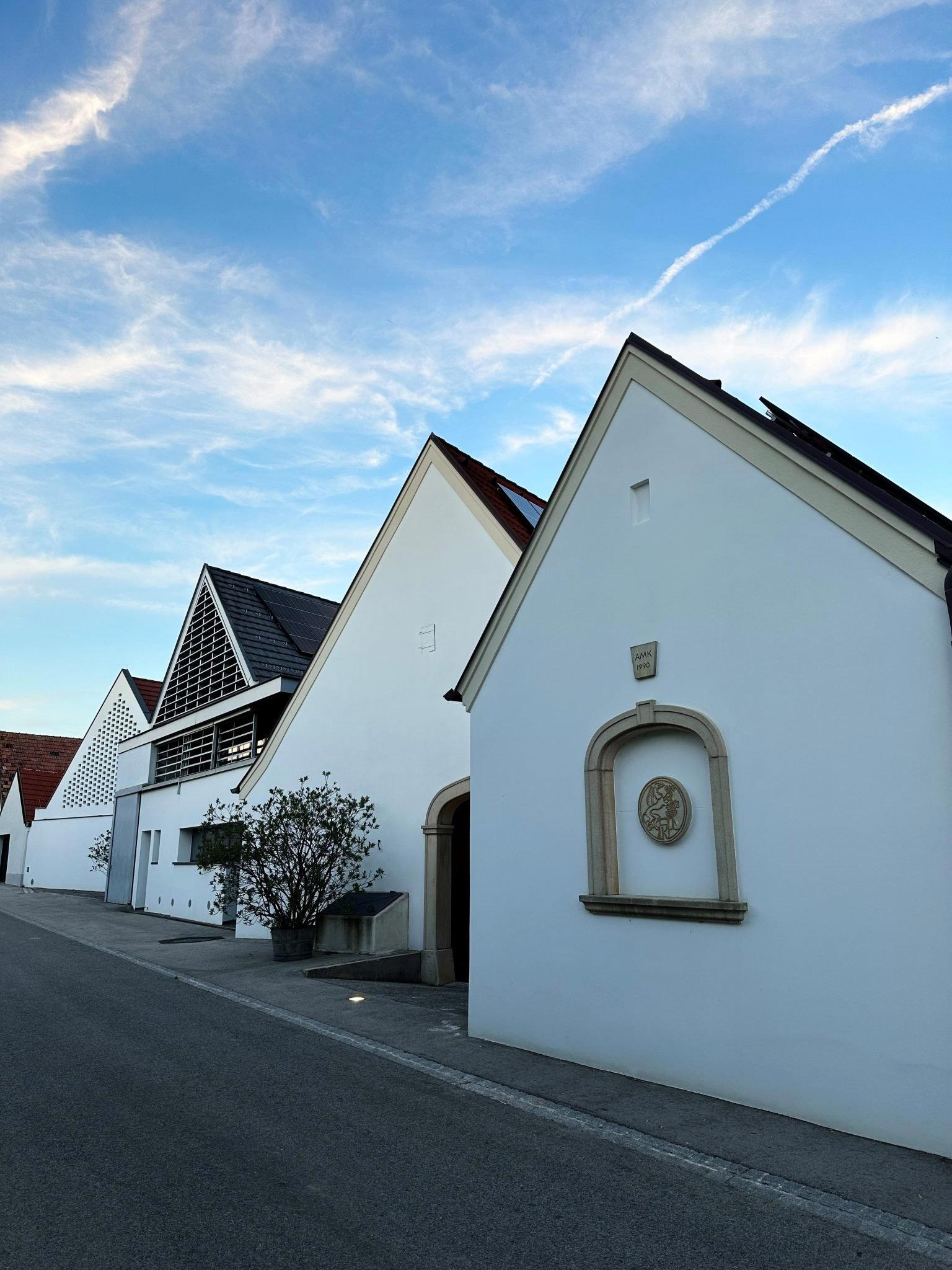
Approaching wine in Donnerskirchen means reading the Leithaberg before reading a label: vineyard slopes, pale limestone, darker slate, and a rural cadence that has little interest in polished hospitality theatre. Bayer – Erbhof fits that register. The point is not spectacle; it is continuity, a hereditary farm turned family wine estate where the setting keeps the tasting anchored to the land rather than to design.
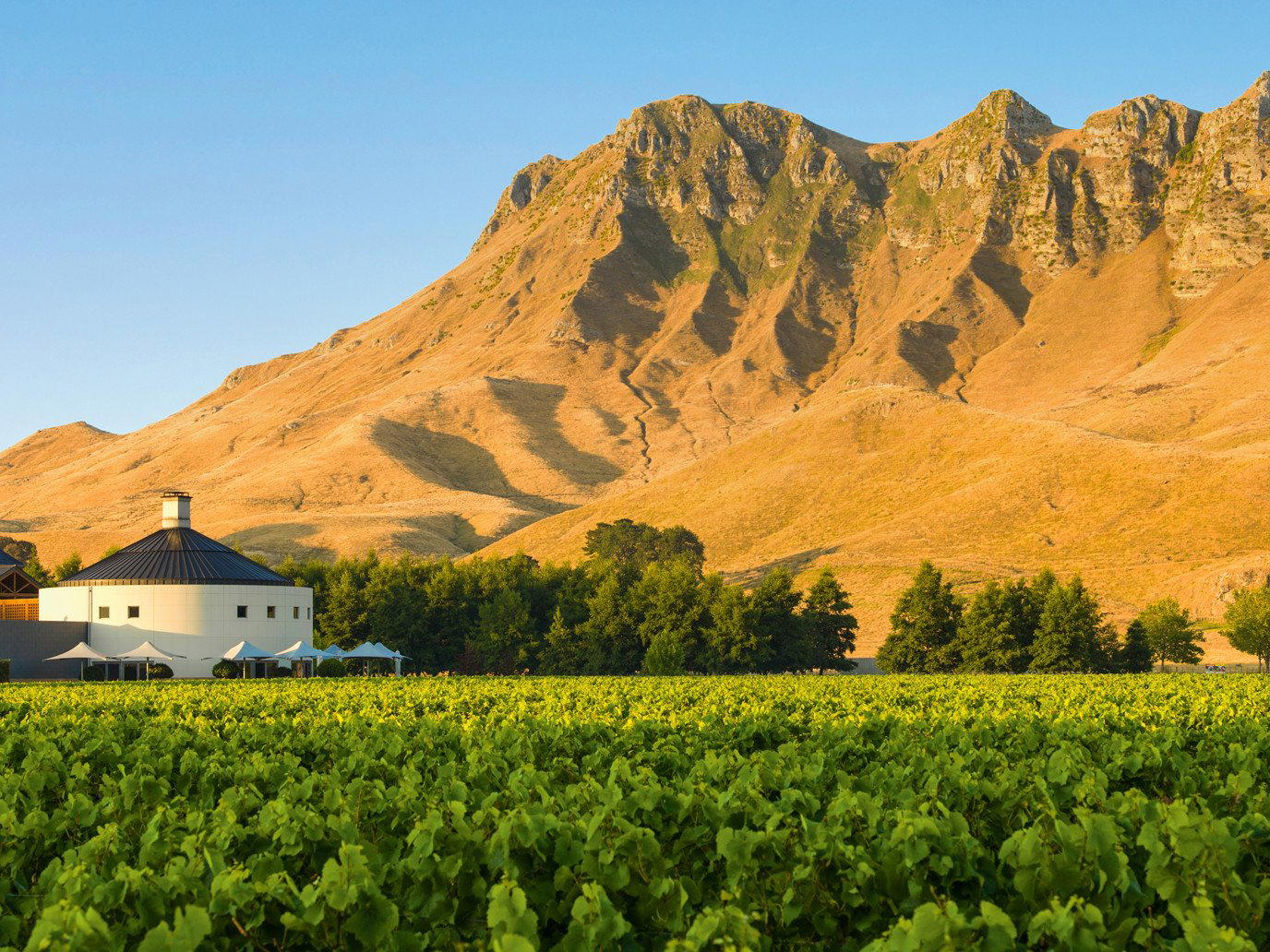
Leithaberg DAC has a particular advantage in Austrian wine: it can make both white and red wines feel place-specific without forcing them into a single stylistic lane. Limestone and slate are the backbone here, bringing structure and a savoury mineral line to varieties that can otherwise become anonymous in warmer sites. In Donnerskirchen, that means Grüner Veltliner and Chardonnay sit beside Blaufränkisch and Pinot Noir with a shared geological accent rather than a shared winemaking costume.
Limestone, slate and the Leithaberg argument
The estate farms around 20–22 hectares, a scale large enough to show range and small enough to keep the family-estate identity intact. Its varietal spread is telling: Grüner Veltliner, Chardonnay, Sauvignon Blanc, Pinot Blanc, Blaufränkisch, Pinot Noir, Zweigelt and Muskateller. That mix says more about eastern Austria than a single flagship grape would. White wines in this part of Burgenland often carry freshness through structure rather than acidity alone; reds, particularly Blaufränkisch, need enough restraint to keep spice and soil in view.
Bayer – Erbhof’s useful distinction is its long time horizon. The estate traces its history to 1735, and that matters in a region where family continuity often translates into intimate knowledge of parcels, exposures and harvest pressure. Josef Bayer and Michael Bayer now lead the winery, but the more interesting story is not biography. It is how a historic Donnerskirchen estate interprets Leithaberg DAC in a market that increasingly rewards either high-gloss tasting rooms or sharply branded natural-wine identities. This address occupies a quieter middle ground: traditional, sustainable, and focused on still white and still red wines that carry regional specificity.
The sustainability signal is concrete rather than decorative. The estate is certified under Sustainable Austria, and the production philosophy is explicitly sustainable. In Austrian wine, that certification sits within a broader shift away from sustainability as a side note and toward vineyard management as a core quality marker. Here, it aligns with the Leithaberg premise: soil health, balanced farming and less performative cellar work all support wines intended to read as Donnerskirchen rather than as a winemaker’s technical signature.
What the tasting format tells you about the estate
The experience is small-format and appointment-led, which suits the house style. A private appointment at a family-run winery changes the rhythm of tasting: the visitor is not moving through a scripted flight built for volume, but through a narrower conversation about site, vintage and variety. German is the listed tour language, and the visit format is oriented around estate tastings, vineyard context and the historic building rather than a restaurant-style pairing program.
That matters for expectations. This is a rural winery setting with conversational noise levels, on-site parking, payment by cash or credit card, and a focus on wine education, solo exploration, group outings and quieter romantic travel. It is not built around outdoor seating or food pairing. The better reader decision is simple: come for Leithaberg context, not for a long lunch disguised as a tasting. The tour duration sits in the 60–90 minute range, enough time to understand why limestone-and-slate Burgenland deserves more attention than it often receives from visitors who stop at broader Austrian categories.
Within Donnerskirchen, Bayer – Erbhof also belongs to a compact winery circuit rather than an isolated destination. Readers mapping a local wine day can keep the village lens tight through Our full Donnerskirchen wineries guide, with nearby producer pages such as Weingut Ing. Stefan Berger, Weingut Julius Karner, Weingut Lentsch, Weingut Liegenfeld and Weingut Reichardt giving the area a more complete outline.
How to place it in a Donnerskirchen trip
Donnerskirchen works well for travellers who prefer wine regions at village scale. The broader trip can be built around cellar visits rather than urban dining density, with planning rails through Our full Donnerskirchen restaurants guide, Our full Donnerskirchen hotels guide, Our full Donnerskirchen bars guide and Our full Donnerskirchen experiences guide. For readers comparing Austrian wine travel more broadly, useful contrasts sit beyond town in »der Steiner« Hans Steiner in Podersdorf am See, ®walzer in Gneixendorf Bei Krems and 1516 Brewing Company Distillery in Vienna. The wider EP Club cellar map also stretches to & Handwein in Mannheim and 00 Wines in Carlton, but the winery is best understood through Leithaberg first.
The editorial case is clear: this is a winery for drinkers who care about the link between site and bottle. Its trust signals are not restaurant-style awards or luxury cues; they are longevity from 1735, Sustainable Austria certification, a family-run production scale, and a focused Leithaberg DAC identity. In a region where soil often speaks more persuasively than branding, that is enough reason to pay attention.
Recognition history
Dated appearances from independent guides and award organizations, with the underlying list record or original source where available.
Falstaff Winery - 3 Stars
Falstaff
Continue exploring
More in Donnerskirchen
Wineries in Donnerskirchen
Browse all →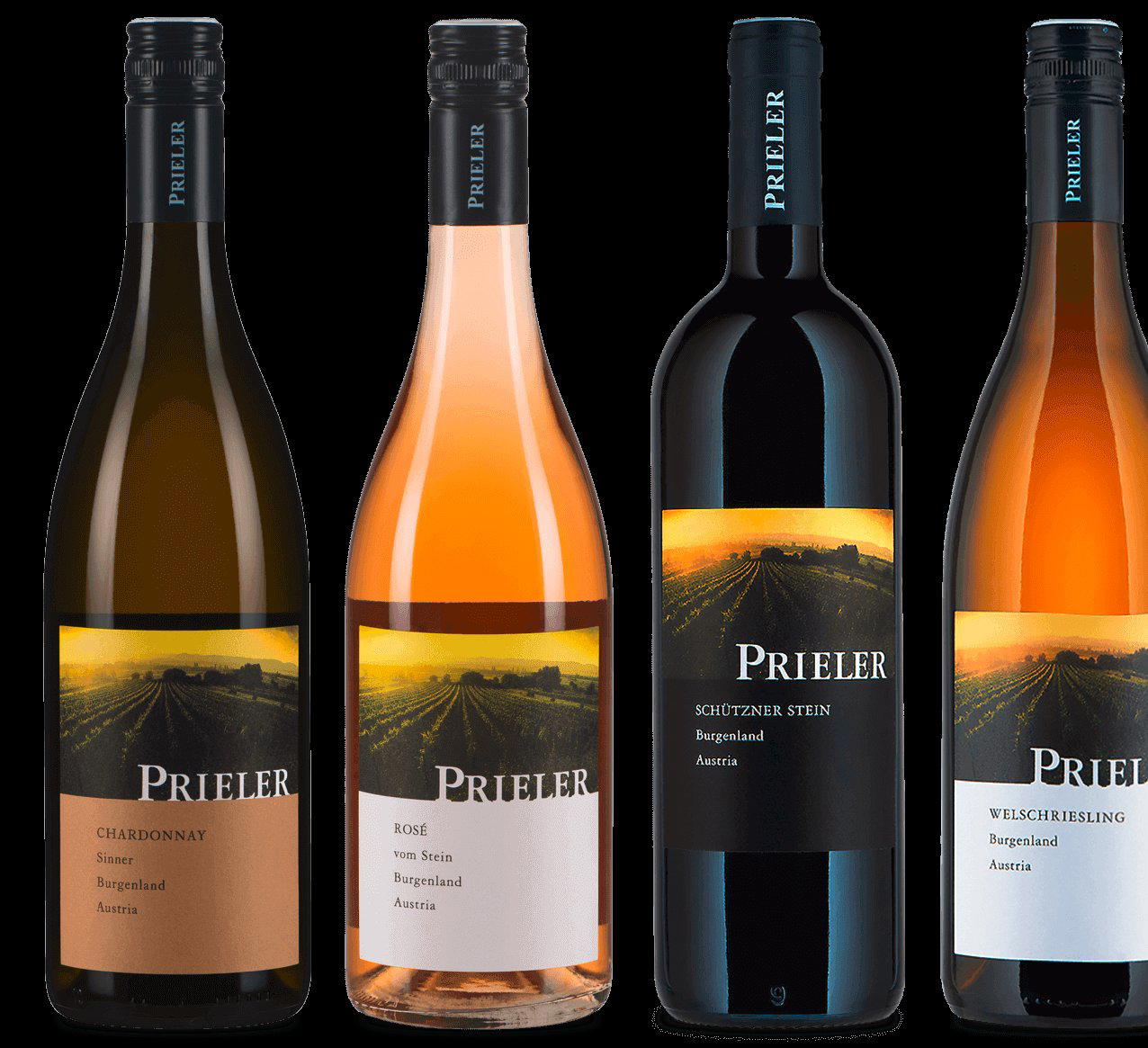
Bars in Donnerskirchen
Browse all →
Restaurants in Donnerskirchen
Browse all →
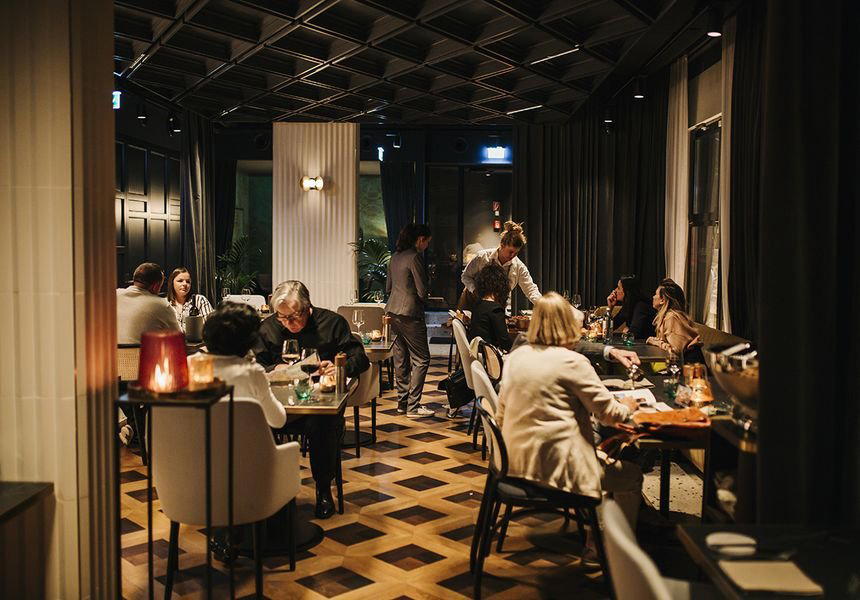
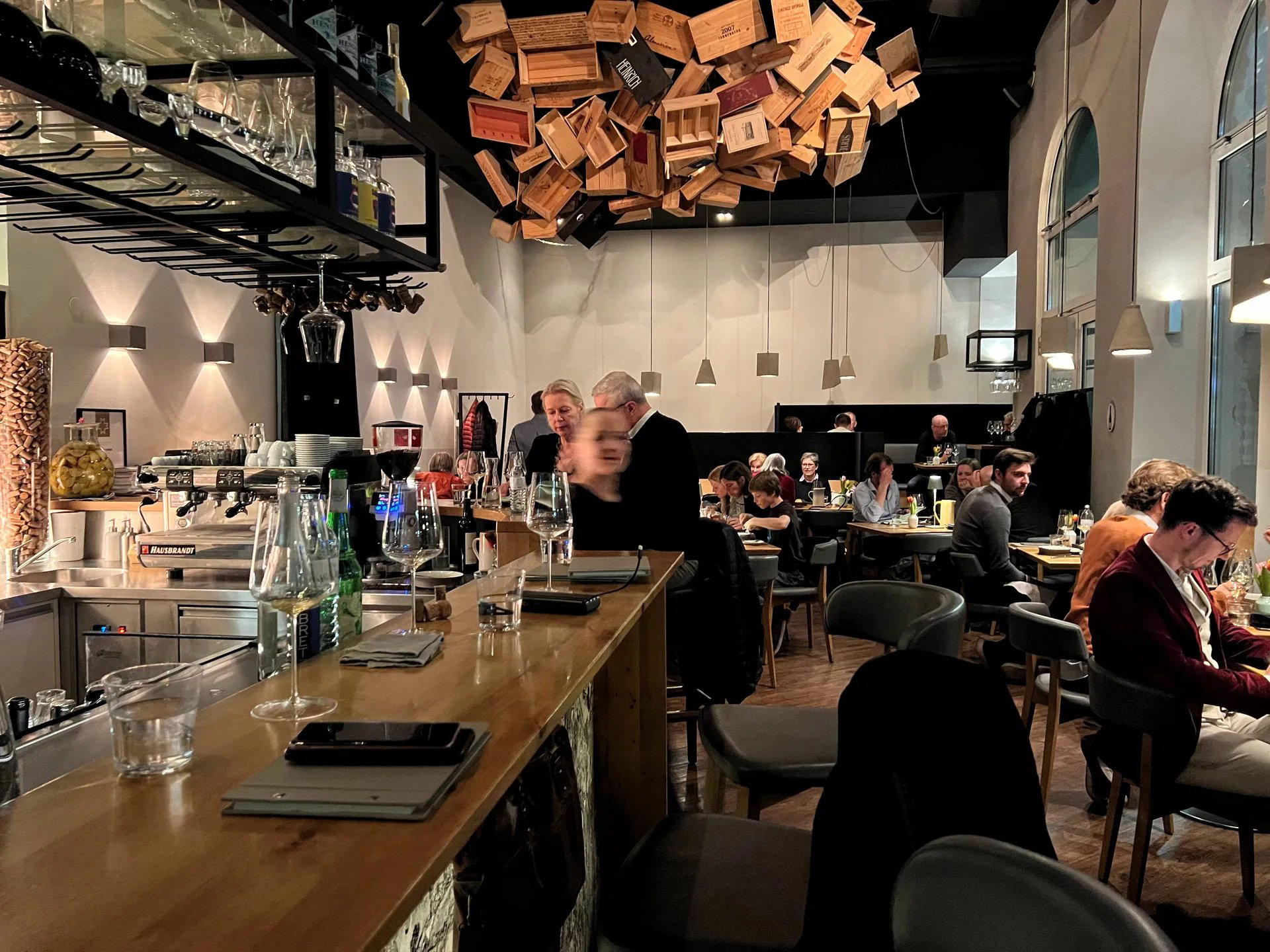
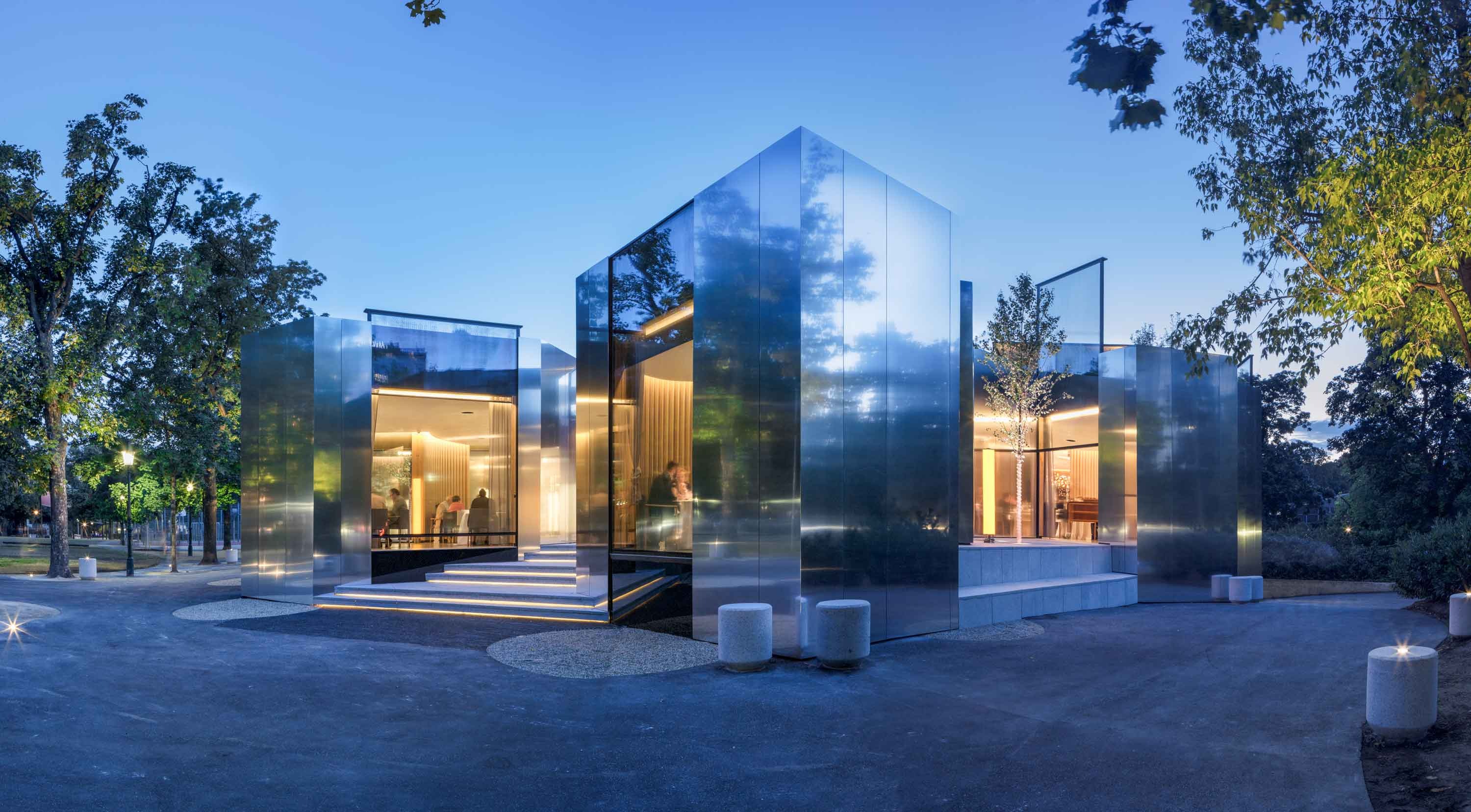
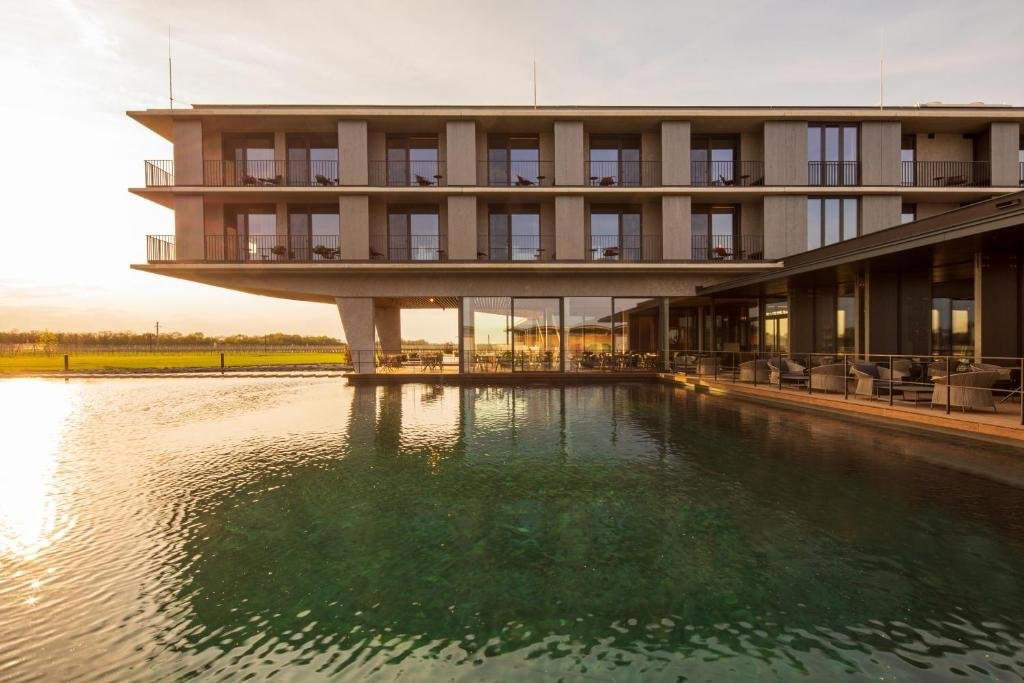
At a Glance
- Classic
- Rustic
- Scenic
- Intimate
- Wine Education
- Solo Exploration
- Group Outing
- Romantic Getaway
- Estate Grounds
- Vineyard Tour
- Historic Building
- Private Tasting
- Sustainable
- Vineyard
- Mountain
- Street Scene
- Leithaberg DAC
- Grüner Veltliner
- Chardonnay
- Sauvignon Blanc
- Pinot Blanc
- Blaufränkisch
- Pinot Noir
- Zweigelt
- Muskateller
- Still White
- Still Red
- Estate Tasting
- Private Appointment
Historic family-run Leithaberg estate with a traditional, character-driven focus on terroir; atmosphere is classic and rural with an emphasis on authenticity and sustainability rather than design theatrics.