
Baraka Winery gives Šibenik’s coastal wine country a clear Dalmatian reading: indigenous grapes, dry-farmed vineyards, olive trees, stone architecture, and a small-batch cellar opened in 2013. The estate’s strongest argument is terroir, especially through Babić, Plavina, Debit and Maraština, with organic farming and guided tastings shaping a compact, personal visit.
Pearl is the En Primeur Club membership app — saves, bookings, and concierge access live there. Same editors, same standards.
- Address
- Šibenik, Šibensko-kninska županija, Kroatien
 Saves & bookings on Pearl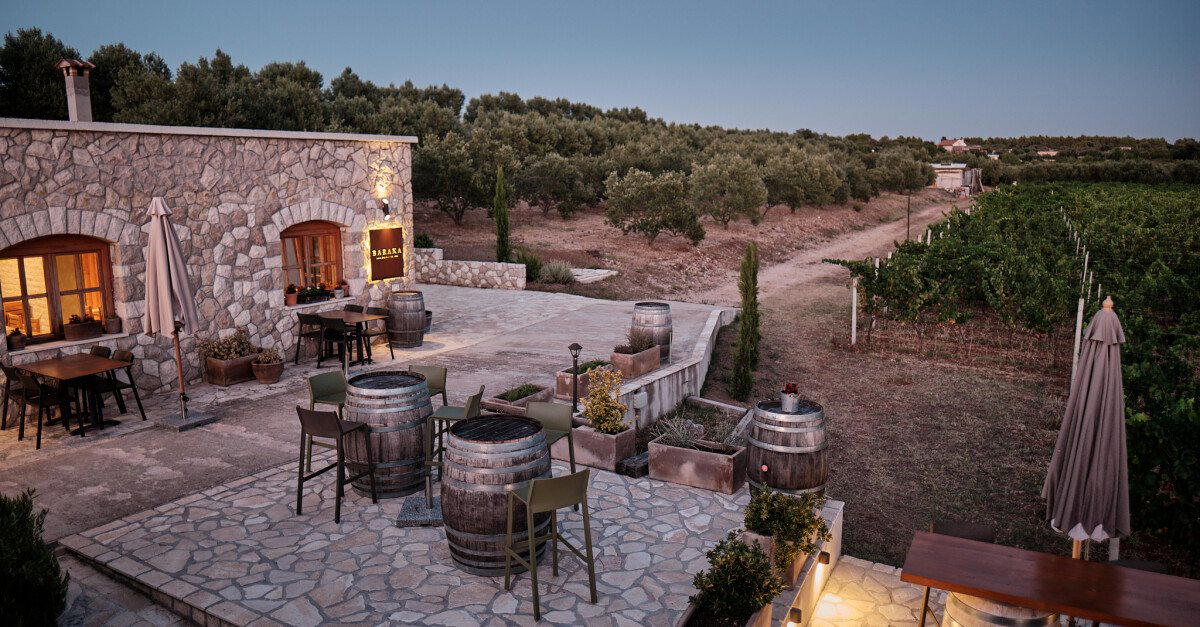
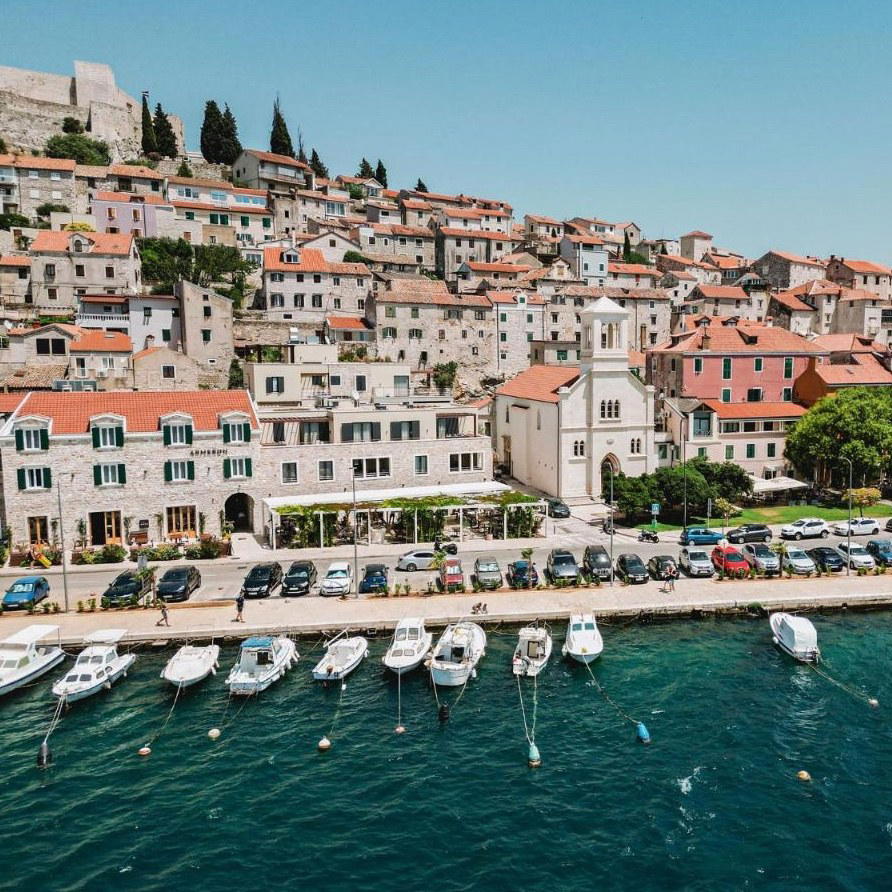
Approaching the Srima peninsula, the wine country around Šibenik reads differently from Croatia’s inland vineyard zones. The visual grammar is Mediterranean rather than continental: stone buildings, drywalls, olive trees, low vines, sea air, and a cellar culture shaped by proximity to the Adriatic and the Krka River estuary. Baraka Winery belongs to that coastal register, where the point is not scale or spectacle but how Dalmatian varieties behave in a small, sun-exposed estate setting.
That makes it a useful stop for travellers trying to understand Šibenik beyond its waterfront restaurants and old-town lanes. The region’s wine identity is less internationally codified than Istria’s Malvasia story or Slavonia’s Graševina belt, so a tasting here works as a primer in local grapes as much as a leisure visit. Babić, Plavina, Debit and Maraština carry the regional argument; Syrah, Merlot and Cabernet Sauvignon broaden the frame without turning the portfolio into a generic international list.
Dalmatian grapes through a small coastal estate
Baraka Winery is strongest when read through land rather than branding. The estate works with about six hectares of vineyards and a small-batch production model, which keeps the experience close to the agricultural source. Dry farming matters here: vines and olive trees rely on rainfall rather than irrigation, a practical choice that fits the peninsula’s Mediterranean conditions and gives the visit a more serious viticultural backbone than a simple tasting-room stop.
The portfolio spans still red, white, rosé, sparkling and orange styles, but the clearest editorial thread is the way local grapes sit beside Bordeaux and Rhône varieties. Debit, an indigenous white associated with the Šibenik region, gives first-time visitors a route into Dalmatian whites without requiring specialist knowledge. Babić and Plavina bring the local red and rosé conversation into focus, while Merlot, Cabernet Sauvignon and Syrah show how international grapes are being folded into Croatian coastal winemaking rather than replacing it.
The cellar opened in 2013, after the family’s first estate vineyard was planted in 2005. That timeline matters because it places the winery inside the newer generation of Croatian producers translating family agriculture into a visitor-facing estate format. Filip Baraka leads the winemaking now, but the more useful story is generational continuity: late-20th-century home winemaking, estate planting in the 2000s, and a purpose-built cellar in the following decade. It is a common Croatian transition, and here it is unusually easy for visitors to read on site.
Recognition has followed the wines rather than the hospitality alone. Prisbus Riserva 2018 was named Best Wine at Croatia’s 100 Best Wines Festival, and Falstaff has reviewed bottlings including Babić Luša 2022, Prisbus 2018 and Maraština Tenebra 2022. Those signals place the estate beyond casual agritourism; the tasting room is relaxed, but the wines have entered a broader Croatian critical conversation.
Stone, olive trees and a tasting format built for context
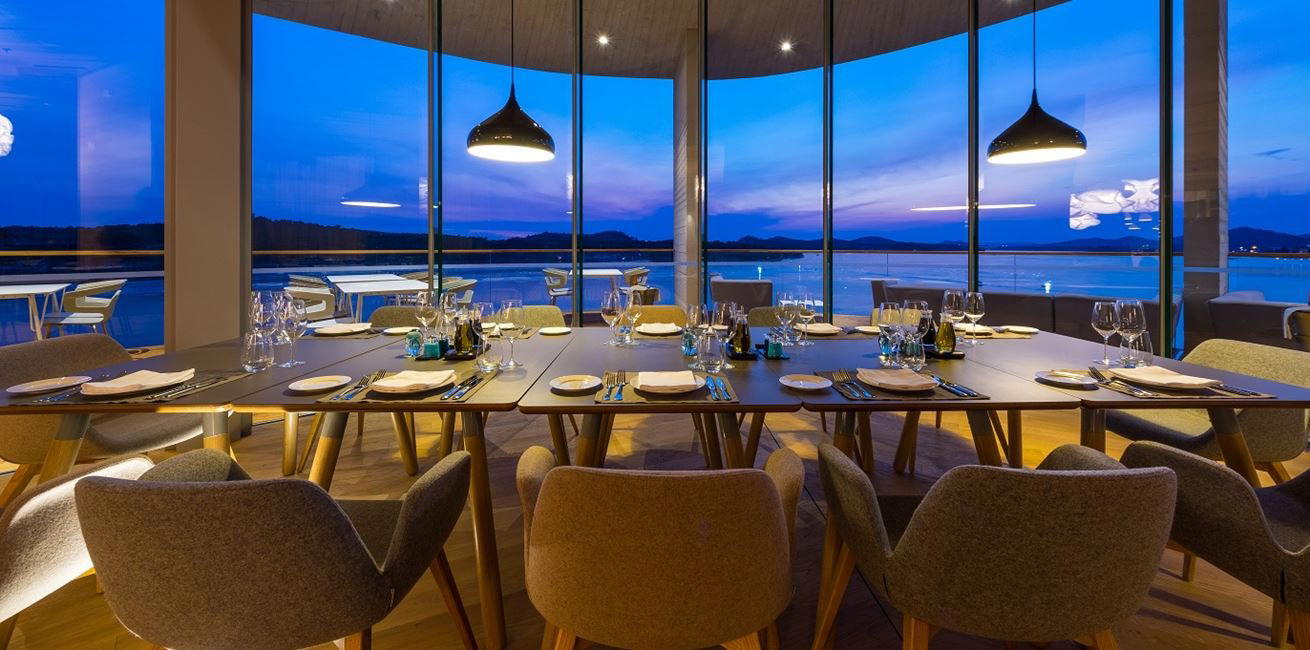
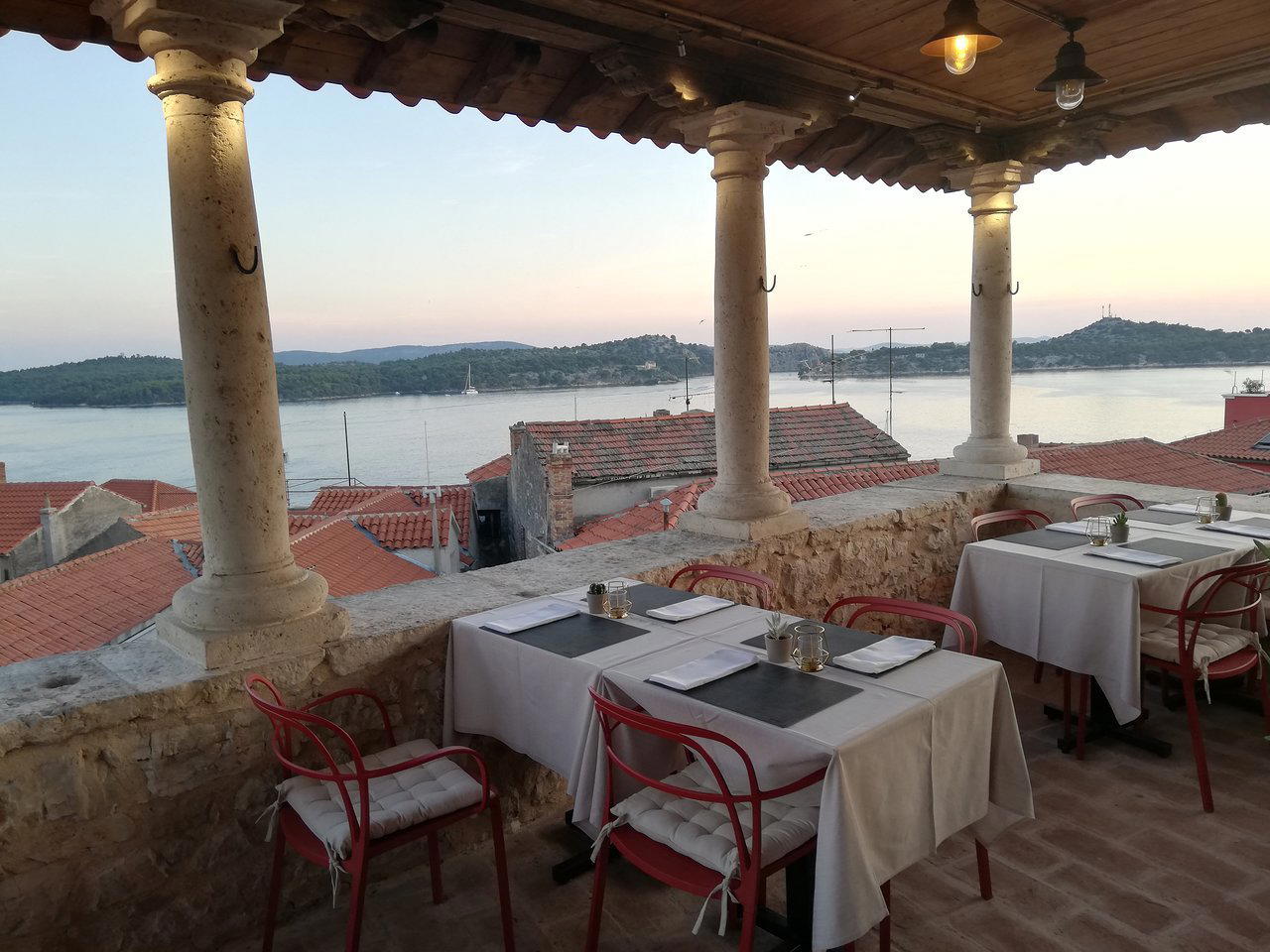
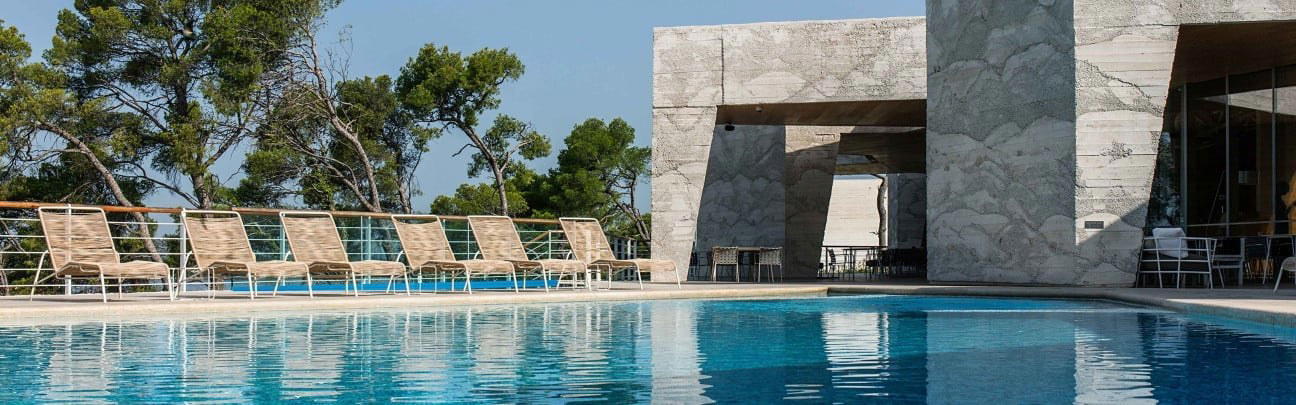
The physical setting does a fair amount of interpretive work. Traditional Dalmatian stone architecture, vineyard views, olive groves and Mediterranean planting create a clear sense of place without requiring heavy explanation. The estate is also near a sixth-century basilica, a detail that reinforces how wine tourism in this part of Dalmatia often overlaps with archaeology, coastal agriculture and family landholding rather than standing apart as a polished luxury category.
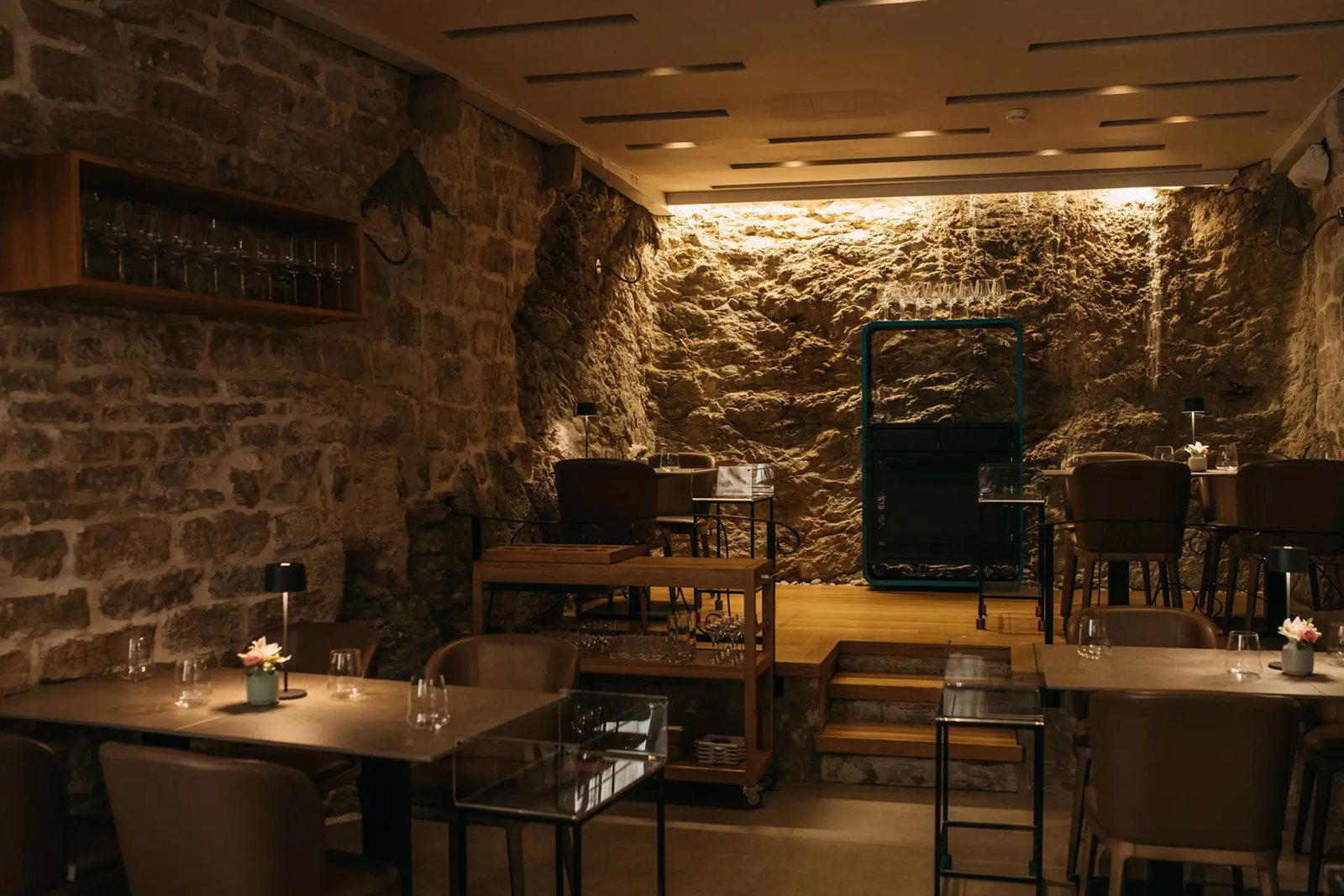
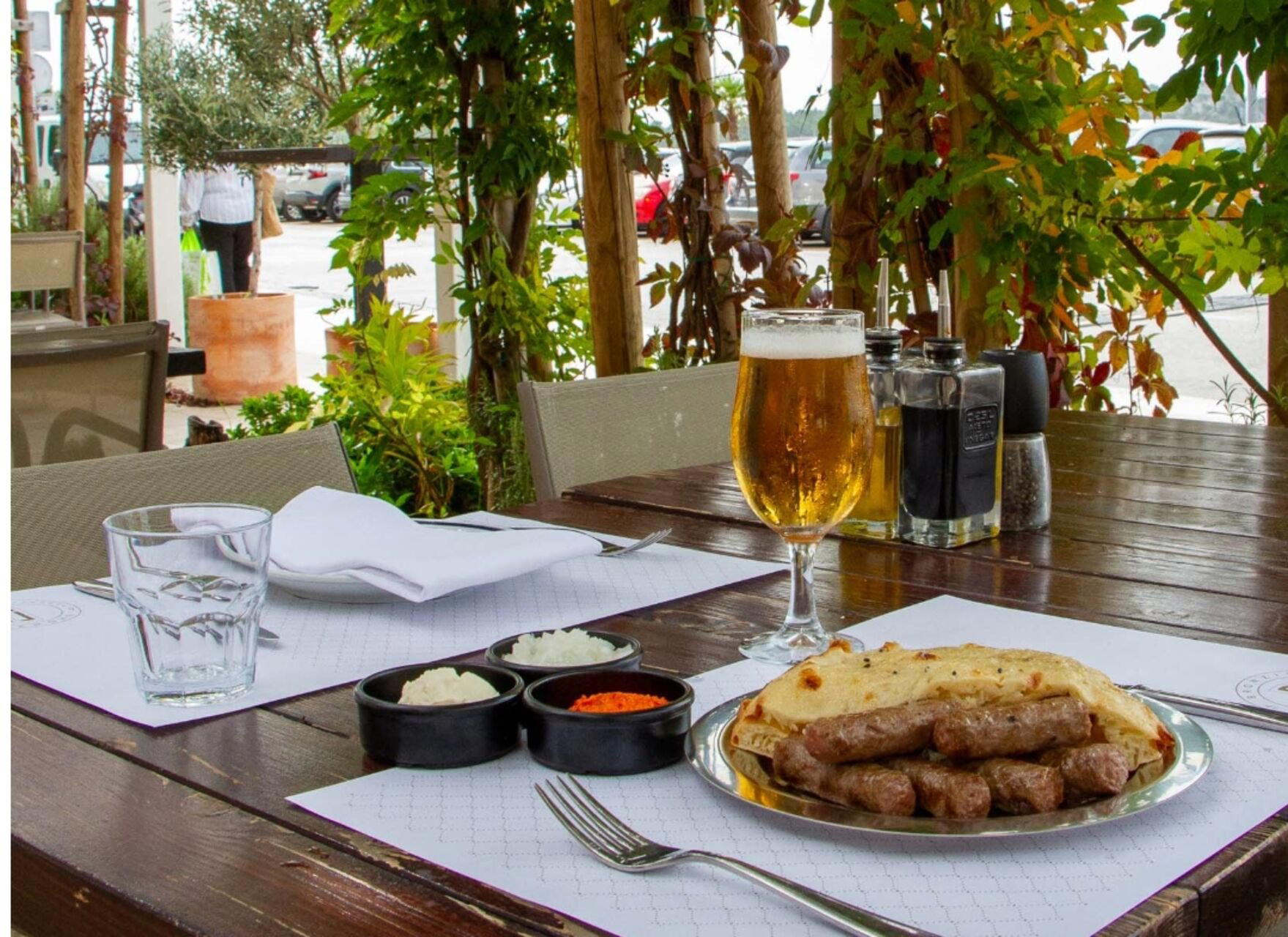
Tastings are guided, with options that can include cellar and vineyard components as well as food pairings. That format suits the winery: the value lies in connecting grape names, farming choices and coastal conditions, not simply moving through glasses. Cheese and charcuterie boards support the visit, but the stronger reason to come is the guided progression through indigenous varieties and estate context. English-language tours are available, and the mood is conversational rather than formal.
Organic production is part of the estate’s positioning, and it reads credibly because it is tied to visible farming choices: dry-farmed vines, olive trees and a compact property rather than abstract sustainability language. The site also includes a picnic area, terrace, outdoor seating and estate grounds, which makes the visit more flexible than a cellar-only tasting. It suits couples, small groups and travellers using Šibenik as a base for a wider Dalmatian itinerary.
For a broader city read, pair the winery with Our full Sibenik restaurants guide, Our full Sibenik hotels guide, Our full Sibenik bars guide, Our full Sibenik wineries guide and Our full Sibenik experiences guide. Readers building a Croatian wine route can also compare regional styles through Adzic in Kutjevo, Ante Sladić Vino in Skradin, Arman Marijan Winery in Vizinada, Bakovic in Supetar, Bastian in Buje, Bastijana in Hvar, Belje Podrumi in Darda, Belović Winery in Zelezna Gora, »der Steiner« Hans Steiner in Podersdorf am See and & Handwein in Mannheim.
Who should make the detour
This is a stronger choice for travellers who want a grounded Dalmatian tasting than for anyone chasing grand production architecture or a rapid counter pour. The estate’s appeal sits in its modest scale, family continuity, organic farming and emphasis on varieties that do not always travel widely outside Croatia. The setting adds romance, but the better reason to go is education: Šibenik’s coastal terroir becomes easier to understand when Debit, Babić, Plavina and Maraština are placed in front of the vines that explain them.
Recognition history
Dated appearances from independent guides and award organizations, with the underlying list record or original source where available.
Falstaff Winery - Listed
Falstaff
At a Glance
- Scenic
- Cozy
- Rustic
- Romantic
- Intimate
- Romantic Getaway
- Group Outing
- Celebration
- Solo Exploration
- Wine Education
- Special Occasion
- Vineyard Tour
- Estate Grounds
- Picnic Area
- Terrace
- Panoramic View
- Private Tasting
- Organic
- Vineyard
- Garden
- Šibenik Region, Dalmatia
- Babić
- Plavina
- Debit
- Maraština
- Syrah
- Merlot
- Cabernet Sauvignon
- Still Red
- Still White
- Still Rosé
- Sparkling
- Orange
- Guided Tasting
- Tasting With Food Pairing
- Cellar Tour
- Vineyard Tour
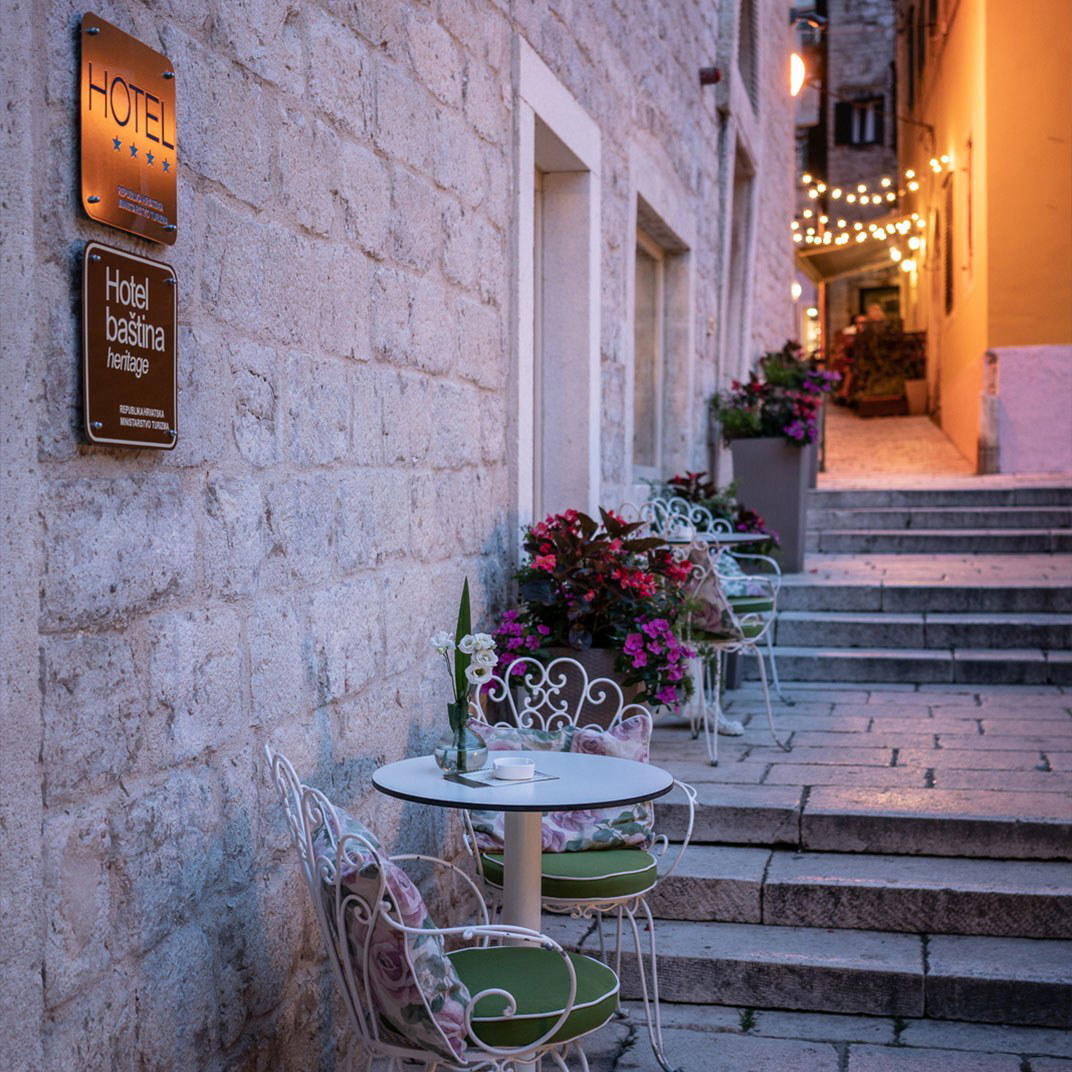
Family-run boutique winery with a cozy tasting room and relaxed outdoor patio, combining traditional Dalmatian stone architecture with scenic vineyard and olive grove views and warm, personable hosting.