Zunfthaus zur Waag


Star Wine List
Our verdict
One of Zurich's oldest guild houses, Zunfthaus zur Waag occupies a 17th-century hall on Münsterhof square and serves as a reference point for classical Swiss cooking in the city. Chef Daniel Kaiser leads the kitchen through a format grounded in tradition rather than trend.

Pearl is the En Primeur Club membership app, where members save venues, book tables and use the concierge.
The menu
What to order
- Züri Gschnätzlets with butter rösti
A Guild Hall and What It Demands of a Menu
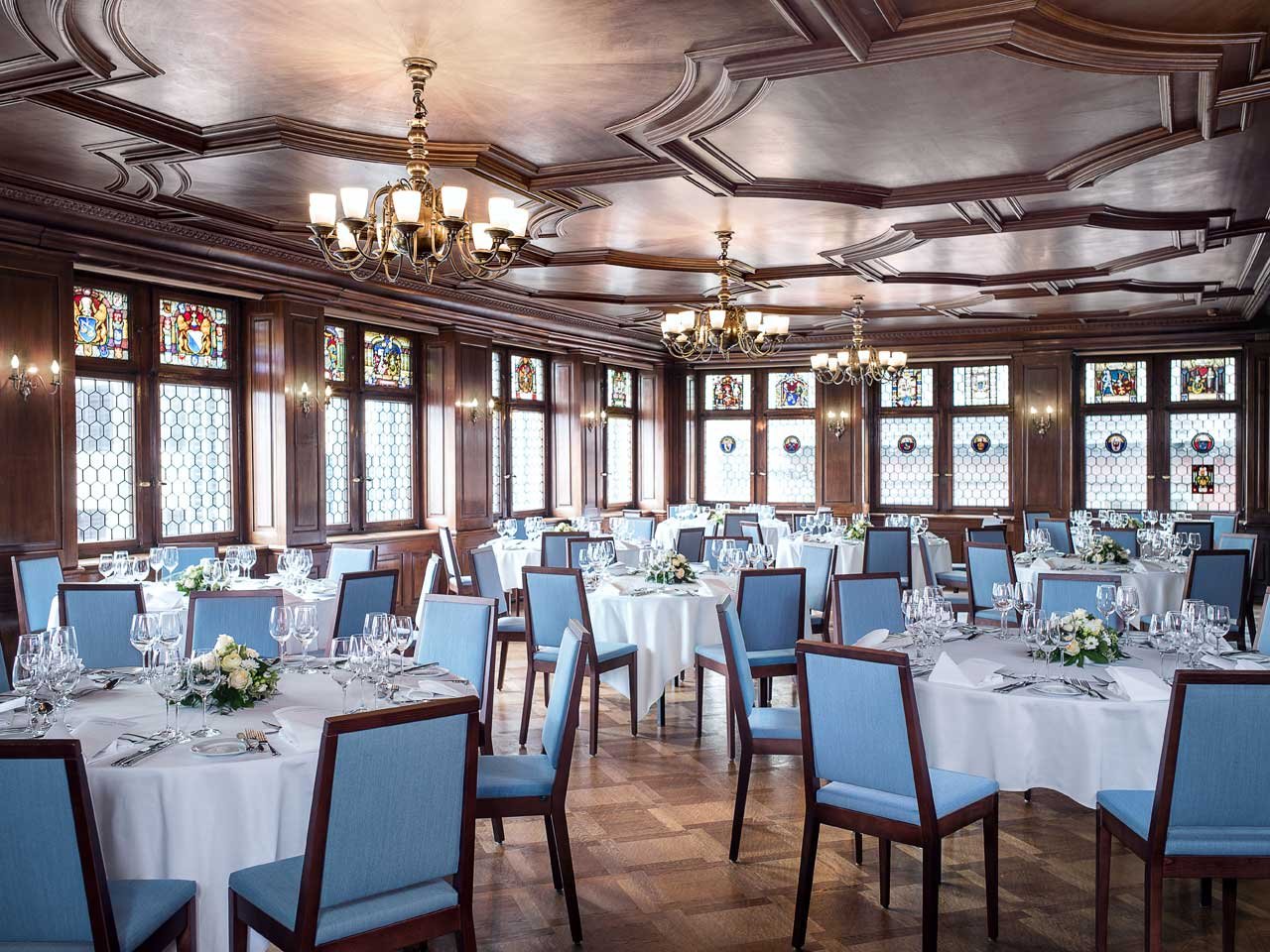
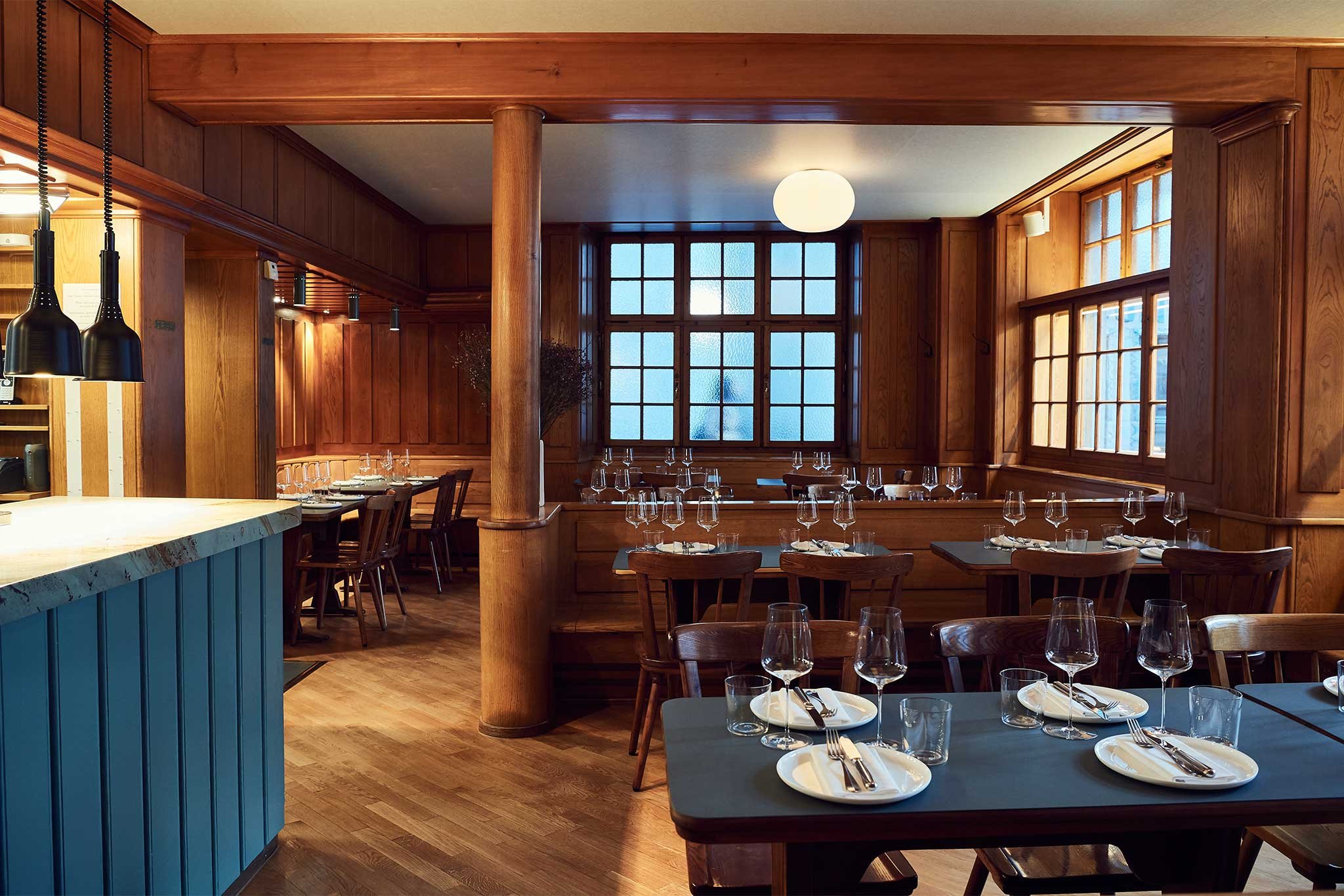
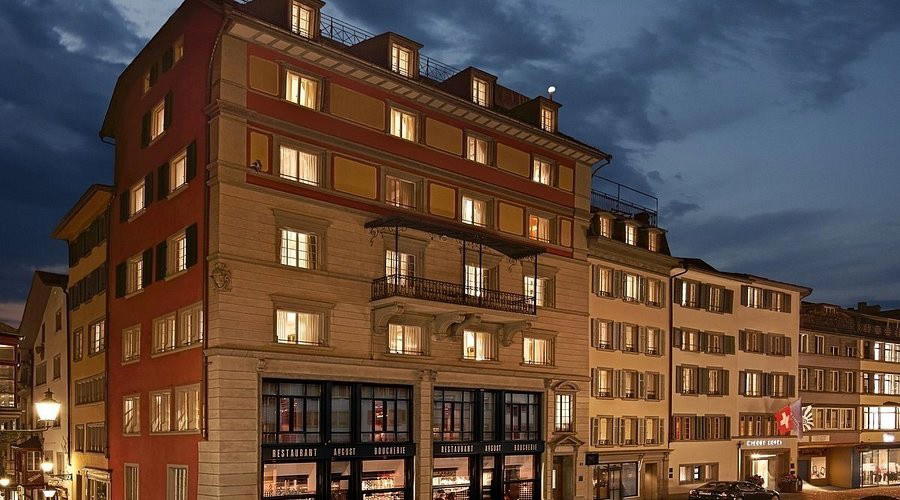
Münsterhof is one of Zurich's oldest civic squares, flanked by guild architecture that dates the neighbourhood's commercial ambitions back several centuries. The Waag guild itself was founded in the late medieval period as a weighing and measuring house, a fact the building still carries in its bones. Entering through the ground floor, the stacked proportions, carved wood, and leaded windows do not ask the kitchen to be clever. They ask it to be serious. That distinction shapes everything about how Zunfthaus zur Waag operates as a dining proposition.
In a city where the premium end of the restaurant spectrum has tilted toward creative tasting menus, IGNIV Zürich by Andreas Caminada (Sharing) and The Counter (Creative) each occupy that territory at the €€€€ tier, the guild house tradition sustains a different contract with the diner. The expectation is not revelation but authority: that the kitchen has mastered a canon and presents it without apology.
Menu Architecture: The Logic of the Classic Format
The editorial angle here is not which dish to order but what the menu structure itself communicates. Classical Swiss cooking, as practiced in a venue of this standing, does not arrange itself as a sequence of composed courses designed to build toward a finale. It operates closer to a French brasserie model transplanted into Swiss material: a range of dishes with distinct identities, ordered à la carte or from a fixed selection, where the diner constructs the meal rather than submits to it.
That structure carries a particular kind of confidence. It assumes the kitchen can hold multiple preparations at a high level simultaneously, broth, protein, accompaniment, rather than focusing all craft on a single tasting thread. In guild-house dining, the depth of larder and the consistency of execution across a broad card are the performance, not the drama of a single spectacular dish.
Chef Daniel Kaiser operates within that framework. His presence in the kitchen is the mechanism by which the historical setting and the classical menu style are held together at a level that earns sustained critical recognition, but the menu's logic precedes any individual tenure. The guild house format is older than any current chef, and the leading classical rooms succeed because they subordinate personal expression to institutional continuity.
That is not a criticism. In a city with Zeughauskeller serving hearty Swiss fare at volume on one end and The Restaurant (Creative) pushing the upper register of creativity on another, the guild house occupies a middle ground that is increasingly rare: classical without being museum-like, traditional without being casual.
Where the OAD Ranking Places It
Opinionated About Dining's Classical in Europe list is a useful calibration tool for this kind of venue. Compiled from votes by serious, frequent diners rather than a single inspector's visit, it captures consensus about sustained quality in traditional formats. Zunfthaus zur Waag's trajectory, Recommended in 2023, #366 in 2024, #331 in 2025, indicates a kitchen moving in the right direction inside a competitive European field that includes established institutions across France, Austria, and Germany.
At #331 in 2025, it sits in a bracket that rewards consistent execution over novelty. The comparison set within that list is not the creative-format restaurants Zurich produces at the high end but the classical houses of similar age and ambition: rooms where the product and the room are inseparable from one another. Hotel de Ville Crissier in Crissier and Schloss Schauenstein in Fürstenau operate at the top of that national hierarchy; Cheval Blanc by Peter Knogl in Basel and Memories in Bad Ragaz occupy adjacent prestige tiers. Zunfthaus zur Waag's position is honest: serious classical cooking in an irreplaceable room, without the three-Michelin-star citation that would push it into a different price tier.
It suggests that the kitchen's output translates beyond the critical community to a broad, experienced dining public. That spread of approval, from OAD voters to a large general audience, is not guaranteed for classical rooms, which can polarise between traditionalists who revere them and guests expecting contemporary format signals.
The Neighbourhood as Context
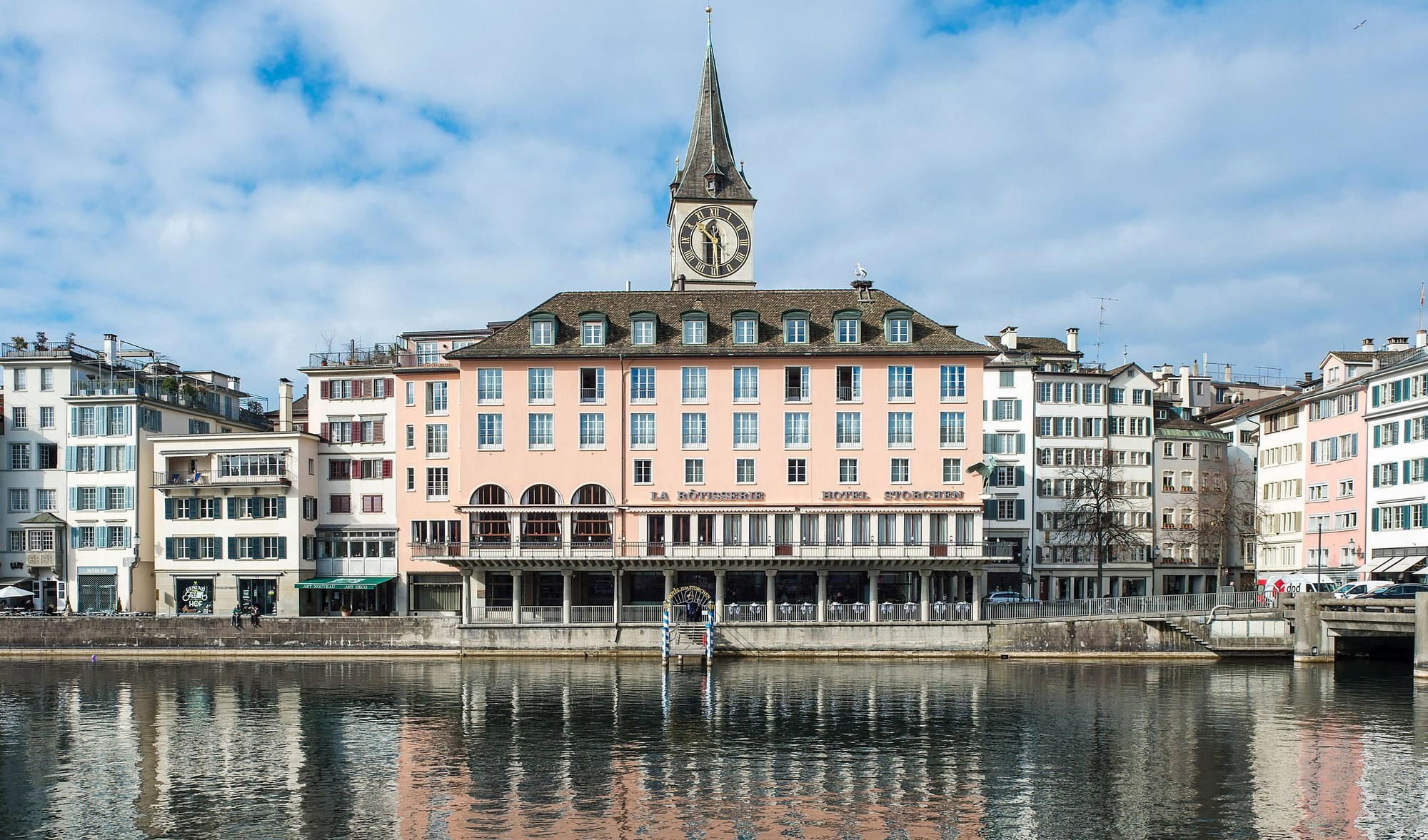
Münsterhof 8 places the restaurant inside one of Zurich's most historically dense pedestrian blocks, adjacent to Fraumünster church and within two minutes of the Limmat. The square functions as a quieter counterpoint to Bahnhofstrasse's retail energy. Lunch here operates at a different register than dinner: the midday trade tends toward the business and local professional demographic that sustains classical rooms in European cities, while evenings attract a more deliberate booking. The kitchen runs both services Tuesday through Saturday, with Monday included, and closes Sunday, a schedule common to serious European restaurant operations that guard kitchen quality over coverage.
For visitors building a Zurich itinerary, the location integrates cleanly with the old town. Widder is within the same neighbourhood radius for those seeking a bar or hotel anchor. For a fuller sense of how classical Swiss cooking distributes across the country, 7132 Silver in Vals, Colonnade in Lucerne, Bistro by Regina Montium in Rigi Kaltbad, and Blume in Uster each offer distinct regional readings of the tradition.
EP Club's broader Zurich coverage includes our full Zurich restaurants guide, our full Zurich hotels guide, our full Zurich bars guide, our full Zurich wineries guide, and our full Zurich experiences guide.
Know Before You Go
- Address: Münsterhof 8, 8001 Zürich, Switzerland
- Hours: Monday–Saturday: 11:30 am–2 pm and 6–10 pm; Sunday: Closed
- Chef: Daniel Kaiser
- Cuisine: Swiss, classical format
- Awards: Opinionated About Dining Classical in Europe #331 (2025); #366 (2024); Recommended (2023)
- Booking: Advance reservation recommended, particularly for dinner
What Should I Eat at Zunfthaus zur Waag?
The kitchen operates in a classical Swiss register, which means the menu organises around well-executed traditional preparations rather than a composed tasting sequence. The expectation is that you order according to the season and the larder: the proteins, accompaniments, and sauces of Swiss culinary tradition, executed to a standard that has earned consistent OAD Classical recognition since 2023. Chef Daniel Kaiser's kitchen has built its recognition on that consistency. Dishes that anchor the menu in classic Swiss ingredients and technique are the most reliable expression of what the room does well. For visitors less familiar with the Swiss classical canon, the à la carte structure gives room to test a starter and a main before committing to a larger appetite, a practical advantage of the format over fixed tasting menus at peer venues.
Where It Fits
Comparable options at a glance, pulled from our tracked venues.
| Venue | Cuisine | Price | Awards | Notes |
|---|---|---|---|---|
| Zunfthaus zur WaagThis venue (the venue you are viewing) | Classic Swiss and French Fine Dining | Not listed | Star Wine List | Not listed |
| IGNIV Zürich by Andreas Caminada | Modern Swiss Fusion Sharing | $150–200 | 2 Michelin Stars · La Liste Top Restaurants | Sharing |
| KLE | Modern Vegan Fine Dining | $100–150 | 1 Michelin Star · The Best Chef One Knife | Vegan |
| Kronenhalle | Classic Swiss Fine Dining | $100–150 | Michelin Plate · World's 50 Best #32 | Swiss, Traditional Cuisine |
| The Counter | Modern Cosmopolitan Omakase with East Asian Influences | $300–500 | 2 Michelin Stars · La Liste Top Restaurants | Creative |
| Eden Kitchen & Bar | Mediterranean-Italian | $100–150 | 1 Michelin Star · Falstaff Bar - 94 Falstaff Points | Italian |
Recognition history
Dated appearances from independent guides and award organizations, with the underlying list record or original source where available.
Star Wine List
Star Wine List
Opinionated About Dining Casual in Europe Recommended
Opinionated About Dining
Full recognition history (5 entries)
Opinionated About Dining Classical in Europe Ranked #331
Opinionated About Dining
Opinionated About Dining Classical in Europe Ranked #366
Opinionated About Dining
Opinionated About Dining Classical in Europe Recommended
Opinionated About Dining
Continue exploring
More in Zürich
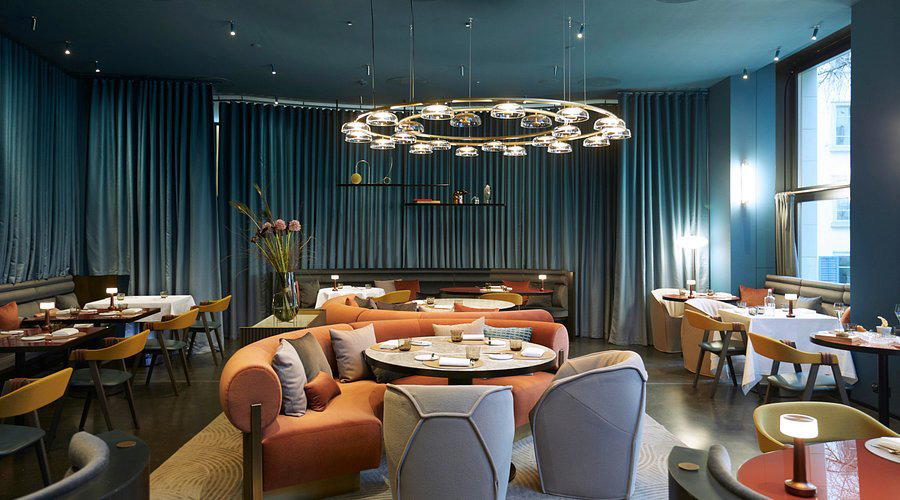
Restaurants in Zürich
All restaurants in Zürich →
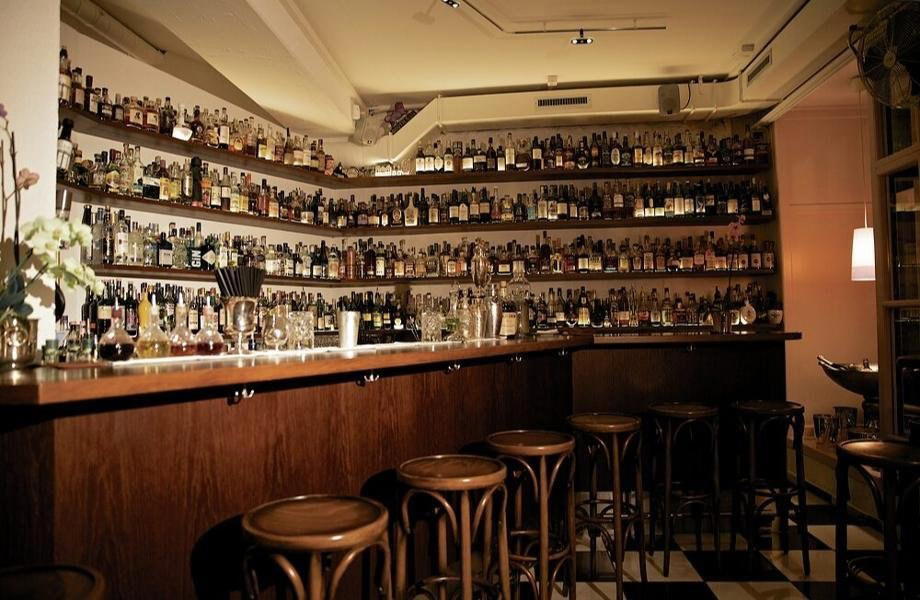
Bars in Zürich
All bars in Zürich →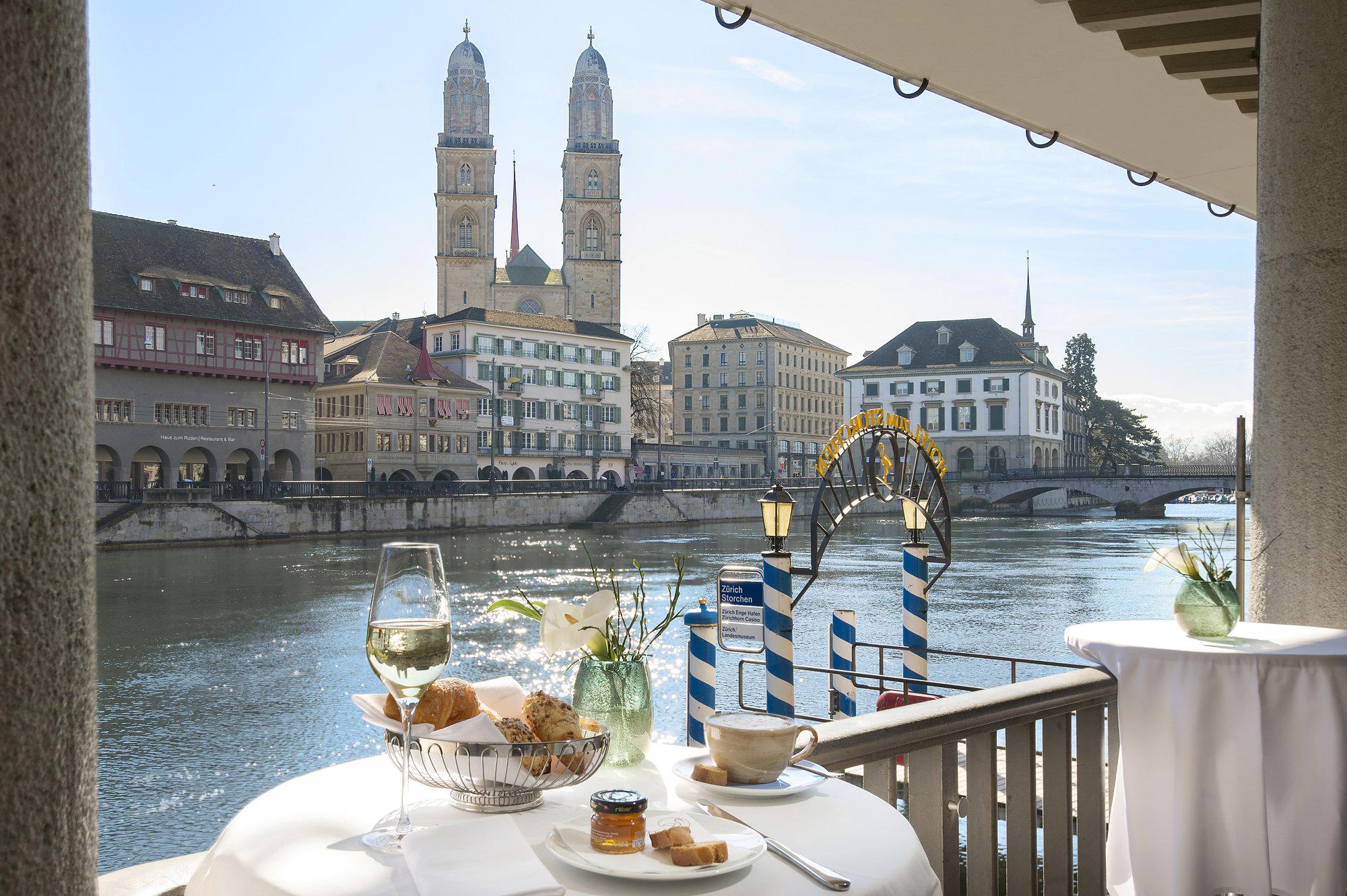

Details
- Classic
- Elegant
- Well Known
- Sophisticated
- Special Occasion
- Business Dinner
- Celebration
- Group Dining
- Private Event
- Historic Building
- Private Dining
- Standalone
- Street Scene
- A La Carte
- Wine
Current opening hours
- Monday
- 11:30 AM–2 PM, 6–10 PM
- Tuesday
- 11:30 AM–2 PM, 6–10 PM
- Wednesday
- 11:30 AM–2 PM, 6–10 PM
- Thursday
- 11:30 AM–2 PM, 6–10 PM
- Friday
- 11:30 AM–2 PM, 6–10 PM
- Saturday
- 11:30 AM–2 PM, 6–10 PM
- Sunday
- Closed
Hours can change for holidays and private events. Hours as of .
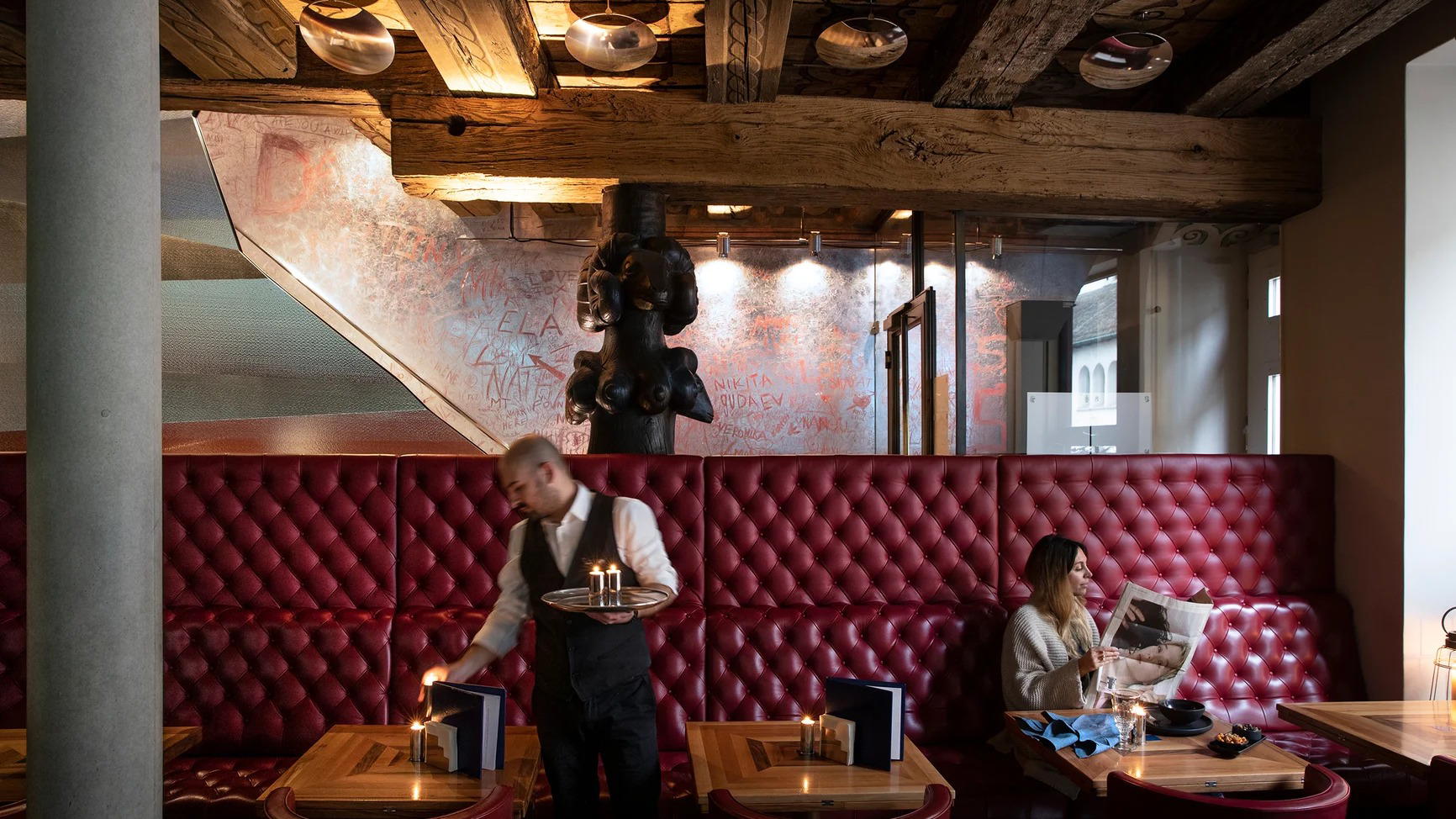
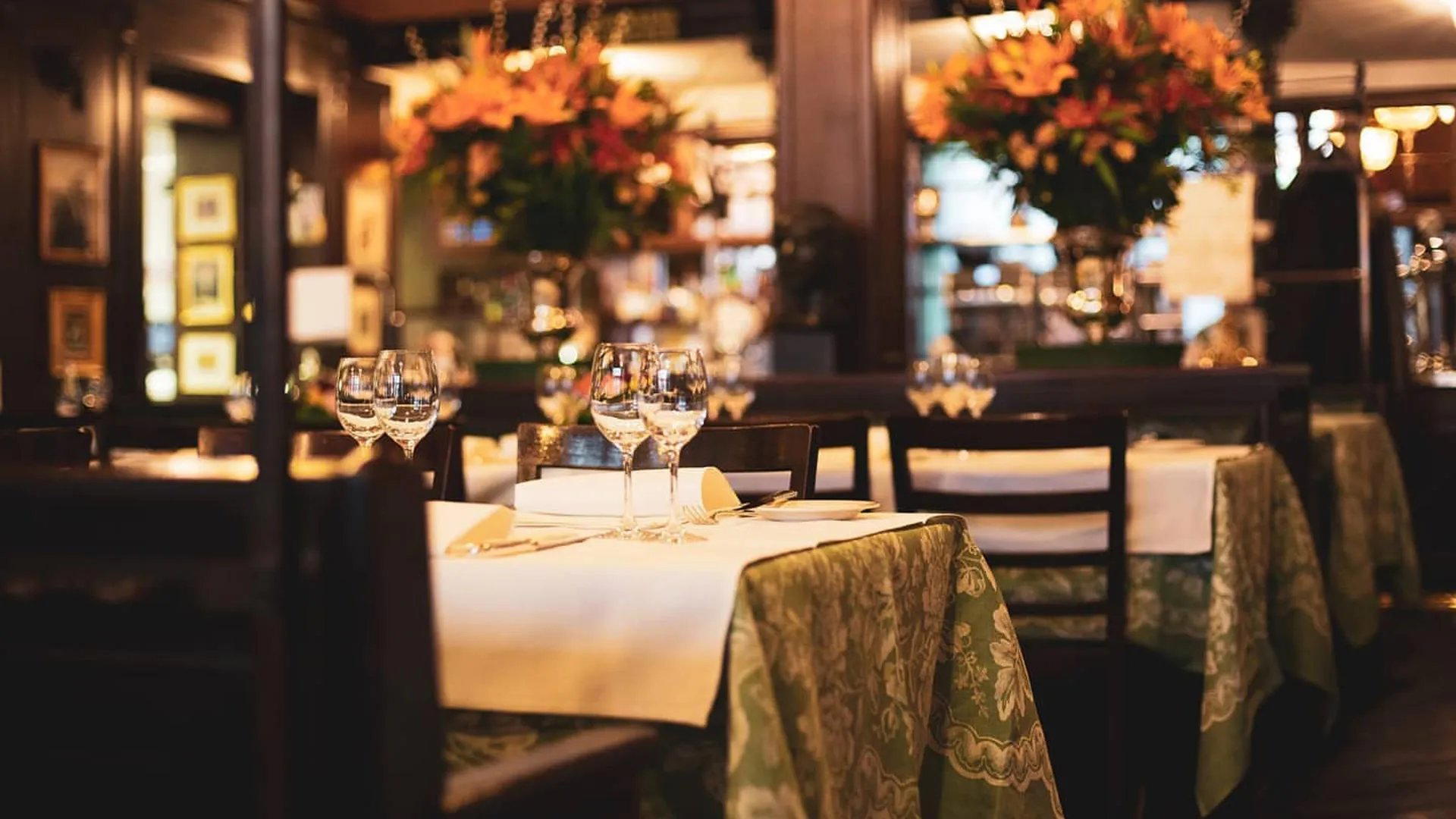
Stylish old-town and historic, with wood paneling, stained-glass windows, and a polished guild-house atmosphere suited to dining and celebrations.