Zuma Las Vegas

Wine Spectator Best of Award of Excellence
Our verdict
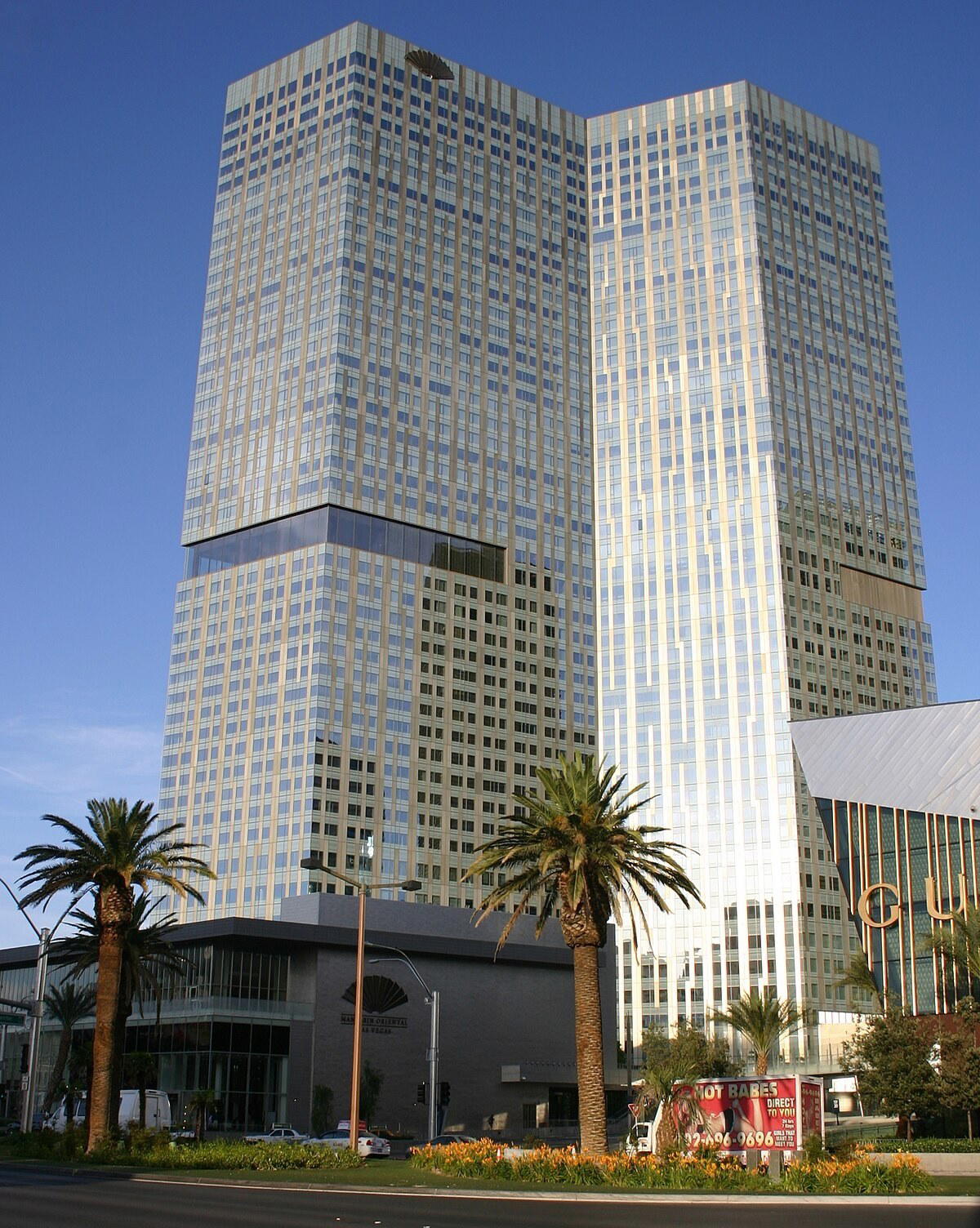
Zuma Las Vegas occupies the third floor of the Boulevard Tower on the Strip, bringing the global izakaya format that made the brand a fixture in London, Dubai, and Hong Kong to one of the world's most competitive dining markets. The kitchen works within a robata-and-sharing-plates tradition that has positioned Zuma alongside the Strip's more serious Japanese programs rather than its casual sushi chains.

Pearl is the En Primeur Club membership app — saves, bookings, and concierge access live there. Same editors, same standards.
- Address
- Boulevard Tower, 3708 Las Vegas Blvd S Level 3, Las Vegas, NV 89109
- Phone
- (702) 698-2199
- Hours
- Mon–Thu 5–9:30 PMFri–Sat 5–10:30 PMSun 5–9:30 PM
- Website
- zumarestaurant.com
- Directions
- Get directions
- Booking
- Book on SevenRooms
The menu
What to order
- Seared salmon with shiso
- Spicy beef tenderloin
- Grilled scallops
- A5 wagyu
The Strip at a Remove: Zuma's Third-Floor Position
Las Vegas Boulevard concentrates more dining square footage per block than almost any stretch of street in the United States, and the competition for attention at ground level is relentless. Zuma Las Vegas sidesteps that scramble by sitting on the third floor of the Boulevard Tower at 3708 Las Vegas Blvd S, a position that changes the sensory register entirely. The noise of the casino floor recedes. The room operates at the pitch of a serious restaurant rather than a hospitality production line. That physical remove is not incidental — it signals the format's intent, which is closer to the brand's London and Dubai flagships than to a licensed Strip concept diluted for volume.
The izakaya tradition that Zuma draws from is a Japanese format built around sharing, sequence, and restraint in individual portions. In its original urban Japanese context, the izakaya functions as a social institution as much as a dining category: food arrives according to the kitchen's rhythm, drinks anchor the table across hours, and the meal expands or contracts around conversation. Translating that logic to Las Vegas, a market accustomed to abundance framed as value, requires a calibration that not every global brand manages cleanly. Zuma's position in the Boulevard Tower, away from the casino floor's throughput pressure, at least creates the spatial conditions for that translation to work.
Robata, Raw Bar, and the Ethics of Sourcing
The robata grill — charcoal-fired, radiant rather than flame-direct, is the kitchen's central instrument, and it shapes what the sustainability argument around Zuma actually looks like in practice. Robata cooking is efficient by design: high heat, short cook times, minimal fat addition. The format was developed in northern Japan as a way to cook communally with limited fuel, which is a different origin story from the wood-fire revival that has driven European fine dining toward open-hearth cooking over the past decade. The technique is not theatrical here; it is functional, and its efficiency has real implications for energy use per cover.
Across the broader Zuma network, the brand has publicly committed to responsible seafood sourcing, an issue that carries particular weight for a Japanese-influenced program whose raw preparations depend on tuna, yellowtail, and other species under varying degrees of pressure. The question of whether Las Vegas, a landlocked desert city supplied entirely by freight, can credibly run a sustainable seafood program is one that applies equally to every serious Japanese restaurant on the Strip, from programs like Bouchon at The Venetian through to the handful of omakase counters that have opened in recent years. Supply chain transparency at this distance from any coast is harder to verify than at coastal equivalents like Providence in Los Angeles or Le Bernardin in New York City, both of which have built sourcing relationships over decades. Zuma's scale, operating across multiple continents, gives it purchasing use with certified suppliers that a single-location independent cannot access, which is one structural advantage of the group model in this specific domain.
The farm-to-table frame that has defined sustainability storytelling at places like Blue Hill at Stone Barns in Tarrytown, Single Thread Farm in Healdsburg, or Addison in San Diego does not translate directly to an urban izakaya format, nor should it be expected to. The more relevant comparison set is restaurants like Atomix in New York City, where a Korean fine dining framework navigates similar questions about imported ingredients and responsible sourcing within a format rooted in another country's culinary tradition. The honest position is that a global Japanese restaurant brand in a desert city is always going to carry a significant freight footprint; what differentiates programs within that constraint is supplier certification, waste reduction at the kitchen level, and menu design that does not depend exclusively on the most pressured species.
Where Zuma Sits in the Las Vegas Japanese Tier
The Strip's Japanese dining has stratified over the past several years. At one end sit high-volume sushi and hibachi operations priced for tourist throughput. At the other end, a small number of serious programs, omakase counters, premium izakaya, and kaiseki-adjacent formats, compete for a narrower, more deliberate clientele. Zuma belongs to the latter group.
Sharing format means per-person spend varies significantly by table size and ordering pattern, which makes direct price comparisons with fixed-price tasting menus at places like The French Laundry in Napa or The Inn at Little Washington less meaningful. A two-person table ordering selectively will spend differently from a group of six working through the full robata section. The format rewards group dining more than solo visits, which aligns with the izakaya's original social architecture.
For the Strip's sustainability-conscious visitor, Craft + Community and Alizé represent adjacent reference points at different price tiers and with different cuisines, but Zuma's format and sourcing commitments give it a distinct position in that conversation. The full picture of Paradise's dining options is in our full Paradise restaurants guide.
Planning a Visit
Zuma Las Vegas is located on Level 3 of the Boulevard Tower at 3708 Las Vegas Blvd S, accessible from the main lobby, not from the casino floor directly. Reservations are advisable, particularly on weekend evenings when the Strip's hotel dining absorbs significant demand from convention and leisure visitors simultaneously. The izakaya format makes it viable to arrive for drinks and small plates at the bar rather than committing to a full seated dinner, which expands access during peak periods when the main dining room may be fully committed. For a property-level comparison that connects to both Italian and American formats within the same area of the Strip, Emeril's in New Orleans offers a useful data point on how chef-branded concepts at similar price tiers perform in comparable hospitality markets. Equally, sustainability-forward operations like Atelier Moessmer Norbert Niederkofler in Brunico set a useful international benchmark for what ingredient ethics can look like when the format fully commits, a standard that any serious program, wherever it sits geographically, is increasingly measured against.
Frequently asked questions
Where exactly is Zuma Las Vegas?
Zuma Las Vegas is located at Boulevard Tower, 3708 Las Vegas Blvd S Level 3, Las Vegas, NV 89109, Paradise.
Is Zuma Las Vegas a good option for a group dinner on the Las Vegas Strip?
The izakaya format at Zuma's Level 3 Boulevard Tower location is structurally suited to group dining: shared plates from both the robata grill and raw bar mean ordering ranges across the table without fixed-course constraints. Groups with varied preferences across meat, fish, and vegetables can work across the menu simultaneously, which is a practical advantage in Las Vegas where large-party dining often defaults to prix fixe or steakhouse formats. Advance reservations are advisable given the Strip's event-driven demand.
What do regulars order at Zuma Las Vegas?
Returning visitors gravitate toward the robata grill section, where charcoal-fired cooking produces results that differ meaningfully from conventional oven or flame preparation. The raw bar draws comparable repeat attention, offering cold Japanese preparations that balance the grill-heavy menu. Both sections reflect the izakaya format's emphasis on sharing multiple small plates across an extended sitting rather than ordering by course.
How hard is it to get a table at Zuma Las Vegas?
Las Vegas hotel dining runs on a demand calendar shaped by convention bookings, headline residencies, and weekend influxes from regional drive markets — and Zuma, positioned on Level 3 of Boulevard Tower at 3708 Las Vegas Blvd S, sits squarely in the high-traffic Strip corridor. Weekend reservations, particularly Friday and Saturday during major event periods, fill well in advance. Midweek visits or early seatings on shoulder dates represent the most reliable path to a same-week booking.
What do critics highlight about Zuma Las Vegas?
Critical commentary on Zuma as a global format consistently returns to two points: the kitchen's command of robata technique and the consistency the brand maintains across its international locations. The Las Vegas outpost on the Strip is assessed partly on how closely it replicates the precision of the original London and Tokyo expressions. Format fidelity — rather than local reinvention — is treated as the operative standard.
Just the Basics
Comparable venues nearby, for context on price, style, and recognition.
| Venue | Cuisine | Price | Awards | Notes |
|---|---|---|---|---|
| Zuma Las VegasThis venue — the venue you are viewing | Modern Japanese Izakaya | $150–200 | Wine Spectator Best of Award of Excellence | Not listed |
| Yellowtail Japanese Restaurant & Lounge | Modern Japanese with Sushi and Omakase | $150–200 | Not listed | The Strip, Modern Japanese with Sushi and Omakase |
| The Forum Shops at Caesars | Healthy American Seasonal | Not listed | Not listed | The Strip, Healthy American Seasonal |
| Nobu Restaurant Las Vegas | Japanese-Peruvian Fusion | $200–300 | Not listed | The Strip, Japanese-Peruvian Fusion |
| Stack Restaurant & Bar | Modern American Steakhouse | Not listed | Not listed | Paradise, Modern American Steakhouse |
| 3355 S Las Vegas Blvd | Korean Steakhouse | $100–150 | Not listed | The Strip, Korean Steakhouse |
Recognition history
Dated appearances from independent guides and award organizations, with the underlying list record or original source where available.
Wine Spectator Best of Award of Excellence
Wine Spectator
Zuma Las Vegas
The wine
- Wine program
- Curated wine list
- Sake program
- Craft cocktails
Details
- Elegant
- Sophisticated
- Energetic
- Modern
- Group Dining
- Special Occasion
- Business Dinner
- Private Event
- Celebration
- Private Dining
- Open Kitchen
- Hotel Restaurant
- Design Destination
- Panoramic View
- Craft Cocktails
- Sake Program
- Skyline
- Small Plates
- Family Style
- Omakase
- A La Carte
- Craft Cocktails
- Sake
- Vegetarian Friendly
- Vegan Options
- Gluten Free Options
Current opening hours
- Monday
- 5–9:30 PM
- Tuesday
- 5–9:30 PM
- Wednesday
- 5–9:30 PM
- Thursday
- 5–9:30 PM
- Friday
- 5–10:30 PM
- Saturday
- 5–10:30 PM
- Sunday
- 5–9:30 PM
Hours can change for holidays and private events. Last verified .
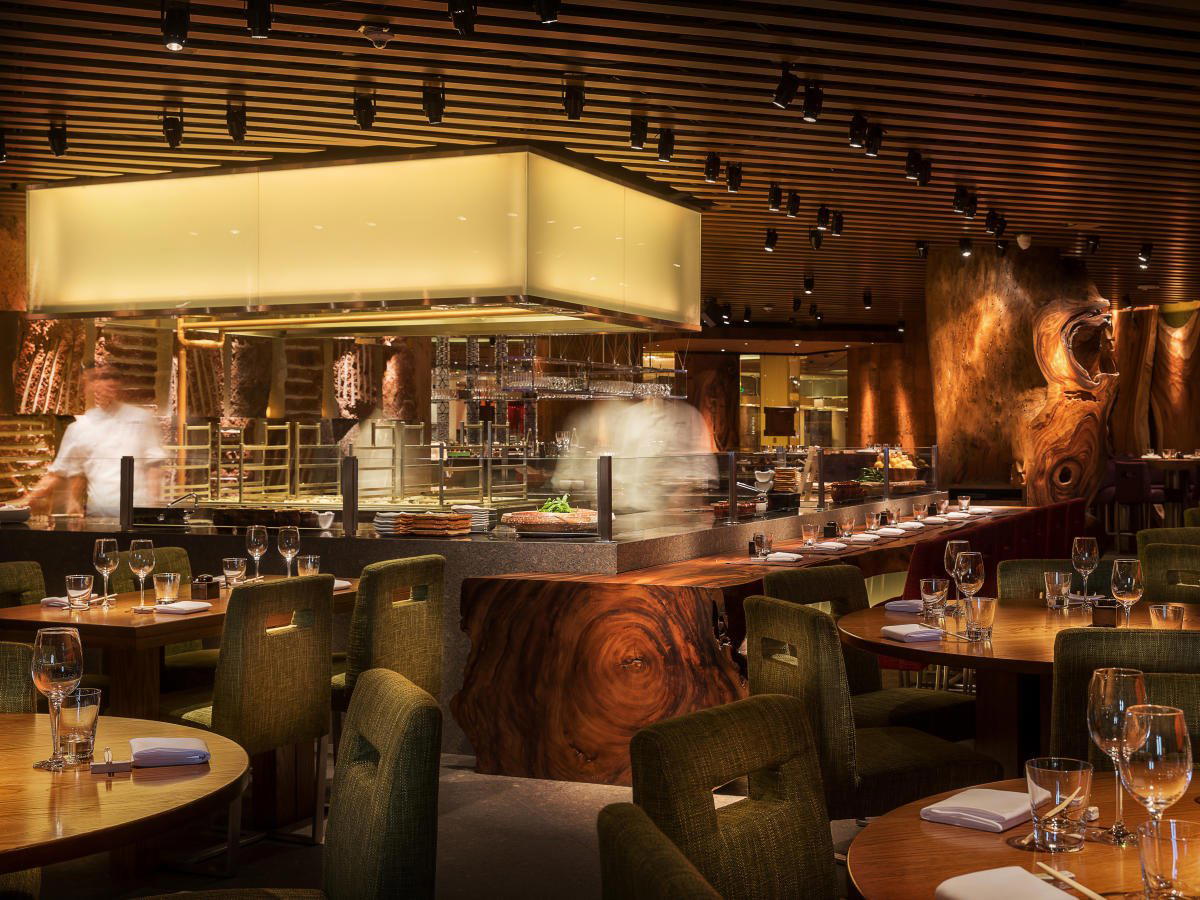
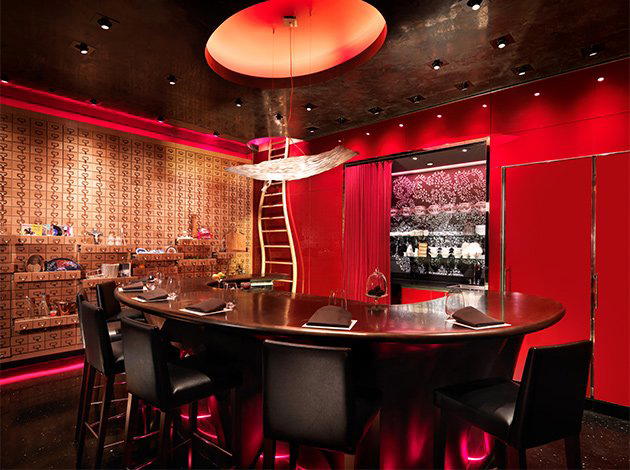
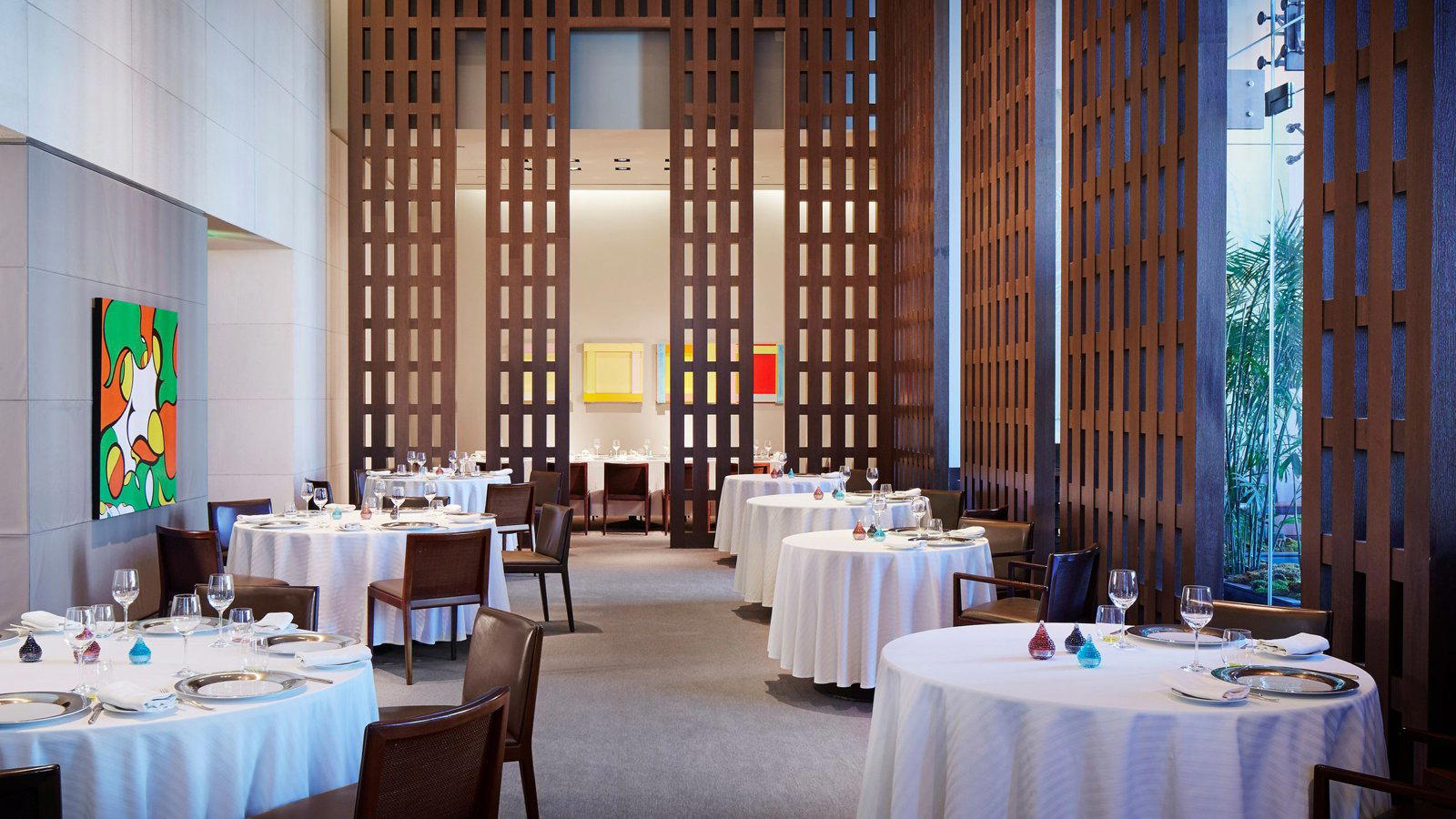
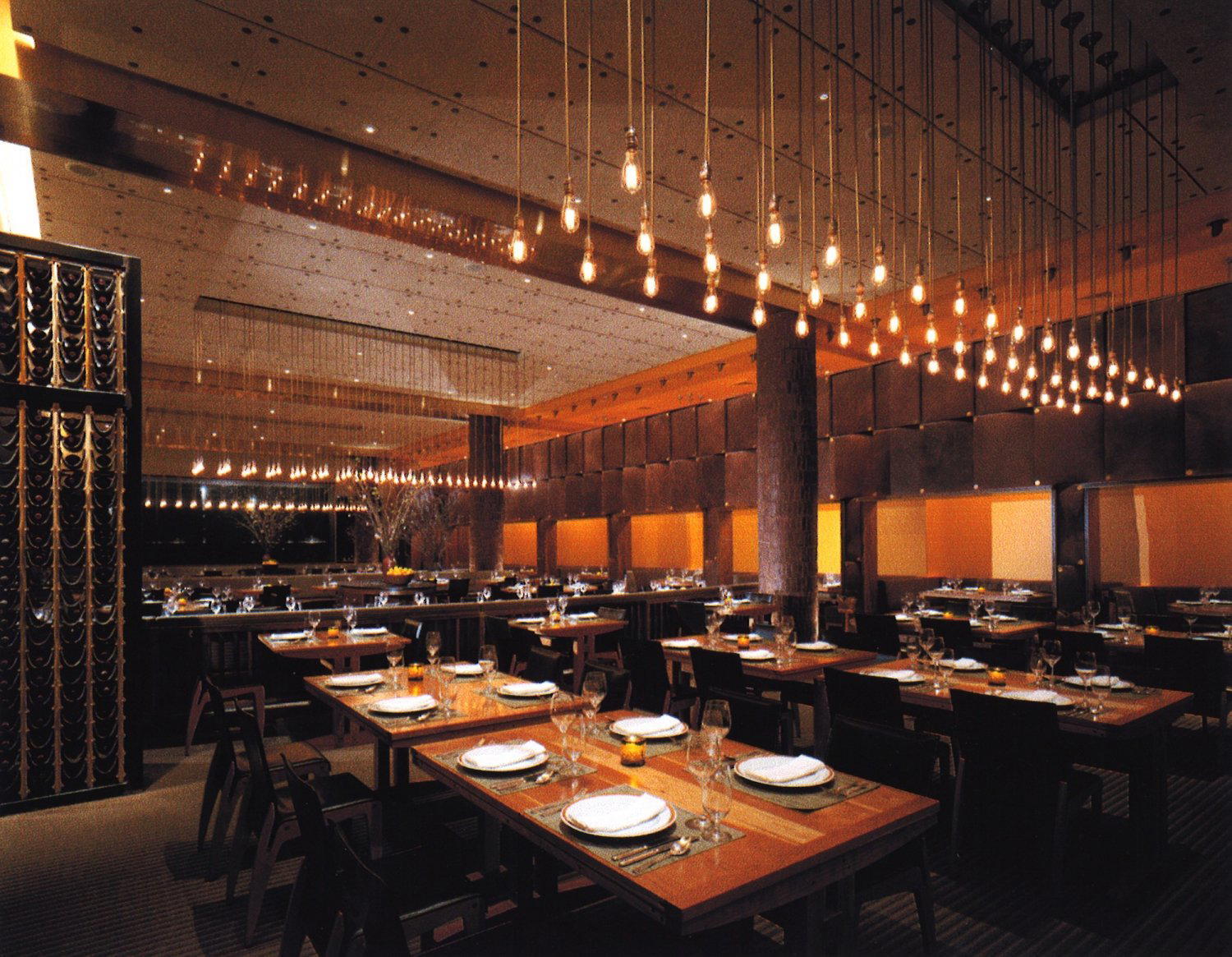
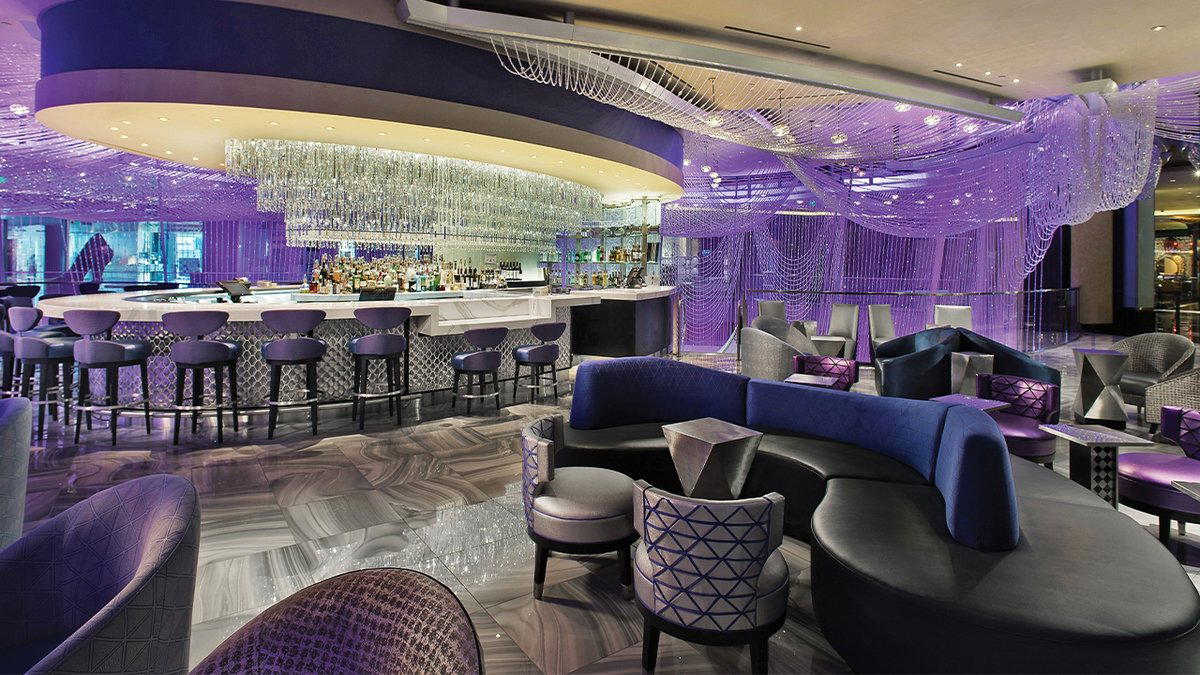
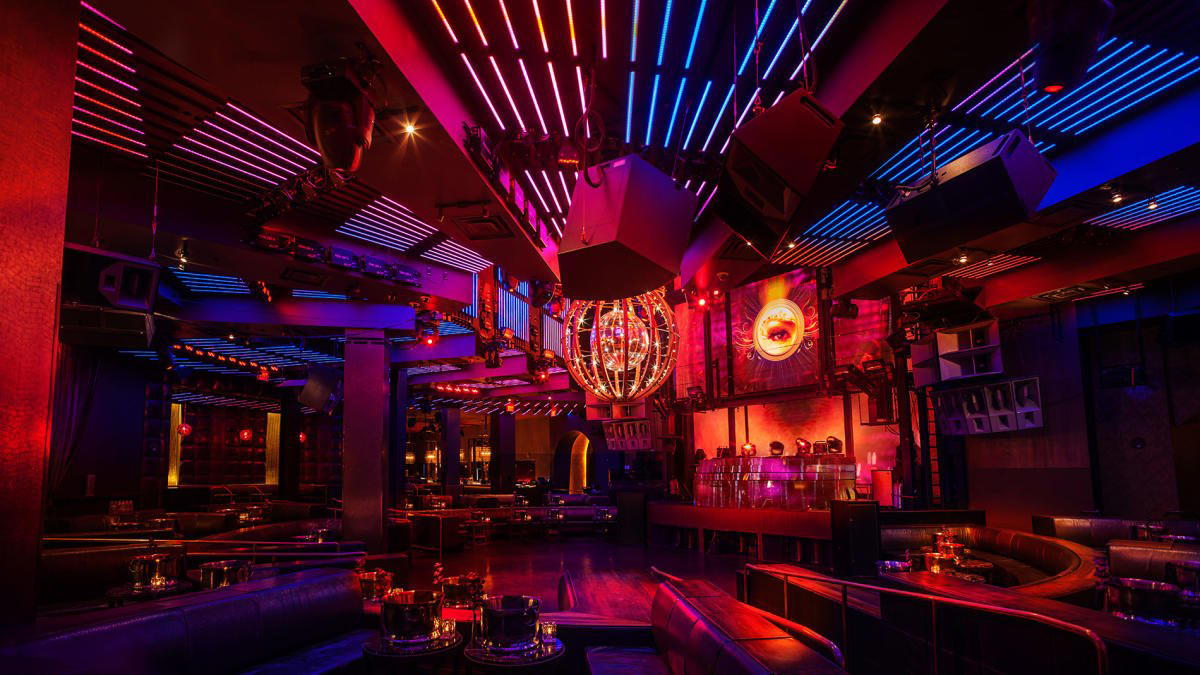
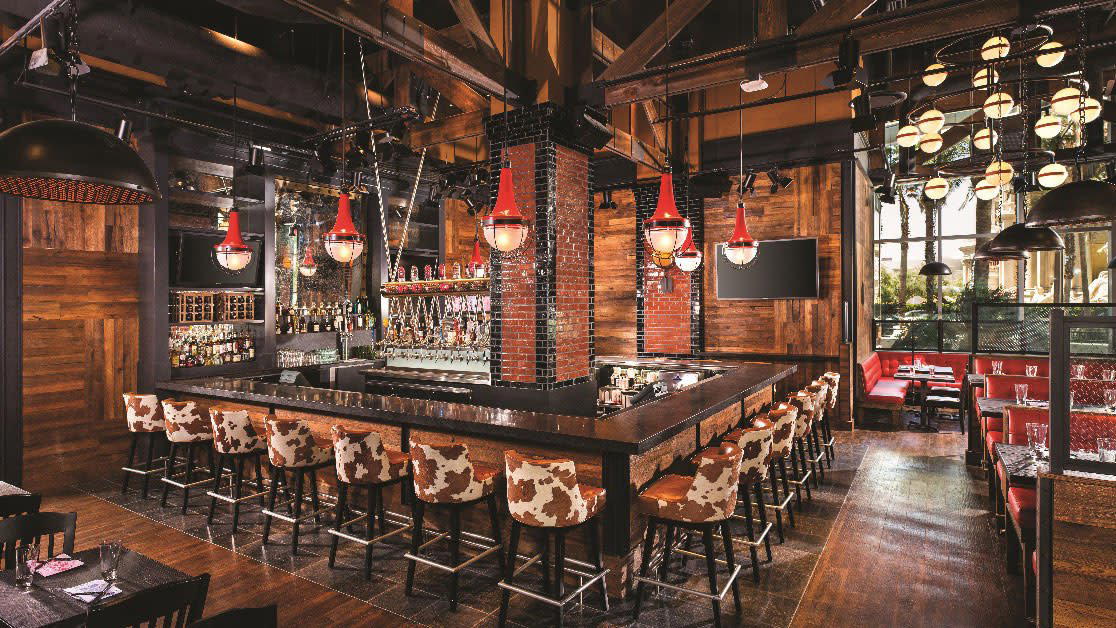
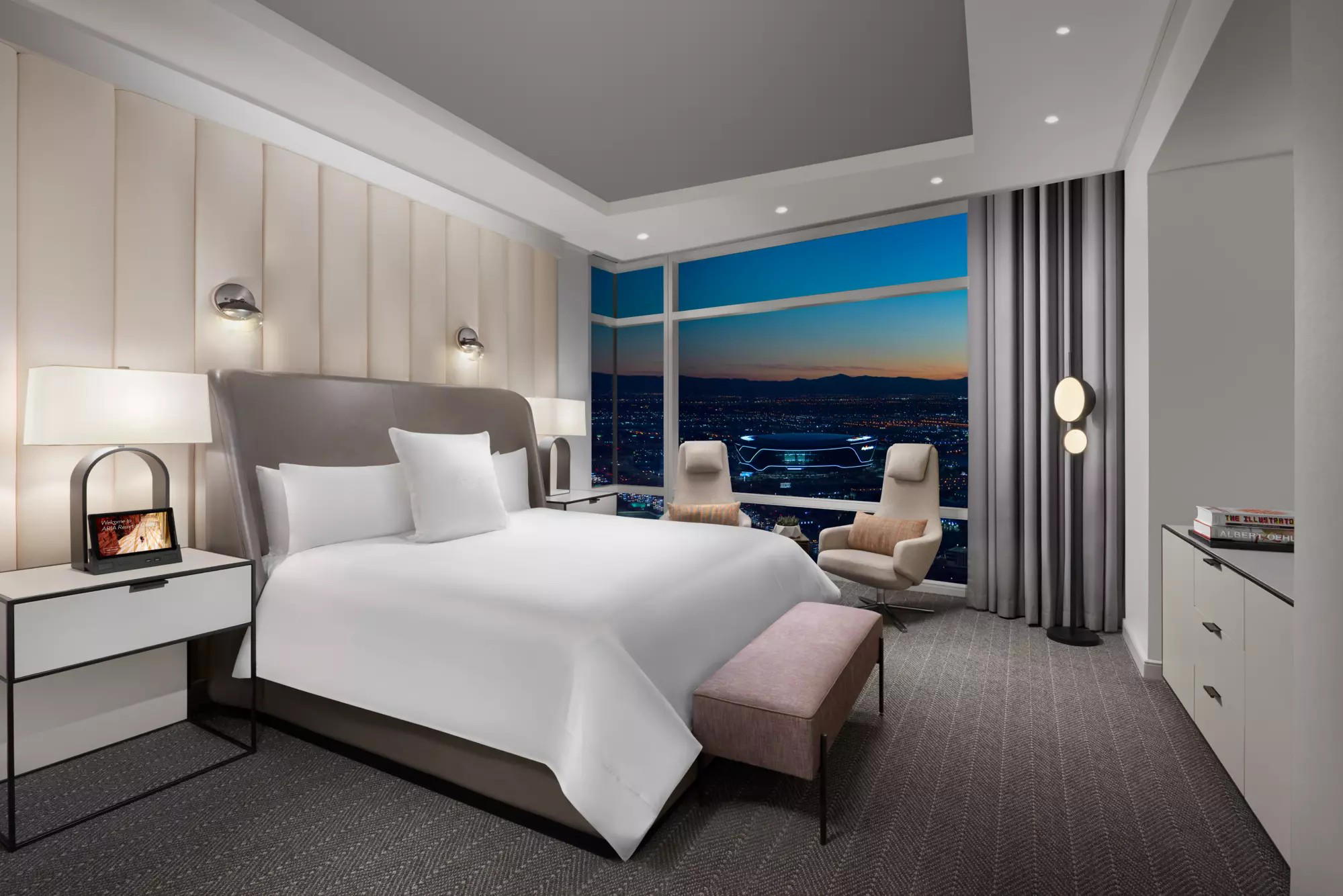
Elegant and sophisticated environment with energetic izakaya-style dining atmosphere, modern design with imported Thai monkey pod wood tables, and dramatic Las Vegas Strip views from private dining areas.