


1 Michelin Star · Wine Spectator Best of Award of Excellence
Our verdict
In the quiet residential streets of the 16th arrondissement, Zostera occupies the former Le Pergolèse space and makes a clear case for seafood as a primary fine-dining language in Paris. Chef Julien Dumas, previously of Lucas Carton and Bellefeuille at Saint James Paris, builds menus around Atlantic sourcing, precise technique, and a secondary but serious commitment to vegetables.

Pearl is the En Primeur Club membership app, where members save venues, book tables and use the concierge.
The menu
What to order
- Saint-Jacques & Huîtres
- Squid Ink Signature
- Lièvre à la Royale
A Quiet Address With a Clear Point of View
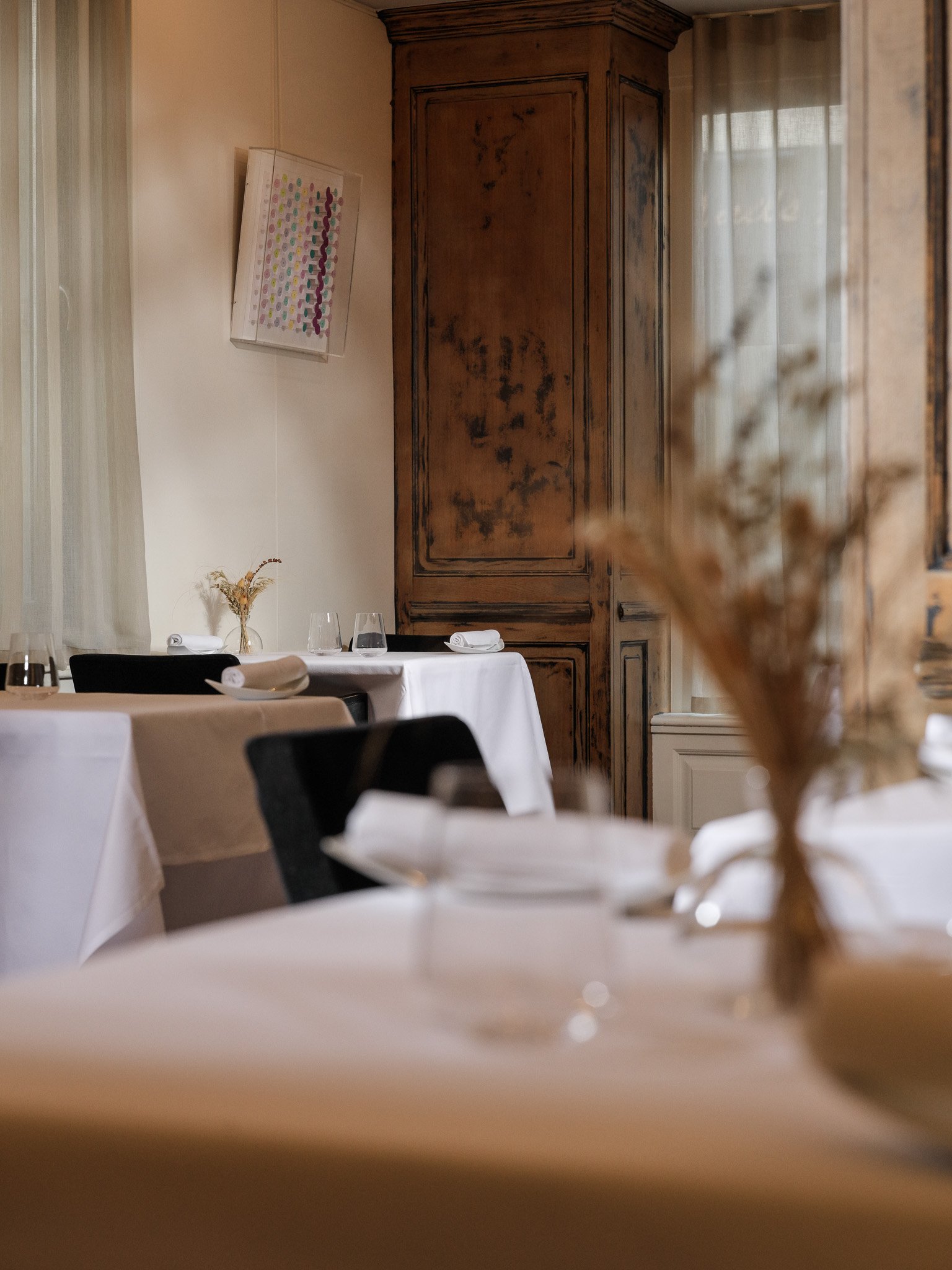
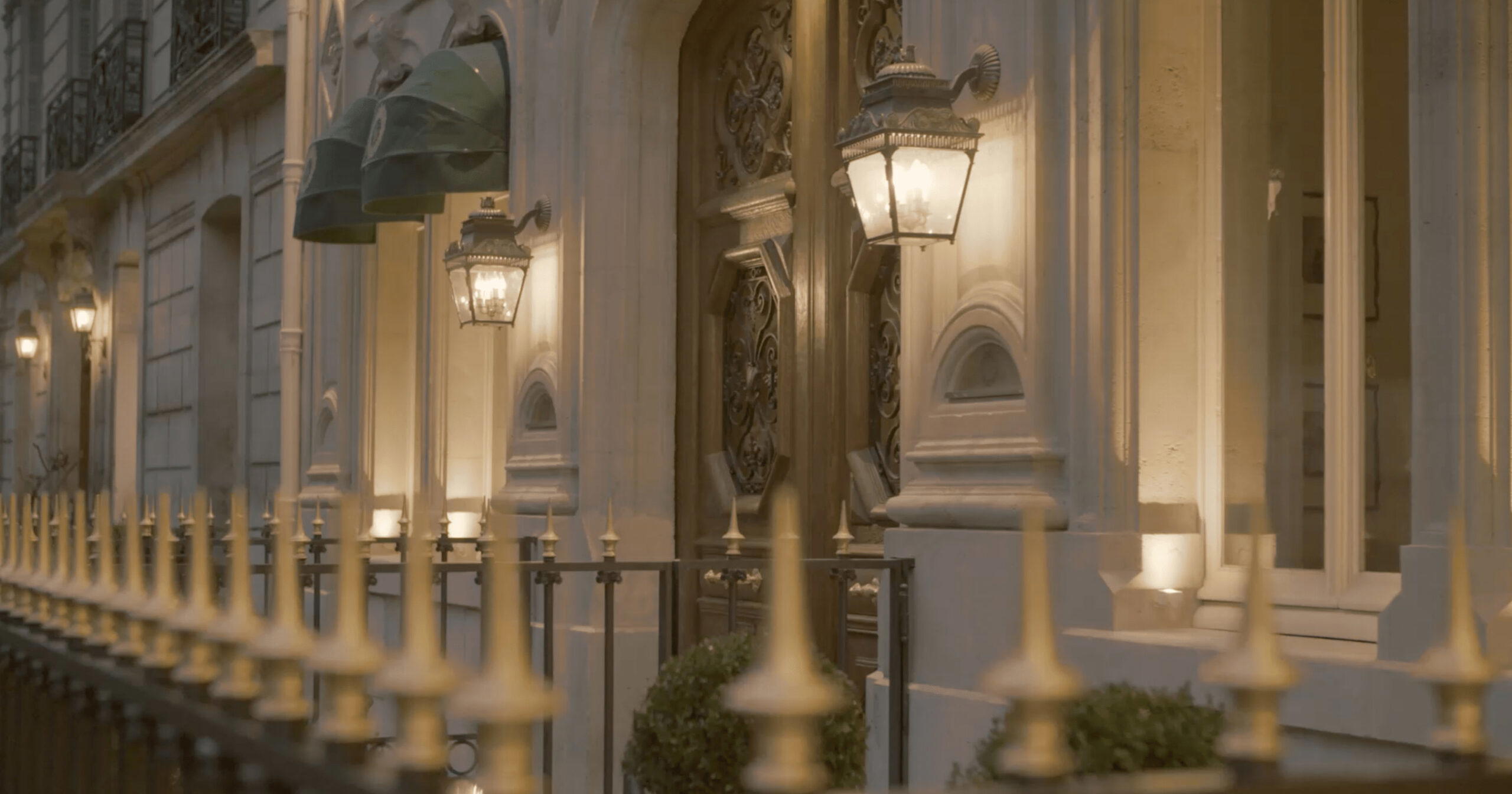
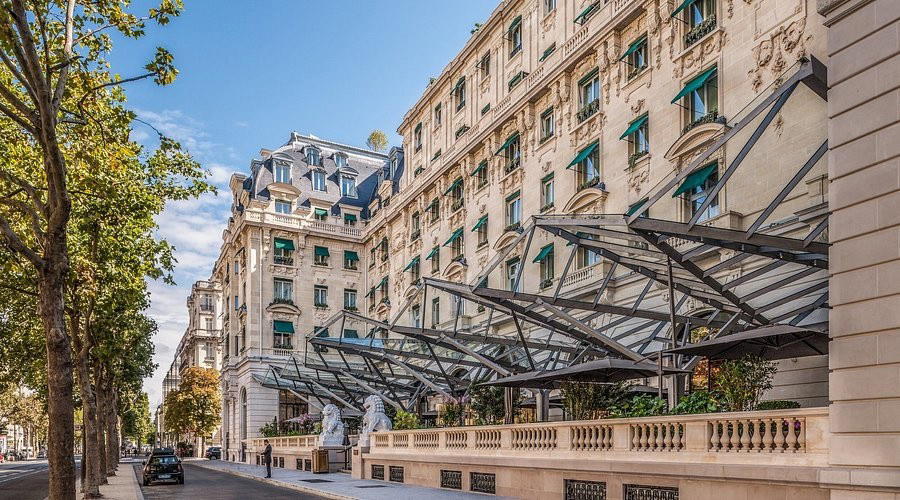
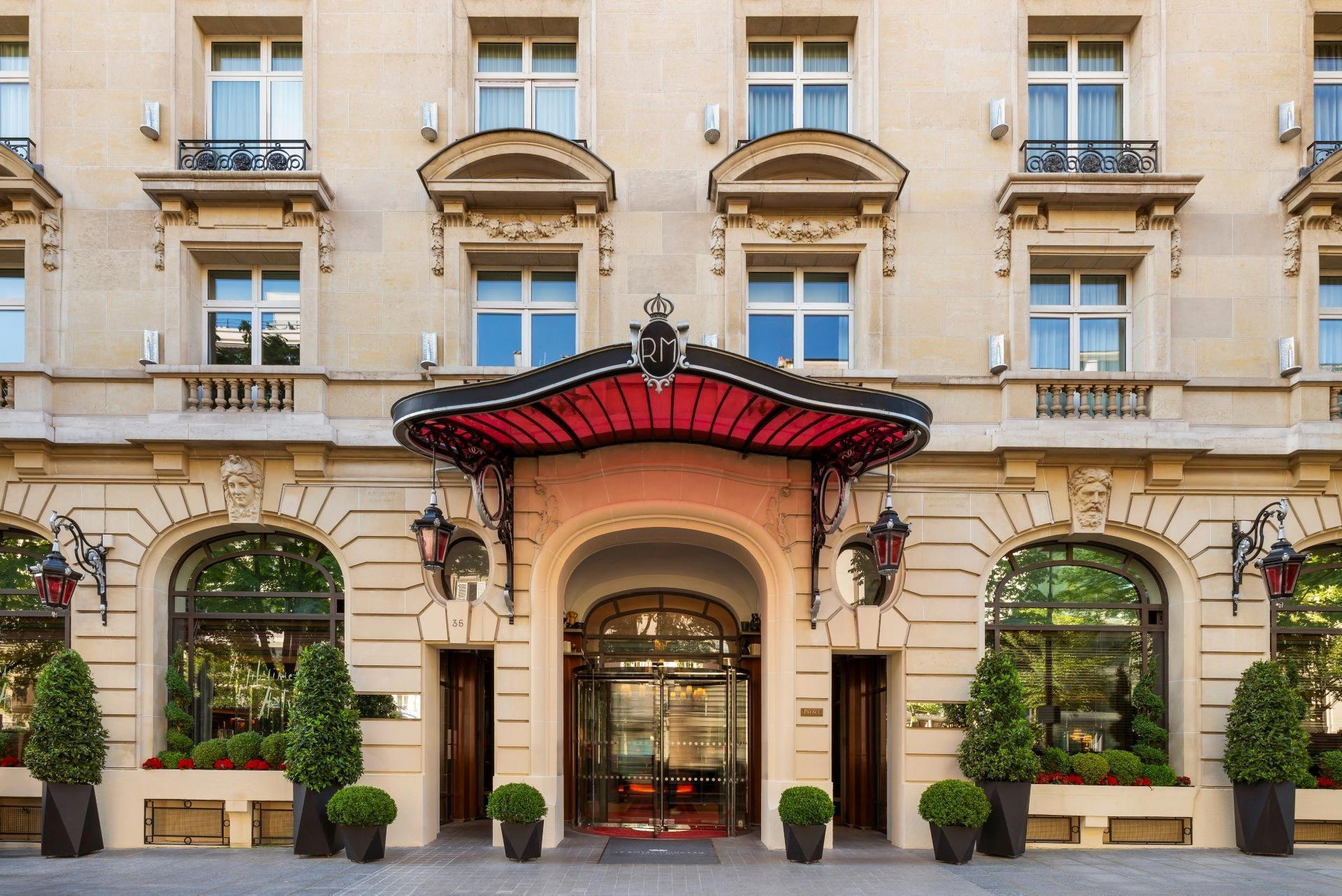
The 16th arrondissement does not announce itself. Its streets near the Bois de Boulogne are residential in the truest sense: wide pavements, Haussmann stone, and a pace that the restaurant districts around Saint-Germain or the 11th rarely permit. Rue Pergolèse sits inside that quieter register, and arriving at number 40 feels less like entering a destination restaurant and more like being admitted to something the neighbourhood already knows about. That quality is not accidental. It reflects what the space has become under its current direction: a room that rewards return visits rather than one-off occasion dining.
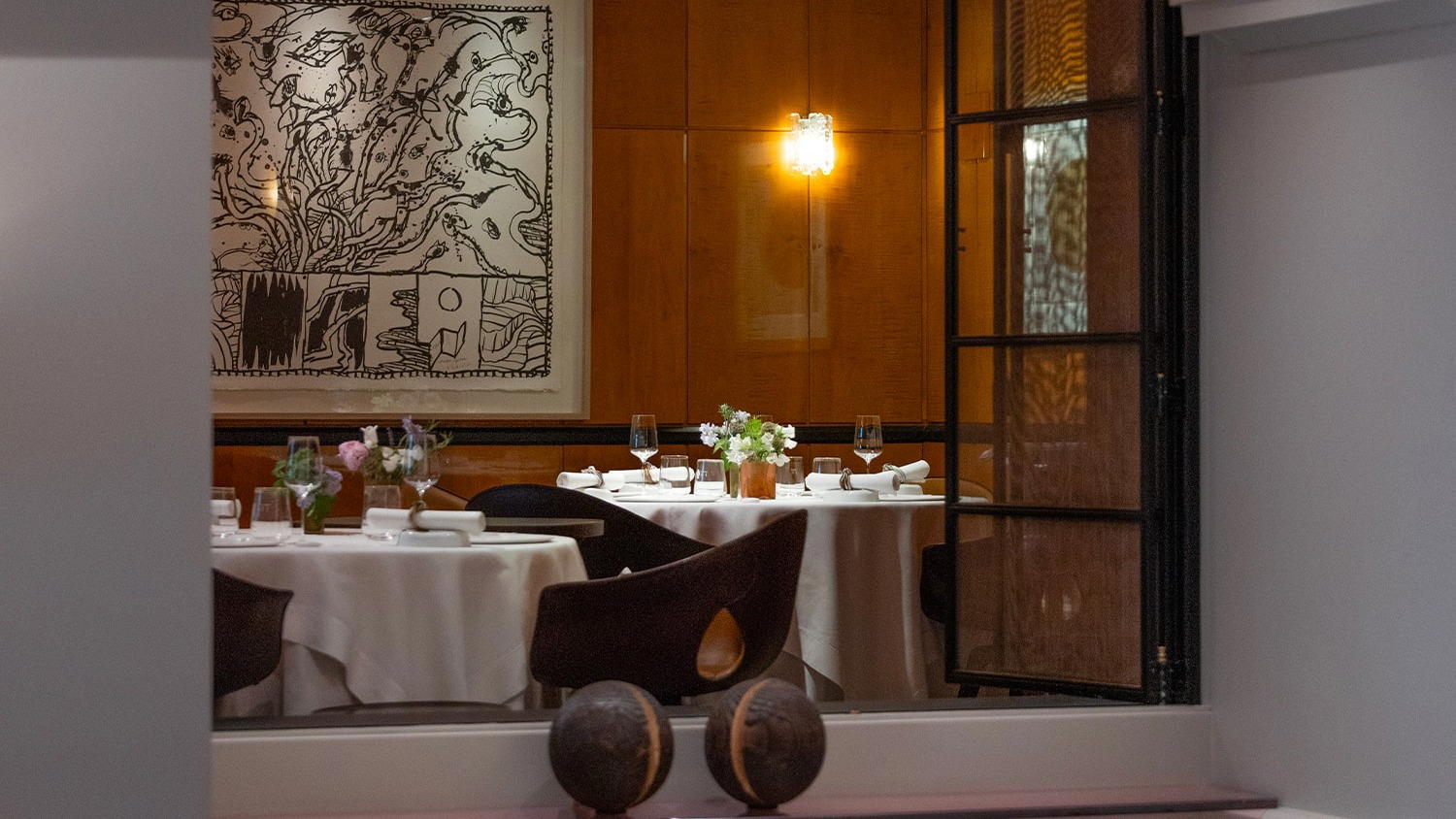
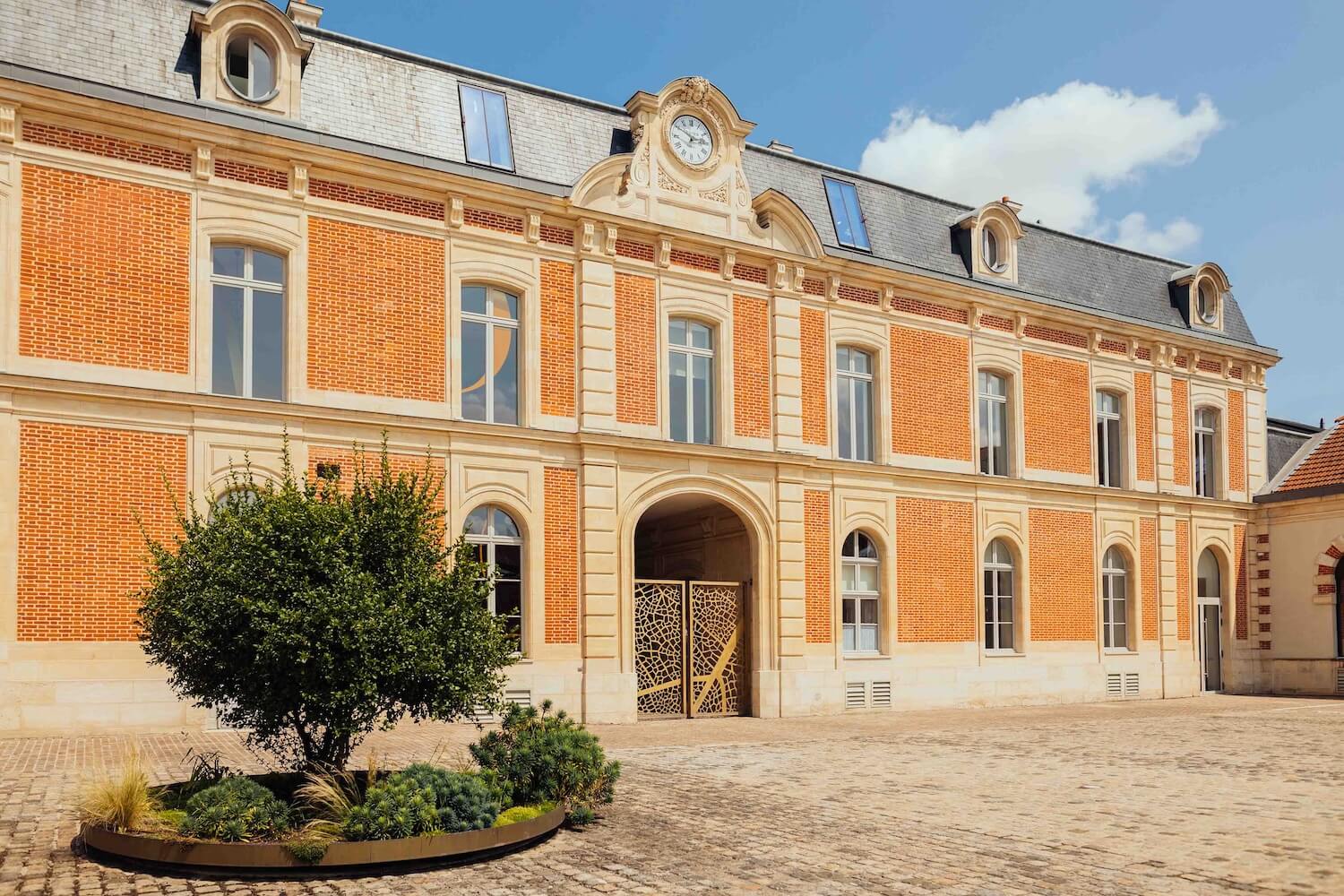
The room itself carries the measured elegance of its former incarnation as Le Pergolèse, a fine-dining address that occupied this site before. The transformation is tasteful rather than dramatic, the kind of interior decision that signals confidence in the food rather than a need to compensate for it. Regulars, and there are many in a neighbourhood like this, do not come for theatre. They come because the cooking gives them a reason to keep coming back.
What the Atlantic Brings to the Table
Paris has no shortage of seafood restaurants in the conventional sense, but precision-led Atlantic seafood presented at the level of a serious fine-dining menu is a smaller category. Zostera (the name references zostera marina, the seagrass found along Atlantic coastlines) positions itself squarely within that niche. The framing is not just thematic. It reflects a genuine orientation toward sourcing: the emphasis on hand-dived scallops, for instance, signals the kind of supplier relationships that separate ingredient-led cooking from ingredient-invoking cooking.
Within Paris's wider fine-dining tier, the dominant culinary languages remain French classicism and its various contemporary evolutions. Houses like L'Ambroisie in the Marais operate at the apex of the classical tradition, while Alléno Paris au Pavillon Ledoyen and Kei represent the city's appetite for creative reinterpretation. Le Cinq at the Four Seasons George V anchors the grand hotel format. Zostera occupies a different position: not a grand institution, not a creative laboratory, but a chef-led address where a specific sensibility, the Atlantic, its produce, its restraint, organises every decision on the plate.
Julien Dumas came through Lucas Carton and Bellefeuille at Saint James Paris, both addresses with serious technical expectations. That lineage matters less as biography and more as a credential for the cooking style at Zostera: the kind of precise seasoning and accurate execution that does not announce itself loudly but becomes obvious over multiple visits. Arctic char with butter and tansy, asparagus confit in wax, seared hand-dived scallops: these are dishes that depend on sourcing discipline and technical control rather than conceptual novelty.
The Regulars' Logic
In a neighbourhood like the 16th, restaurant loyalty operates differently than it does in arrondissements built around tourism or a rotating creative class. The clientele here tends toward the local and the repeated. What keeps them returning to Zostera is not difficult to understand once you consider what the menu prioritises: the kind of cooking where improvement arrives through refinement rather than reinvention, where vegetables receive the same technical attention as the headline proteins, and where service reads as attentive without becoming performative.
The vegetable dimension of the menu deserves particular attention because it is not the token accommodation that fine-dining kitchens sometimes make. At Zostera, vegetables function as a parallel programme to the seafood: the asparagus preparation, for example, is a dish-level decision, not a side note. For regulars who return across seasons, this means the menu shifts genuinely with what the market allows rather than maintaining a fixed identity regardless of what is available. That seasonality gives the kitchen a reason to evolve without abandoning the core logic that brought diners in the first place.
Among the broader tradition of French chefs whose work is defined by a specific landscape or ingredient category, Zostera's approach echoes places like Bras in Laguiole, where the terrain of the Aubrac plateau shapes the menu's emotional and sourcing logic, or Flocons de Sel in Megève, where mountain produce becomes the organising principle. The difference at Zostera is that the defining territory is an ocean rather than a landscape, and the city surrounding the restaurant is Paris rather than a regional destination. That makes the project more unusual within its immediate context than it might appear at first.
Internationally, the instinct to make seafood the primary language of a serious tasting menu has precedent at places like Le Bernardin in New York City, where the kitchen's entire technical apparatus is organised around fish and ocean produce. Zostera operates on a different scale and in a different register, but the underlying commitment to a single ingredient category as the frame for fine dining is a shared logic.
For those building a broader picture of Paris's current restaurant scene, it is worth placing Zostera alongside the city's other strong addresses. Arpège under Alain Passard represents the most influential vegetable-led proposition in the city, while the classical tradition finds its purest Parisian expression at L'Ambroisie. France's wider range of serious regional cooking, from Mirazur in Menton to Troisgros in Ouches and the historic anchor of Auberge de l'Ill in Illhaeusern, provides the broader context within which Zostera's Atlantic-focused proposition reads as a disciplined, specific choice rather than a gap in the market.
Placing Zostera in the 16th
The 16th arrondissement is not, by instinct, where Paris's most-discussed restaurant openings tend to land. The neighbourhood's dining culture is less driven by media cycles and more by the preferences of the people who actually live there. That creates conditions in which a restaurant like Zostera can build genuine regulars without depending on the kind of external attention that other arrondissements require. It is a slower, quieter form of success, and in the context of what Zostera is doing, it suits the register of the cooking entirely.
For EP Club readers planning a visit to Paris and wanting to understand how the city's fine-dining range extends beyond its most publicised addresses, the full Paris restaurants guide maps the scene across neighbourhoods and price points. Those staying nearby should also consult the Paris hotels guide, and for a broader itinerary, the Paris bars guide, Paris wineries guide, and Paris experiences guide cover the wider picture.
Know Before You Go
- Address: 40 rue Pergolèse, 16th arrondissement, Paris
- Getting there: Argentine (Metro Line 1) is the nearest station, a short walk from the restaurant
- Booking: Reservations are advisable given the neighbourhood-loyal clientele; plan ahead, particularly for dinner
- Format: Seafood-led fine dining with serious vegetable preparation; service described as charming and attentive
- Context: Occupies the former Le Pergolèse space; Chef Julien Dumas previously worked at Lucas Carton and Bellefeuille at Saint James Paris
Frequently asked questions
How do I find Zostera?
Zostera is located at 40 rue Pergolèse, Paris.
What distinctions does Zostera have?
Zostera has received recognition including: In a residential neighbourhood in the 16th arrondissement, Julien Dumas (previously of Lucas Carton and Bellefeuille - Saint James Paris) has set up shop in this elegant, tastefully decorated eatery, previously the fine dining restaurant Le….
What do people recommend at Zostera?
Critics and regulars consistently point to the seafood preparations as the core of the menu: hand-dived scallops seared simply, Arctic char with butter and tansy, and asparagus confit in wax each reflect Julien Dumas's focus on precise seasoning and accurate cooking. The vegetable courses draw equal attention, treated with the same care as the fish rather than as supporting acts.
What's the best way to book Zostera?
Zostera draws a loyal residential clientele from the 16th arrondissement, so tables turn on a regular rhythm rather than spiking around high-profile occasions. Booking ahead is advisable given that demand; the restaurant's address is 40 rue Pergolèse, Paris, and reaching out directly via their current contact channels is the standard route.
The Quick Read
Comparable venues nearby, for context on price, style, and recognition.
| Venue | Cuisine | Price | Awards | Notes |
|---|---|---|---|---|
| ZosteraThis venue (the venue you are viewing) | Creative French Seafood Fine Dining | $100–150 | 1 Michelin Star · Wine Spectator Best of Award of Excellence | Not listed |
| Monsieur Dior by Yannick Alléno | Modern French Fine Dining | $200–300 | 1 Michelin Star | 8th Arr., Modern French Fine Dining |
| Le Coucou | Classic French Bistro | $100–150 | Michelin Bib Gourmand | SoHo, Classic French Bistro |
| Jòia par Hélène Darroze | Southwestern French Comfort Bistro | $50–100 | Michelin Plate | 2nd Arrondissement, Southwestern French Comfort Bistro |
| Geoélia | Modern French Seafood | $150–200 | 1 Michelin Star | 16th arrondissement (Passy), Modern French Seafood |
| Chez Monsieur | Classic French Brasserie | $50–100 | Michelin Plate | La Madeleine, Classic French Brasserie |
Recognition history
Dated appearances from independent guides and award organizations, with the underlying list record or original source where available.
Michelin 1 Star
Michelin
Opinionated About Dining Top Restaurants in Europe Recommended
Opinionated About Dining
Wine Spectator Best of Award of Excellence
Wine Spectator
Full recognition history (5 entries)
Opinionated About Dining Newly Added European Restaurants
Opinionated About Dining
Opinionated About Dining Top New Restaurants in Europe Ranked #16
Opinionated About Dining
Continue exploring
More in Paris
Restaurants in Paris
All restaurants in Paris →
Bars in Paris
All bars in Paris →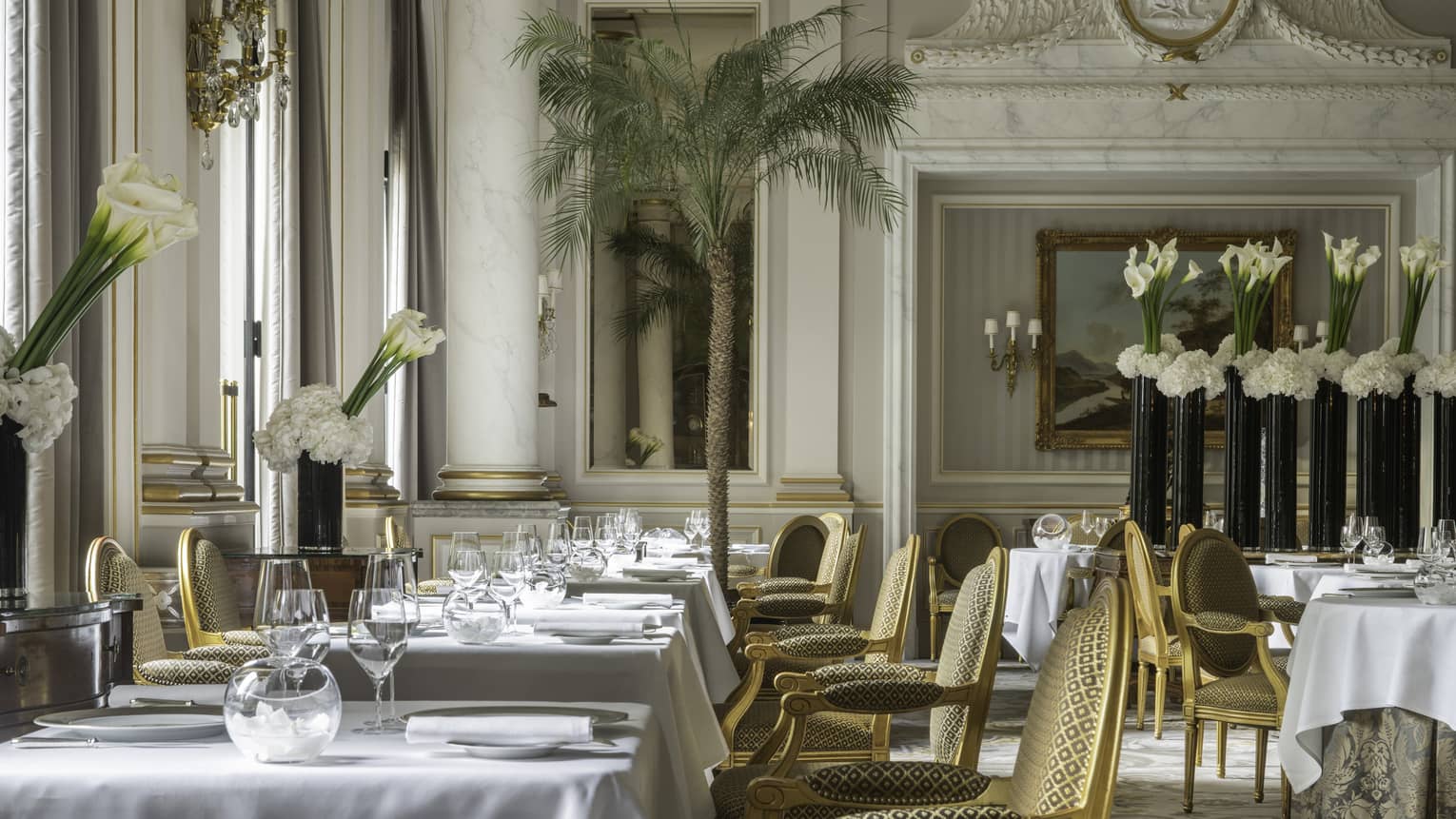



Zostera
The wine
Zostera holds the Wine Spectator Best of Award of Excellence, which Wine Spectator gives to lists of usually 350 or more selections.
- Wine Spectator
- Wine Spectator Best of Award of Excellence
- Extensive wine list
Details
- Elegant
- Sophisticated
- Intimate
- Romantic
- Date Night
- Special Occasion
- Open Kitchen
- Extensive Wine List
- Sustainable Seafood
Current opening hours
- Monday
- 12–2 PM, 7–10:30 PM
- Tuesday
- 12–2 PM, 7–10:30 PM
- Wednesday
- 12–2 PM, 7–10:30 PM
- Thursday
- 12–2 PM, 7–10:30 PM
- Friday
- 12–2 PM, 7–10:30 PM
- Saturday
- Closed
- Sunday
- Closed
Hours can change for holidays and private events. Hours as of .
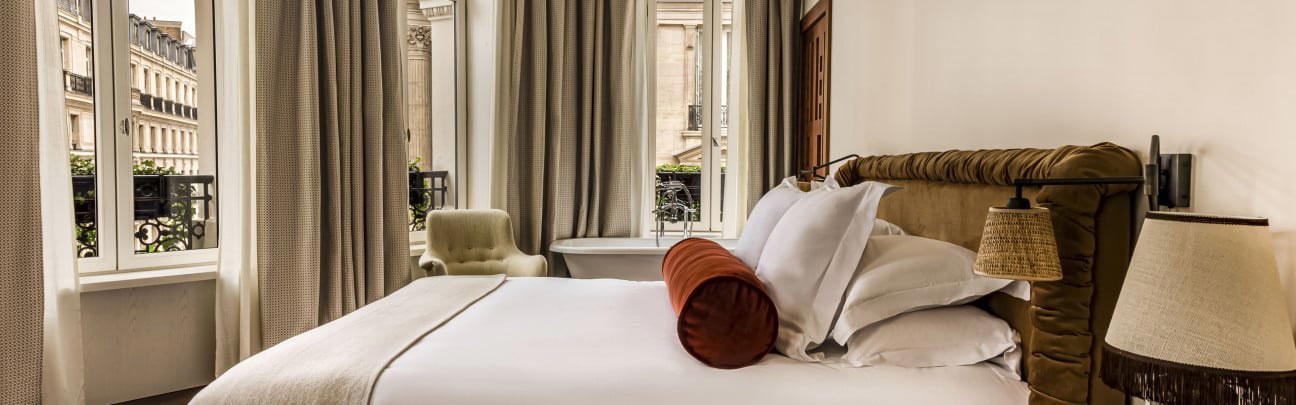
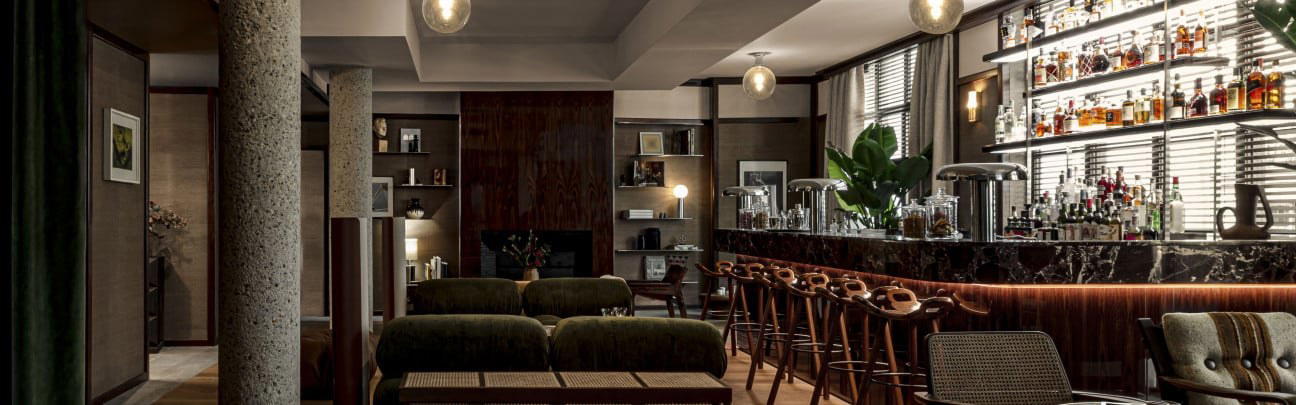
Elegant and tastefully decorated like a sophisticated private home salon, cozy with artworks, ceramics, and charming attentive service.