
Black Pearl 2 Diamond
Our verdict
Yue CREATIVE CANTONESE CUISINE belongs to Guangzhou’s serious Cantonese conversation, where ingredient handling matters as much as technique. Its Black Pearl Restaurant Guide 2026 two-diamond recognition places it in a polished tier for diners tracking refined regional cooking rather than casual dim sum or banquet-room volume.

Pearl is the En Primeur Club membership app, where members save venues, book tables and use the concierge.
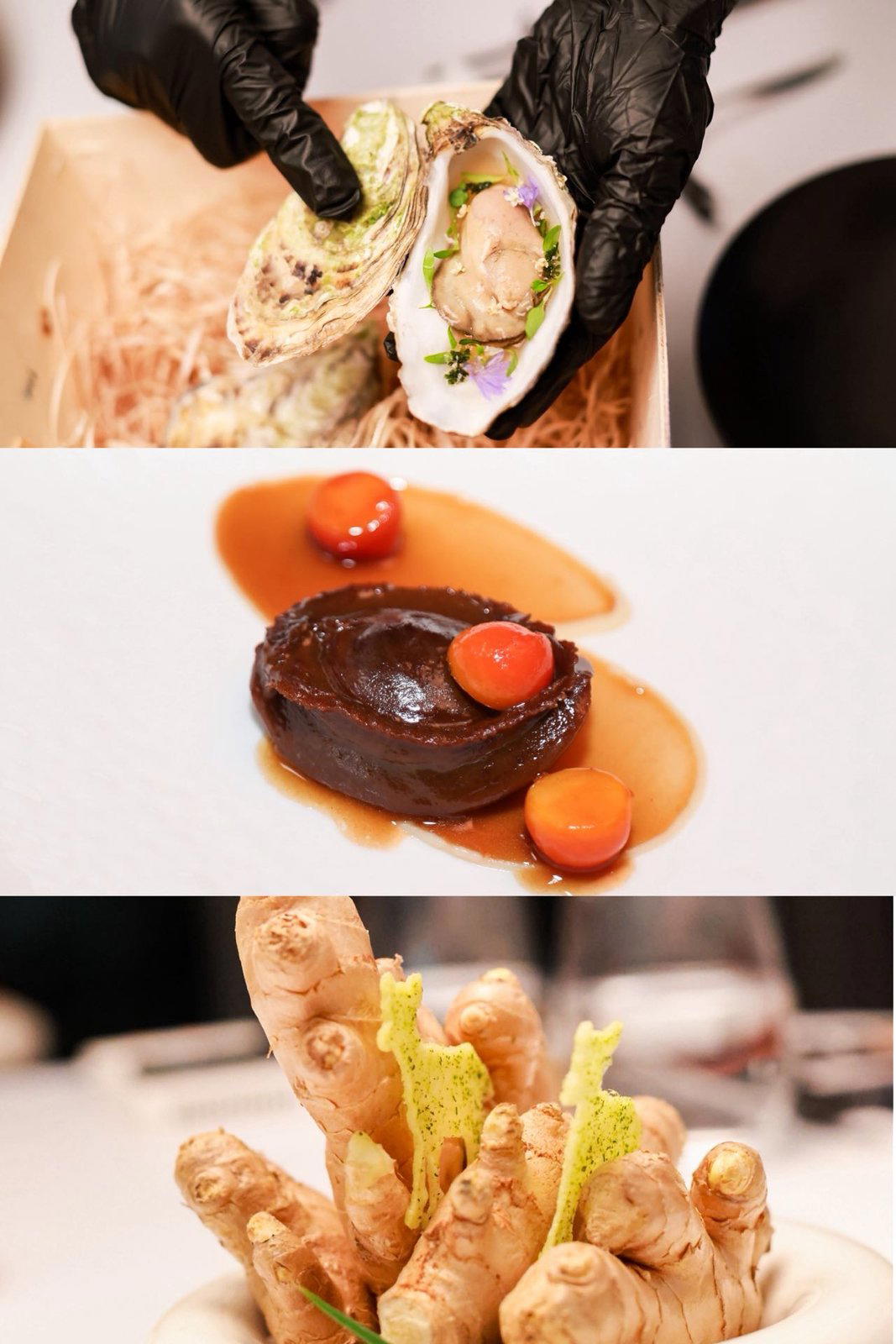
The menu
What to order
- Crazy Stone
- National Treasure Sea Cucumber
- Yellow Croaker Rice Jelly
- Savory Egg Waffle
- Puff Pastry Abalone
Guangzhou dining begins before the table: deep market habits, exacting expectations, produce-driven cooking, broths, roasts, and a local habit of judging luxury by restraint rather than theatre. In that setting, Yue CREATIVE CANTONESE CUISINE reads less as a novelty play than as a contemporary room operating inside a demanding home market. The city gives little cover to restaurants that treat local cooking as decoration. Texture, temperature, sourcing, and timing are the actual test.
Ingredient-led cooking in a city that audits every detail
Guangzhou has always rewarded sourcing first. The local dining culture prizes freshness, clarity, and ingredients handled with enough speed and confidence that their natural character survives the kitchen. Guangzhou makes those judgments sharper because the reference points sit everywhere, from everyday meals to formal dining rooms. A restaurant working in a creative register has to show modernity without losing discipline: sauces should support rather than bury, presentation should not slow the dish, and luxury ingredients need a reason beyond price.
Yue CREATIVE CANTONESE CUISINE has one clear public trust signal: Black Restaurant Guide 2026 two-diamond recognition. In China’s premium restaurant conversation, Black functions as a serious local-language benchmark, especially useful in cities where international coverage and domestic dining habits do not always map neatly onto one another. A two-diamond listing points to a restaurant being assessed above everyday formality, but it does not free the kitchen from fundamentals. In Guangzhou, polish is only persuasive when the food still tastes governed by season, procurement, and timing.
The ingredient-sourcing angle matters here because “creative” can mean two different things. At its weaker end, it becomes visual garnish applied to familiar ideas. At its stronger end, it updates the sequence, plating, and ingredient hierarchy while keeping a clear internal logic intact. Guangzhou diners tend to catch the difference. The city’s palate has been trained by access, repetition, and high expectations around freshness, balance, and kitchen control. A refined restaurant in this market competes not on novelty alone, but on whether the kitchen understands why a product belongs in a dish at that moment.
Where the room fits in Guangzhou's modern dining tier
Guangzhou’s premium dining culture is not built around a single format. Business dining, family celebration, private-room entertaining, and tasting-led modern restaurants all overlap, and local cuisine moves across those occasions more easily than imported fine-dining templates. That makes the category difficult to read from the outside. A polished room can be ceremonial without feeling stiff; a creative menu can remain rooted in the city rather than international; a high-recognition restaurant can still be judged by the basic question of whether the kitchen has protected the ingredient.
Within that frame, Yue CREATIVE CANTONESE CUISINE is better understood as part of the city’s contemporary premium-dining push than as a standalone spectacle. The useful question is not whether it reinvents Guangzhou dining, but how confidently it works within a market that already prizes refinement. Guangzhou does not need its own food culture explained back to it. It rewards restaurants that can edit: lighter handling where the product carries the dish, clean preparation where depth matters, and enough restraint to let expensive ingredients justify themselves on the plate.
For diners building a wider Guangzhou itinerary, the city’s range is better seen across categories than through a single reservation. Local reference points, contemporary rooms, and international-leaning dining can all sit in the same trip, but Yue CREATIVE CANTONESE CUISINE is most useful as a focused read on the city’s polished modern-dining lane. For broader planning, use the full Guangzhou restaurants guide alongside the full Guangzhou hotels guide, the full Guangzhou bars guide, the full Guangzhou wineries guide, and the full Guangzhou experiences guide.
How to read the meal before committing the evening
The strongest reason to consider this restaurant is the alignment between dining style and city. Creative cooking has more credibility in Guangzhou when the surrounding food culture keeps the kitchen honest. The Black two-diamond signal gives external validation, but the local test remains more exacting: does the meal treat sourcing as structure rather than ornament?
That decision also depends on mood. This is not the category to choose for a loud, casual crawl through the city. It suits a diner who wants a more composed restaurant experience, with attention on product quality, pacing, and the kind of controlled service rhythm associated with recognized Chinese fine dining. Families, business diners, and visitors using dinner as a serious read on Guangzhou’s culinary identity will get more from it than anyone looking for speed or informality.
To place Guangzhou within a broader China and Asia dining map, EP Club also tracks regional dining across major cities, from polished Chinese rooms to more casual Asian formats. Those wider references are useful for context, but the most relevant comparison remains Guangzhou itself: a city where Yue CREATIVE CANTONESE CUISINE has to earn attention against a deep local field rather than through reputation alone.
Frequently asked questions
Can I bring kids to Yue CREATIVE CANTONESE CUISINE?
A Black Restaurant Guide 2026 two-diamond restaurant in Guangzhou can be considered for family dining, especially for a meal planned around a more composed setting. The final call depends on the occasion and the time of day.
Is Yue CREATIVE CANTONESE CUISINE better for a quiet night or a lively one?
It reads more as a polished dining room than a high-energy address, which fits Guangzhou’s premium dining scene. The Black two-diamond recognition points to a room aimed at serious meals rather than late-night volume.
What kind of recognition has Yue CREATIVE CANTONESE CUISINE received?
Yue CREATIVE CANTONESE CUISINE has received Black Restaurant Guide 2026 two-diamond recognition.
Should I book Yue CREATIVE CANTONESE CUISINE in advance?
Advance booking is sensible here, because Black Restaurant Guide 2026 two-diamond restaurants in Guangzhou are likely to be planned deliberately by diners. That matters most for peak evenings and group meals.
Reputation & Price
Comparable venues nearby, for context on price, style, and recognition.
| Venue | Cuisine | Price | Awards | Notes |
|---|---|---|---|---|
| Yue CREATIVE CANTONESE CUISINEThis venue (the venue you are viewing) | Modern Creative Cantonese Fine Dining | $100–150 | Black Pearl 2 Diamond | Not listed |
| 好酒好蔡研发工作室 - Hao Jiu Hao Cai Studio Howard‘s Gourmet Workshop | Modern Chaozhou Fine Dining | $150–200 | La Liste Top Restaurants | Guangzhoushi, Modern Chaozhou Fine Dining |
| Suyab Courtyard | Refined Chao Zhou / Chiu Chow fine dining | $50–100 | 1 Michelin Star · SCMP 100 Top Tables Restaurants | Panyu, Refined Chao Zhou / Chiu Chow fine dining |
| Bingsheng Mansion | Refined Cantonese | Not listed | Black Pearl 1 Diamond | Tianhe, High-end Cantonese fine dining |
| çå æ¥æ - Yutang Chunnuan | Not listed | Not listed | Not listed | Guangzhoushi, Classical Cantonese Dim Sum & Roasted Specialties |
| Yun Pavilion | Modern Cantonese | Not listed | Michelin Plate | Guangzhoushi, Modern Cantonese |
Recognition history
Dated appearances from independent guides and award organizations, with the underlying list record or original source where available.
Black Pearl 2 Diamond
Black Pearl
Continue exploring
More in Guangzhou
Restaurants in Guangzhou
All restaurants in Guangzhou →
Bars in Guangzhou
All bars in Guangzhou →
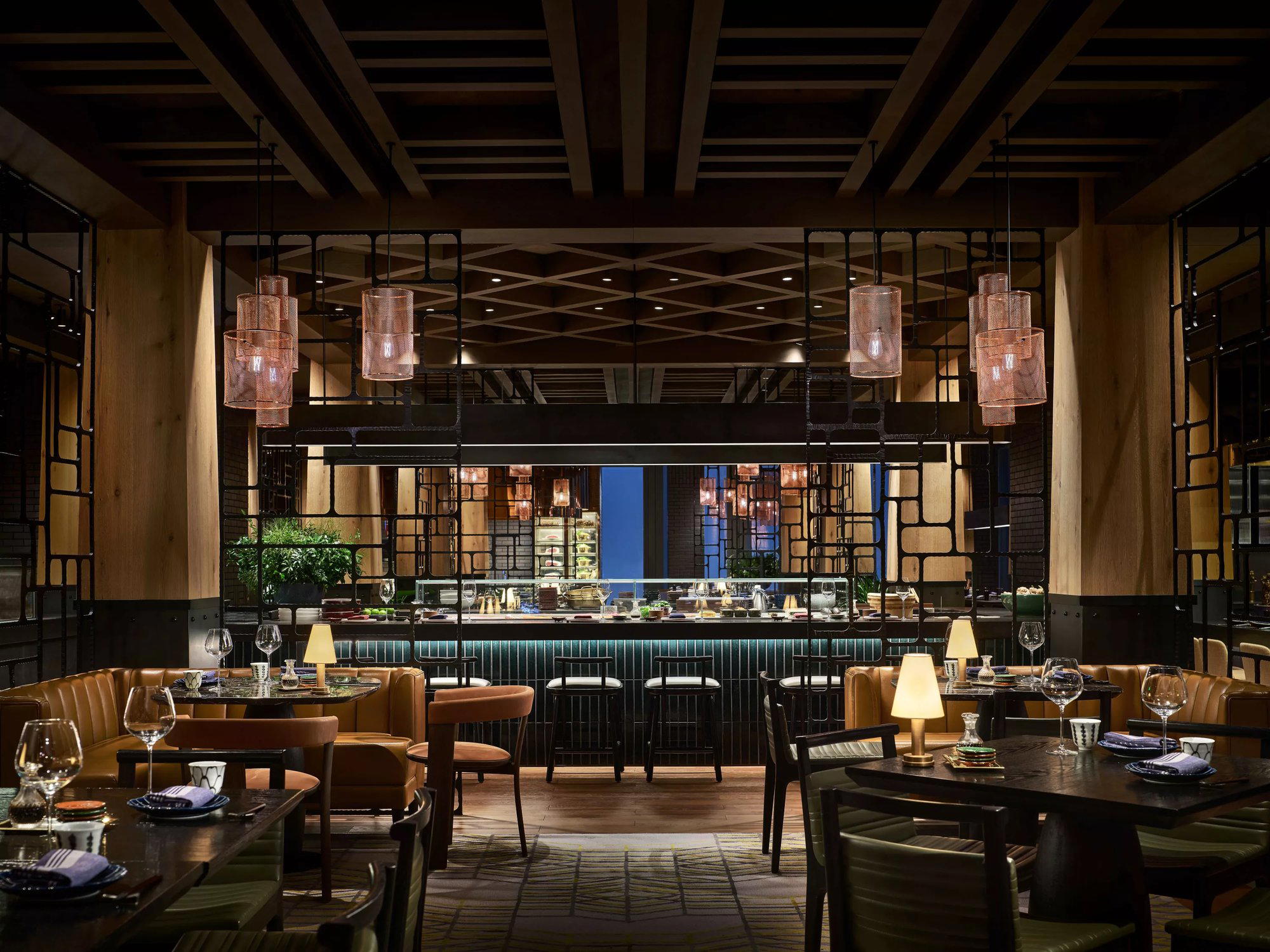
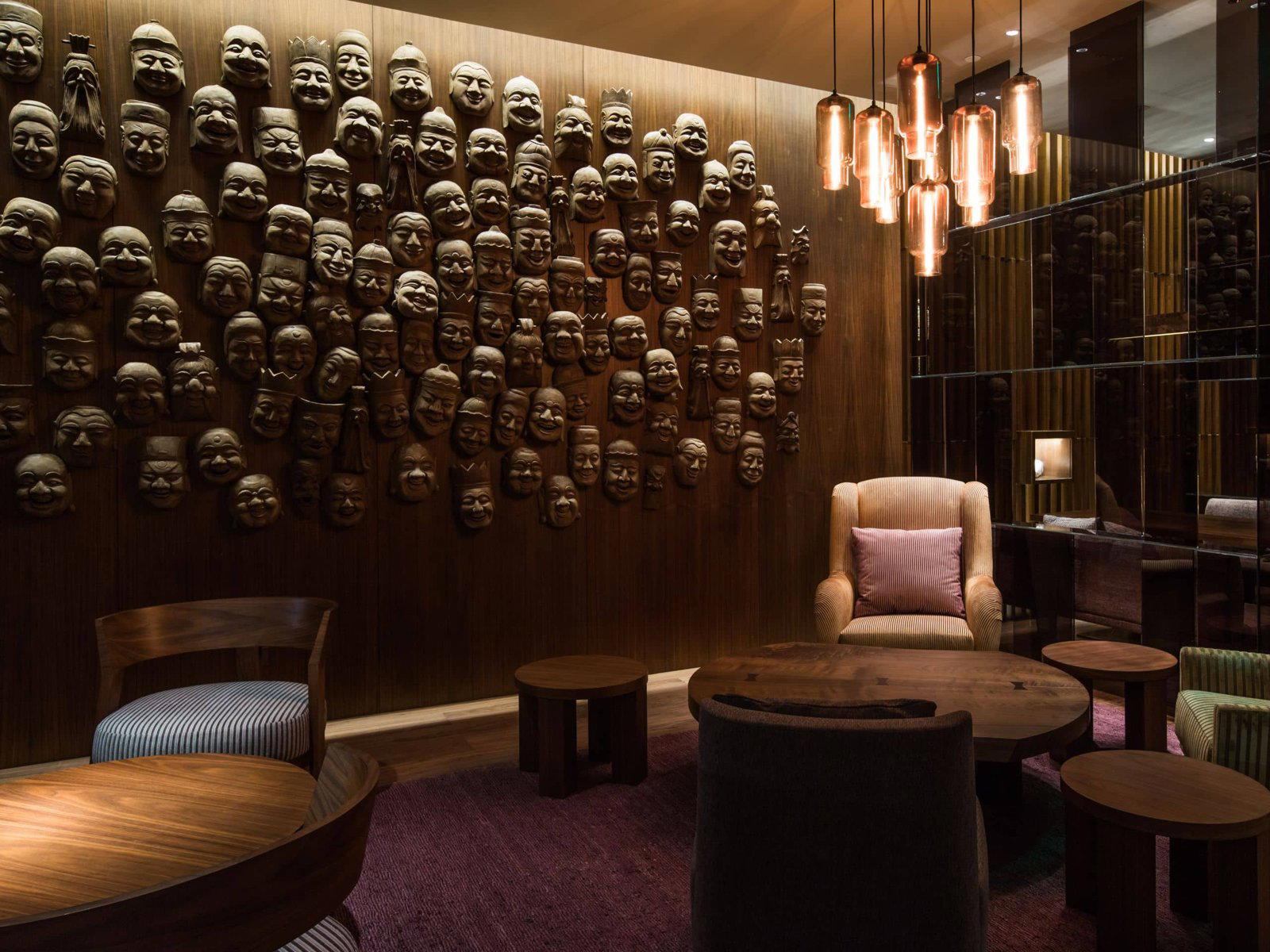
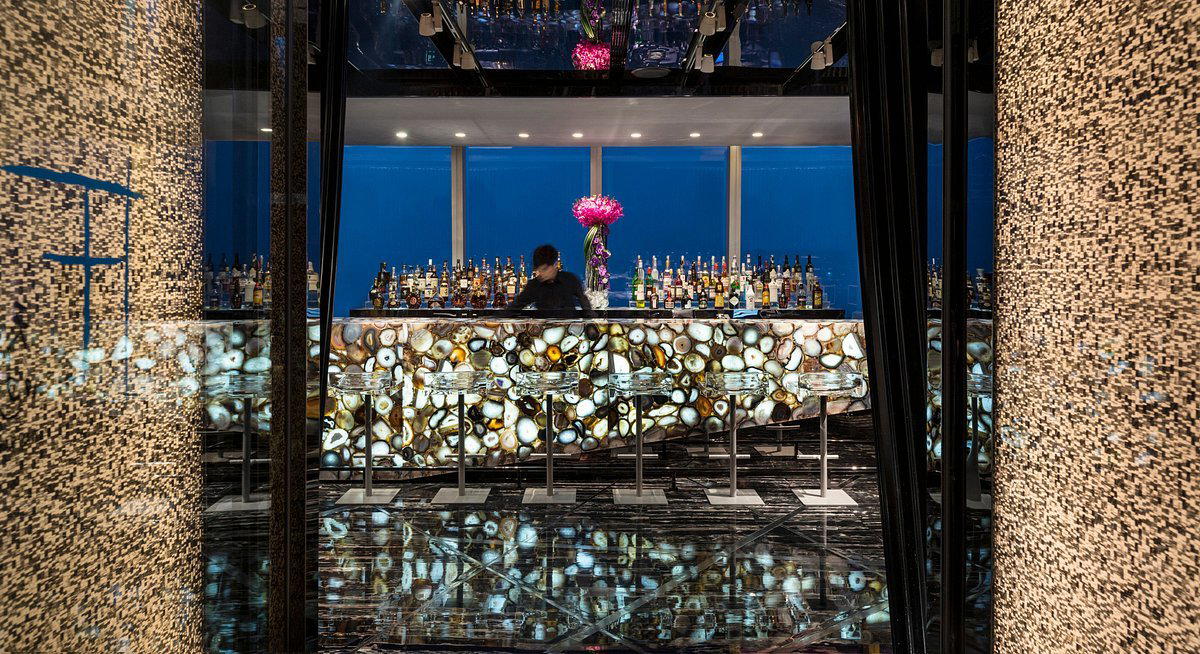
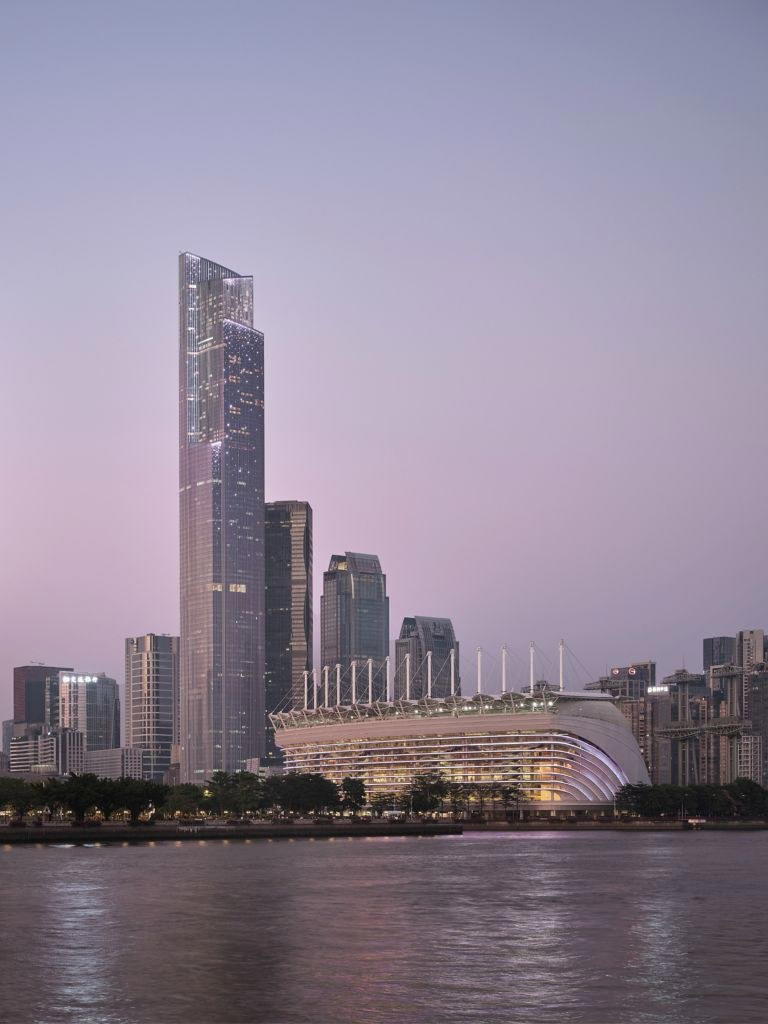
Yue CREATIVE CANTONESE CUISINE
The wine
- Wine program
- Deep wine list
- Extensive wine list
- Sommelier-led
- Natural wine
Details
- Modern
- Elegant
- Trendy
- Sophisticated
- Date Night
- Business Dinner
- Celebration
- Special Occasion
- Group Dining
- Private Event
- Open Kitchen
- Private Dining
- Design Destination
- Standalone
- Extensive Wine List
- Sommelier Led
- Natural Wine
- Local Sourcing
- Tasting Menu
- A La Carte
- Set Menu
- Small Plates
- Wine
- Champagne
- Cocktails
- Vegetarian Friendly
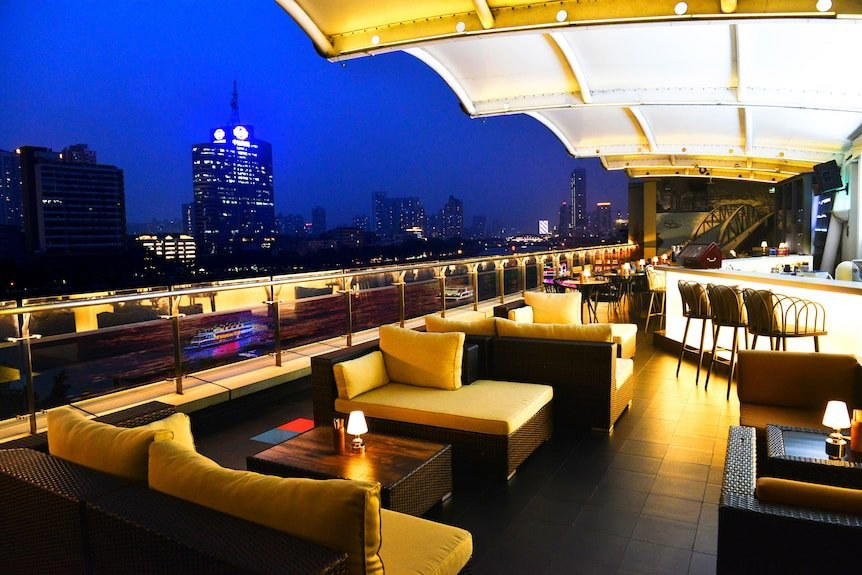
Contemporary fine-dining ambiance with refined, design-forward interiors and a youthful, experimental energy; guests describe it as elegant yet lively, with an immersive, surprise-driven dining experience focused on plating, storytelling dishes, and close interaction with the chefs.