Yonsei Handrolls
Our verdict
Yonsei Ramen Pop-Up operates out of 1915 San Pablo Ave in Uptown Oakland, occupying the informal end of the city's Japanese-inflected dining spectrum. Where permanent ramen houses commit to fixed menus and posted hours, pop-up formats like this one reward regulars who follow the schedule closely. For Oakland's San Pablo corridor, it represents the kind of community-anchored, low-overhead bowl culture that fills gaps the sit-down market leaves open.

Pearl is the En Primeur Club membership app, where members save venues, book tables and use the concierge.

San Pablo Ave and the Pop-Up Tier
The stretch of San Pablo Avenue between William Street and 19th Street in Uptown Oakland carries the particular energy of a corridor still in negotiation with itself. Longtime businesses sit alongside rotating concepts, and the sidewalk foot traffic skews local rather than destination-seeking. Yonsei Ramen Pop-Up operates at 1915 San Pablo Ave inside that context, part of a broader pattern across Oakland's mid-density corridors where pop-up formats have become a serious culinary tier rather than a stepping stone to something else.
Oakland's food scene has long maintained parallel tracks: the brick-and-mortar restaurants with fixed identities, and the rotating, appointment-only, or pop-up operations that often draw more committed diners. The latter category, which includes ramen operations, taco windows, and supper clubs spread across the city's neighborhoods, tends to cultivate loyalty through scarcity and consistency rather than through design spend or press attention. Yonsei Ramen sits in that tier, and understanding what that means shapes how you approach a visit.
Ramen as a Pop-Up Format: What Changes
In cities like Los Angeles and Tokyo, ramen has been codified into permanent counter-service institutions with posted hours and line queues that start before opening. The pop-up format does something different. It removes the assumption of availability, which shifts the power dynamic between kitchen and customer in a way that permanent restaurants rarely achieve outside of omakase contexts. When a bowl is not guaranteed, the act of getting one carries more weight.
This structural condition affects both daytime and evening service in ways worth considering before you plan a visit. Ramen pop-ups that operate on weekend mornings or midday slots tend to draw a different crowd than evening formats: fewer after-work groups, more deliberate solo diners, more neighborhood regulars who treat the pop-up as a weekly ritual rather than a special occasion. The mood is quieter, the transaction faster, and the bowl itself often hits differently without the ambient noise of a full dinner service around it. Evening pop-ups, by contrast, attract people who made a plan, which raises the collective energy in a small space considerably. Whether Yonsei Ramen leans toward a daytime or evening cadence is something to confirm directly before visiting, since pop-up schedules shift by the week and the format is built around that flexibility rather than against it.
The San Pablo Corridor in Context
The immediate neighborhood around 1915 San Pablo Ave sits within Oakland's Uptown district, which has developed one of the city's denser clusters of independent food and drink operations over the past decade. Nearby, Agave Uptown holds down the Mexican spirits and food space, while alaMar Dominican Kitchen represents the kind of diaspora-rooted cooking that has given Oakland's restaurant identity much of its character. Coffee anchors like Alem's Coffee fill the between-meal hours on the same streets. The corridor functions as a walkable cluster where a single afternoon can move naturally from coffee to a bowl of ramen to a drink, which is precisely the kind of spontaneous sequence that pop-up formats depend on for their audience.
Farther along Oakland's dining map, spots like 3 Bottled Fish and 8th St Cafe 文記茶餐廳 reflect the city's appetite for specific, identity-driven food rather than broad-category coverage. Yonsei Ramen fits that same appetite from the Japanese ramen angle, operating in a city that has never had a shortage of people willing to seek out a specific bowl from a specific operation on a specific day. For a broader view of what Oakland's independent dining scene looks like across neighborhoods and price tiers, the full Oakland restaurants guide maps the categories clearly.
The Lunch vs. Dinner Divide at a Ramen Pop-Up
The editorial question worth asking about any ramen pop-up is whether it functions better as a daytime or evening proposition. Ramen has both identities in Japan: the salaryman lunch counter where speed and price matter, and the late-night bowl after drinks where richness and intensity are the point. American ramen culture has imported both modes, and pop-ups tend to lean into one more than the other depending on their scheduling logic.
A midday ramen service at a pop-up on San Pablo Ave reads as a neighborhood utility: you arrive, you eat something serious without a long setup, you continue your day. That focus is a feature, not a limitation. In the evening, the same bowl in the same space carries different social weight. The decision to come out specifically for a pop-up ramen dinner signals a kind of culinary commitment that elevates the experience beyond convenience. You are there because you followed the schedule, confirmed the date, and made the trip.
Neither mode is inherently superior, but they serve different reader decisions. If you are visiting Uptown Oakland for dinner and want the pop-up experience without committing the full evening to a single stop, pairing Yonsei Ramen with another destination nearby is direct. If you are making it the centerpiece of a daytime visit, the San Pablo corridor gives you enough supporting options in either direction to build a full afternoon around it.
Where Yonsei Ramen Sits Against the Broader Field
The pop-up tier in American cities occupies a specific position relative to both the fast-casual ramen chains and the premium permanent counters that have multiplied in San Francisco and Los Angeles over the past decade. It is not trying to compete with the kind of technically ambitious, multi-hour ramen experiences associated with named chefs and Michelin attention. Venues like Lazy Bear in San Francisco or, at the furthest remove, places like Alinea in Chicago and Atomix in New York City represent the high-commitment, high-investment end of the American dining spectrum. Yonsei Ramen operates on a completely different axis: community-scaled, format-flexible, and priced for regularity rather than occasion.
That positioning is not a concession. Some of the most consistent cooking in any American city happens at this tier, precisely because the kitchen is not managing table turns, wine pairings, or reservation systems. The constraint of a pop-up format tends to produce sharper focus, and for ramen specifically, where the quality of the broth is the whole argument, focus matters more than scale. What Joodooboo has demonstrated in Oakland's fermented foods space, and what operations like Cenaduria Elvira show in the home-style Mexican register, is that Oakland's dining culture has both the appetite and the infrastructure to support serious cooking in non-permanent formats.
Know Before You Go
- Address: 1915 San Pablo Ave, Oakland, CA 94612 (between William St and 19th St)
- Format: Pop-up operation; schedule confirmation required before visiting
- Booking: No fixed booking information available; follow the pop-up's current social or community channels for schedule updates
- Phone/Website: Not publicly listed; check community platforms for current status
- Neighborhood: Uptown Oakland, San Pablo Avenue corridor
- Nearby options: Agave Uptown, Alem's Coffee, alaMar Dominican Kitchen
Frequently asked questions
What do people recommend at Yonsei Ramen Pop-Up?
Because Yonsei Ramen operates as a pop-up with a flexible schedule, the menu is not fixed or publicly documented in detail. The format itself signals that the kitchen's focus is narrow and deliberate, which is typically where ramen pop-ups concentrate their effort. Confirm the current menu directly through the pop-up's active channels before visiting, as offerings shift with availability and scheduling.
What is the ideal way to book Yonsei Ramen Pop-Up?
No formal booking system is publicly listed for Yonsei Ramen Pop-Up. Pop-up operations in Oakland's Uptown district, including those on the San Pablo corridor, typically communicate availability through social media, community boards, or word of mouth rather than reservation platforms. Arriving early on confirmed service days is the most reliable approach, as seating and bowl quantities at pop-ups are typically limited by design.
What is the defining dish or idea at Yonsei Ramen Pop-Up?
The defining idea at a ramen pop-up is structural as much as culinary: the kitchen commits to one thing and executes it within the constraints of a non-permanent format, which tends to produce sharper focus than a broader menu would allow.
How does Yonsei Ramen Pop-Up handle allergies?
No allergy or dietary accommodation policy is publicly listed for Yonsei Ramen Pop-Up. Given the pop-up format, the kitchen's capacity to accommodate specific restrictions will depend on that day's service and menu. If allergies are a concern, reaching out through the pop-up's active community channels before your visit is the appropriate step; arriving without prior contact and expecting modification at the counter is a higher-risk approach at any pop-up operation.
Is Yonsei Ramen Pop-Up part of a longer-running food concept or lineage in Oakland?
The name Yonsei refers to the Japanese term for fourth-generation, a designation that carries cultural weight in Japanese-American communities, particularly in the Bay Area, which has one of the country's most established Japanese-American populations. Oakland's broader Japanese-American food culture, which predates the current ramen pop-up wave by several decades, gives the name a context worth sitting with regardless of the specific operational history.
At a Glance
| Venue | Cuisine | Price | Awards | Notes |
|---|---|---|---|---|
| Yonsei Ramen Pop-UpThis venue (the venue you are viewing) | Japanese Ramen | $10–20 | Not listed | Not listed |
| Cenaduria Elvira | Authentic Jalisco Mexican Cenaduría | $20–30 | Not listed | Home-style Mexican (tacos dorados, tostada raspada) |
| À Côté | Mediterranean Small Plates | $50–100 | Star Wine List | Not listed |
| Cafe Colucci | Authentic Ethiopian | $20–30 | Not listed | Not listed |
| Joodooboo | California Korean Tofu & Banchan | $20–30 | Michelin Bib Gourmand · James Beard Award Semi Finalist | Not listed |
| JUNE'S PIZZA | Wood-Fired Artisan Pizza | $20–30 | Esquire Best New Restaurants | Not listed |
Continue exploring
More in Oakland
Restaurants in Oakland
All restaurants in Oakland →
Bars in Oakland
All bars in Oakland →

Details
- Trendy
- Lively
- Modern
- Late Night
- Casual Hangout
- Sake Program
- A La Carte
- Vegetarian Friendly
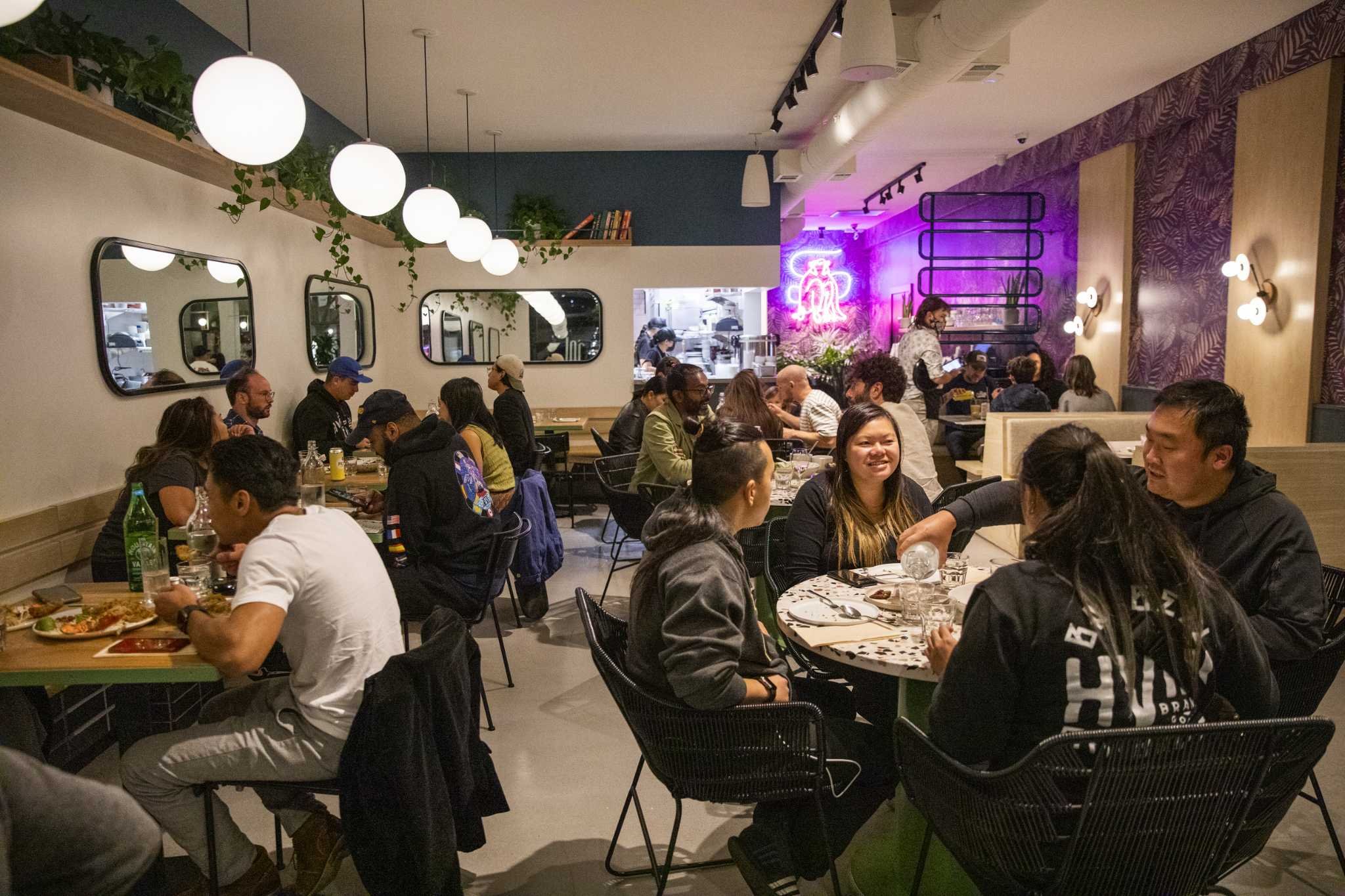
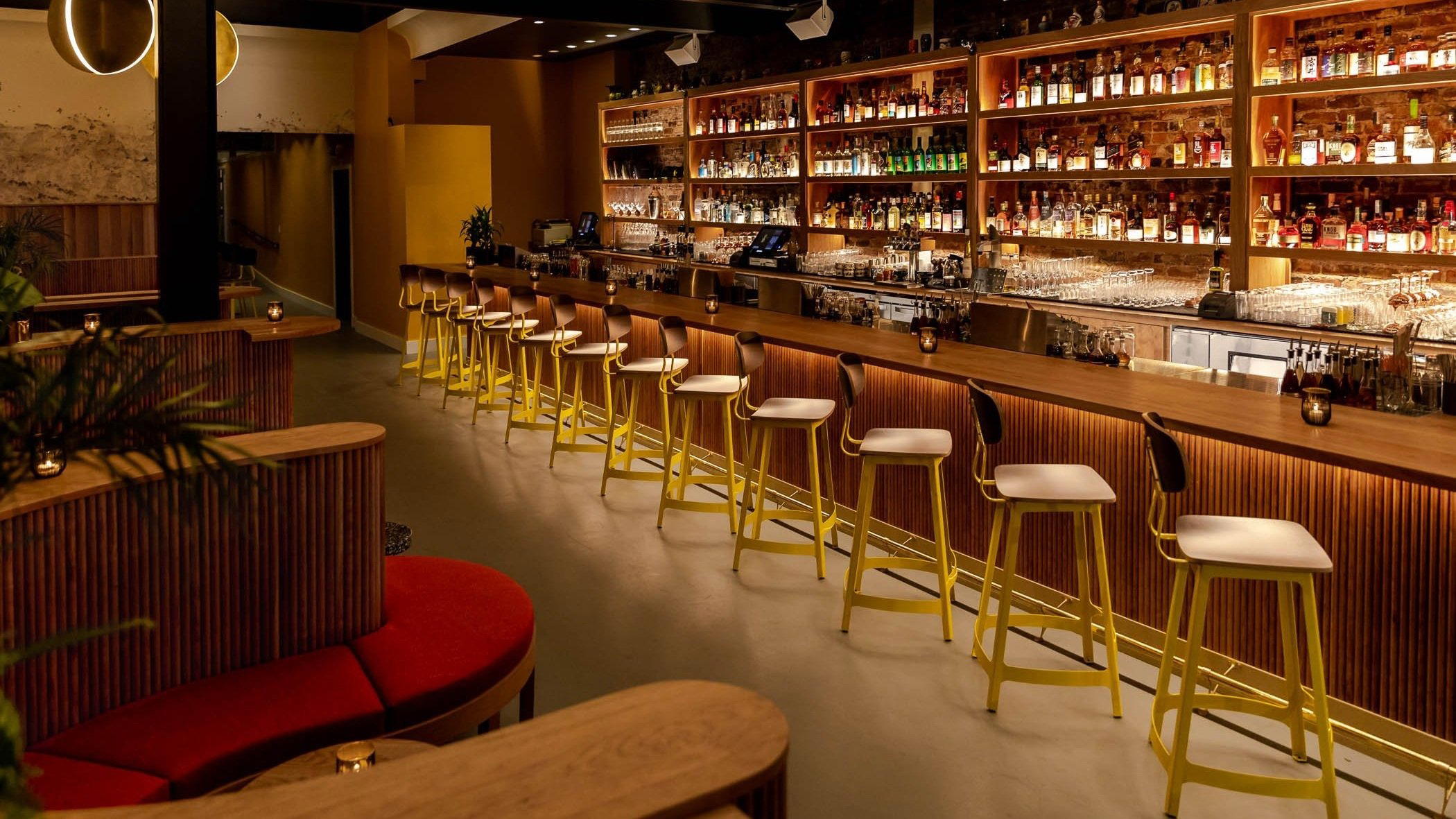
Casual, energetic late-night atmosphere with a bare-bones Tokyo alleyway ramen shop vibe.