
Our verdict
Ranked #719 in Opinionated About Dining's 2025 Casual Europe list, Yerbagüena sits in Campillos, a quiet inland town roughly 70 kilometres north of Málaga city, where chef Carlos Avilés runs a Spanish kitchen that draws scores typically associated with urban dining.

Pearl is the En Primeur Club membership app — saves, bookings, and concierge access live there. Same editors, same standards.
- Address
- Carr. de la Estación, s/n, 29320 Campillos, Málaga, Spain
- Phone
- +34 952 72 23 20
- Hours
- Mon–Tue ClosedWed–Sun 1–4 PM, 9–11 PM
- Directions
- Get directions
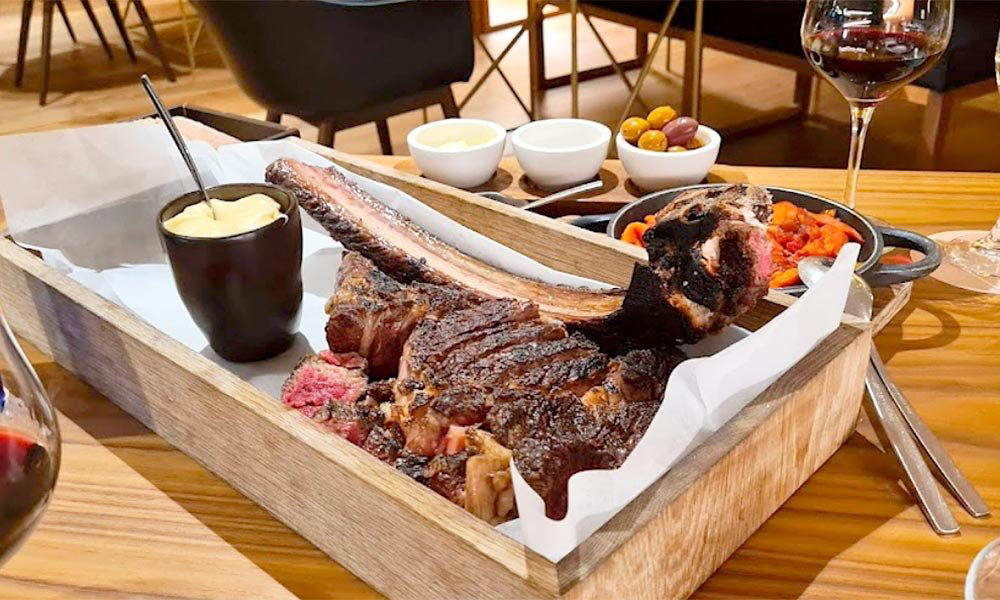
Inland Andalusia's Quiet Case for Serious Casual Dining
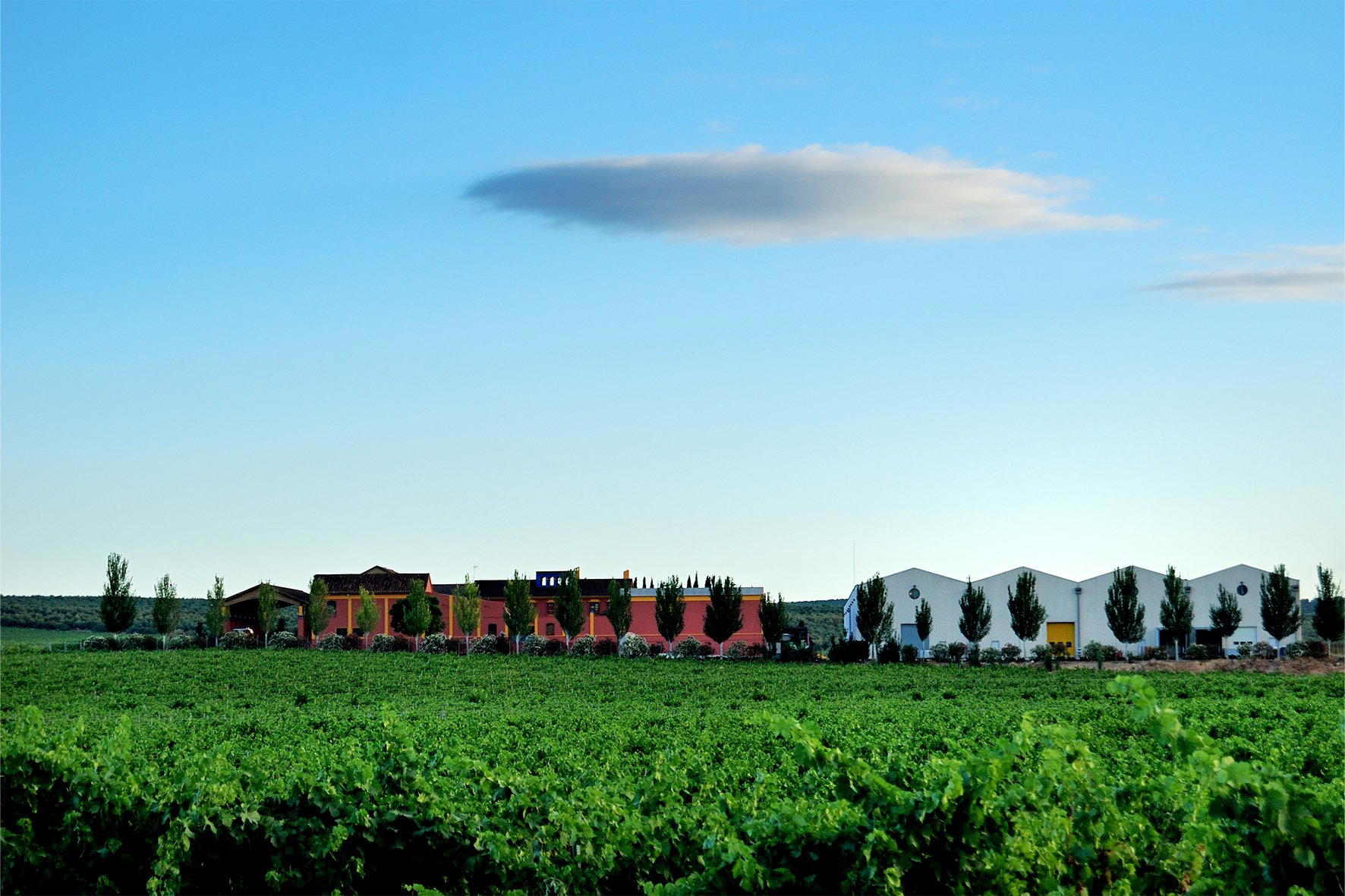
The road into Campillos offers little warning of what awaits. This is the Málaga province that tourists rarely reach: flat agricultural land, olive groves, and a town built around a railway station rather than a coastline. Yerbagüena sits on Carretera de la Estación, the road that gives the address its unpretentious character. The setting is provincial in the most literal sense, which makes the restaurant's position on our full Málaga restaurants guide worth examining carefully.
Across Andalusia, the gap between coastal and inland dining has traditionally been wide. The coast pulls investment, press attention, and the kind of footfall that sustains ambitious cooking. Inland towns have historically worked with tighter margins, more local clientele, and supply chains built around what grows or grazes nearby rather than what arrives refrigerated from distant wholesale markets. That constraint, when taken seriously rather than apologetically, tends to produce cooking with a clearer connection to place. Yerbagüena, operating in that inland context under chef Carlos Avilés, appears to have turned the constraint into a point of differentiation.
Where It Sits in the Málaga Dining Tier
Opinionated About Dining ranked Yerbagüena #719 in its 2025 Casual Europe list, a placement that requires context to read correctly. OAD's Casual Europe list aggregates opinions from a community of experienced diners rather than professional inspectors, and ranking inside the top 800 across the entire continent at the casual tier represents genuine signal rather than local boosterism.
Within Málaga province, the comparison set is useful. Kaleja operates at the contemporary Andalusian end of the city's market at a €€€€ price point. Blossom covers the Chinese-fusion tier at similar pricing. Aire and Alaparte represent further reference points across the province's contemporary dining range.
For guests arriving from the coast, the drive north takes roughly an hour from central Málaga. El Campanario Golf and Country House represents the kind of inland Málaga destination that combines accommodation and dining for those planning a longer excursion. Yerbagüena operates as a standalone dining destination, which means the journey is the commitment.
The Sustainability Argument Made Quietly
The environmental logic of inland Andalusian cooking rarely gets framed as sustainability in the way that contemporary urban restaurants frame it. There are no mission statements about zero waste or farm partnerships on the Campillos dining circuit. The practice predates the language. Kitchens at this level in provincial Spain have always worked with seasonal availability, sourced from producers they know personally, and adapted menus to what is abundant rather than what is fashionable.
This structural relationship with local supply is increasingly what fine-dining restaurants in European cities attempt to replicate at significant cost. At Yerbagüena, it is the baseline condition rather than a competitive feature. The wider Spanish conversation on this subject runs through kitchens like Azurmendi in Larrabetzu, which has built an internationally recognised model around biodynamic production and closed-loop kitchen practice, and Aponiente in El Puerto de Santa María, where Ángel León's work with marine by-products has redefined what ethical coastal cooking can mean. Yerbagüena operates at a different scale and register, but the underlying orientation toward local supply and seasonal constraint sits within the same tradition.
Across the broader Spanish restaurant scene, that tradition runs deep. El Celler de Can Roca in Girona, Arzak in San Sebastián, and Quique Dacosta in Dénia have each built their identities around deep regional specificity rather than a generalised Mediterranean pantry. DiverXO in Madrid represents a different trajectory altogether, but even its restlessness is grounded in Spanish ingredient culture. What these kitchens share is a refusal to treat sourcing as an afterthought. Yerbagüena, at its provincial level and casual register, operates within that same disposition.
The Spanish Kitchen at Casual Scale
Spanish cuisine at the casual tier covers enormous ground. The tapas bar, the asador, the comedor de menú del día, and the neighbourhood bistro with seasonal plates all occupy the same broad category. What distinguishes a casual Spanish restaurant that earns OAD recognition from those that simply feed people reliably is usually a combination of product quality, kitchen discipline, and a coherent relationship with the regional pantry. Yerbagüena, under Carlos Avilés, appears to have assembled that combination in a setting where the defaults would have made it easy not to.
The Campillos location is relevant here. That is a harder audience to satisfy than a coastal crowd that arrived with lowered expectations and a holiday mindset. It also produces a more honest signal about what the kitchen is actually achieving.
For those planning a visit, our full Málaga hotels guide covers base options across the province, and our full Málaga bars guide, our full Málaga wineries guide, and our full Málaga experiences guide provide the broader context for building an inland Andalusia itinerary around a meal at Yerbagüena. Spanish dining at this register also travels internationally: ZURRIOLA in Tokyo and Arco by Paco Pérez in Gdańsk show how far the Spanish kitchen idiom now reaches when carried by chefs with genuine roots in the tradition.
What to Know Before You Go
Yerbagüena sits at Carretera de la Estación s/n in Campillos, approximately 70 kilometres north of Málaga city, making it a deliberate excursion rather than a spontaneous addition to a coastal itinerary. The drive from Málaga is manageable and passes through the interior of the province, which has its own character distinct from the coastal strip.
Frequently Asked Questions
What do regulars order at Yerbagüena Restaurant?
In provincial Andalusian contexts, regulars typically return for whichever dishes reflect the season and the kitchen's strongest supply relationships, whether that means cured meats, slow-cooked pulses, or whatever the surrounding agriculture makes available. Chef Carlos Avilés runs the kitchen; the menu specifics are best confirmed directly with the restaurant before visiting.
Can I walk in to Yerbagüena Restaurant?
The venue sits in Campillos, which lacks the tourist buffer that absorbs capacity pressure in coastal Málaga. For a venue operating primarily on local and destination custom, weekend lunch in particular is likely to require a reservation.
What is Yerbagüena Restaurant leading at?
The OAD Casual Europe 2025 ranking anchors the answer: this is a kitchen operating at a recognised level within the Spanish casual dining tier, running from an inland Málaga location where the proximity to local agriculture shapes what the kitchen can do. The specific strengths within the Spanish menu are leading understood by visiting, since the casual provincial format tends to reward those who order according to what the kitchen signals as current rather than what appears on a static menu.
Frequently asked questions
Is Yerbagüena Restaurant Michelin-listed?
Yerbagüena Restaurant has received recognition including: Opinionated About Dining Casual in Europe Ranked #719 (2025).
Can I walk in to Yerbagüena Restaurant?
Yerbagüena sits at Carretera de la Estación s/n in Campillos, roughly 70 kilometres north of Málaga city, which means almost every visit is a deliberate trip rather than a spontaneous detour. A restaurant drawing OAD Casual Europe recognition in 2025 at that distance from any major urban centre earns a following that tends to plan ahead. Calling ahead before making the drive is advisable; phone details are not currently listed publicly.
What's Yerbagüena Restaurant best at?
Yerbagüena's position at #719 on the 2025 OAD Casual Europe list reflects a kitchen operating at a level that extends well beyond its modest Campillos address. Under Carlos Avilés, the restaurant makes a case for inland Andalusian Spanish cooking on its own terms, without the coastal framing that most international visitors associate with Málaga province. That focus on place-specific produce and casual-format precision is where the restaurant has built its reputation.
Compact Comparison
Comparable venues nearby, for context on price, style, and recognition.
| Venue | Cuisine | Price | Awards | Notes |
|---|---|---|---|---|
| Yerbagüena RestaurantThis venue — the venue you are viewing | Spanish | Not listed | Not listed | Not listed |
| Arte de Cozina | Traditional Spanish Tapas | $20–30 | Guía Repsol 1 Sol · Macarfi 7.5 Food Rating | Antequera, Traditional Spanish Tapas |
| El Pimpi | Traditional Andalusian Tapas | $20–30 | Macarfi 6.9 Food Rating · Falstaff Wine Bar - 89 Falstaff Points | Centro Historico, Traditional Andalusian Tapas |
| El Refectorium del Campanario | Spanish | Not listed | Not listed | Dining |
| Alaparte | Modern Málaga Bistro | Not listed | Michelin Plate · Macarfi 7.5 Food Rating | Centro Historico, Modern Málaga Bistro |
| Mura Mura Osteria | Modern Sicilian & Southern Italian Osteria | $30–50 | Not listed | Centro Historico, Modern Neapolitan Osteria |
Recognition history
Dated appearances from independent guides and award organizations, with the underlying list record or original source where available.
Opinionated About Dining Casual in Europe Ranked #719
Opinionated About Dining
Continue exploring
More in Málaga
Restaurants in Málaga
Browse all →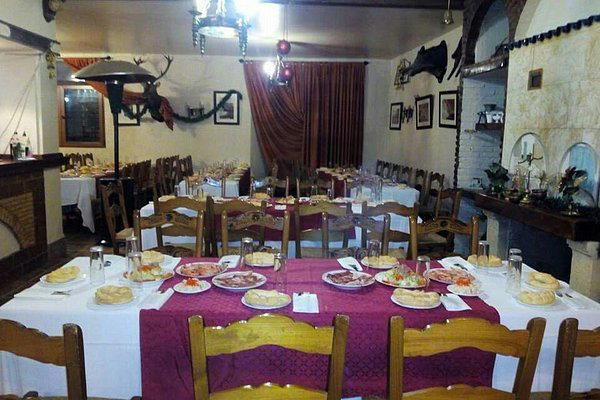
Bars in Málaga
Browse all →
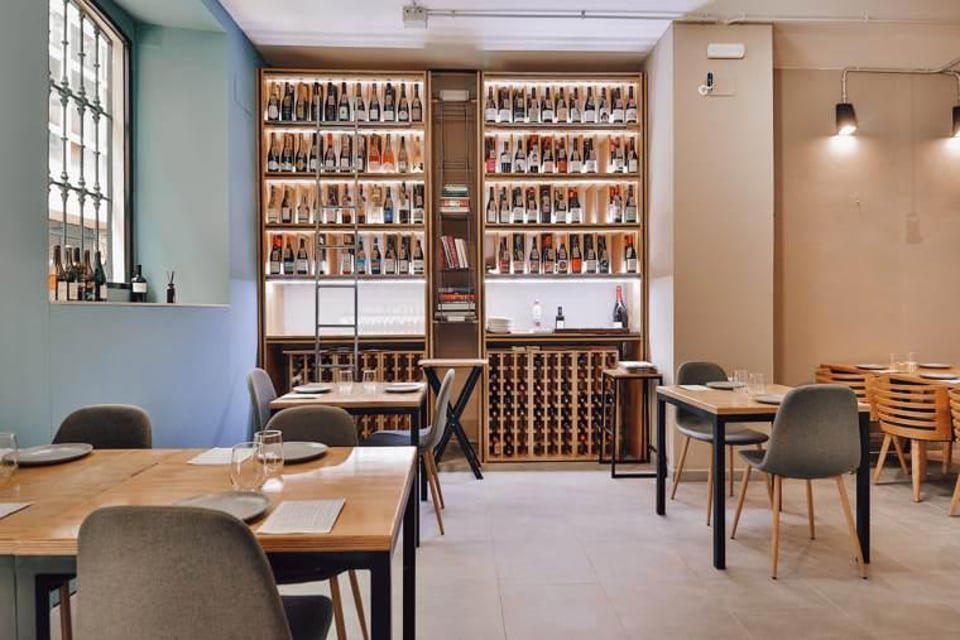
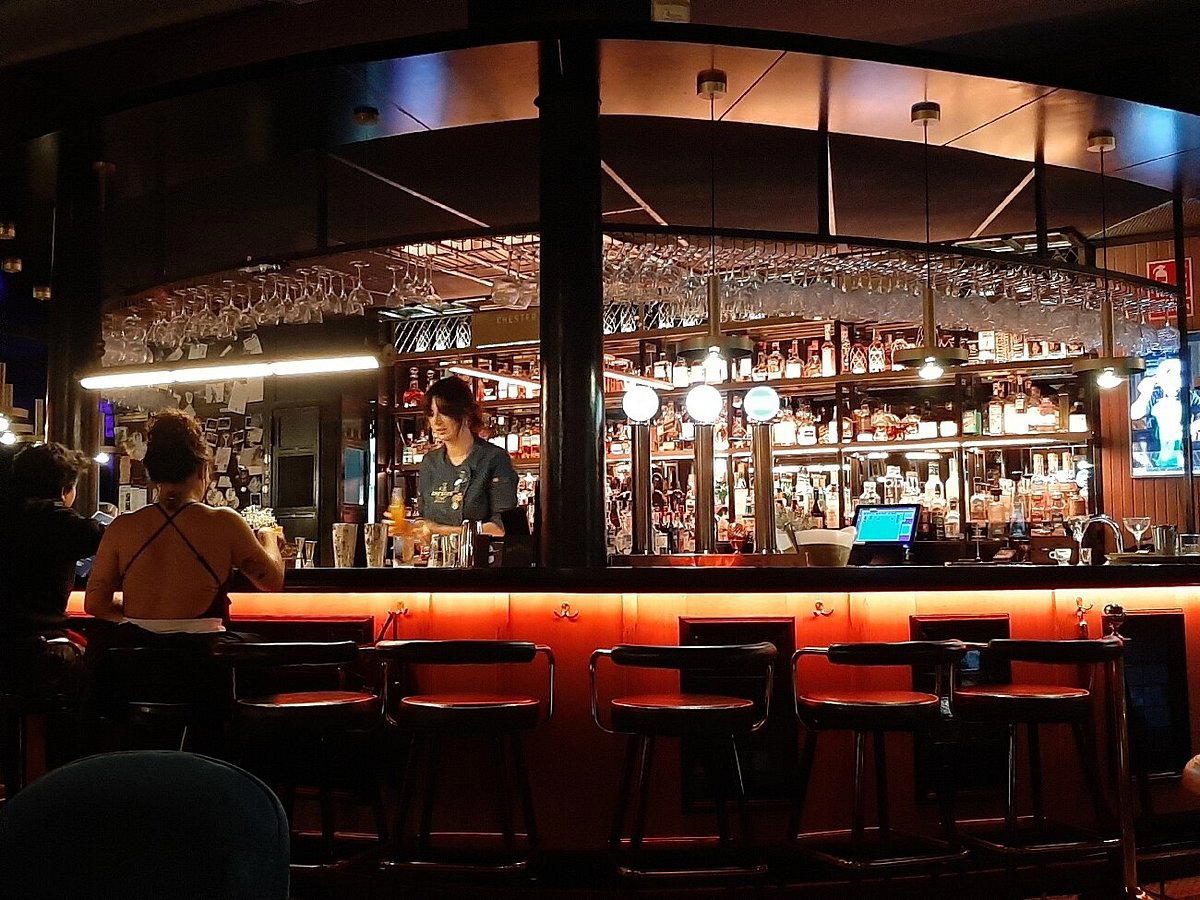
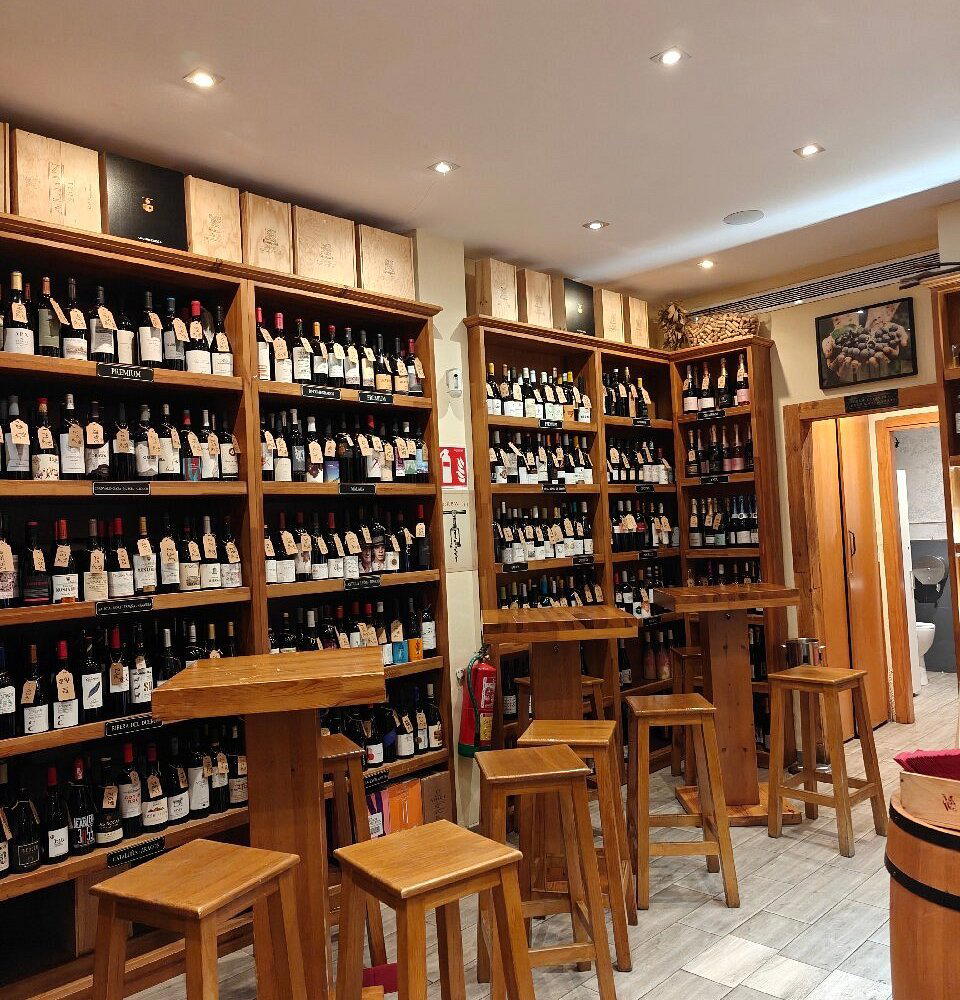
Hotels in Málaga
Browse all →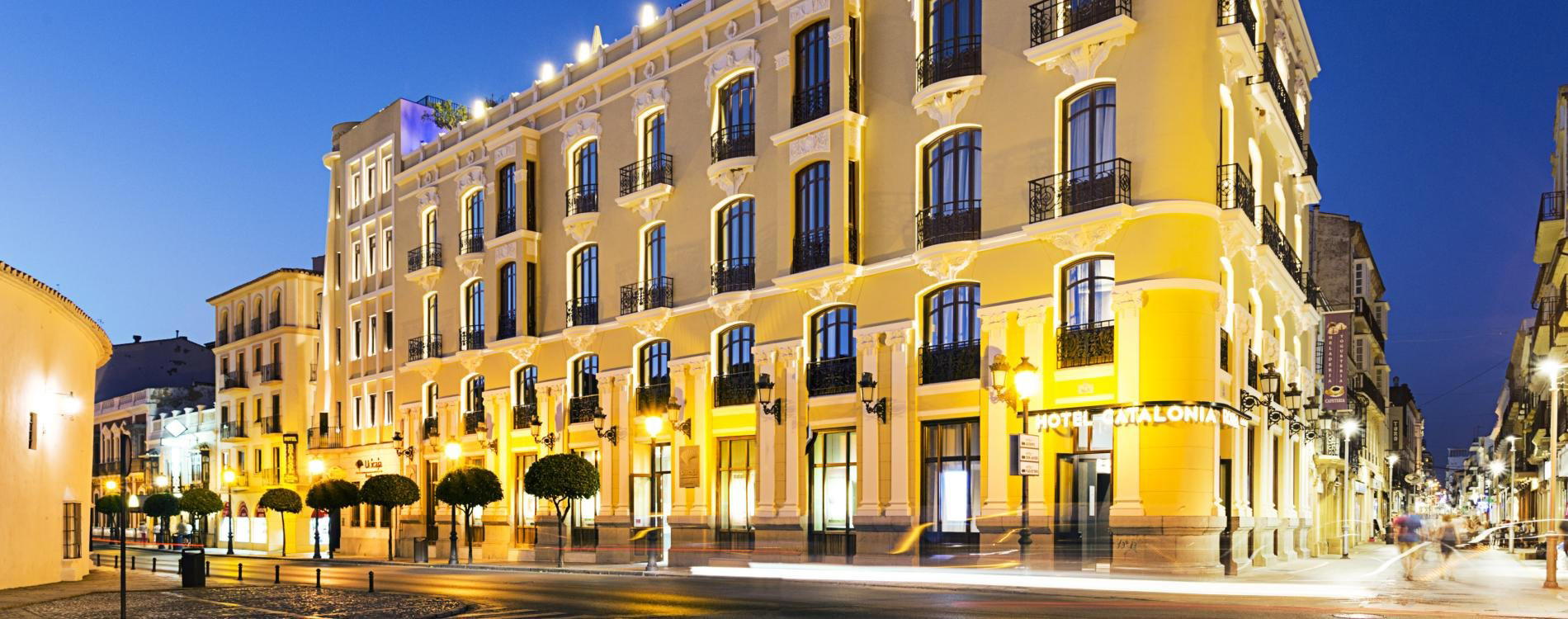

Details
- Cozy
- Rustic
- Classic
- Modern
- Casual Hangout
- Family
- Group Dining
- Special Occasion
- Standalone
- Extensive Wine List
- Sommelier Led
- A La Carte
- Wine
Current opening hours
- Monday
- Closed
- Tuesday
- Closed
- Wednesday
- 1–4 PM, 9–11 PM
- Thursday
- 1–4 PM, 9–11 PM
- Friday
- 1–4 PM, 9–11 PM
- Saturday
- 1–4 PM, 9–11 PM
- Sunday
- 1–4 PM, 9–11 PM
Hours can change for holidays and private events. Last verified .
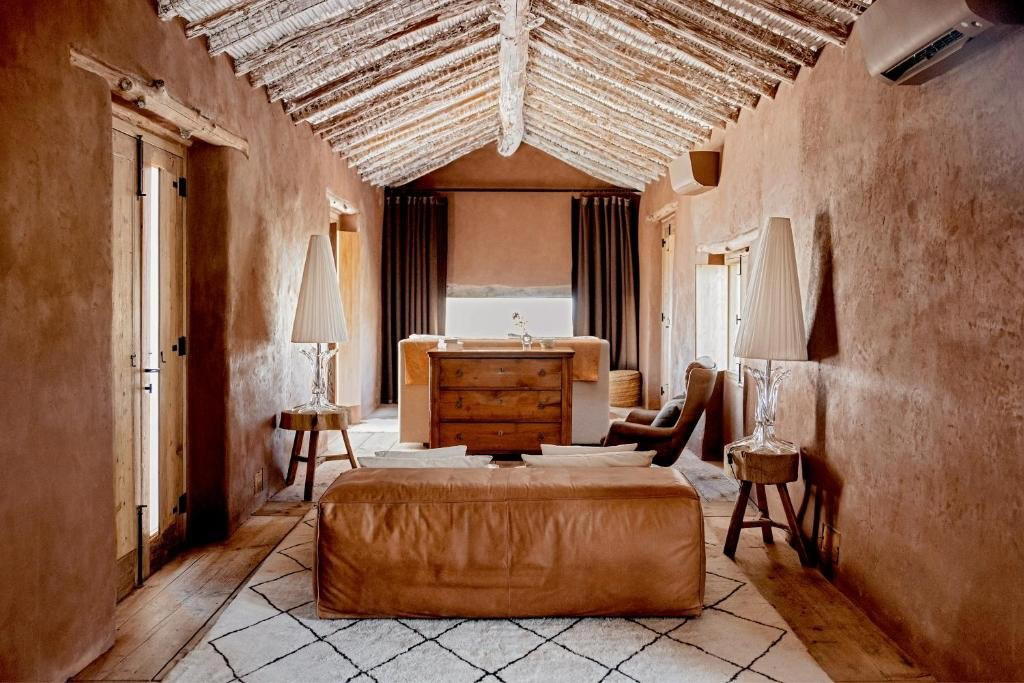
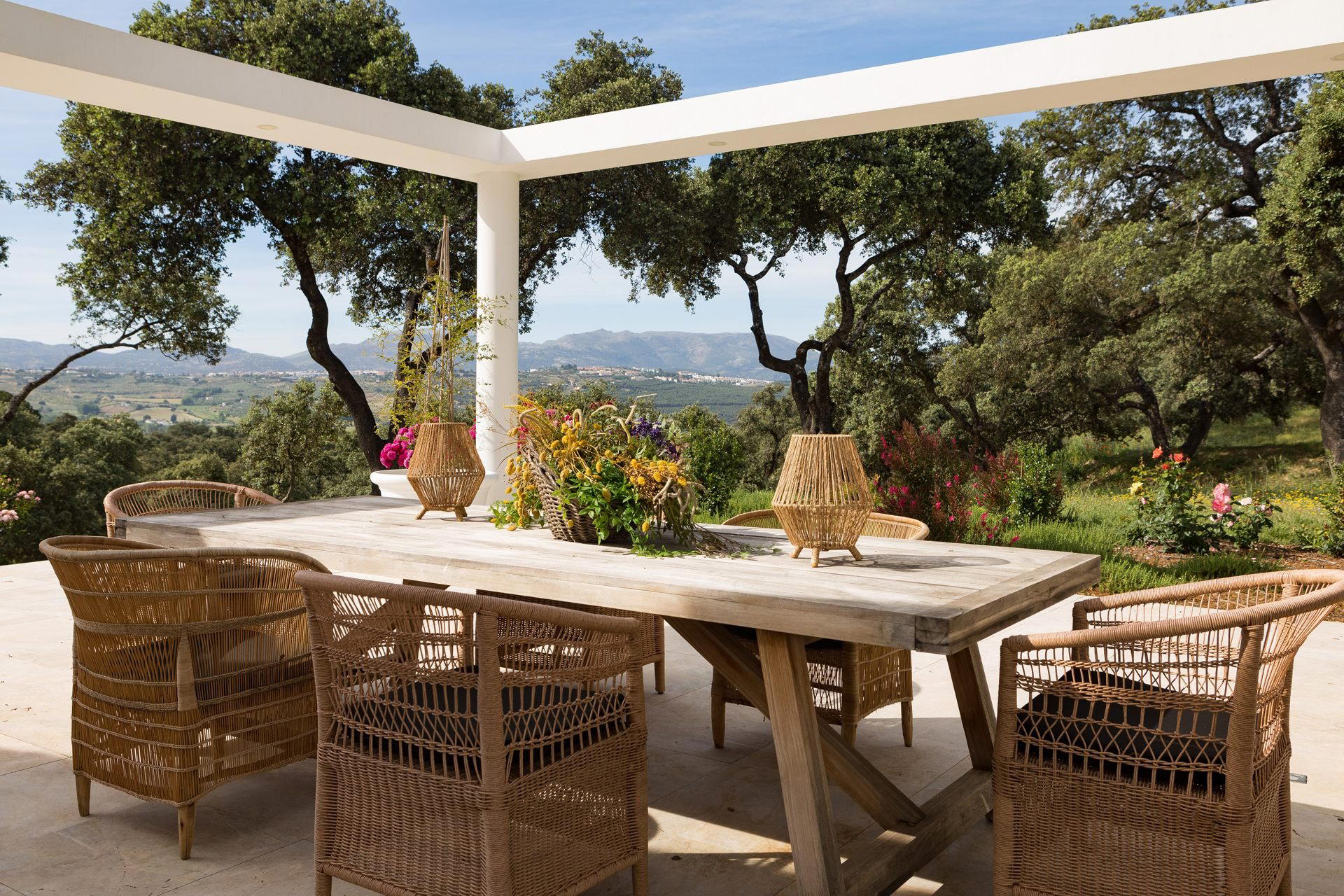
Cozy and welcoming, with a traditional dining room updated by modern touches and a relaxed, unhurried feel.