

Michelin Plate · Macarfi 7.5 Food Rating
Our verdict
A bistro steps from Atarazanas Market in Málaga's city centre, Alaparte blends French technique with Andalusian produce and Asian accents under chef Fran Rascado. The open kitchen behind the bar sets an unpretentious tone, while dishes like cured scallop with beurre blanc and lemon cascarúo from Benamocarra show the range. Neighbourhood ingredient sourcing and a tribute-driven name tie the cooking firmly to its place.

Pearl is the En Primeur Club membership app — saves, bookings, and concierge access live there. Same editors, same standards.
- Address
- Pl. Arriola, 1, Distrito Centro, 29005 Málaga, Spain
- Phone
- +34 951 73 10 79
- Hours
- Mon–Tue ClosedWed–Sat 1–4 PM, 8 PM–12 AMSun 1–4 PM
- Website
- alaparte.es
- Directions
- Get directions
- Booking
- Book on CoverManager
The menu
What to order
- Cured scallop with Benamocarra lemon
- Fideos a la parte
A Counter Seat in the Centre of Things
Málaga's dining scene has reorganised itself around two poles in recent years: a handful of destination restaurants pitching to international visitors and Michelin inspectors, and a smaller cluster of bistros that serve the city rather than perform for it. Alaparte sits in the second category, occupying a corner on Plaza de Arriola just a few paces from the Atarazanas Central Market, the nineteenth-century iron-and-tile hall that remains the working larder of the city centre. The proximity is not incidental. It defines what ends up on the plate.
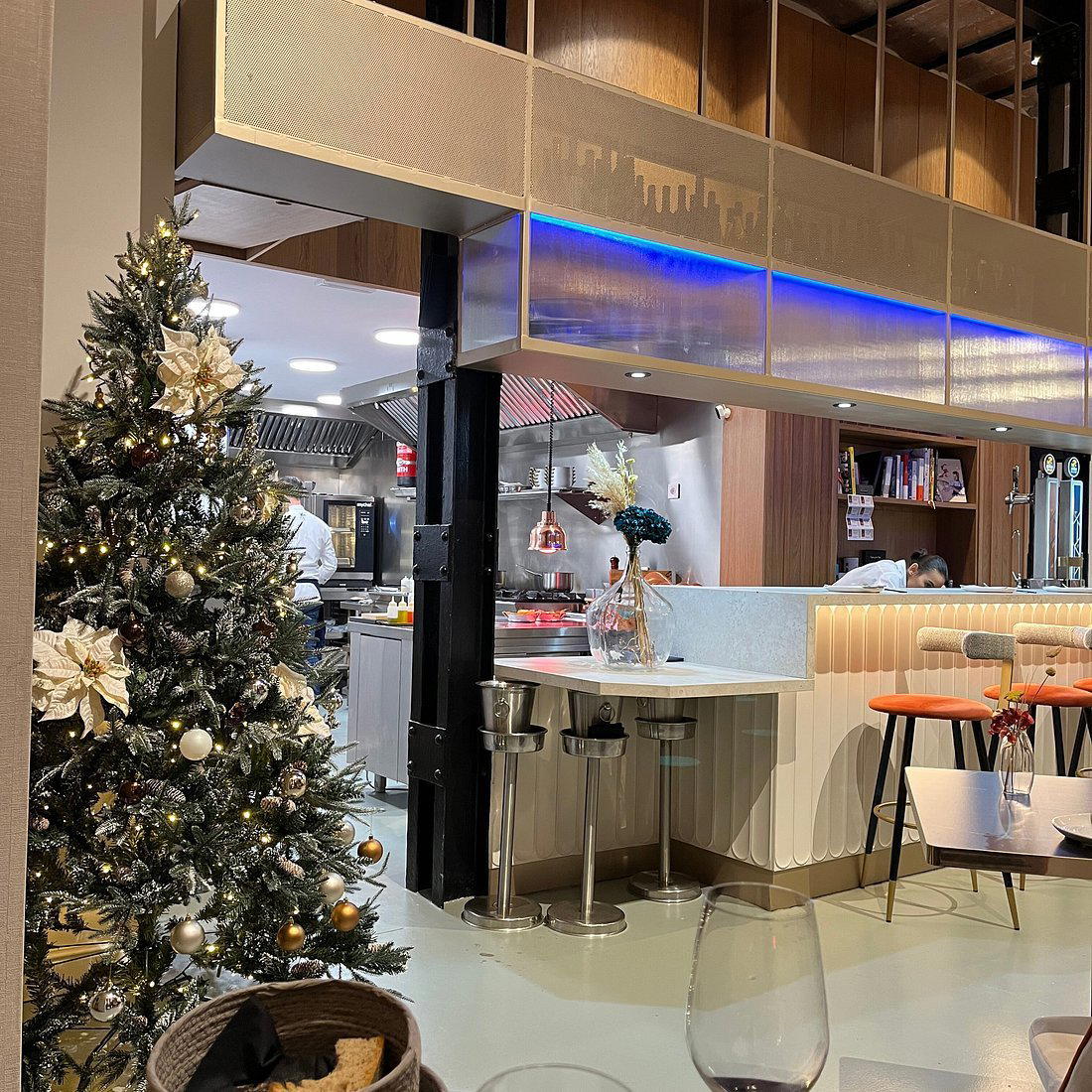
The room reads as a contemporary bistro rather than a fine-dining showcase. The kitchen is visible behind the bar, which in a city where much of the serious cooking has migrated to formal dining rooms feels like a deliberate choice about transparency and pace. You are watching the work happen rather than waiting for its results to be delivered in hushed ceremony. The atmosphere suits the neighbourhood: Distrito Centro at lunch moves fast, and Alaparte moves with it.
How Málaga's Produce-Led Cooking Works
Southern Andalusia has always cooked close to its supply chains, and the Costa del Sol section of that tradition leans heavily on the sea. The fish markets of Málaga supply not just restaurants but a domestic culture of daily cooking that most northern Spanish cities have largely lost. What distinguishes the better bistro-format kitchens in the city centre is the ability to translate that raw material advantage into something with culinary structure, without distancing the dish from its origin.
The influence of French technique on Andalusian cooking is older than most diners realise. The Bourbon court's eighteenth-century reformations brought French kitchen culture deep into southern Spain, and the beurre blanc and the structured sauce are not imports so much as sediment. At Alaparte, the French register surfaces in preparation and technique while the produce remains resolutely local: vegetables from the market gardens that ring Málaga inland, fish landed along the coast, citrus from the eastern comarca of Axarquía where the cascarúo lemon variety of Benamocarra has been grown for generations.
The Asian register in the cooking represents the more recent layer. Spanish bistro cooking across the country has absorbed Japanese and Korean precision into its technique vocabulary over the past decade, not as fusion spectacle but as a toolkit for handling delicate produce. Venues at different price points have gone further with this approach: Blossom in Málaga works a Chinese-fusion register at the four-symbol price tier, while across the wider Spanish scene, the most ambitious examples of technique-led cooking at this scale appear at places like Atomix in New York City and, domestically, DiverXO in Madrid. Alaparte operates at neither of those registers of ambition or price, but the Asian inflection in its kitchen is part of the same broader movement.
The Signature Dish and What It Argues
Cured scallop with beurre blanc and lemon cascarúo from Benamocarra is the dish most cited in connection with Alaparte, and it encapsulates the cooking's logic rather neatly. Curing disciplines the scallop's texture and draws flavour forward without heat damage. The beurre blanc connects to the French technical tradition. The cascarúo, a local citrus variety from a hillside village in the Axarquía interior some forty kilometres east of Málaga, is the detail that anchors the dish to a specific geography. The balance cited in the dish description — between the cure's salinity, the sauce's acidity and fat, and the lemon's aromatic bitterness — is the kind of equilibrium that takes technique to achieve and good produce to make worth achieving.
That dish also illuminates something about how Andalusian bistro cooking differs from its northern Spanish counterparts. At Arzak in San Sebastián or Azurmendi in Larrabetzu, the cooking is inseparable from a Basque creative identity that has spent decades building its own vocabulary. Andalusian fine and semi-fine dining is younger as a coherent movement and draws from a wider set of references. The connections to French cooking are different in register from the Basque relationship with nouvelle cuisine, and the proximity of the Moroccan coast adds a spice and preserved-ingredient sensibility that has no northern equivalent. Alaparte works within that broader, more eclectic tradition.
Where Alaparte Sits in the Málaga Restaurant Scene
The best of Málaga's restaurant market is defined by Michelin-recognised addresses. Kaleja holds a Michelin star for its contemporary Andalusian cooking, and Blossom holds one for its Chinese-fusion approach. Further along the ambition axis, Aponiente in El Puerto de Santa María and El Celler de Can Roca in Girona represent the upper boundary of what the broader Spanish scene produces. Alaparte does not pitch into that conversation.
Instead, it occupies a tier below the starred restaurants but above the traditional tapa bars. Comparable Málaga addresses in different registers include Arte de Cozina, which works a more rooted Malagueño tradition, and Aire in the contemporary category. Base9 represents another point on the informal-contemporary spectrum. Together these addresses constitute the middle tier of creative cooking in the city: technically considered, produce-driven, priced for regulars as much as visitors. Alaparte's bistro format and market-adjacency place it naturally within that group.
The name itself carries a backstory. Rascado named the restaurant as a tribute to his grandfather, who worked separating discarded fish from the catch, the kind of low-status skilled labour that the fishing industry has always relied on and rarely commemorated. That context does not change what ends up on the plate, but it places the cooking's orientation toward local produce and market tradition in something more personal than sourcing philosophy.
Planning Your Visit
Alaparte is on Plaza de Arriola, 1 in Distrito Centro, within easy walking distance of the Atarazanas Central Market and the historic core of the city. Given the bistro format and central location, walk-in visits may be possible at quieter times, but the seat count and the kitchen's format suggest that reserving ahead is the more reliable approach, particularly at lunch when the neighbourhood draws both local and visitor traffic. For a wider look at where Alaparte sits among the city's options, the full Málaga restaurants guide covers the scene across price tiers and styles. The Málaga hotels guide, bars guide, wineries guide, and experiences guide cover the surrounding context for a longer stay. For Spanish fine dining at the scale where technique and ambition converge, Cocina Hermanos Torres in Barcelona and Le Bernardin in New York City offer reference points for the technical tradition Alaparte draws from at a different level of execution and price.
Frequently asked questions
What's the address for Alaparte?
Alaparte is located at Pl. Arriola, 1, Distrito Centro, 29005 Málaga, Spain, Málaga.
What distinctions does Alaparte have?
Alaparte has received recognition including: Located in the heart of the city centre, just a few steps from the Atarazanas Central Market. This bistro with a contemporary atmosphere, with the kitchen visible behind the bar, is run by Fran Rascado, a young chef who, with the name of th….
What's the signature dish at Alaparte?
The cured scallop with lemon cascarúo from Benamocarra and beurre blanc sauce is the dish most associated with Fran Rascado's kitchen. It pairs a French classical technique with a hyper-local citrus variety from the hills above the Costa del Sol, and the curing process adds a layer of precision unusual for a bistro-format counter. It is the clearest single statement of what this kitchen is doing.
Can I walk in to Alaparte?
The bistro format and central position on Plaza de Arriola, 1 in Distrito Centro make walk-ins plausible during off-peak hours. No confirmed reservation policy is published, so contacting the restaurant directly before visiting is advisable, particularly on evenings when the counter seats around the open kitchen are in demand.
What has Alaparte built its reputation on?
The kitchen's standing rests on sourcing from the Atarazanas Central Market, which is directly adjacent, combined with produce from the surrounding market gardens. Chef Fran Rascado layers French and Asian technique over that Andalusian base, and the restaurant name itself references his grandfather's work separating discarded fish, a signal that the cooking is grounded in a specific local tradition rather than borrowed from a broader trend.
Budget Reality Check
Comparable venues nearby, for context on price, style, and recognition.
| Venue | Cuisine | Price | Awards | Notes |
|---|---|---|---|---|
| AlaparteThis venue — the venue you are viewing | Modern Málaga Bistro | Not listed | Michelin Plate · Macarfi 7.5 Food Rating | Not listed |
| El Pimpi | Traditional Andalusian Tapas | $20–30 | Macarfi 6.9 Food Rating · Falstaff Wine Bar - 89 Falstaff Points | Centro Historico, Traditional Andalusian Tapas |
| Base9 | Modern Andalusian Tapas | $30–50 | Michelin Bib Gourmand · Macarfi 7.5 Food Rating | Plaza De Toros Vieja, Modern Andalusian Tapas |
| Nusa Malaga | Cocktail Bar with Tapas | $10–20 | Falstaff Bar - 92 Falstaff Points | Puerto, Cocktail Bar with Tapas |
| El Yerno | Fresh Andalusian Seafood | $20–30 | Not listed | Centro Historico, Fresh Andalusian Seafood |
| Uvedoble Taberna | Modern Andalusian Tapas | $20–30 | Not listed | Centro Historico, Modern Andalusian Tapas |
Recognition history
Dated appearances from independent guides and award organizations, with the underlying list record or original source where available.
Michelin Plate
Michelin
Macarfi 7.5 Food Rating
Macarfi
Continue exploring
More in Málaga
Restaurants in Málaga
Browse all →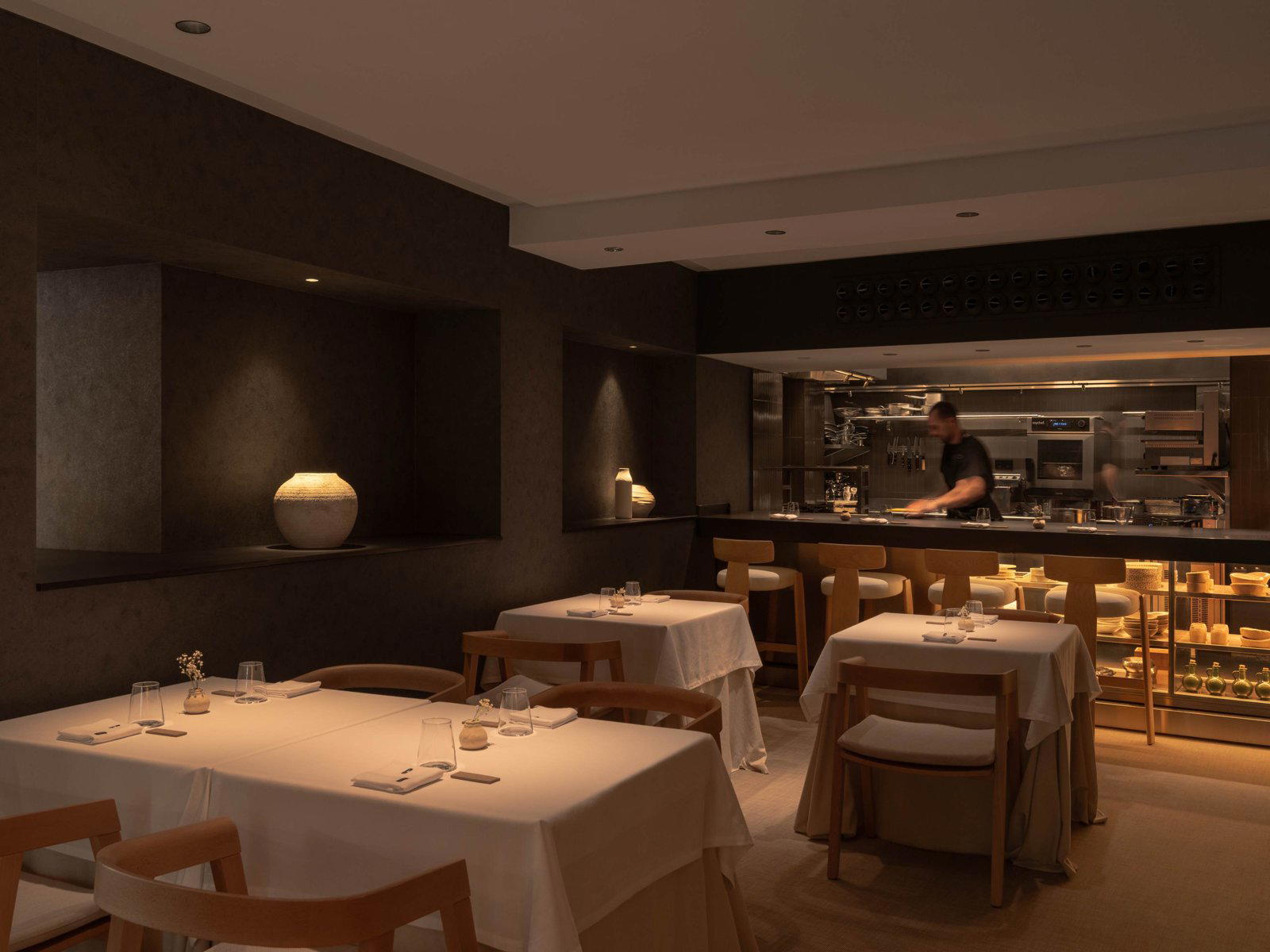
Bars in Málaga
Browse all →
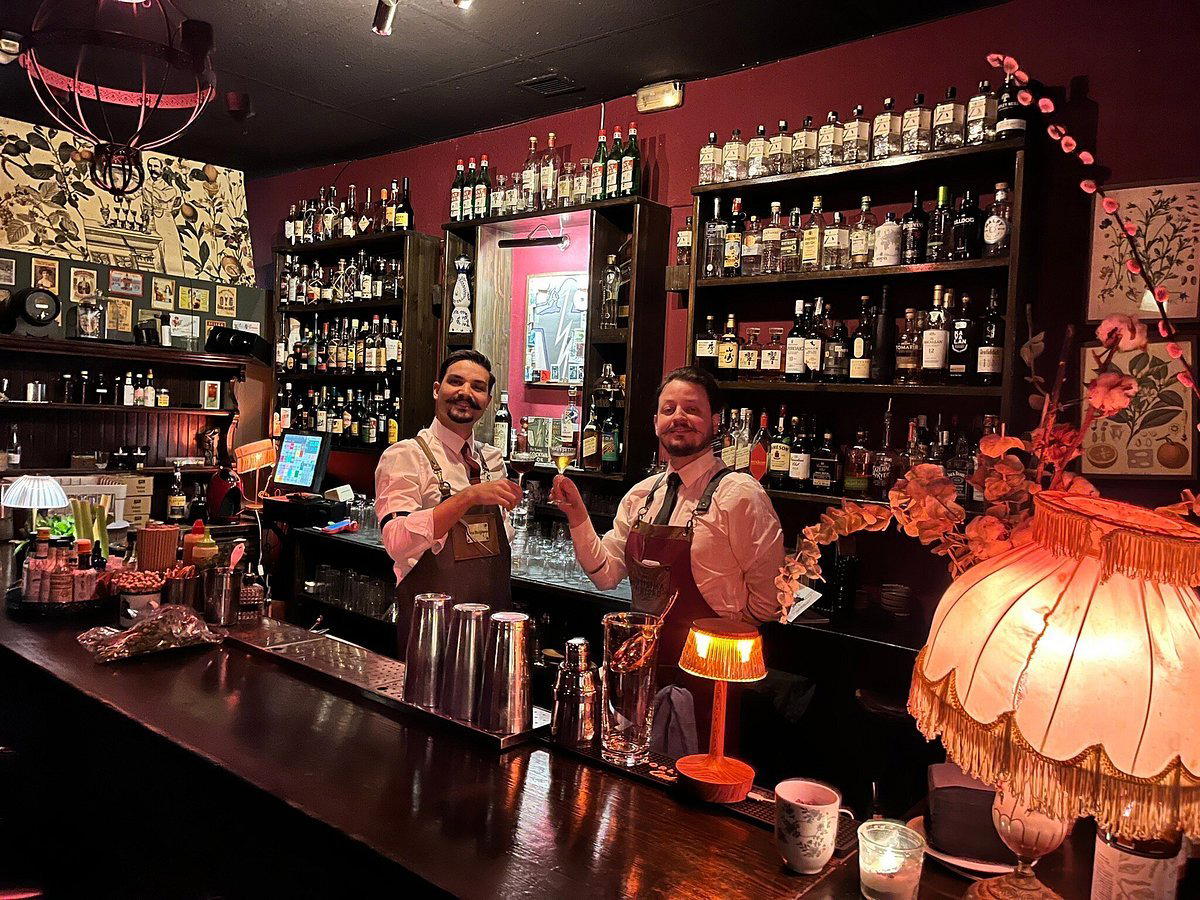
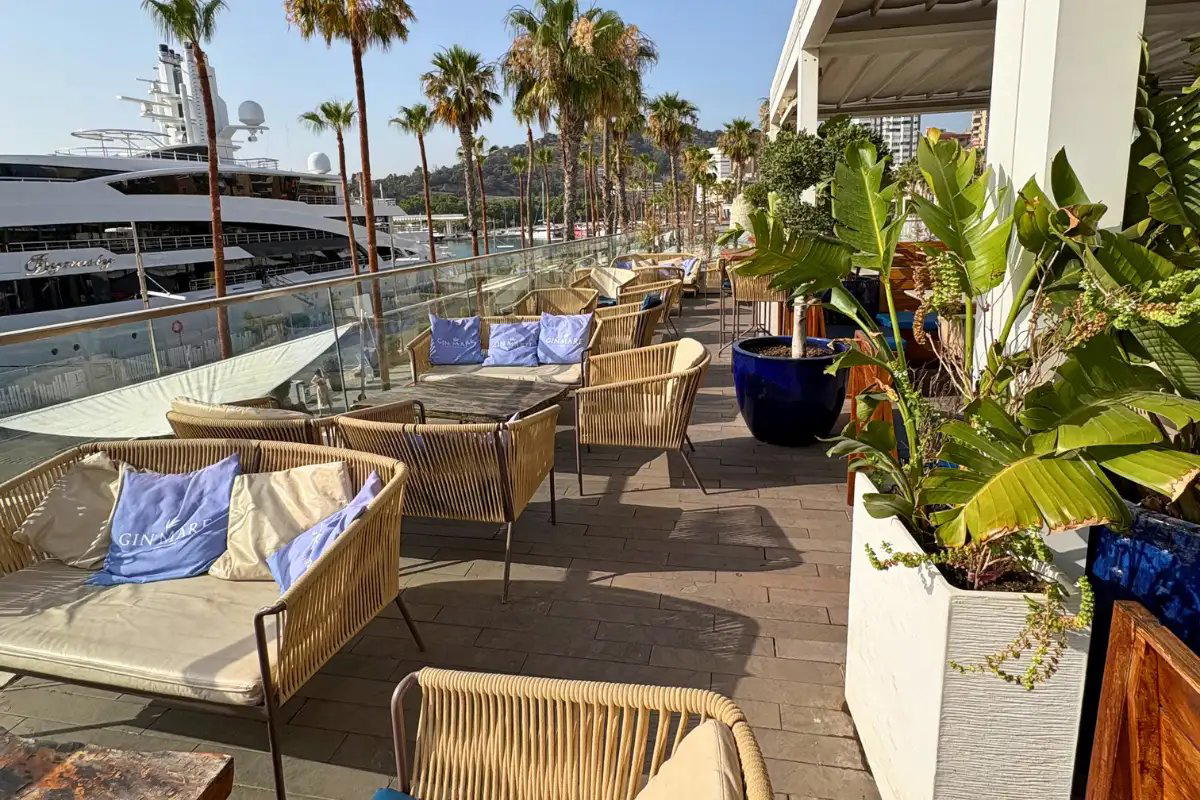
Hotels in Málaga
Browse all →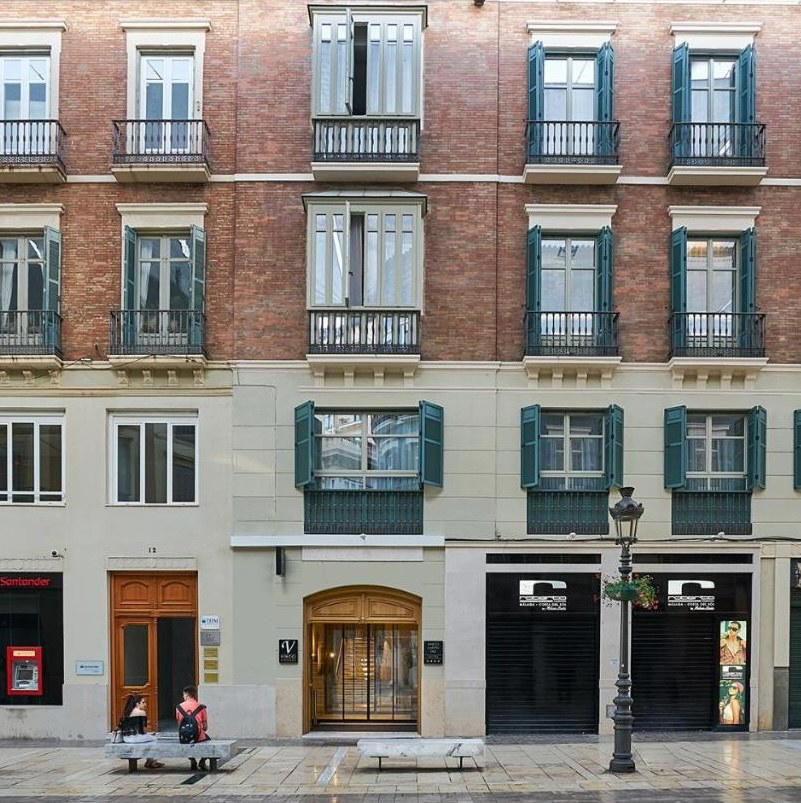

Details
- Modern
- Elegant
- Intimate
- Date Night
- Special Occasion
- Open Kitchen
- Terrace
- Local Sourcing
- Street Scene
- A La Carte
- Small Plates
Current opening hours
- Monday
- Closed
- Tuesday
- Closed
- Wednesday
- 1–4 PM, 8 PM–12 AM
- Thursday
- 1–4 PM, 8 PM–12 AM
- Friday
- 1–4 PM, 8 PM–12 AM
- Saturday
- 1–4 PM, 8 PM–12 AM
- Sunday
- 1–4 PM
Hours can change for holidays and private events. Last verified .
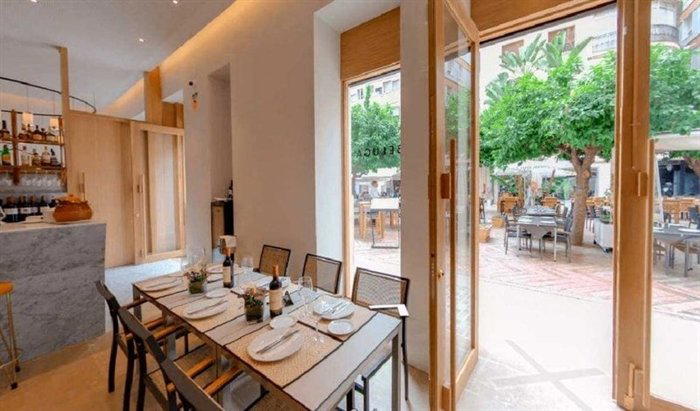
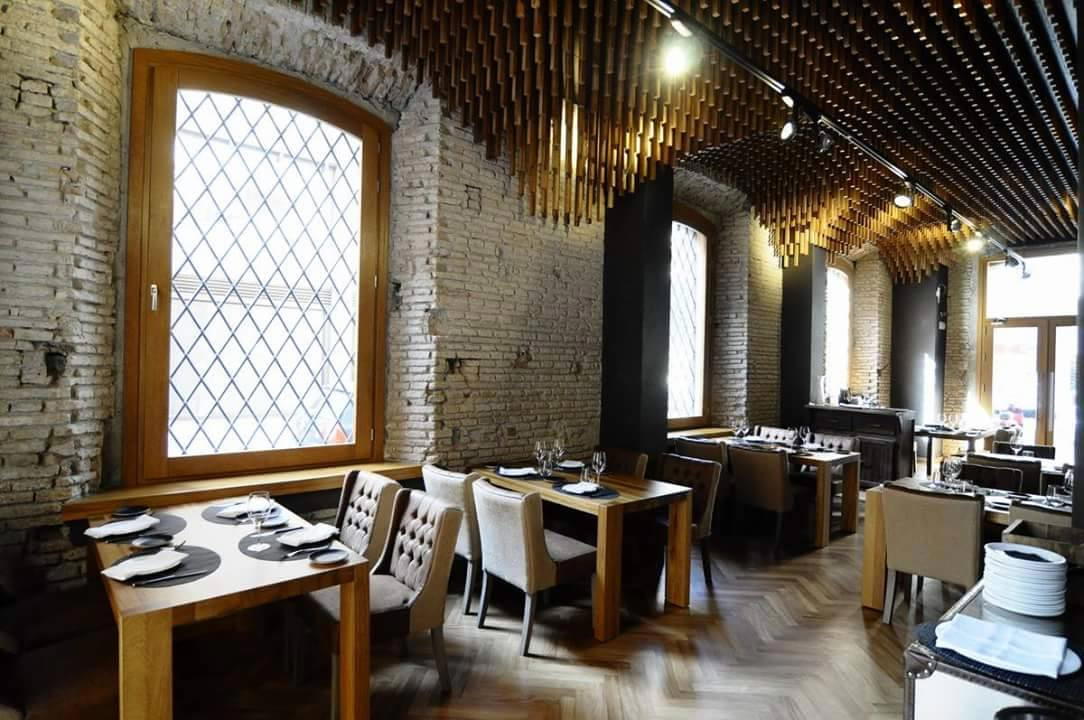
Stylish industrial modern interior with a welcoming atmosphere, open kitchen views, and terrace open to the city.