




1 Michelin Star · Falstaff Restaurant - 95 Falstaff Points · Macarfi 9.2 Food Rating
Our verdict
In Málaga's historic Jewish quarter, Kaleja holds a Michelin star and a top-150 ranking in Opinionated About Dining's European list for 2025. Chef Dani Carnero works a wood-fired grill to revive Andalusian recipes through a technique he calls 'candle cooking', serving two menus inside a centuries-old alley setting steps from the Picasso Museum.

Pearl is the En Primeur Club membership app — saves, bookings, and concierge access live there. Same editors, same standards.
- Address
- C. Marquesa de Moya, 9, Distrito Centro, 29015 Málaga, Spain
- Phone
- +34 952 60 00 00
- Hours
- Mon–Tue ClosedWed 1:30–2:30 PM, 8–9 PMThu–Sun Closed
- Website
- restaurantekaleja.com
- Directions
- Get directions
- Booking
- Book on CoverManager
The menu
What to order
- We cook the memory tasting menu
- Gazpacho variations
Smoke, Stone, and the Scent of Old Andalusia
Walk down Calle Marquesa de Moya in Málaga's Judería and something registers before you reach the door: a faint thread of woodsmoke drifting through the narrow street. It is the first editorial statement Kaleja makes, and it is an accurate one. The restaurant takes its name from the Sephardic word for alley, a deliberate reference to the quarter it occupies and to the layered histories — Moorish, Jewish, Andalusian — embedded in this part of the old city. That choice of name signals something about the kitchen's ambitions: this is not a restaurant interested in erasing its surroundings.
The address places Kaleja a short walk from the Picasso Museum in the Distrito Centro, the compressed historic core where Málaga's contemporary dining scene has been quietly consolidating around a handful of serious kitchens. The city's food identity has long been overshadowed by Seville and the Basque Country in national conversations about Spanish gastronomy, but that is changing. Kaleja is part of the argument for why.
The Technique: Fire as a Local Instrument
Contemporary Andalusian cooking faces a particular challenge: how to apply international technique to a tradition that already has enormous depth. The Basque country resolved this decades ago through chefs who absorbed French methods and redirected them toward local product. Southern Spain has been slower to find its equivalent synthesis, partly because the product diversity is enormous and the traditions harder to codify. What emerges at the sharper end of Andalusian fine dining, in places like Sobretablas in Seville and, in a very different register, Aponiente in El Puerto de Santa María, tends to involve chefs who have absorbed global technique and then turned it toward something specifically local rather than generically modern.
At Kaleja, Chef Dani Carnero's answer is the wood-fired grill and what he describes as "candle cooking": a method that uses controlled fire heat to recover the flavours encoded in older Andalusian recipes. The technique is not purely nostalgic. It is a tool for unlocking ingredient qualities that high-heat gas or induction cooking often erases. The emphasis on fire connects Kaleja to a broader international wave of wood-fire cooking, a method that appeared at Le Bernardin in New York City and at restaurants across Scandinavia and the Basque Country before finding its Andalusian expression here, but the direction of travel is inward rather than outward. The fire is in service of recovery, not novelty.
Gazpacho illustrates this well. In Málaga, the local version is called "gazpacho de floja" and is made with onion, which distinguishes it from the Sevillian template most international diners know. Carnero's take pairs trout roe and almonds with this regional base, adding a technique-driven layer without displacing the dish's local identity. The almonds are already embedded in Andalusian food history going back centuries; the roe introduces a textural contrast that reads as a technical decision rather than an imported flourish. This is the editorial angle that Kaleja earns consistently: imported methods in the service of indigenous product, not the reverse.
Where Kaleja Sits in Málaga's Dining Tier
Málaga's serious restaurant tier has a recognizable structure. At the leading end, you have €€€€ kitchens pursuing tasting menus or creative à la carte formats with formal service and strong wine programs. Blossom, also Michelin-starred and positioned at the same price point, approaches this tier from a Chinese-fusion angle. Aire represents the contemporary Spanish strand within the same bracket. Below them, restaurants like Alaparte, Arte de Cozina, and Base9 operate at mid-range price points with their own distinct identities.
Kaleja holds a Michelin star (2024) and was ranked 133rd in Opinionated About Dining's Leading Restaurants in Europe for 2025, up from 103rd in 2024 and appearing on their Leading New Restaurants list for 2023. That trajectory through the OAD rankings is notable: it signals not just arrival but sustained critical momentum. For context, the OAD list aggregates assessments from a documented community of serious diners across Europe, so movement from a new-entry ranking to a top-150 position in two years reflects consistent performance under scrutiny, not a single strong review cycle. Nationally, the city's fine dining scene remains smaller than what you find in Madrid (consider DiverXO) or the Basque Country (Arzak, Azurmendi), or Barcelona's multi-star kitchens like Cocina Hermanos Torres and El Celler de Can Roca in Girona, but Kaleja's recognition suggests Málaga is closing that gap faster than the conventional narrative allows.
Two Formats, One Kitchen
Kaleja runs two menus from the same kitchen: the Degustación, available at both lunch and dinner services, and an A la carta format offered exclusively at lunch from Tuesday to Friday. The split is practical intelligence for the diner. The tasting menu format allows Carnero's "candle cooking" methodology to develop across multiple courses in sequence; the lunchtime à la carte offers more flexibility for those who want a briefer encounter with the kitchen or who are working around a tighter afternoon schedule.
The operating hours deserve attention if you are planning around the kitchen's own rhythm. Kaleja is closed Monday and Sunday, open Tuesday through Saturday with two services: lunch from 1:30 PM to 2:30 PM and dinner from 8:00 PM to 9:00 PM. The booking window for each service is narrow by design, the kitchen is not running an all-afternoon or all-evening operation, and the tight entry times are consistent with a format that wants to control pacing. The price range sits at €€€€, placing this firmly in the special-occasion tier for most diners visiting Málaga.
The Quarter and the Room
The Judería, Málaga's old Jewish quarter, carries a different texture from the tourist-facing streets around the cathedral. It is more compressed, less trafficked, the buildings closer together. The Sephardic history of the area feeds directly into the restaurant's name and its cultural positioning: Kaleja is not simply a restaurant located in a historic district, it is a restaurant that has chosen to read its location as a starting brief. The proximity to the Picasso Museum (a few minutes on foot) means the neighbourhood already draws a culturally engaged visitor rather than a purely casual one, which shapes the crowd without Kaleja having to do much to filter for it.
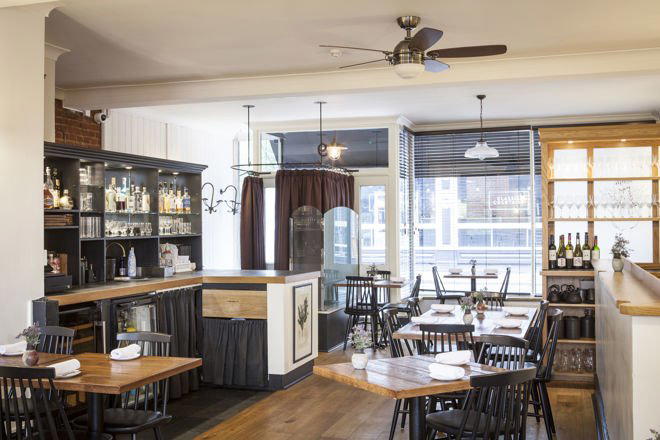
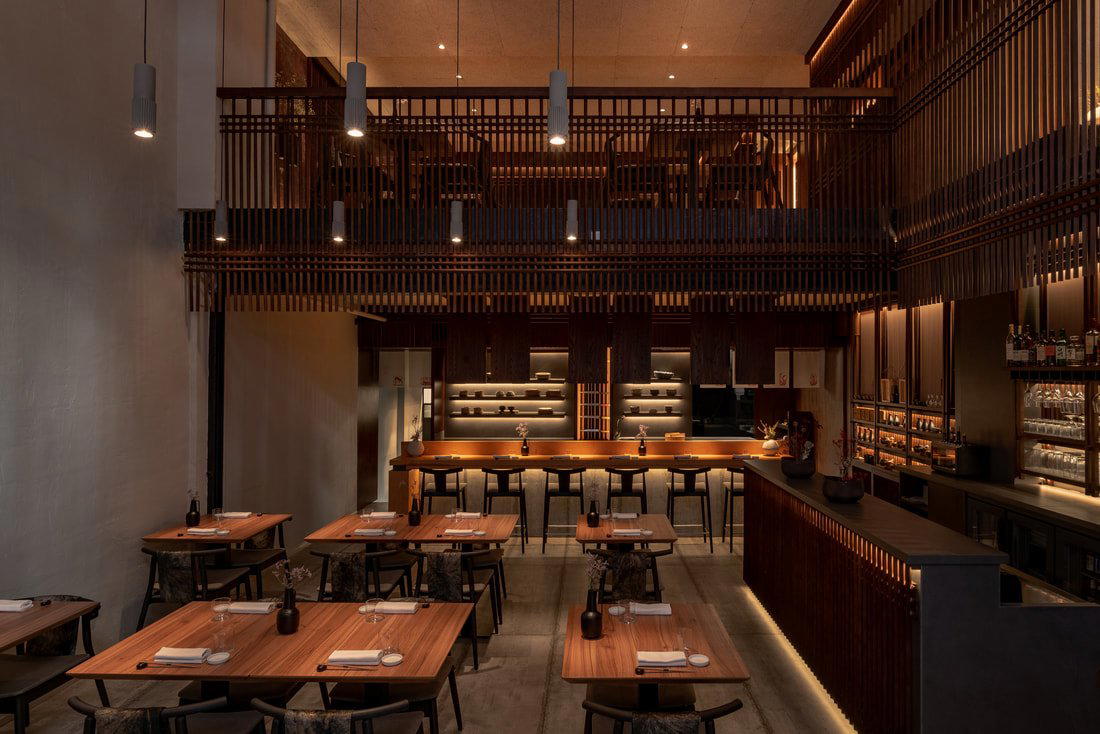
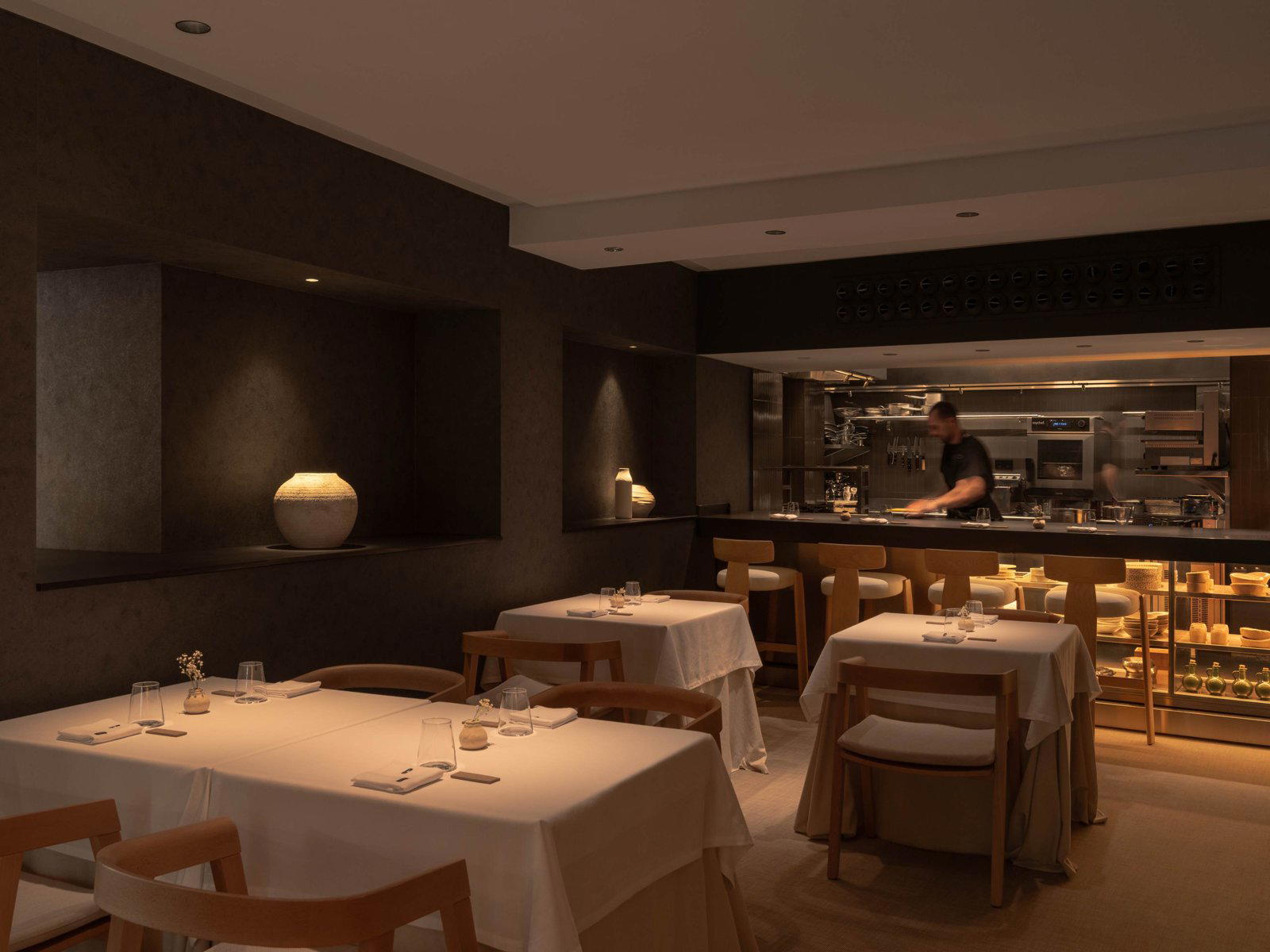
Room itself greets diners with woodsmoke, not the aggressive kind that signals an open hearth overloaded with fuel, but the subtle ambient kind that comes from a kitchen where fire has been lit and managed for hours. This is not atmospheric decoration; it is a byproduct of the cooking method and therefore a genuine signal about what the kitchen is doing.
Planning Your Visit
Kaleja sits at C. Marquesa de Moya, 9, in Málaga's Distrito Centro, within comfortable walking distance of the Picasso Museum and the main cathedral. Given the one-hour lunch window (1:30 PM to 2:30 PM) and the similarly contained dinner service (8:00 PM to 9:00 PM), booking in advance is not a precaution, it is a requirement. The restaurant holds a Michelin star and an active OAD ranking, which means demand from international visitors compounds local regulars. Monday and Sunday are closed; plan accordingly if you are building a longer Málaga itinerary around a single evening. For a fuller picture of eating and drinking in the city, see our full Málaga restaurants guide, our full Málaga bars guide, our full Málaga hotels guide, our full Málaga wineries guide, and our full Málaga experiences guide.
Frequently asked questions
Does Kaleja work for a family meal?
It depends on the configuration. At lunch Tuesday through Friday, the à la carte menu gives the table flexibility to order individually, which suits mixed groups better than a set tasting format. The Degustación is a structured sequence and works less well if the group has varying appetites or attention spans. At €€€€ pricing, this is not a casual family outing — but for a food-focused family dinner or a celebratory lunch, the midday à la carte sitting is the more practical choice.
What's the overall feel of Kaleja?
Woodsmoke hits you before you sit down — Dani Carnero's wood-fired grill is the kitchen's engine, and its presence carries through the room. The setting in Málaga's Judería, a compressed and less trafficked quarter a short walk from the Picasso Museum, gives the space a quieter register than the cathedral-facing tourist strip. Ranked #103 in Europe by Opinionated About Dining in 2024 and holding a Michelin star, Kaleja reads as a serious, focused restaurant rather than a scene-driven one.
Is Kaleja Michelin-listed?
Kaleja has received recognition including: The name of this restaurant is particularly apt (Kaleja is the Sephardic word for “alley”) given its location in Málaga’s Jewish quarter, just a few steps from the city’s Picasso Museum. The first thing that will strike you as you walk thro….
What's the must-try dish at Kaleja?
The gazpacho de floja — Málaga's onion-based interpretation of the Andalusian classic — is the dish Opinionated About Dining specifically called out in their write-up, served here with trout roe and almonds. It is one of the clearest expressions of Carnero's approach: a regional recipe most diners already think they know, reconstructed through the lens of his 'candle cooking' philosophy. If it is on the menu during your visit, it answers the question of what this kitchen is doing better than anything else on the table would.
Category Peers
| Venue | Cuisine | Price | Awards | Notes |
|---|---|---|---|---|
| KalejaThis venue — the venue you are viewing | Modern Malagueño Fine Dining | $100–150 | 1 Michelin Star · Falstaff Restaurant - 95 Falstaff Points | Not listed |
| Blossom | Modern Fusion Fine Dining | $100–150 | 1 Michelin Star · Guía Repsol 1 Sol | Chinese, Fusion |
| José Carlos García | Contemporary Andalusian with Avant-Garde Techniques | $100–150 | 1 Michelin Star · La Liste Top Restaurants | Not listed |
| La Taberna de Mike Palmer | Modern Spanish Grill | $30–50 | Michelin Bib Gourmand · Macarfi 8 Food Rating | Not listed |
| Beluga | Modern Mediterranean Rice and Seafood | $50–100 | Michelin Plate · La Liste Top Restaurants | Not listed |
| Candado Golf | Traditional Mediterranean Rice Specialist | Not listed | Michelin Plate · Macarfi 7.3 Food Rating | Not listed |
Recognition history
Dated appearances from independent guides and award organizations, with the underlying list record or original source where available.
Michelin 1 Star
Michelin
Falstaff Restaurant - 95 Falstaff Points
Falstaff
Guía Repsol 2 Soles
Guía Repsol
Macarfi 9.2 Food Rating
Macarfi
Opinionated About Dining Top Restaurants in Europe Ranked #128
Opinionated About Dining
Full recognition history (10 entries)
Michelin 1 Star
Michelin
Opinionated About Dining Top Restaurants in Europe Ranked #133
Opinionated About Dining
Michelin 1 Star
Michelin
Opinionated About Dining Top Restaurants in Europe Ranked #103
Opinionated About Dining
Opinionated About Dining Top New Restaurants in Europe Ranked #130
Opinionated About Dining
Continue exploring
More in Málaga
Restaurants in Málaga
Browse all →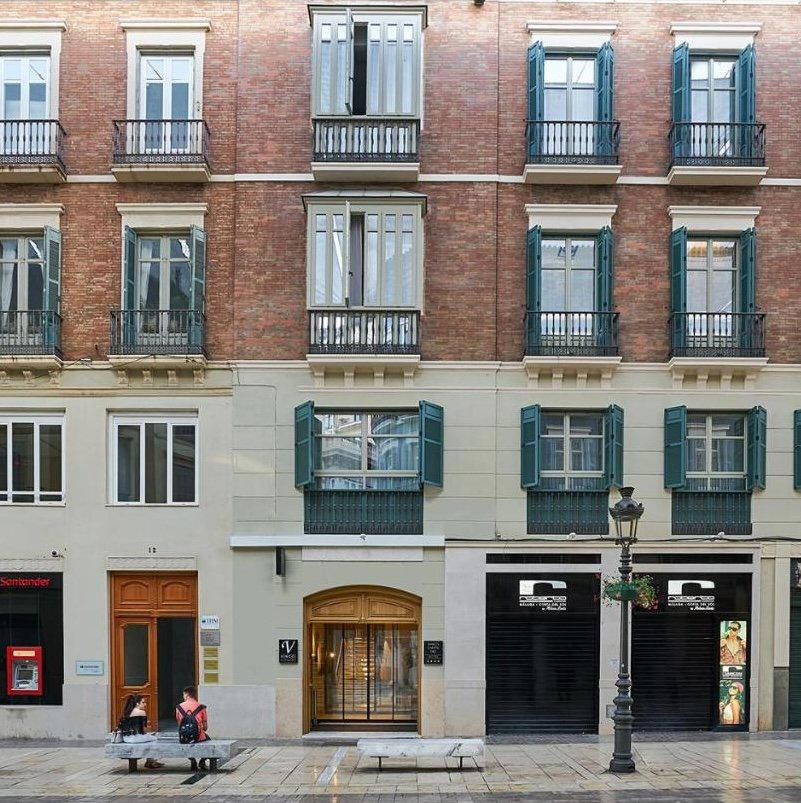
Bars in Málaga
Browse all →
Hotels in Málaga
Browse all →

Details
- Intimate
- Elegant
- Sophisticated
- Special Occasion
- Date Night
- Open Kitchen
- Extensive Wine List
- Local Sourcing
- Tasting Menu
- Wine Pairing
- Gluten Free Options
- Allergy Accommodating
Current opening hours
- Monday
- Closed
- Tuesday
- Closed
- Wednesday
- 1:30–2:30 PM, 8–9 PM
- Thursday
- Closed
- Friday
- Closed
- Saturday
- Closed
- Sunday
- Closed
Hours can change for holidays and private events. Last verified .
Intimate, quiet, and cozy with warm hospitality and modern design.