Y Marram

Our verdict
Y Marram sits at a White Lodge address in Niwbwrch, on the Llanfairpwllgwyngyll side of Anglesey's southern coast, where the Menai Strait and the dune systems of Newborough Forest shape both the physical setting and the logic of what ends up on the plate. For visitors crossing from mainland Wales into a part of Britain where landscape and larder remain closely connected, it occupies a position worth understanding before you book.

Pearl is the En Primeur Club membership app — saves, bookings, and concierge access live there. Same editors, same standards.
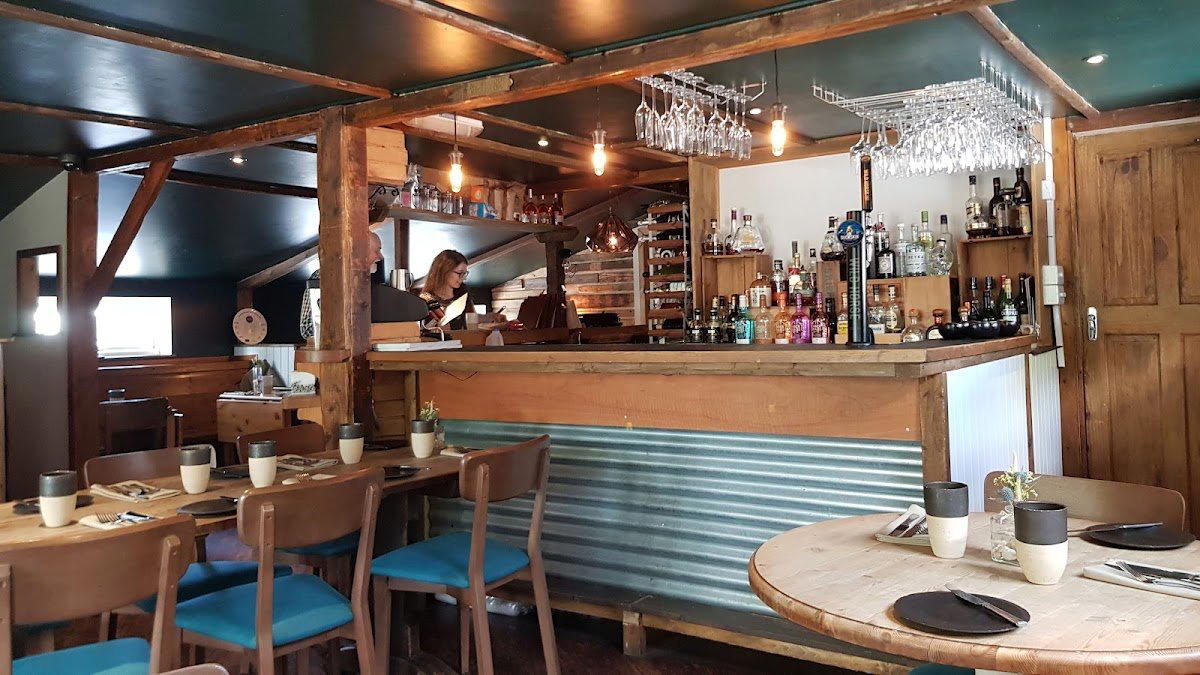
Anglesey's Shoreline and the Logic of Place-Led Cooking
There is a pattern running through the most compelling rural restaurants in the British Isles: the best of them draw their identity not from a chef's biography or a design concept, but from the specific geography they sit inside. The Menai Strait corridor, running between Anglesey and mainland Wales, is one of the few stretches of British coastline that remains genuinely productive at a small scale. The tidal waters push nutrients through the strait at pace, the mudflats support shellfish, and the dune grasslands of Newborough, directly adjacent to Niwbwrch, give the surrounding area a particular ecological character. Restaurants that operate in this kind of environment face a choice: import a recognisable format from elsewhere, or let the location do the editorial work on the menu. Y Marram, addressed at White Lodge on Pen-lôn, sits in the latter category of that argument, at least in terms of setting.
The name itself is a signal. Marram is the grass — Ammophila arenaria — planted across Welsh and British dunes for centuries to hold sand in place. It is what Newborough Warren looks like from a distance: pale green, wind-combed, structural. Naming a restaurant after that grass rather than after a chef or a view tells you something about where the identity is anchored. Whether that promise carries through to the sourcing and cooking is the question worth asking of any place in this position, and it frames the way any visit here should be assessed.
The Wider Context: Rural Fine Dining in Wales and the UK
The British rural fine dining category has developed a clear internal hierarchy over the past decade. At the leading end, places like L'Enclume in Cartmel and Ynyshir Hall in Machynlleth have built nationally recognised formats around hyper-local sourcing and long tasting menus, drawing destination diners from across the UK and beyond. Wales in particular has produced a small cluster of ambitious restaurants operating outside the major cities, with Ynyshir representing the extreme end of that movement, Michelin-starred, intensely focused, and geographically specific to a degree that would have seemed improbable twenty years ago. Further afield, Moor Hall in Aughton and Restaurant Sat Bains in Nottingham demonstrate that British fine dining at serious level does not require a London postcode.
Anglesey occupies an interesting position in this geography. The island is well known for its seafood, its salt marsh lamb, and its designation as an Area of Outstanding Natural Beauty, but it has not yet produced a restaurant that sits in the same nationally discussed tier as the Welsh mainland's most-referenced address. That gap is partly structural: the population base is small, visitor numbers are seasonal, and the logistics of running a serious kitchen at the edge of the island's road network are not trivial. What that also means is that a restaurant operating here with genuine sourcing rigour faces less direct competition than it would almost anywhere else in the UK, and can draw on ingredients, Menai mussels, local crab, salt marsh lamb from the nearby flats, that are available to very few kitchens at this quality and proximity.
Sourcing Geography: Why Niwbwrch Matters
Ingredient sourcing at this address is not merely a marketing position. The Newborough dunes and the surrounding coastal zone represent a concentrated larder: the Menai Strait produces some of the most referenced oysters and mussels in Wales, harvested in conditions that combine Atlantic-influenced water quality with the tidal dynamics of a narrow channel. Salt marsh grazing around the island's southern edges produces lamb with a mineral character that differs from upland Welsh lamb in ways that are directly traceable to diet and terrain. The dune system itself, managed as a National Nature Reserve, supports foraging ground that a kitchen with genuine local connections can access in ways that imported supply chains cannot replicate.
This is the sourcing argument that places like Hide and Fox in Saltwood and 33 The Homend in Ledbury make in their respective regions, that geography, managed well, gives a kitchen a competitive advantage no amount of supplier relationships can fully substitute. For a restaurant at this address, with this name, that argument should be foundational rather than decorative. Across the wider British fine dining spectrum, from CORE by Clare Smyth in London to Le Manoir aux Quat'Saisons in Oxford, the sourcing narrative has become a fundamental expectation rather than a differentiator. The question in Niwbwrch is whether the sourcing is genuinely embedded in what reaches the table, or whether the location is being treated as scenery.
Approaching the Address and What to Expect
The road to Niwbwrch from Llanfairpwllgwyngyll runs southwest along the Menai Strait, with the water visible through the treeline for much of the journey. The village sits at the edge of Newborough Forest, and the transition from the main A road to the narrower lanes leading to White Lodge marks a shift in register that visitors arriving from the mainland notice immediately. This is not a suburban dining room reached from a car park. The approach matters, and it conditions the experience before a menu is opened.
Anglesey's coastal light has a quality particular to north-west Wales: flat, clean, and changeable in ways that differ from inland light even a few miles east. Approaching a restaurant in this kind of environment, particularly around the shoulder seasons of spring and autumn when the tourist volume drops and the fishing and farming cycles come into focus, gives the visit a context that a summer weekend arrival in high season does not. For anyone consulting our full Llanfairpwllgwyngyll restaurants guide, that timing consideration carries more weight here than it would in a city dining room.
Planning Your Visit
Restaurants at this kind of address, operating in a seasonal coastal location with limited footfall compared to urban settings, frequently adjust hours across the year, and the gap between a summer and winter schedule can be significant. Contacting the venue directly before travelling from any distance is the appropriate approach, and that applies whether you are crossing from the mainland or staying locally on the island. Comparable rural addresses in the UK, from Gidleigh Park in Chagford to Midsummer House in Cambridge, operate on booking windows and seasonal schedules that require planning rather than walk-in confidence.
Frequently asked questions
Is Y Marram suitable for children?
Y Marram sits at White Lodge, Niwbwrch, in a rural coastal setting that shapes the food as much as the format. Contacting the venue directly before booking with children is the sensible course.
What should I expect atmosphere-wise at Y Marram?
The address in Niwbwrch, on the southwest edge of Anglesey near the Newborough dunes, sets the register before you arrive. The road from Llanfairpwllgwyngyll tracks the Menai Strait, and the surrounding coastal zone — shoreline, forest, estuary — establishes the mood. Expect something closer to considered quiet than convivial bustle.
How far is Y Marram from the Menai Strait, and does the coastal location shape the menu?
Y Marram is located in Niwbwrch on the southwestern tip of Anglesey, within close range of the Menai Strait and the Newborough coastal zone. The surrounding dunes and estuary represent one of the more concentrated wild-ingredient geographies in Wales, and the kitchen's sourcing approach is directly tied to that proximity. This is not coastal theming as decoration — it is the operational logic of the address.
What do regulars order at Y Marram?
What the sourcing context makes clear is that the Newborough coastline and surrounding Anglesey landscape are central to how the kitchen builds its dishes. Regulars at comparable rural Welsh restaurants typically return for hyper-local, ingredient-driven courses that shift with the season.
Where exactly is Y Marram?
Y Marram is located at White Lodge, Niwbwrch, Pen-lôn, Llanfairpwllgwyngyll LL61 6RS, United Kingdom, Llanfairpwllgwyngyll.
What's the best way to book Y Marram?
Phone and website details are not held in our confirmed records for Y Marram at this time. The physical address is White Lodge, Niwbwrch, Pen-lôn, Llanfairpwllgwyngyll LL61 6RS, which gives you a starting point for direct contact. Checking current reservation channels before travelling from outside Anglesey is advisable.
What's Y Marram best at?
The case for Y Marram rests on its relationship with place: the Newborough dunes and Anglesey coastline provide a concentrated sourcing geography that most urban restaurants cannot replicate. That proximity to a specific, ecologically distinct shoreline is the defining quality of the cooking here, within a rural British fine dining category that increasingly rewards this kind of rootedness.
How It Stacks Up
Comparable venues nearby, for context on price, style, and recognition.
| Venue | Cuisine | Price | Awards | Notes |
|---|---|---|---|---|
| Y MarramThis venue (the venue you are viewing) | Modern Welsh with Local Seasonal Produce | Not listed | Not listed | Not listed |
| Cafe Kowloon | Modern Cantonese inspired by Hong Kong cafés | $50–100 | Not listed | London Fields |
| Saltie Girl London | Premium Tinned Fish & New England Seafood | Not listed | Not listed | Mayfair |
| Clio | Modern Greek & Mediterranean | $50–100 | Michelin Plate | Marylebone |
| Akira Back London | Modern Japanese-Korean Fusion Fine Dining | $100–150 | Not listed | Mayfair |
| Franc | French Bistro | $30–50 | Michelin Plate | Northgate |
Recognition history
Dated appearances from independent guides and award organizations, with the underlying list record or original source where available.
The Good Food Guide Good Food Guide Best Local Restaurant
The Good Food Guide
Continue exploring
More in Llanfairpwllgwyngyll
Restaurants in Llanfairpwllgwyngyll
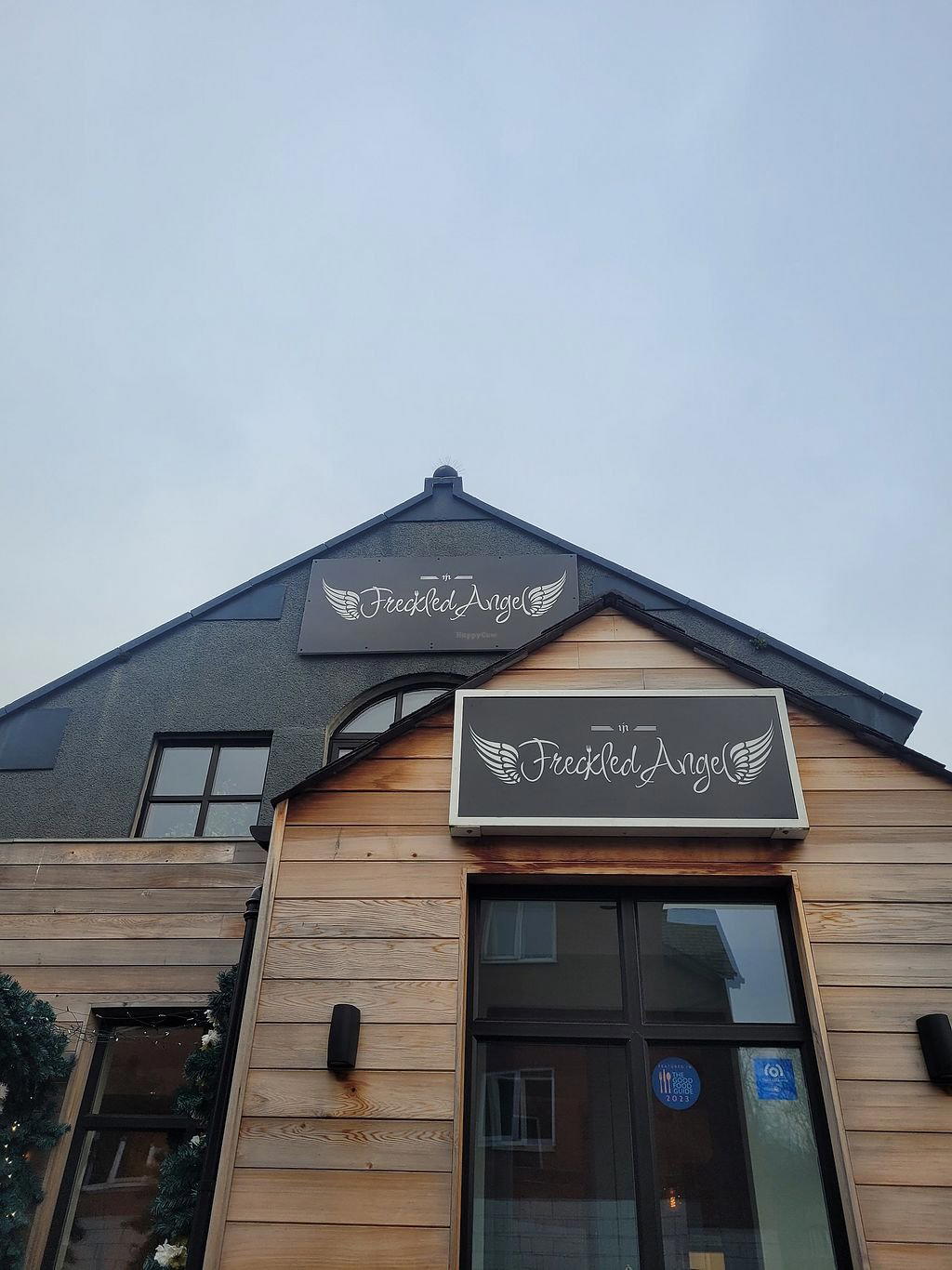
All restaurants in Llanfairpwllgwyngyll →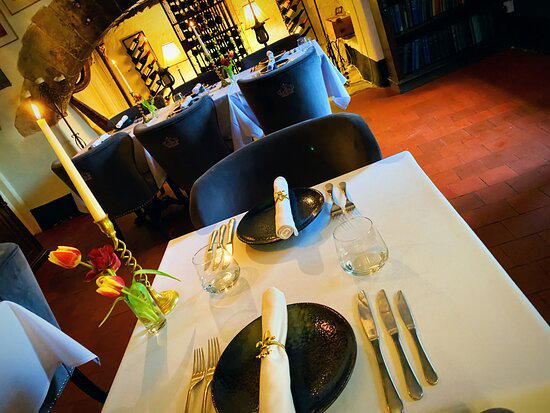
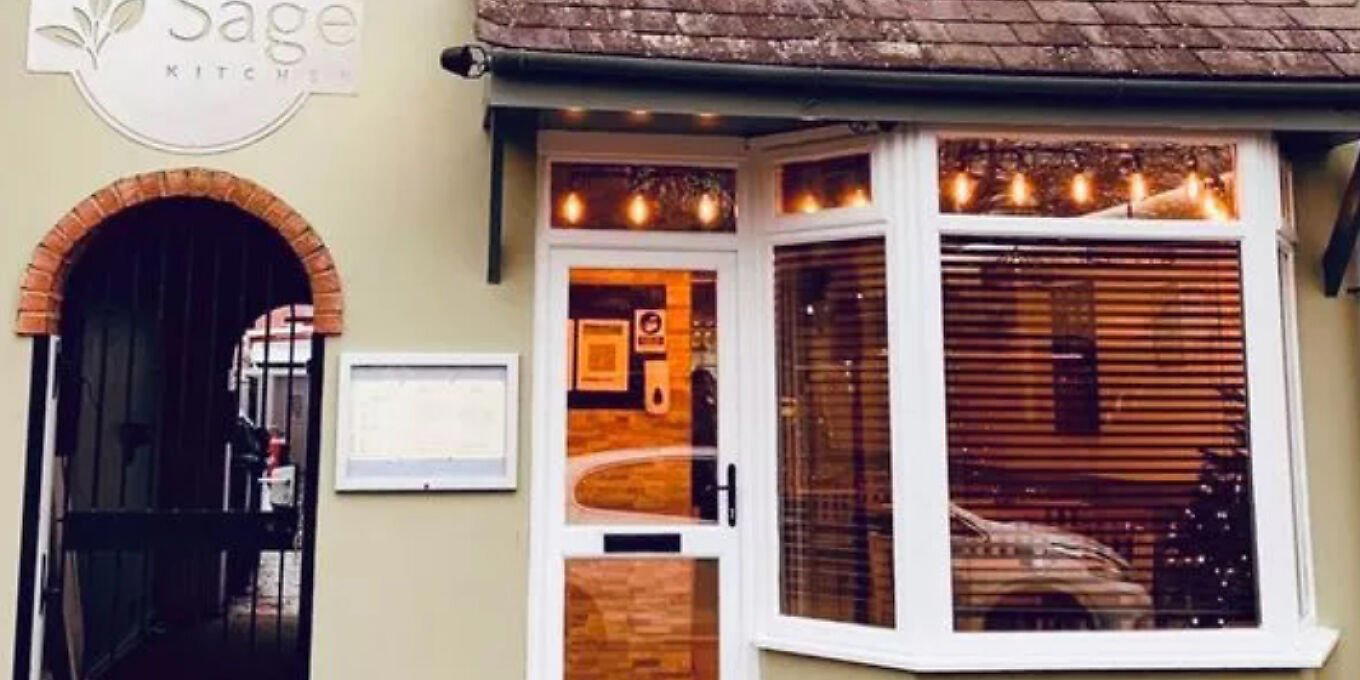
Hotels in Llanfairpwllgwyngyll
Browse all →

Details
- Rustic
- Cozy
- Scenic
- Elegant
- Brunch
- Special Occasion
- Private Dining
- Local Sourcing
- Small Plates
- A La Carte
Current opening hours
- Monday
- Closed
- Tuesday
- Closed
- Wednesday
- Closed
- Thursday
- 9 AM–8 PM
- Friday
- 9 AM–8 PM
- Saturday
- 9 AM–9 PM
- Sunday
- 9 AM–4 PM
Hours can change for holidays and private events. Last verified .
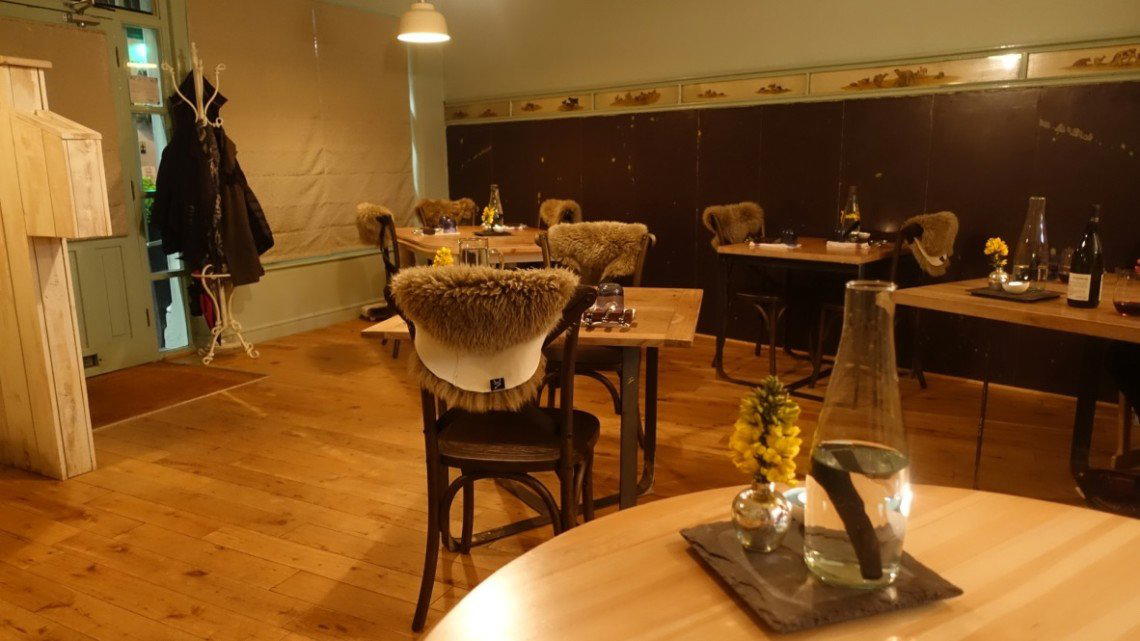
Rustic chic dining room with warm, inviting atmosphere centered around local food and genuine hospitality.