Our verdict
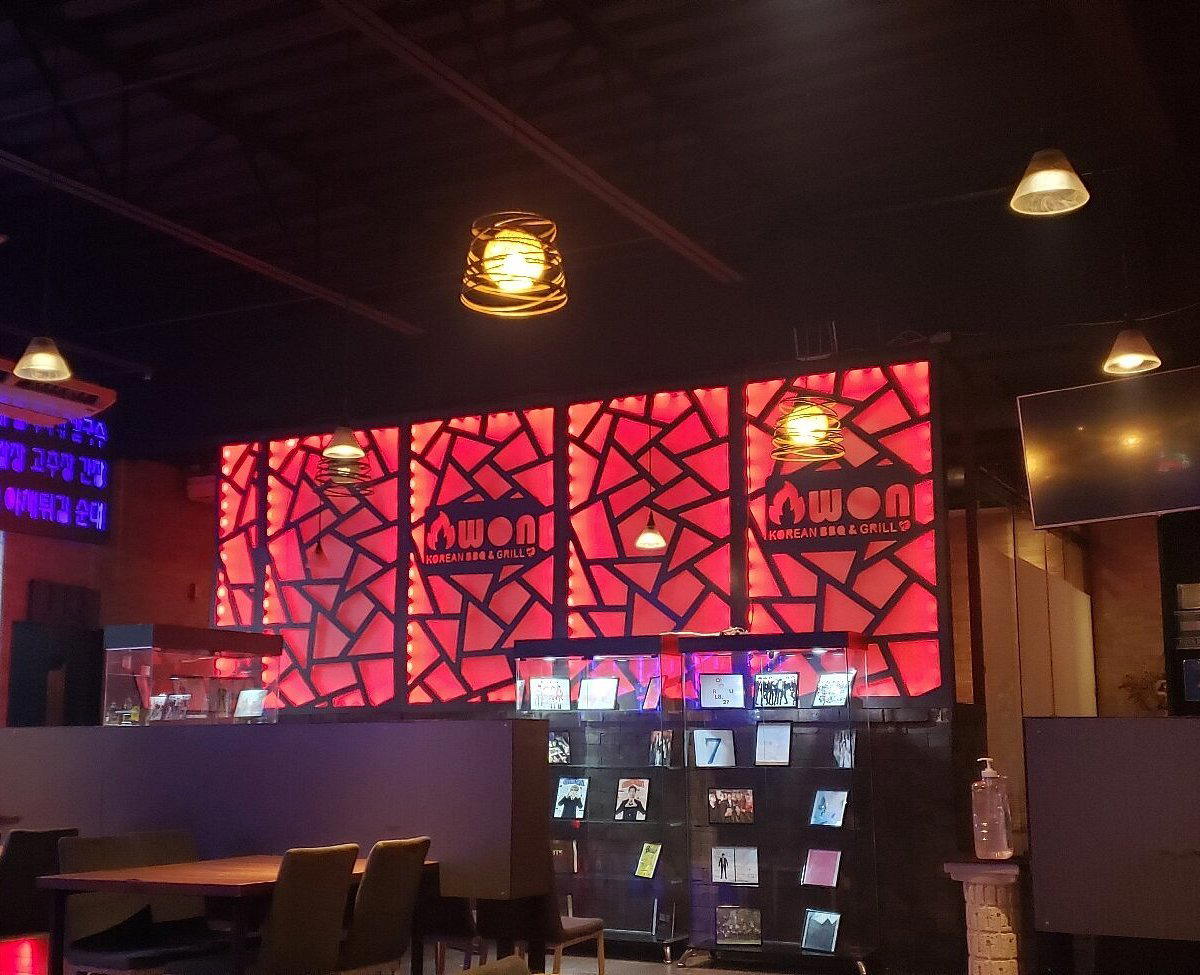
Won Korean BBQ & Grill brings a format built around live-fire cooking and tableside meat preparation to Apodaca's Parque Industrial Stiva Aeropuerto corridor, where industrial-zone dining has quietly developed a loyal weekday following. The setting skews casual and social, with the grill-at-the-table format placing sourcing quality at the center of the experience. Located at the Plaza Aeropuerto complex, it draws a mixed crowd of business travelers and local regulars.

Pearl is the En Primeur Club membership app — saves, bookings, and concierge access live there. Same editors, same standards.
Korean BBQ in the Industrial Corridor: What the Format Demands
The tableside grill format is one of the most ingredient-honest cooking methods in commercial dining. When the protein arrives raw and cooks in front of the guest, there is no kitchen to correct a mediocre cut, no sauce to compensate for poor marbling, and no plating to distract from the source material. Korean BBQ, as a dining format, is therefore a direct test of procurement discipline — the sourcing chain matters more here than in almost any cuisine where a brigade has time and technique to intervene. This is the lens through which Won Korean BBQ and Grill at Apodaca's Parque Industrial Stiva Aeropuerto makes most sense as a dining choice.
Mexico's northeastern industrial belt has developed a restaurant culture that tracks its workforce: practical, meat-forward, and oriented toward communal eating. The Monterrey metro area, of which Apodaca is a key node, has one of the most concentrated steakhouse and parillada traditions in the country. Korean BBQ enters that context as a format with structural similarities — live fire, quality cuts, shared plates, but a distinct sourcing and seasoning logic. Comparing Won Korean BBQ and Grill to, say, Pangea in San Pedro Garza Garcia or KOLI Cocina de Origen in Monterrey is a category error: those operate in fine-dining tiers with tasting menus and editorial reputations. Won sits in a different tier entirely, one where format accessibility and consistent execution matter more than culinary ambition.
The Ingredient Question at a Live-Fire Table
In Korean BBQ's home context, the sourcing hierarchy is clear: well-marbled domestic breeds, precise cut thickness, and controlled aging produce the fat render and texture that make the format work. In Mexico, that supply chain is adapted to local beef genetics and import availability, which means the eating experience can diverge significantly from venue to venue. The difference between a grill table that delivers properly marbled pork belly and one that serves thin, dry cuts is entirely a procurement decision, not a cooking one, since the diner does the cooking.
This is why the format rewards venues that invest upstream. Across Mexico's growing Korean restaurant scene, from Mexico City's Zona Rosa corridor to Guadalajara's expanding Asian dining quarter, the operators who have built the strongest reputations are those treating the butchery and sourcing side as seriously as front-of-house service. For a venue positioned inside an industrial park plaza in Apodaca, a location that serves airport-adjacent business travelers and factory-sector workers rather than weekend gastro-tourists, maintaining that sourcing discipline while keeping the format accessible is the operational challenge that defines the offer.
For broader context on how Mexico's restaurant scene handles ingredient provenance across very different settings, the contrast is instructive: Animalón in Valle de Guadalupe and Olivea Farm to Table in Ensenada have built their identities explicitly around sourcing transparency and regional ingredient provenance. Korean BBQ venues operate on a different axis, the cuisine's sourcing requirements are less about terroir storytelling and more about breed, cut, and preparation discipline. The goal is replicability and consistency rather than single-origin narrative.
Apodaca as a Dining Location
Apodaca sits northeast of Monterrey's city center, adjacent to the international airport and anchored by large industrial and logistics parks. The dining culture in this corridor reflects that economic character: venues here serve long lunch hours, accommodate group bookings from corporate campuses, and prioritize format efficiency over occasion dining. Plaza Aeropuerto, where Won Korean BBQ and Grill operates, is a commercial complex that functions as a practical dining hub for the area rather than a destination in the conventional sense.
That context shapes the experience. This is not a dining neighborhood where you build an itinerary around a single venue and spend an evening exploring nearby bars and wine lists. It is a corridor where the meal itself is the event, and the grill-table format is well-suited to that framing. Groups can spend ninety minutes to two hours working through a sequence of meats, sides, and sauces without the format ever feeling rushed. For business travelers connecting through the airport or commuting into the industrial zone, that rhythm is exactly what the setting is built for.
Readers building a broader Monterrey-area dining program should consult our full Apodaca restaurants guide for context on where Won sits within the local hierarchy and what other options exist in the corridor.
How Korean BBQ Compares to the Regiomontano Grill Tradition
Monterrey's identity as a meat city is not incidental. The region's cattle ranching history, combined with a heavy industrial economy that developed mid-century, produced a grill culture that is among the most deeply embedded in Mexico. Arrachera, cabrito, and carne asada are not restaurant menu items in the traditional Regiomontano sense, they are cultural fixtures. Korean BBQ arrives in this context not as a replacement for that tradition but as a parallel format with different sourcing logic, different condiment systems (gochujang, sesame, fermented pastes versus lime, salsa, and chiles), and a different approach to the shared table.
Where Monterrey's parillada tradition emphasizes large-format cooking and family-style service, Korean BBQ's table-grill model is more granular: smaller portions cycled through the grill in sequence, each cut assessed individually. That distinction in eating rhythm is worth understanding before visiting. The format rewards patience and engagement at the table rather than passive service. For diners accustomed to the regional tradition, the learning curve is minimal but the pacing shift is real. The experience sits comfortably alongside venues like California Prime Rib Sucursal Los Angeles in Celaya in the sense that both operate in the live-fire meat tier, but the tableside participation model is distinctly Korean in origin and execution.
Planning a Visit
Won Korean BBQ and Grill is located at Miguel Aleman 1000, Parque Industrial Stiva Aeropuerto, Plaza Aeropuerto, Apodaca, N.L. 66640, a direct address for those arriving from the airport or driving in from Monterrey's northeastern ring roads. Specific hours, pricing, and booking details were not available at time of publication; confirming current operating times directly with the venue before visiting is advisable, particularly for weekday lunch service during peak industrial-zone working hours when demand from nearby campuses is highest. The grill-table format is by nature a social eating experience, making it more naturally suited to groups of two or more. Solo diners can move through the format but may find the portion sizing designed for sharing.
For comparison reference on what higher-tier Korean dining looks like at the national level, Atomix in New York City represents the fine-dining end of the Korean culinary spectrum, while Won operates in a grounded, casual register that prioritizes approachability over technique-forward ambition. Neither end is superior, they are simply different conversations about the same culinary tradition. Mexico's broader restaurant circuit, from Pujol in Mexico City to Le Chique in Puerto Morelos, operates across an enormous range of registers. Won Korean BBQ and Grill occupies its specific tier honestly: an accessible, grill-forward format in a working city's industrial corridor, where the meat arriving at your table is the entire argument.
Frequently asked questions
Is Won Korean BBQ & Grill a family-friendly restaurant?
The tableside grill format at Won Korean BBQ & Grill is inherently participatory, which tends to work well for groups of mixed ages. The Plaza Aeropuerto location in Apodaca serves a largely professional and industrial-corridor clientele, so the dining room atmosphere skews toward groups and gatherings rather than formal occasions. Families comfortable with interactive, cook-at-the-table formats should find the setting accommodating.
Is Won Korean BBQ & Grill formal or casual?
Korean BBQ as a format is fundamentally casual — diners cook their own protein over a tabletop grill, which sets an informal, communal tone. Won's location within Plaza Aeropuerto in Apodaca, a commercial complex adjacent to Parque Industrial Stiva, reinforces that register. Expect a relaxed dress code appropriate to a working lunch or an after-shift dinner, not a white-tablecloth evening.
How does Korean BBQ at Won in Apodaca compare to Monterrey's traditional carne asada culture?
Monterrey's regiomontano grill tradition centres on open wood-fire asado, large cuts, and a deeply rooted regional identity around beef — a culture built on the area's cattle ranching history. Korean BBQ at Won operates on a different register: smaller cuts, tableside charcoal or gas grills, fermented condiments, and a wrapping and dipping culture that has no equivalent in northern Mexican grilling. The two formats share a meat-forward premise but diverge entirely in technique, portioning, and table ritual, making Won a complement to rather than a substitute for the carne asada experience Apodaca's dining scene is otherwise built around.
What do people recommend at Won Korean BBQ & Grill?
At venues operating this model, marinated short rib cuts and thinly sliced beef belly tend to be the benchmark orders. For Won specifically in Apodaca, asking staff for their current cuts is the most accurate approach given menu rotation.
What's Won Korean BBQ & Grill's location?
Won Korean BBQ & Grill is located at îmiguel aleman 1000 parque indsutrial stiva aeropuerto plaza aeropuerto monterrey, 66640 Cdad. Apodaca, N.L. Mexico, Apodaca.
Should I book Won Korean BBQ & Grill in advance?
For groups of four or more at live-fire BBQ restaurants in commercial plazas, arriving early or calling ahead during business hours is consistently the safer move, particularly on weekday lunch services when the industrial-corridor crowd peaks.
In Context: Similar Options
Comparable venues nearby, for context on price, style, and recognition.
| Venue | Cuisine | Price | Notes |
|---|---|---|---|
| Won Korean BBQ & GrillThis venue — the venue you are viewing | Korean BBQ Buffet | Not listed | Not listed |
| La Palapa Belga | Traditional French-Belgian Bistro | $30–50 | Zona Hotelera |
| Don Pedro's | Mediterranean with Mexican Influence | $20–30 | Sayulita |
| Call Me Lalo Taquería | Beachfront Mexican taquería | $20–30 | Puerto Vallarta |
| Señor Tanaka | Trendy Japanese Fusion | $50–100 | San Pedro Garza García |
| Taquería México | Authentic Mexican Taqueria | $10–20 | San Jose del Cabo |

Continue exploring
More in Apodaca
Restaurants in Apodaca
All restaurants in Apodaca →
Details
- Lively
- Energetic
- Group Dining
- Family
- Casual Hangout
- Open Kitchen
- A La Carte
- Buffet
Current opening hours
- Monday
- 12–11 PM
- Tuesday
- 12–11 PM
- Wednesday
- 12–11 PM
- Thursday
- 12–11 PM
- Friday
- 12–11 PM
- Saturday
- 12–11 PM
- Sunday
- 12–10 PM
Hours can change for holidays and private events. Last verified .
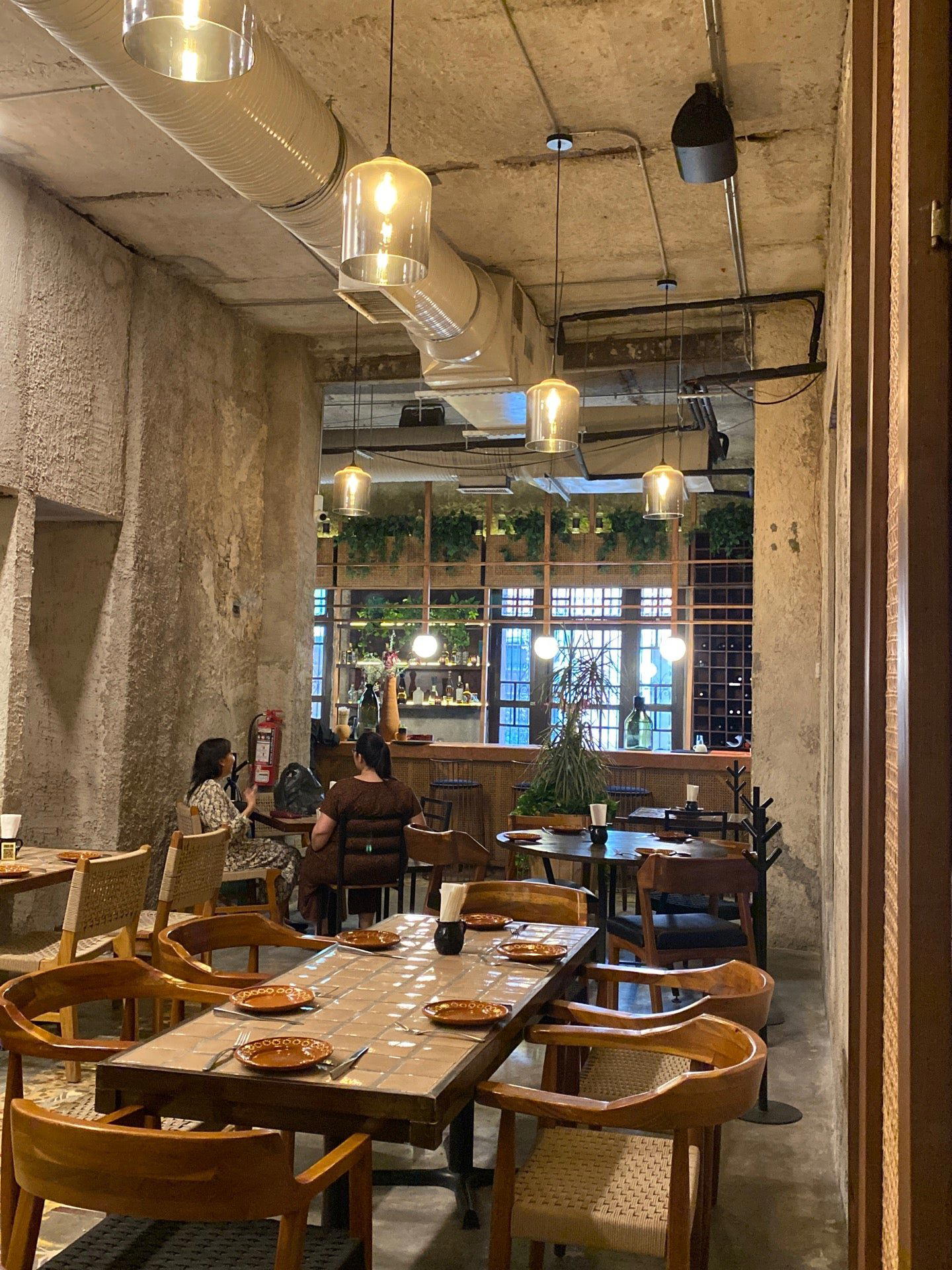
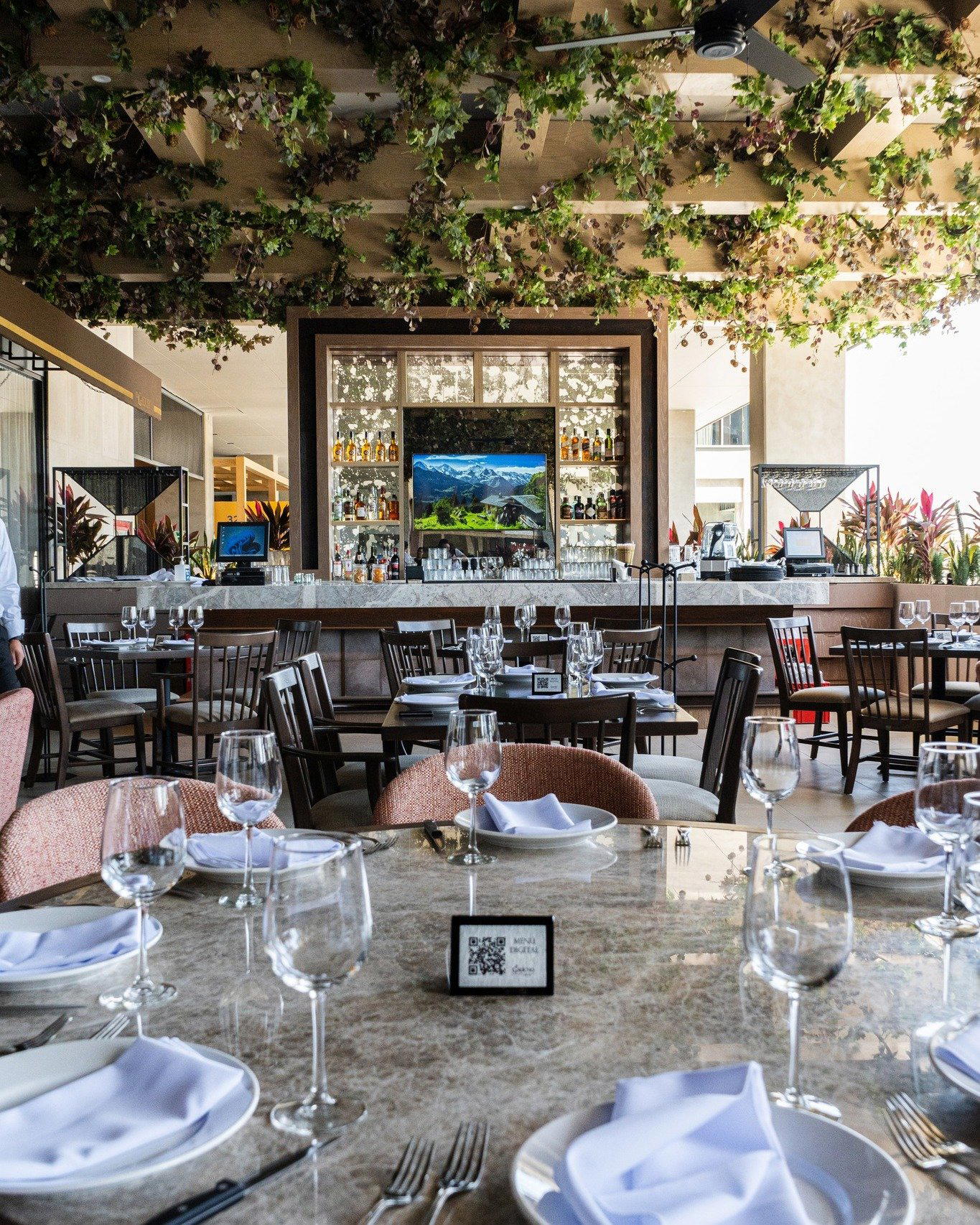
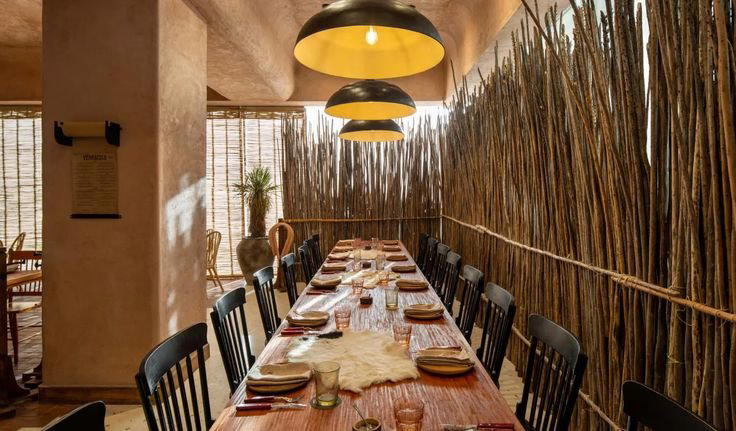
Casual and lively atmosphere well-suited for family and friends gatherings with interactive table grilling.