
Michelin Plate
Our verdict
Occupying a listed neoclassical house in Warsaw's residential Mokotów district, Willa Biała serves contemporary Eastern European cooking anchored by seasonal produce from Ukraine and Poland. The Ukrainian chef modernizes regional staples through refined presentation and carefully sourced ingredients, earning recognition in the Michelin Guide.

Pearl is the En Primeur Club membership app, where members save venues, book tables and use the concierge.
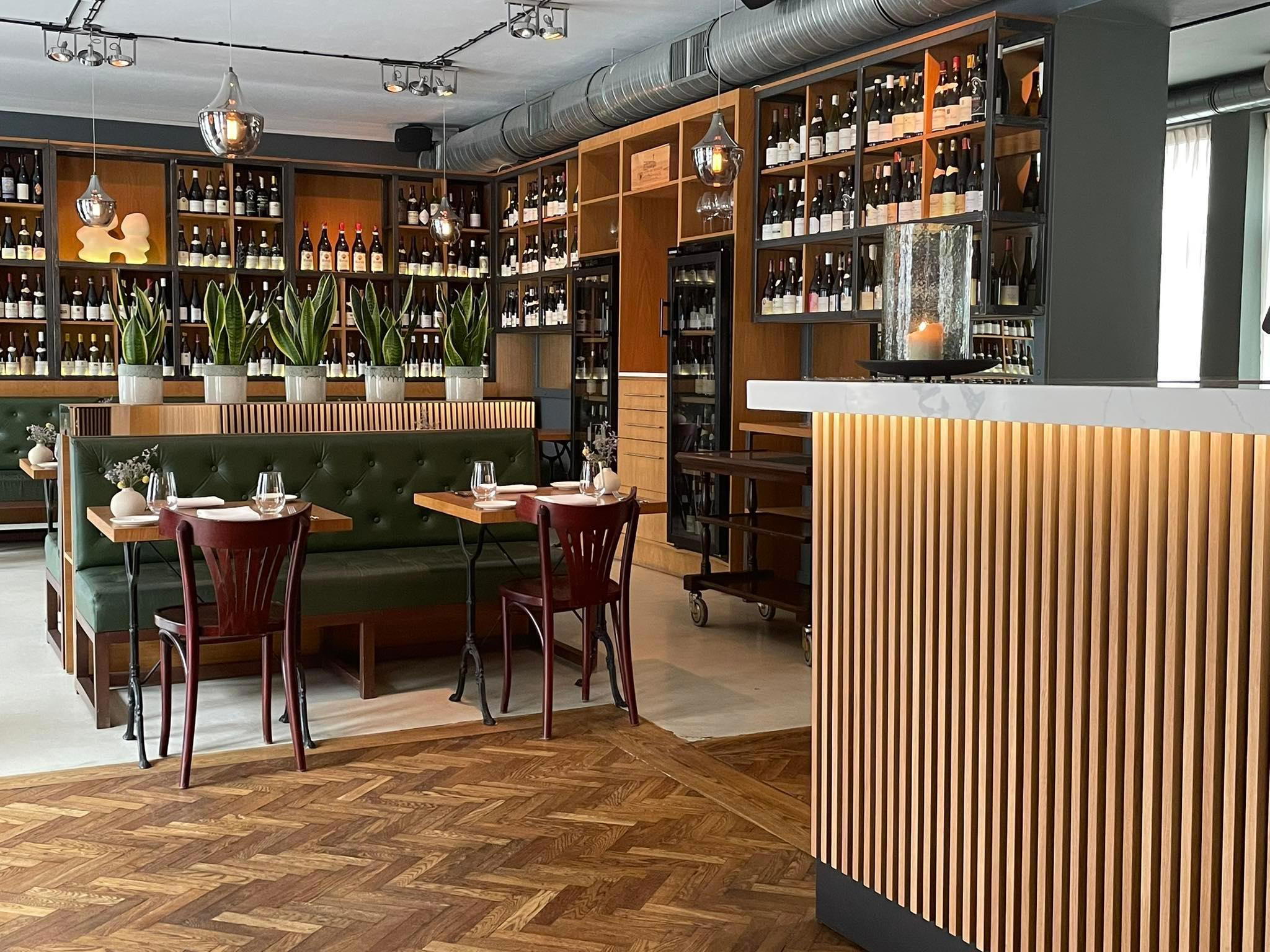
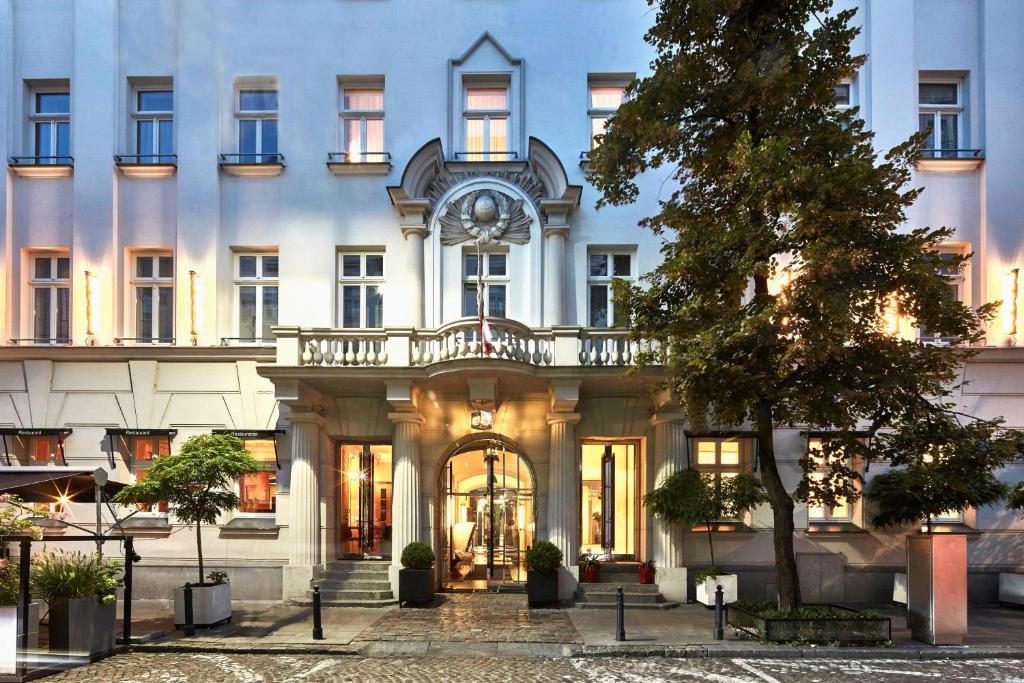
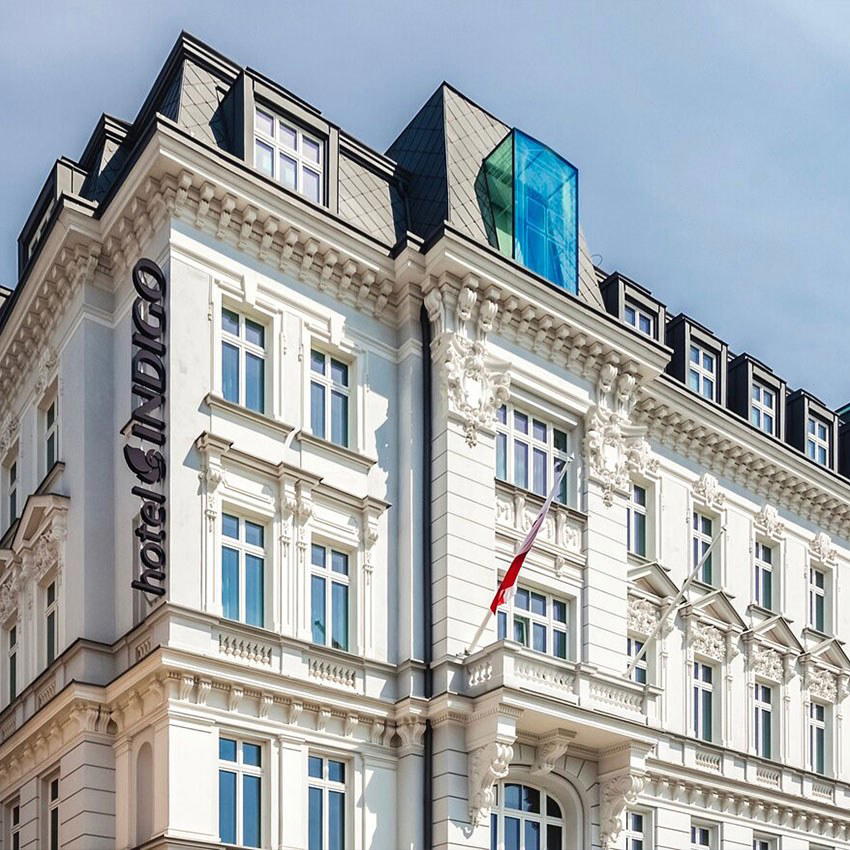
The White Villa sits on a quiet residential street in Mokotów, its early twentieth-century neoclassical façade painted in the bright white that gave the restaurant its name. The building retains much of its original architecture, high ceilings, tall windows, and molding that frames the dining room, but the interior has been fitted with contemporary linen and glassware that keeps the space from feeling overly formal. It reads as a neighbourhood fine-dining spot rather than a destination restaurant, and that restraint extends to the menu.
Warsaw's contemporary dining scene has grown more interested in the broader foodways of Eastern Europe over the past five years, and Willa Biała operates at the intersection of that trend and the city's appetite for ingredient-driven cooking. The Ukrainian chef draws from the culinary traditions of both Poland and Ukraine, regions that share borders, growing seasons, and a reliance on root vegetables, forest game, and freshwater fish. What distinguishes the kitchen here is not invention for its own sake but the quality of the raw materials and the clarity of their treatment.
Seasonal Sourcing and Menu Structure
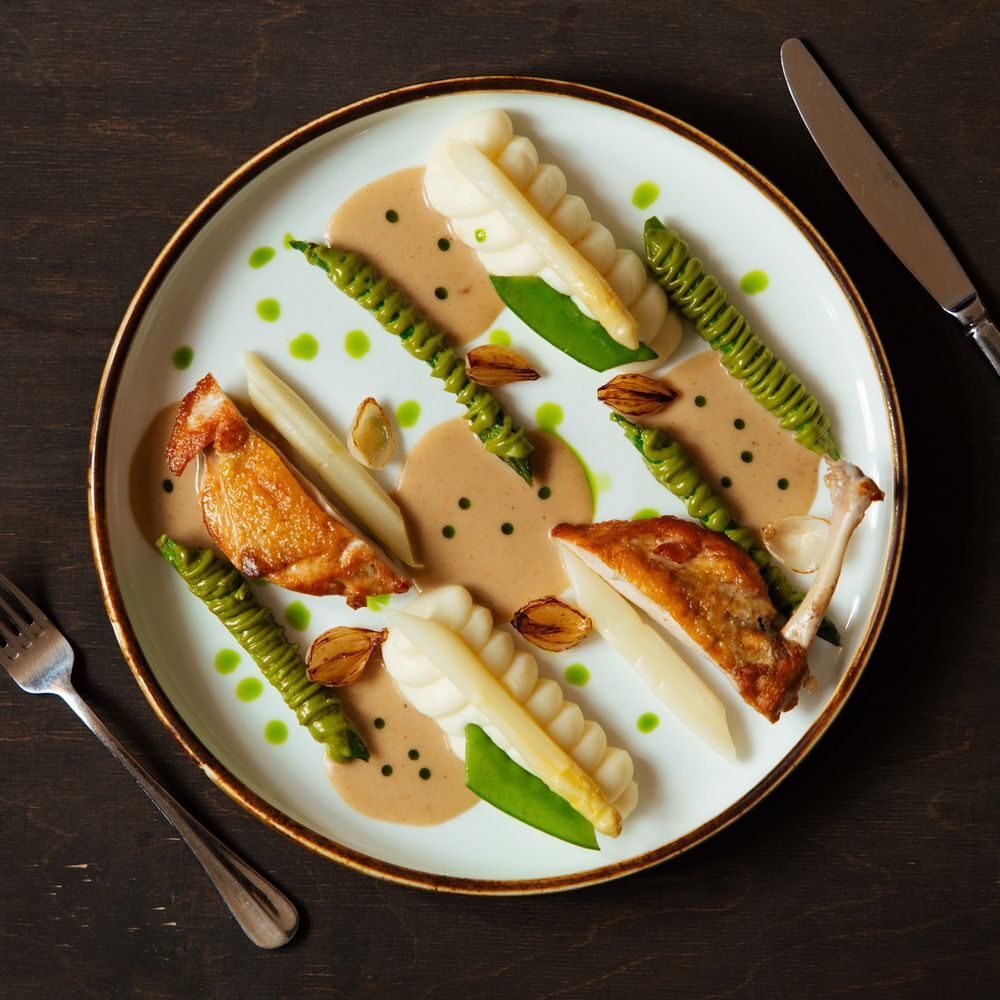
The menu at Willa Biała changes with the seasons, and the kitchen sources produce, meat, and game from farms and suppliers in Poland and western Ukraine. Rabbit, duck, and seasonal wild mushrooms appear regularly, as do dumplings, a staple across both cuisines, filled with ingredients that reflect the time of year. The seasonal rabbit dumplings mentioned in the Michelin Guide arrive with a pronounced, game-forward flavor that suggests careful sourcing rather than mass production. The dumplings themselves are thin-walled and delicate, a technical detail that signals a kitchen comfortable with traditional techniques.
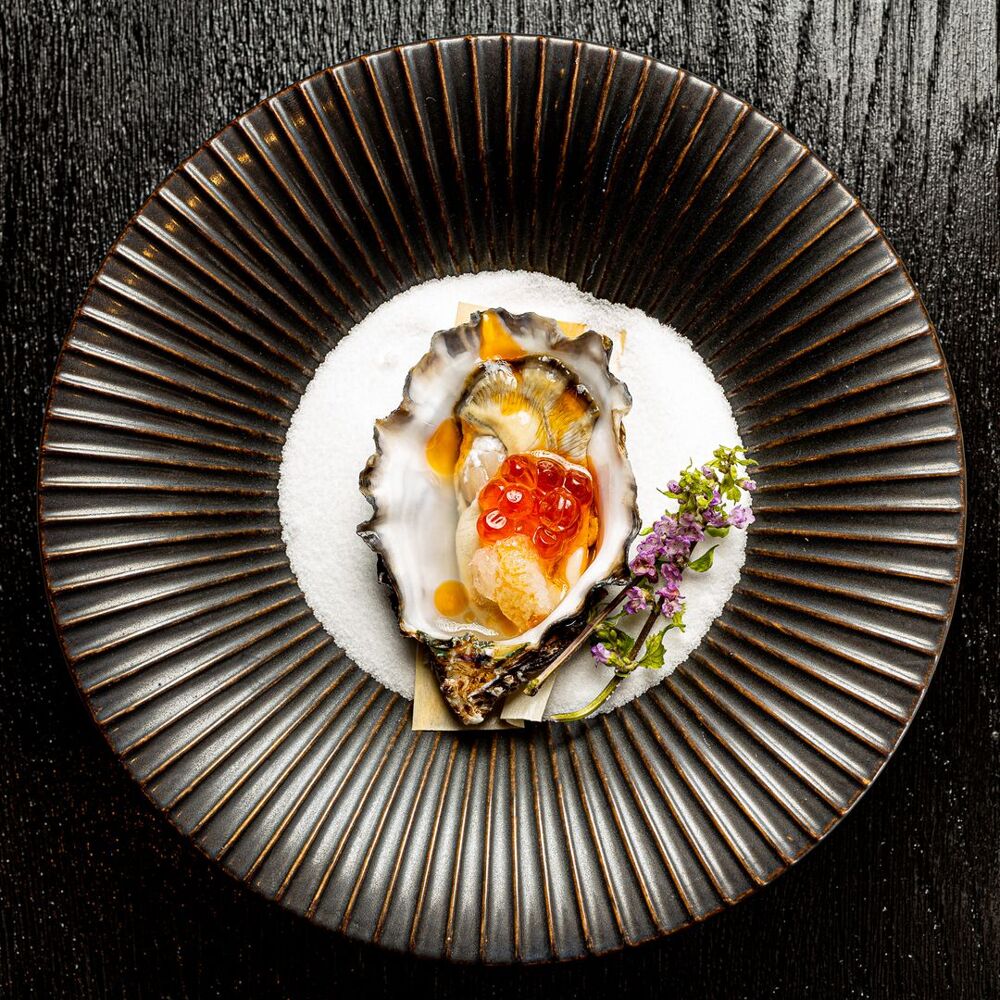
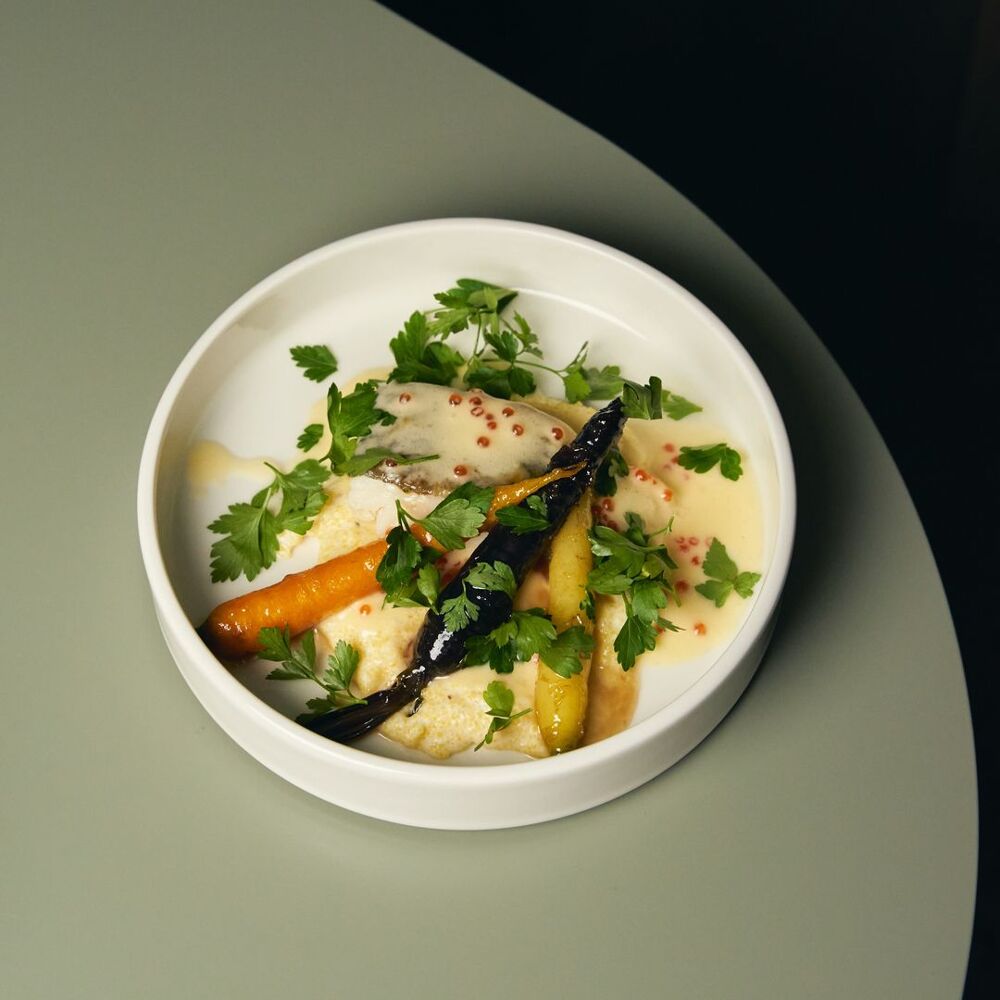
Presentation is contemporary but not fussy. Plates are composed with restraint, and the plating style leans toward minimalism rather than the heavy garnishing that defined an earlier generation of European fine dining. Sauces are restrained, colors are muted, and the emphasis is on the core ingredient. This approach aligns Willa Biała with a broader shift in Warsaw's dining landscape, where chefs are moving away from heavy Continental saucing and toward lighter, more ingredient-focused compositions. For context on how other Warsaw kitchens are handling seasonal Polish ingredients, see alewino (Modern Polish, Traditional Cuisine) and Baken.
The Dining Room and Service Style
The dining room is smartly kept, with tables spaced to allow for quiet conversation. Service is formal but not stiff, and the pacing is deliberate, expect a meal to run two to two-and-a-half hours if you order multiple courses. The wine list is short and skews European, with a selection of Polish natural wines alongside bottles from Austria, France, and northern Italy. For those interested in Warsaw's natural wine scene more broadly, Bar Rascal (Natural Wine & Tapas) offers a different format and price point.
Willa Biała does not operate as a tasting-menu-only venue. The menu is structured à la carte, with starters, mains, and desserts listed separately. This format gives diners more control over pacing and budget, though it also means the kitchen does not dictate a narrative arc in the way a fixed menu would. Prices are mid-range for Warsaw fine dining, and the restaurant attracts a mix of local regulars and visitors who have read the Michelin coverage.
Mokotów is not a tourist district, and getting to Willa Biała requires a taxi or tram ride from the city center. The neighbourhood is residential, tree-lined, and quiet, with few other restaurants or bars within immediate walking distance. This isolation works in the restaurant's favor, diners come with intention rather than as part of a broader evening of bar-hopping or nightlife. For a fuller picture of Warsaw's dining options across neighborhoods, see our full Warsaw restaurants guide.
The restaurant's Michelin recognition positions it within a small group of Warsaw venues that have earned formal European accolades. That list includes Alon Omakase and AHAAN, both of which operate in different culinary traditions but share a similar emphasis on ingredient sourcing and technical execution. Willa Biała occupies its own niche: Eastern European cooking handled with contemporary technique and a deep respect for regional ingredients.
The kitchen does not chase trends, and the menu does not change drastically from season to season. Instead, the chef works within a narrow range of regional staples, dumplings, game, root vegetables, wild mushrooms, and refines them through careful sourcing and precise technique. This consistency makes Willa Biała a reliable choice for diners who want to understand what modern Eastern European cooking can be when executed with discipline and access to high-quality ingredients. For those planning a broader trip through Poland's dining landscape, see also A nóż widelec in Poznań and 3 Rybki in Kraków.
Willa Biała serves lunch and dinner most days of the week, though hours can vary seasonally. Booking ahead is recommended, especially for weekend evenings. Walk-ins are possible on quieter weeknights, but the dining room is small and tables fill quickly. The restaurant does not operate a bar program or late-night service; it closes after dinner service ends. For late-night options in Warsaw, see our full Warsaw bars guide.
Frequently asked questions
Is Willa Biała child-friendly?
The formal service style and deliberate pacing at Willa Biała suit a quiet, adult-focused meal. The smartly kept dining room on Ludwika Narbutta is arranged for conversation rather than energetic family dining. Children are not expressly excluded, but the tone and pace favor older guests.
What is the atmosphere like at Willa Biała?
Tables are spaced to allow quiet conversation inside a listed neoclassical house from the early 20th century. The white exterior and smartly kept interior set a formal but not stiff tone. Expect deliberate pacing and service that supports the seasonal Eastern European menu.
Is Willa Biała Michelin-listed?
Willa Biała has received recognition including: The ‘White Villa’ is so called because it occupies a listed neoclassical house from the early 20th-century, whose white exterior fits well with the smartly kept dining room. The Ukrainian chef focuses on Eastern European specialities that a….
Where is Willa Biała located?
Willa Biała is located at ul. Ludwika Narbutta 10, Warsaw, Mazovia, 02-564, POL, Warsaw.
Do they take walk-ins at Willa Biała?
Booking policy is not publicly listed. Given the seasonal menu focus and formal dining room setup in Warsaw's Mazovia district, advance reservation is the safer approach. Call ahead or check availability through local booking platforms if the website remains unavailable.
What's the signature at Willa Biała?
The seasonal rabbit dumplings demonstrate the kitchen's approach: high-quality produce from Poland and western Ukraine, full flavor, and careful presentation with subtle creative touches. The menu changes with the seasons, so items rotate rather than remain fixed year-round.
Do they accommodate allergies at Willa Biała?
The Ukrainian chef's focus on seasonal Eastern European specialties suggests ingredient-driven preparation. check the venue's official channels at the Ludwika Narbutta address to confirm substitutions or modifications before booking.
Quick Comparison
Comparable venues by cuisine and price in the same metro.
| Venue | Cuisine | Price | Awards |
|---|---|---|---|
| Willa BiałaThis venue (the venue you are viewing) | Modern Galician & Eastern European | $30–50 | Michelin Plate |
| kontakt | Contemporary Mediterranean Bistro | $30–50 | Michelin Bib Gourmand · Star Wine List |
| Café Mozaika | Polish & Mediterranean | $20–30 | Not listed |
| Restauracja Mokolove | Polish & International | $20–30 | Not listed |
| GreenTable | Seasonal Conscious Bistro | Not listed | Michelin Plate |
| Papu | Traditional Polish | $50–100 | Not listed |
Recognition history
Dated appearances from independent guides and award organizations, with the underlying list record or original source where available.
Michelin Plate
Michelin
Continue exploring
More in Warsaw
Restaurants in Warsaw
All restaurants in Warsaw →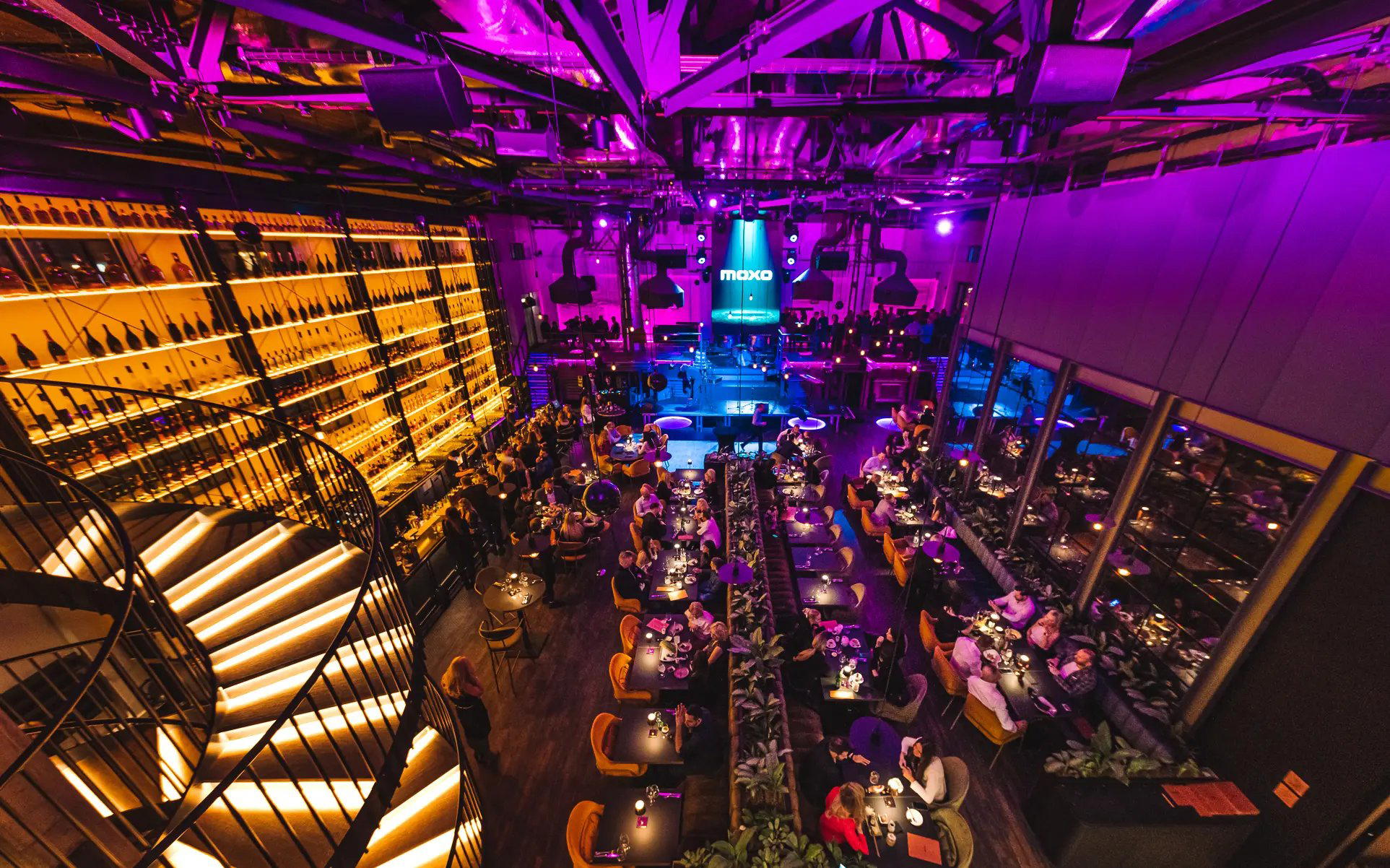
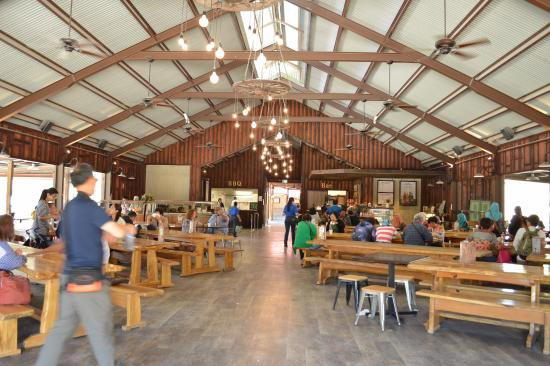
Bars in Warsaw
All bars in Warsaw →
Details
- Elegant
- Intimate
- Classic
- Cozy
- Romantic
- Date Night
- Business Dinner
- Group Dining
- Family
- Celebration
- Special Occasion
- Private Event
- Garden
- Historic Building
- Design Destination
- Private Dining
- Standalone
- Craft Cocktails
- Extensive Wine List
- Local Sourcing
- Garden
- A La Carte
- Wine
- Cocktails
- Vegetarian Friendly
Set in a historic villa with bright dining rooms and a garden, the atmosphere is calm, intimate, and refined, combining classic architecture with modern, relaxed yet attentive service for dates, family gatherings, and special events.