
A 12-seat omakase counter on Warsaw's outskirts serving 20 to 30 pieces of Edomae-style sushi. Chef Alon Than works with Hokkaido scallops, Icelandic sea urchin, and Spanish tuna in a minimalist room designed to keep attention on the knifework and precision seasoning. Omakase format only.
Pearl is the En Primeur Club membership app — saves, bookings, and concierge access live there. Same editors, same standards.
- Address
- Jana Pawła Woronicza 33C/lok.U4, 02-640 Warszawa, Poland
- Phone
- +48 728 555 000
- Website
- omakase.eu
- Directions
- Get directions
 Saves & bookings on Pearl
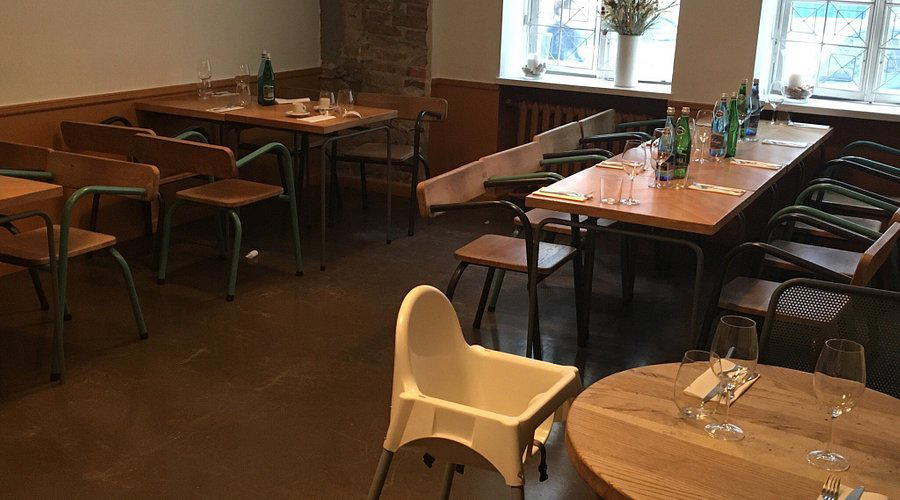
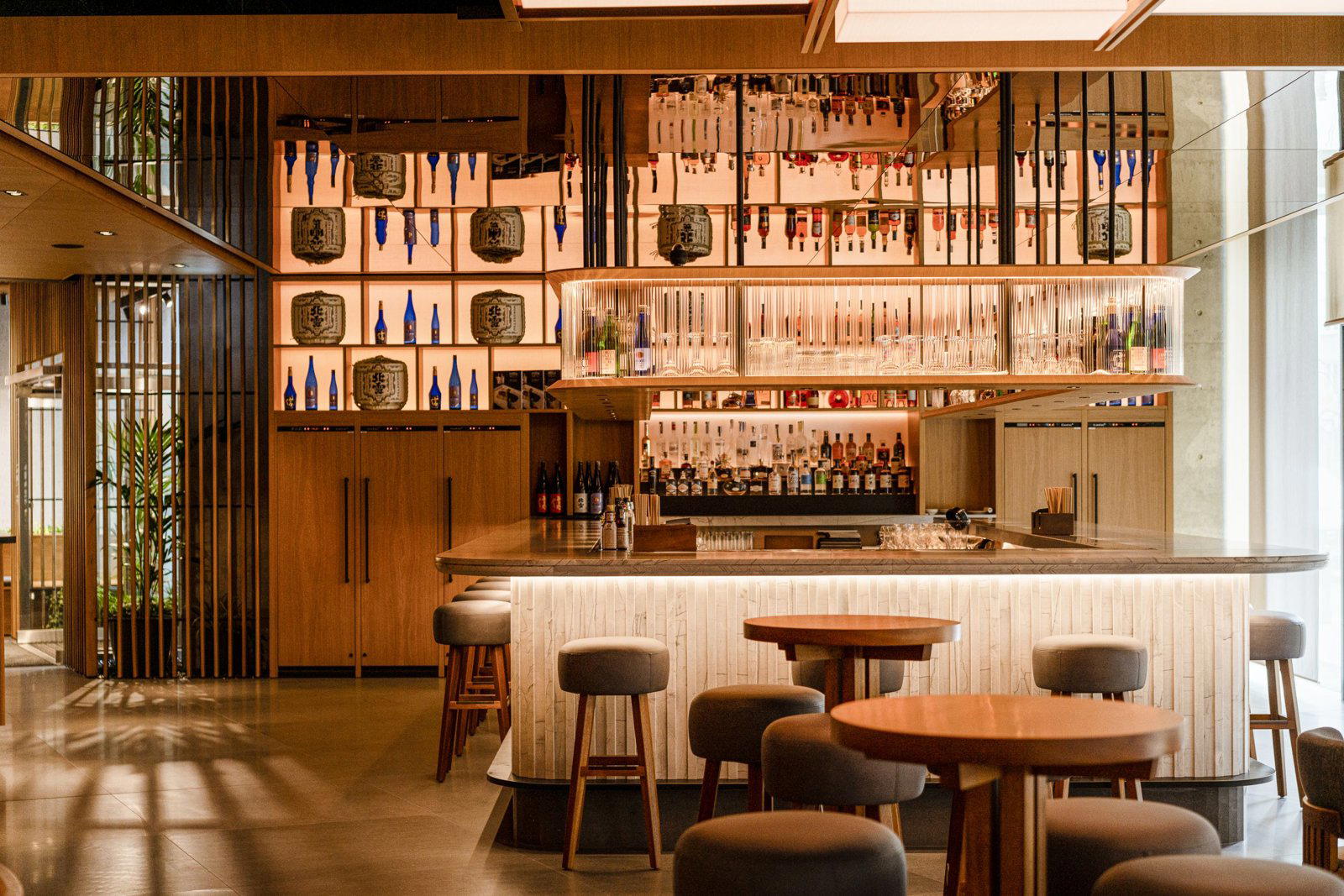
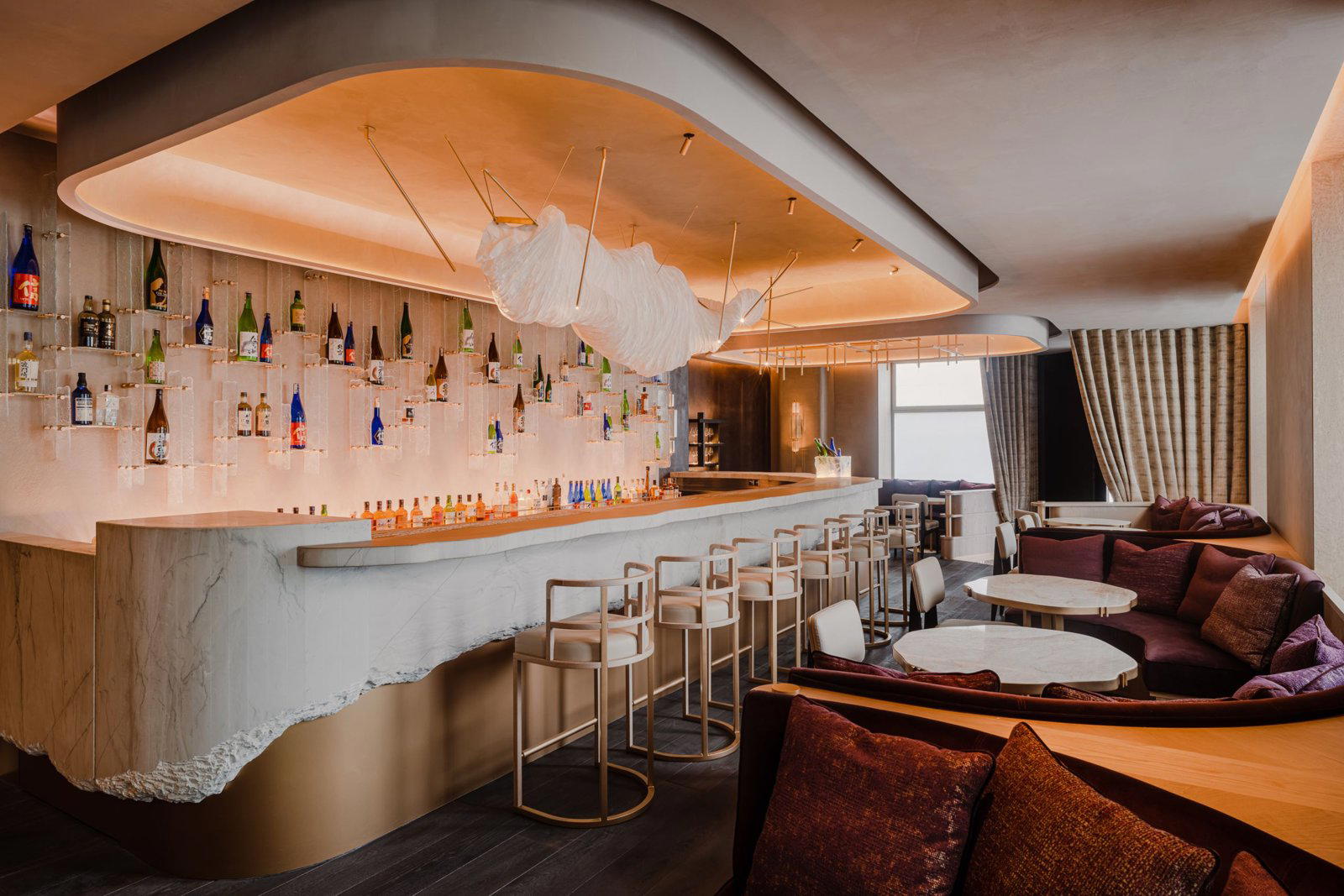
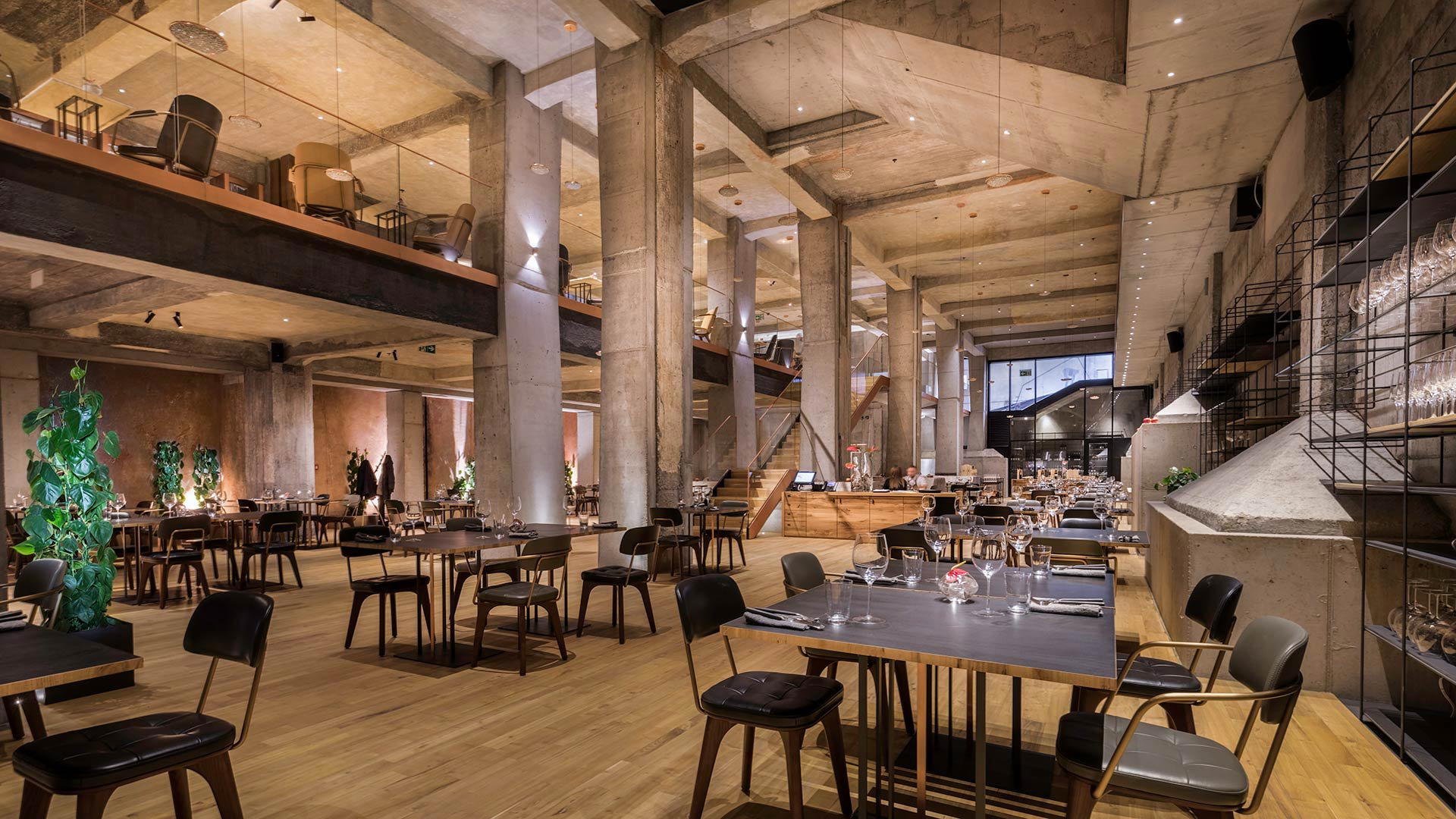
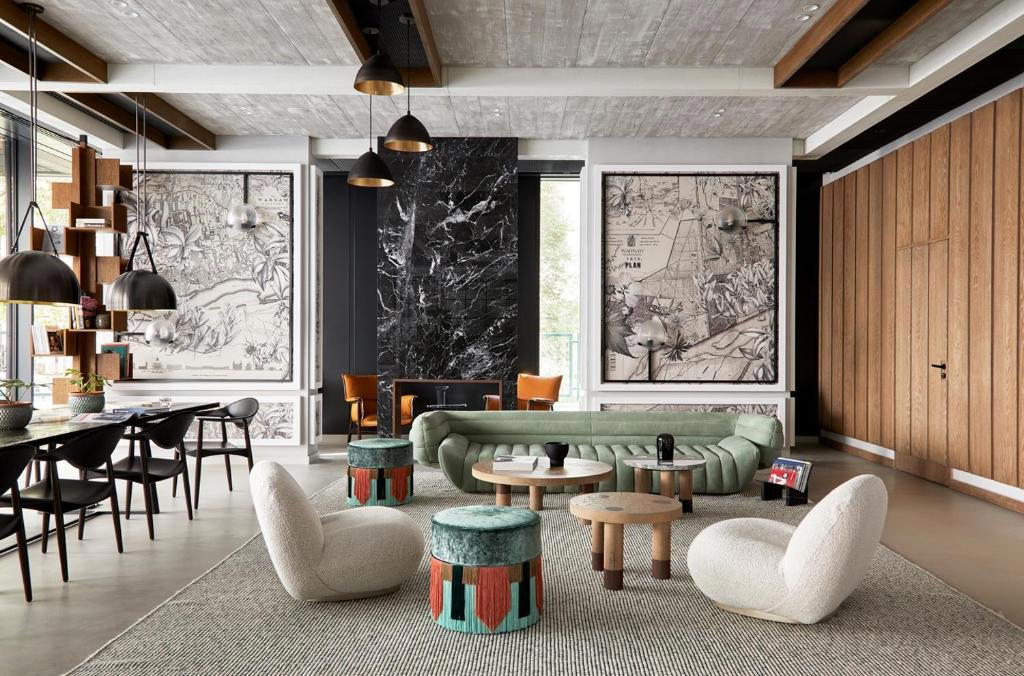
Warsaw's fine-dining landscape has expanded beyond traditional Polish and European formats over the past five years, and omakase counters now occupy a small but credible niche. Alon Omakase sits on Jana Pawła Woronicza, well outside the city centre, in a low-rise district where retail and residential blocks meet. The location signals intent: this is destination dining, not walk-in traffic. The room is minimal, 12 seats facing a counter, neutral surfaces, subdued lighting, and the design makes the chefs the focal point. That clarity of purpose runs through the entire experience.
Chef Alon Than leads the kitchen and oversees a tasting menu that spans 20 to 30 pieces, all prepared in the Edomae tradition. That means aging, curing, marinating, and vinegar work applied to a rotating roster of fish and shellfish sourced from supply chains in Japan, Iceland, and Europe. Hokkaido scallops, Icelandic sea urchin, and Spanish tuna appear regularly on the menu, and each ingredient is selected for its suitability to the ageing and seasoning techniques that define the style. The fish travels farther than it would in Tokyo, but the sourcing strategy is transparent: premium provenance, air freight where necessary, and a willingness to pay for quality at origin.
The Sourcing Framework
Omakase counters in Europe face a structural challenge: fresh fish from Toyosu or Fukuoka arrives 24 to 48 hours after auction, and supply-chain costs push menu prices upward. Alon Omakase addresses this by working with distributors who specialise in high-grade seafood for the European fine-dining market, then applying Edomae techniques that favour controlled ageing over same-day service. Hokkaido scallops, for example, arrive live or iced and are prepped in-house; Spanish bluefin tuna is dry-aged for days before service; Icelandic sea urchin, one of the few cold-water urchin sources with consistent sweetness, is handled with minimal intervention. The judged seasonings mentioned in the restaurant's Michelin Guide description (it holds recognition in the 2026 edition, though the specific award tier is not listed) suggest a careful balance: nikiri soy, red vinegar rice, and house-made tsume add depth without masking the fish. The knife skills are precise and performed in full view, a hallmark of counter service that turns preparation into part of the meal's theatre.
For context, Warsaw also hosts Belvedere, a fine-dining Polish restaurant that works with seasonal local ingredients, and alewino, which applies modern technique to traditional Polish cuisine. The city's omakase category remains narrow, and Alon Omakase competes less with Polish peers than with international expectations set by counter formats in London, Paris, or Scandinavia. The 12-seat capacity, the multi-course structure, and the emphasis on ingredient provenance all align with how premium omakase operates in European capitals rather than high-volume sushi bars.
What the Counter Experience Delivers
The menu structure is fixed, omakase only, no à la carte option, and pacing follows the traditional arc: lighter, leaner fish early, richer and fattier cuts later, tamago or a small dessert to close. The rice is seasoned with red vinegar, which adds complexity and a subtle tang that works well with aged fish. Each piece is formed by hand, served directly from the counter, and meant to be eaten immediately. The chefs work methodically, and the close sightlines allow diners to watch filleting, torching, brushing, and plating in real time. That proximity is part of the value proposition, omakase is as much about craft observation as it is about taste.
Because the counter seats only 12, reservation windows fill quickly, and walk-ins are not accommodated. The format does not suit large groups, and the fixed-menu structure leaves little room for substitution. For solo diners or pairs comfortable with a silent, focused meal, the setup works. For those who prefer conversation or a flexible dining pace, the rigidity may feel restrictive. The restaurant does not list a phone number or website in public records, so booking likely requires third-party platforms or direct outreach via email or social channels.
Warsaw's dining options at the higher end also include AHAAN, a Thai fine-dining venue, and Bar Rascal, a natural wine and tapas spot. For those exploring the city's restaurant culture more broadly, our full Warsaw restaurants guide covers formats from casual to formal across neighbourhoods. Nearby accommodation options are catalogued in our full Warsaw hotels guide, and the city's wine bar and cocktail scene is mapped in our full Warsaw bars guide.
Outside Warsaw, Poland's fine-dining landscape includes 3 Rybki in Kraków, 1911 Restaurant in Sopot, and A nóż widelec in Poznań. For travellers interested in omakase formats elsewhere in Europe or North America, comparable experiences include Jōdo Saké Bar in Los Angeles and Onigiri Time in Pasadena, though both operate in different price and format tiers.
The restaurant fits a narrow audience: diners who value technique over novelty, who understand the cost structure of imported seafood in Central Europe, and who are willing to travel outside the city core for a focused, silent meal. The counter format, the Edomae discipline, and the ingredient sourcing place it in a category with few local peers. For those seeking that experience in Warsaw, it delivers.
In Context: Similar Options
Comparable venues by cuisine and price in the same metro.
| Venue | Cuisine | Price |
|---|---|---|
| Alon Omakase | Offering a classic omakase experience on the outskirts of the city, this restaurant’s minimalist design is all the better for directing your focus towards Chef Alon Than and his team as they work behind the 12-seater counter. The menu encompasses 20 to 30 pieces of superbly crafted sushi, featuring premium produce including Hokkaido scallops, Icelandic sea urchin and Spanish tuna, all gently enhanced with beautifully judged seasonings and condiments in typical Edomae style. Admiring the chefs’ work up-close is part of the appeal, especially their mesmerising knife skills. | This venue |
Recognition history
Dated appearances from independent guides and award organizations, with the underlying list record or original source where available.
Michelin 1 Star
Michelin


At a Glance
- Intimate
- Minimalist
- Elegant
- Sophisticated
- Modern
- Date Night
- Special Occasion
- Celebration
- Solo
- Business Dinner
- Chefs Counter
- Standalone
- Design Destination
- Sake Program
- Sustainable Seafood
Current opening hours
- Monday
- Closed
- Tuesday
- Closed
- Wednesday
- Closed
- Thursday
- 7–10 PM
- Friday
- 7–10 PM
- Saturday
- 7–10 PM
- Sunday
- Closed
Hours can change for holidays and private events. Last verified .
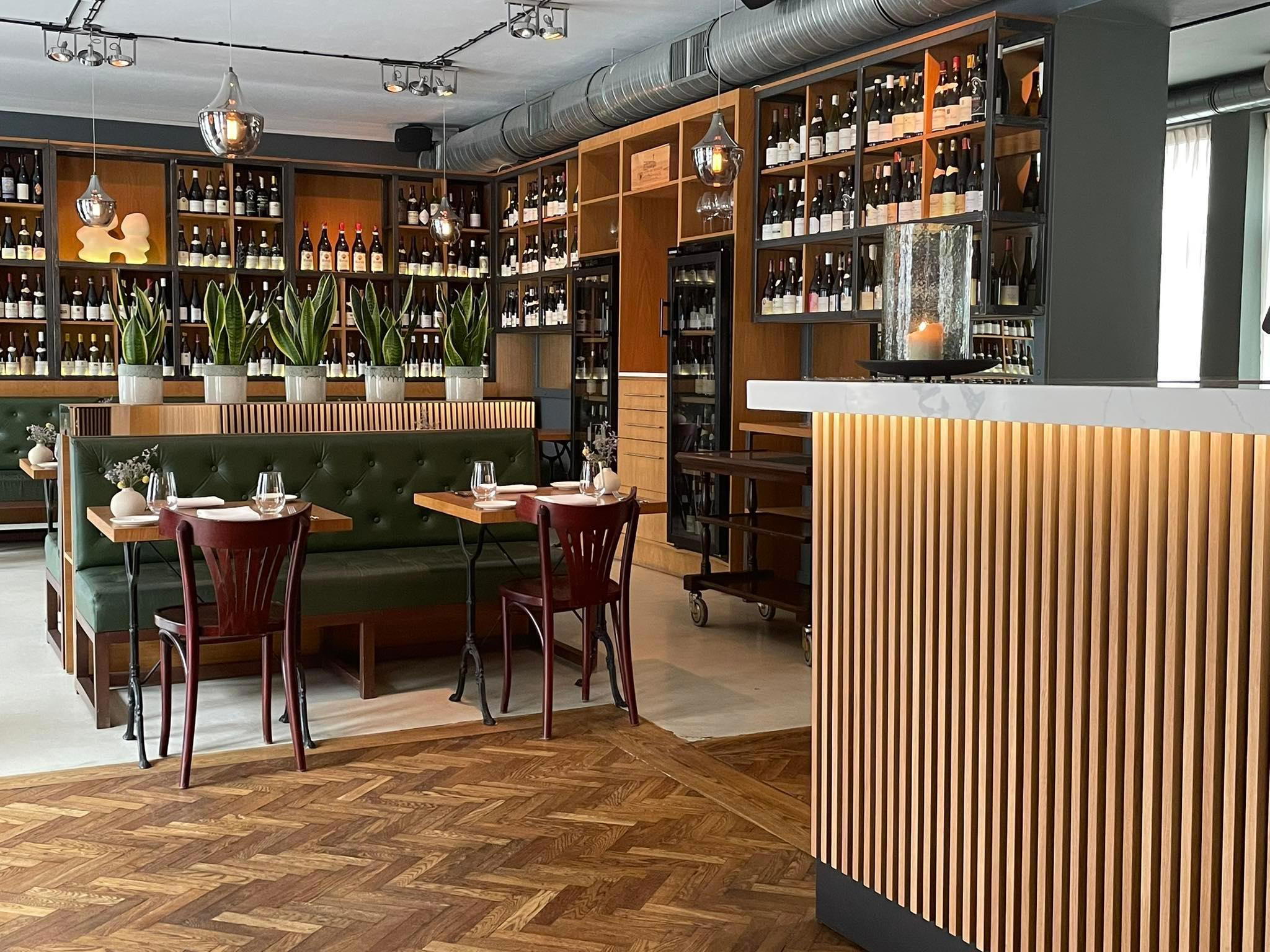
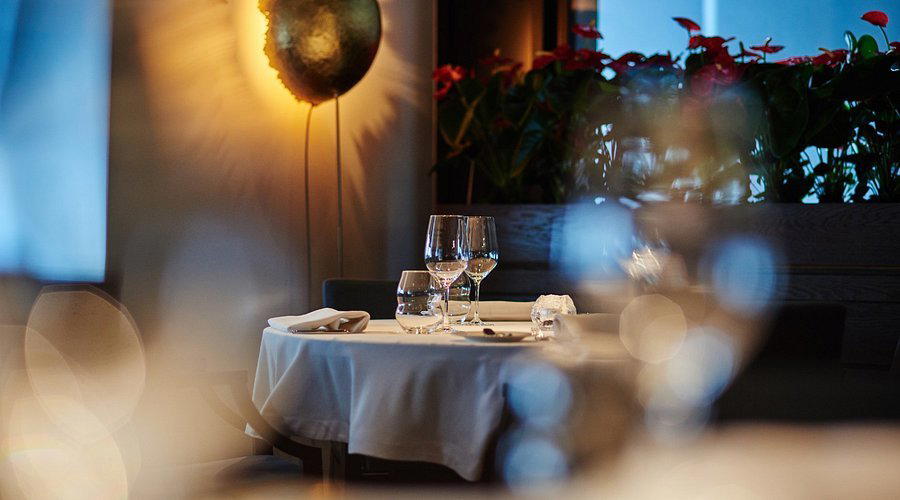
A minimalist, elegant counter-focused room on the edge of the city, designed to draw attention to the chef’s movements and the sushi itself, creating a quiet, contemplative and highly personal fine-dining atmosphere.