Wildebeest


Michelin Bib Gourmand · AA Rosettes 3 Rosettes · The Good Food Guide GFG Good
Our verdict
A former pub in Stoke Holy Cross, Wildebeest holds the Michelin Bib Gourmand for 2024 and 2025, delivering classical French-influenced Modern British cooking at the ££ price point. The kitchen runs a seven-course tasting menu, a substantial à la carte, and a wallet-friendly set menu du jour, with wine from £26 a bottle.

Pearl is the En Primeur Club membership app, where members save venues, book tables and use the concierge.
The Village Pub That Stopped Being a Pub
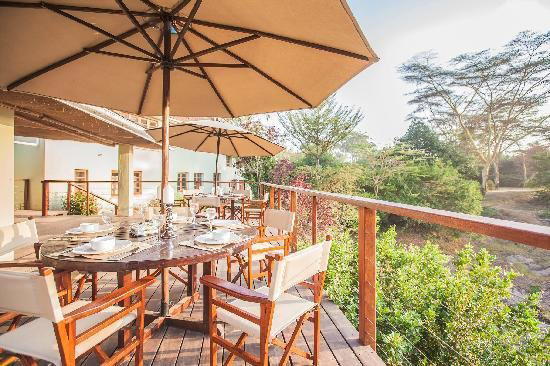
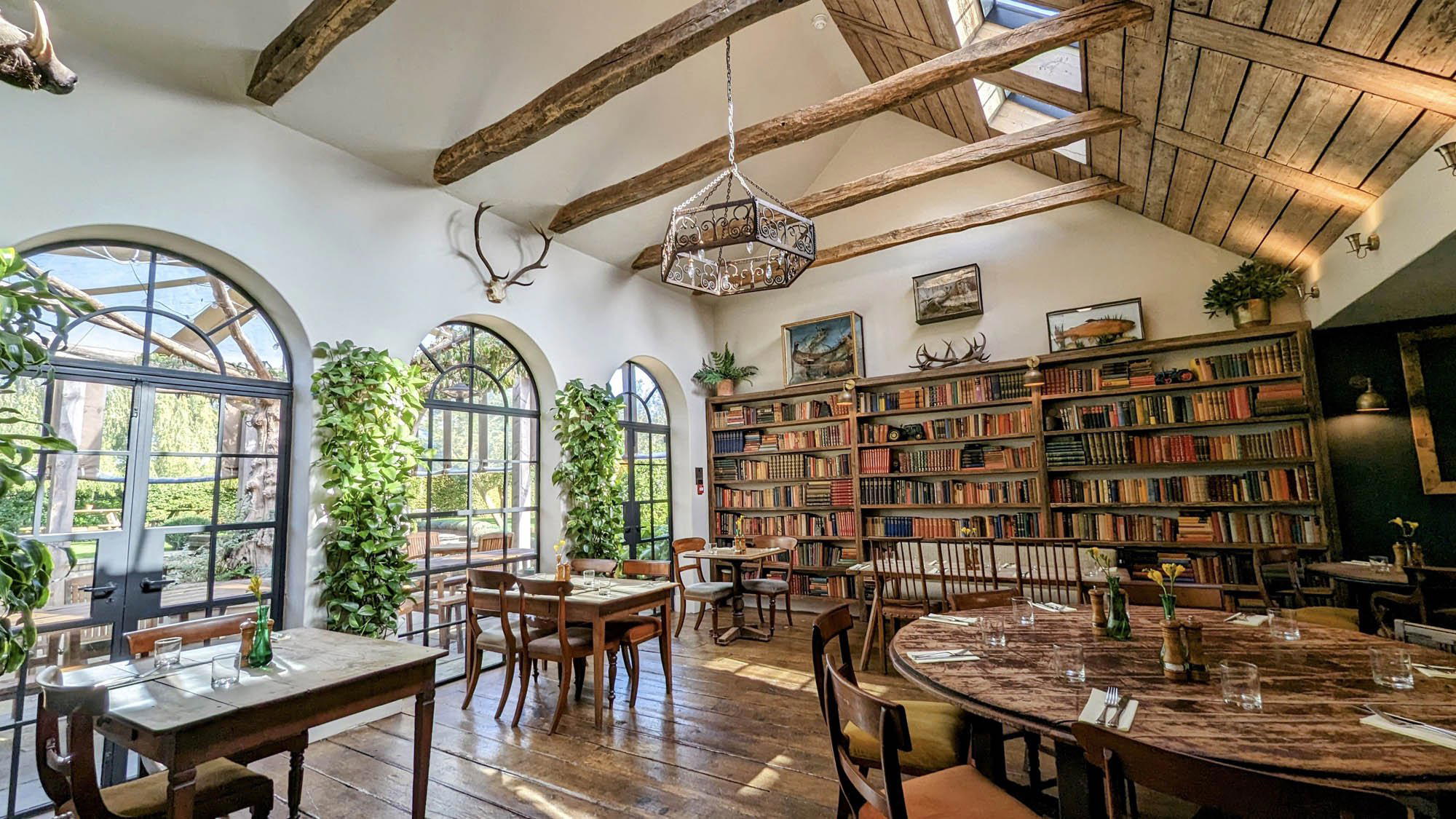
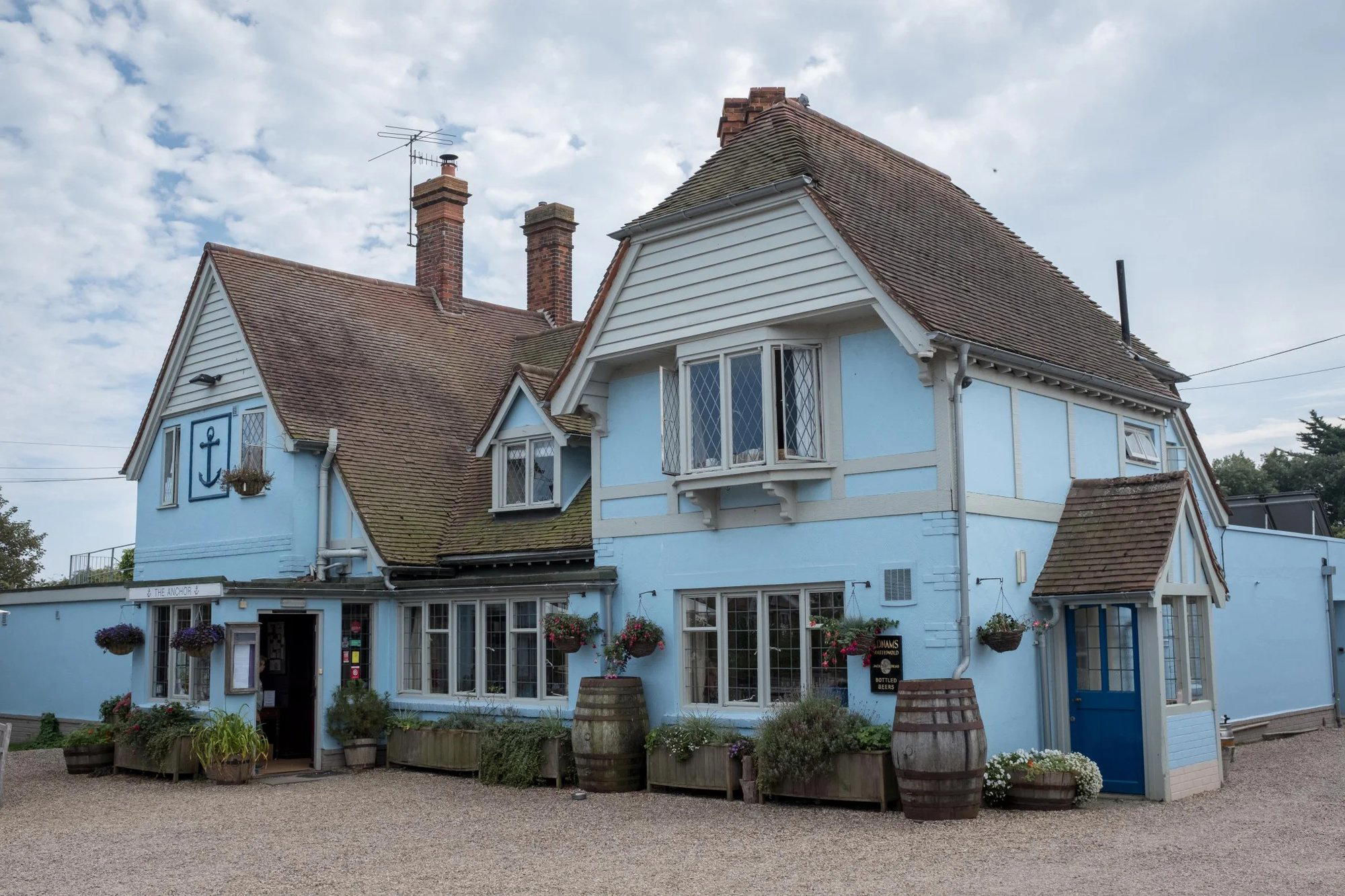
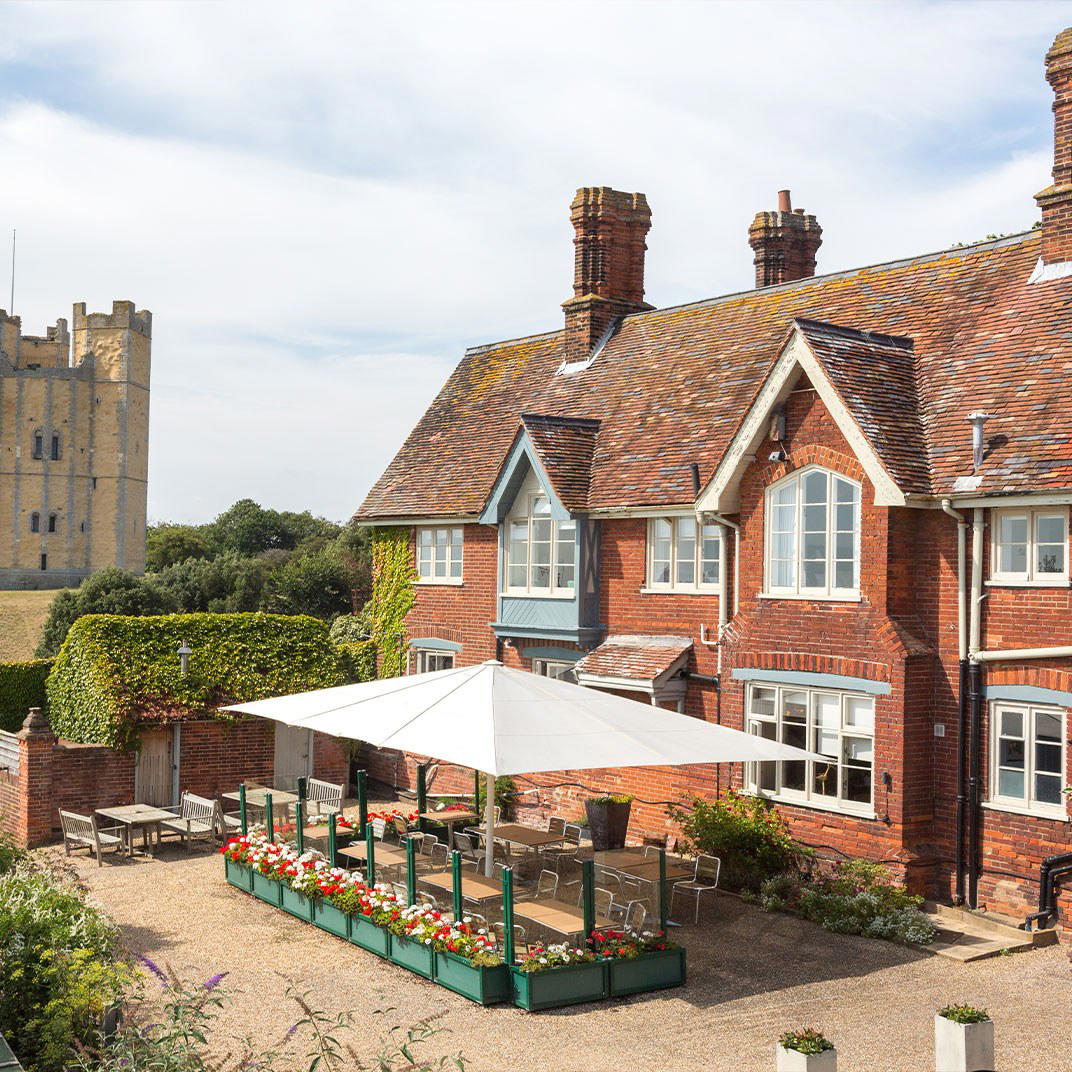
There is a particular type of English restaurant that the exterior actively works against. From the road through Stoke Holy Cross, Wildebeest reads exactly as its signage suggests: painted brickwork, garden furniture on a terrace, parasols, a car park to the side. The building spent years as a roadside pub, and the bones are still visible. Step inside, though, and the room has been reconfigured into something more purposeful, high ceilings, bare floors, plants, banquette seating, carefully laid tables, and moody photographic art on the walls. The physical transformation maps a broader pattern in East Anglia and across rural England: former pub buildings, no longer viable as wet-led locals in an era of declining pub trade, converted into serious dining destinations that inherit the footprint and the parking but little else from their previous lives.
For our full Stoke Holy Cross restaurants guide, Wildebeest sits as one of the area's most credentialled addresses. The Michelin Bib Gourmand, awarded in both 2024 and 2025, is the most telling signal: Michelin issues the Bib specifically for restaurants delivering good cooking at moderate prices, and back-to-back recognition confirms this is not an anomaly. In the county of Norfolk, where the dining scene remains thinner than its agricultural abundance might suggest, that consistency carries weight.
Cooking From the Classical Repertoire
The kitchen's orientation is worth establishing clearly. This is Modern British cooking built on a classical French foundation, the kind of training that shows itself in technique rather than in flag-waving about it. Monkfish arrives pale and tender, paired with brown shrimps, crisped potato and cucumber prepared two ways: chopped fine into a raita, chunked and seared separately. Scallops come seared with pork belly and boudin, a pairing that classical tradition has long endorsed. The fish cookery is handled with precision: John Dory, crisp-skinned and accurately timed, sits on a Robuchon-style mash that carries enough butter to make the point, finished with Champagne sauce and a scatter of asparagus, samphire, courgette spheres and nasturtium leaves. These are not minimalist plates. The kitchen has an appetite for generosity and garnish that connects it more to a certain generation of country-house cooking than to the stripped-back plating that currently dominates tasting-menu fashion.
That context matters when placing Wildebeest against the broader Modern British field. At the top end of the category, places like CORE by Clare Smyth in London and The Ledbury operate with pared-back presentations and ingredient-led minimalism. The village-restaurant tradition running from Le Manoir aux Quat' Saisons in Great Milton through to Hand and Flowers in Marlow occupies a different register: more classical in structure, more generous in portion, more explicit about luxury ingredients. Wildebeest belongs, philosophically if not in price tier, to this second group.
The Format: Three Menus, One Kitchen
The menu architecture at Wildebeest is notably ambitious for a restaurant at the ££ price point. Three simultaneous formats run from the same kitchen: a seven-course tasting menu, a substantial à la carte, and a set menu du jour described in Michelin's notes as particularly good value. This is a rarer proposition than it sounds. Most restaurants at comparable prices simplify their offering; the operational discipline required to run a tasting menu, a full carte, and a daily set menu concurrently is considerable. The result is that different types of diner can be accommodated on the same evening, from those wanting the full kitchen statement to those after a lighter midweek commitment.
Desserts hold to classical form: soufflés, crémeux, and parfaits working with local strawberries, cherries, and rhubarb. Fragile tuiles, sharp sorbets, gels, and occasional white chocolate come together in the kind of plating that requires pastry precision. The dish construction, chicken liver parfait, dulce de leche cheesecake, reads simply on the menu but, as Michelin notes, lands with a control of flavour and balance that separates execution from ambition.
The Sunday Roast Tradition and What Wildebeest Does With It
The editorial angle here matters: the Sunday roast is the weekly ritual that English pub-restaurant conversions are almost always expected to anchor. It is the format that justifies the terrace, the car park, the informality of the room, and the price point that makes a family outing viable. At Wildebeest, the Bib Gourmand citation and the kitchen's classical grounding suggest the roast receives the same technical attention as the mid-week à la carte. Cuts like Gressingham duck breast and fillet of beef appear on the carte, and a kitchen that produces Robuchon-style mash and Champagne-sauced fish mid-week is not going to treat the Sunday service as a lower priority.
The broader pattern across rural Britain is instructive. Sunday roast quality in converted pub-restaurants correlates strongly with the seriousness of the mid-week kitchen; where the same brigade runs both services, standards hold. Wildebeest's consistent Michelin recognition across two years implies that this is a kitchen operating to a single standard throughout the week, not one that coasts on its weekend reputation. The terrace and the informal entry experience are part of the Sunday appeal, and the wine list, from £26 a bottle, with a by-the-glass range beginning at £6.75, makes the occasion affordable without forcing compromise.
For the nearest comparable at higher price points in the county, Stoke Mill, also in Stoke Holy Cross, offers a point of comparison on the same road. Nationally, rural restaurants operating classical technique at accessible prices include hide and fox in Saltwood and, further afield, Midsummer House in Cambridge, though the latter operates at a considerably higher price tier. The ambition at Wildebeest exceeds its price bracket in a way that the Bib Gourmand is designed precisely to flag.
Service, Setting, and the Village Context
Stoke Holy Cross sits south of Norwich, a village with a main road running through it and little of the weekend tourist traffic that inflates prices and crowds in more self-consciously destination locations. Friendly, eager-to-please service is noted consistently in Michelin's assessments, which aligns with the informal room rather than the classical kitchen.
The combination of accessible pricing, genuine technique, and a relaxed physical environment positions Wildebeest inside a type of dining that is harder to find than it should be: serious cooking that does not require a dress code, a four-figure bill, or a six-month wait. In that sense, it maps more naturally against places like Gidleigh Park in Chagford or Moor Hall in Aughton in terms of classical sensibility, even while sitting at a fraction of those price points.
Planning Your Visit
Wildebeest is located at 82-86 Norwich Road, Stoke Holy Cross, NR14 8QJ, with parking on site. The price range sits at ££, with wine by the bottle from £26 and by the glass from £6.75. Three menu formats run concurrently: the tasting menu, the à la carte, and the set menu du jour, the latter offering the most accessible entry point. Booking in advance is advisable given the Michelin recognition and relatively modest size of the room; walk-in availability will depend on the day and service. For broader area planning, see our full Stoke Holy Cross hotels guide, our full Stoke Holy Cross bars guide, our full Stoke Holy Cross wineries guide, and our full Stoke Holy Cross experiences guide.
Frequently asked questions
Does Wildebeest have a Michelin star or similar recognition?
Wildebeest has received recognition including: Set in the heart of a pretty village and fronted by an attractive terrace, this former pub is now a laid-back restaurant offering satisfying modern cooking at a wallet-friendly price. The menus range from a particularly great value daily se….
What's the must-try dish at Wildebeest?
The venue data singles out the John Dory as the standout main course, crisp-skinned, precisely cooked, and finished with a Champagne sauce alongside Robuchon-style butter mash. The monkfish starter, with brown shrimps, crisped potato, and a cucumber raita, also draws consistent editorial attention. Both dishes reflect the kitchen's classical French grounding, which underpins the Michelin Bib Gourmand awarded in both 2024 and 2025.
What does dinner at Wildebeest typically cost?
Pricing at Wildebeest is listed as ££.
Where is Wildebeest in Stoke Holy Cross?
Wildebeest is located at 82-86 Norwich Rd, Stoke Holy Cross, Norwich NR14 8QJ, United Kingdom, Stoke Holy Cross.
Can I walk in to Wildebeest?
The venue operates across three menus simultaneously, a seven-course tasting menu, an à la carte, and a daily set menu, which suggests a kitchen running at some capacity. Given the Michelin Bib Gourmand recognition (2024 and 2025) and the deliberately ambitious format for a ££ village restaurant, walk-ins during peak service periods carry risk. Booking ahead is the sensible approach; the restaurant is at 82-86 Norwich Road, Stoke Holy Cross, NR14 8QJ, with on-site parking.
What's Wildebeest best at?
Delivering classical technique at a price point that makes the ££ rating feel like an anomaly. The Michelin Bib Gourmand, held in both 2024 and 2025, specifically recognises good cooking at moderate prices, and that designation fits: a seven-course tasting menu, an à la carte with luxury ingredients like scallops and Gressingham duck, and a wallet-friendly daily set menu all run from the same kitchen. The balance of ambition against accessibility is where Wildebeest consistently delivers.
Price and Positioning
| Venue | Cuisine | Price | Awards | Notes |
|---|---|---|---|---|
| WildebeestThis venue (the venue you are viewing) | Modern British Gastropub | $50–100 | Michelin Bib Gourmand · AA Rosettes 3 Rosettes | Not listed |
| The Ledbury | Modern British Fine Dining | $300–500 | 3 Michelin Stars · World's 50 Best #42 | Modern European, Modern Cuisine |
| Sketch, The Lecture Room and Library | Modern French Fine Dining | $200–300 | 3 Michelin Stars · World's 50 Best #18 | Modern French |
| CORE by Clare Smyth | Modern British Fine Dining | $150–200 | 3 Michelin Stars · World's 50 Best #97 | Modern British |
| Restaurant Gordon Ramsay | French Fine Dining | $200–300 | 3 Michelin Stars · World's 50 Best #13 | Contemporary European, French |
| Dinner by Heston Blumenthal | Modern British, Traditional British | Not listed | Michelin 2 Star | Not listed |
Recognition history
Dated appearances from independent guides and award organizations, with the underlying list record or original source where available.
Michelin Bib Gourmand
Michelin
AA Rosettes 3 Rosettes
AA Rosettes
The Good Food Guide GFG Good
The Good Food Guide
Full recognition history (5 entries)
Michelin Bib Gourmand
Michelin
Michelin Bib Gourmand
Michelin
Continue exploring
More in Stoke Holy Cross
Restaurants in Stoke Holy Cross
All restaurants in Stoke Holy Cross →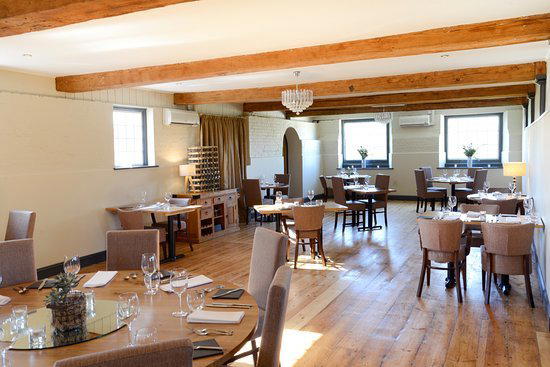
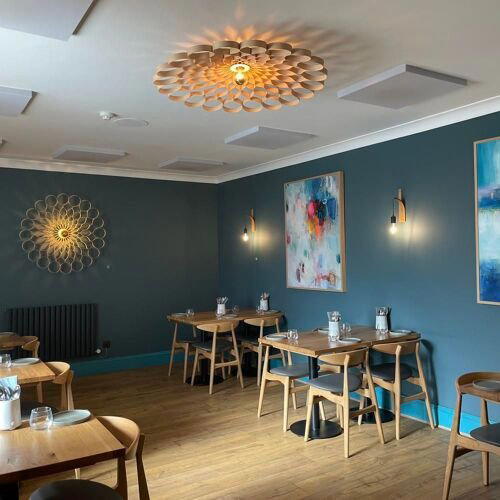
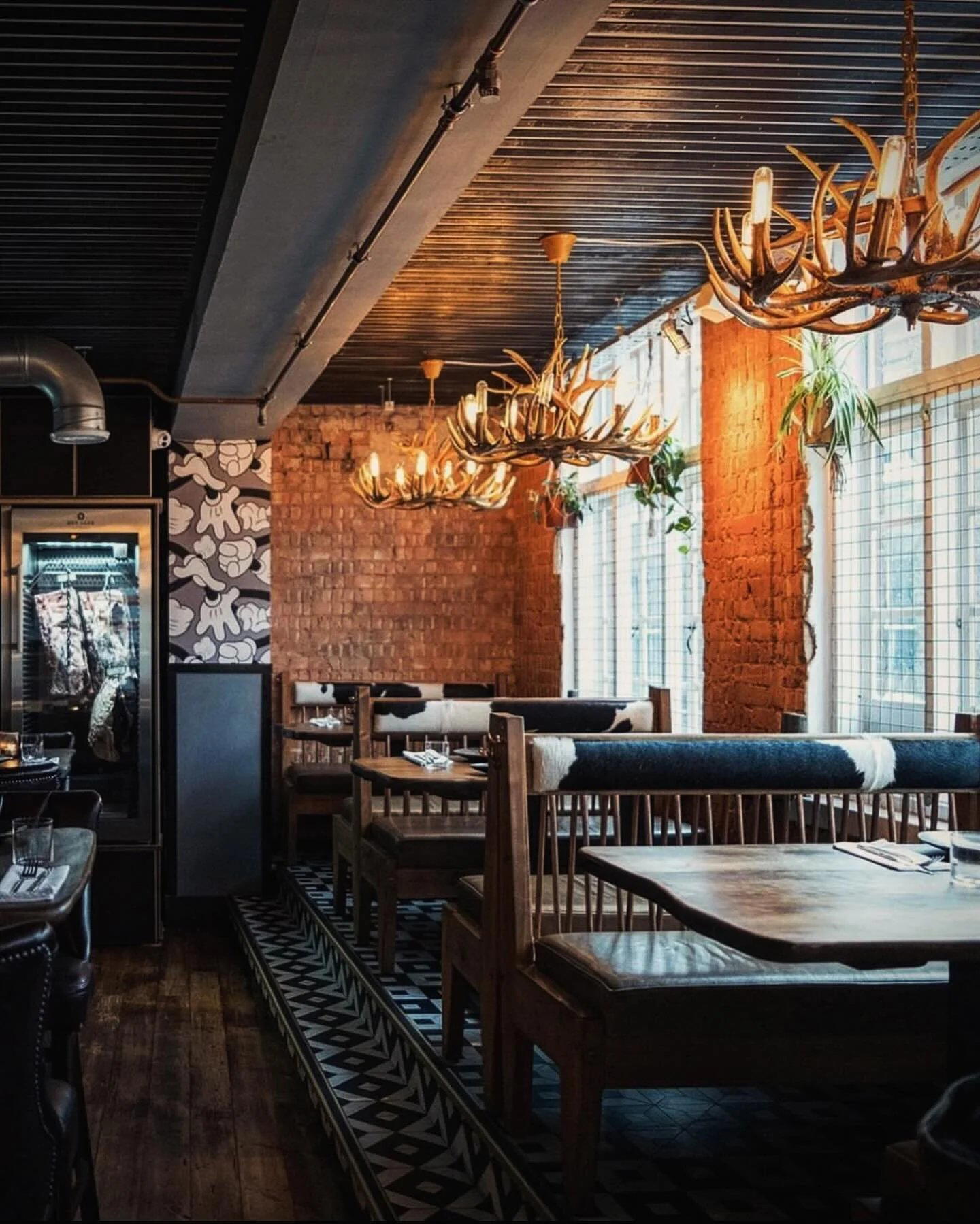
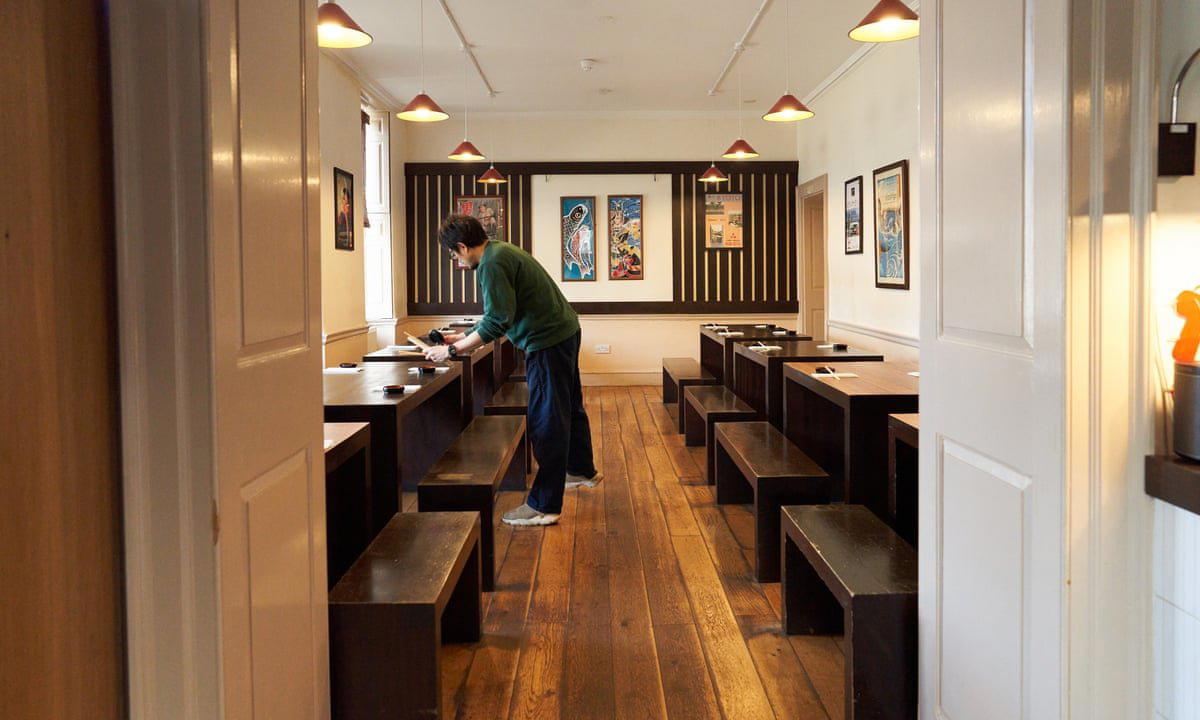
Bars in Stoke Holy Cross
Browse all →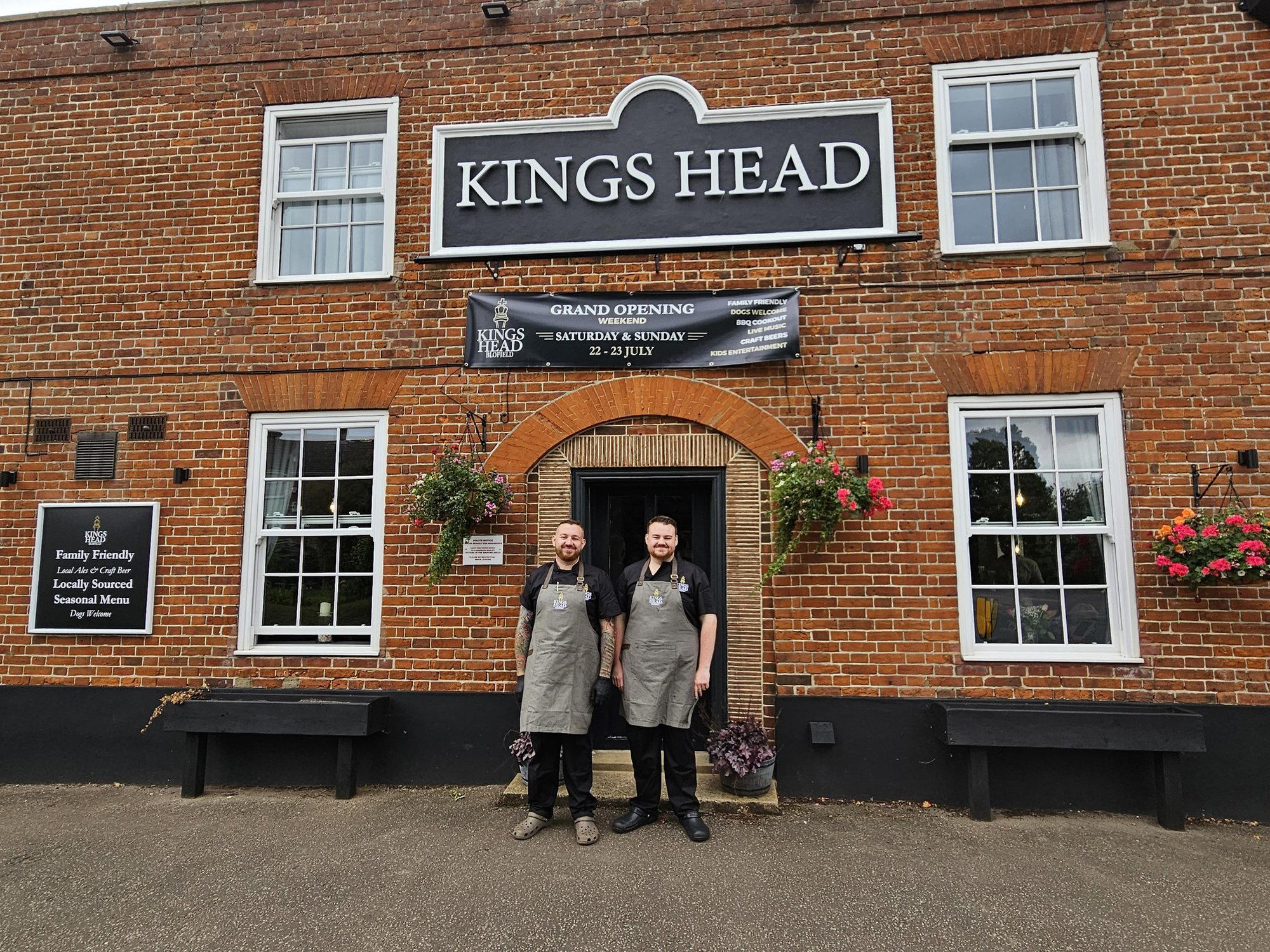
Hotels in Stoke Holy Cross
Browse all →
Details
- Cozy
- Rustic
- Elegant
- Modern
- Special Occasion
- Date Night
- Celebration
- Terrace
- Extensive Wine List
- Local Sourcing
- A La Carte
- Tasting Menu
- Set Menu
- Vegetarian Friendly
- Vegan Options
- Gluten Free Options
Current opening hours
- Monday
- 12–2 p.m., 5:30–9 p.m.
- Tuesday
- 12–2 p.m., 5:30–9 p.m.
- Wednesday
- 12–2 p.m., 5:30–9 p.m.
- Thursday
- 12–2 p.m., 5:30–9 p.m.
- Friday
- 12–2 p.m., 5:30–9 p.m.
- Saturday
- 12–2 p.m., 5:30–9 p.m.
- Sunday
- 12:30–7:30 p.m.
Hours can change for holidays and private events. Hours as of .
Spacious, airy room with plants, bare floors, moody photographic art, banquettes, and natural light from large windows, creating a laid-back yet elegantly rustic atmosphere.