Mark Poynton at Caistor Hall


1 Michelin Star · AA Rosettes 3 Rosettes
Our verdict
Mark Poynton's Michelin-starred restaurant at Caistor Hall occupies a Georgian country house on the southern edge of Norwich, delivering a seasonal set menu whose understated descriptions mask genuine technical depth. At £££, it sits in the mid-tier of destination dining in East Anglia, distinguished by a cooking style that foregrounds regional produce and the kind of precision more commonly associated with city-centre fine dining.

Pearl is the En Primeur Club membership app, where members save venues, book tables and use the concierge.
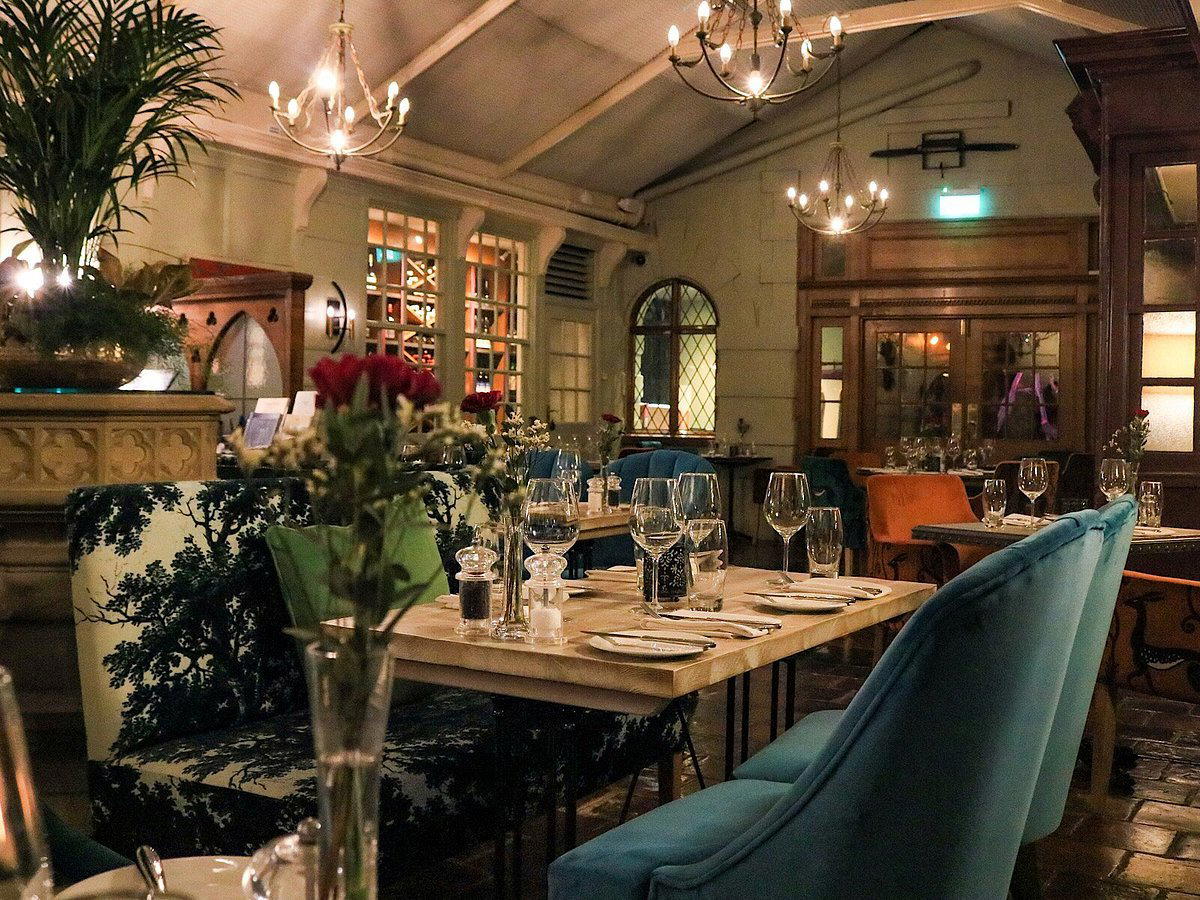
A Georgian Frame for Serious Cooking
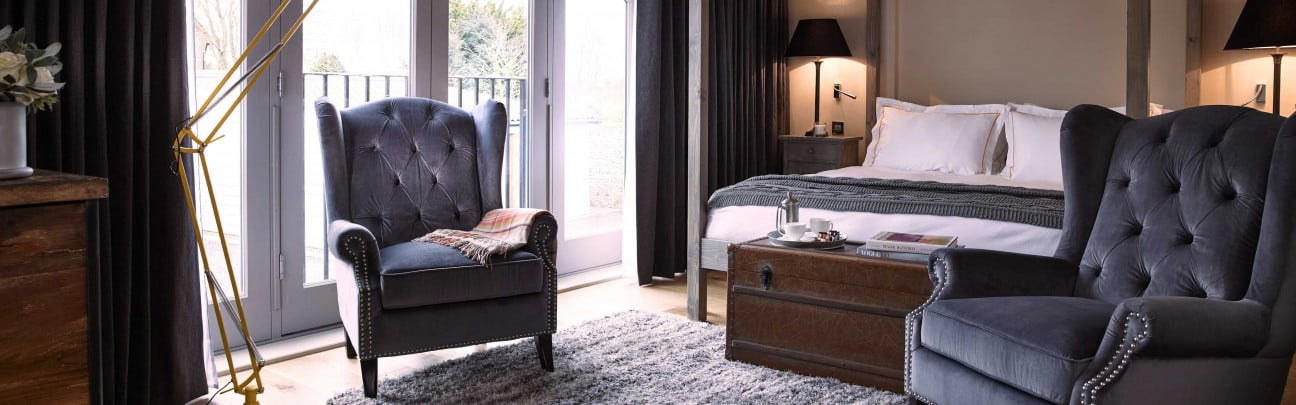
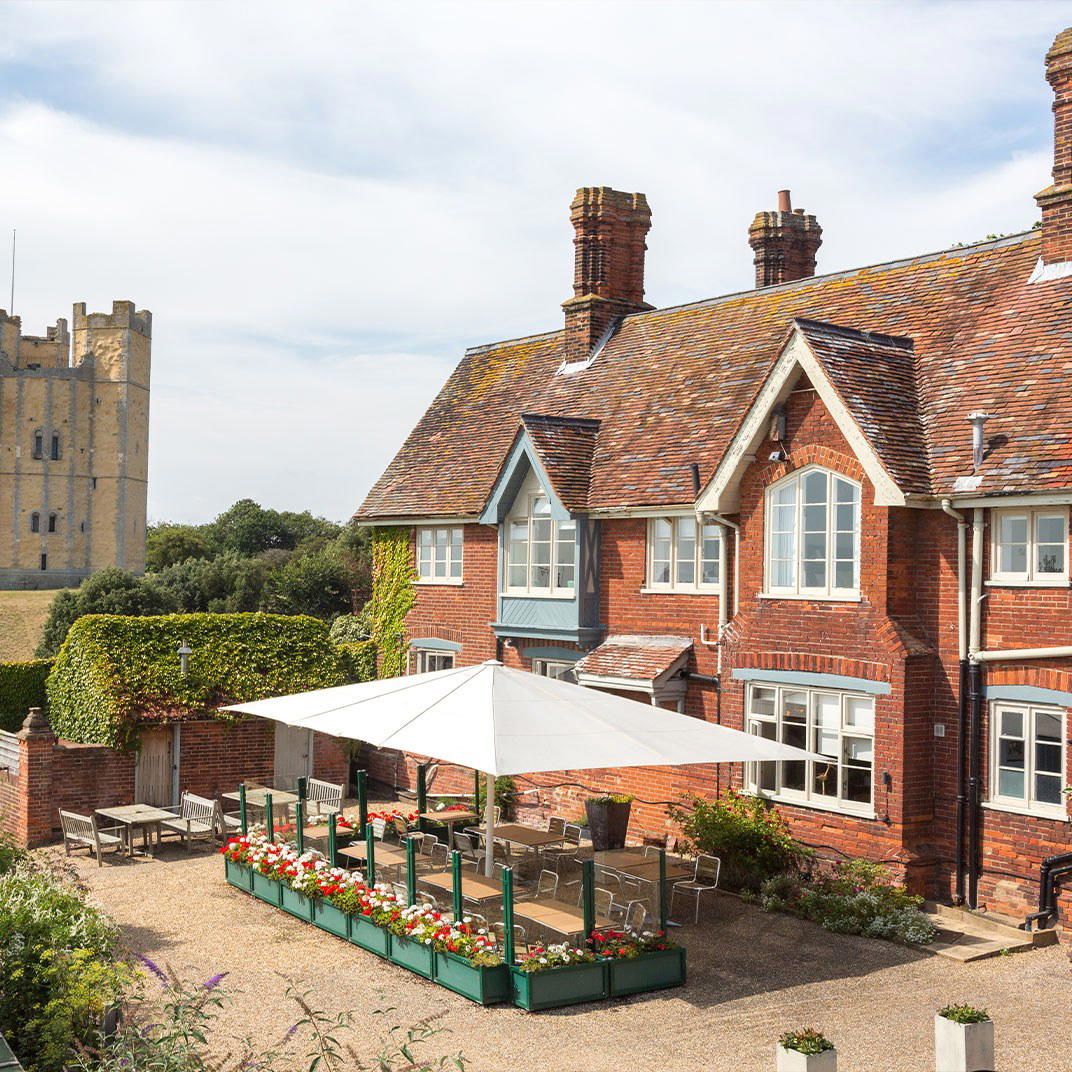
The approach to Caistor Hall sets the tone before a single plate arrives. A Georgian country house on the rural southern fringe of Norwich, the property's manicured lawns and stone facade belong to a recognisable English tradition: the country house restaurant that uses its setting as both context and counterpoint. Inside, the contemporary interior keeps the architecture from feeling like a heritage exercise. This is not a dining room preserved in amber; it has been worked on, and the result is a space where the formality of the structure sits alongside something more current. In summer, the terrace extends proceedings outside, with the grounds providing the kind of quiet that Norwich's centre, roughly six kilometres north, does not offer.
East Anglia has never been short of serious agricultural land, and the region's cooking has long drawn on that advantage. Norfolk in particular produces ingredients that supply some of the country's most demanding kitchens: game from the Broads, shellfish from the north Norfolk coast, cereals and root vegetables from some of the most productive arable land in England. The question for any serious restaurant in this corner of the country is whether the kitchen makes that provenance mean something on the plate, or whether local sourcing is simply a selling point left at the door. At Caistor Hall, the evidence points toward the former.
What the Menu Signals About the Sourcing
The set menu format at Mark Poynton at Caistor Hall offers a choice of lengths, which is a structural approach now common across British fine dining. It allows the kitchen to maintain consistency at volume while giving diners some agency over the scope of the meal. What distinguishes this particular expression of the format is the deliberate gap between how dishes are described and what they deliver. The menu language is terse, minimal modifiers, no ingredient provocation, and that restraint is either confidence or indifference. Given the technical execution that has earned a Michelin star in 2024, it reads as the former.
The star itself places Caistor Hall in a specific peer tier within English destination dining. Country house restaurants with a single star occupy a bracket that includes properties like Gidleigh Park in Chagford and Hand and Flowers in Marlow, venues where setting and cooking carry equal weight. That group is distinct from the urban two- and three-star tier represented by venues like The Ledbury in London or Midsummer House in Cambridge, both of which operate in denser competitive environments with correspondingly different pressures on the menu. The country house context at Caistor Hall means that produce sourcing, seasonal responsiveness, and the relationship between kitchen and landscape carry more of the editorial load than they would in a city setting.
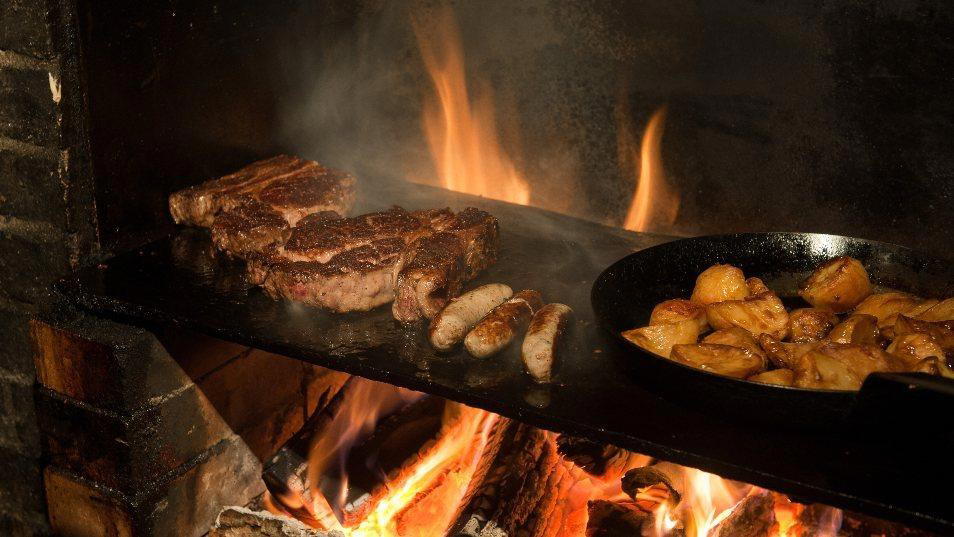
Verified description of a perfectly seasoned red wine jus alongside rare aged beef is a small but telling detail. Red wine jus at this level is a test of patience and technique, it requires long reduction, precise fat management, and the ability to balance acidity against the weight of aged meat without masking the protein's own character. That this detail appears as an example of the cooking's complexity rather than its centrepiece suggests a kitchen that has absorbed classical French technique and is using it in service of Norfolk ingredients rather than as a demonstration of cultural allegiance. This is the culinary equivalent of wearing a well-cut suit without making the suit the conversation.
Norfolk Produce and the East Anglian Context
Understanding what makes the sourcing argument at Caistor Hall credible requires understanding what Norfolk actually produces. The county's coastal strip, running from King's Lynn eastward past Cromer and Wells-next-the-Sea, yields crabs, lobsters, and samphire that have supplied London restaurants for decades. The Broads provide game, waterfowl, and freshwater fish. Inland, the sandy loam soils around Breckland and the heavier clay of south Norfolk support a variety of arable crops, soft fruit, and root vegetables that change meaningfully with the seasons.
A seasonal set menu in this setting is, if properly executed, almost obligatory. The alternative, a static menu that ignores the region's agricultural calendar, would represent a squandered advantage. The set menu at Caistor Hall, updated to reflect what is available rather than what is convenient, puts the kitchen in productive tension with the surrounding landscape. That tension is where the most interesting cooking tends to happen in country house restaurants of this type, and it is a dynamic that has defined some of the strongest regional dining in the UK, from L'Enclume in Cartmel to Moor Hall in Aughton, both of which have built kitchen gardens and farm relationships into their operational model.
Caistor Hall does not occupy that rarified territory of two and three-star country house cooking, it does not need to. What the 2024 Michelin star confirms is that the kitchen is operating with sufficient consistency and technique to earn national recognition in a category, single-star country house dining, where the competition is genuinely strong. For diners in East Anglia or those travelling from elsewhere in the UK, that credential is a meaningful signal. For context on what the broader British fine dining scene looks like at the leading end, venues like The Fat Duck in Bray, Le Manoir aux Quat' Saisons in Great Milton, and Restaurant Andrew Fairlie in Auchterarder represent the ceiling of the country house restaurant format in Britain.
Planning a Visit
Caistor Hall sits at Stoke Road, Caistor St Edmund, just south of Norwich, accessible by road from the city centre in under fifteen minutes, which makes it viable as an evening destination for those staying in Norwich rather than at the hotel itself. The Georgian country house setting also makes it a natural anchor for a longer stay in the area, particularly given the Norfolk Broads and the north Norfolk coast are both within comfortable driving distance. The menu operates as a seasonal set with a choice of lengths, priced at the £££ tier, broadly equivalent to what comparable Michelin-starred country house restaurants charge across England. Booking through the hotel's direct channels is the standard approach; given the Michelin recognition in 2024, forward planning is advisable, particularly for weekend evenings.
For those using Caistor Hall as part of a broader Norwich stay, the city's own dining and drinking scene is worth mapping before arrival. EP Club's full Caistor St Edmund restaurants guide covers the local options in more detail, alongside the Caistor St Edmund hotels guide, the bars guide, the wineries guide, and the experiences guide for the surrounding area. For those interested in how country house fine dining translates outside the UK, reference points include hide and fox in Saltwood, Opheem in Birmingham, and, at the international end of modern cuisine, Frantzén in Stockholm and FZN by Björn Frantzén in Dubai.
Frequently asked questions
Can I bring kids to Mark Poynton at Caistor Hall?
The restaurant operates as the flagship dining room of a Georgian country house hotel, with a formal set menu structure offered in a choice of lengths. That format suits guests who can engage with a multi-course progression at a measured pace. Families with older children comfortable in a Michelin-starred setting should be fine; the environment is unlikely to suit very young children.
How would you describe the vibe at Mark Poynton at Caistor Hall?
The house itself is Georgian with a contemporary interior and a manicured lawn terrace, which gives the room a composed, unhurried quality that sits somewhere between country house weekend and serious restaurant. The cooking is technically precise, a Michelin Star since 2024 confirms the kitchen's ambition, but the rural Norfolk setting keeps the atmosphere grounded rather than stiff.
What kind of recognition has Mark Poynton at Caistor Hall received?
Mark Poynton at Caistor Hall has received recognition including: The Caistor Hall Hotel is a Georgian country house with a contemporary flourish inside, and a manicured lawn and terrace for those seeking fresh air. Experienced restaurateur Mark Poynton runs the hotel’s flagship restaurant, offering a bal….
What's the must-try dish at Mark Poynton at Caistor Hall?
The menu descriptions are deliberately terse, but the kitchen's technical range shows in dishes like the aged beef with red wine jus, where the seasoning and cooking point are notably controlled. Michelin's own write-up singles out the chocolate dessert as a particular strength, so if it appears on the seasonal menu during your visit, order it.
What price level is Mark Poynton at Caistor Hall?
Pricing at Mark Poynton at Caistor Hall is listed as £££.
Comparison Snapshot
| Venue | Cuisine | Price | Awards | Notes |
|---|---|---|---|---|
| Mark Poynton at Caistor HallThis venue (the venue you are viewing) | Modern British Fine Dining | Not listed | 1 Michelin Star · AA Rosettes 3 Rosettes | Not listed |
| The Ledbury | Modern British Fine Dining | $300–500 | 3 Michelin Stars · World's 50 Best #42 | Modern European, Modern Cuisine |
| Sketch, The Lecture Room and Library | Modern French Fine Dining | $200–300 | 3 Michelin Stars · World's 50 Best #18 | Modern French |
| CORE by Clare Smyth | Modern British Fine Dining | $150–200 | 3 Michelin Stars · World's 50 Best #97 | Modern British |
| Restaurant Gordon Ramsay | French Fine Dining | $200–300 | 3 Michelin Stars · World's 50 Best #13 | Contemporary European, French |
| Dinner by Heston Blumenthal | Modern British, Traditional British | Not listed | Michelin 2 Star | Not listed |
Recognition history
Dated appearances from independent guides and award organizations, with the underlying list record or original source where available.
Michelin 1 Star
Michelin
AA Rosettes 3 Rosettes
AA Rosettes
Full recognition history (4 entries)
Michelin 1 Star
Michelin
Michelin 1 Star
Michelin
Continue exploring
More in Caistor St Edmund
Restaurants in Caistor St Edmund
All restaurants in Caistor St Edmund →
Bars in Caistor St Edmund
Browse all →
Hotels in Caistor St Edmund
Browse all →
Details
- Elegant
- Sophisticated
- Intimate
- Cozy
- Date Night
- Special Occasion
- Celebration
- Historic Building
- Hotel Restaurant
- Extensive Wine List
- Local Sourcing
- Garden
- Tasting Menu
- Set Menu
- Vegetarian Friendly
- Gluten Free Options
Current opening hours
- Monday
- Closed
- Tuesday
- Closed
- Wednesday
- 12–2 PM, 7–9 PM
- Thursday
- 12–2 PM, 7 PM–12 AM
- Friday
- 12–2 PM, 7 PM–12 AM
- Saturday
- 12–2 PM, 7 PM–12 AM
- Sunday
- Closed
Hours can change for holidays and private events. Hours as of .
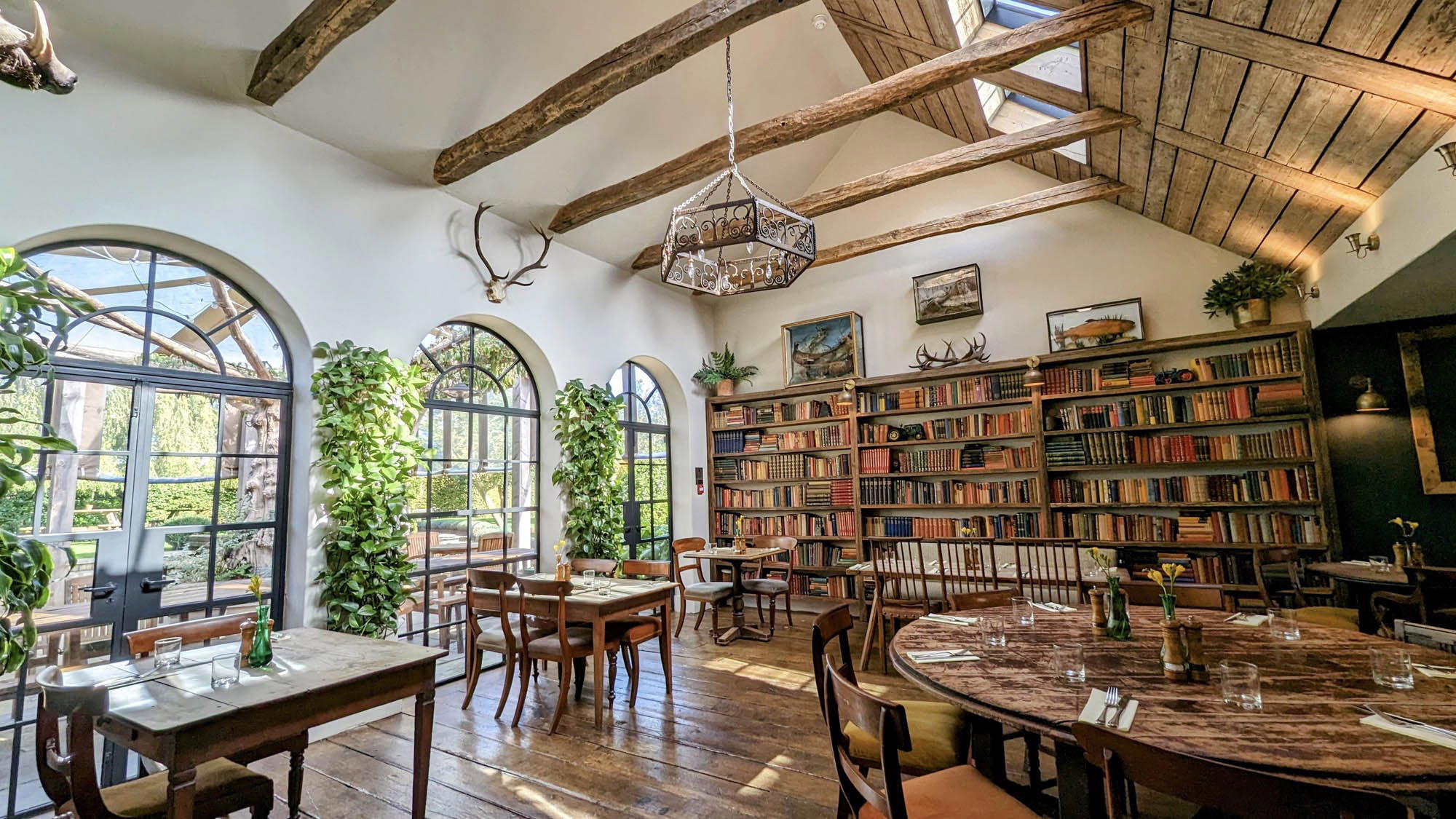
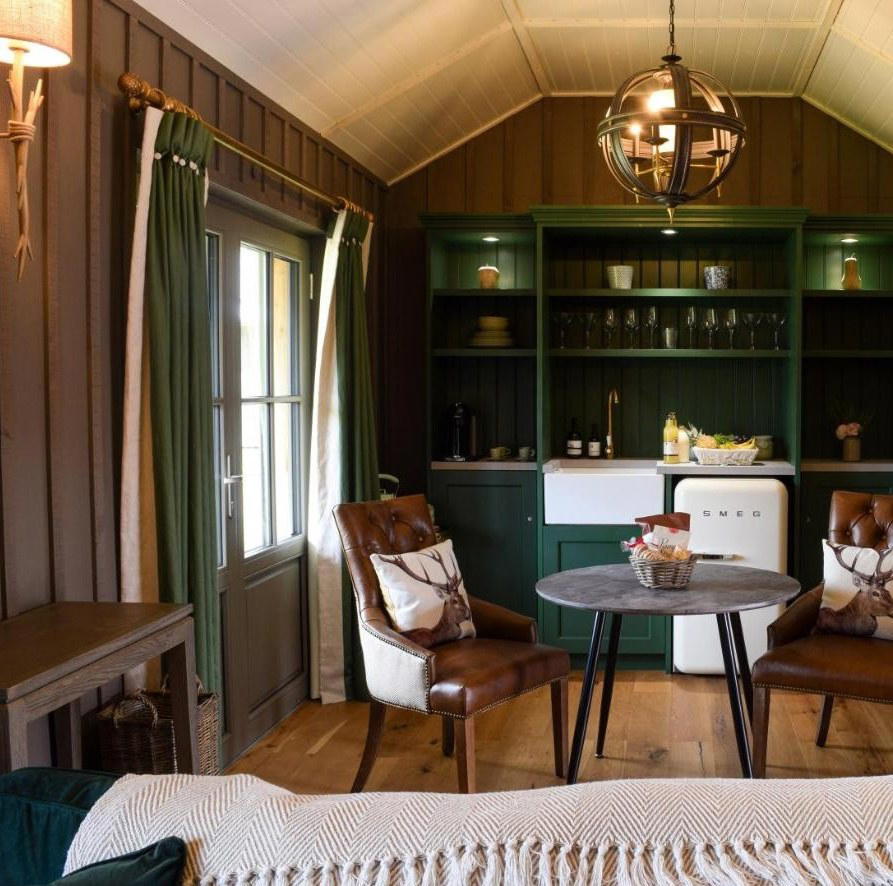
Contemporary elegant dining room in historic Georgian house with manicured lawn and terrace, creating a sophisticated and welcoming atmosphere.