The Ingham Swan


Michelin Plate · AA Rosettes 3 Rosettes · The Good Food Guide GFG Good
Our verdict
A 14th-century thatched pub in the Norfolk countryside, The Ingham Swan pairs its low beams and stone walls with contemporary cooking that draws on the county's farming and coastal larder. Michelin Plate recognition in both 2024 and 2025 signals consistent kitchen discipline. Smart overnight rooms in the converted coach house make it a practical base for exploring the Broads.

Pearl is the En Primeur Club membership app — saves, bookings, and concierge access live there. Same editors, same standards.
- Address
- Sea Palling Rd, Ingham, Norwich NR12 9AB, United Kingdom
- Phone
- +44 1692 581099
- Hours
- Mon–Sat 12–2 PM, 5:30–9 PMSun 12–4 PM, 5:30–9 PM
- Website
- theinghamswan.co.uk
- Directions
- Get directions
- Booking
- Book on SevenRooms
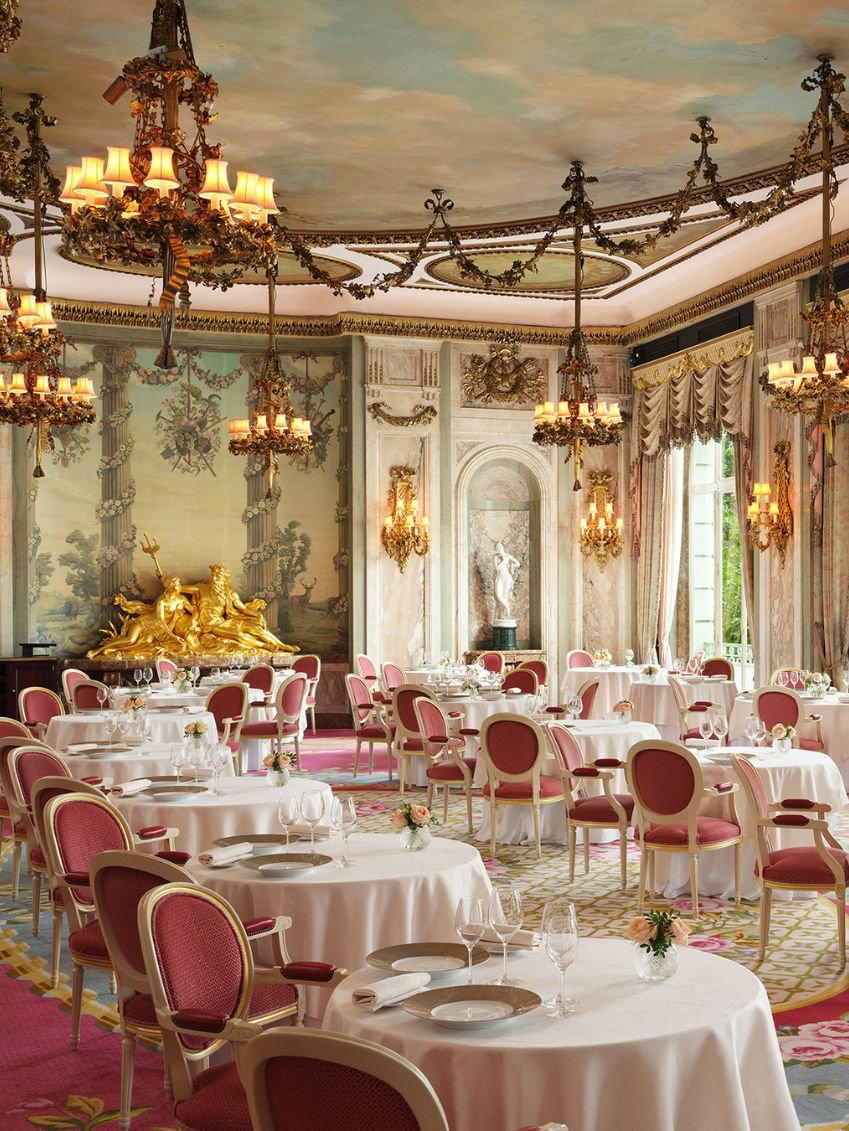
Thatch, Timber, and Norfolk on the Plate
The approach to The Ingham Swan sets expectations clearly: a low thatched roofline, stone walls, and the kind of architectural weight that comes from seven centuries of use. Inside, the beams are original, the proportions intimate, and the lighting warm in the way that only genuinely old buildings achieve without effort. What has changed is the kitchen. Where a traditional village pub might have stopped at dependable pub classics, the cooking here has moved into territory that prompted Michelin to award a Plate in both 2024 and 2025 — a signal of consistent, technically attentive food rather than an occasional flourish.
That combination of medieval shell and contemporary cooking is not unusual in the English countryside. What makes the Norfolk version of this format interesting is the agricultural and coastal context. The county sits at the intersection of some of England's most productive arable land, a North Sea coastline with its own distinct catch, and a network of artisan producers who have been supplying serious kitchens in Norwich and beyond for the better part of two decades. For a restaurant with ambitions above the local average, the sourcing argument in Norfolk almost makes itself.
What Norfolk Brings to the Table
The Michelin description references "the best of the county's ingredients" — a phrase that carries real meaning in this part of England. Norfolk's farming heritage runs from the grain belts of the interior to the marshland grazing that shapes the flavour of local lamb and beef. The coast, running from Cromer to Sea Palling a few miles from the pub, supplies crab and lobster with a distinctive sweetness attributed to the cold, clean North Sea water. Samphire grows wild along the coastal margins. The Broads sustain their own ecosystem of freshwater species.
In practice, this means a kitchen at The Ingham Swan has access to a sourcing geography that many urban restaurants would organise supply chains to replicate. The menu moves between dishes described as classics and those showing what Michelin calls "imagination and flair", a range that allows the kitchen to work with seasonal Norfolk produce without constraining itself to a single cooking register. Broadly, this is the model that has given rural English restaurants a stronger critical presence over the past decade: root deeply in local supply, apply contemporary technique, and let the provenance carry the narrative.
For context on where that places The Ingham Swan within English fine dining, consider the gradient. At one end sit destination restaurants built around a named chef's singular vision and priced accordingly: The Fat Duck in Bray, L'Enclume in Cartmel, [Le Manoir aux Quat' Saisons, a Belmond Hotel in Great Milton](), or Moor Hall in Aughton. At the other end sits the working country pub. The Ingham Swan occupies a tier between those poles: Michelin-recognised, ingredient-focused, priced at £££, and operating within the context of a genuine historic building rather than a purpose-built destination. It shares more DNA with Hand and Flowers in Marlow or hide and fox in Saltwood, places where serious cooking coexists with a setting that doesn't require formal dress or two months of advance planning.
Service, Setting, and the Overnight Case
Michelin's note on service, "friendly", is worth reading carefully. In the context of a critical guide that reserves warmth for places where it is earned rather than performed, the description points to a dining room where the atmosphere is relaxed without being careless. That register suits the building. The stone walls and low beams suggest conviviality rather than ceremony, and the cooking, however technically accomplished, appears positioned to sit within that atmosphere rather than strain against it.
The practical case for staying overnight is direct. Ingham sits in the Norfolk Broads, a National Park covering some 300 square kilometres of navigable waterways, reed beds, and grazing marsh. The converted coach house and nearby cottage provide smart overnight accommodation, making it possible to arrive without the pressure of a return drive along dark Norfolk lanes. The region's pace suits a night or two: the Broads themselves, the coastal stretch toward Happisburgh and Winterton-on-Sea, and the market town of North Walsham are all within easy reach. As a regional base, the combination of quality food and overnight rooms places it in a practical niche that serves both leisure visitors and those using the area as a staging post for the wider county.
Planning Your Visit
The Ingham Swan is located on Sea Palling Road in Ingham, Norfolk, NR12 9AB. The £££ price point positions it at the mid-to-upper range for the region, in line with what the Michelin recognition and local ingredient sourcing justify. Booking is advisable, particularly at weekends and during summer months when the Broads draw visitors from across the country. Overnight accommodation in the coach house and cottage should be reserved in parallel with dining reservations, given the limited number of rooms. For a broader view of what the area offers, see [our full Ingham restaurants guide](), [our full Ingham hotels guide](), [our full Ingham bars guide](), [our full Ingham wineries guide](), and our full Ingham experiences guide.
How The Ingham Swan Sits in the Wider Picture
Direction of travel in English restaurant culture over the past decade has moved toward precisely this model: a defined sense of place, sourcing that connects kitchen to landscape, and cooking that earns critical recognition without demanding the formality of a destination restaurant. Places like Midsummer House in Cambridge and Gidleigh Park in Chagford represent adjacent points on the same regional fine dining axis. Further afield, Restaurant Andrew Fairlie in Auchterarder and Opheem in Birmingham show how sharply local identity, Scottish estate produce, British-Indian heritage, can anchor a cooking programme without limiting its technical ambition. At the international end of modern cuisine, Frantzén in Stockholm and FZN by Björn Frantzén in Dubai represent the ceiling of that same impulse, where hyper-local sourcing and technical precision converge at a global level. The Ingham Swan operates at a different scale, but the underlying logic, cook where you are, source what's around you, take the craft seriously, connects it to the same broader movement in how serious restaurants think about place.
Frequently asked questions
What does dinner at The Ingham Swan typically cost?
Pricing at The Ingham Swan is listed as £££.
Comparison Snapshot
| Venue | Cuisine | Price | Awards |
|---|---|---|---|
| The Ingham SwanThis venue — the venue you are viewing | British Gastropub | $50–100 | Michelin Plate · AA Rosettes 3 Rosettes |
| The Ledbury | Modern European, Modern Cuisine | Not listed | Michelin 3 Star |
| Sketch, The Lecture Room and Library | Modern French | Not listed | Michelin 3 Star |
| CORE by Clare Smyth | Modern British | Not listed | Michelin 3 Star |
| Restaurant Gordon Ramsay | Contemporary European, French | Not listed | Michelin 3 Star |
| Dinner by Heston Blumenthal | Modern British, Traditional British | Not listed | Michelin 2 Star |
Recognition history
Dated appearances from independent guides and award organizations, with the underlying list record or original source where available.
Michelin Plate
Michelin
AA Rosettes 3 Rosettes
AA Rosettes
The Good Food Guide GFG Good
The Good Food Guide
Full recognition history (5 entries)
Michelin Plate
Michelin
Michelin Plate
Michelin
Continue exploring
More in Ingham
Restaurants in Ingham
Browse all →
Bars in Ingham
Browse all →
Hotels in Ingham
Browse all →
Details
- Cozy
- Rustic
- Elegant
- Special Occasion
- Date Night
- Celebration
- Historic Building
- Local Sourcing
- Tasting Menu
- A La Carte
- Set Menu
- Vegetarian Friendly
Current opening hours
- Monday
- 12–2 PM, 5:30–9 PM
- Tuesday
- 12–2 PM, 5:30–9 PM
- Wednesday
- 12–2 PM, 5:30–9 PM
- Thursday
- 12–2 PM, 5:30–9 PM
- Friday
- 12–2 PM, 5:30–9 PM
- Saturday
- 12–2 PM, 5:30–9 PM
- Sunday
- 12–4 PM, 5:30–9 PM
Hours can change for holidays and private events. Last verified .
Cozy and inviting with relaxed decor, warm lighting, and a pleasant atmosphere praised for its charm and comfort.