Whole Hog Cafe
Whole Hog Cafe on Cantrell Road puts Arkansas whole-hog barbecue at the center of Little Rock's casual dining conversation. The pit-driven approach draws on the state's deep pork tradition, making it a reference point for anyone mapping the city's barbecue scene. Portions are generous, the setting is unpretentious, and the crowd reflects the full cross-section of Little Rock regulars.
Pearl is the En Primeur Club membership app — saves, bookings, and concierge access live there. Same editors, same standards.
- Address
- 2516 Cantrell Rd, Little Rock, AR 72202
- Phone
- +15016645025
- Website
- wholehogcafe.com
- Directions
- Get directions
 Saves & bookings on Pearl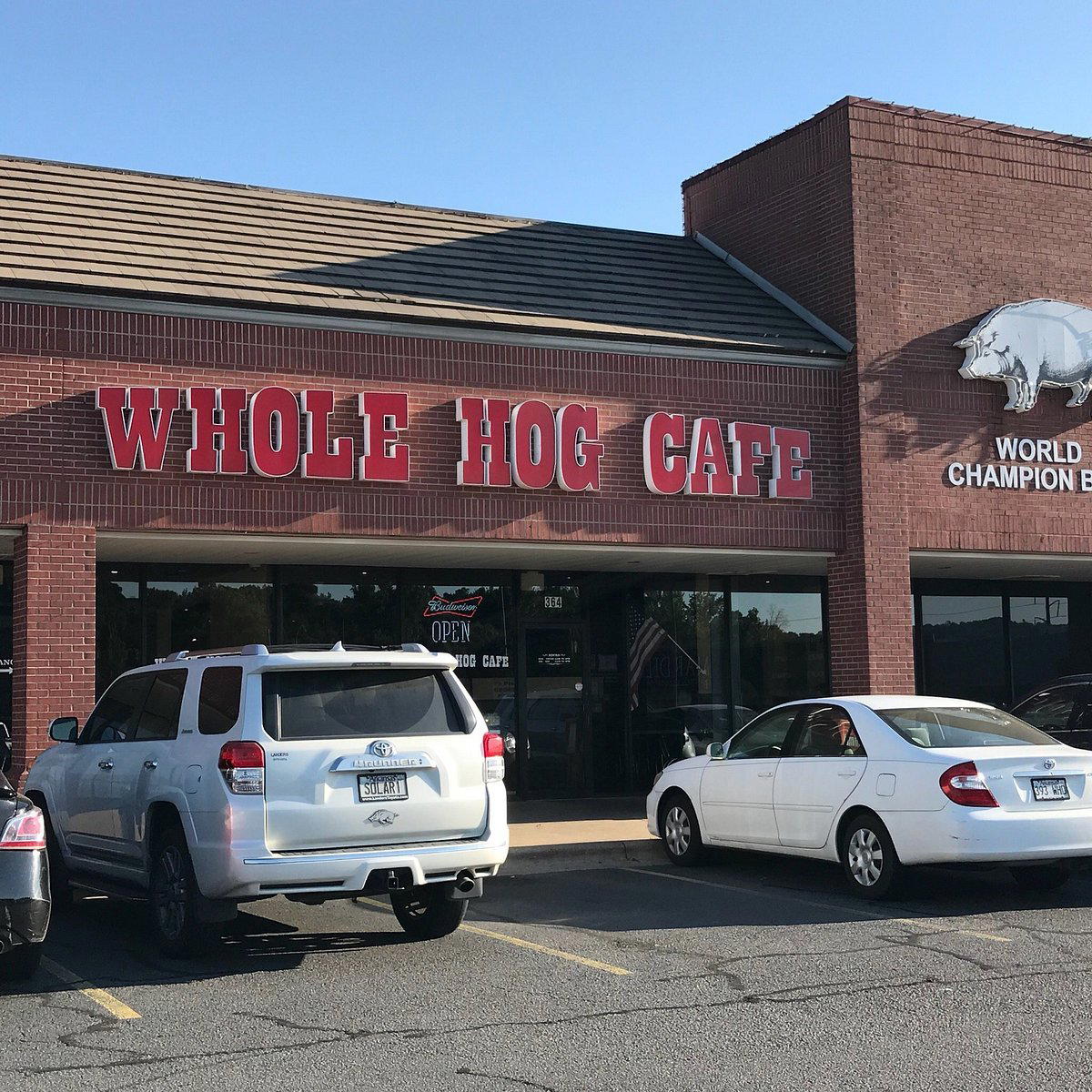
Where Smoke Meets the Arkansas Pork Tradition
On Cantrell Road, the air outside Whole Hog Cafe does more advance work than any sign could. The smoke that drifts from the pit is less an atmospheric flourish than a statement of method: this is a kitchen built around the long, low, wood-fueled process that defines Arkansas barbecue at its most traditional. Inside, the room is utilitarian, the kind of space where the food is expected to carry the experience without the help of considered lighting or a cocktail program. That contract, between a stripped-back environment and serious pit work, is exactly the terms on which Arkansas whole-hog culture has always operated.
Little Rock's barbecue scene occupies a specific position in the broader American South, sitting between the tomato-forward traditions of Memphis to the east and the drier rub styles that drift in from Texas to the west. Whole Hog Cafe, as its name signals plainly, anchors itself to the whole-hog end of that spectrum, a method that demands more from the cook and yields a wider range of textures and fat content than rack-only approaches. For the full picture of where this fits in Little Rock's dining mix, the EP Club Little Rock restaurants guide maps the city's options across categories and price tiers.
The Sourcing Logic Behind Whole-Hog Cooking
The editorial angle on any serious barbecue operation begins with the animal itself. Whole-hog cooking is, by definition, a sourcing commitment before it is a culinary technique. You cannot use the whole animal unless you are working with a supplier who delivers a whole animal, which means the kitchen's relationship with its pork supply chain is more integrated than in a rack-and-brisket operation that can source cuts from multiple points in the distribution network.
Arkansas sits inside one of the country's significant hog-farming belts, and restaurants operating in the whole-hog tradition have geographic logic on their side: proximity to supply reduces the number of hands between farm and pit, which matters when the product is a perishable, full-weight animal rather than a shelf-stable cut. This regional sourcing dynamic is one reason the whole-hog tradition has remained concentrated in specific Southern states rather than spreading evenly across the country's barbecue map. The technique is not harder to learn than other pit methods, but the supply chain infrastructure required to support it is more demanding.
Where operations like Blue Hill at Stone Barns in Tarrytown make farm-to-table sourcing an explicit and documented part of their editorial identity, or Single Thread Farm in Healdsburg integrates an on-property farm into a fine-dining format, the sourcing logic at a whole-hog barbecue cafe is quieter but structurally similar: the ingredient dictates the format, not the other way around. At a counter-service level, that sourcing commitment tends to be communicated through the product itself rather than through menu annotation.
What the Technique Produces
Whole-hog cooking yields parts that a rack-only or shoulder-only program cannot offer: the bark from the exterior, the pull from the shoulder, the richness from the belly, and the lean from the loin, all cooked in the same fire over the same duration. The result is not a single textural experience but a range, and experienced eaters at whole-hog operations often order to cover that range rather than defaulting to a single protein. The logic of the sides in Arkansas barbecue, typically vinegar slaws, beans with pork fat, and corn-based preparations, exists partly to balance that richness and provide textural contrast.
At the price tier where casual barbecue operates, the comparison set is not Le Bernardin in New York or Alinea in Chicago. The relevant peer group is the city's own casual dining circuit. In Little Rock, that means weighing Whole Hog Cafe against other Cantrell Road operations and the broader barbecue options across the metro. The Bugler, for instance, represents the American Southern side of Little Rock's casual dining conversation and offers a useful point of comparison for anyone working through the city's options systematically.
The regional barbecue tradition the restaurant operates within stands at some distance from the farm-to-table fine dining practiced at Bacchanalia in Atlanta or the produce-led sourcing philosophy at Brutø in Denver, but the underlying question about ingredient provenance and technique integrity is the same one running through American dining at every price level. Where does the animal come from, and what does the kitchen do with it?
Planning a Visit to Cantrell Road
The restaurant sits at 2516 Cantrell Road, a commercial stretch that carries a significant share of Little Rock's casual dining traffic. The format is designed for direct access: no reservation infrastructure, no dress code expectations, no structured service sequence. Arrive, order at the counter, and the experience is self-pacing from there. That accessibility makes it functional for groups with mixed preferences and ages, which is partly why it draws a cross-section of the city rather than a specific demographic. For visitors organizing a broader Little Rock itinerary, it pairs logically with the kinds of afternoon or evening options described in the full city guide.
Visitors moving between Southern cities and calibrating their barbecue reference points will find that Little Rock sits in a genuinely distinct position from Nashville, Memphis, or Birmingham. The whole-hog emphasis here pulls toward the Carolinas in technique but retains Arkansas-specific sauce traditions, particularly the sweeter, tomato-based profiles that differentiate the state from its neighbors. That distinctiveness is worth engaging with deliberately rather than treating barbecue as a generic regional category across the South.
For travelers whose dining itinerary also spans fine-dining reference points in other American cities, the contrast between the pit-driven casual format here and operations like The French Laundry in Napa, Lazy Bear in San Francisco, or Providence in Los Angeles clarifies something useful about how American food culture distributes its technical ambition across price tiers and formats. The pit is as demanding a tool as the immersion circulator. The tradition is simply older and less photographed.
Fast Comparison
Comparable venues nearby, for context on price, style, and recognition.
| Venue | Cuisine | Price | Notes |
|---|---|---|---|
| Whole Hog CafeThis venue — the venue you are viewing | World Champion BBQ | $$ | Not listed |
| Doe’s Eat Place | Classic American Steakhouse | $$$ | Little Rock |
| The Bugler | American Steakhouse & Seafood | $$$ | Hot Springs |
| Jones Bar-B-Q Diner | Classic Arkansas Pork Barbecue | $ | residential |
| KPOT Korean BBQ & Hot Pot | Korean BBQ & Hot Pot | $$ | Phoenix Ave area |
| Yeyo's El Alma de Mexico | Authentic Mexican Street Food | $$ | Market District |
Continue exploring
More in Little Rock
Restaurants in Little Rock
Browse all →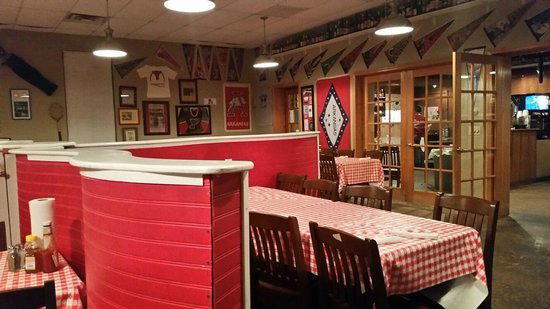
At a Glance
- Rustic
- Lively
- Family
- Group Dining
- Casual Hangout
- Standalone
- Beer Program
Current opening hours
- Monday
- 11 AM–9 PM
- Tuesday
- 11 AM–9 PM
- Wednesday
- 11 AM–9 PM
- Thursday
- 11 AM–9 PM
- Friday
- 11 AM–9 PM
- Saturday
- 11 AM–9 PM
- Sunday
- 11 AM–8 PM
Hours can change for holidays and private events. Last verified .
Casual barbecue joint with a rustic, energetic atmosphere focused on hearty portions and flavorful smoked meats.