Weights + Measures

Weights + Measures occupies a converted industrial space on Caroline Street in Houston's Midtown, where the kitchen operates within a broader movement toward sourcing transparency and reduced waste that has reshaped serious American dining over the past decade. The address puts it within reach of the Museum District and Midtown's growing restaurant corridor, making it a reference point for how Houston's mid-tier dining scene has matured.
Pearl is the En Primeur Club membership app — saves, bookings, and concierge access live there. Same editors, same standards.
- Address
- 2808 Caroline St, Houston, TX 77004
- Phone
- +17136541970
- Website
- weights-measures.com
- Directions
- Get directions
 Saves & bookings on Pearl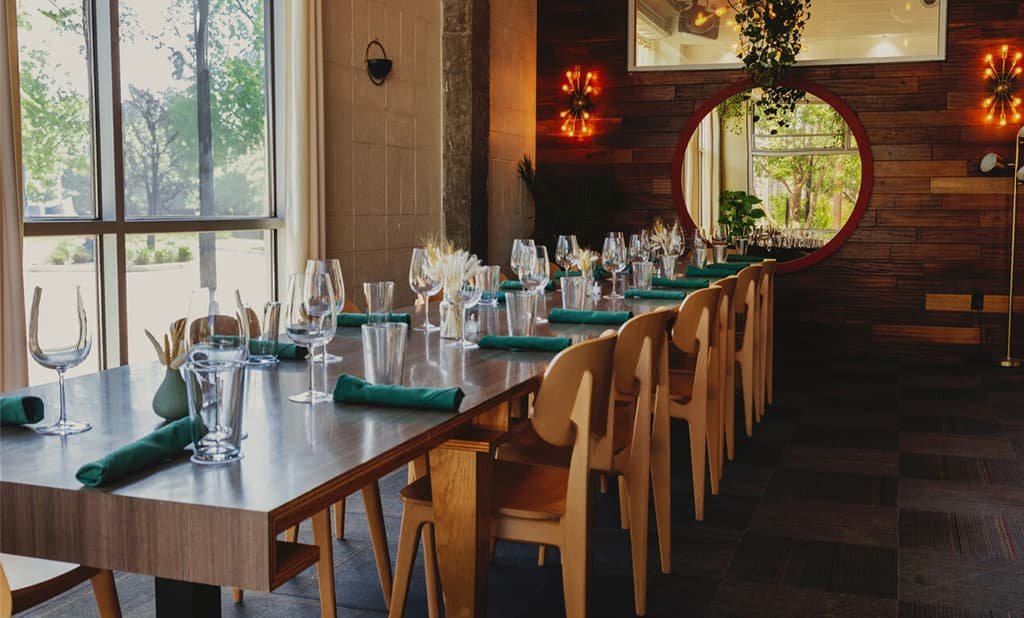
Caroline Street and the Architecture of Honest Dining
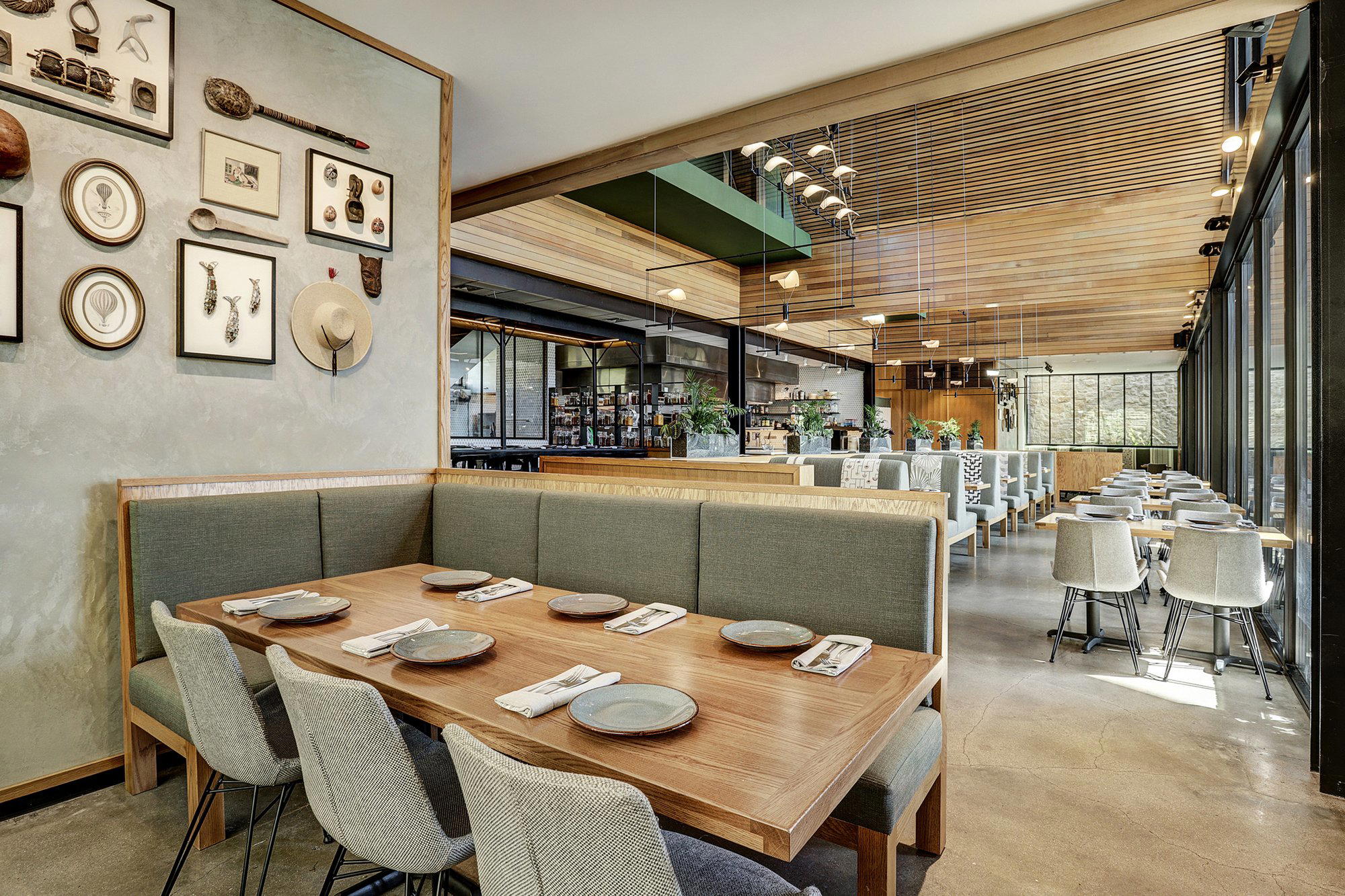
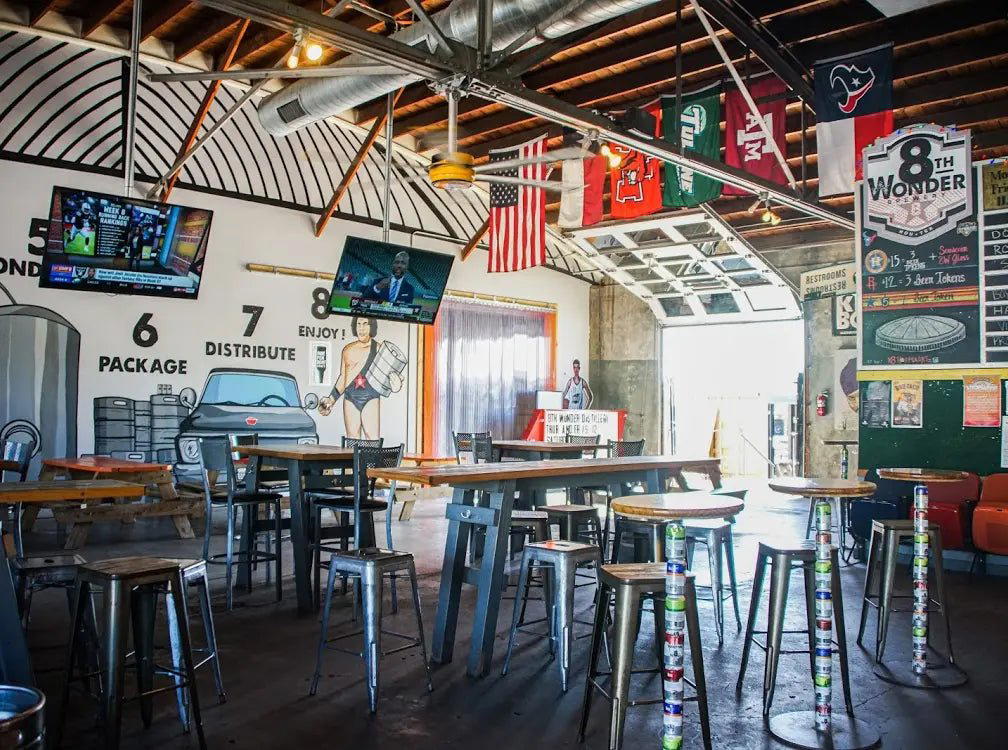
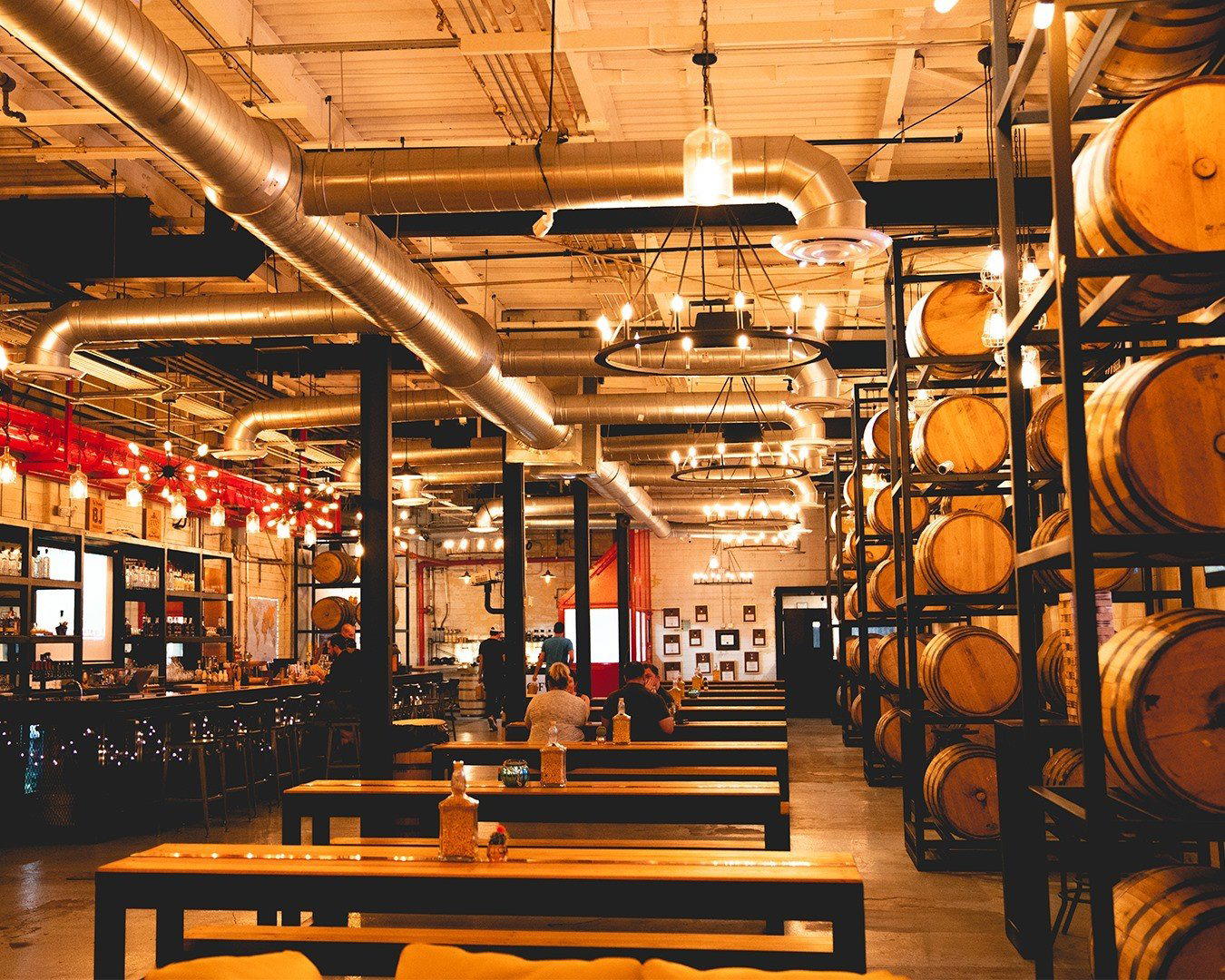
Houston's Midtown has spent the better part of a decade shedding its reputation as a corridor of fast-casual chains and late-night bars. What replaced that identity is a denser, more considered dining scene, one where warehouses and former commercial buildings have been converted into spaces where the physical environment signals something about the kitchen's priorities before a single dish arrives. Weights + Measures, at 2808 Caroline Street, sits inside this shift. The building itself carries the kind of industrial legibility that became a shorthand for a particular kind of American restaurant in the 2010s — exposed structure, honest materials, a room that does not attempt to disguise what it is or where it came from.
That aesthetic is not incidental. Across American cities, the restaurants that invested most seriously in sourcing transparency and waste reduction during this period tended to communicate those commitments through physical space as much as through menus. The room telegraphs a set of values before the food arrives, and in Houston's Midtown, where newer openings increasingly compete on experiential theatrics, a space that prioritizes material honesty reads as a deliberate editorial stance.
Where Weights + Measures Sits in Houston's Dining Tier
Houston's restaurant scene distributes across a wider price and ambition range than most American cities of comparable size. At the upper end, venues like March, with its Venetian tasting menu format and $$$$ pricing, and Musaafer, operating at a similar price point through an Indian regional lens, define one tier. Below them sits a productive middle band, occupied by places like Theodore Rex and Nancy's Hustle, where New American cooking at $$ to $$$ price points has produced some of the city's more interesting work over the past five years. Weights + Measures operates in proximity to this middle band, on Caroline Street in Midtown rather than in the Galleria or River Oaks corridors where Houston's highest-price dining concentrates.
That positioning matters. The restaurants doing the most consistent work on sourcing ethics and waste reduction in American cities have generally operated in this middle tier rather than at the $$$$ end. Tasting-menu restaurants can absorb the cost of ethical sourcing across a fixed, high-margin format. The harder editorial work happens in casual-to-mid spaces where menu pricing constrains ingredient budgets and operational decisions become genuine trade-offs. Houston's version of that story runs through Midtown and Montrose, and Caroline Street is part of that geography.
For broader context on how this address fits into the city's dining corridors, our full Houston restaurants guide maps the key neighbourhoods and price tiers in detail.
The Sustainability Frame: What It Actually Means in Practice
The word sustainability has been applied so broadly across American dining that it has lost most of its diagnostic value. What separates a genuine commitment from a marketing posture is operational specificity: which farms are named on the menu, how waste streams are handled, whether the bar program uses whole-fruit or discards citrus after juicing, how staff meals are sourced. These details do not typically appear in press materials, but they are the difference between a kitchen that has restructured its procurement and one that has added a local farms line to its website.
At the far end of that spectrum, farm-integrated models like Single Thread Farm in Healdsburg and Blue Hill at Stone Barns in Tarrytown have made the land itself the subject of the menu. In urban formats, the commitment tends to be less total but no less deliberate, expressed through supplier relationships, seasonal menu rotations, and bar programs built around fermentation and preservation rather than imported luxury ingredients.
Houston's climate creates specific conditions for this kind of sourcing. The Gulf Coast produces seafood year-round, and the Texas Hill Country and surrounding regions supply beef, pork, and produce across a growing network of farms with transparent supply chains. A kitchen in Midtown has geographic access to that network that restaurants in colder, more landlocked cities do not. How a kitchen uses that access, whether it rotates proteins with the seasons, whether it works with single farms or aggregators, whether it documents sourcing for the guest, is where the commitment becomes legible.
The Caroline Street Corridor in Context
Midtown Houston is not where the city's highest-profile restaurant openings tend to cluster. The Museum District, Montrose, and the Upper Kirby area carry more of the editorial attention. But Caroline Street and the surrounding blocks have developed a quieter density of independent restaurants and bars that operate outside the prestige economy of press cycles and Michelin speculation. That distance from the hype circuit can work in a restaurant's favour, producing the kind of regular-guest culture where the kitchen has latitude to experiment with procurement and format without the pressure of maintaining a particular media profile.
Among Houston's more internationally oriented kitchens, the sourcing conversation connects to a global set of restaurants that have made transparency a structural feature rather than a marketing note. Le Bernardin in New York City has long treated seafood sourcing as a technical and ethical discipline. Providence in Los Angeles operates with a comparable commitment to Gulf and Pacific sourcing. Lazy Bear in San Francisco frames its menu through a seasonal and local lens that goes beyond produce to include fermented and preserved components. These are different formats and different price tiers, but they share a structural approach that Midtown Houston's more considered kitchens are working within at a different scale.
Closer to home, BCN Taste & Tradition and Le Jardinier Houston represent the Spanish and French-leaning end of Houston's dining range, while Tatemó has built a specific reputation around masa-focused Mexican cooking with a strong sourcing ethos. These form the reference set within which Weights + Measures operates, a city where the conversation about what and how a kitchen sources has become part of how restaurants differentiate themselves.
Know Before You Go
How Weights + Measures Houston compares with similar nearby venues.
| Venue | Cuisine |
|---|---|
| Tago | Tulum-inspired |
Recognition history
Dated appearances from independent guides and award organizations, with the underlying list record or original source where available.
Diners, Drive-Ins and Dives Featured Restaurant
Diners, Drive-Ins and Dives · 2026 Diners, Drive-Ins and Dives Featured Restaurants
Continue exploring
More in Houston
Restaurants in Houston
Browse all →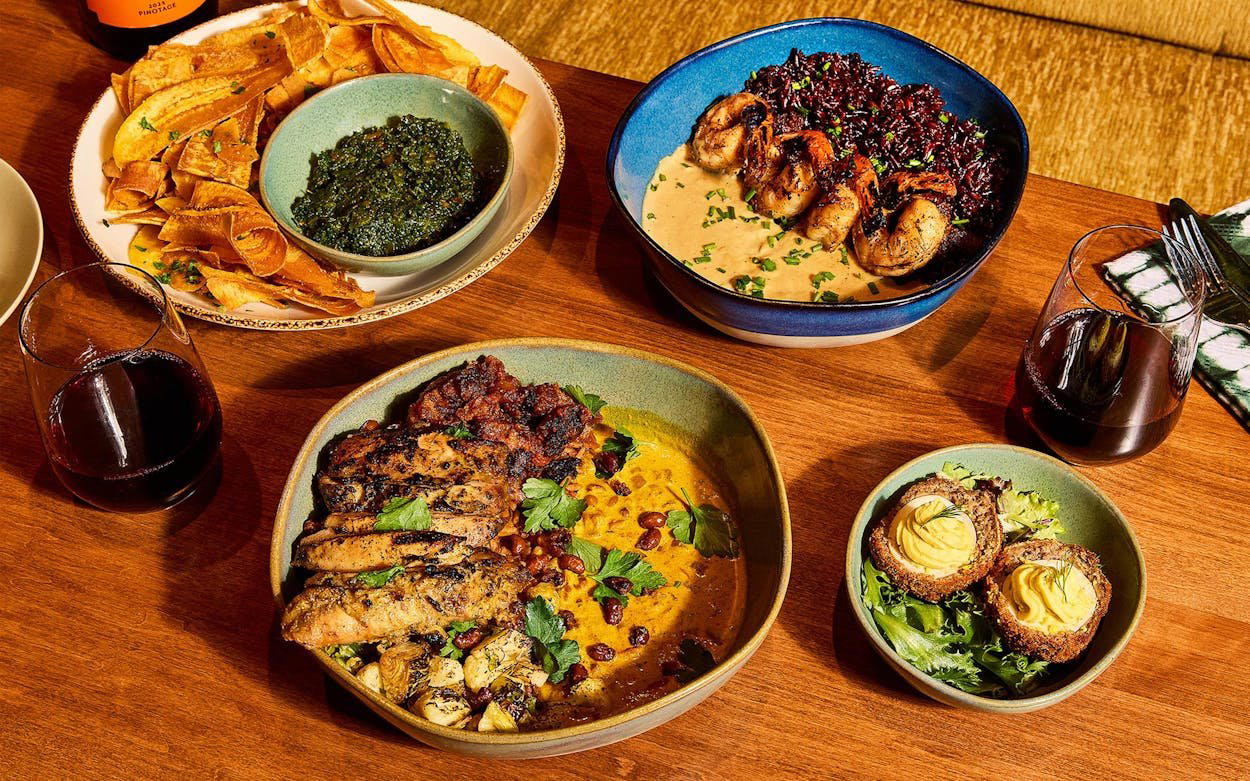
Bars in Houston
Browse all →
Hotels in Houston
Browse all →

At a Glance
- Trendy
- Industrial
- Modern
- Lively
- Brunch
- Casual Hangout
- Group Dining
- Open Kitchen
- Craft Cocktails
- Local Sourcing
Current opening hours
- Monday
- Closed
- Tuesday
- 11 AM–9 PM
- Wednesday
- 11 AM–9 PM
- Thursday
- 11 AM–9 PM
- Friday
- 11 AM–10 PM
- Saturday
- 9:30 AM–10 PM
- Sunday
- 9:30 AM–3 PM
Hours can change for holidays and private events. Last verified .
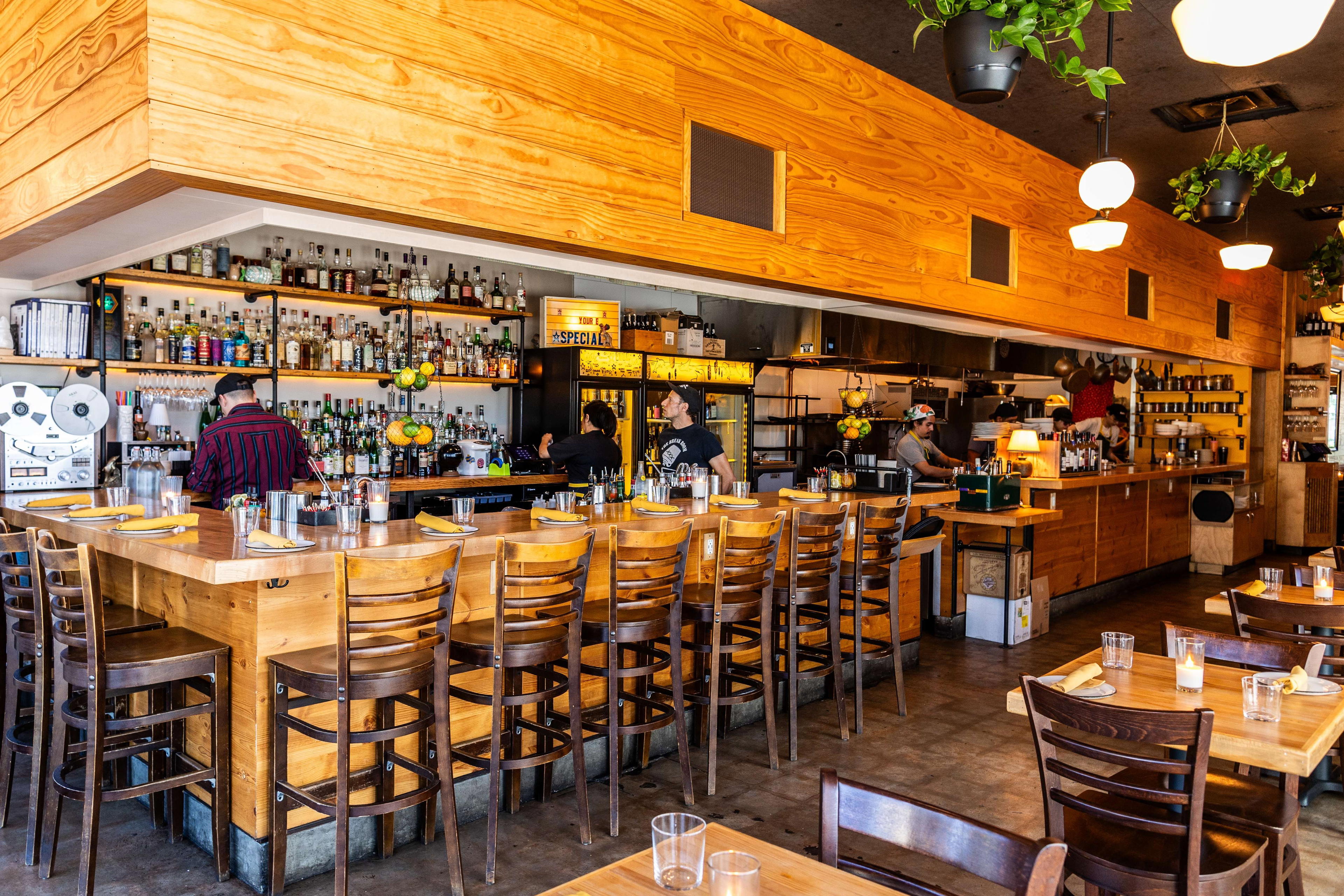
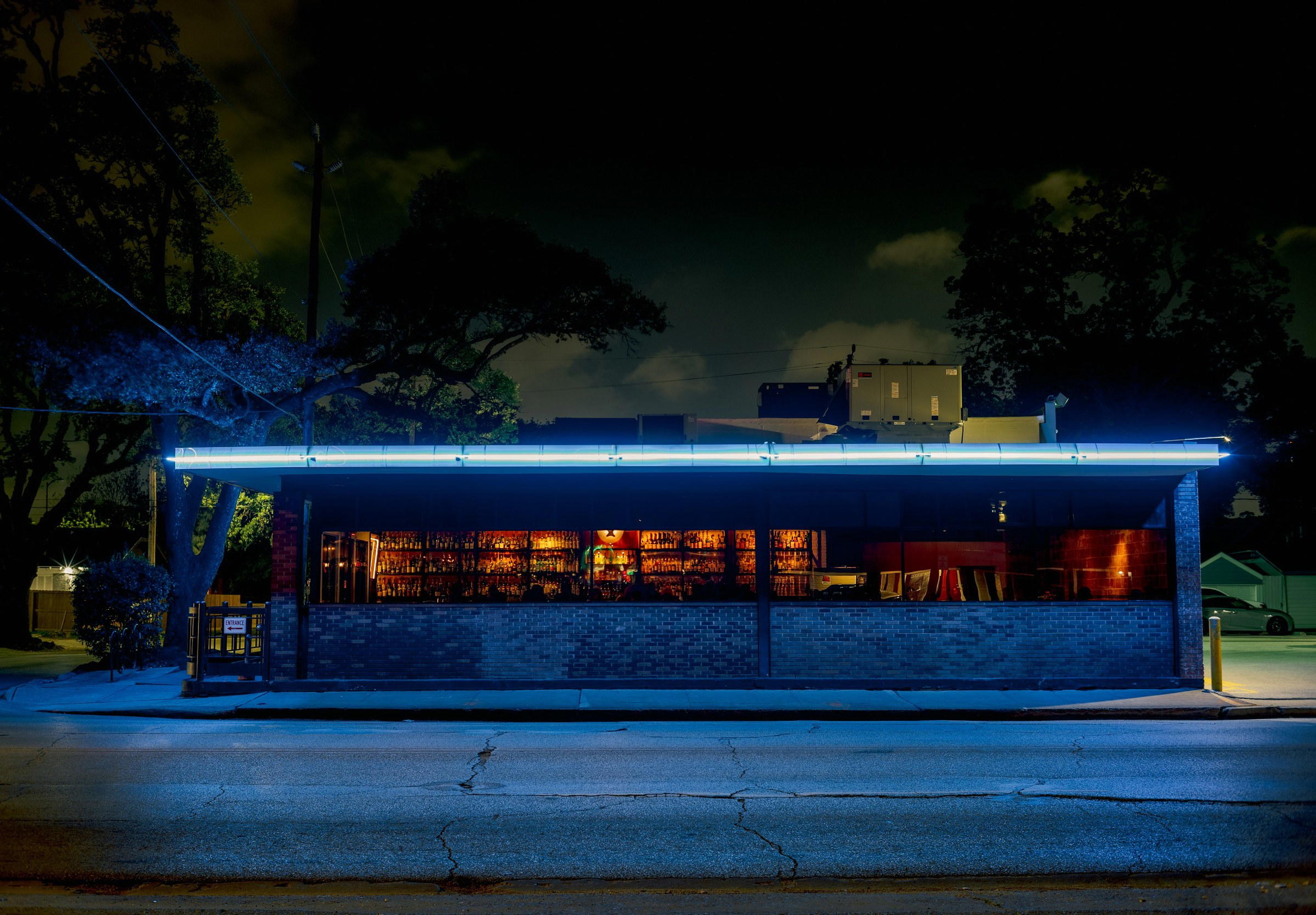
Spacious industrial warehouse with 70s-esque decor contrasting the exterior, creating a comfortable, sincere, and welcoming living room-style atmosphere.
Know Before You Go
- Getting there
- 2808 Caroline St, Houston, TX 77004