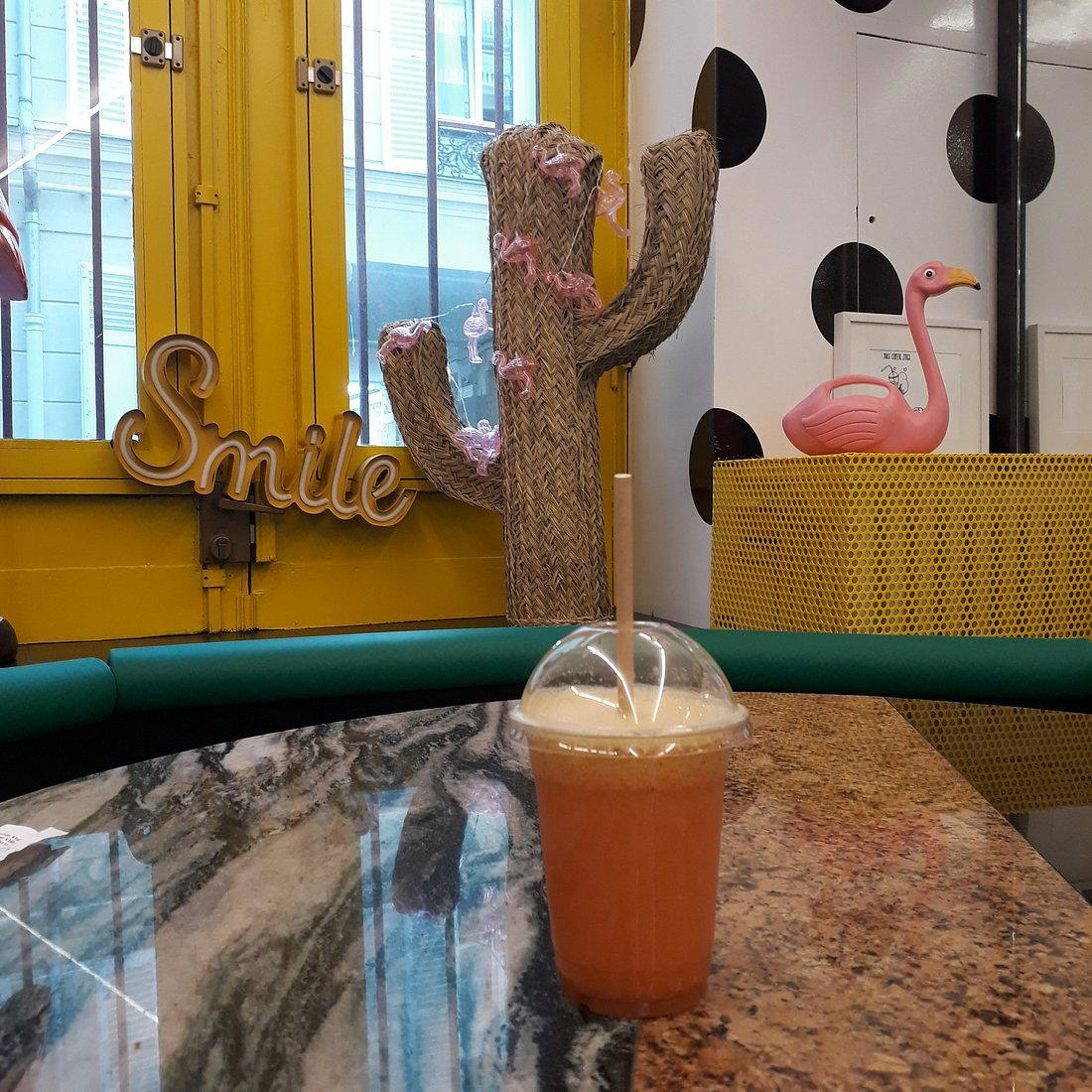
We are Juice sits on Rue des Jeuneurs in Paris's 2nd arrondissement, positioning itself within the city's growing cold-press and plant-forward café scene. The address places it close to the Grands Boulevards corridor, where health-conscious café formats have steadily displaced older brasserie habits. For visitors looking beyond the standard Parisian café, it offers a focused, ingredient-led alternative.
Pearl is the En Primeur Club membership app — saves, bookings, and concierge access live there. Same editors, same standards.
- Address
- 34 Rue des Jeuneurs, 75002 Paris, France
- Phone
- +33 9 52 06 72 28
- Website
- wearejuice.net

Where Paris's 2nd Arrondissement Meets the Cold-Press Movement
The Grands Boulevards corridor in Paris's 2nd arrondissement has shifted noticeably over the past decade. Streets that once ran exclusively on espresso and croissants now accommodate a parallel economy of plant-forward cafés, cold-press counters, and ingredient-conscious menus aimed at a clientele that moves between London, New York, and Paris with enough frequency to expect the same green-juice infrastructure in all three cities. Rue des Jeuneurs, where We are Juice operates at number 34, sits inside this transition zone, close enough to the Bourse and the fashion district around Sentier to draw a working crowd that treats nutrition as a professional discipline as much as a personal preference.
This is a different Paris from the one anchored by the multi-course tasting menus at Alléno Paris au Pavillon Ledoyen or the classic formality of L'Ambroisie. The cold-press and raw-food segment occupies a different register entirely, one where the sourcing conversation happens at the front counter rather than through a sommelier, and where the credibility of a menu item rests on its provenance rather than its technique. Understanding where We are Juice sits requires understanding this bifurcation in how Parisians now consume during the working day.
Ingredient Sourcing as the Central Argument
In the cold-press café format, the sourcing question is not decorative. When a kitchen's output is raw or minimally processed, the quality of the base ingredient is directly proportional to the quality of what arrives in the glass or bowl. There is no reduction, no seasoning correction, no technique to compensate for a mediocre carrot or a poorly timed apple. This structural fact makes the ingredient-sourcing position of any juice bar its primary editorial statement, in the same way that a restaurant like Bras in Laguiole built its entire identity around the terroir of the Aubrac plateau, or Mirazur in Menton organised its menu around its kitchen garden and coastal microclimate.
The cold-press format that We are Juice operates within demands that the supply chain be short and the seasonal rotation be genuine. Juice pressed from produce that has travelled too long or been stored incorrectly shows immediately in the result: oxidation, flatness, a sweetness that reads as sugar rather than fruit. The venues in this category that have maintained credibility over time are those that treat their produce sourcing with the same rigour that fine-dining kitchens in France, from Flocons de Sel in Megève to Auberge de l'Ill in Illhaeusern, apply to their protein and vegetable sourcing.
Paris's plant-forward café operators often work with organic producers in the Île-de-France region and further afield in the Loire Valley and Brittany. This regional sourcing pattern mirrors, at a different scale and price point, the farm-relationship model that chefs at places like Arpège have made central to their public identity. The principle is the same even when the application differs substantially.
The 2nd Arrondissement as a Dining Context
The 2nd arrondissement does not have the fine-dining density of the 8th, where Le Cinq at the Four Seasons George V anchors a cluster of high-investment restaurant addresses, nor the creative-modern scene that Kei represents in the 1st. What the 2nd offers is a working neighbourhood with a genuine midday economy, built around the publishing, finance, and fashion businesses that occupy its Haussmann-era buildings. The lunch demand in this arrondissement is real and daily rather than occasion-driven, which shapes the café formats that thrive here. Speed, nutritional coherence, and ingredient transparency matter more than ceremony.
This is a pattern visible in other cities too. The equivalent corridor in New York runs through parts of Midtown and the Flatiron district, where a working lunch audience with disposable income and time pressure has created a durable market for the kind of counter-service, ingredient-forward offer that We are Juice represents. Le Bernardin in New York occupies one end of that city's dining spectrum; the cold-press and raw-food counters that cluster nearby occupy the other, and both are sustained by the same dense professional population. Paris's 2nd works on a similar logic.
The 2nd is worth mapping carefully. It is not a destination arrondissement in the way that Saint-Germain or the Marais are, but its lunch infrastructure is functional and, in the plant-forward category, notably well-developed relative to its size.
How We are Juice Fits the Broader French Wellness Shift
France's relationship with nutritional wellness has historically been mediated through cuisine rather than through supplement culture or raw-food ideology. The French table, as codified by generations of chefs from the founders of grande cuisine through to the contemporary generation represented by Troisgros, Paul Bocuse, Michel Guérard, and Georges Blanc, has always been ingredient-centric in a way that North American wellness culture only recently began articulating explicitly. The cold-press movement arrived in Paris later than in California or London, but it arrived into a culture already primed to evaluate produce quality and regional origin as markers of seriousness.
The result is that Paris's better juice and plant-forward operations tend to avoid the pseudoscientific framing common in American wellness marketing and lean instead toward a more direct ingredient conversation: what it is, where it came from, when it was pressed. That register fits the 2nd arrondissement's professional clientele, which is sophisticated enough to distrust nutritional theatre and interested enough in food provenance to reward genuine sourcing transparency. We are Juice operates in this context, where credibility is built through the supply chain first and the menu second. For a broader sense of what serious ingredient-forward dining looks like at the fine-dining end of the French spectrum, Auberge du Vieux Puits in Fontjoncouse and La Table du Castellet both demonstrate how southern French kitchens have made regional produce the organising principle of serious menus. The cold-press format applies a comparable logic at a different price point and service model. The same principle holds whether you are pressing juice or aging protein: what the ingredient is determines what the dish can be. Lazy Bear in San Francisco operates on a similar philosophy at the opposite end of the formality spectrum, where the sourcing story is as central to the experience as the cooking itself.
Know Before You Go
- Address: 34 Rue des Jeuneurs, 75002 Paris, France
- Arrondissement: 2nd (Grands Boulevards / Bourse / Sentier area)
- Price range: Mid-range
- Reservations: Walk-in friendly
Price and Positioning
Comparable venues nearby, for context on price, style, and recognition.
| Venue | Cuisine | Price | Awards | Notes |
|---|---|---|---|---|
| We are JuiceThis venue — the venue you are viewing | $$ | , | ||
| Goumanyat | Marais, Gourmet Spice Shop | $$ | , | |
| Saperavi | $$ | , | 5e arrondissement, Authentic Georgian | |
| Doïna | Gros-Caillou, Authentic Romanian | $$ | , | |
| Maisie Café. | $$ | , | Louvre / Palais-Royal, Vegan Gluten-Free Café | |
| 42 Degrés | Poissonnière, Cuisine Crudivore Végane | $$ | , |
At a Glance
- Modern
- Trendy
- Casual Hangout
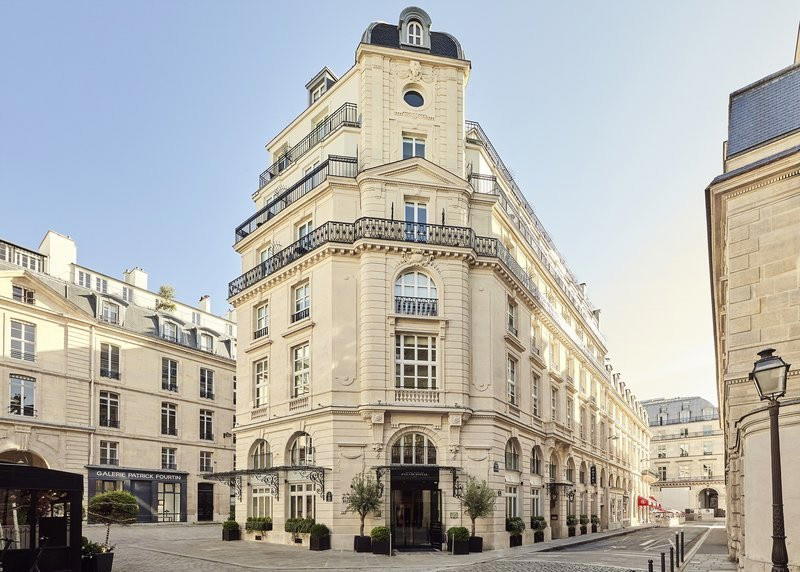
- Street Scene
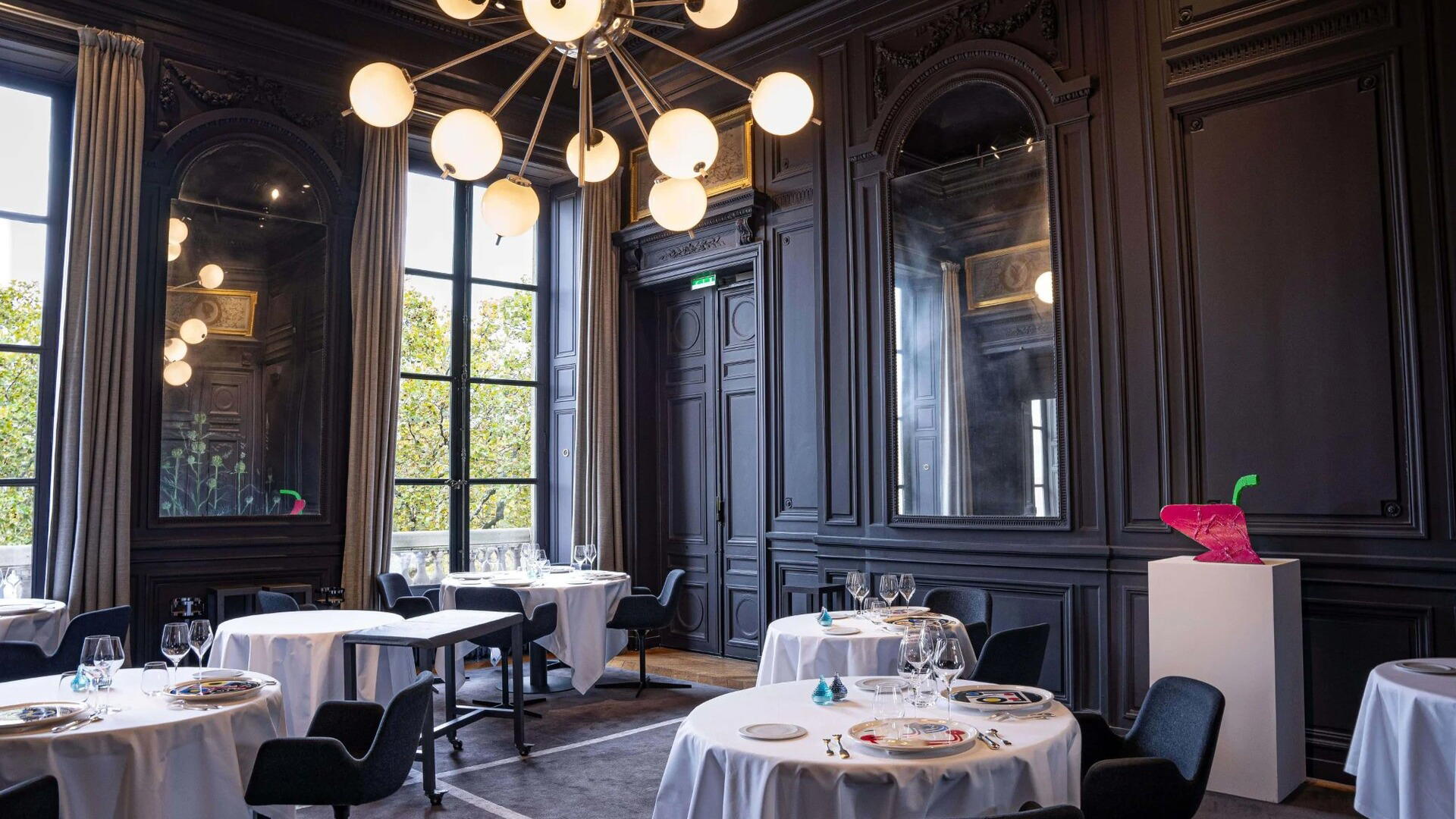
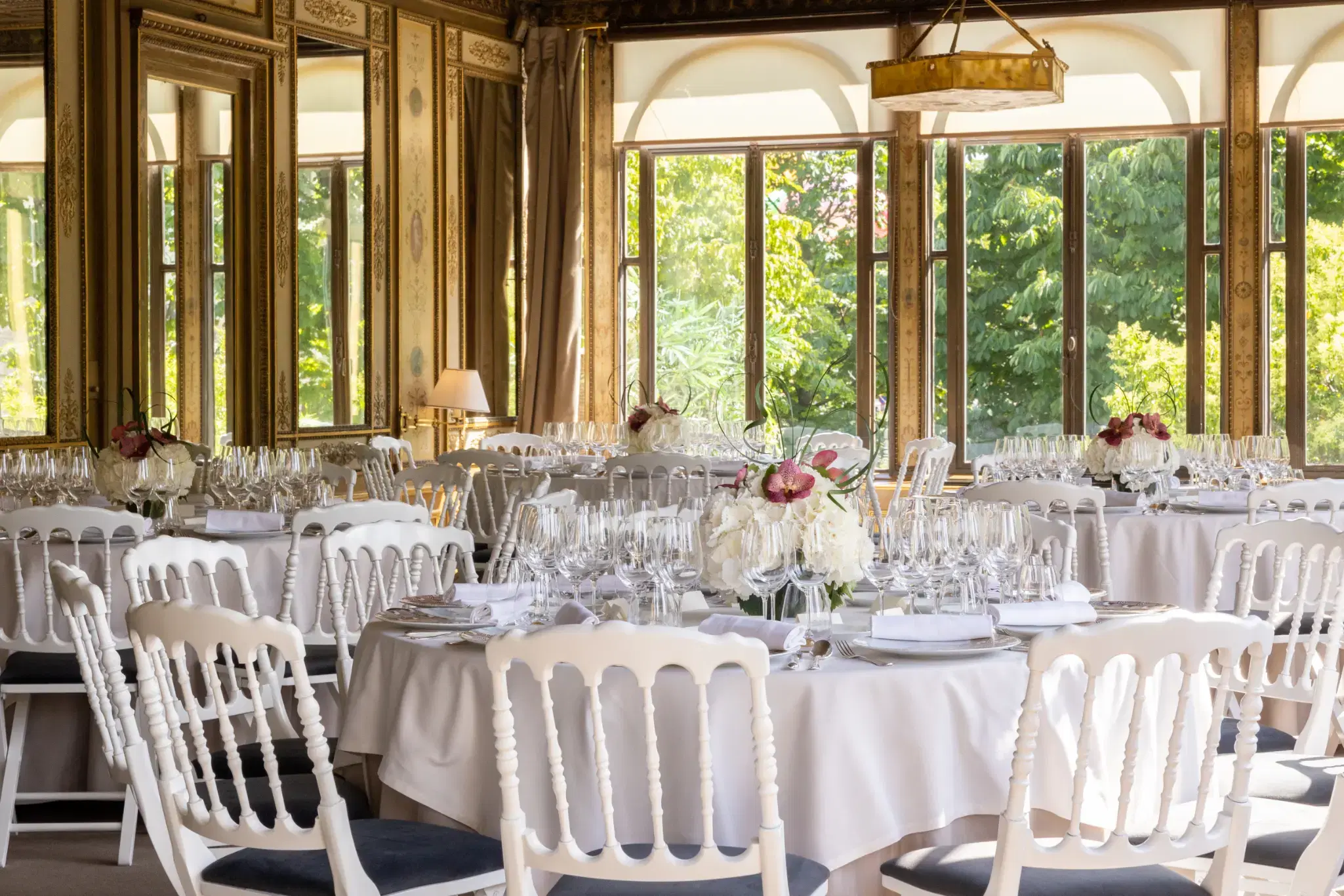
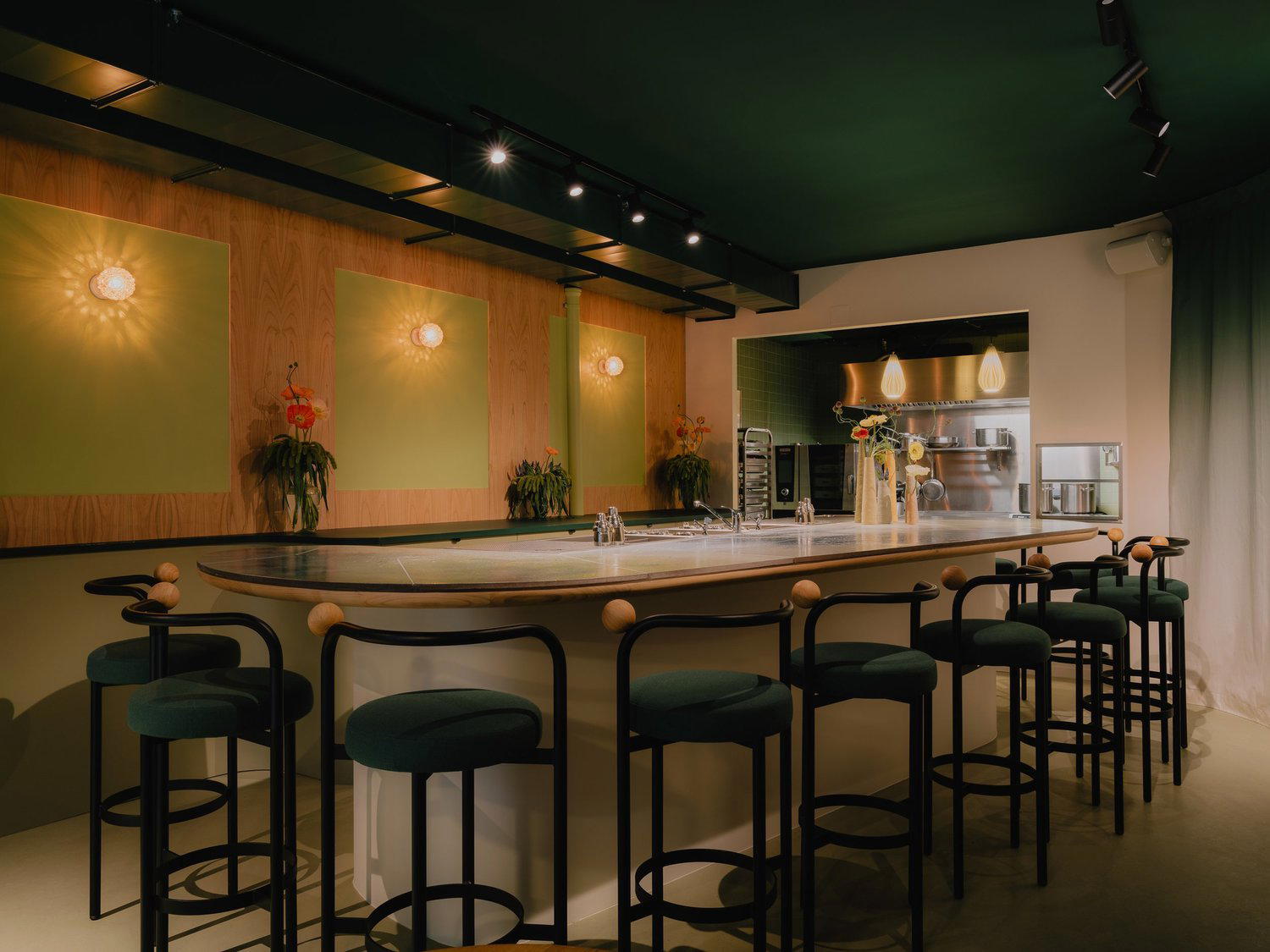
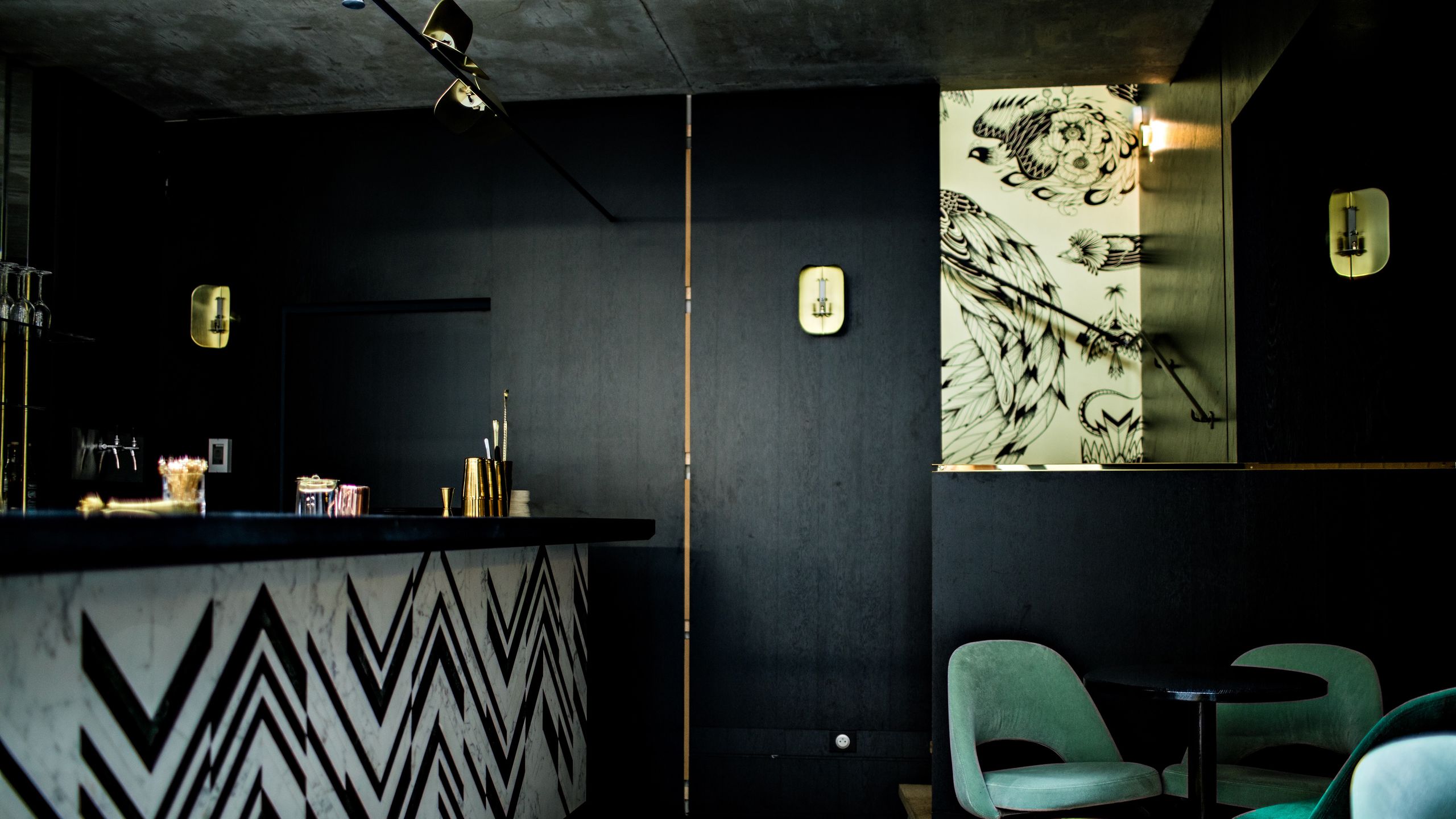
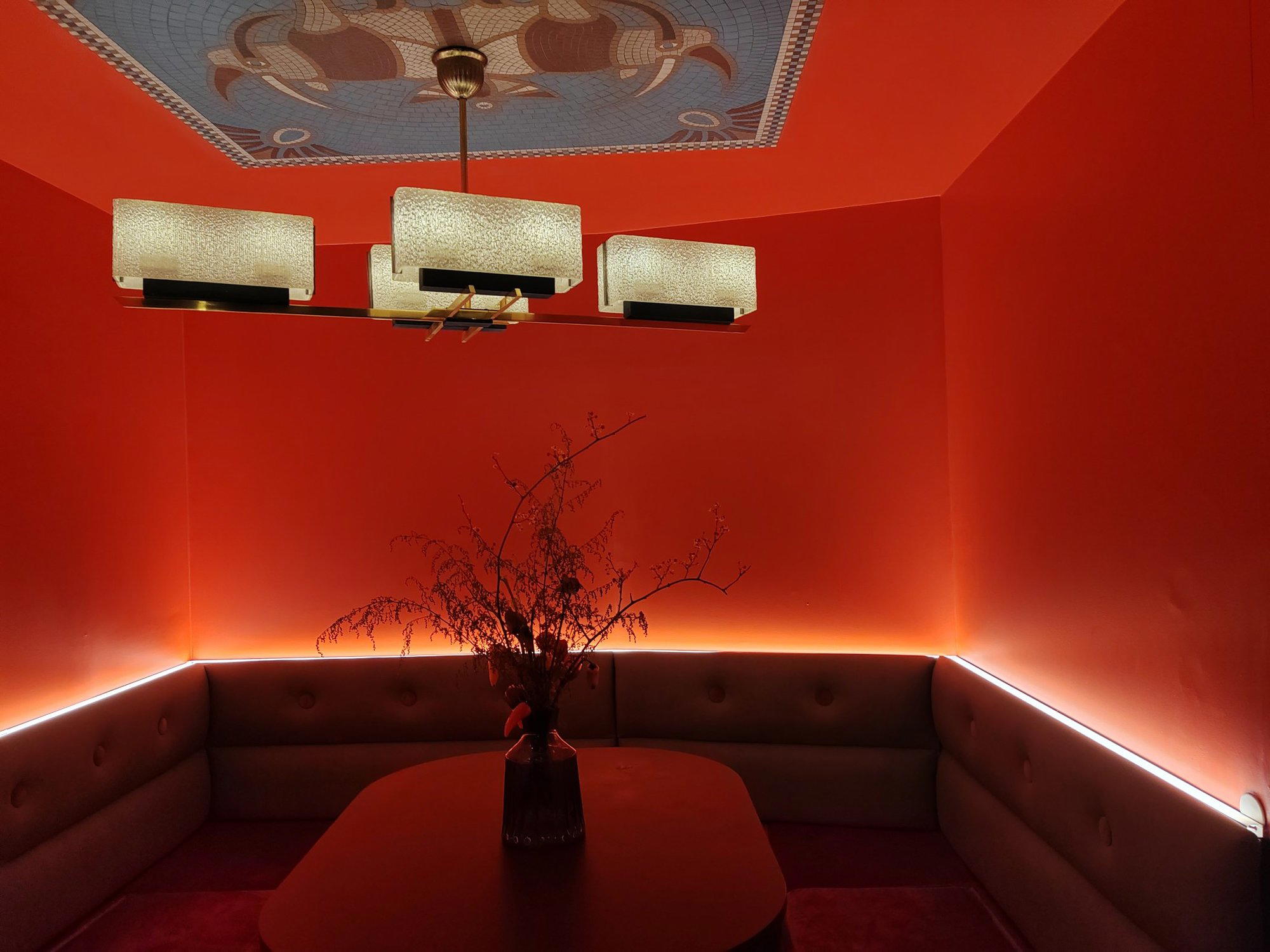
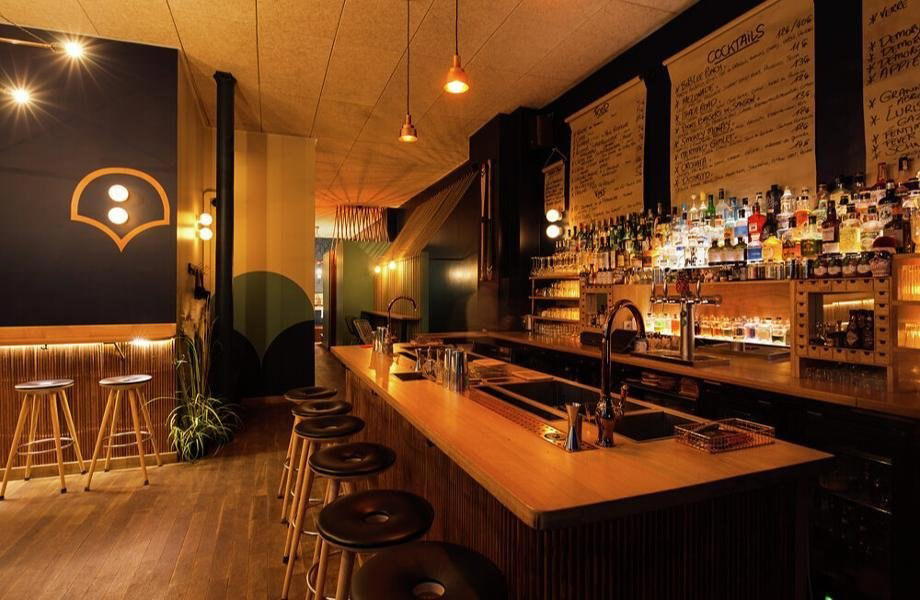
Casual cafe atmosphere with just enough seating.