
Tabelog 100 #98
Our verdict
Wang Xiang puts Iizuka into Japan’s gyoza conversation through a small, low-priced format recognized in Tabelog’s Dumplings 100 for 2024. The appeal is less about ceremony than sourcing logic: dumplings, kara-age, beef dishes, sake, and shochu in a house-restaurant setting that treats regional casual dining with unusual seriousness.

Pearl is the En Primeur Club membership app, where members save venues, book tables and use the concierge.
The menu
What to order
- Thin-skinned crispy gyoza
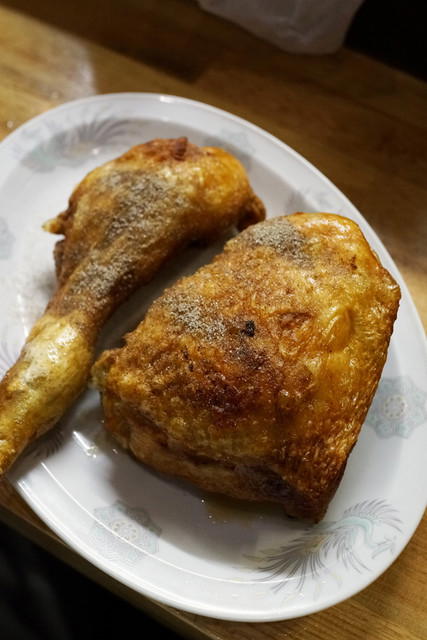
- Kara-age (deep-fried chicken)
- Beef dishes
Approaching Wang Xiang in Iizuka changes the expectations before the first plate arrives. This is not the polished counter language of Ginza, Kyoto, or Fukuoka’s central dining rooms; it belongs to a quieter Kyushu register, where the city and the cooking category argue for local appetite over spectacle. Wang Xiang sits in that category, an Iizuka restaurant whose inclusion in Tabelog’s Dumplings 100 for 2024 gives the modest format a sharper national context.
Japan’s dumpling culture rewards repetition. The difference between a forgettable gyoza shop and a serious one is rarely theatrical. It shows in filling balance, wrapper handling, heat management, and whether the supporting dishes feel like afterthoughts or part of the same pantry. Here the category is defined as dumplings, kara-age, and beef dishes. That matters because gyoza at this level is not a luxury performance; it is a test of small decisions repeated across lunch and dinner service.
Kyushu gyoza judged by pantry discipline, not polish
Fukuoka is often discussed through ramen, yatai culture, and late-night drinking, but its dumpling tradition deserves separate attention. Kyushu gyoza tends to be understood through informality: compact meals, direct cooking, and food that depends on pace. Recognition from Tabelog’s Dumplings 100 places Wang Xiang in a national list devoted to a narrow craft rather than a broad restaurant category, which is a useful distinction. The award does not turn a casual room into fine dining; it signals that a humble format has been measured against specialists across Japan.
The ingredient-sourcing angle is less about named farms than about the kind of restaurant economy this format implies. Dumplings, fried chicken, and beef dishes draw from everyday Japanese supply chains, but serious casual restaurants build identity through how those ingredients are proportioned and handled. A gyoza kitchen has little room to hide behind luxury products. The wrapper, filling, oil, pan heat, and dipping rhythm carry the argument. Kara-age adds another check on seasoning and frying control, while beef dishes broaden the meal without shifting it into yakiniku territory.
That distinction is useful in Iizuka, where meat-centric dining can sit in a different decision set. Yakiniku no Mr. Aoki, also in the city, occupies another lane, while Wang Xiang sits closer to the everyday end of the spectrum, with listed lunch and dinner budgets of JPY 1,000 - JPY 1,999. Its Dumplings 100 selection moves it out of the anonymous cheap-eats pool. The point is not that one format replaces the other; it is that Iizuka’s dining map has room for both grill-room spending and specialist dumpling cooking.
An everyday format keeps the meal close to the pan
Everyday restaurants change how dumpling cooking is read. The kitchen cannot rely on banquet-house anonymity or luxury theater. The format aligns with a common Japanese regional pattern: specialist cooking operating outside a central nightlife script, where access may take planning and the reward is a narrower, more focused meal. Wang Xiang’s appeal is tied to that kind of immediacy rather than to ceremony or luxury signals.
There is an older Kyushu thread here as well, but the useful point is not nostalgia. Fukuoka’s casual food culture has long trained diners to value speed, heat, and directness. A permanent restaurant setting changes the frame, but the cooking still reads as food built for immediate appetite rather than extended tasting-menu pacing. Dumplings, kara-age, and beef dishes are judged by timing and repetition, not by elaborate tableside language.
For travelers, this is the kind of Iizuka meal that asks for a city-specific itinerary rather than a casual detour from central Fukuoka. The Iizuka setting makes it less frictionless than an urban station-front restaurant, and that friction is part of the editorial calculus. This is more persuasive for diners already exploring Iizuka than for anyone trying to compress northern Kyushu into a single afternoon. For wider planning, our full Iizuka restaurants guide gives the dining context, while our full Iizuka hotels guide, our full Iizuka bars guide, our full Iizuka wineries guide, and our full Iizuka experiences guide help build the rest of the stay.
Where it fits in Japan's specialist casual dining map
The stronger comparison is not with luxury restaurants, but with Japan’s network of category-led specialists: places where one area of cooking carries the reputation and everything else must justify its place beside it. In that sense, Wang Xiang belongs to the same editorial universe as focused casual addresses across the country, even when the cuisines differ. Travelers using Japan as a food map rather than a checklist will recognize the pattern in other category-led dining rooms: narrow scope can be a strength when the kitchen has discipline, and a restrained restaurant identity can say more than a sprawling one when the fundamentals are handled well.
The editorial verdict is simple. Wang Xiang is for diners who respect casual Japanese cooking enough to travel for a category specialist, not for those chasing ceremony, luxury signals, or a long menu. The Dumplings 100 selection supplies the trust signal; the Iizuka setting supplies the reason to read it as regional food culture rather than another city-center gyoza stop. In a country where low-priced restaurants can be technically serious, that combination is exactly the point.
Frequently asked questions
Would Wang Xiang be comfortable with kids?
Wang Xiang is in Iizuka and is best read as a casual, category-focused restaurant rather than a formal dining room. For families, it is worth confirming current house rules directly before visiting.
Is Wang Xiang formal or casual?
Casual. Wang Xiang is an Iizuka restaurant selected for Tabelog 100 Dumplings 2024, and its listed dinner and lunch budgets of JPY 1,000 - JPY 1,999 keep it firmly in everyday dining territory.
Is Wang Xiang more mid-range or high-end?
Pricing at Wang Xiang is listed as JPY 1,000 - JPY 1,999 JPY 1,000 - JPY 1,999 View spending breakdown.
What is Wang Xiang known for?
Wang Xiang is known as an Iizuka restaurant in the dumpling, kara-age, and beef dishes categories, with recognition in Tabelog’s Dumplings 100 for 2024.
A Quick Peer Check
Comparable venues by cuisine and price in the same metro.
| Venue | Cuisine | Price | Awards | Notes |
|---|---|---|---|---|
| Wang XiangThis venue (the venue you are viewing) | Gyoza & kara-age house in rural Fukuoka | $10–20 | Tabelog 100 #98 | Not listed |
| Yakiniku no Mr. Aoki | Yakiniku (Japanese BBQ) with Wagyu & horumon | $30–50 | Tabelog 100 #6 | Not listed |
| Jiyuken | Japanese Izakaya with Western Fusion | Not listed | Not listed | Motomachi |
| Sonmin Shokudo (村民食堂) | Shinshu Regional Japanese | Not listed | Not listed | Hoshino Area |
| 麺屋 あごすけ | Japanese Ramen | $10–20 | Tabelog 100 #82 | 上越市 |
| Nishitomo | Traditional Japanese River Fish & Unagi | $20–30 | Not listed | Omi-Imazu |
Recognition history
Dated appearances from independent guides and award organizations, with the underlying list record or original source where available.
Tabelog 100 #98 · No. 98
Tabelog · Tabelog 100 - Dumplings - 2024
Continue exploring
More in Iizuka
Restaurants in Iizuka
All restaurants in Iizuka →
Details
- Cozy
- Rustic
- Solo
- Family
- Casual Hangout
- Group Dining
- Standalone
- Sake Program
- Beer Program
- A La Carte
- Small Plates
- Counter Dining
- Sake
- Shochu
- Beer
Current opening hours
- Monday
- 12–2 PM, 5–8 PM
- Tuesday
- 12–2 PM, 5–8 PM
- Wednesday
- 12–2 PM, 5–8 PM
- Thursday
- Closed
- Friday
- 12–2 PM, 5–8 PM
- Saturday
- 12–2 PM, 5–8 PM
- Sunday
- Closed
Hours can change for holidays and private events. Hours as of .
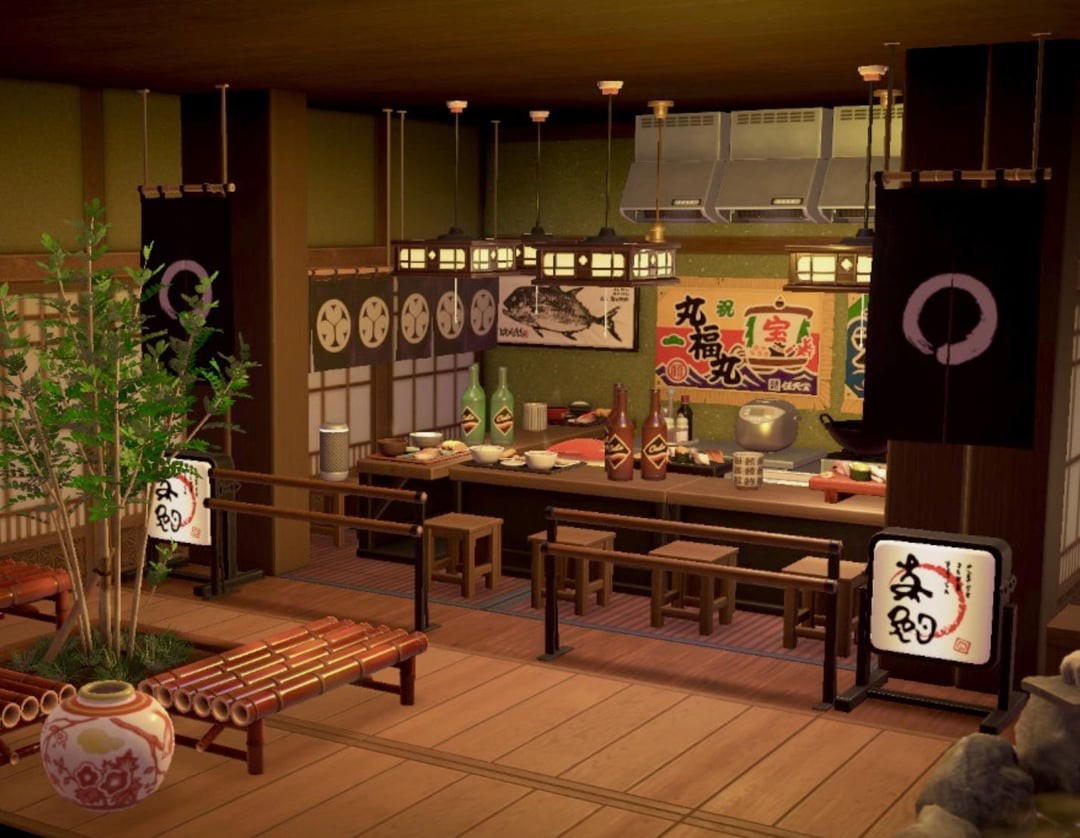
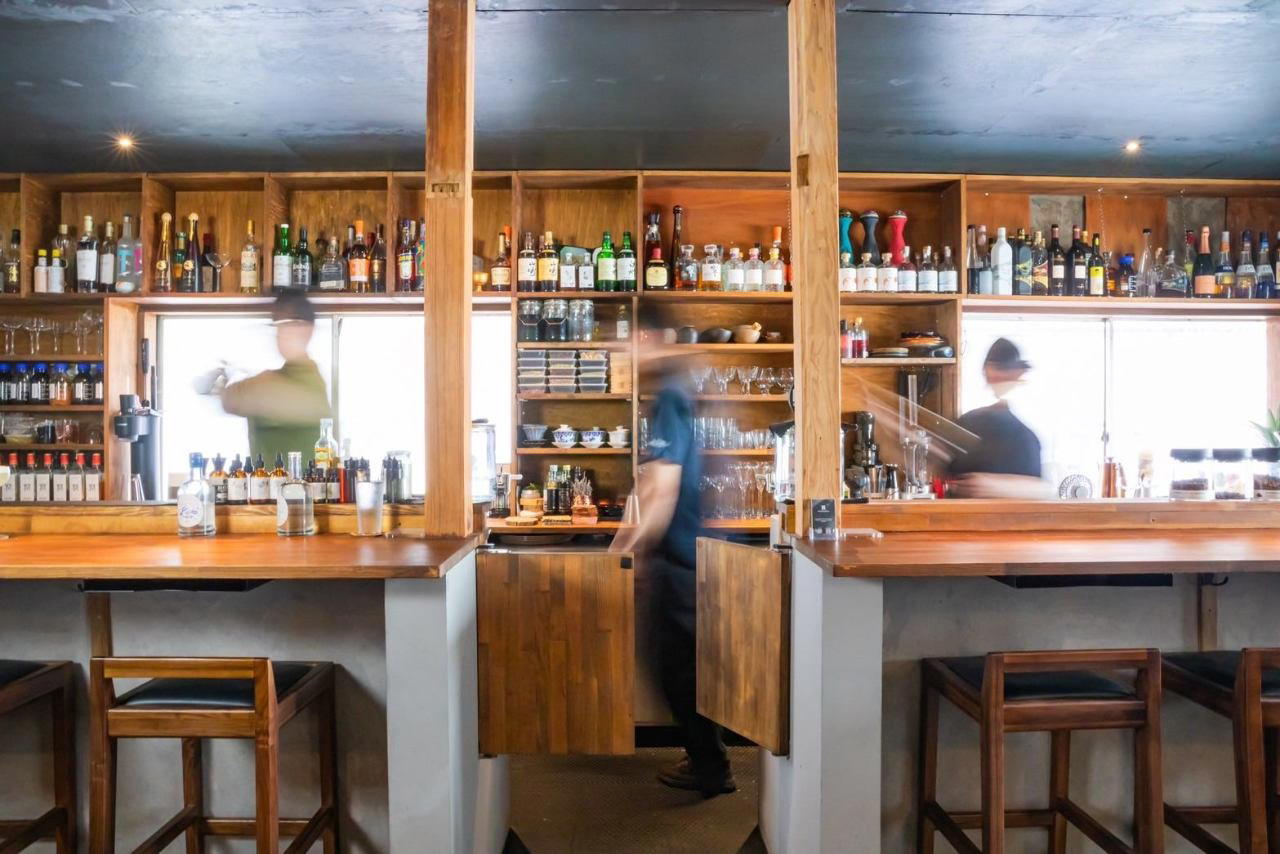
A modest house-like hideout with counter, tables, and a small tatami area, creating a simple, cozy atmosphere that feels like a rural home rather than a formal restaurant.