Wallflower
On Rose Avenue in Venice, California, Wallflower occupies the quieter, more considered end of the Abbot Kinney corridor, a neighbourhood where casual-looking storefronts frequently conceal serious culinary intent. The restaurant draws a local crowd that treats it as a regular rather than an occasion, which in Venice is its own form of endorsement. Bookings and current hours are best confirmed directly before visiting.
Pearl is the En Primeur Club membership app — saves, bookings, and concierge access live there. Same editors, same standards.
- Address
- 609 Rose Ave, Venice, CA 90291
- Phone
- +14247448136
- Website
- wallflowervenice.com
- Directions
- Get directions
 Saves & bookings on Pearl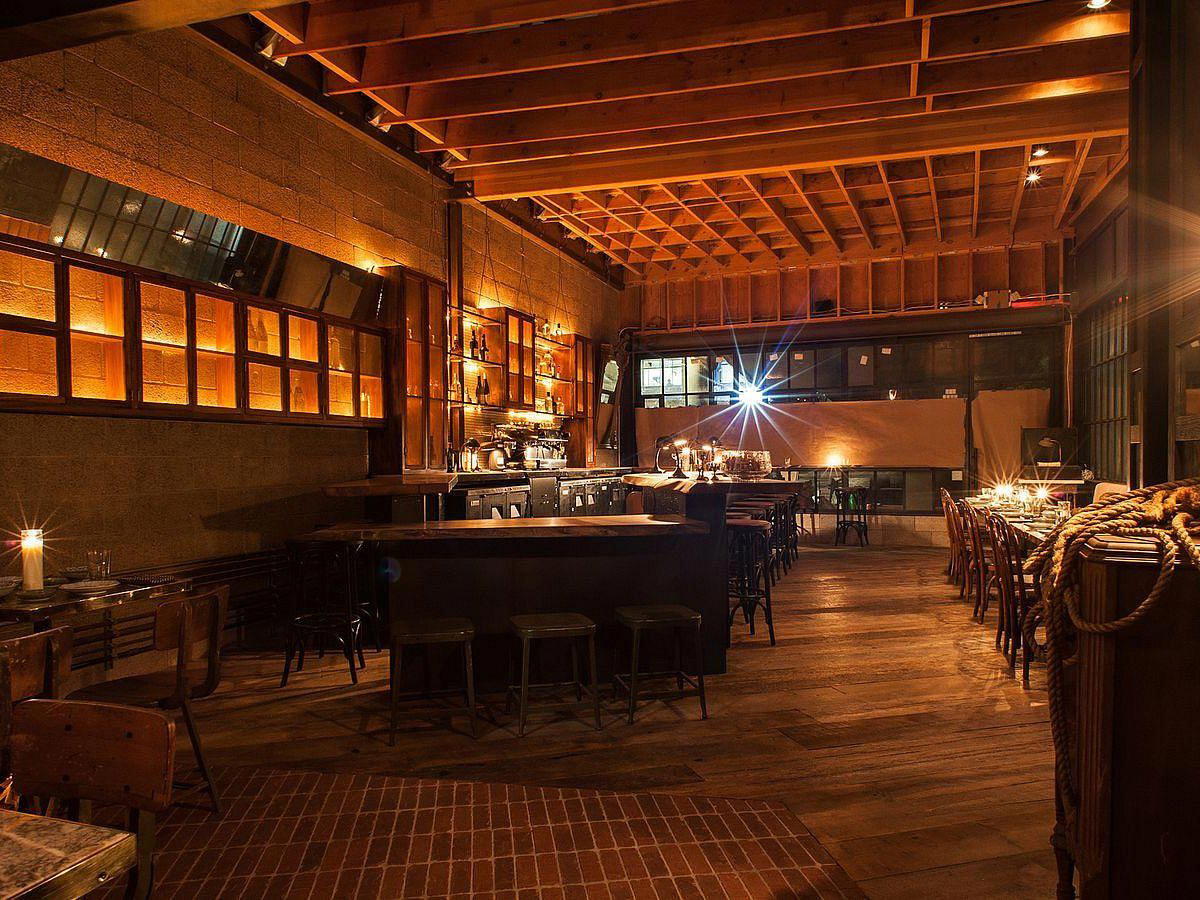
Rose Avenue and the Logic of the Venice Dining Scene
Venice, California operates on a different register than the restaurant districts of West Hollywood or downtown Los Angeles. The dining culture here is less about spectacle and more about density of quality in a small geography, a strip of blocks where a juice bar, a serious wine bar, and a technically accomplished kitchen can occupy the same fifty metres of pavement without any of them feeling out of place. Rose Avenue, in particular, has developed a character distinct from the more trafficked Abbot Kinney corridor a few blocks east. It attracts operators who are less interested in foot traffic and more interested in a neighbourhood clientele that returns. Wallflower, at 609 Rose Ave, is an Indonesian-Inspired Southeast Asian restaurant.
The name itself signals something about the positioning. In a city where restaurant branding tends toward the assertive, choosing a word that implies quiet presence and a certain deliberate restraint is a choice. Whether that translates to the interior, the menu format, or the wine approach is something a visit confirms, but the address and neighbourhood context already place Wallflower in the category of Venice restaurants that earn their audience through consistency rather than launch momentum.
Where the Wine List Does the Talking
In the current California dining market, the wine list has become a more reliable indicator of a restaurant's serious intent than almost any other single signal. Kitchen ambition is easy to telegraph through a tasting menu format or a recognisable chef name. A wine program requires sustained investment, curatorial discipline, and a floor team that can actually navigate it with guests. At the summit end of the Los Angeles market, operations like Providence have built reputations in part on cellar depth that matches the kitchen's ambition. Further afield, Single Thread Farm in Healdsburg and The French Laundry in Napa treat the wine program as a co-equal creative department.
Venice is not operating at that tier, but the neighbourhood has produced wine-forward rooms that punch beyond their scale. The interesting question with any serious wine list in a casual-leaning neighbourhood like this one is whether curation reflects genuine expertise or simply follows the natural wine orthodoxy that has become the default aesthetic for a certain kind of Los Angeles restaurant. A list built around terroir-driven producers, regional specificity, and genuine depth across price points tells a different story than one assembled to signal membership in a cultural moment. The distinction matters to anyone who uses the wine list as a proxy for the kitchen's overall seriousness.
In a neighbourhood dining context, the wine approach is the fastest read of what a restaurant thinks its regulars deserve. Venues on Rose Avenue that have cultivated a returning local audience tend to treat the list as something that grows with the relationship, rather than something designed for a one-time impression.
The Venice Neighbourhood as Context
Understanding any individual restaurant on Rose Avenue requires understanding the block it occupies. Venice has spent the last decade consolidating a food culture that is simultaneously health-conscious and technically serious, a combination that seems contradictory in other cities but makes sense given the demographic. The morning crowd at the farmers market, the lunch crowd at the better-regarded counters, and the dinner crowd at places like Wallflower can overlap considerably. This is not a neighbourhood where restaurants chase tourists; the residential density and the strong sense of local identity mean that operators who do well here tend to do well because locals adopt them.
Comparison to the broader Venice restaurant field is instructive. At the more formal end, Local and Oro Restaurant represent the contemporary Italian and modern cuisine tier that has established Venice as a credible dining destination beyond its beach reputation. Ristorante Quadri and Wistèria operate in a modern cuisine register that has attracted editorial attention. Glam Restaurant by Enrico Bartolini represents the creative fine-dining end of the spectrum. Wallflower sits in a different register from all of these, not competing for the same occasion, but occupying the space that a neighbourhood needs: somewhere between a wine bar and a proper kitchen, oriented toward the guest who already lives nearby.
For the broader context of where Venice sits within the California fine dining hierarchy, it is worth noting that the state's benchmark operations, from Lazy Bear in San Francisco to Addison in San Diego, tend to operate through rigorous tasting menu formats with deep wine pairings. Venice has not historically produced that format at scale, but it has produced a category of restaurant that prioritises daily drinkability and kitchen craft over ceremony, and that category has its own serious practitioners.
Planning a Visit
Wallflower is located at 609 Rose Ave, Venice, CA 90291, a short walk from the beach and within the dense dining corridor that connects Rose Avenue to the broader Abbot Kinney neighbourhood. Reservations are recommended, and current hours should be confirmed before visiting, particularly on weekends when the Venice dining scene draws from a wider Los Angeles geography. The Rose Avenue location means parking follows the standard Venice calculus: street parking is available but competitive on evenings and weekend afternoons.
Wallflower is not competing in that tier, but understanding the full spectrum helps calibrate what a neighbourhood-focused Venice restaurant is, and is not, trying to do. For international reference, 8 1/2 Otto e Mezzo Bombana in Hong Kong illustrates how Italian-inflected fine dining translates across cultural contexts, a useful frame for thinking about the choices any Venice kitchen makes when positioning itself.
In Context: Similar Options
Comparable venues nearby, for context on price, style, and recognition.
| Venue | Cuisine | Price | Notes |
|---|---|---|---|
| WallflowerThis venue — the venue you are viewing | Indonesian-Inspired Southeast Asian | $$ | Not listed |
| 26 Beach | New American Cafe | $$ | Venice |
| La Cabana | Traditional Mexican | $$ | Venice |
| Abbot's Pizza Company | Neighborhood Pizza | $$ | Venice |
| Alisa | Modern Greek & Mediterranean | $$$ | Abbot Kinney |
| Clutch | Cali-Mex Barbecue | $$ | Venice |
Continue exploring
More in Venice
Restaurants in Venice
Browse all →
Bars in Venice
Browse all →
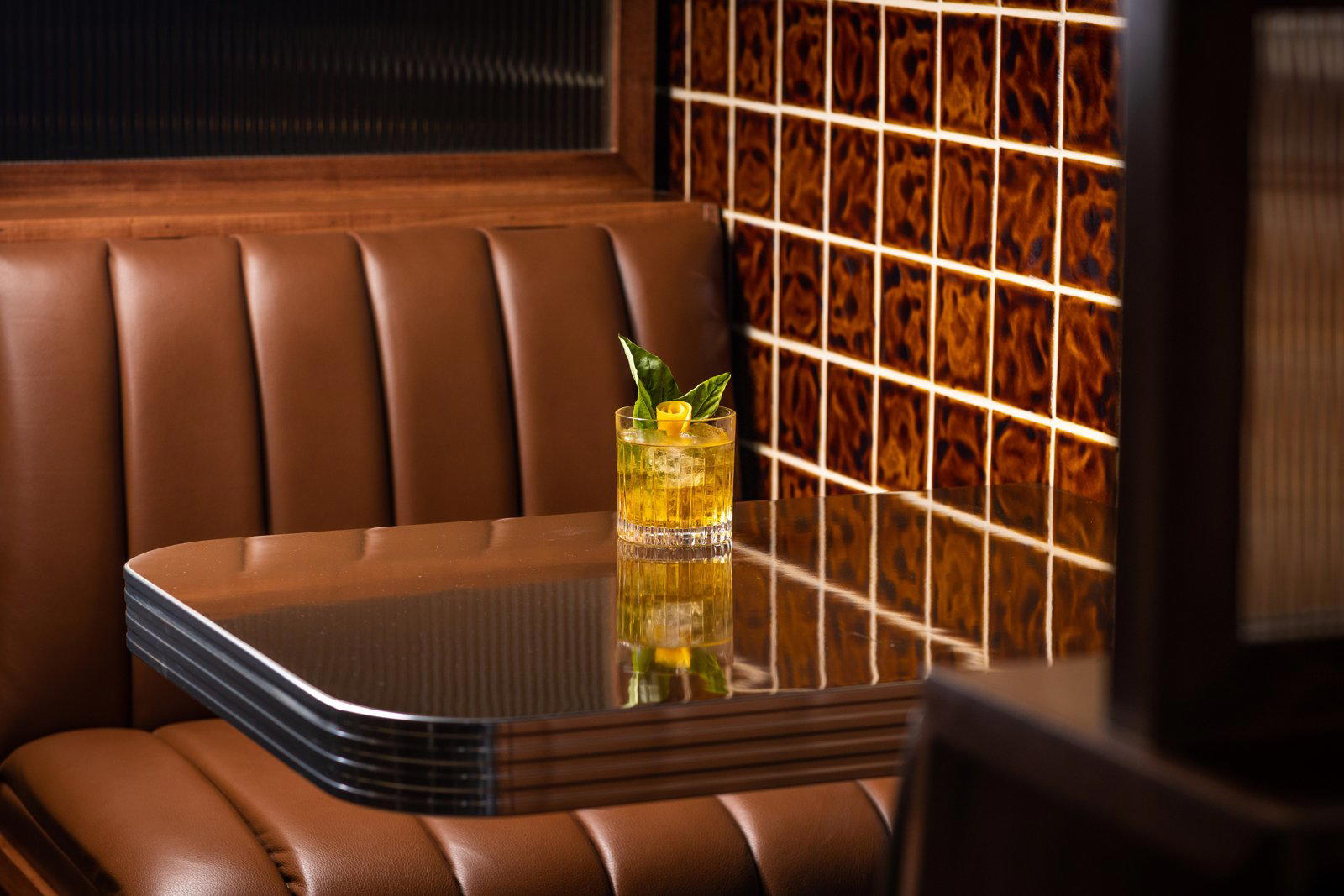
Hotels in Venice
Browse all →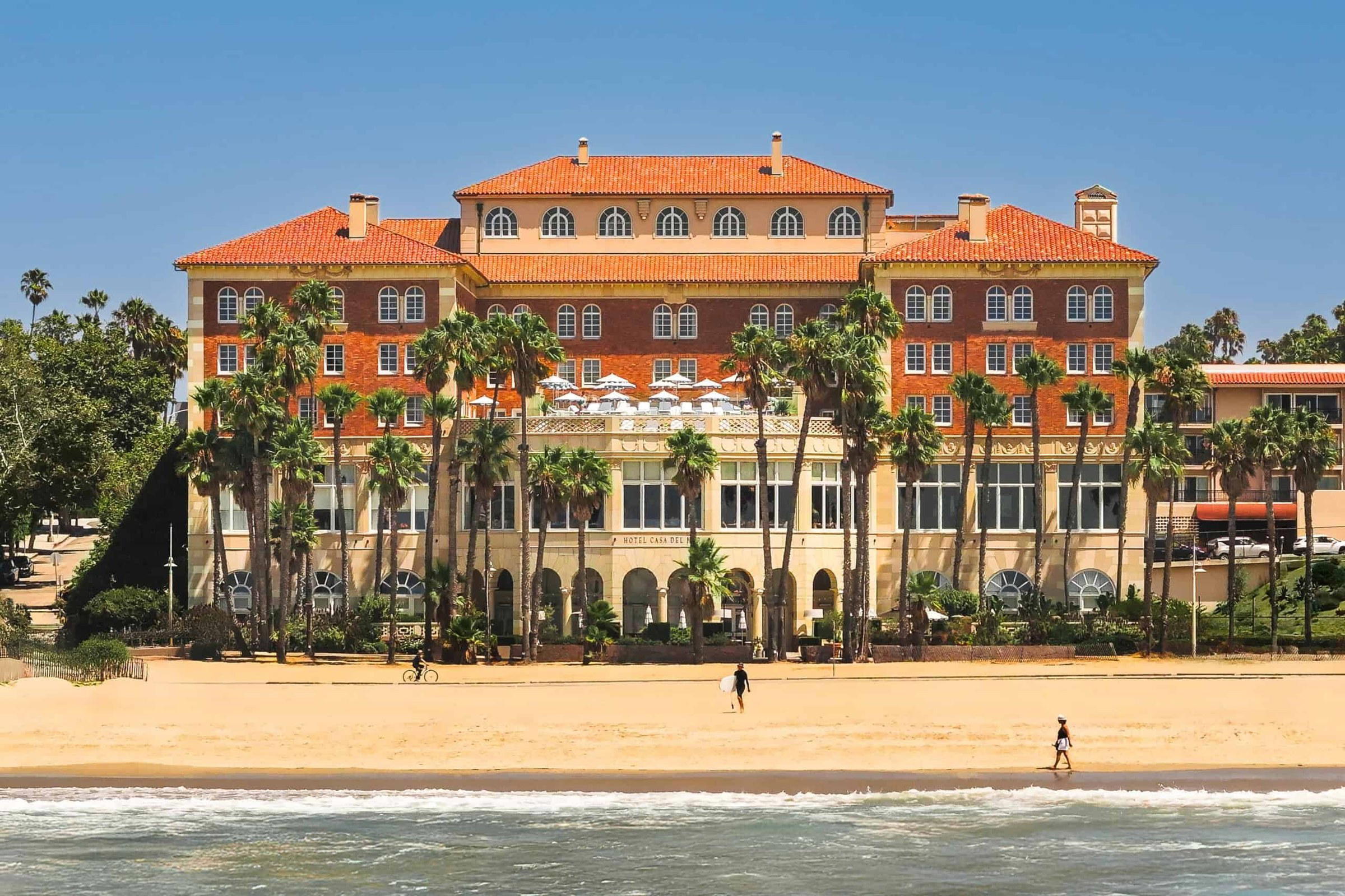
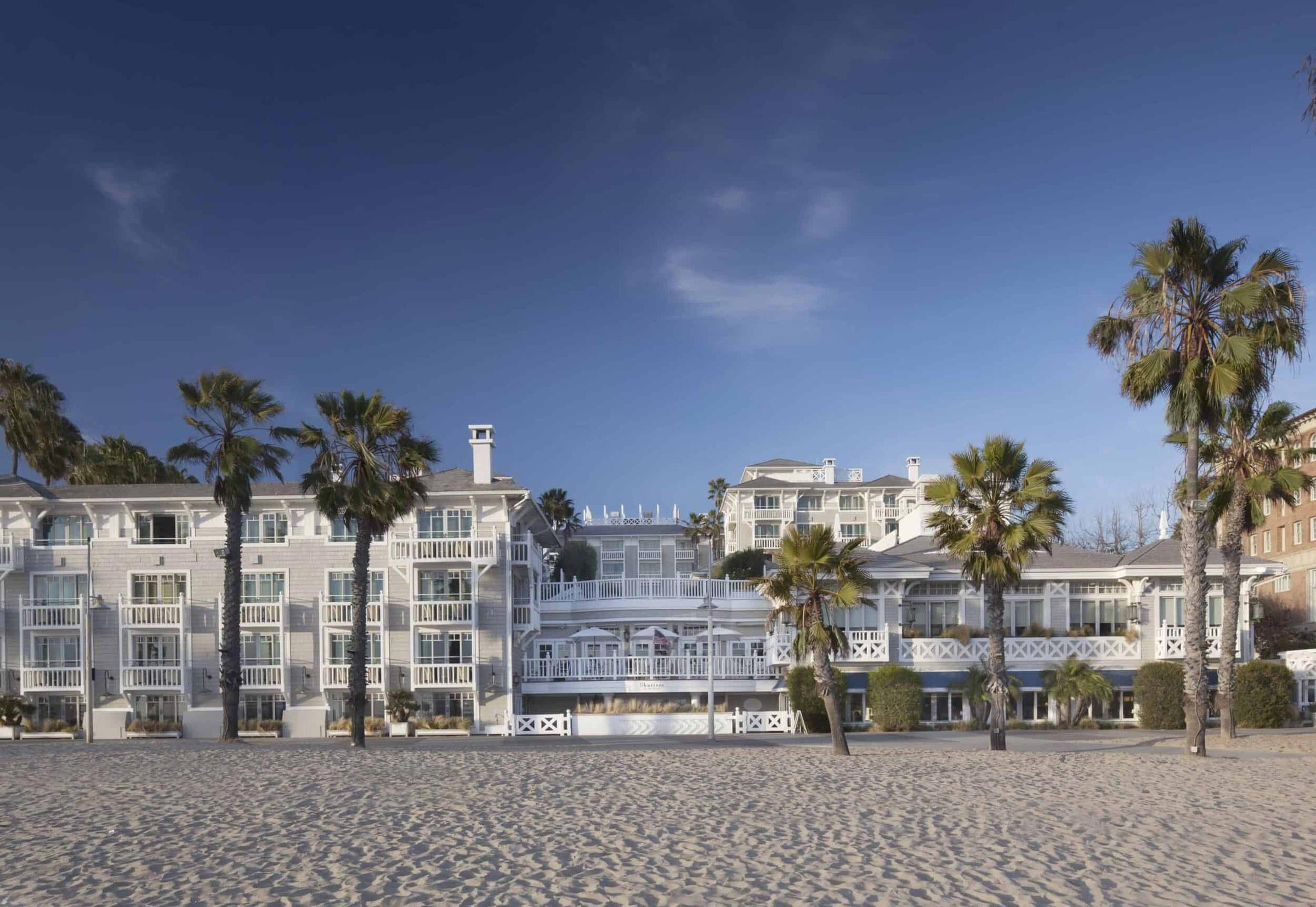
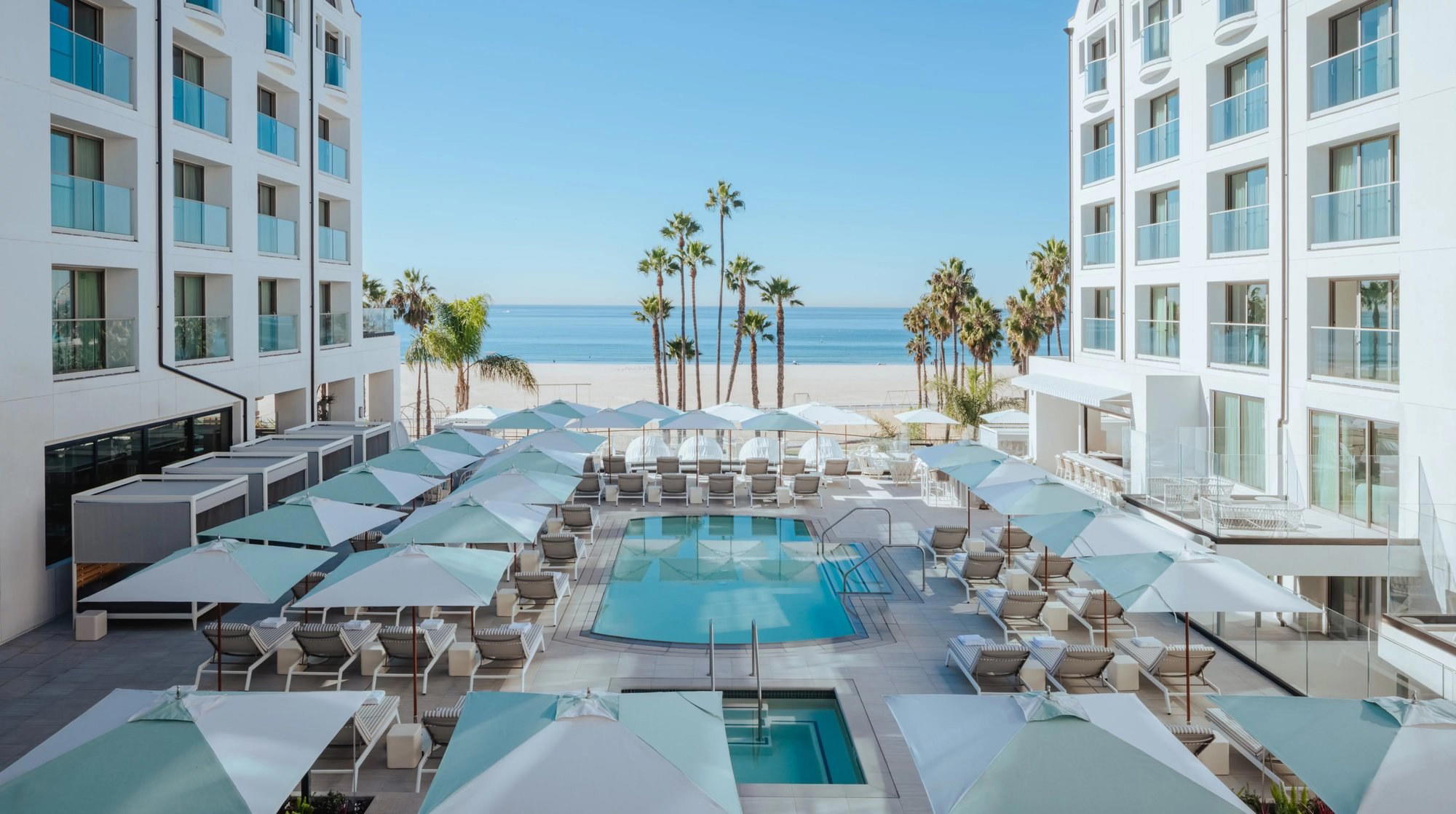
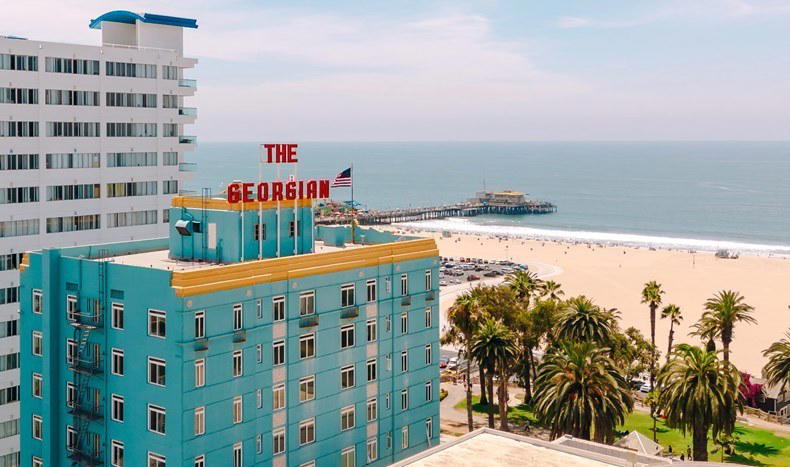
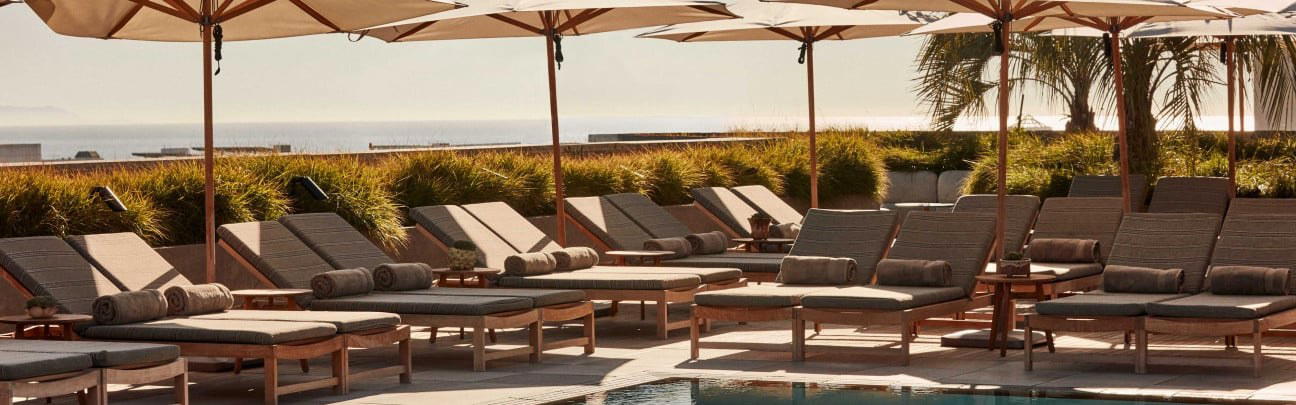
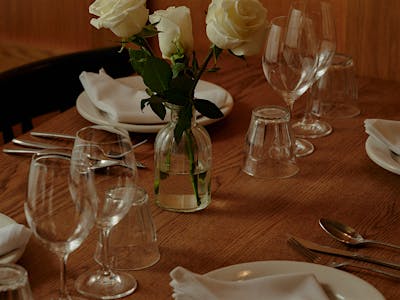
Wineries in Venice
Browse all →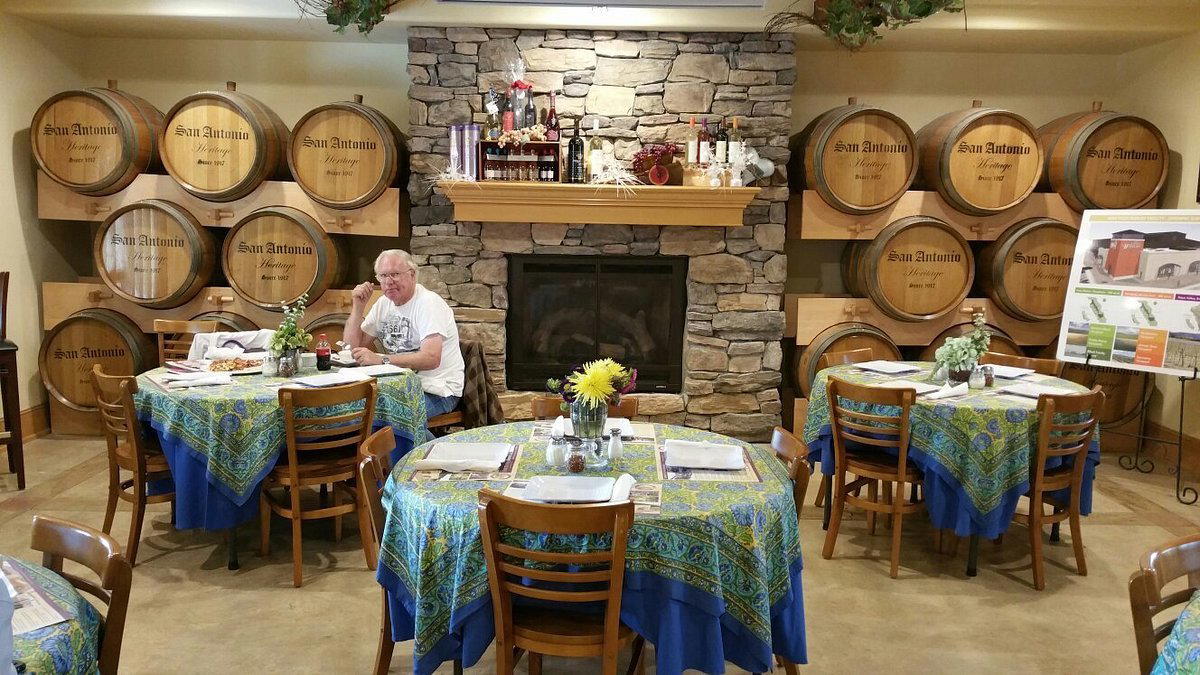
At a Glance
- Cozy
- Trendy
- Intimate
- Industrial
- Date Night
- Casual Hangout
- Open Kitchen
- Terrace
- Craft Cocktails
Current opening hours
- Monday
- 5:30–10 PM
- Tuesday
- 5:30–10 PM
- Wednesday
- 5:30–10 PM
- Thursday
- 5:30–10:30 PM
- Friday
- 5:30–11:30 PM
- Saturday
- 5:30–11:30 PM
- Sunday
- 5–9:30 PM
Hours can change for holidays and private events. Last verified .
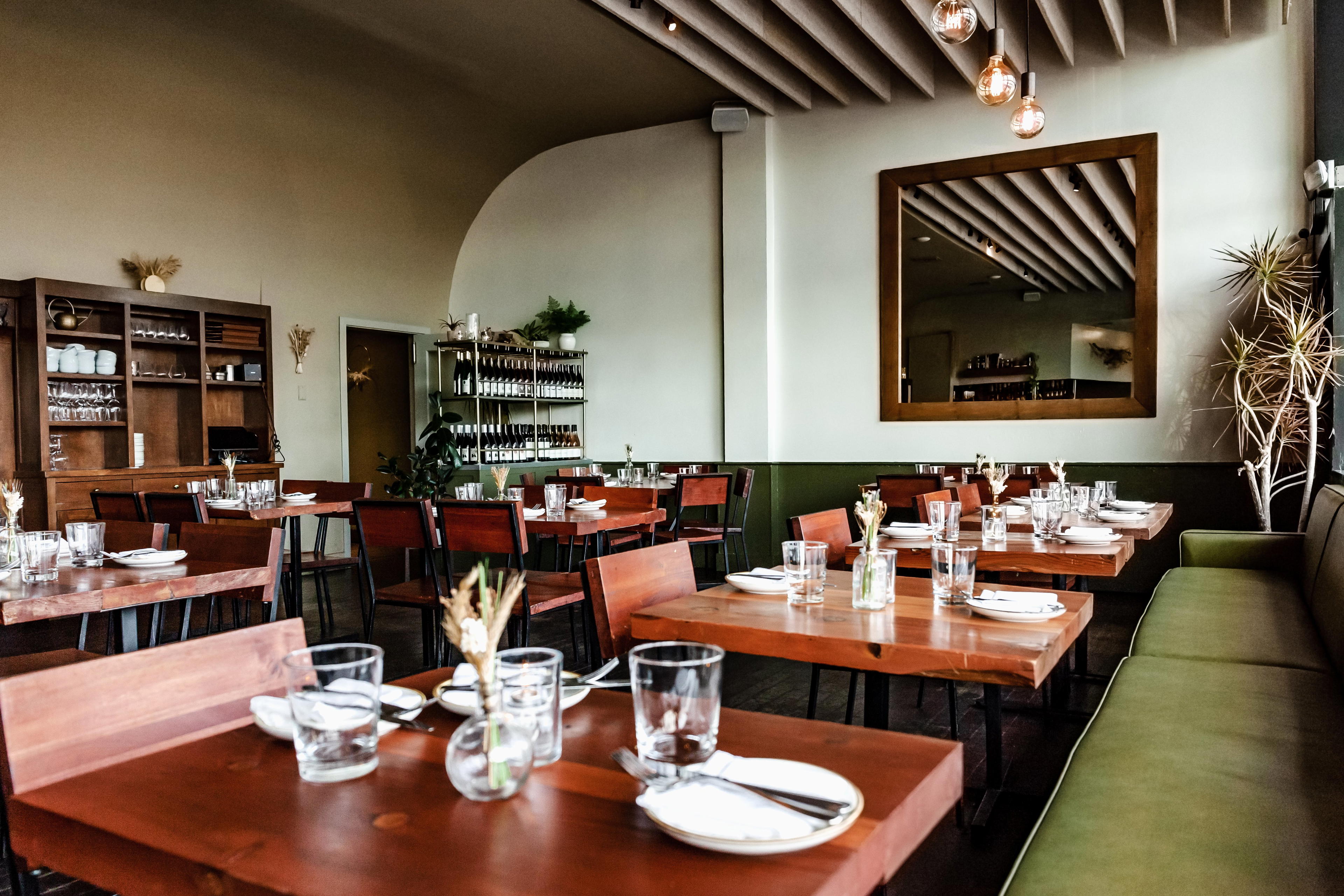
Dimly lit with warm industrial feel, warehouse windows, high ceilings, and wonderful lighting creating a beautiful atmosphere.