Wabisabi Soba & Sushi
Our verdict
A soba and sushi spot on Paia's Hana Highway, Wabisabi brings Japanese culinary tradition to Maui's most characterful small town. The combination of hand-pulled noodles and fresh fish preparations fits naturally into a dining scene where locally sourced ingredients and deliberate craft matter more than scale or spectacle. Visit for a grounded, no-frills experience rooted in Japanese technique.

Pearl is the En Primeur Club membership app — saves, bookings, and concierge access live there. Same editors, same standards.
- Address
- 161 Hana Hwy, Paia, HI 96779
- Phone
- (808) 318-3342
- Hours
- Mon ClosedTue–Sat 5–9 PMSun Closed
- Website
- wabisabimaui.com
- Directions
- Get directions
- Booking
- Book on OpenTable
Japanese Noodles and Raw Fish on the North Shore
Paia sits at the point where Hana Highway narrows and the Pacific makes itself felt in every direction. The town's restaurant scene reflects that geography: informal, ingredient-forward, and shaped by proximity to the ocean rather than ambition toward any mainland dining calendar. It is a setting where a soba and sushi counter fits more naturally than it might in a resort corridor, because the culinary logic of the place already favours simplicity, fish, and the kind of cooking that doesn't require theatrical presentation to justify itself.
Wabisabi Soba and Sushi, at 161 Hana Hwy, occupies this register. The address puts it within the compact stretch of Paia's main drag, a block-by-block sequence that moves between surf shops, independent cafes, and a handful of restaurants that collectively define what eating in this town actually feels like. Neighbours in the dining scene include Cafe Mambo, Café Des Amis, Flatbread Company, and Island Fresh Café, each staking out its own culinary identity within a few hundred metres. The concentration makes Paia one of the more interesting small-town dining destinations in Hawaii, with genuine variety at a scale that rewards walking rather than driving.
The Cultural Logic of Soba and Sushi in Hawaii
Japanese culinary tradition runs deep in Hawaii. The islands received significant Japanese immigration across the late nineteenth and early twentieth centuries, and the food culture that followed has long since become inseparable from local identity. Plate lunch counters, ramen shops, and izakaya-style formats are not imported novelties here; they are embedded in how the state eats. That context matters when thinking about where a soba and sushi restaurant sits in the local hierarchy of meaning. It is not an exotic outpost. It is an extension of something the islands have been doing for well over a century.
Soba specifically carries its own cultural weight. In Japan, buckwheat noodles occupy a different register from ramen or udon: they are associated with restraint, with the skill of the maker rather than the depth of the broth, and with a kind of seasonal attentiveness that aligns with the broader wabi-sabi aesthetic the venue name invokes. Wabi-sabi, as a concept, values imperfection, transience, and the beauty of materials in their natural state. Applied to food, it suggests an approach that prioritises honest ingredients over elaborate technique, and form that acknowledges its own limitations. Whether the restaurant explicitly programmes around this philosophy is a separate question, but the name signals an orientation worth noting.
Sushi, meanwhile, occupies a broad spectrum in Hawaii. At the higher end of Maui's dining scene, fish preparations at places like Mama's Fish House reflect the New Hawaiian approach: local species, minimal intervention, premium execution. Wabisabi sits in a different register, positioned as an accessible neighbourhood option rather than a destination tasting experience. That distinction is not a criticism. The two formats serve different needs, and Paia's dining scene is broad enough to accommodate both.
Where Wabisabi Sits in Paia's Dining Conversation
Paia's restaurant mix skews toward casual formats with strong culinary identity. The town does not have the resort infrastructure that shapes dining in Wailea or Kapalua, which means restaurants here tend to earn their clientele through consistency and local word-of-mouth rather than hotel partnerships or concierge recommendations. In that context, a soba and sushi counter has to hold its own on the quality of the food itself.
The combination of noodles and raw fish preparations under one roof is a format common in Japan but less standardised in the United States, where sushi restaurants and ramen or soba shops typically operate as separate categories. In Hawaii, the hybrid is more accepted, partly because the broader cultural familiarity with Japanese food lowers the friction of combining formats. It also suits the practical reality of a small town where a single restaurant needs enough menu range to work for lunch and dinner across different moods and appetites.
For readers planning a broader Maui or Hawaii trip who are also curious about how Japanese-influenced fine dining operates at the upper end of the American spectrum, the comparison set extends well beyond the island. Atomix in New York City shows how Korean fine dining has redefined the conversation around Asian cuisine in the United States, while Le Bernardin in New York City remains the reference point for fish cookery at the highest technical level. Closer to the Pacific, 8 1/2 Otto e Mezzo Bombana in Hong Kong demonstrates how Western fine dining technique translates into an Asian urban context. These are not peer venues to Wabisabi in price or format, but they anchor the broader conversation about where Japanese and fish-forward cuisines sit in global dining.
For readers interested in the farm-to-table and locally sourced end of the American fine dining spectrum, Single Thread Farm in Healdsburg, Blue Hill at Stone Barns in Tarrytown, and The French Laundry in Napa represent the high-investment version of ingredient-led cooking. Lazy Bear in San Francisco, Alinea in Chicago, Providence in Los Angeles, Addison in San Diego, The Inn at Little Washington, and Emeril's in New Orleans each reflect distinct regional approaches to American fine dining. Wabisabi is not competing in that category, but knowing the full range of what American dining offers helps calibrate expectations across different formats and price points.
Planning Your Visit
Paia rewards early arrivals. The town moves at a pace set by surfers and daytrippers heading toward Hana, which means mornings are calm and afternoons along the highway can clog. For a soba and sushi lunch, arriving before the midday peak keeps the experience unhurried. Paia's compact geography makes this practical: the restaurant sits on Hana Highway within easy reach of the town's other dining options, so an alternative plan is always nearby if timing doesn't align.
For a fuller picture of what Paia's dining scene offers across all formats and price points, see our full Paia restaurants guide.
Frequently asked questions
Where is Wabisabi Soba & Sushi in Paia?
Wabisabi Soba & Sushi is located at 161 Hana Hwy, Paia, HI 96779, Paia.
Is Wabisabi Soba & Sushi a good stop on the Road to Hana?
Paia is the last town of any size before Hana Highway tightens into its famous stretch of single-lane bridges and coastal switchbacks, making it a logical final meal stop heading east or a first stop returning west. Wabisabi Soba & Sushi sits directly on Hana Highway at number 161, putting it on the route rather than off it. Japanese soba offers a practical format for road-day eating: filling without being heavy. Given Paia's pace and limited parking, arriving before midday improves the odds of a quick, unhurried visit.
What should I eat at Wabisabi Soba & Sushi?
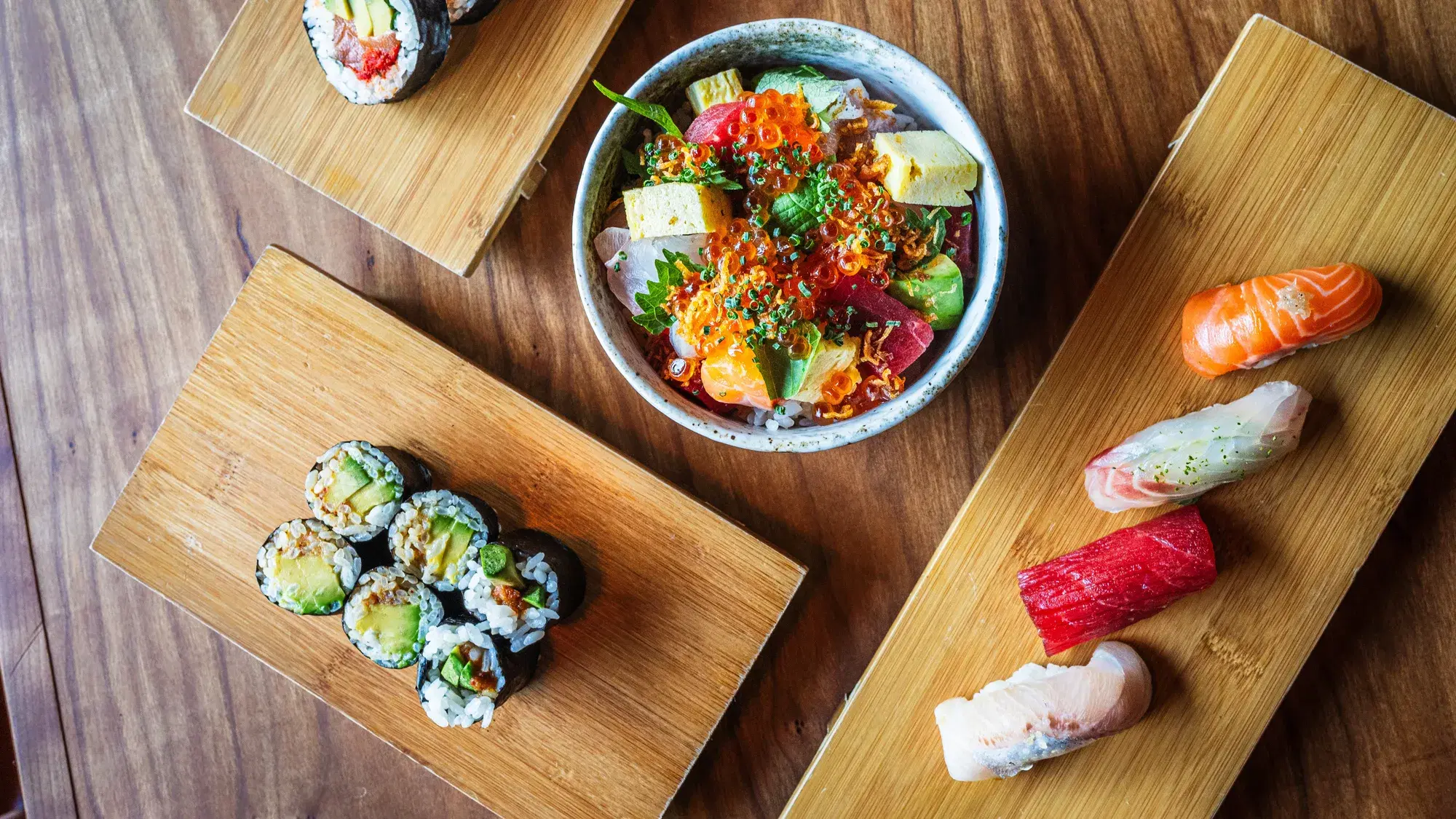
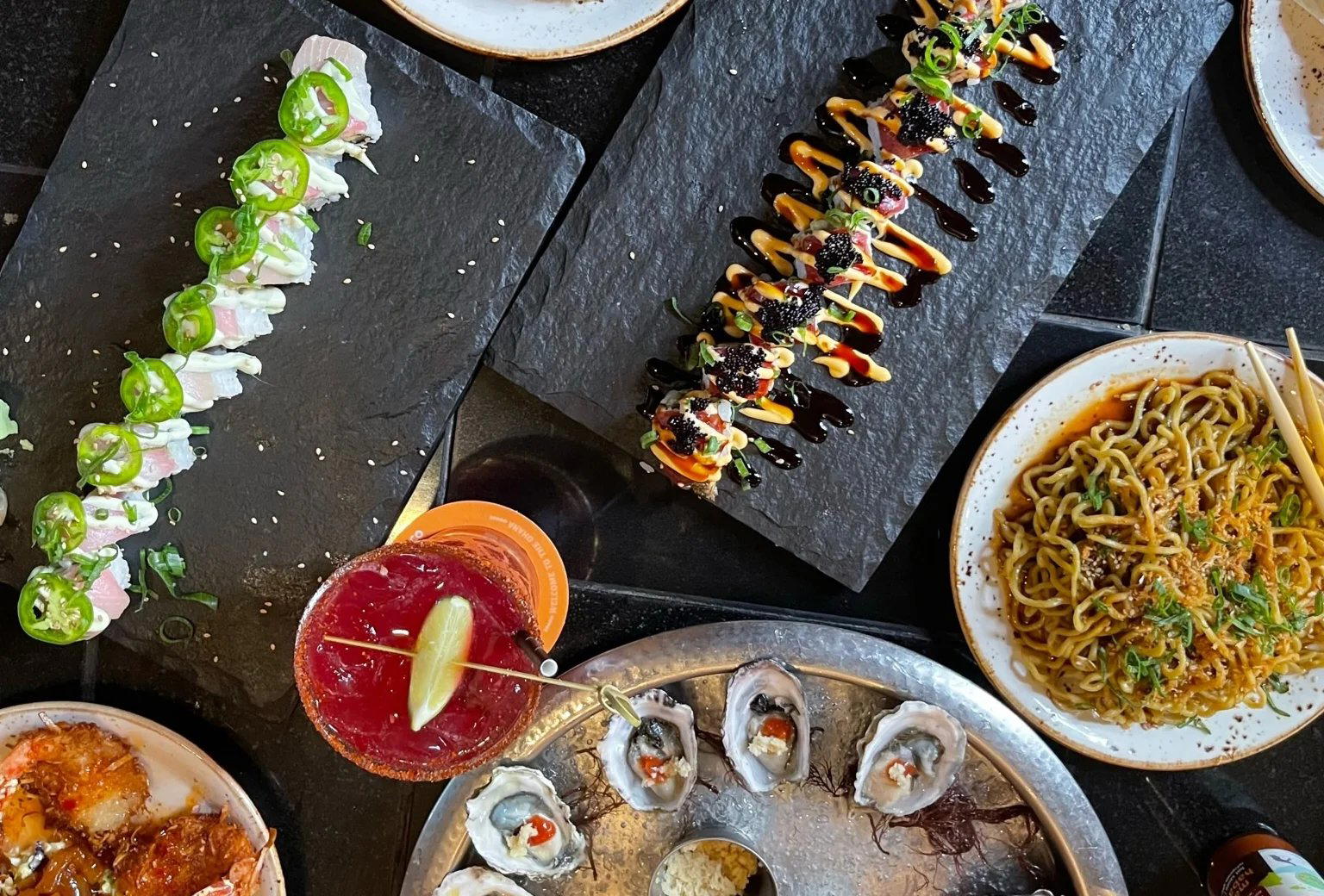
The name signals the two formats that anchor the menu: soba noodles and sushi. Both traditions have deep roots in Hawaii's Japanese culinary heritage, shaped by waves of immigration from the late nineteenth century onward. Given the venue's location on Hana Highway in Paia, the kitchen likely sources from the same North Shore supply lines that give the area's best spots their freshness advantage. Checking the current menu directly with the restaurant is the surest way to confirm daily availability.
Should I book Wabisabi Soba & Sushi in advance?
Paia operates on a compressed dining rhythm: mornings are calm, but afternoons fill quickly as daytrippers returning from Hana and surfers finishing sessions converge on the town's small cluster of restaurants. For a venue at 161 Hana Hwy with no online reservation system listed, calling ahead or arriving early in the day reduces the risk of a wait. Weekend visits in particular warrant early planning given the volume of road traffic through Paia.
What is Wabisabi Soba & Sushi known for?
Wabisabi Soba & Sushi occupies a specific niche in Paia's dining scene: Japanese noodle and raw fish formats in a town whose restaurant identity is shaped more by surf culture and farm-to-table informality than resort polish. The pairing of soba and sushi reflects Hawaii's documented Japanese culinary lineage, which predates the state's tourism era by decades. That combination, delivered on the gateway stretch of Hana Highway, positions the restaurant as a practical and culturally grounded stop rather than a tourist afterthought.
Is Wabisabi Soba & Sushi allergy-friendly?
Soba noodles contain buckwheat, which is a common allergen, and sushi preparations frequently involve soy, sesame, and shellfish — all significant concerns for diners with food sensitivities. No allergy-specific menu information is documented for this location. Contacting the restaurant at 161 Hana Hwy in Paia directly before visiting is the only reliable way to confirm what accommodations are available.
Budget and Context
Comparable venues nearby, for context on price, style, and recognition.
| Venue | Cuisine | Price | Notes |
|---|---|---|---|
| Wabisabi Soba & SushiThis venue — the venue you are viewing | Traditional Japanese Soba & Sushi | Not listed | Not listed |
| Vana Paia | Japanese-Hawaiian Fusion | $50–100 | Paia, Japanese-Hawaiian Fusion |
| Paia Fish Market Restaurant | Fresh Seafood | $20–30 | Paia, Fresh Seafood |
| Flatbread Company | Organic Wood-Fired Flatbread Pizza | $20–30 | Paia, Organic Wood-Fired Flatbread Pizza |
| Cafe Mambo | Modern Australian Cafe | $20–30 | Paia, Modern Australian Cafe |
| Café Des Amis | Mediterranean & Indian Fusion Crepes and Curries | $20–30 | Paia, Mediterranean & Indian Fusion Crepes and Curries |
Wabisabi Soba & Sushi
Featured Guides

Details
- Cozy
- Intimate
- Minimalist
- Date Night
- Special Occasion
- Open Kitchen
- Sake Program
- Byob
- Garden
- A La Carte
- Gluten Free Options
Current opening hours
- Monday
- Closed
- Tuesday
- 5–9 PM
- Wednesday
- 5–9 PM
- Thursday
- 5–9 PM
- Friday
- 5–9 PM
- Saturday
- 5–9 PM
- Sunday
- Closed
Hours can change for holidays and private events. Last verified .
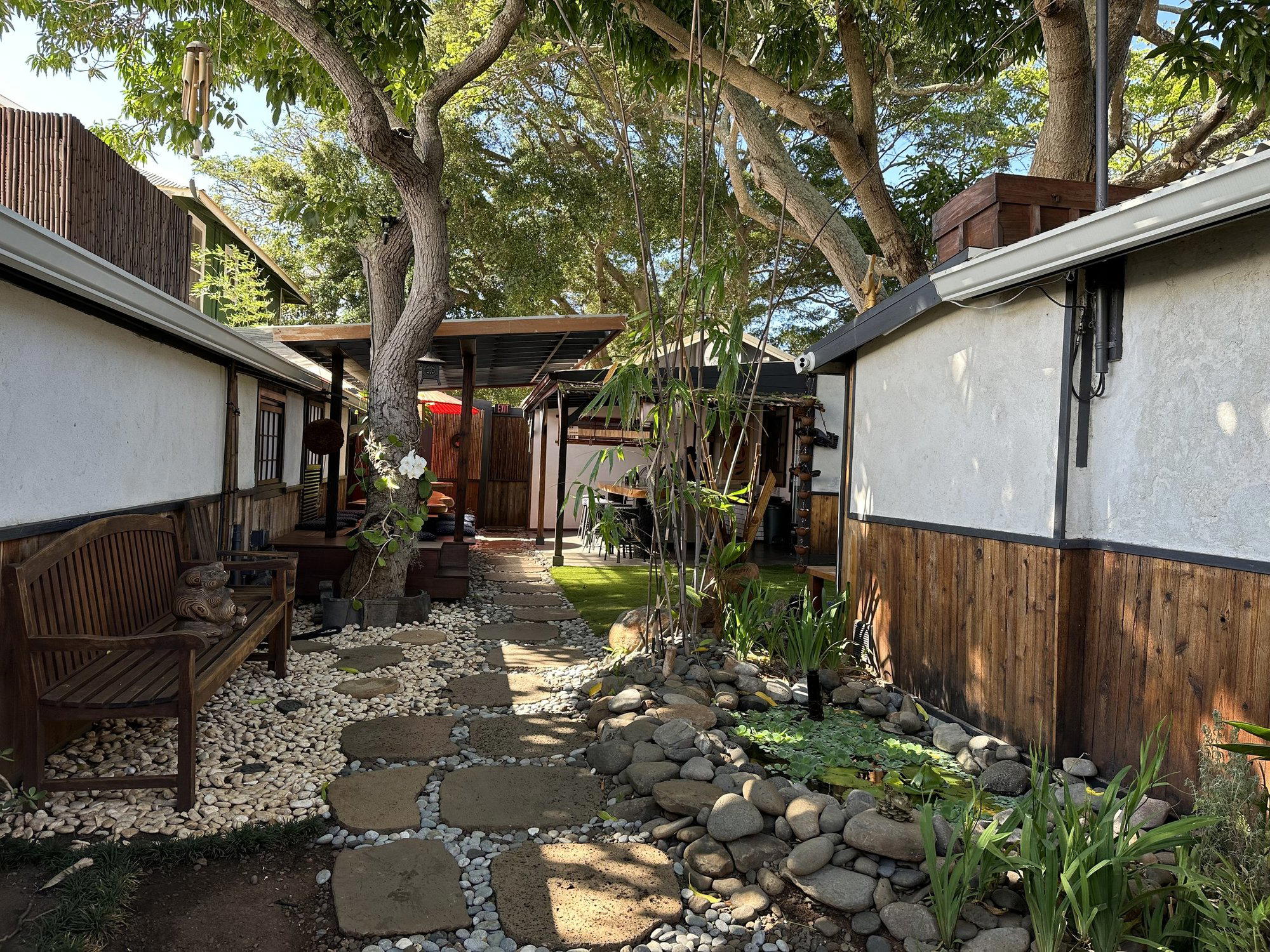
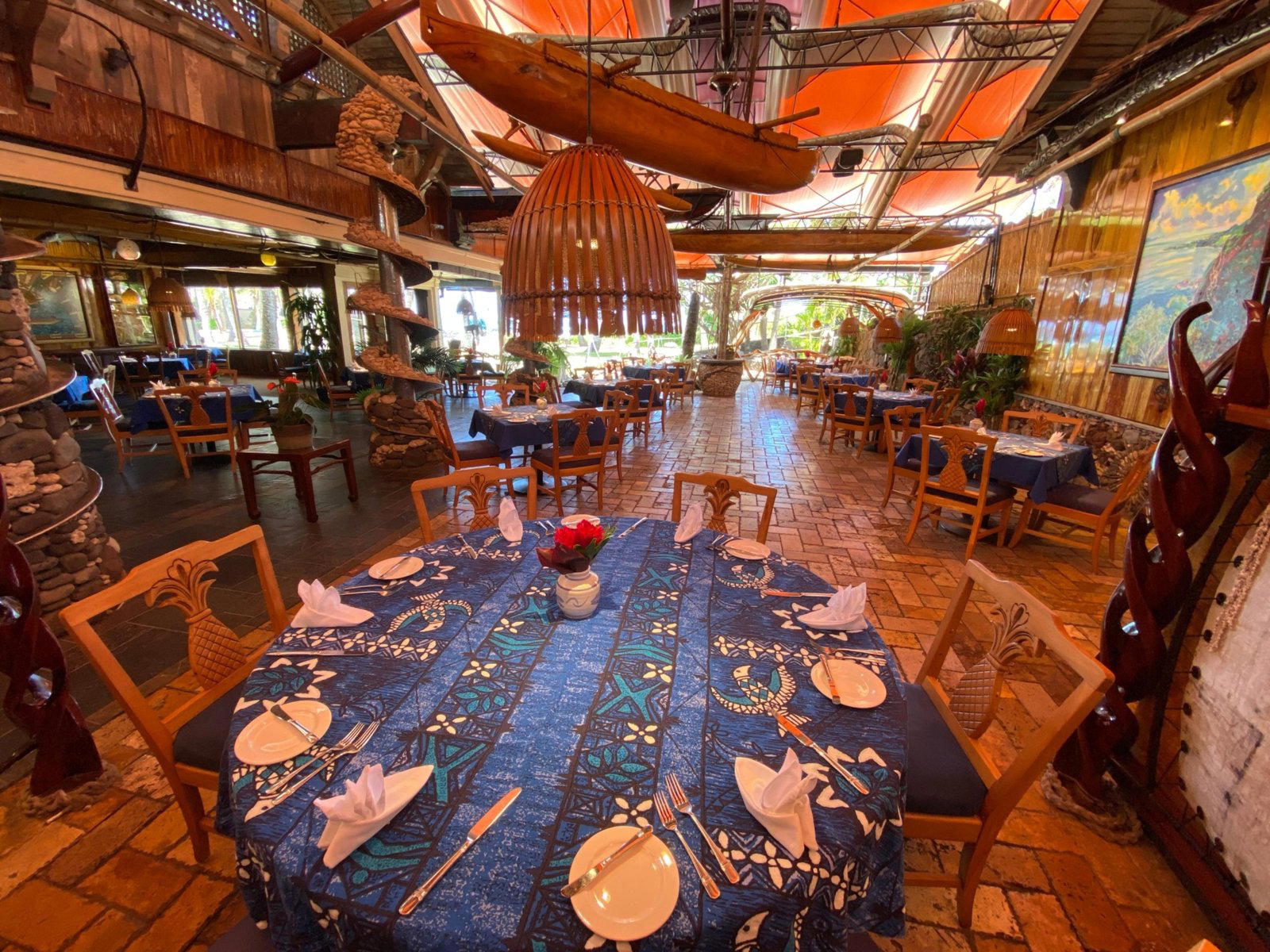
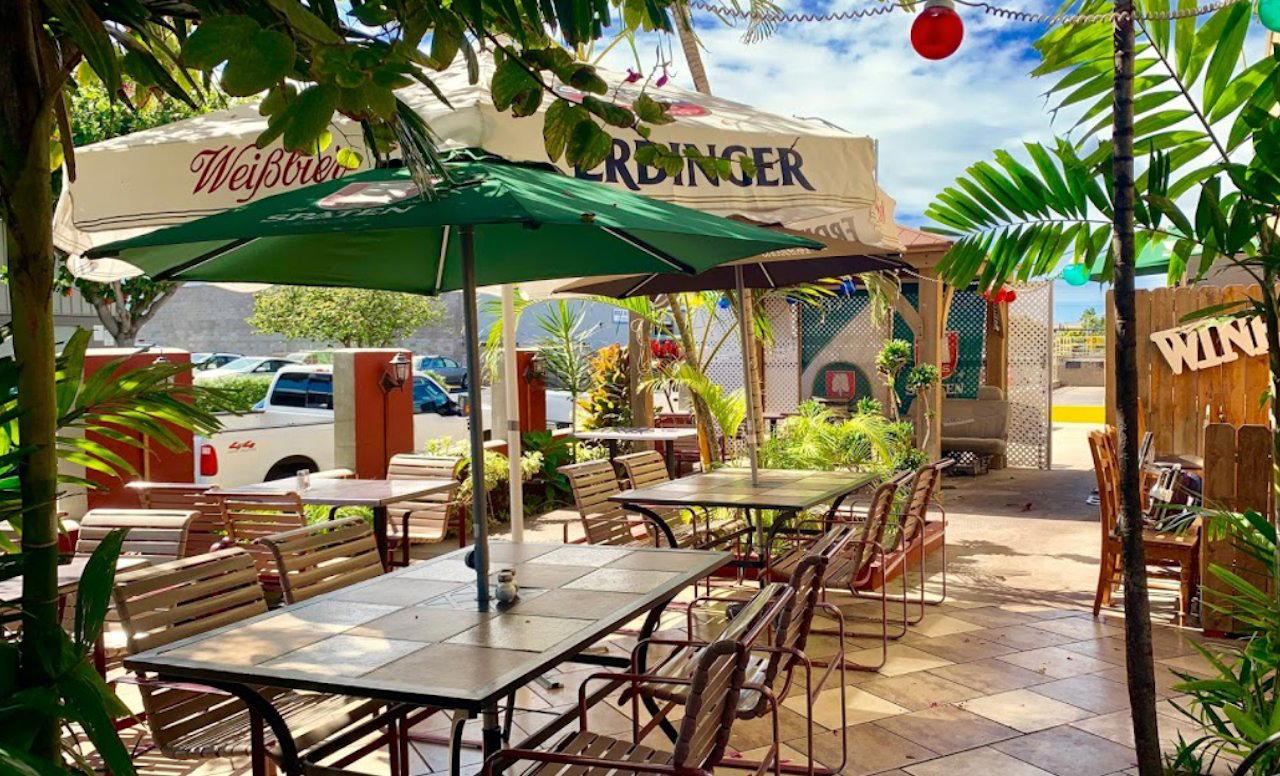
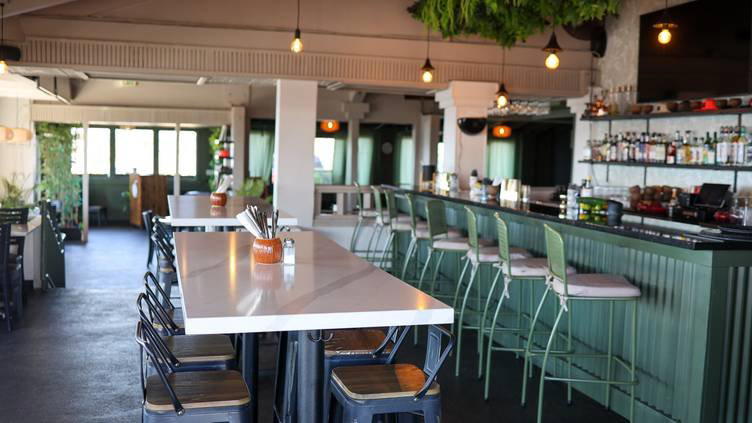
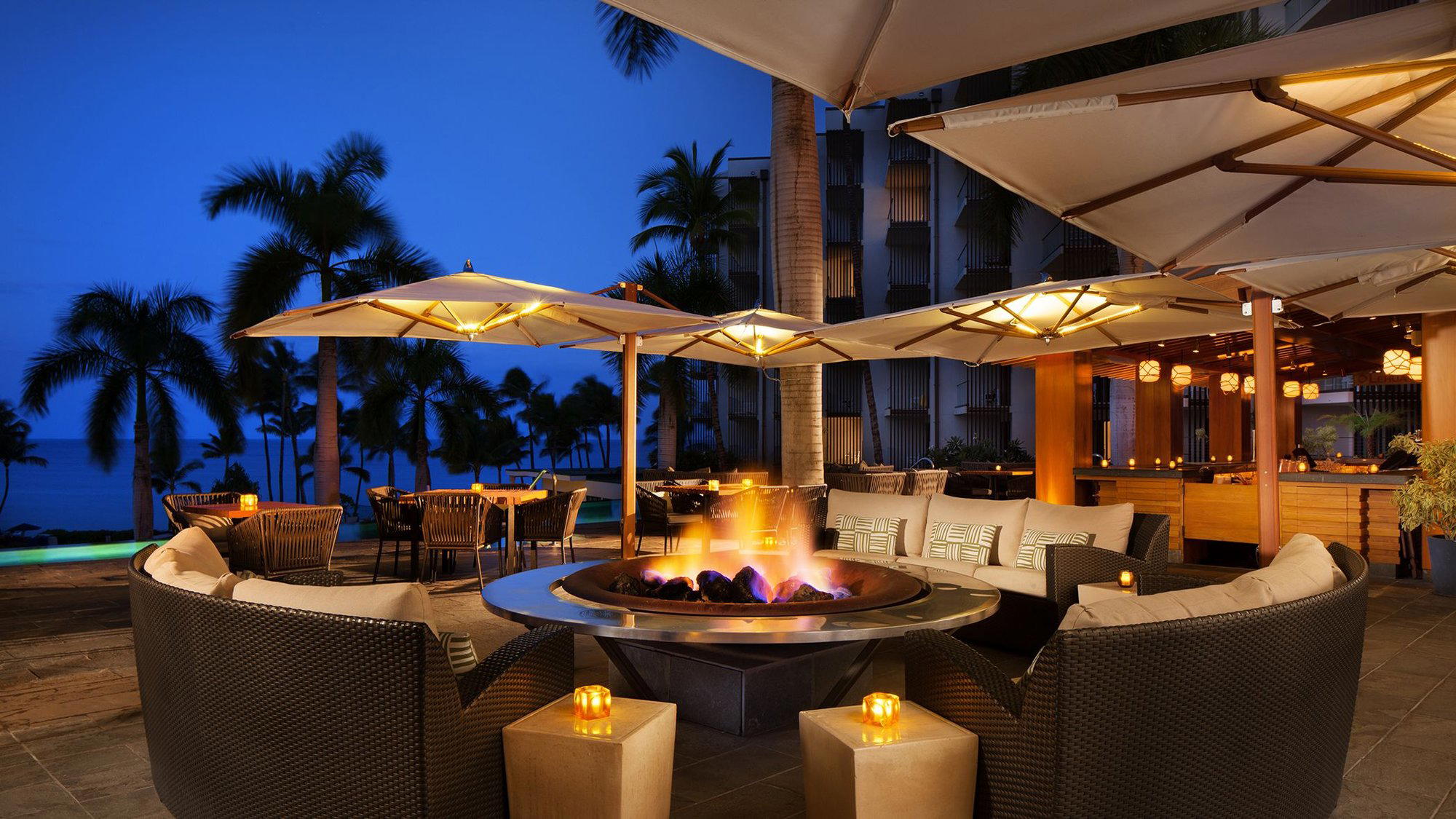
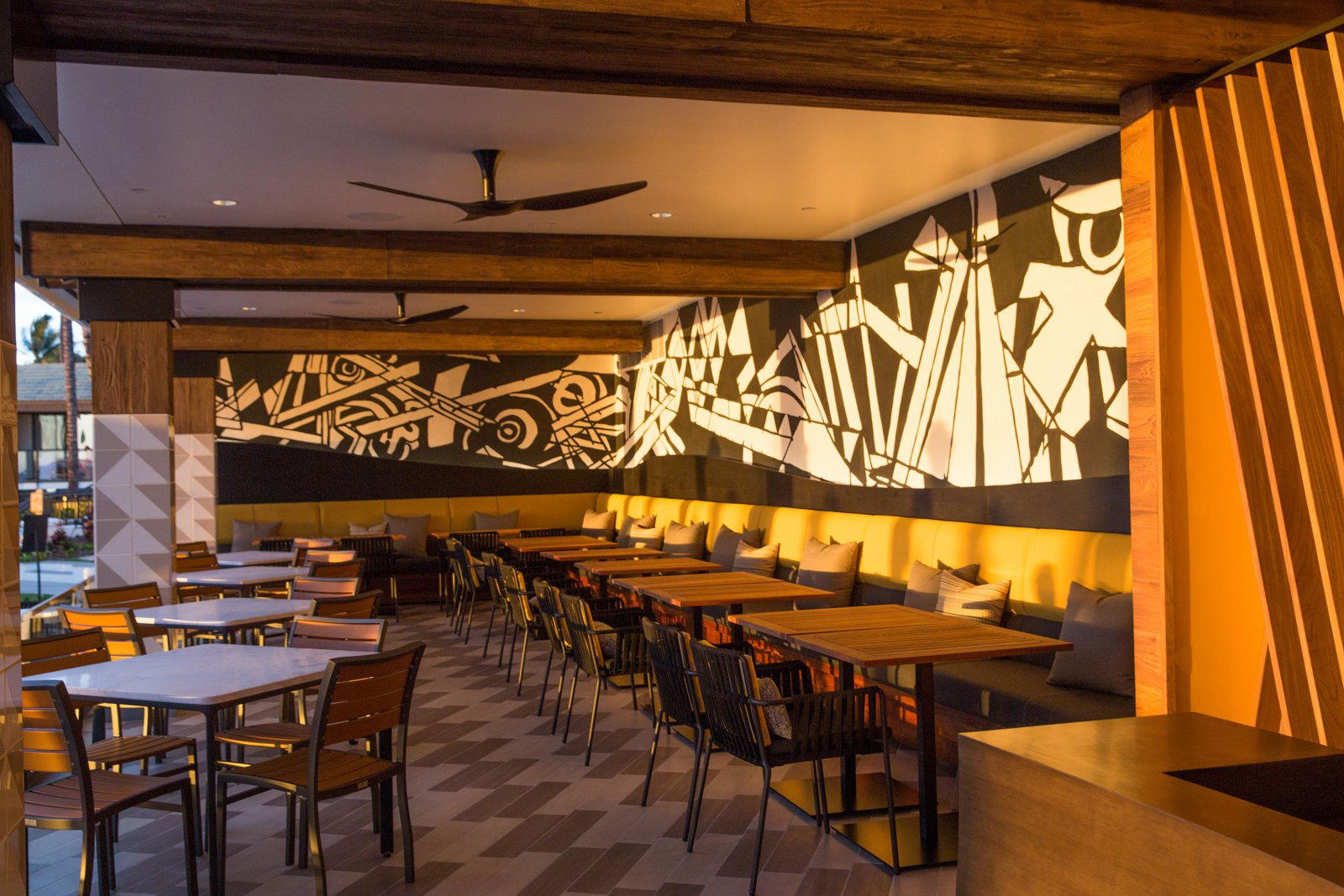
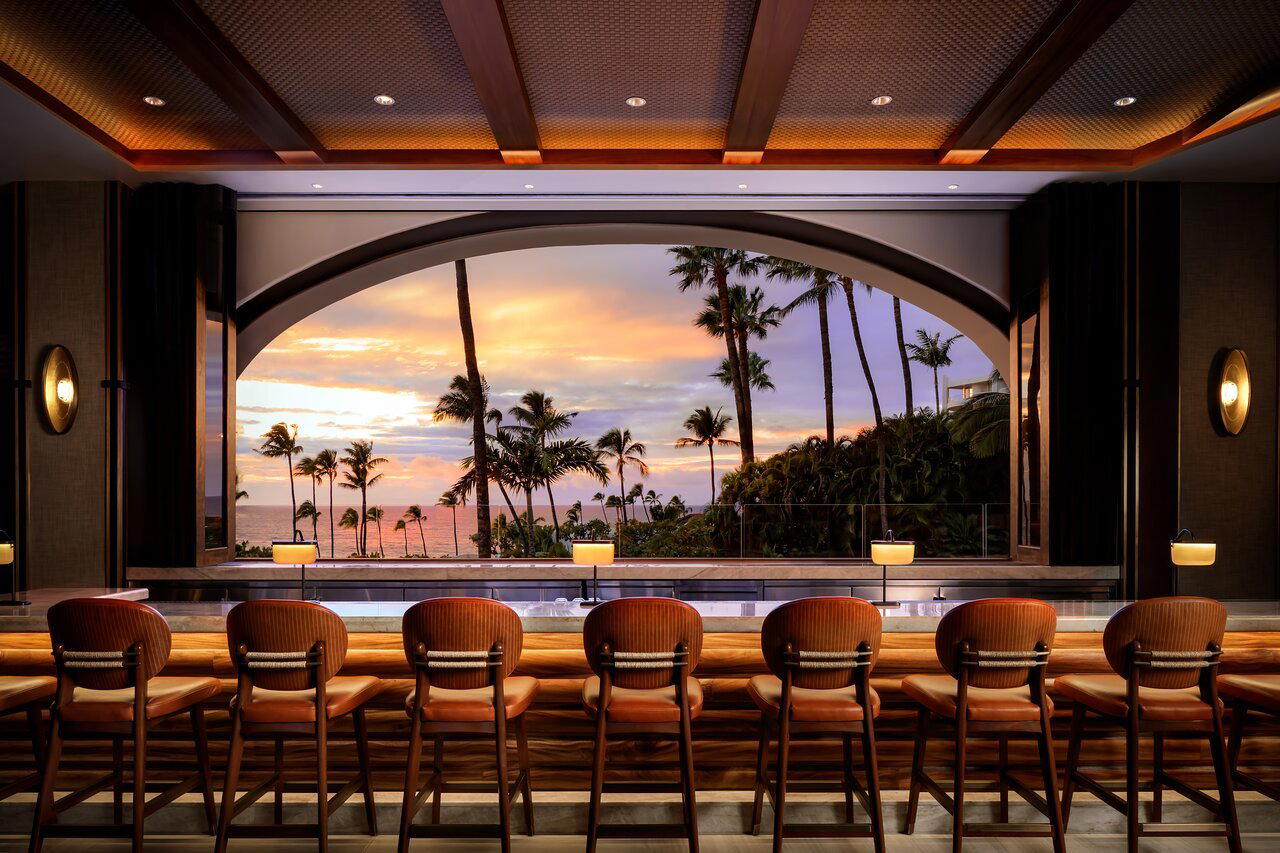
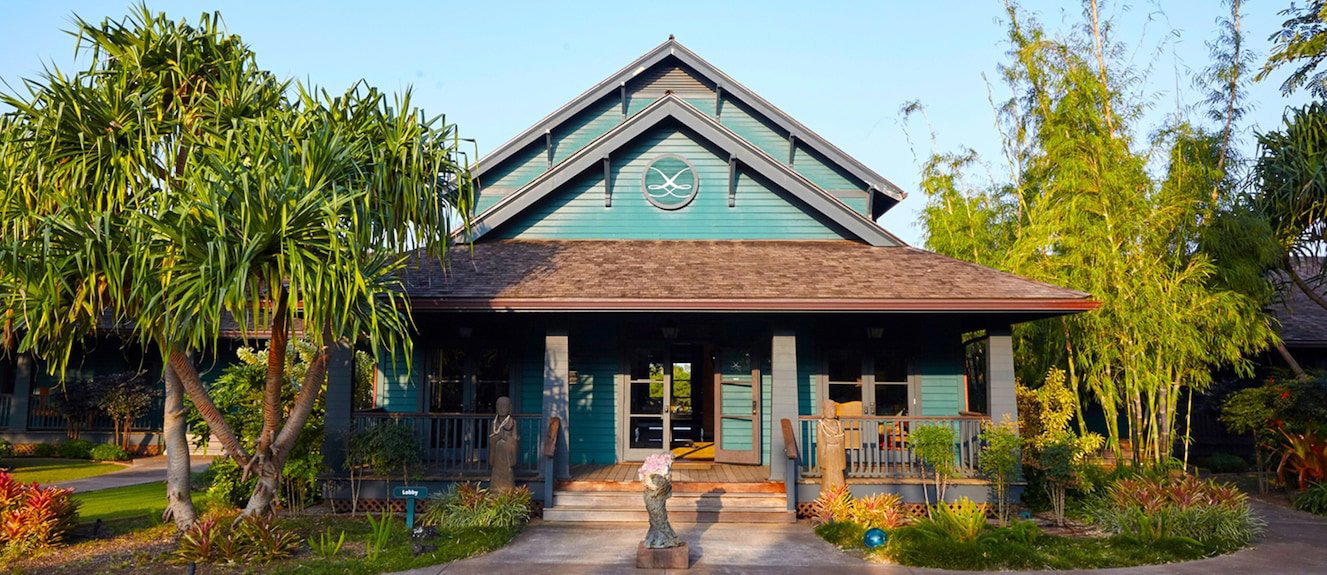
Tranquil and intimate with Japanese garden elements, art pieces, and music evoking wabi-sabi simplicity and natural profundity.