Voodoo Bayou
Voodoo Bayou pairs Cajun & Creole cooking with craft cocktails, live music, and a street-scene setting on Las Olas Boulevard for lunch, brunch, or dinner.
Pearl is the En Primeur Club membership app — saves, bookings, and concierge access live there. Same editors, same standards.
- Address
- 715 E Las Olas Blvd, Fort Lauderdale, FL 33301
- Phone
- +19543140669
- Website
- voodoobayou.com
- Directions
- Get directions
 Saves & bookings on Pearl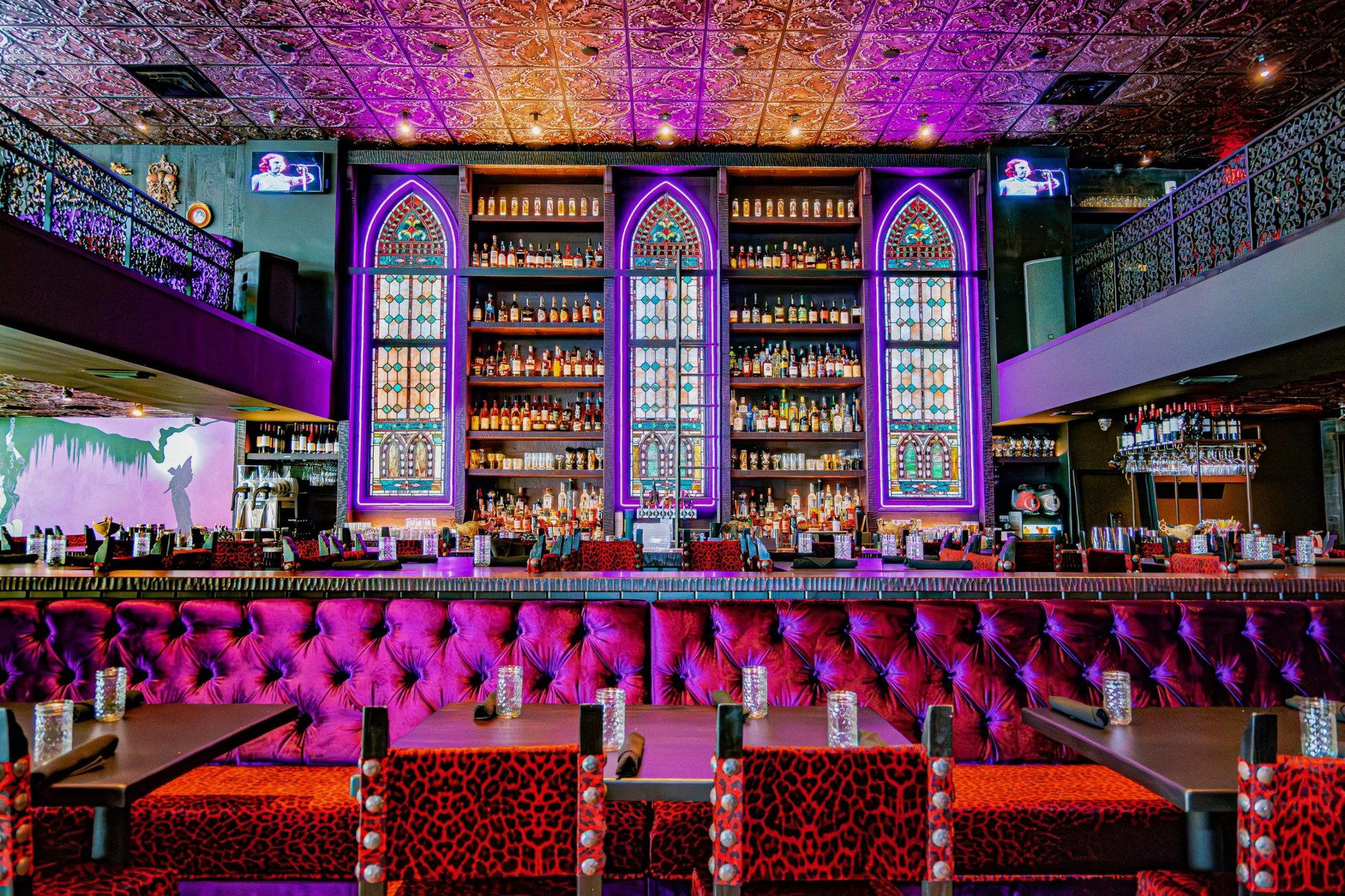
Las Olas After Dark: Where Bayou Culture Meets Florida Heat
Las Olas Boulevard runs like a spine through Fort Lauderdale's dining and nightlife district, and by early evening the sidewalks carry a specific energy: part beachside ease, part genuine urban appetite. Voodoo Bayou sits at 715 E Las Olas Blvd inside that current, drawing on the culinary and atmospheric vocabulary of the Gulf South in a city that more typically defaults to seafood towers and steakhouse formats. The name signals its intent plainly: this is a room that leans into Louisiana-inflected American cooking, the kind of cuisine built on slow-cooked stocks, smoked meats, and the particular salt-forward richness that defines New Orleans table culture.
That positioning on Las Olas places it in a competitive corridor that includes established names like Baires Grill - Las Olas and Anthony's Coal Fired Pizza, venues with different culinary anchors but similar footfall patterns. Where those address Argentinian and Italian-American traditions respectively, Voodoo Bayou draws from a third tradition: the Creole and Cajun-influenced cooking of the bayou states, which remains genuinely underrepresented in South Florida's dining scene despite the region's cultural proximity to New Orleans.
The Bayou South Tradition on a Florida Boulevard
Gulf South cooking has long divided into two broad strands. Cajun cooking, rooted in the rural parishes of Louisiana, is built on what is available locally: crawfish, andouille, dark roux, and smoked meats from hogs raised on the property. Creole cooking, historically urban and New Orleans-centric, absorbed French, Spanish, African, and Caribbean influences into something more architecturally complex. The two traditions bleed into one another in practice, and interesting American cooking in this register does not try to enforce a hard boundary between them. Restaurants that handle this material well tend to treat the pantry as evidence of geography rather than as a brand statement.
The question for any Florida venue working in this register is whether the food reads as authentic engagement with those traditions or as surface-level appropriation. Venues like Emeril's in New Orleans established a template for making this cuisine legible to a national audience without stripping its structural complexity. The better comparison points for what Voodoo Bayou is attempting would include any kitchen that treats gumbo as a serious technical project rather than a menu filler, and that approaches the spicing vocabulary of the bayou states with the kind of precision that fine-dining kitchens in other traditions bring to acidity and salt balance.
Front-of-House, Kitchen, and the Collaborative Floor
The dining room experience at a restaurant operating in the Gulf South tradition depends heavily on what the full-service team brings to the table, almost literally. Gulf South cooking is directional: dishes arrive with specific pacing logic, accompaniments matter, and a server who can explain the difference between a remoulade and an aioli, or walk a guest through the heat register of a given preparation, makes the difference between a meal that lands and one that confuses. In the American fine-casual tier, the collaboration between kitchen intent and front-of-house delivery is where the dining proposition either holds together or fragments.
This principle applies across the broader American dining scene, from technically demanding kitchens like Alinea in Chicago to produce-driven formats like Blue Hill at Stone Barns in Tarrytown. The floor team at any serious American restaurant now functions as a translation layer between the kitchen's reference points and the guest's experience. At a venue working in Creole and Cajun registers, that translation burden is higher than average, because the cuisine carries genuine cultural weight that deserves explanation rather than reduction to menu copy. Venues like Lazy Bear in San Francisco and Single Thread Farm in Healdsburg have demonstrated that when front-of-house and kitchen operate as a coherent unit rather than separate departments, the effect on the guest experience is measurable.
Fort Lauderdale's Dining Context
Fort Lauderdale's restaurant scene has developed considerable range in recent years, moving beyond its earlier identity as a secondary market to Miami. The waterfront remains a draw, with venues like 15th Street Fisheries and Anthony's Clam House anchoring the seafood tradition that the city's geography makes almost obligatory. Steakhouse formats are well represented, with Askaneli Restaurant and Steakhouse among the options in that category. For visitors covering more ground across the city's dining scene, the full Fort Lauderdale restaurants guide maps the wider picture.
What Las Olas specifically does well is concentrate venues at a walkable density, making it a logical base for an evening that moves between courses and drinks rather than committing to a single address. Within that strip, a venue that leans into a distinct regional American tradition occupies a position that differentiates it without requiring it to compete on the same axes as seafood or steakhouse formats. That kind of categorical separation is worth something on a busy boulevard where differentiation drives return visits.
Globally, Gulf South cooking sits in an interesting position relative to other American regional traditions. While formats like the New American tasting menu have attracted international recognition at venues such as The French Laundry in Napa, Providence in Los Angeles, and Addison in San Diego, Creole and Cajun cooking has remained more stubbornly local in its leading expressions. That localism is part of its appeal; it resists easy internationalization in ways that, say, a French-inflected tasting menu does not. Venues working in this register in cities outside Louisiana are participating in a kind of regional cuisine translation project, and the results depend on how seriously the kitchen takes its source material.
Planning Your Visit
The restaurant operates on Las Olas Boulevard, Fort Lauderdale's central dining and entertainment corridor, which is accessible by foot from most of the boulevard's hotels and parking structures along the street. Las Olas foot traffic peaks on weekend evenings, when the boulevard operates at full capacity; visiting on a weekday evening generally means a more settled pace.
Price and Positioning
Comparable venues nearby, for context on price, style, and recognition.
| Venue | Cuisine | Price | Notes |
|---|---|---|---|
| Voodoo BayouThis venue — the venue you are viewing | Las Olas, Cajun & Creole | $$$ | Not listed |
| Sixty Vines - Las Olas | Las Olas, Wine Country-Inspired American | $$$ | Not listed |
| Tide Coastal Kitchen | Not listed | $$$ | Fort Lauderdale, American Coastal Cuisine |
| Pura Vida Miami | Not listed | $$ | Victoria Park, Healthy Wellness Bowls & Acai |
| Tom Jenkins BBQ | South Federal Highway, Southern BBQ | $$ | Not listed |
| Leeward Market | Coffee House Grab-and-Go | $$ | Not listed |
Continue exploring
More in Fort Lauderdale
Restaurants in Fort Lauderdale
Browse all →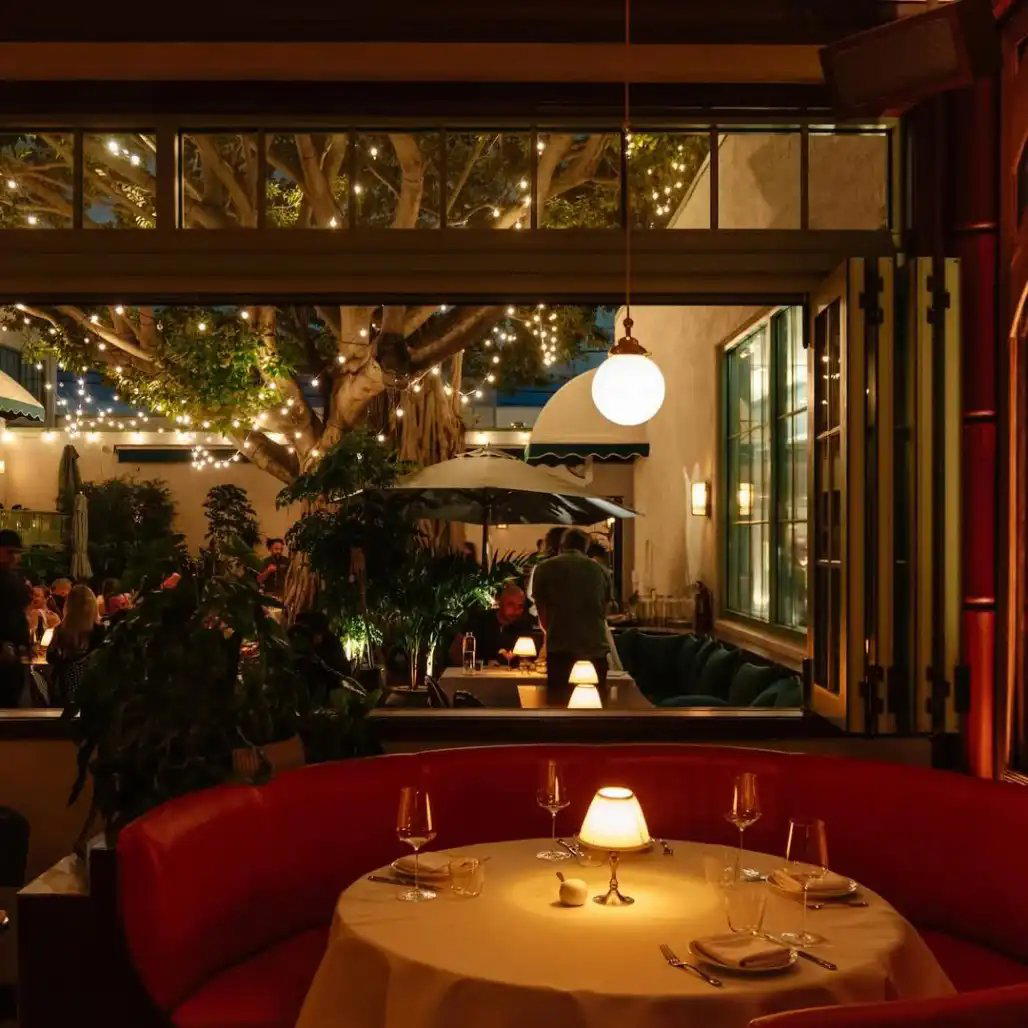
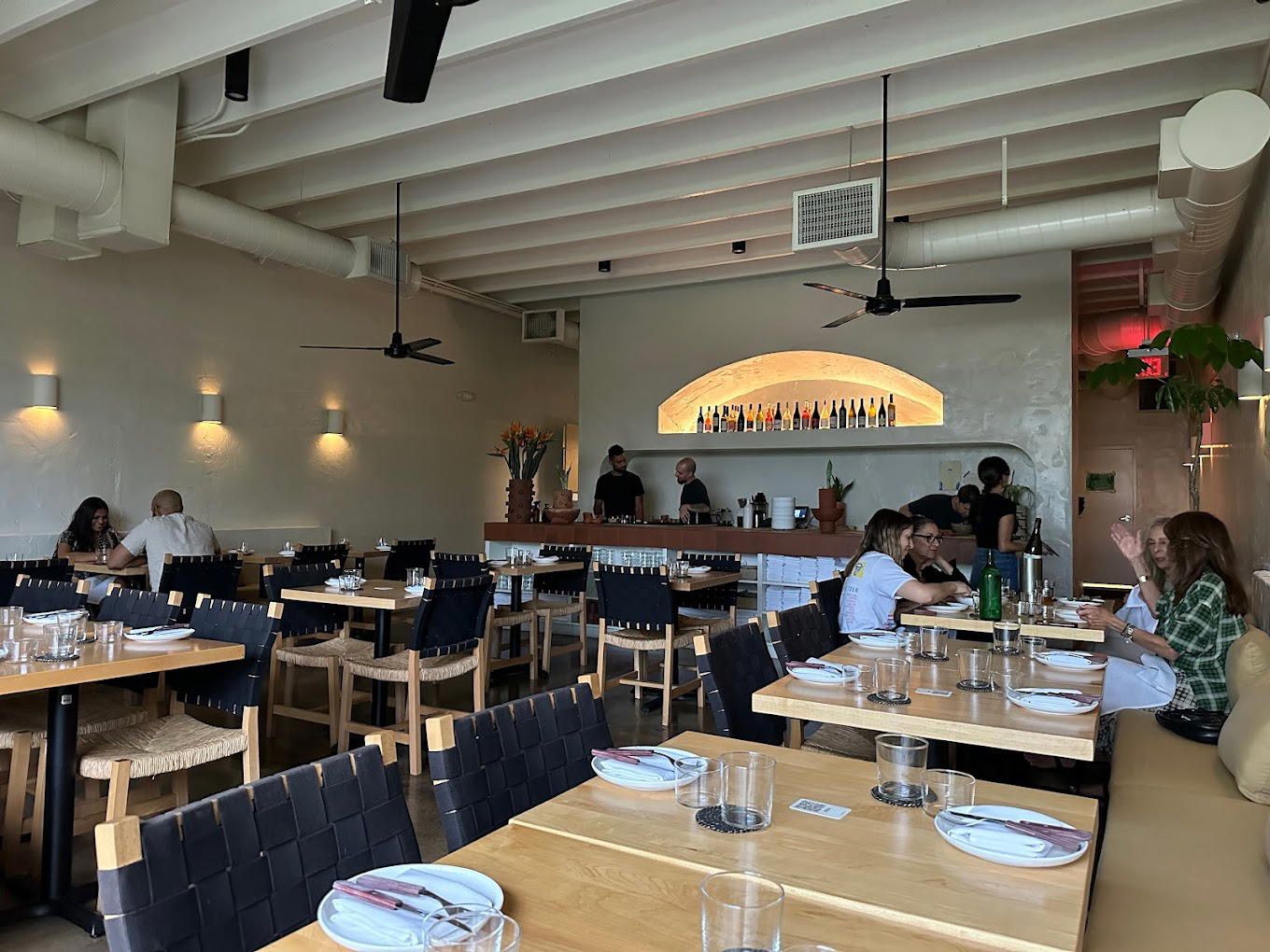
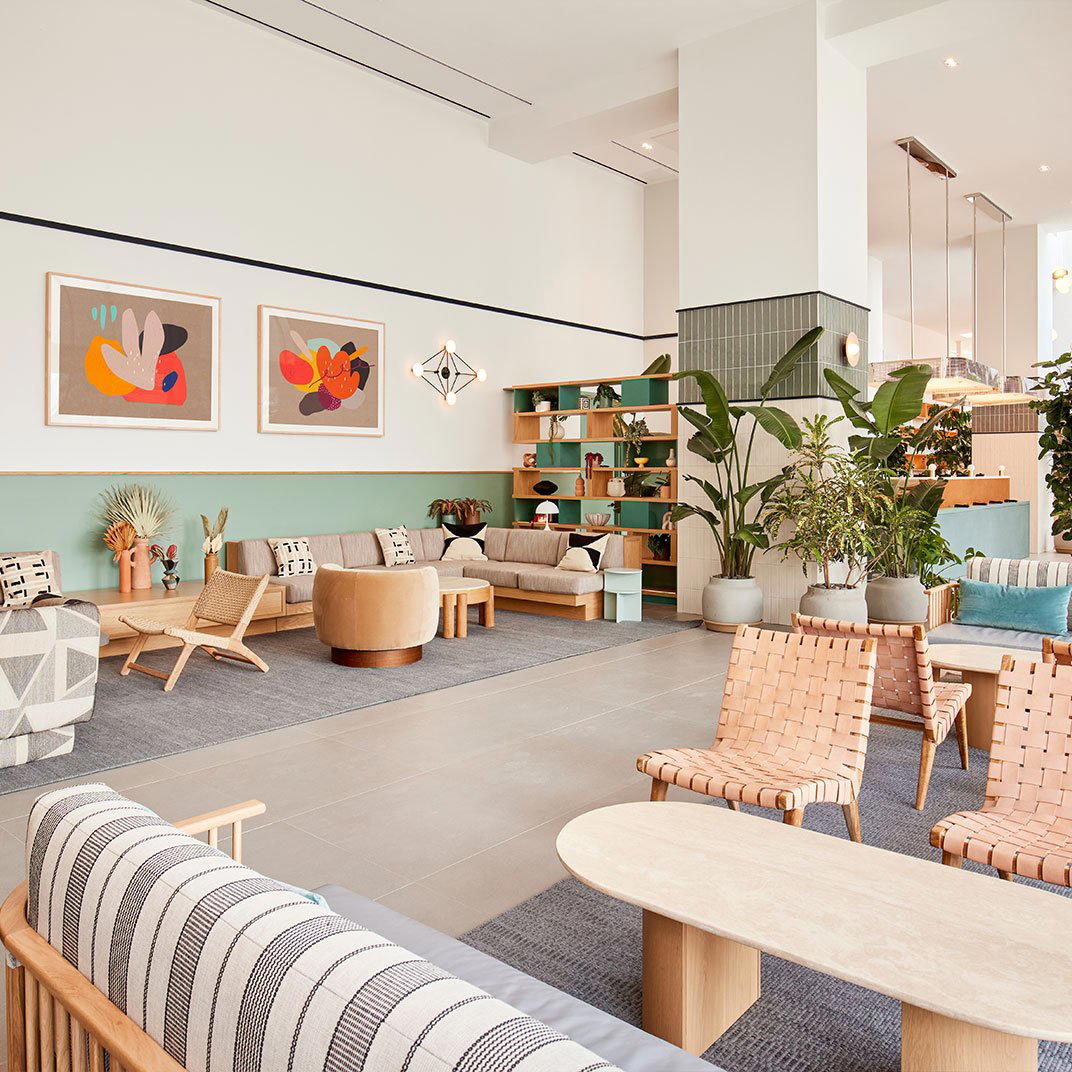
Bars in Fort Lauderdale
Browse all →

At a Glance
- Lively
- Rustic
- Trendy
- Brunch
- Date Night
- Casual Hangout
- Live Music
- Craft Cocktails
- Street Scene
Current opening hours
- Monday
- 11:30 AM–12 AM
- Tuesday
- 11:30 AM–12 AM
- Wednesday
- 11:30 AM–12 AM
- Thursday
- 11:30 AM–12 AM
- Friday
- 11:30 AM–1 AM
- Saturday
- 11 AM–1 AM
- Sunday
- 11 AM–10 PM
Hours can change for holidays and private events. Last verified .
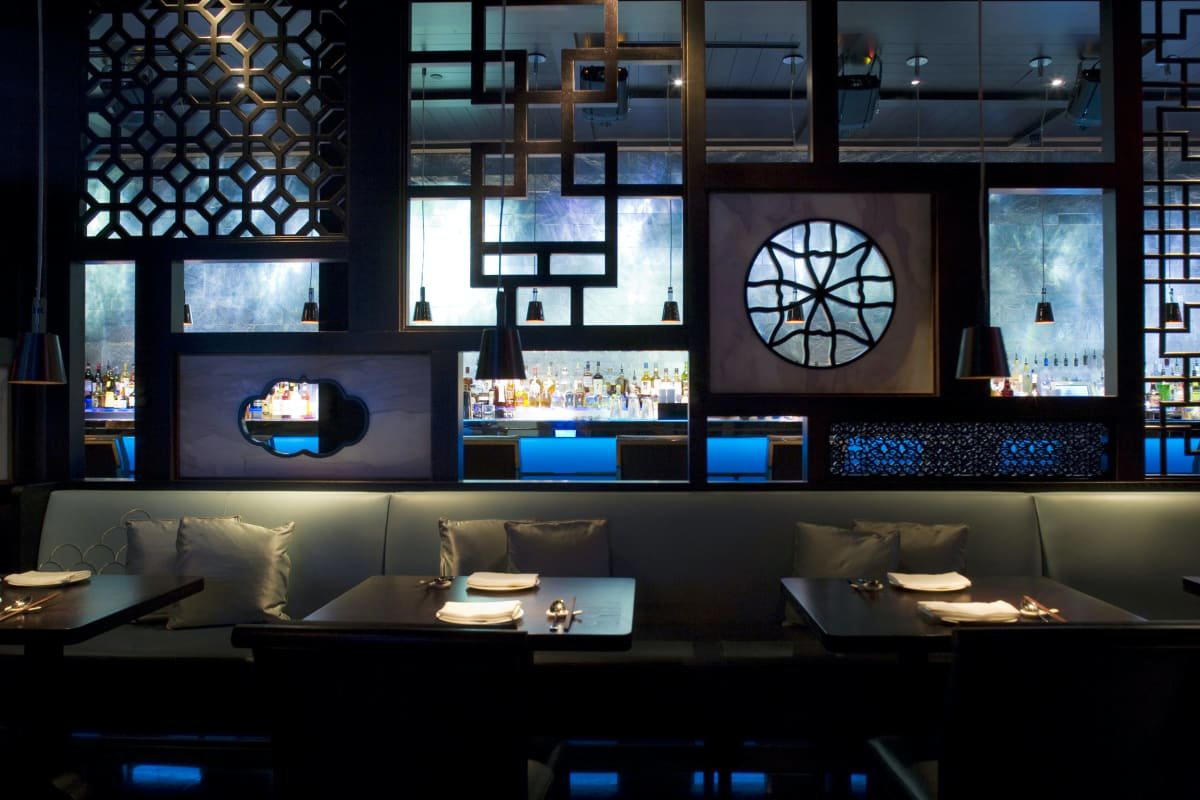
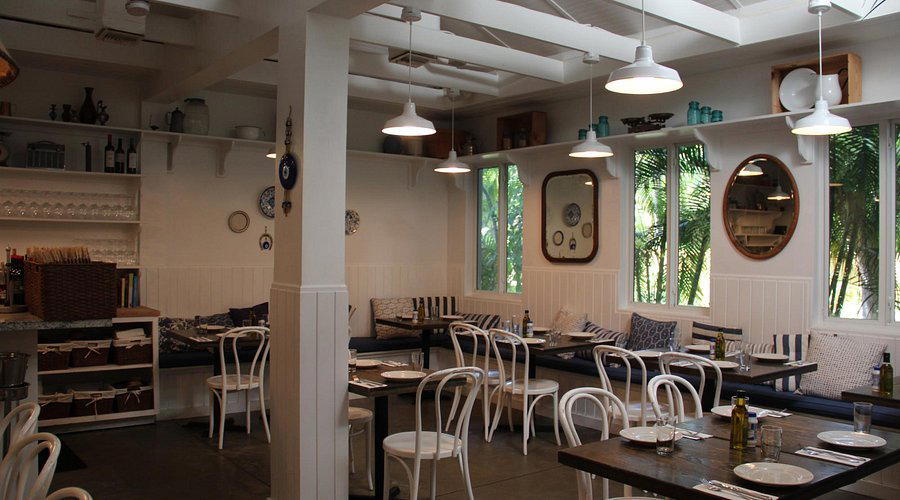
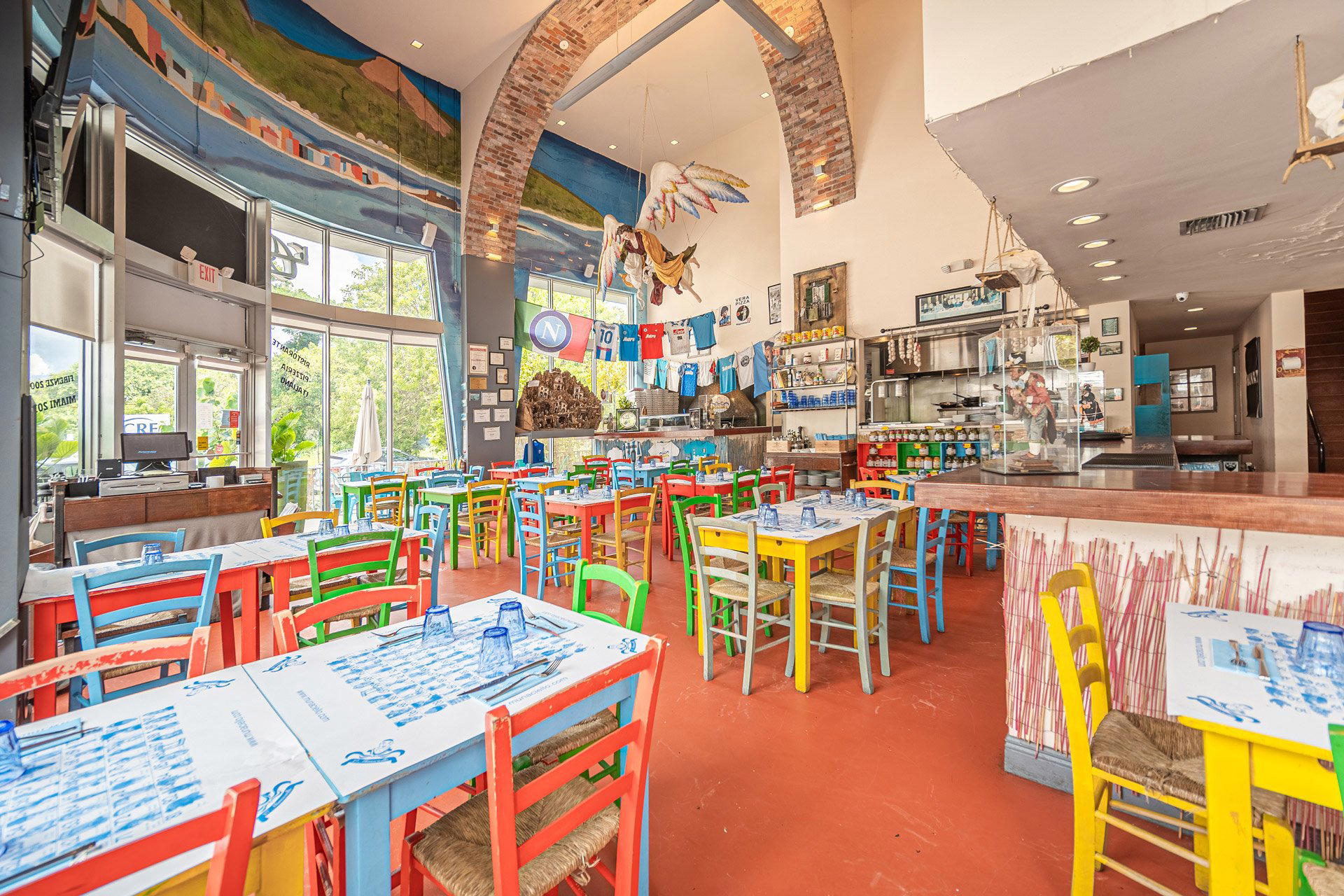
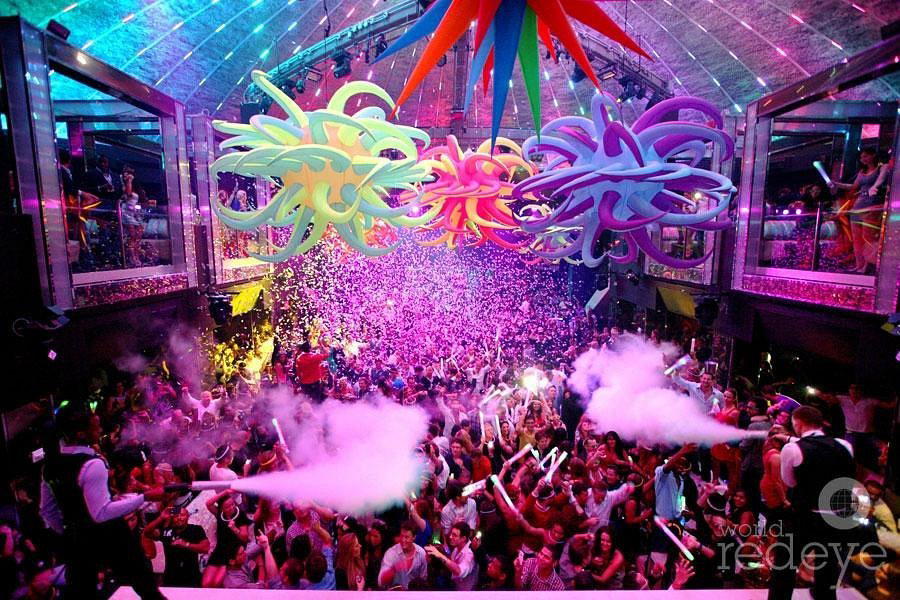
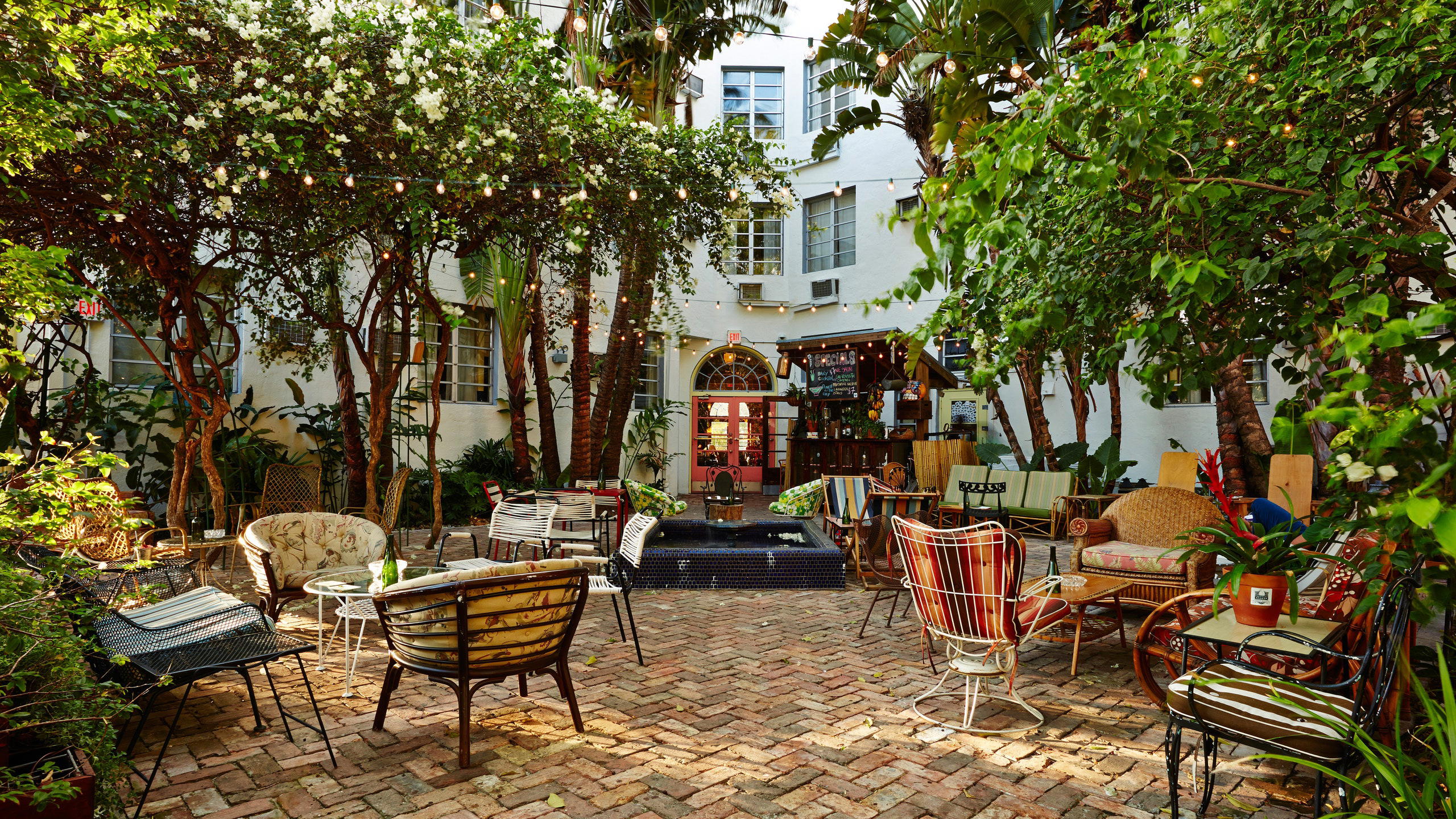
Rustic yet stylish bayou-themed interior with lively festive atmosphere, live music, and moderate noise.