Volcano Korean BBQ and Hotpot
Korean BBQ and hotpot at 1145 Woodruff Rd places two of Korea's most communal cooking traditions inside a single Greenville address. The format asks diners to cook at the table, making the meal as much a process as a product. For a city whose restaurant scene has expanded well beyond its Southern comfort food roots, Volcano represents a distinct register of interactive dining.
Pearl is the En Primeur Club membership app — saves, bookings, and concierge access live there. Same editors, same standards.
- Address
- 1145 Woodruff Rd, Greenville, SC 29607
- Phone
- +18642830100
- Website
- bbqhotpot.com
- Directions
- Get directions
 Saves & bookings on Pearl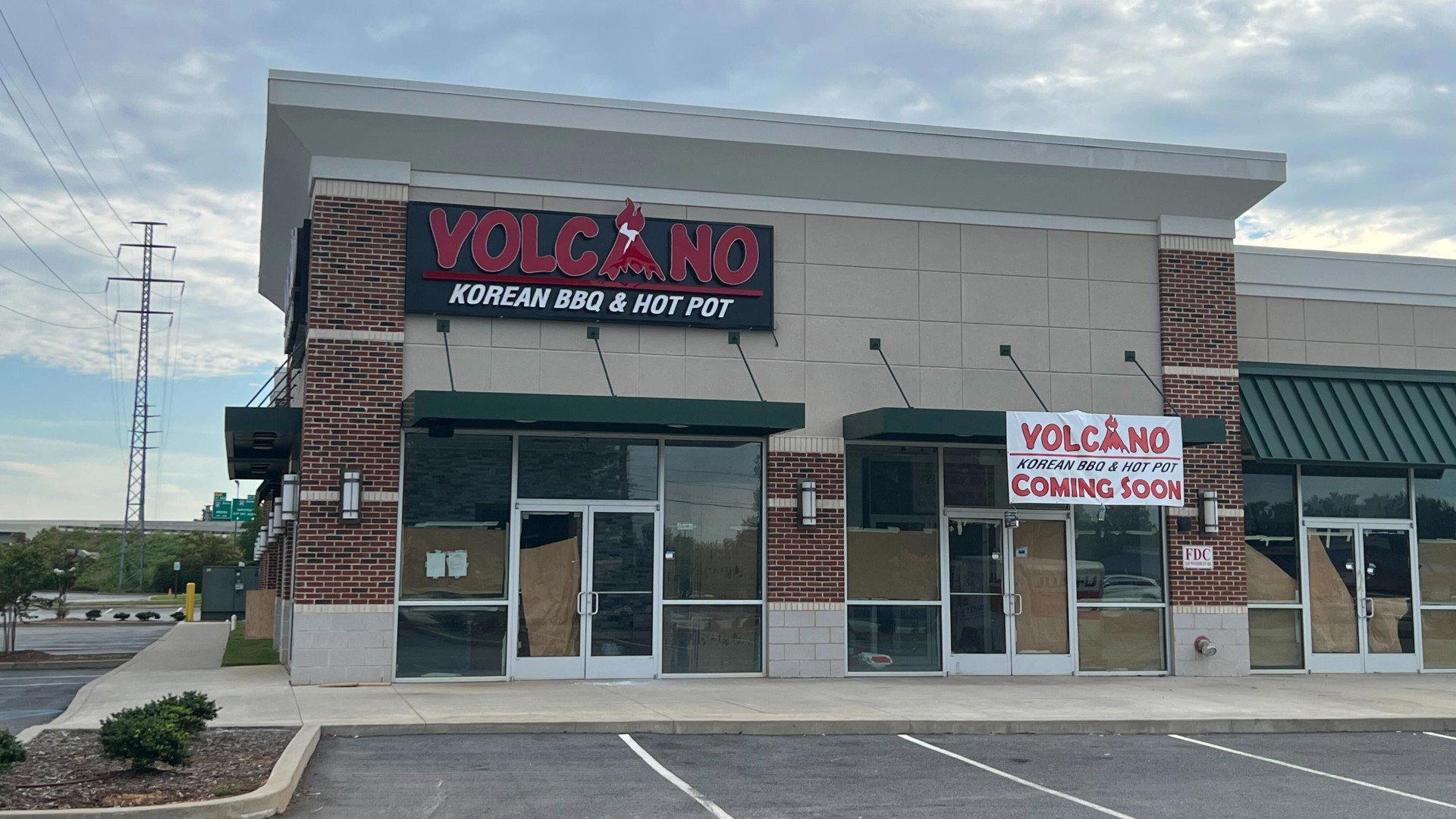
Table-Fire Cooking in the American South
Walk into a Korean BBQ restaurant and the first thing you notice is the infrastructure. Every table carries a ventilation hood, a live grill or burner, and a constellation of small dishes arranged before anyone has ordered a main. The room smells of charcoal and sesame, and the ambient noise is different from a conventional dining room: there is the hiss of meat hitting a hot grate, the low rumble of gas burners, and the kind of conversation that happens when a group of people is collectively managing something. Volcano Korean BBQ and Hotpot on Woodruff Road in Greenville, SC operates inside that format, bringing a cooking tradition rooted in Korean communal culture to a city that has seen its dining options diversify substantially over the past decade.
Korean BBQ and hotpot are not adjacent categories that happen to share a roof here — they are two expressions of the same cultural logic. In both cases, the table is a kitchen, the meal is collaborative, and the experience is structured around time spent at the fire rather than time spent waiting for a plate. That distinction matters in a market like Greenville, where the dominant dining registers remain either full-service American or fast-casual. A restaurant that asks guests to participate in their own cooking occupies a genuinely different position in the local food ecosystem.
The Cultural Architecture of the Korean Table
Korean BBQ, in its full cultural context, is a centuries-old practice tied to specific occasions: celebrations, business meetings, family gatherings. The gogigui tradition, which translates literally as meat cooking over fire, evolved in royal and aristocratic Korean kitchens before becoming a fixture of everyday Korean life. What reaches American diners today is a carefully simplified version of that tradition: marinated meats, a rotating set of banchan (side dishes that are refilled without additional charge), and a grill that the server tends or the diner manages depending on the house format.
Hotpot, while it shares the interactive format, draws from a different lineage. The practice of simmering ingredients in a communal broth at the table is documented across Chinese, Japanese, and Korean culinary histories, with each country developing its own broth bases, dipping protocols, and preferred proteins. Korean jeongol and shabu-shabu-influenced formats tend toward bold broths, heavy with gochugaru or doenjang, and they work differently from the grill: slower, more cumulative, the broth deepening as each ingredient cooks through. Venues that run both formats simultaneously give diners the option to anchor a meal in one tradition or move between both.
For the broader American market, Korean BBQ crossed from coastal ethnic-enclave dining into mainstream restaurant culture through a combination of factors: Korean pop culture, the visibility of Korean cuisine in food media, and the format's natural appeal to group dining. Cities like Los Angeles and New York built dense Korean BBQ corridors long before the format spread inland. In the South specifically, the penetration has been slower and more recent, which positions Greenville's Korean BBQ options as part of a second wave of geographic expansion rather than a mature local dining category.
Where Volcano Sits in Greenville's Expanding Table
Greenville's restaurant scene has developed quickly enough in recent years that it now supports meaningful range across price tiers and cuisines. The higher end of the market includes places like Scoundrel (French Brasserie), which brings a European cooking tradition to the Upstate, and Halls Chophouse Greenville, which occupies the premium steakhouse register. Further along the spectrum, Augusta Grill and Doe's Eat Place represent the city's grounding in Southern American tradition. Blair Hill Inn adds an American format with a different kind of setting. Our full Greenville restaurants guide maps this range in detail.
Volcano on Woodruff Road sits outside all of those registers. That cohort competes partly on format novelty in markets where Korean BBQ is still relatively new, and partly on the quality and variety of proteins, broths, and banchan. In cities where the format is already well established, the competitive pressure is sharper. In Greenville, the format itself still carries the weight of genuine discovery for a significant portion of the dining public.
Planning a Visit: Format, Location, and Timing
Volcano Korean BBQ and Hotpot is located at 1145 Woodruff Rd, Greenville, SC 29607, in a commercial corridor on the city's east side that hosts a concentration of dining and retail. The Woodruff Road strip is accessible primarily by car and sits outside the walkable downtown core, which means the visit functions differently from a spontaneous evening in the city center. Group dining is the natural mode here: the table-cooking format rewards larger parties who can order across more of the menu and manage multiple cooking surfaces simultaneously. Two diners can certainly make the format work, but four to six is the range where the economics and the experience align most naturally.
Weekend evenings at Korean BBQ restaurants in this tier and format typically run busiest, with waits possible during peak hours at locations that do not take reservations.
Korean BBQ at Scale: A National Reference Point
For readers who track where interactive Korean dining sits within the broader American fine and casual dining conversation, the format has attracted attention at serious levels. Atomix in New York City represents what happens when Korean culinary tradition is treated with the same institutional seriousness as European fine dining. It operates in a completely different tier from a casual BBQ-and-hotpot format, but it signals the depth of Korean gastronomy's reach into American dining culture. Meanwhile, the wider range of ambitious American dining referenced by venues like Le Bernardin in New York City, Alinea in Chicago, The French Laundry in Napa, Lazy Bear in San Francisco, Blue Hill at Stone Barns in Tarrytown, Providence in Los Angeles, Single Thread Farm in Healdsburg, Addison in San Diego, The Inn at Little Washington, Emeril's in New Orleans, and 8 1/2 Otto e Mezzo Bombana in Hong Kong forms the institutional backdrop against which all serious dining in America is now measured. Korean cooking has claimed a seat at that table, and casual Korean BBQ formats like Volcano are part of the same cultural current operating at a different altitude.
How Volcano Korean BBQ and Hotpot Greenville compares with similar nearby venues.
| Venue | Cuisine |
|---|---|
| Scoundrel | French Brasserie |
Continue exploring
More in Greenville
Restaurants in Greenville
Browse all →
Bars in Greenville
Browse all →
At a Glance
- Lively
- Energetic
- Group Dining
- Family
- Casual Hangout
- Open Kitchen
Current opening hours
- Monday
- 12–10:30 PM
- Tuesday
- 12–10:30 PM
- Wednesday
- 12–10:30 PM
- Thursday
- 12–10:30 PM
- Friday
- 12–11:30 PM
- Saturday
- 12–11:30 PM
- Sunday
- 12–10:30 PM
Hours can change for holidays and private events. Last verified .
Know Before You Go
- Getting there
- 1145 Woodruff Rd, Greenville, SC 29607