Braunbär Hotel & Spa

Michelin Selected
Braunbär Hotel & Spa holds a Michelin Selected distinction in Wengen, the car-free Bernese Oberland village perched above Interlaken at 1,274 metres. The property sits within a Swiss alpine hotel tradition that prizes proximity to the Jungfrau railway and direct mountain access as much as interior comfort. It represents the quieter, spa-focused end of Wengen's accommodation range.

Pearl is the En Primeur Club membership app, where members save venues, book tables and use the concierge.
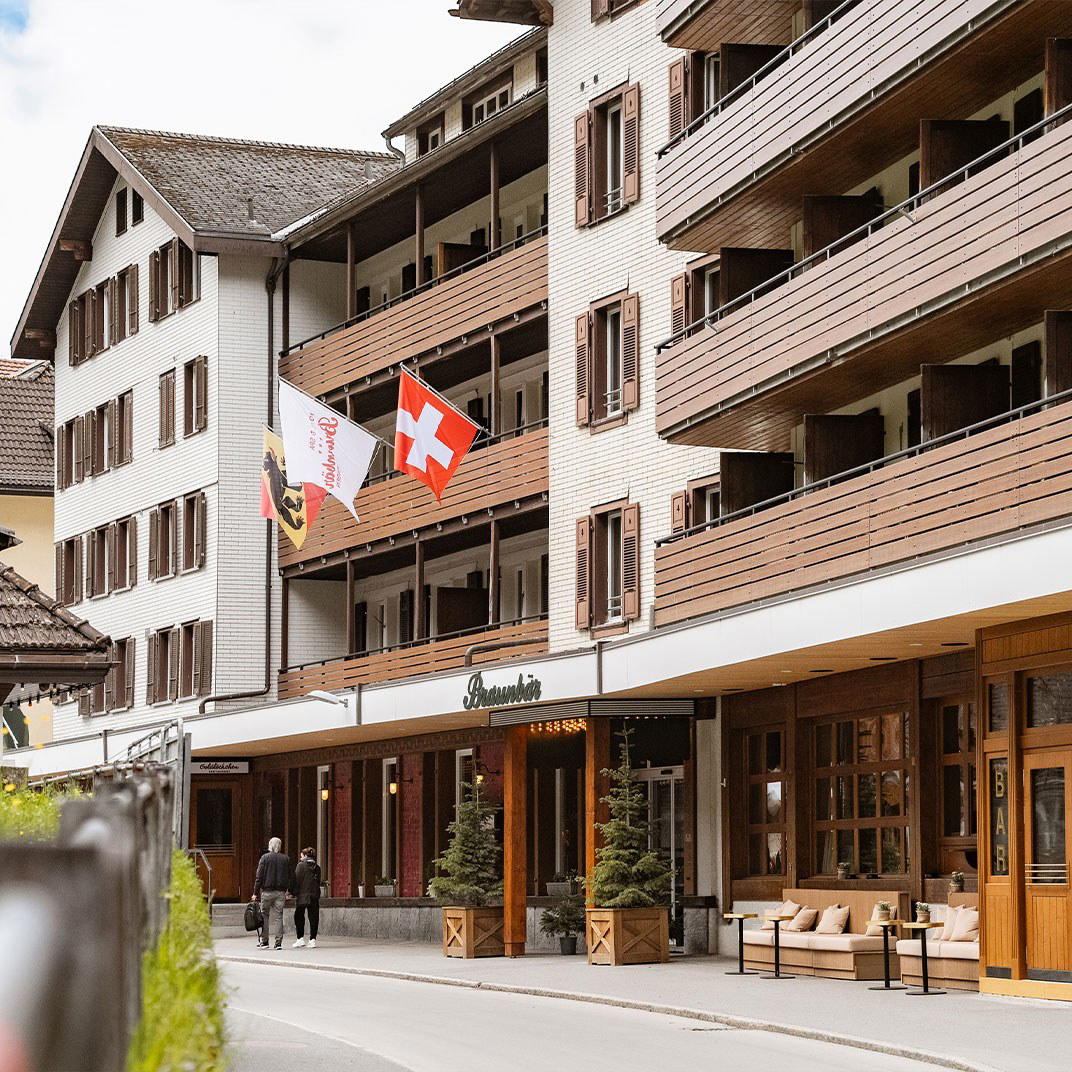
Wengen's Car-Free Altitude and What It Demands of Its Hotels
Arriving in Wengen means leaving your car at Lauterbrunnen and boarding the cogwheel railway. By the time the train deposits you at the village station, the absence of traffic has already done something to the atmosphere, the only sounds are wind, cowbells on the lower pastures in summer, and the distant mechanical hiss of ski lifts in winter. Hotels here operate under a specific set of constraints and advantages that shape the guest experience before a single room is unlocked: everything arrives by rail, the Eiger north face fills the eastern horizon at close range, and the village sits at 1,274 metres with the Jungfraujoch railway connection running through it toward Europe's highest railway station. That context is not incidental to understanding Braunbär Hotel & Spa, it is the context.
The selection signals a minimum standard of hospitality consistency rather than a specific category of luxury, which matters when comparing Wengen's offering to the grand-palace tier represented elsewhere in Switzerland by properties like Badrutt's Palace Hotel in St. Moritz or the Victoria-Jungfrau Grand Hotel & Spa in Interlaken, just down the valley. Braunbär sits in a different register: smaller-scale, village-embedded, with the spa component indicating a deliberate investment in recovery-focused amenity rather than ballroom programming.
The Alpine Spa Hotel Format in the Bernese Oberland
Switzerland's spa-hotel model in high-altitude villages has consolidated around a recognisable pattern over the past two decades: thermal or wellness infrastructure paired with mountain-facing rooms, a dining programme oriented toward regional produce, and a guest profile that splits between winter skiers using the Jungfrau ski area and summer hikers accessing the network above the village. Wengen's position on that trail and ski map gives its hotels an occupancy structure that differs markedly from year-round urban properties like Baur au Lac in Zürich or Hotel Les Trois Rois in Basel. The seasonal rhythm is sharper, and properties that survive across both high seasons have typically built their spa and dining offerings to function as destination amenities in their own right, not merely as extensions of the ski day.
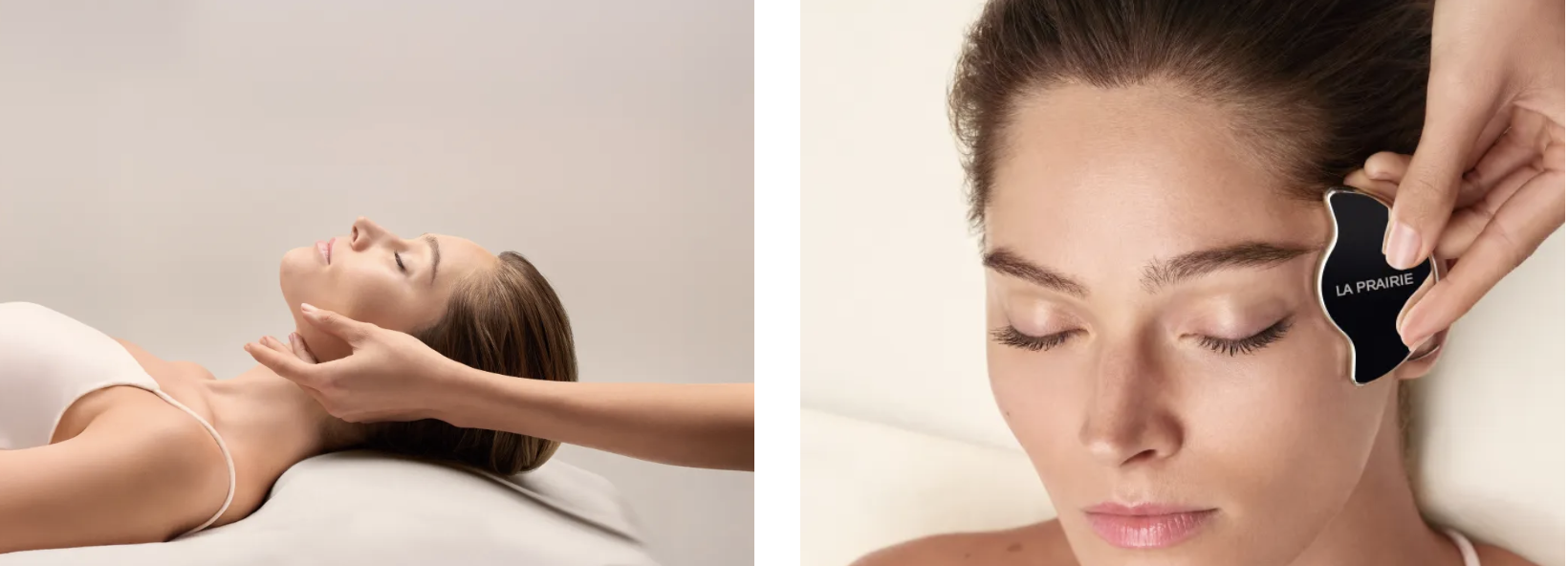
At Braunbär, the spa designation points toward exactly that model. In the Bernese Oberland, where the Grand Resort Bad Ragaz in Bad Ragaz and the Bürgenstock Resort in Bürgenstock represent the top end of Swiss spa investment, the village hotel format operates at a different scale but with comparable intent: the spa exists to extend the stay, to provide purpose on weather-closed days, and to anchor the off-mountain hours in something more substantial than a fondue evening and an early bed.
Dining in Wengen: What the Mountain Sets on the Table
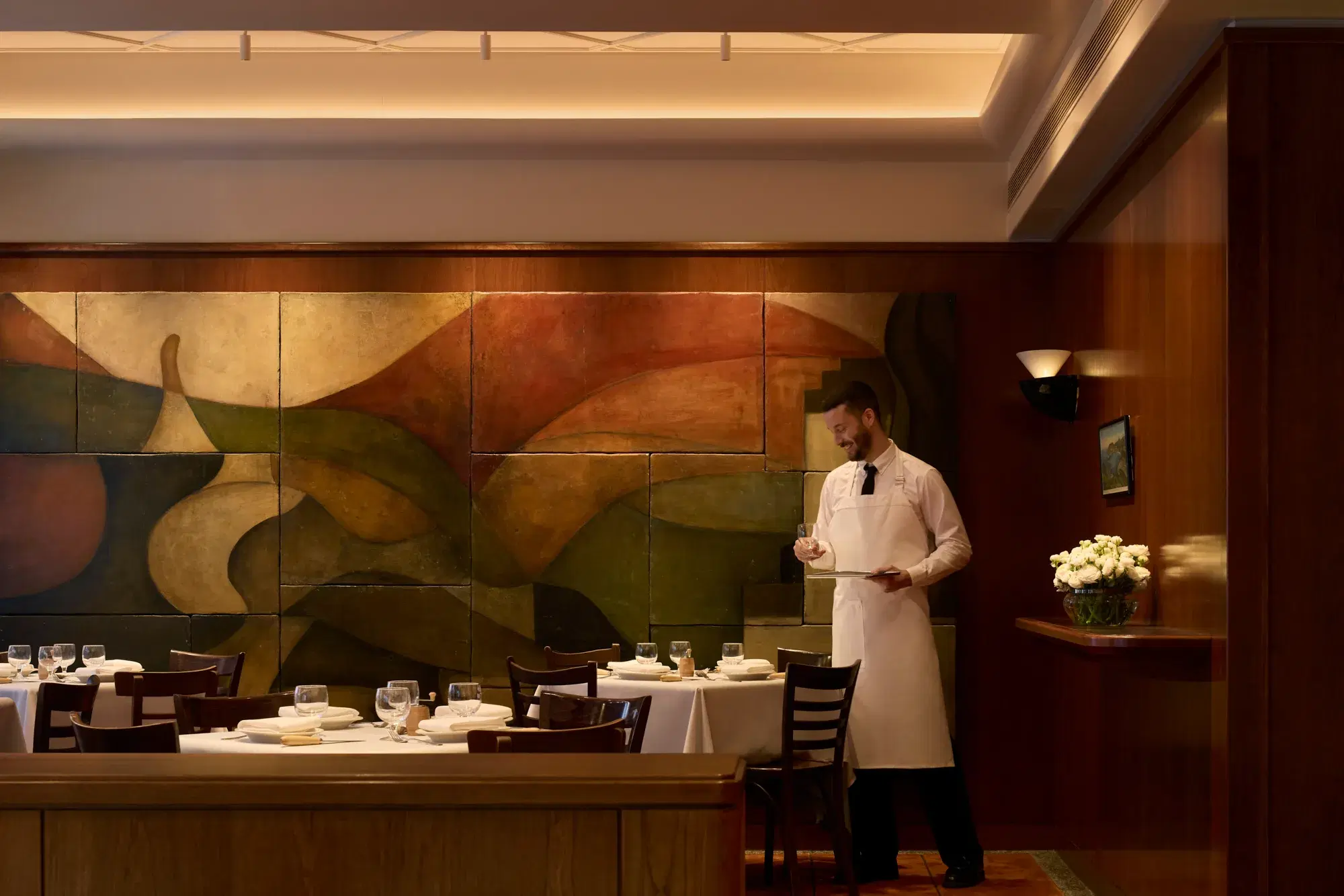
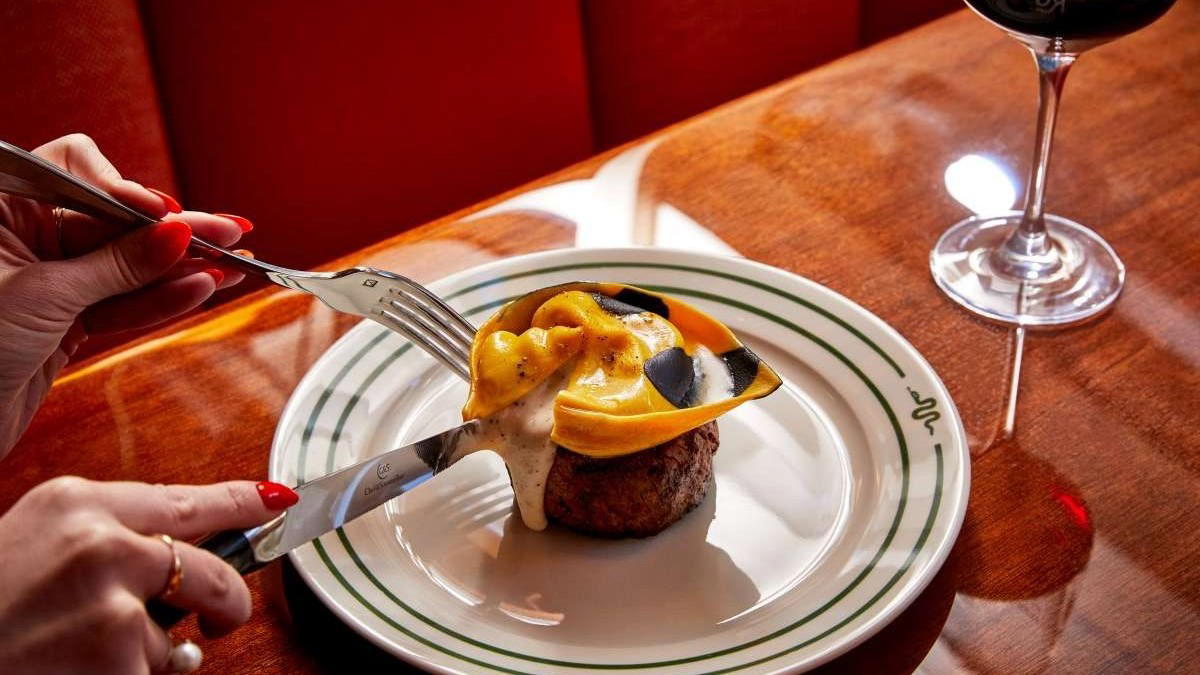
The editorial angle of EA-HT-02 applies with particular force in Wengen because the village's car-free logistics make the hotel dining programme more consequential than in a city where a dozen restaurants are within a ten-minute walk. Supply chains run on the cogwheel railway schedule; fresh fish, regional cheeses, and seasonal produce from the Bernese Mittelland arrive on the same trains as the guests. Hotels that take their kitchen seriously in this environment are operating against genuine constraints, and those constraints tend to produce either predictable comfort cooking or genuinely focused menus built around what the railway reliably delivers.
The broader Swiss alpine dining tradition, from which Wengen hotels draw, has moved in the past decade toward a more deliberate engagement with Appenzeller and Emmentaler dairy products, with Bernese charcuterie, and with the shorter growing season's concentrated vegetable character. Properties at the Michelin Selected level across Swiss mountain resorts, compare the approach at The Alpina Gstaad in Gstaad or Hostellerie du Pas de l'Ours in Crans-Montana, have generally moved beyond the fondue-and-rösti default toward menus that treat altitude and regionality as an asset rather than a limitation.
Wengen's Competitive Position Among Swiss Mountain Villages
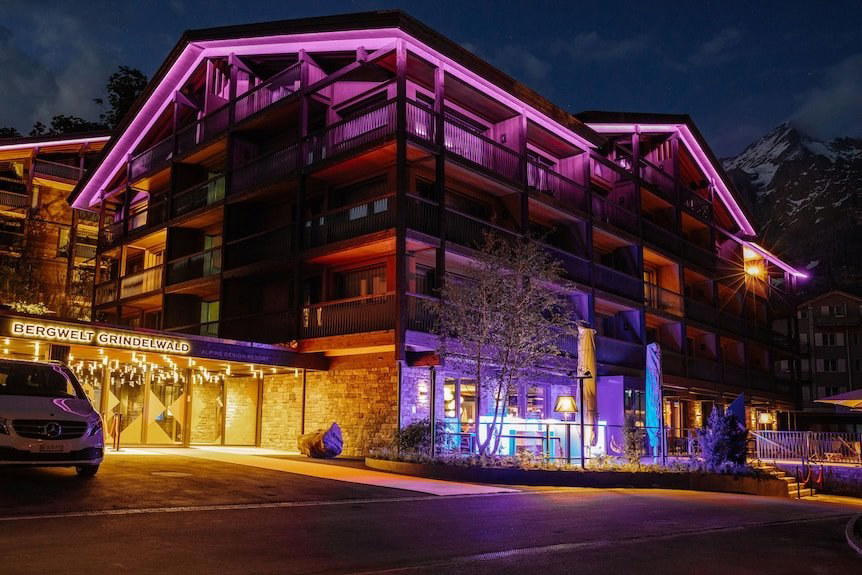
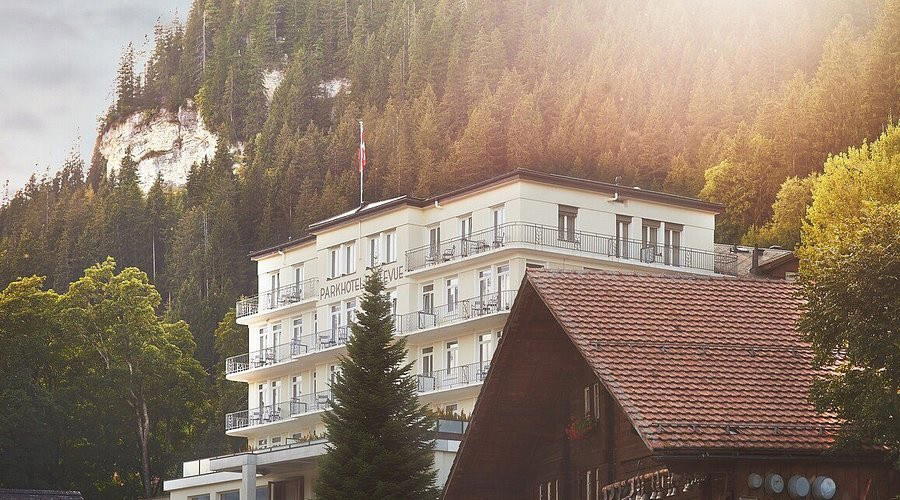
Among Switzerland's premium mountain destinations, Wengen occupies a specific niche: less flashy than St. Moritz, less internationally branded than Zermatt (where Matterhorn FOCUS represents the design-led end of that market), and less commercialised than Verbier. That positioning attracts a guest who values the Jungfrau railway access and the 1930s village architecture as much as ski-in-ski-out convenience. The two Michelin Selected properties currently operating in Wengen, Braunbär and neighbours including Grand Hotel Belvedere, Beaumier Hotel and Schönegg, collectively signal that Michelin's evaluators see Wengen as a village capable of consistent hospitality standards, even within its logistical constraints.
For context on how Braunbär sits within Swiss mountain accommodation more broadly, the relevant peer comparison is not the palace-hotel tier (represented by Tschuggen Grand Hotel in Arosa or The Chedi Andermatt in Andermatt) but rather the mid-scale, spa-equipped village hotel that draws repeat guests through a combination of mountain access, personal service, and a dining programme that earns its own loyalty. Properties like The Capra in Saas-Fee and Hotel Villa Honegg in Ennetbürgen illustrate the same model in different Swiss valleys.
Planning a Stay: What to Know Before You Book
Wengen operates on a seasonal calendar with two clear peaks: December through March for skiing on the Jungfrau ski area, and June through September for hiking and summer mountain access. Both windows book ahead, with the winter peak requiring the most lead time given the limited accommodation stock in a car-free village.michelin.com/us/en/hotels-stays carries the current listing with contact and availability information. Guests arriving by train from Interlaken Ost should note that the journey involves a change at Lauterbrunnen onto the Wengernalp Railway, a connection that takes roughly 35 to 40 minutes in total from Interlaken. For a broader picture of where Braunbär sits within the village's dining and accommodation scene, see our full Wengen restaurants guide.
A Pricing-First Comparison
Comparable venues nearby, for context on price, style, and recognition.
| Venue | Price | Awards | Notes |
|---|---|---|---|
| Braunbär Hotel & SpaThis venue (the venue you are viewing) | $300–500 | Michelin Selected | Not listed |
| Grand Hotel Belvedere, Beaumier Hotel | $300–500 | Michelin Selected · Mr & Mrs Smith Seal of Approval | Wengen, Heimatstil heritage reimagined with minimalist contemporary Alpine luxury |
| Schönegg | Not listed | Michelin Selected | centre, Historic alpine chalet renovated in 2012 preserving traditional charm with modern updates. |
| Hotel Eden Spiez | $300–500 | Michelin Selected | Spiez, Elegant superior resort on a sunny terrace amid idyllic park. |
| AMERON Zurich Bellerive au Lac | $300–500 | Michelin Selected · Mr & Mrs Smith Seal of Approval | Riesbach, Revived 1920s Art Deco with urban Mediterranean flair |
| Hotel Hofgarten | $200–300 | Not listed | Old Town Lucerne, Historic heritage property with traditional Swiss architecture across three interconnected buildings, emphasizing timeless charm and local character. |
Recognition history
Dated appearances from independent guides and award organizations, with the underlying list record or original source where available.
Michelin Selected
Michelin
Continue exploring
More in Wengen
Hotels in Wengen
All hotels in Wengen →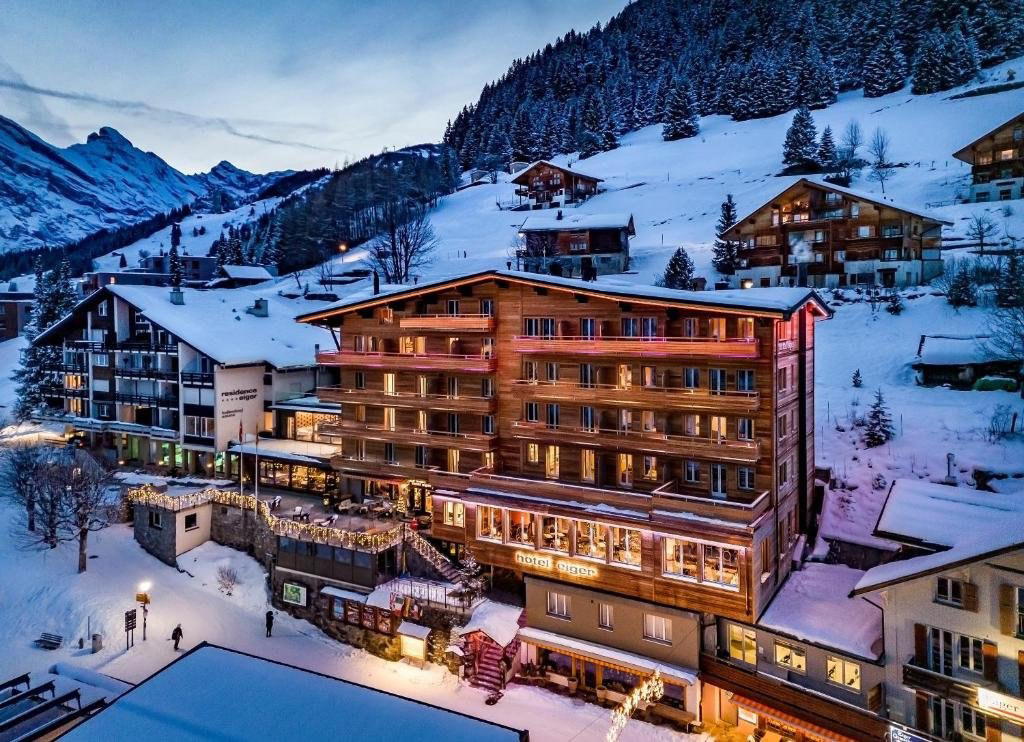
Bars in Wengen
Browse all →

Details
- Cozy
- Scenic
- Elegant
- Family Vacation
- Wellness Retreat
- Romantic Getaway
- Ski In Ski Out
- Panoramic View
- Spa
- Pool
- Sauna
- Wi Fi
- Restaurant
- Indoor Pool
- Mountain
- Wheelchair Accessible
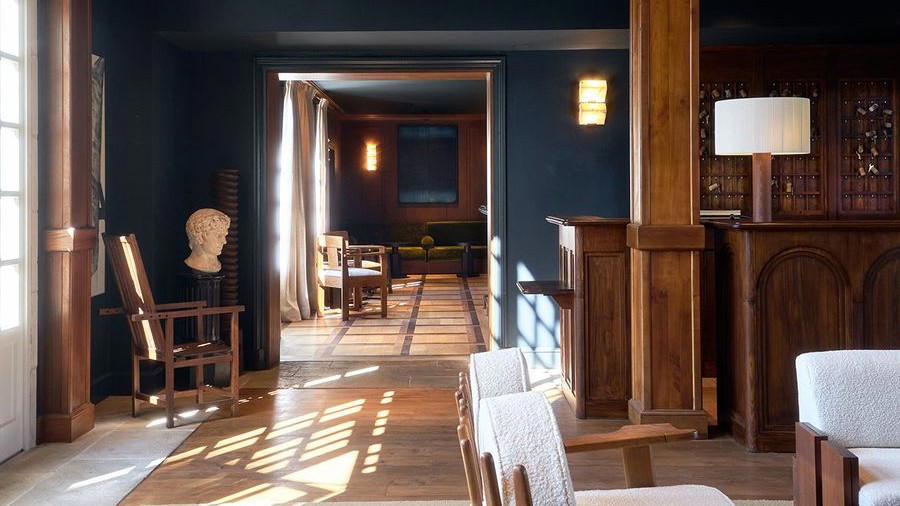
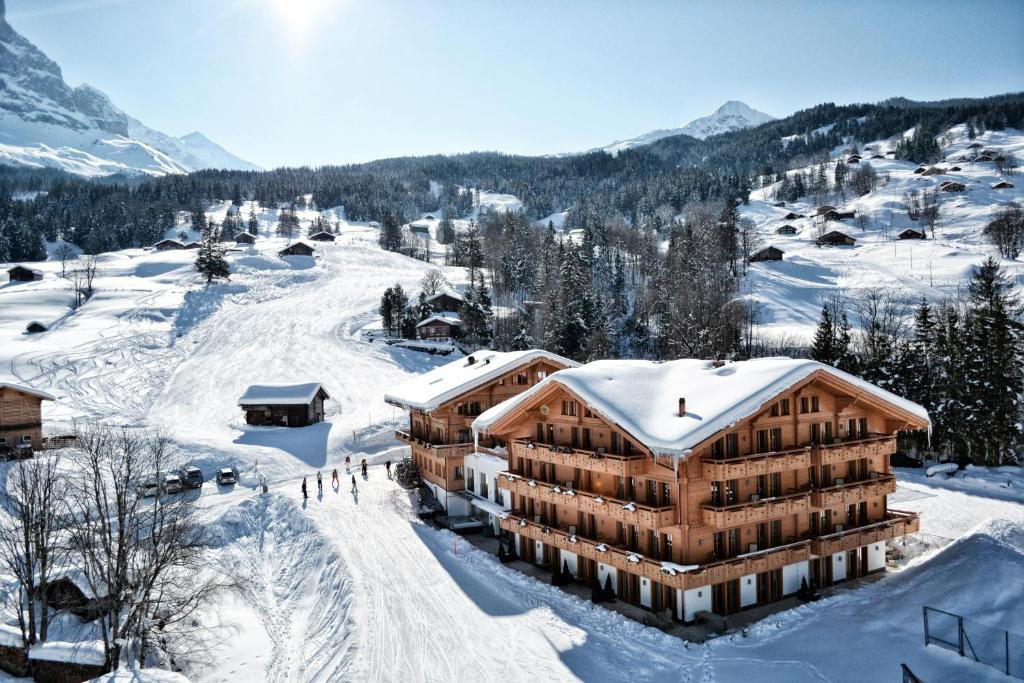
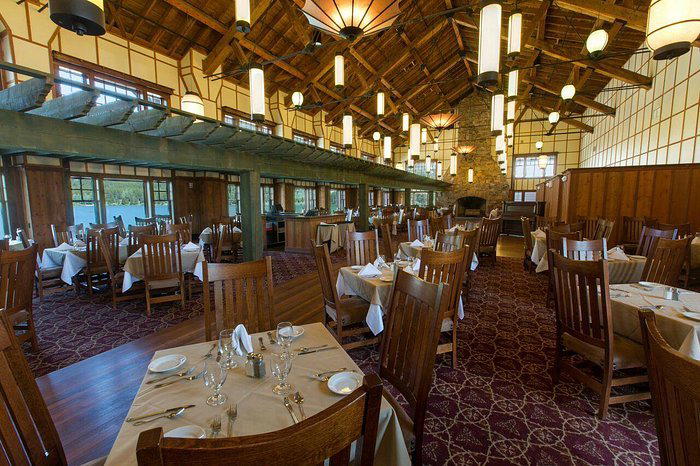
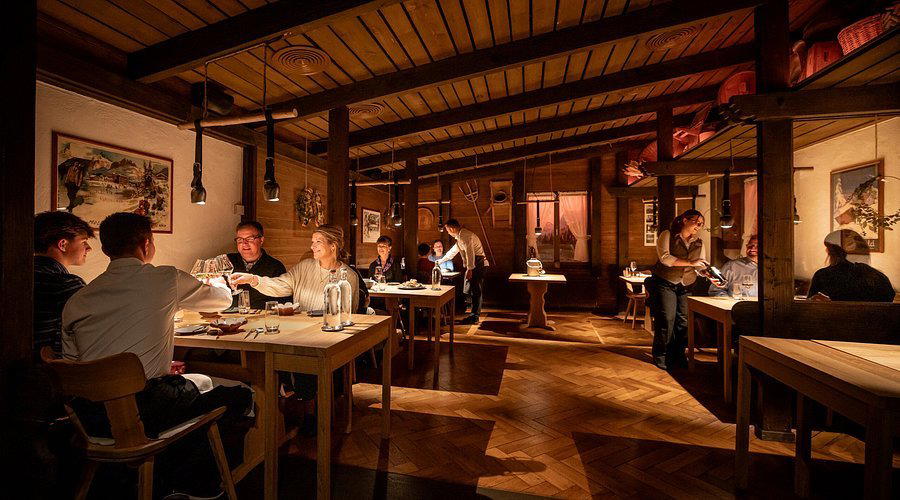
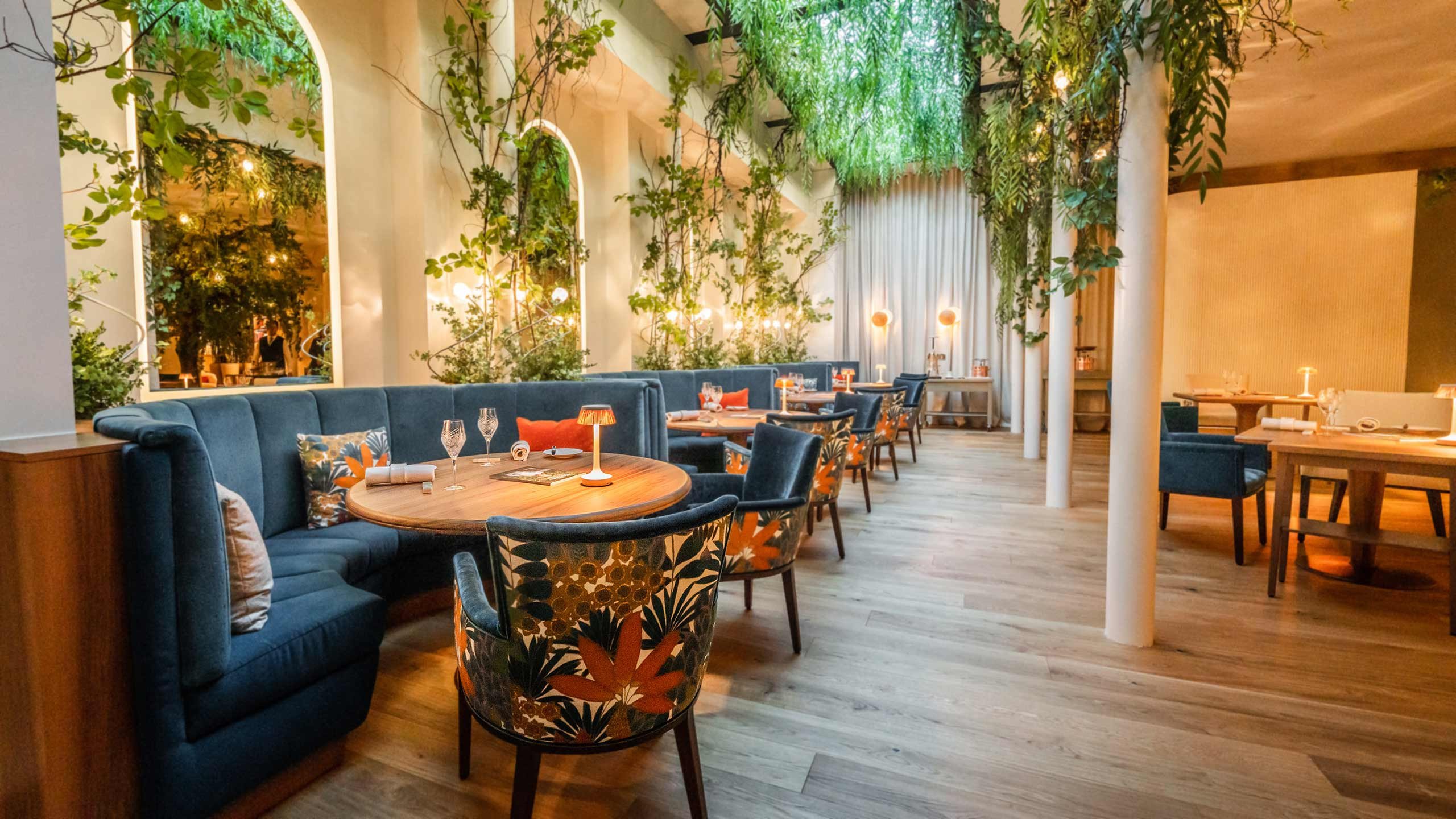
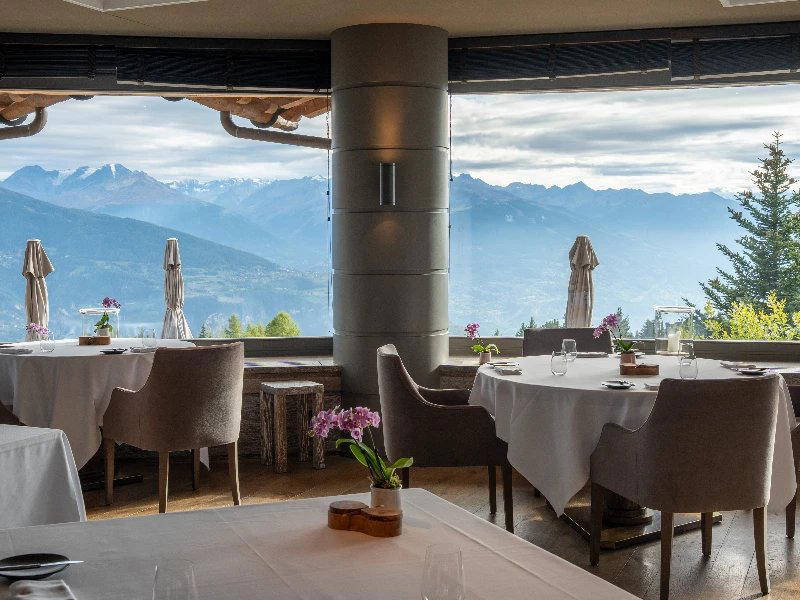
Cozy alpine retreat with modern comforts, light wood, soft colors, and a welcoming family-oriented atmosphere enhanced by spa tranquility.