Vito Restaurant
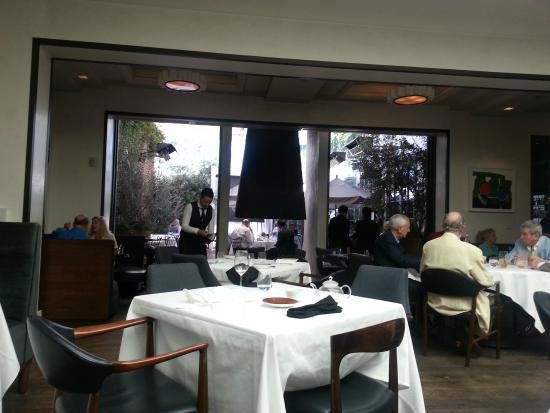
Vito Restaurant pairs classic Italian cooking with craft cocktails at 2807 Ocean Park Blvd, with private dining and a conversational room that suits lunch or dinner.
Pearl is the En Primeur Club membership app — saves, bookings, and concierge access live there. Same editors, same standards.
- Address
- 2807 Ocean Park Blvd, Santa Monica, CA 90405
- Phone
- +13104504999
- Website
- vitorestaurant.com
- Directions
- Get directions
 Saves & bookings on Pearl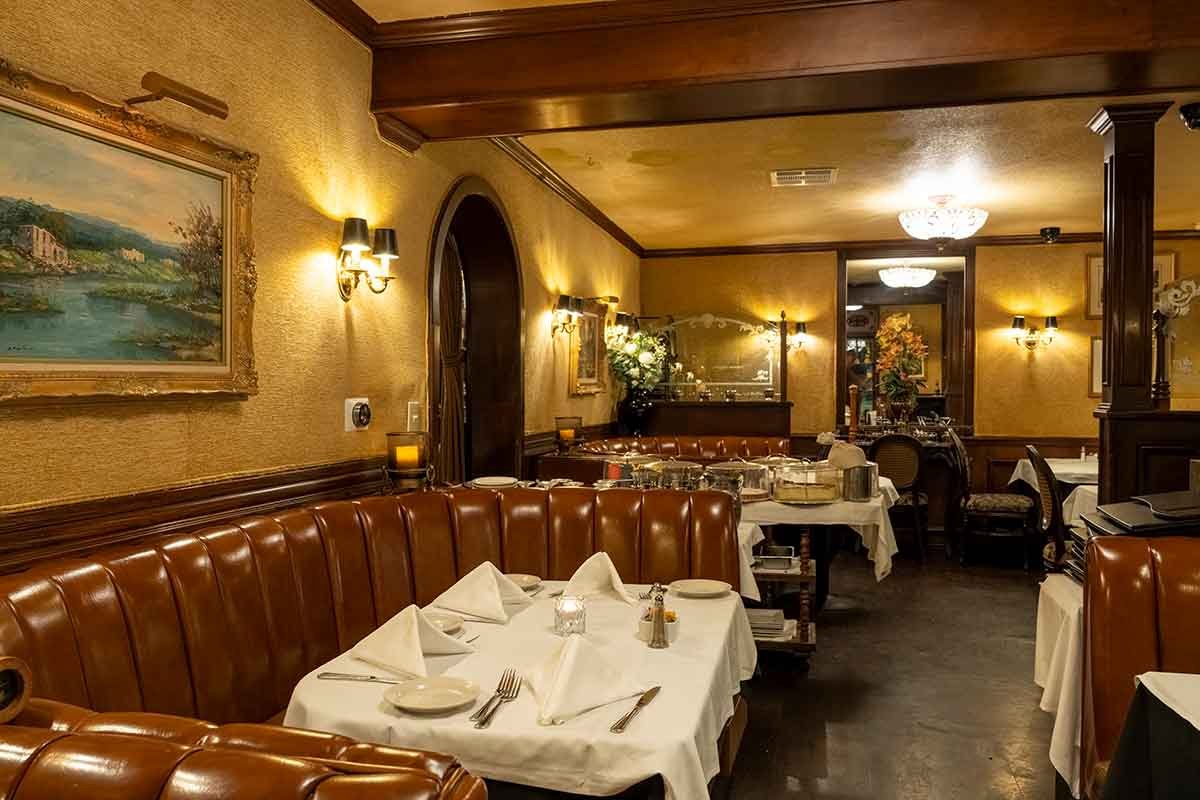
Ocean Park Boulevard and the Italian Tradition in Santa Monica
The stretch of Ocean Park Boulevard that runs through Santa Monica's southern residential neighborhoods operates at a different register than the tourist-facing blocks closer to the pier. The foot traffic is local, the parking is residential, and the restaurants that survive here tend to do so on repeat business from the surrounding blocks rather than on walk-in volume from visitors. Vito Restaurant, at 2807 Ocean Park Blvd, occupies exactly that kind of position: a neighborhood anchor in a part of Santa Monica that rewards those who know where to look.
Italian-American cooking in Southern California has a longer and more complicated history than the casual observer might assume. The wave of Italian immigration that shaped the cooking of New York and Chicago arrived on the West Coast later and in smaller numbers, which meant that Italian restaurants here often developed along different lines, absorbing local produce and Pacific ingredients rather than replicating East Coast red-sauce traditions wholesale. The result, across decades, has been a California-Italian idiom that sits somewhere between Italian-American tradition and the produce-driven cooking that defines so much of what makes this region distinctive in the broader American dining conversation.
Sourcing in a Region Built for It
The ingredient argument for cooking in Southern California is difficult to overstate. The Los Angeles basin and its surrounding regions are within reach of some of the country's most productive agricultural land: the Santa Monica Farmers Market, held on Wednesdays and Saturdays, draws directly from farms in Ventura County, the San Fernando Valley, and Central California. For Italian cooking specifically, that access matters enormously. Tomatoes grown in Southern California sun, stone fruits at their peak in July and August, winter citrus from local groves: these are not background details but the actual raw material that separates seasonal Italian cooking from its year-round approximation.
The farm-to-table framing has become so routine in American restaurant marketing that it risks losing meaning entirely, but in Santa Monica the infrastructure genuinely exists to support it. Restaurants in this neighborhood that take sourcing seriously have shorter supply chains to local producers than their counterparts in most American cities. The question for any given kitchen is whether that proximity is used deliberately or treated as ambient scenery.
Diners who prioritize sourcing transparency in the restaurants they choose will find that Ocean Park Blvd's neighborhood character tends to attract operators who are answerable to the same community week after week. That kind of accountability, rare in high-turnover tourist corridors, tends to concentrate in residential dining pockets like this one.
The Santa Monica Italian Context
Santa Monica's Italian dining options range considerably in ambition and format. Amici Brentwood, drawing from the Brentwood residential crowd, represents one model: polished, consistent, aimed at a wine-with-dinner clientele. Further along the coast, Back on the Beach captures a different Santa Monica mood entirely, trading on the setting rather than kitchen ambition. Vito occupies neither of those positions. As a neighborhood Italian in a quieter residential corridor, it competes on familiarity and consistency rather than on spectacle.
That positioning matters for how to read the room. Neighborhood Italians in American cities have historically functioned as something between a restaurant and a community institution: the kind of place where regulars sit at the same table, where the staff knows what you're likely to order, and where the cooking aims for consistency over innovation. The format has deep roots in Italian-American culture and is currently undergoing something of a reassessment in the United States, as a younger cohort of diners discovers that the checked-tablecloth Italian of their parents' generation often sourced and cooked more carefully than its casual presentation suggested.
Locating Vito in the Broader California Table
The California dining conversation at the leading end runs through restaurants like Providence in Los Angeles, with its rigorous seafood sourcing and long awards history, or farm-to-table operations like Single Thread Farm in Healdsburg, which integrates growing and cooking into a single project. At a different scale, Blue Hill at Stone Barns in Tarrytown has made ingredient provenance the organizing principle of an entire dining experience. These are useful reference points not because Vito operates in their tier, but because the sourcing infrastructure that enables their cooking is the same infrastructure available to every California kitchen paying attention.
What separates a neighborhood restaurant that uses that infrastructure from one that ignores it is often invisible from the outside. It shows up in the flavor of a tomato sauce in August versus January, in whether the olive oil on the table has provenance worth mentioning, in whether the pasta uses locally milled flour or commodity product. These are the distinctions that regulars notice over time and that first-time visitors rarely have the context to assess.
For diners working through Santa Monica's Italian options, Augie's On Main and Azure represent nearby alternatives with different format profiles. The EP Club's full Santa Monica restaurants guide maps the broader neighborhood character and can help calibrate expectations across the category.
Planning a Visit
Vito Restaurant sits at 2807 Ocean Park Blvd, in the residential southern section of Santa Monica, away from the main tourist corridors near the Third Street Promenade and the pier. The surrounding neighborhood is primarily residential, which means street parking is generally more available than in central Santa Monica but benefits from arriving with time to find a spot. For those exploring the wider area, ArcLight Cinemas Santa Monica and Library Alehouse are nearby reference points in the neighborhood fabric.
Given the neighborhood-restaurant format and the regulars-oriented clientele that defines this stretch of Ocean Park, calling ahead or checking current booking availability is advisable, particularly on weekends.
How Vito Restaurant Santa Monica compares with similar nearby venues.
| Venue | Cuisine | Price |
|---|---|---|
| Shunji | Sushi, Japanese | $$$$ |
Continue exploring
More in Santa Monica
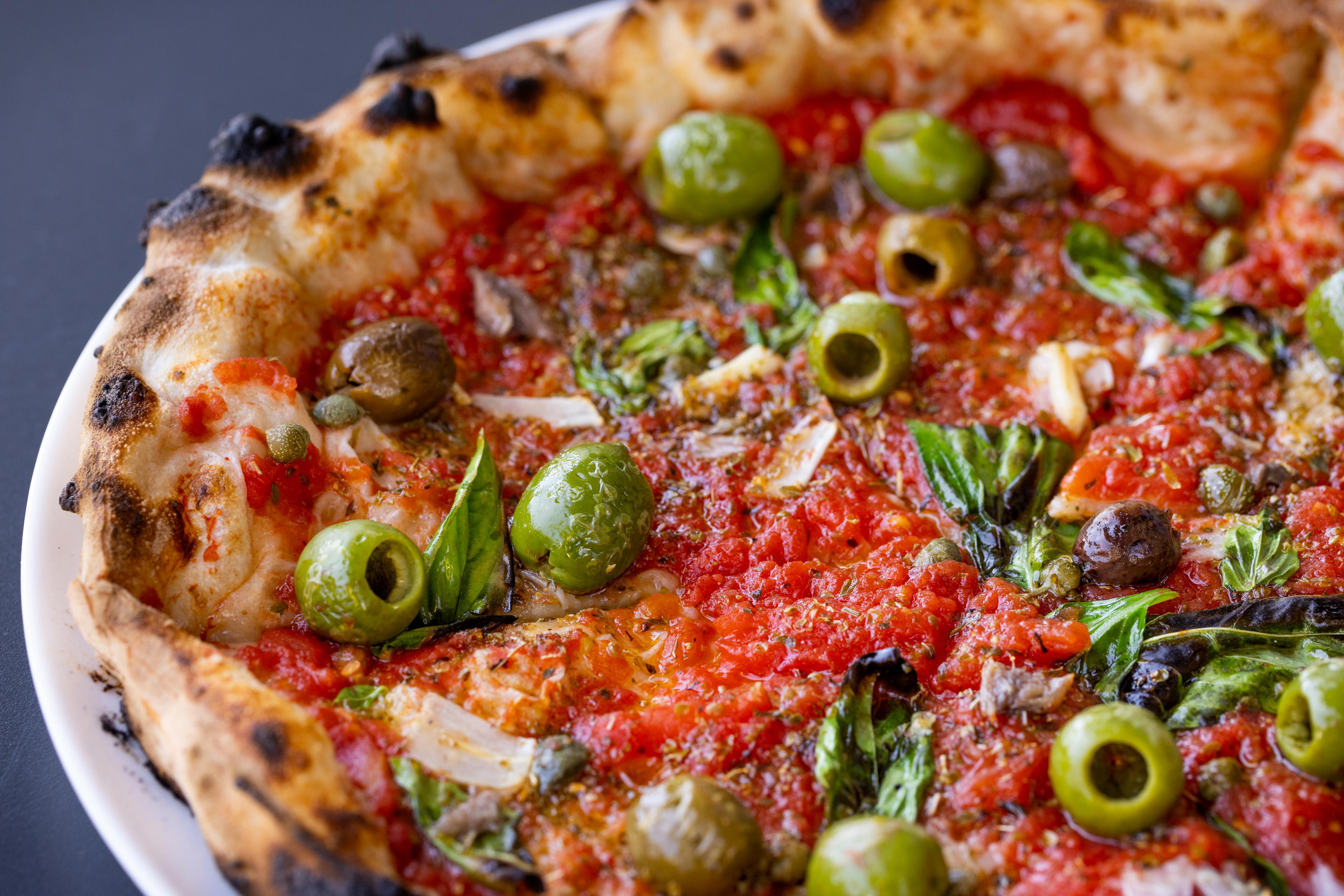
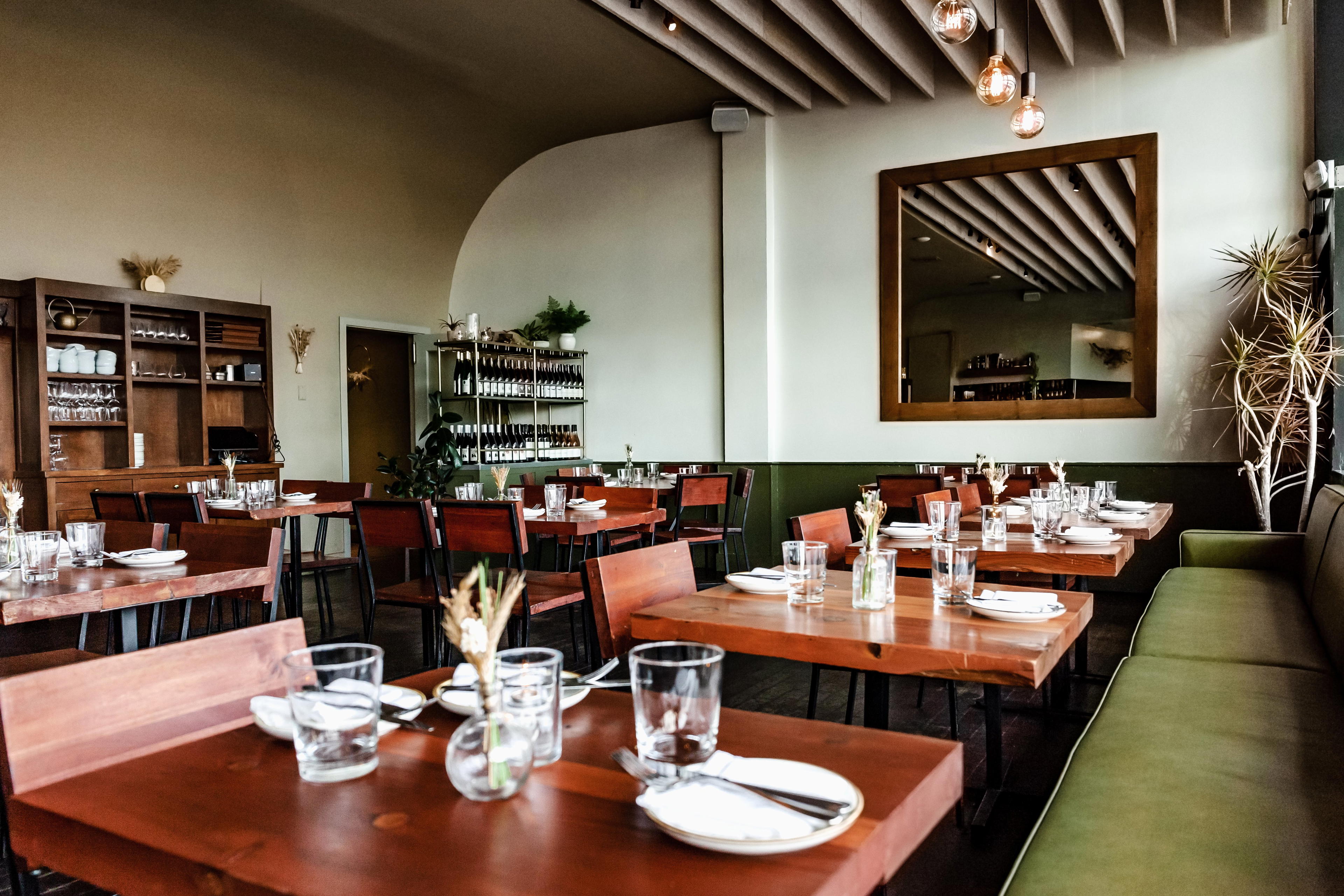
Restaurants in Santa Monica
Browse all →
Bars in Santa Monica
Browse all →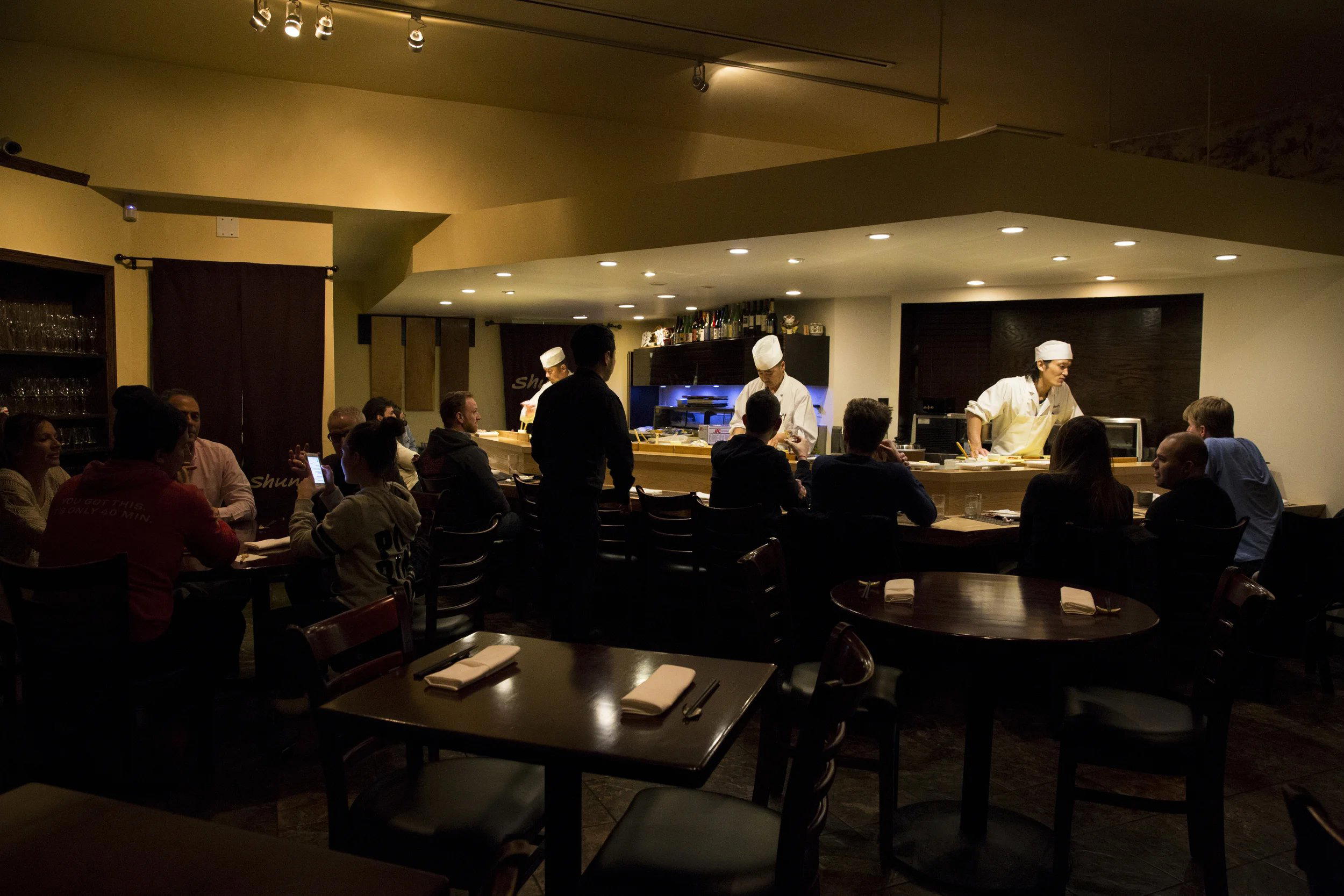
Hotels in Santa Monica
Browse all →
Wineries in Santa Monica
Browse all →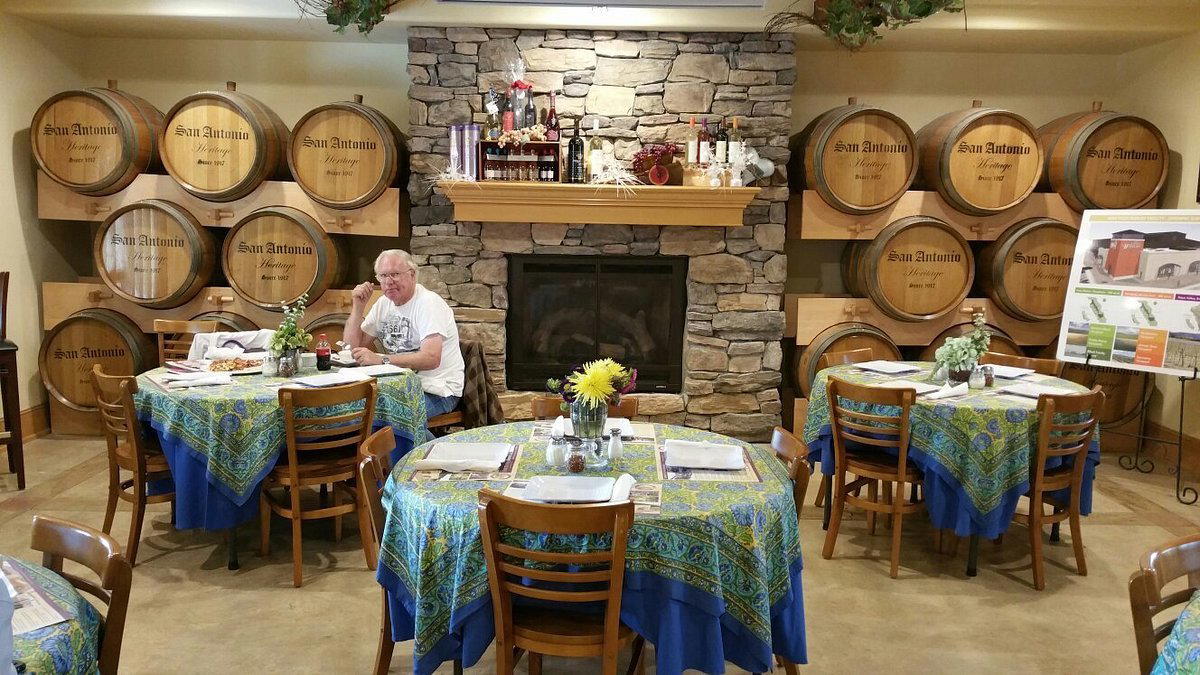
At a Glance
- Classic
- Elegant
- Romantic
- Intimate
- Date Night
- Group Dining
- Special Occasion
- Private Dining
- Craft Cocktails
- Organic
Current opening hours
- Monday
- 11:30 AM–2:30 PM, 4:30–10 PM
- Tuesday
- 11:30 AM–2:30 PM, 4:30–10 PM
- Wednesday
- 11:30 AM–2:30 PM, 4:30–10 PM
- Thursday
- 11:30 AM–2:30 PM, 4:30–10 PM
- Friday
- 11:30 AM–2:30 PM, 4:30–10:30 PM
- Saturday
- 4:30–10:30 PM
- Sunday
- 4:30–10 PM
Hours can change for holidays and private events. Last verified .
Warm, elegant, and moody romantic setting with a classic old-school family atmosphere.
Know Before You Go
- Getting there
- 2807 Ocean Park Blvd, Santa Monica, CA 90405