Vins de Dagne

Vins de Dagne sits on a pedestrian street in the Aude wine country of southern France, earning a White Star recognition from Star Wine List in 2025. The address places it squarely in a region where wine and table have always been inseparable, making the pairing programme as important as the food itself. For visitors passing through the Corbières hills, it represents a serious stop.
Pearl is the En Primeur Club membership app — saves, bookings, and concierge access live there. Same editors, same standards.
- Address
- 2 Rue Piétonne, 11220 Val-de-Dagne, France
- Phone
- +33 4 68 78 73 72
- Website
- vinsdedagne.fr
- Directions
- Get directions
 Saves & bookings on Pearl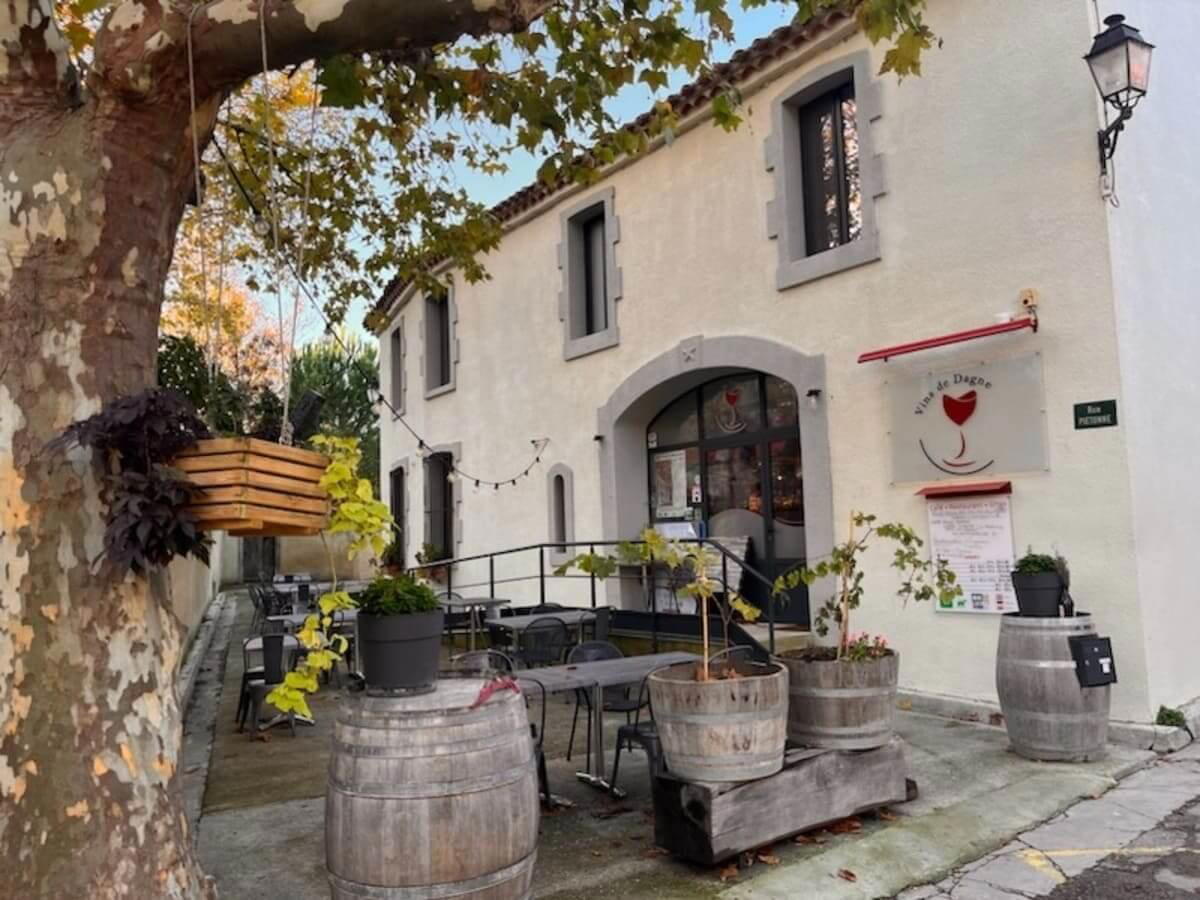
Wine Country as Dining Context
The Corbières and the Val-de-Dagne are not names that appear on the same shortlists as Burgundy or Bordeaux, yet the vineyards pressing against the villages of the Aude department produce particularly terrain-driven wines in France. In that setting, a restaurant whose name is literally wines of Dagne is not making a casual gesture toward local sourcing. It is making an argument: that what grows outside the door should define what appears on the table. That argument runs through the entire tradition of southern French cuisine, from the cassoulet country to the north to the garrigue-scented slopes of the Roussillon to the south, and it remains one honest way to eat in this part of the country.
Across the broader French restaurant scene, the relationship between wine region and kitchen has become a point of serious differentiation. The flagship addresses in Paris, such as Alléno Paris au Pavillon Ledoyen, operate in a different register entirely, drawing produce from across France and beyond to serve a cosmopolitan clientele. What a place like Vins de Dagne represents is the counter-argument: that proximity and specificity, not scale and ambition, can be the organising principle of a serious table. It is a pattern visible at Bras in Laguiole, where the Aubrac plateau shapes every plate, and at Auberge du Vieux Puits in Fontjoncouse, a three-Michelin-star address in a village of fewer than two hundred people just forty kilometres away. The Aude has form when it comes to serious cooking in unlikely postcode settings.
The Address and What It Signals
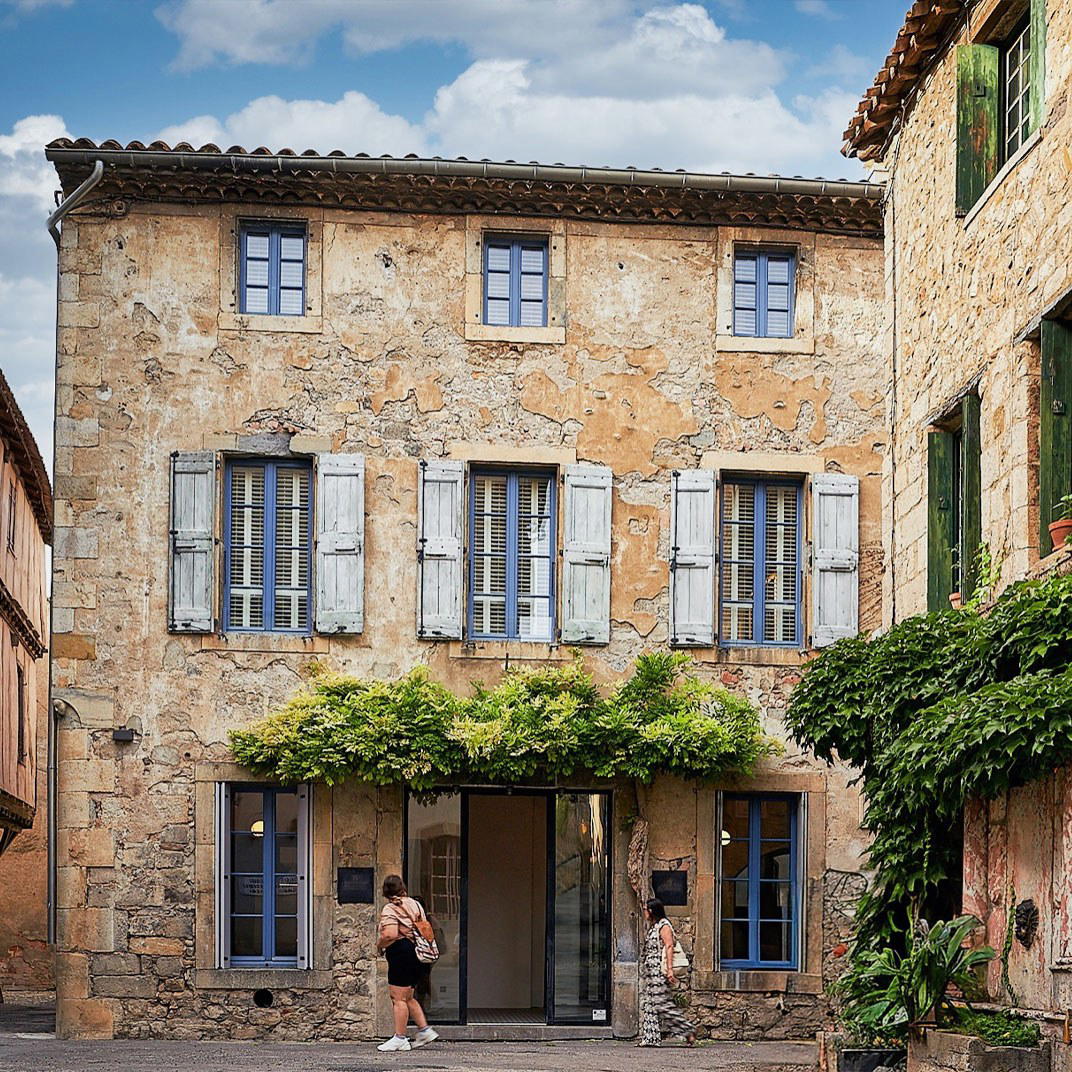
Vins de Dagne is at 2 Rue Piétonne in Val-de-Dagne, on a pedestrian street in a commune that sits well off the main tourist circuits of the Languedoc. Arriving on foot along that pedestrian strip already frames the experience differently from a reservation in a city restaurant. There is no theatre of arrival, no valet operation, no hotel lobby to cross. The village itself is the approach, and the Corbières hills pressing in from all sides provide the backdrop that most urban fine-dining rooms spend considerable money trying to evoke through interior design.
Star Wine List, a specialist platform tracking serious wine programmes across Europe and beyond, included Vins de Dagne in its published listings on 16 September 2025 with a White Star designation. White Star status on Star Wine List indicates a wine list of genuine quality and editorial merit, distinguishing the address from restaurants that treat wine as an afterthought. In a region producing Corbières, Corbières-Boutenac, and the various IGP Aude designations, a credentialed wine programme is not decorative. It is the central editorial point of the restaurant.
What Sourcing Means in the Corbières
Southern French cuisine at its most considered draws on a short and specific ingredient list: lamb from the garrigue, fish from the Mediterranean coast an hour to the east, wild herbs growing on the same limestone soils that shape the region's wines, and vegetables from the alluvial plains of the Aude and the Hérault. The cuisine is not austere, but it is focused. The same terroir logic that produces structured, herb-inflected Corbières reds runs through the food culture of the area.
This is a different tradition from the market-driven precision of Alsatian cooking, as practised at addresses like Au Crocodile in Strasbourg or Auberge de l'Ill in Illhaeusern. It is also distinct from the high-altitude produce focus of Flocons de Sel in Megève or the coastal sourcing logic at Mirazur in Menton. The Corbières kitchen tradition is earthier, warmer, and more direct, with slow-cooked preparations and wine-integrated sauces that reflect decades of winemakers and farmers eating together at the same tables.
Restaurants in this zone sit within a food culture where the winemaker is often a neighbour, the olive grower is down the road, and the distinction between producer and restaurateur is sometimes a single generation. That proximity changes what ends up on the plate and how it is priced and discussed. It is not farm-to-table as a marketing position; it is farm-to-table as geography.
Planning a Visit
Val-de-Dagne is most practically accessed by car. The commune sits in the interior of the Aude department, between Carcassonne to the northwest and Narbonne to the southeast, two cities with good rail connections to the rest of France and to Barcelona. Driving from Carcassonne takes roughly thirty minutes; from Narbonne, a similar duration. The pedestrian street address at 2 Rue Piétonne means parking will be found on the village perimeter rather than at the door. For those building a longer itinerary in the region, the Corbières wine country rewards a visit around a meal at Vins de Dagne.
Given the Star Wine List White Star recognition, the wine programme should be treated as a primary reason for the visit rather than a supplement to it. In the context of southern French dining, the bottle on the table and the food on the plate have always been a single decision, and the restaurant frames itself accordingly.
Where It Sits in the Broader French Scene
France has a layered dining culture in which the grandes tables, from Paul Bocuse's Auberge du Pont de Collonges to Troisgros in Ouches to Assiette Champenoise in Reims, occupy one register while deeply regional addresses occupy another. The second category is not lesser; it is different in purpose and in the way it rewards the visitor who has made the effort to get there. AM par Alexandre Mazzia in Marseille sits somewhere between those two registers, using southern French produce at the level of three Michelin stars. The restaurant operates closer to the ground, in a village setting where wine and table are not aspirational but habitual.
For travellers whose dining itineraries extend beyond France, the same terroir-first logic appears in different forms at addresses like Le Bernardin in New York City, where sourcing rigour is the organising principle, or at Emeril's in New Orleans, where regional identity shapes the menu in a way that parallels what the Corbières tradition does in the Aude. The specifics differ entirely, but the underlying argument is the same: place should be legible in the food.
How It Stacks Up
Comparable venues nearby, for context on price, style, and recognition.
| Venue | Cuisine | Price | Notes |
|---|---|---|---|
| Vins de DagneThis venue — the venue you are viewing | Traditional French Village Bistro | $$ | Not listed |
| Le Jardin en Ville | Seasonal French Mediterranean | $$ | Carcassonne Center |
| Le Grand Café | French Brasserie with Wood-Fired Grillades | $$ | centre-ville |
| Bruit en Cuisine | French Bistro | $$ | Centre-ville |
| Café La Fiancée | Brunch Toulouse Capitole | French Brunch Café | $$ | Capitole / Arnaud Bernard / Carmes |
| Le Coq de la Place | French Brasserie with Asian Influences | $$ | Historic Centre (Place d'Armes) |
Recognition history
Dated appearances from independent guides and award organizations, with the underlying list record or original source where available.
Star Wine List
Star Wine List
Continue exploring
More in Val-de-Dagne
Restaurants in Val-de-Dagne
Browse all →
Bars in Val-de-Dagne
Browse all →
At a Glance
- Rustic
- Cozy
- Lively
- Casual Hangout
- Family
- Group Dining
- Terrace
- Extensive Wine List
- Natural Wine
- Local Sourcing
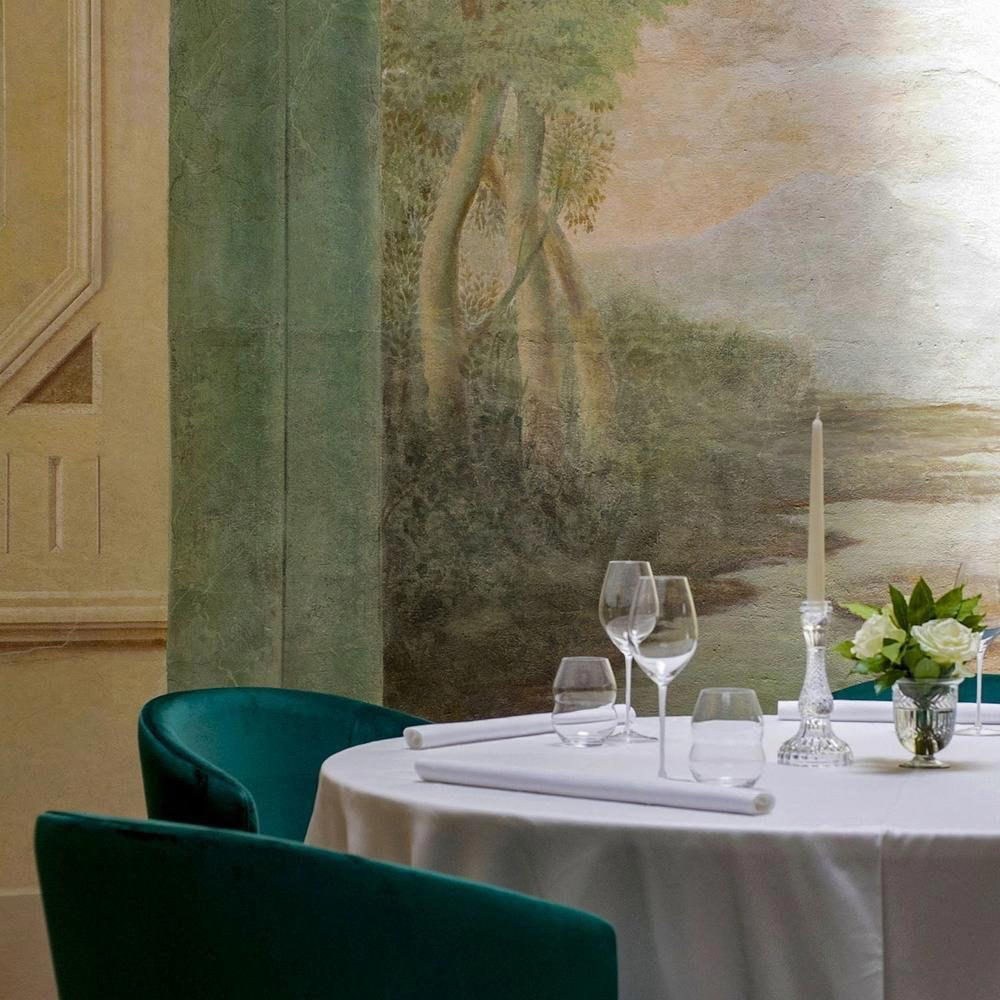
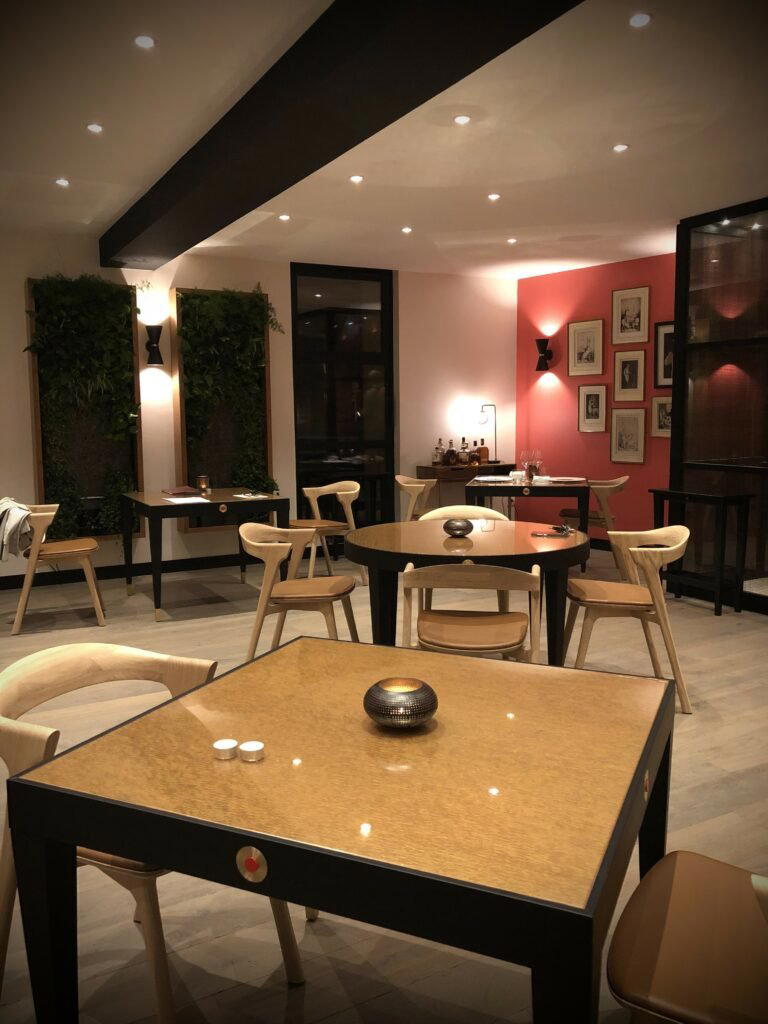
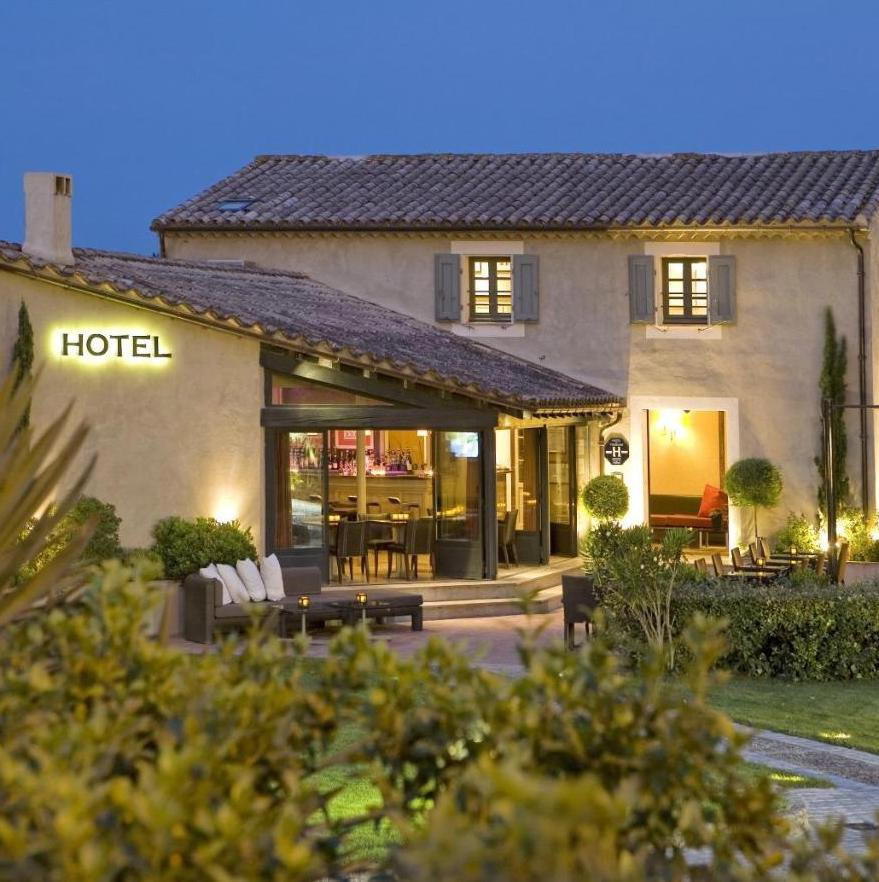
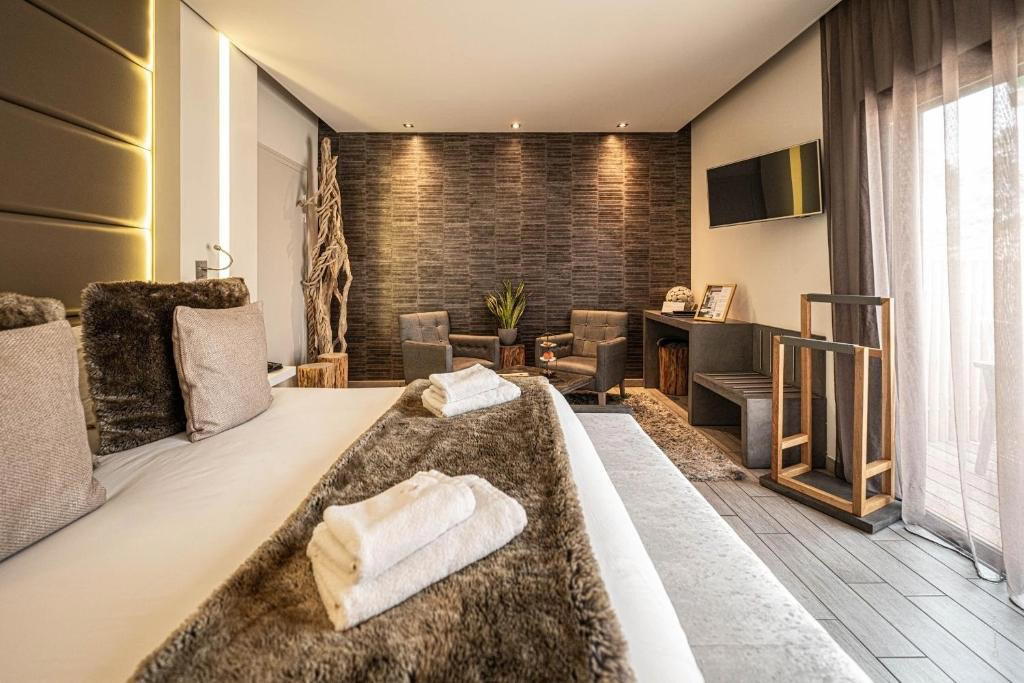
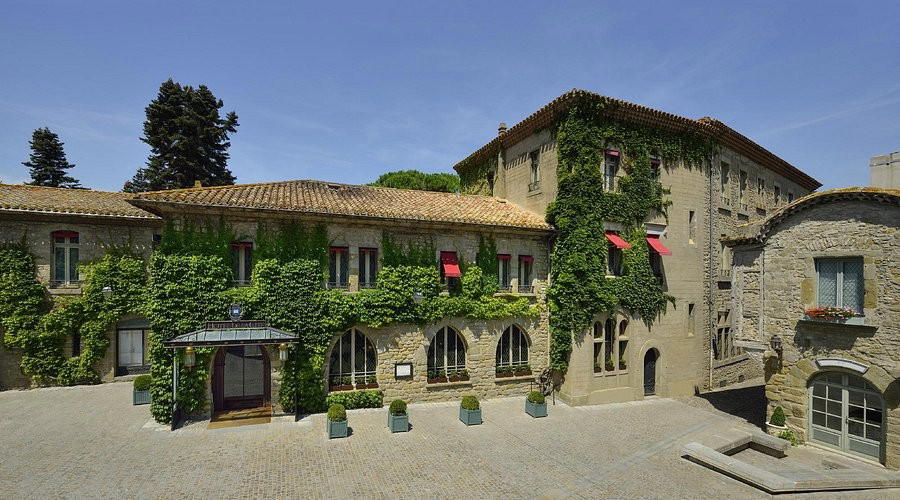
Warm and convivial atmosphere with a shaded terrace under plane trees and a renovated wooden interior fostering local hospitality.