

1 Michelin Star · Gault & Millau Remarkable Restaurant
Our verdict
A Michelin-starred table on the Landes coast where the dining room looks out over a protected bird lake and the kitchen runs on a strict zero-waste philosophy. Chef Juan Ventureyra's menus move through duck, Capbreton fish, and Pyrenean cheese sourced from named local producers. Open Thursday to Sunday evenings, with Sunday lunch the most unhurried sitting of the week.

Pearl is the En Primeur Club membership app, where members save venues, book tables and use the concierge.
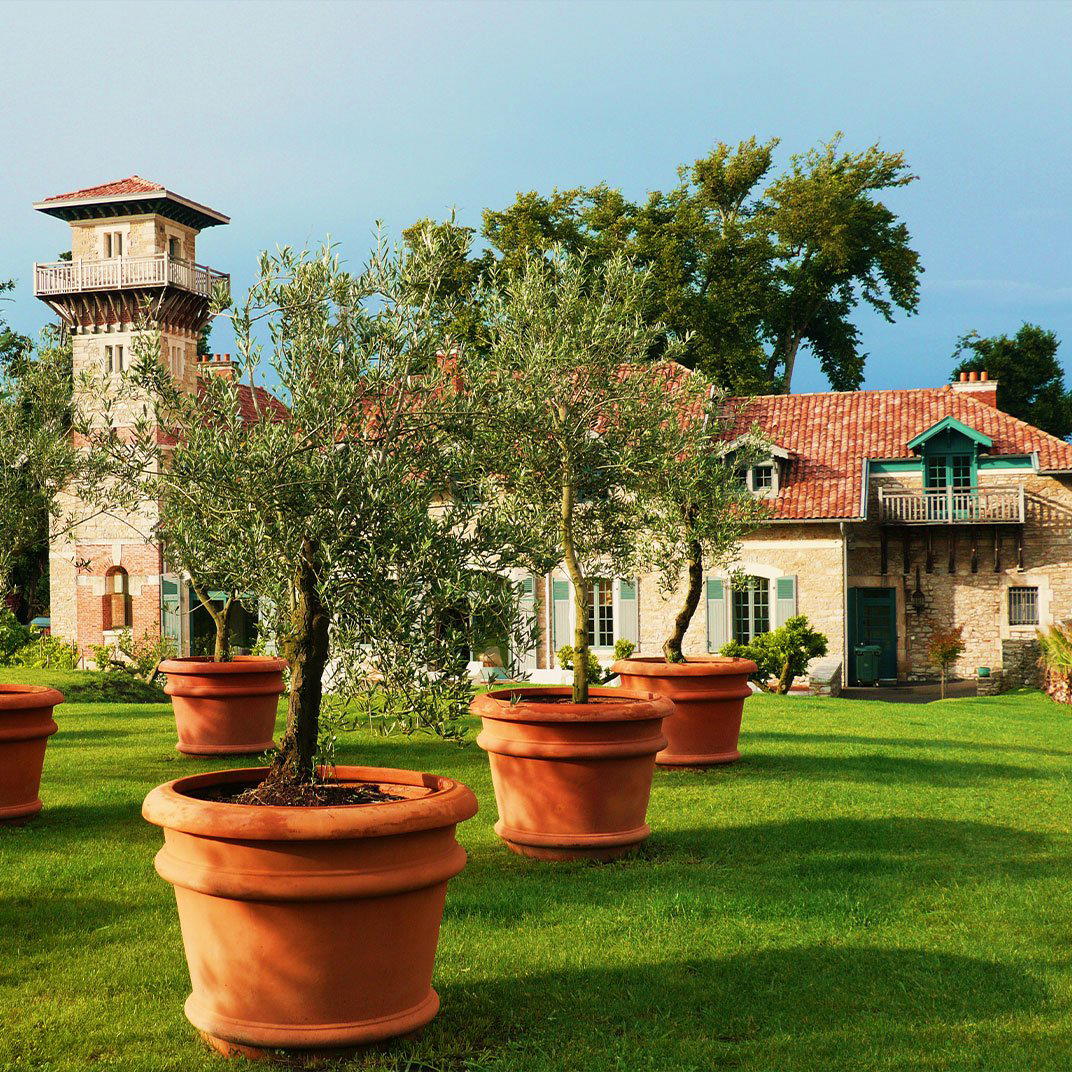
Where the Dining Room Faces the Water
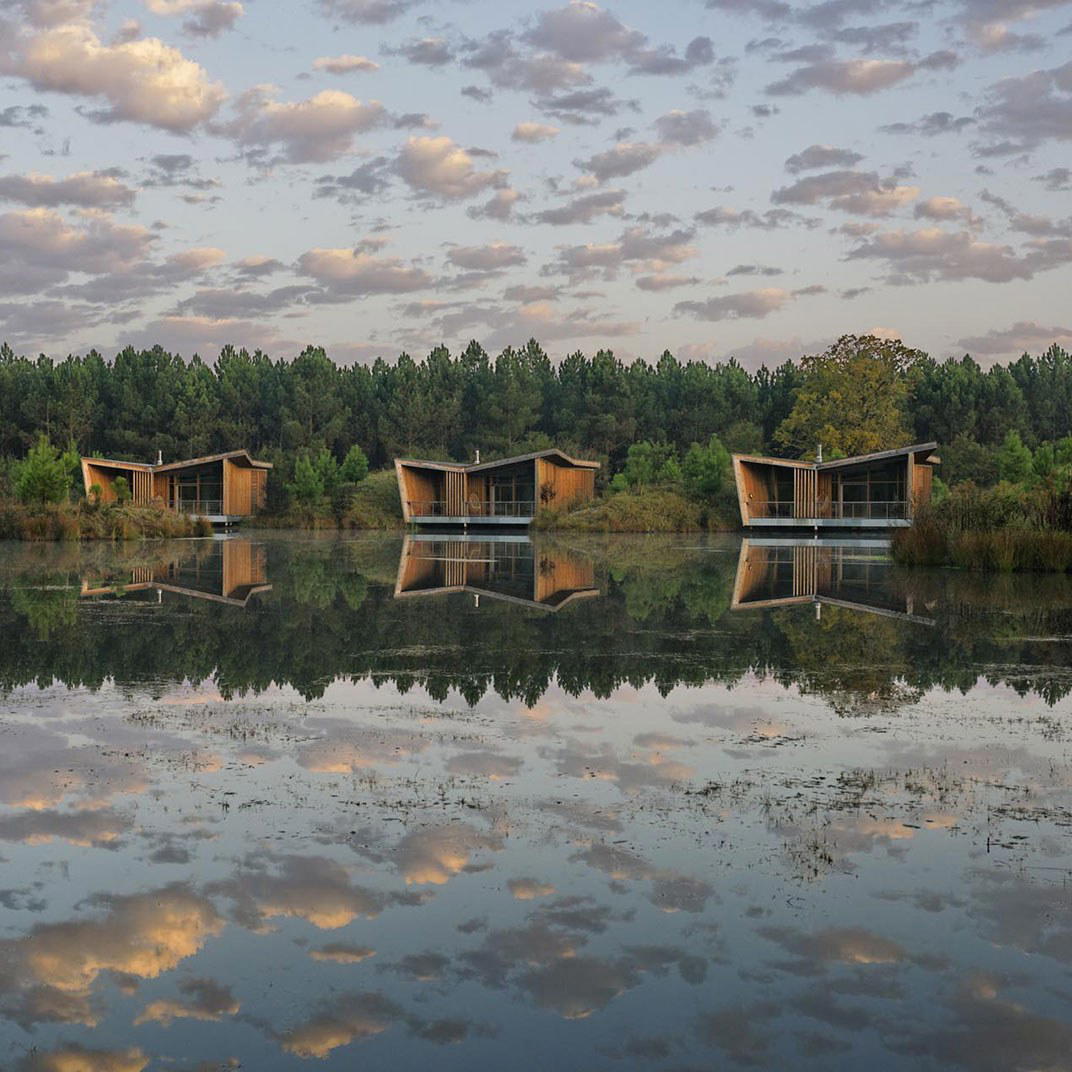
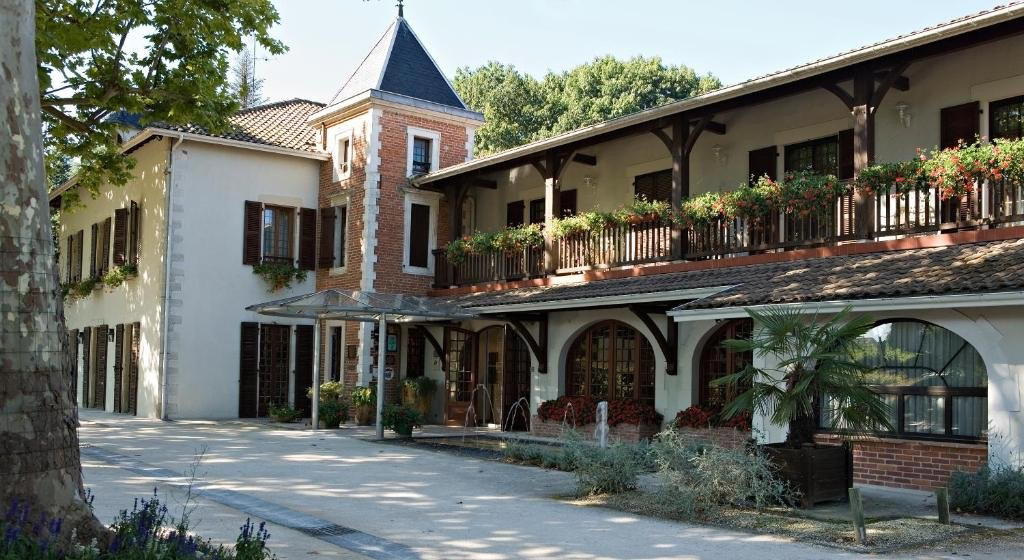
The Landes coast operates at a different register from the rest of southwestern France's restaurant circuit. Between the pine forests, the surf breaks of Hossegor, and the market town rhythms of Seignosse, serious cooking has historically been overshadowed by the region's reputation as a summer playground. That context makes what happens at Villa de l'Étang Blanc worth understanding on its own terms. The restaurant sits beside the Étang Blanc, a small protected lake whose shallow shoreline attracts wading birds year-round. From the terrace and through the dining room windows, that lake is the constant visual companion of the meal, not as scenery arranged for effect, but as the literal environment the restaurant occupies. Guests frequently arrive for the food and stay for the birdwatching. Both are legitimate reasons to come.
This is the kind of setting that shapes a restaurant's identity more than any design intervention could. The pace here is unhurried by necessity, and the kitchen appears to have absorbed that unhurriedness into how it works. The zero-waste philosophy that governs the sourcing and cooking at Villa de l'Étang Blanc is less a marketing position than a structural commitment: every ingredient from the named producers who supply the kitchen is used fully, and the menus are built around what that discipline allows rather than what convention demands.
The Landes Pantry, Used Precisely
Southwestern France produces some of the most specific and traceable ingredients in the country. Duck from the Landes, asparagus from the region's alluvial flatlands, fish pulled from the Atlantic by small day-boats operating out of Capbreton just down the coast, these are not generic luxury ingredients but materials with a postcode. At Villa de l'Étang Blanc, the sourcing specificity is documented: duck and asparagus from Darrigade farm, fish from small-boat fleets at Capbreton, citrus from Thierry Dupouy in Eugénie-les-Bains, and Pyrenean ewe's milk cheese from authentic mountain producers. That level of named provenance is now expected at Michelin-starred tables, but the difference here is that the kitchen's zero-waste constraint means the relationship with each supplier has to go deeper than a weekly delivery. You cook with the whole animal or the full catch, not the prime cuts.
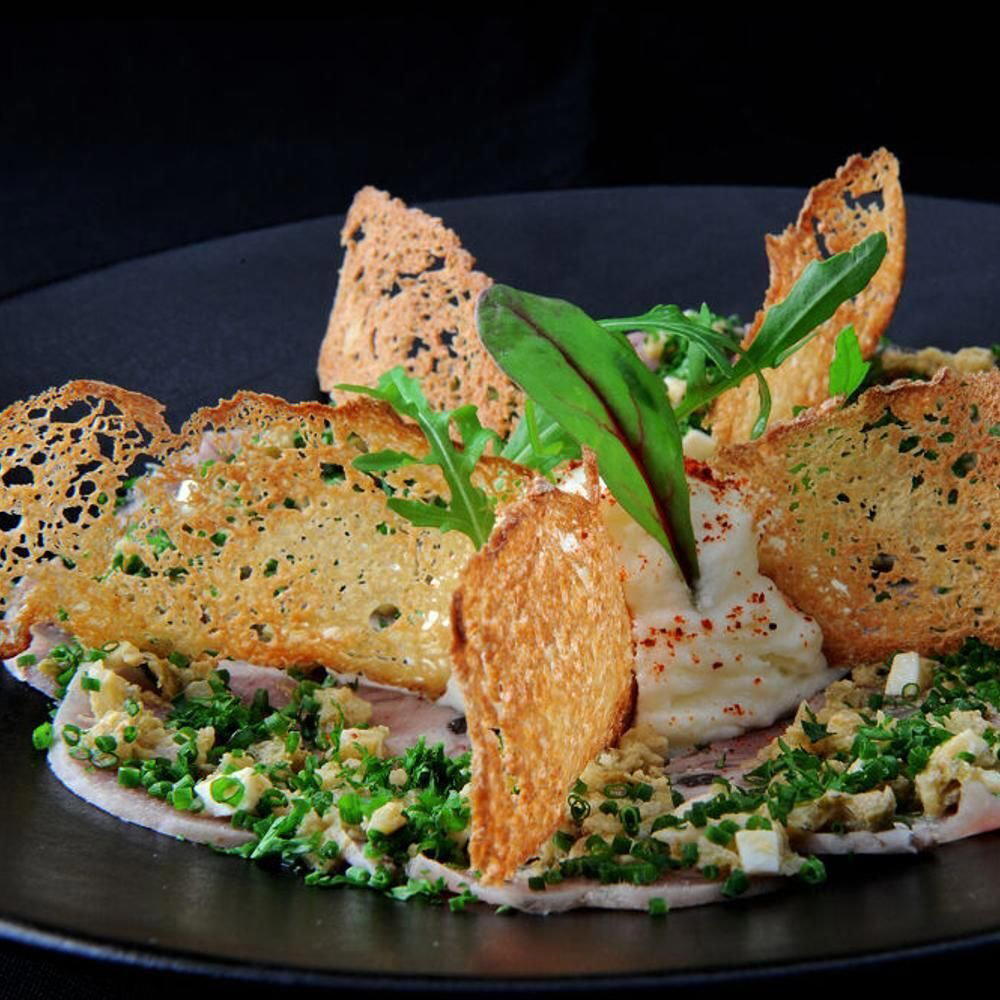
The cooking style that emerges from this constraint is described in Michelin's own language as high-precision, with the kitchen's sauces and zabagliones singled out for their depth of flavour. In modern French fine dining, the quality of a jus or an emulsified sauce remains one of the clearest indicators of technical command, it is the part of the plate that is hardest to fake and most dependent on the quality of the base materials. That the kitchen's sauces draw specific mention from the guide places Villa de l'Étang Blanc in a category of technical seriousness that its coastal, informal setting might not immediately suggest. The one Michelin star awarded in 2024 formalises what the sourcing approach and cooking discipline already implied.
For readers who track the wider constellation of French regional fine dining, the comparison set here is instructive. Restaurants such as Bras in Laguiole and Auberge du Vieux Puits in Fontjoncouse have long demonstrated that the most serious cooking in France is not confined to Paris or Lyon. Villa de l'Étang Blanc belongs to that same tradition of regionally rooted, technically demanding tables that draw guests willing to travel specifically for the meal. Compared to the €€€€ tier of the capital's grandes maisons, Alléno Paris au Pavillon Ledoyen, Assiette Champenoise in Reims, or Flocons de Sel in Megève, the €€€ price point here represents meaningful value for the level of cooking on offer.
Chef Juan Ventureyra and the Lineage Behind the Kitchen
The editorial angle matters here because understanding where a chef trained tells you something real about what lands on the table. The awards data for Villa de l'Étang Blanc credits David Sulpice as the culinary force behind the kitchen's philosophy, while Juan Ventureyra holds the current chef position. In the structure of French fine dining, this kind of lineage, where a guiding culinary intelligence shapes the program and a working chef executes it at the pass, is common at ambitious regional tables. What the Michelin citation makes clear is that the kitchen operates with a defined point of view: the Landes and Pyrenean producers are not window dressing but the actual subject of the cooking.
That regional focus connects Villa de l'Étang Blanc to a broader tendency in contemporary French cuisine, where the most interesting work is happening at restaurants that have refused the universalising pull of international fine dining in favour of cooking that could only exist in one specific place. The fish on this menu comes from boats you could watch leaving Capbreton harbour. The duck has a farm name attached to it. The cheese is Pyrenean in the specific sense, not the generic sense. This is a different discipline from the kind of modern cuisine practised at the higher-tier Paris addresses, and it produces a different kind of meal: one that reads as a document of a particular coastline and its hinterland rather than as an expression of a chef's personal technique in the abstract. Diners who have eaten at restaurants such as Mirazur in Menton or AM par Alexandre Mazzia in Marseille will recognise the impulse, even if the register here is quieter and more pastoral.
The Wine List and What It Says
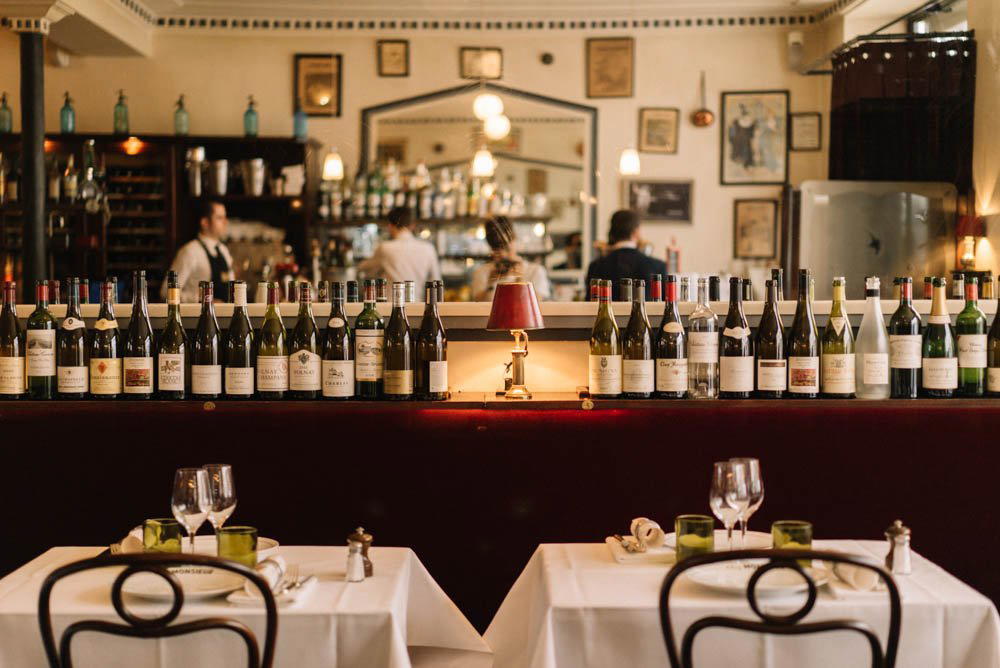
Southwestern France is not a direct wine region to navigate from a list-building perspective. The appellations, Madiran, Jurançon, Irouléguy, Bergerac, Cahors, carry serious reputations among specialists but remain underexposed in the broader fine dining circuit, where Burgundy and Bordeaux still dominate cellar thinking. The wine list at Villa de l'Étang Blanc is described in Michelin's notes as intelligent, moving between prestigious vintages and small southwest France producers. That balance is harder to achieve than it sounds: the sommelier has to know the regional producers well enough to stake the restaurant's credibility on them alongside recognised names. A list that makes southwest France producers cohere with classic references is itself a form of editorial argument about the quality of the region's output. It also pairs the kitchen's sourcing logic with a parallel commitment in the glass.
Planning the Visit
Villa de l'Étang Blanc operates on a restricted schedule that reflects its character as a serious destination table rather than a neighbourhood restaurant. The kitchen is open Thursday through Saturday from 7:30 PM to 11:30 PM, and on Sunday for lunch from noon to 3:30 PM. Monday, Tuesday, and Wednesday are closed. The Sunday lunch sitting is the most relaxed format of the week and the one well suited to lingering over the lake view. Seignosse sits on the Landes coast south of Bordeaux, within a short drive of Hossegor and Capbreton. It is not a quick stop on a broader itinerary, this is a meal that warrants planning around, not fitting in. The €€€ price point places it below the top tier of French fine dining but above the casual regional tables that populate the surrounding coast. Given the Michelin recognition and the sourcing precision, it represents one of the more considered options on the southwestern Atlantic coastline.
For context on the wider dining, drinking, and accommodation options in the area, see our full Seignosse restaurants guide, our full Seignosse hotels guide, our full Seignosse bars guide, our full Seignosse wineries guide, and our full Seignosse experiences guide. For other points of reference in the regional fine dining conversation, Troisgros in Ouches, Auberge de l'Ill in Illhaeusern, Au Crocodile in Strasbourg, and Paul Bocuse - L'Auberge du Pont de Collonges represent the longer historical arc of serious French regional cooking that Villa de l'Étang Blanc now joins at its own quieter volume. For an international modern cuisine comparison, Frantzén in Stockholm and FZN by Björn Frantzén in Dubai show how the zero-waste and hyper-local sourcing model translates across different contexts.
Frequently asked questions
What should I order at Villa de l'Étang Blanc?
Is Villa de l'Étang Blanc formal or casual?
Can I bring kids to Villa de l'Étang Blanc?
Comparison Snapshot
| Venue | Cuisine | Price | Awards | Notes |
|---|---|---|---|---|
| Villa de l'Étang BlancThis venue (the venue you are viewing) | Modern French Gastronomic | $50–100 | 1 Michelin Star · Gault & Millau Remarkable Restaurant | Not listed |
| Alléno Paris au Pavillon Ledoyen | Modern French Fine Dining | $150–200 | 3 Michelin Stars · World's 50 Best #79 | Creative |
| Kei | Contemporary French, Modern Cuisine | Not listed | Michelin 3 Star | Not listed |
| L'Ambroisie | Classic French Haute Cuisine | $300–500 | 2 Michelin Stars · World's 50 Best #23 | French, Classic Cuisine |
| Le Cinq - Four Seasons Hôtel George V | Modern French Fine Dining | $300–500 | 3 Michelin Stars · World's 50 Best #24 | French, Modern Cuisine |
| Plénitude | Modern French Sauce-Led Fine Dining | $300–500 | 3 Michelin Stars · World's 50 Best #14 | Contemporary French |
Recognition history
Dated appearances from independent guides and award organizations, with the underlying list record or original source where available.
Michelin 1 Star
Michelin
Gault & Millau Remarkable Restaurant
Gault & Millau
Full recognition history (4 entries)
Michelin 1 Star
Michelin
Michelin 1 Star
Michelin
Continue exploring
More in Seignosse
Details
- Romantic
- Elegant
- Scenic
- Intimate
- Sophisticated
- Date Night
- Special Occasion
- Celebration
- Waterfront
- Garden
- Terrace
- Hotel Restaurant
- Extensive Wine List
- Local Sourcing
- Farm To Table
- Waterfront
- Garden
- Tasting Menu
- A La Carte
- Vegetarian Friendly
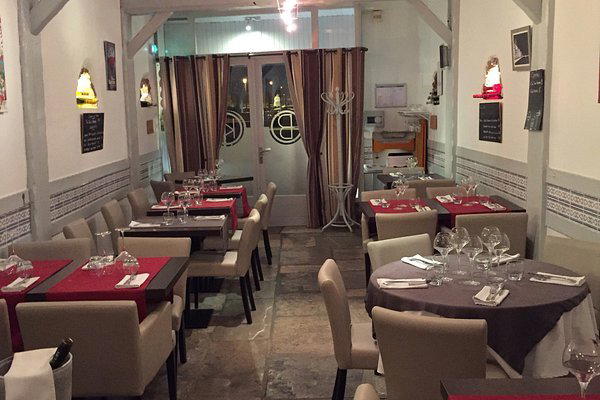
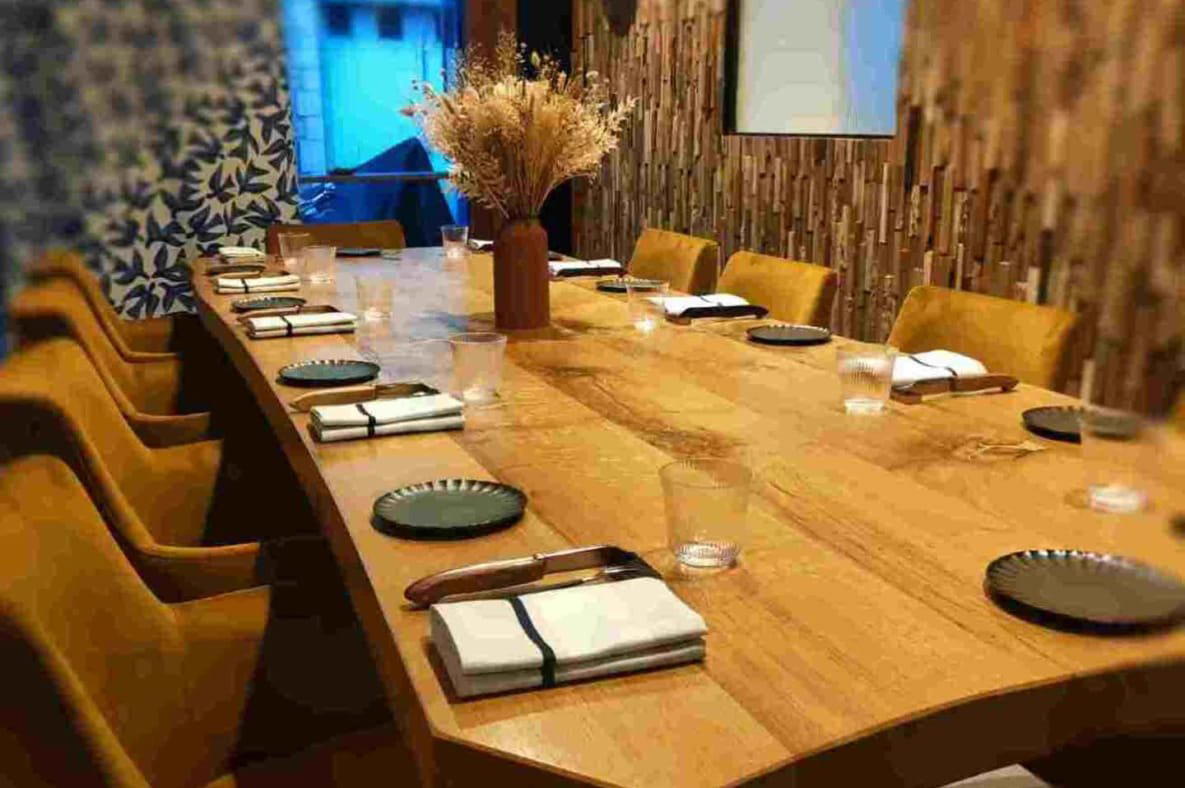
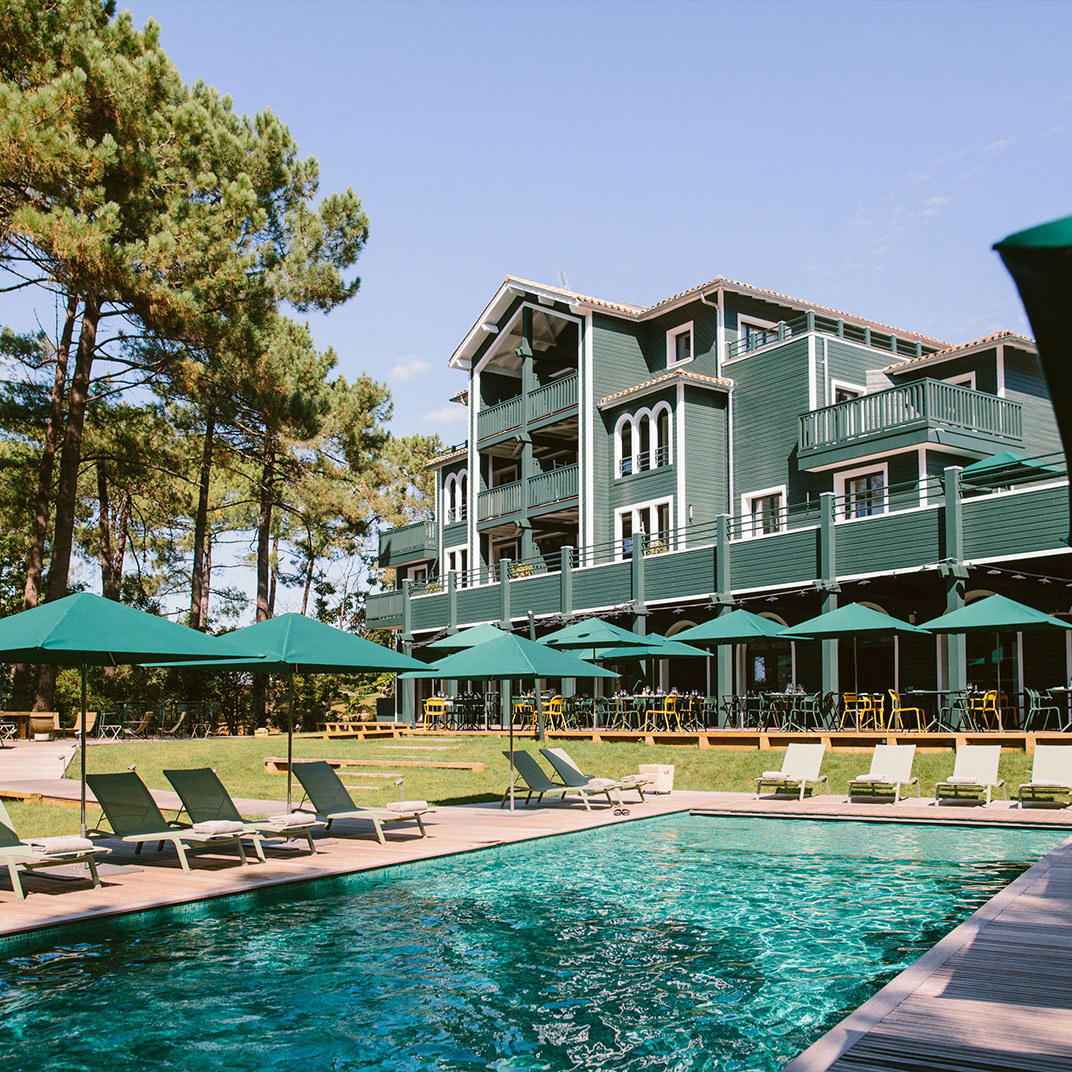
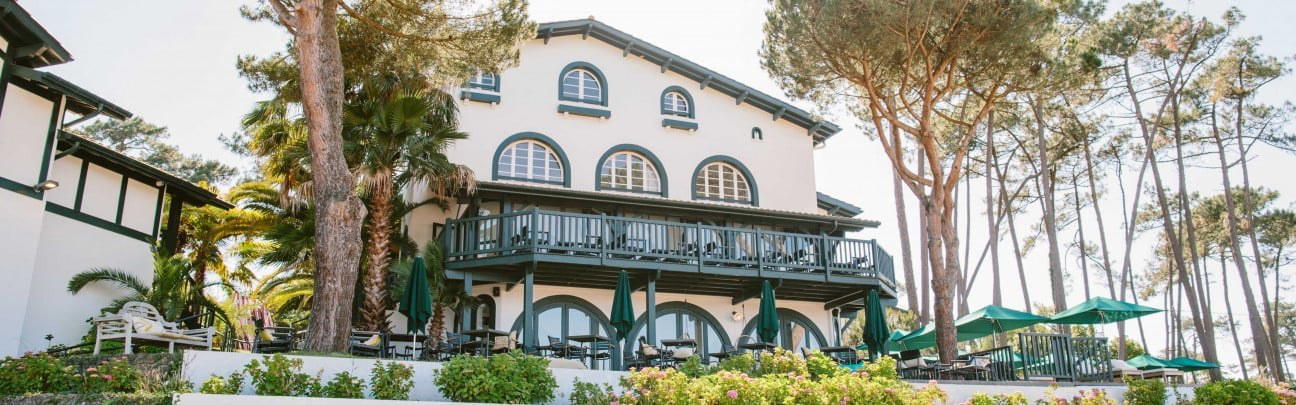
Elegant and tranquil with natural light from fully glazed walls offering dramatic pond and forest views, creating a serene and voluptuous atmosphere.