Our verdict
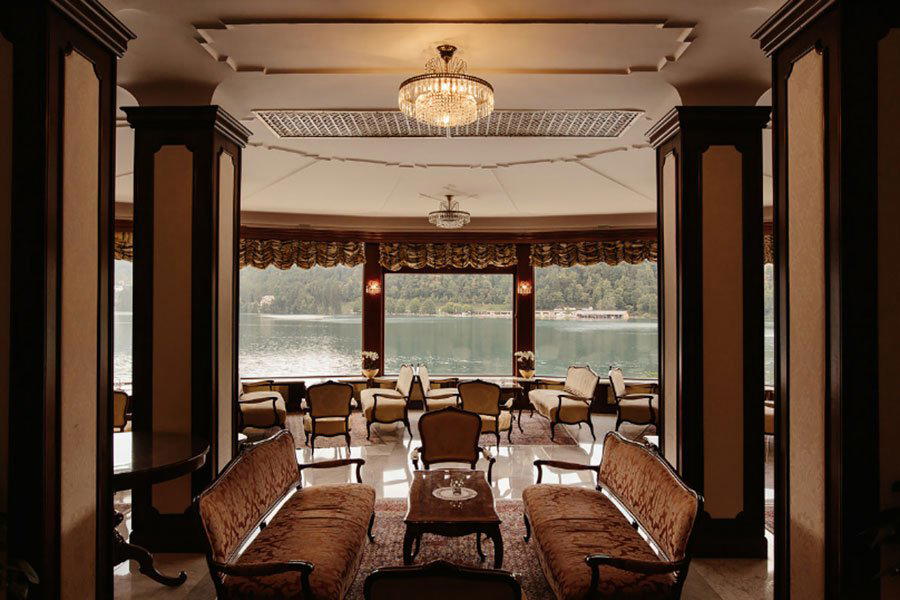
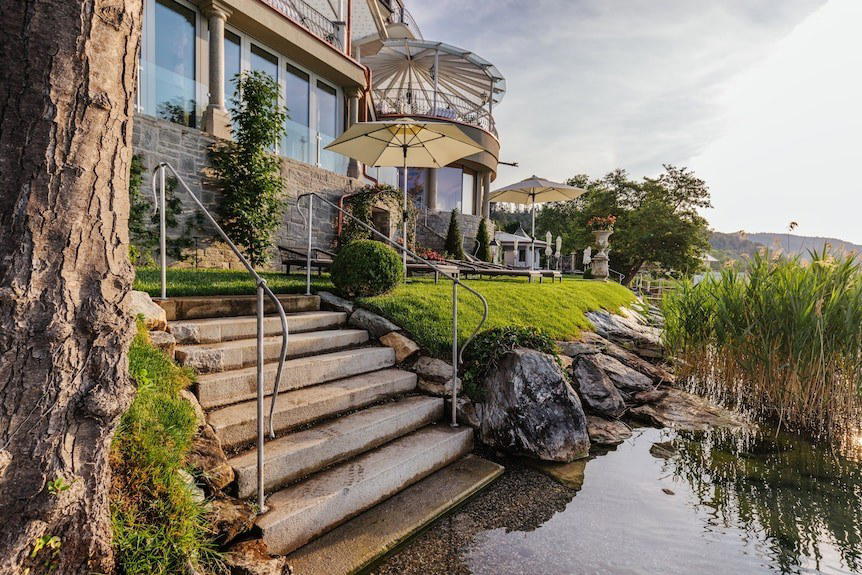
Vila Bled occupies one of the most historically loaded addresses on Lake Bled's western shore, a former Yugoslav state villa that hosted mid-century heads of state and now operates as a hotel and dining property. The setting places guests directly on the lakefront, with Bled Island and its church tower framing the view across the water. It sits in a different tier from the town's casual lakeside cafes, positioning itself as a formal retreat within a destination already known for alpine grandeur.

Pearl is the En Primeur Club membership app, where members save venues, book tables and use the concierge.

A Lake With Political Memory
Lake Bled operates on a different register from most alpine resort destinations. The Karavanke range forms the northern wall, the Julian Alps press in from the west, and the lake itself sits at just over 475 metres above sea level in a glacially carved basin. But what separates Bled from comparable Central European lake towns is the density of historical weight concentrated on its shoreline. Bled Castle, perched on a 130-metre cliff above the water, has functioned as a seat of power since the eleventh century. The island in the lake's centre has drawn pilgrims for centuries. And along the western shore, a set of grand villas were requisitioned in the twentieth century as retreats for Yugoslavia's leadership, turning this already dramatic geography into a backdrop for Cold War-era statecraft. Vila Bled is the most prominent survivor of that period, and it carries that history into the present as an operating hotel and restaurant address.
The Villa as Cultural Artifact
The pattern of repurposing former state or aristocratic properties as luxury hospitality has become familiar across Central and Eastern Europe, from Czech castle hotels to Slovenian manor conversions. What makes Vila Bled a more specific case study is the legibility of its history. The property at Cesta svobode 18 was associated with Josip Broz Tito's use of Bled as a diplomatic staging ground, a function that gives the building a biographical clarity that most repurposed estates lack. That history also shaped the architecture: the villa was designed for state reception, not boutique hospitality, which means the proportions, the lakefront orientation, and the formal grounds reflect a different logic than properties built for tourism from the outset.
This is the context in which the dining experience here operates. Slovenian fine dining at the upper end of the market increasingly draws on the country's position at a culinary crossroads, where Alpine, Mediterranean, and Pannonian traditions intersect, but it does so with a growing emphasis on provenance and regional specificity. Venues like Hiša Franko in Kobarid have set the international benchmark for what Slovenian cuisine can express at that level, and operations across the country from Gostilna Pri Lojzetu in Vipava to Hiša Denk in Zgornja Kungota and Hiša Linhart in Radovljica, just a short drive from Bled itself, have built serious programs around local ingredients and classical technique. Vila Bled's dining room sits within this broader national conversation, occupying a position defined as much by its address and historical register as by its kitchen output.
Bled's Dining Tier Structure
Within Bled itself, the restaurant options sort into a reasonably clear hierarchy. At the informal end, lakeside cafes and gostilne serve kremšnita, the town's signature vanilla-and-cream slice, alongside standard Central European fare. The middle tier covers international and regional menus aimed at the tourist volume the lake consistently draws throughout summer and shoulder seasons. At the upper end, a smaller set of addresses attempt something more considered: Bled Castle Restaurant trades on its cliff-leading location and regional menu, Julijana operates at an international €€€ price point, and ARROI represents a newer addition to the town's more ambitious dining tier. Kavarna Park handles the cafe-and-pastry register near the lake's edge, while Old Cellar Bled covers regional cuisine at a more accessible €€ price point.
Vila Bled positions itself above the mid-tier on the basis of its property and historical standing rather than through a kitchen reputation that has registered in the major award circuits. This is a meaningful distinction. Properties like Restavracija Strelec in Ljubljana or Pavus in Lasko compete on culinary credential alongside setting. Vila Bled competes primarily on the weight of its address and the scale of the lakefront experience it provides. Our full Bled restaurants guide maps this tier structure in more detail for readers planning a multi-day visit.
Slovenia's Wider Restaurant Geography
Readers approaching Vila Bled as an anchor for a broader Slovenian trip should understand how Bled fits into the country's restaurant geography. The Soča Valley, anchored by Hiša Franko, represents the country's highest-profile culinary address internationally. The Vipava Valley corridor, running southwest from Ljubljana, has developed a cluster of producers and restaurants, including Dam in Nova Gorica, that connect local wine production to kitchen programs in a coherent way. The Gorenjska region around Bled belongs to a different tradition, more Alpine in character, with proximity to the Austrian and Italian borders shaping its ingredients and techniques. Milka in Kranjska Gora, accessible from Bled, and Gostilna Mlinar in Idrija and Grič in Šentjošt nad Horjulom extend the map of serious Slovenian addresses worth building an itinerary around.
For international reference points on what ambitious tasting menu formats can achieve, Le Bernardin in New York City and Atomix in New York City illustrate what sustained kitchen identity and awards recognition produce at the highest level of the market, a useful calibration for readers assessing where any regional property sits on that spectrum.
Planning a Visit
Vila Bled sits on the lake's western shore at Cesta svobode 18, separated from the main town centre by a short drive or a walk along the lakefront path. The property's position on the quieter, less commercially dense side of the lake is deliberate: the eastern shore handles most of the tourist infrastructure, while the western shore retains more of the scale and seclusion that defined its use as a state retreat. Visitors arriving from Ljubljana, approximately 55 kilometres to the southeast, can reach Bled by car in under an hour. Bled is also served by regional rail, with Lesce-Bled station roughly four kilometres from the lake, and direct bus connections from Ljubljana operate regularly throughout the day. Given the property's formal history and the dining register it aims for, advance booking is advisable, particularly during the summer high season when the lake draws significant volume. Exact booking channels and current opening hours should be confirmed directly with the property before travel.
Frequently asked questions
Would Vila Bled be comfortable with kids?
Vila Bled's formal register, lakefront setting, and positioning at the upper tier of Bled's price range point toward an adult-oriented stay. Families with young children will likely find the property's atmosphere better suited to couples or small adult groups. The western shore location at Cesta svobode 18 keeps it separated from the busier town centre, which reduces casual family amenities nearby.
How would you describe the vibe at Vila Bled?
The property carries the weight of its mid-20th century political history, it served as one of Tito's official residences, which gives it a distinctly formal, institution-like calm rather than a boutique warmth. Guests who respond to historically layered settings and wide lake views without the noise of Bled's main tourist corridor tend to find it well-matched to their expectations. It sits closer to the tradition of repurposed Central European state properties than to contemporary alpine resort design.
Is Vila Bled a good base for day trips into the Julian Alps?
The address at Cesta svobode 18 on Lake Bled's western shore places guests within reasonable driving distance of Triglav National Park, the Soča Valley, and Radovljica, where Hiša Linhart operates as the region's most-referenced restaurant. Bled functions as the primary gateway town for Gorenjska, making Vila Bled a geographically practical anchor for exploring northwestern Slovenia. Most key alpine access points are reachable within an hour by car.
What dish is Vila Bled famous for?
No single signature dish is documented with sufficient reliability to name here. The property is associated with the broader Bled dining context, which includes kremšnita, the region's custard cream cake, served widely at lakeside establishments in town. For documented destination dining in the area, Hiša Linhart in nearby Radovljica is the more referenced address.
Booking and Cost Snapshot
| Venue | Cuisine | Price | Awards | Notes |
|---|---|---|---|---|
| Vila BledThis venue (the venue you are viewing) | Modern Slovenian-Mediterranean with French influences | $50–100 | Not listed | Not listed |
| Old Cellar Bled | Traditional Slovenian with Modern Touches | $30–50 | Michelin Plate | Regional Cuisine |
| Restavracija 1906 | Modern Slovenian Fine Dining | Not listed | Michelin Plate | Contemporary |
| Julijana | Modern Slovenian with Alpine Influences | $50–100 | Michelin Plate | International |
| Kavarna Park | Slovenian Café with Original Bled Cream Cake | $20–30 | Not listed | Not listed |
| ARROI | Authentic Thai & Japanese | $20–30 | Not listed | Not listed |
Continue exploring
More in Bled
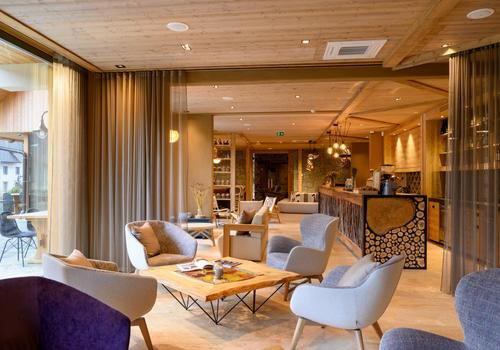
Restaurants in Bled
All restaurants in Bled →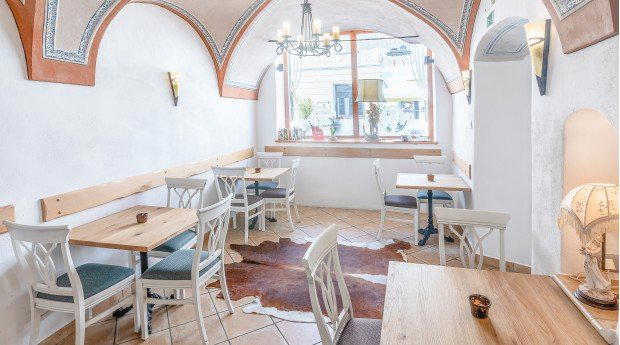
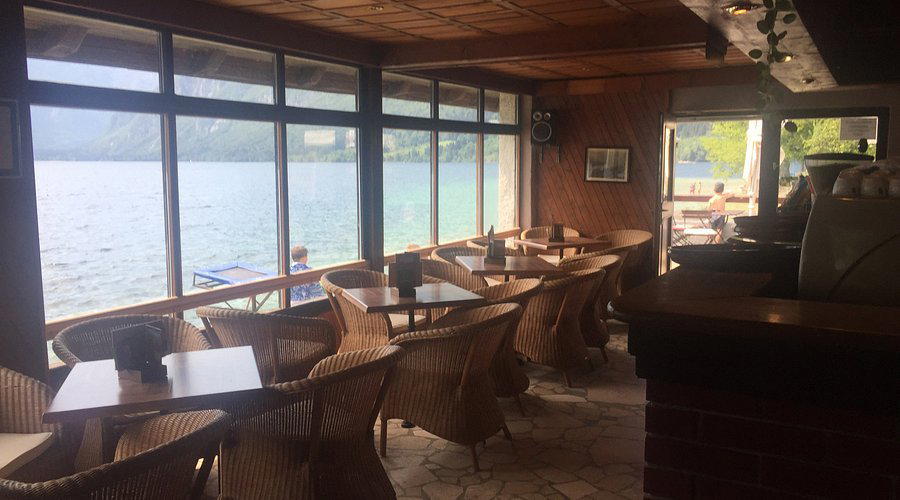
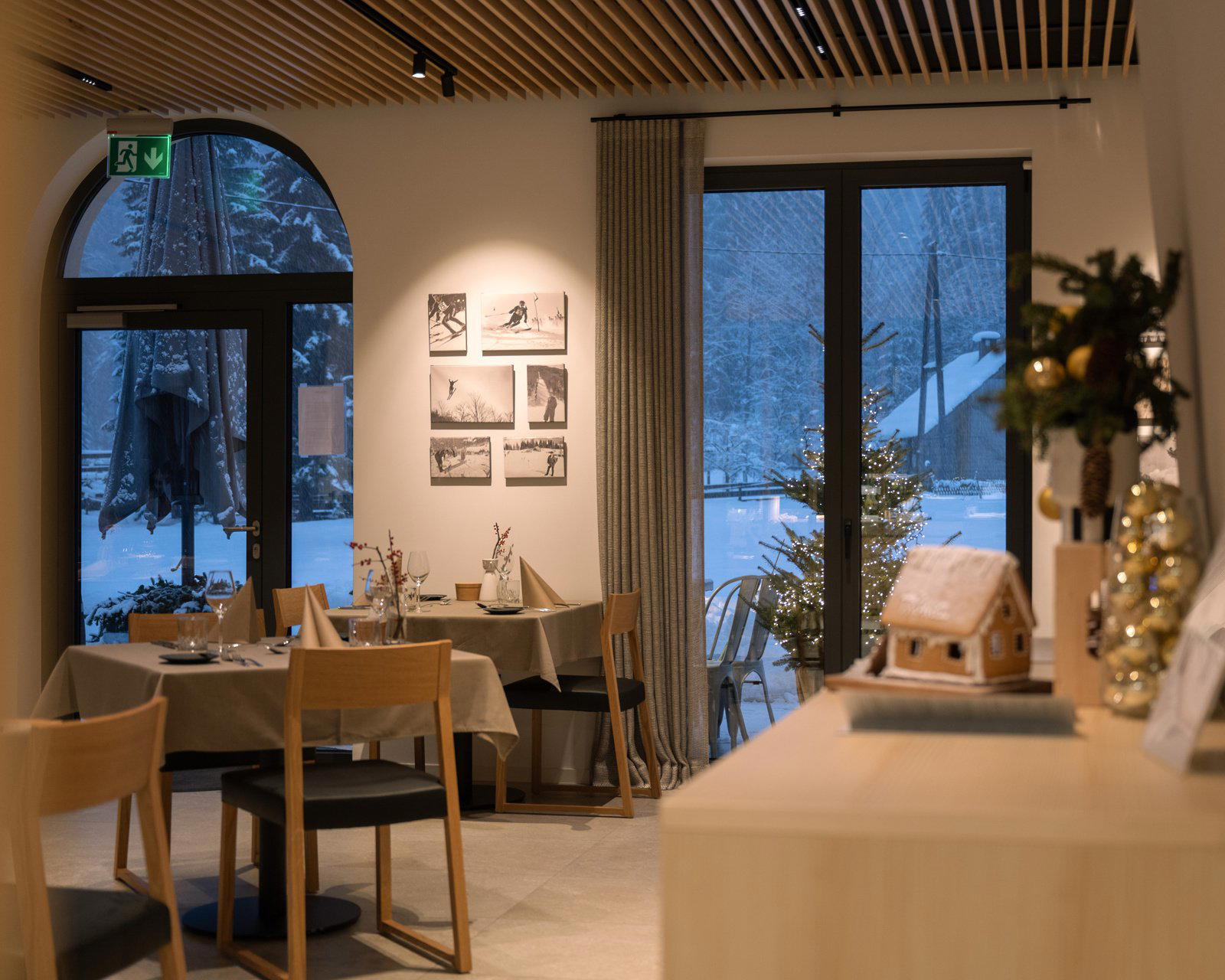
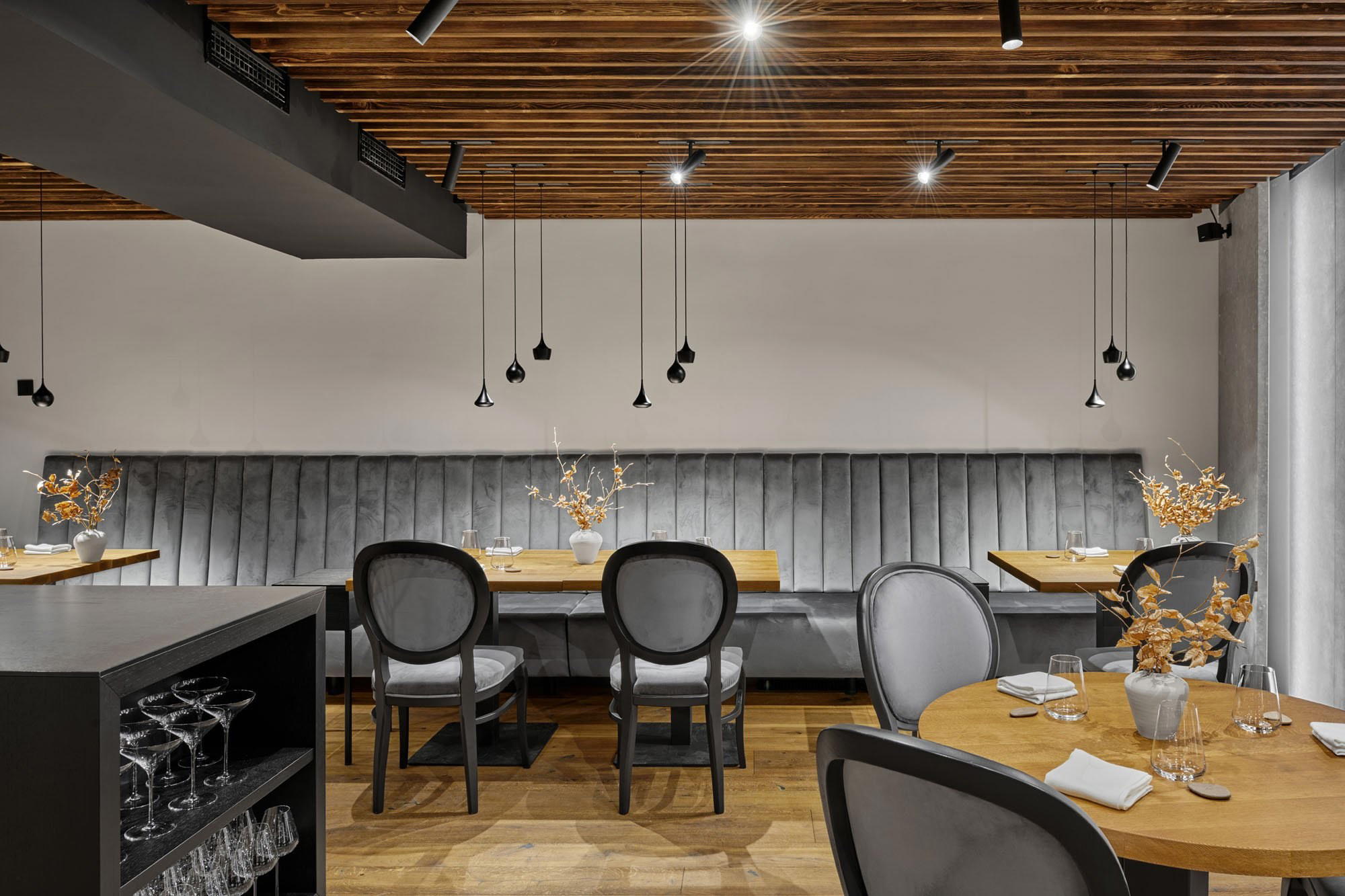
Bars in Bled
All bars in Bled →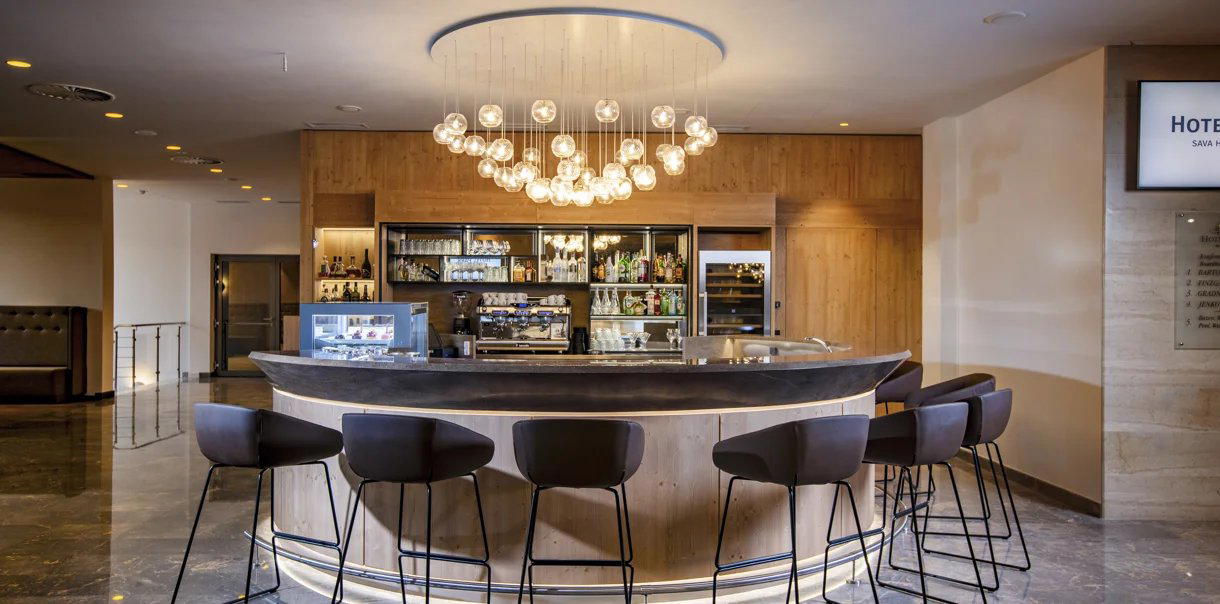

Details
- Elegant
- Scenic
- Sophisticated
- Intimate
- Date Night
- Special Occasion
- Waterfront
- Historic Building
- Hotel Restaurant
- Terrace
- Extensive Wine List
- Local Sourcing
- Waterfront
- A La Carte
- Vegetarian Friendly
- Vegan Options
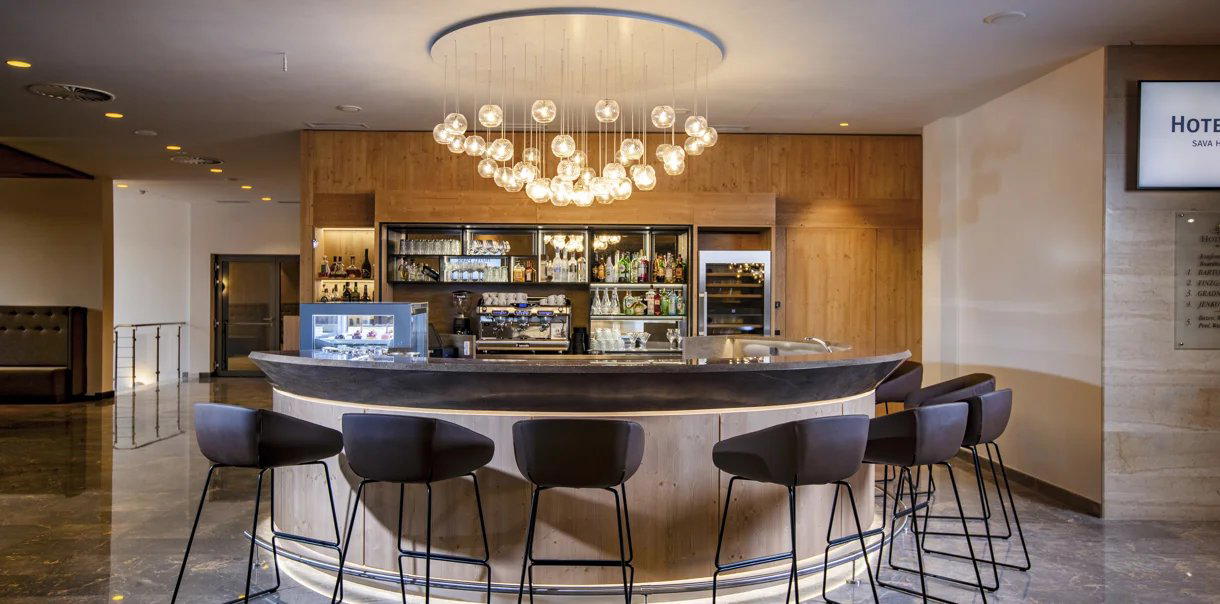
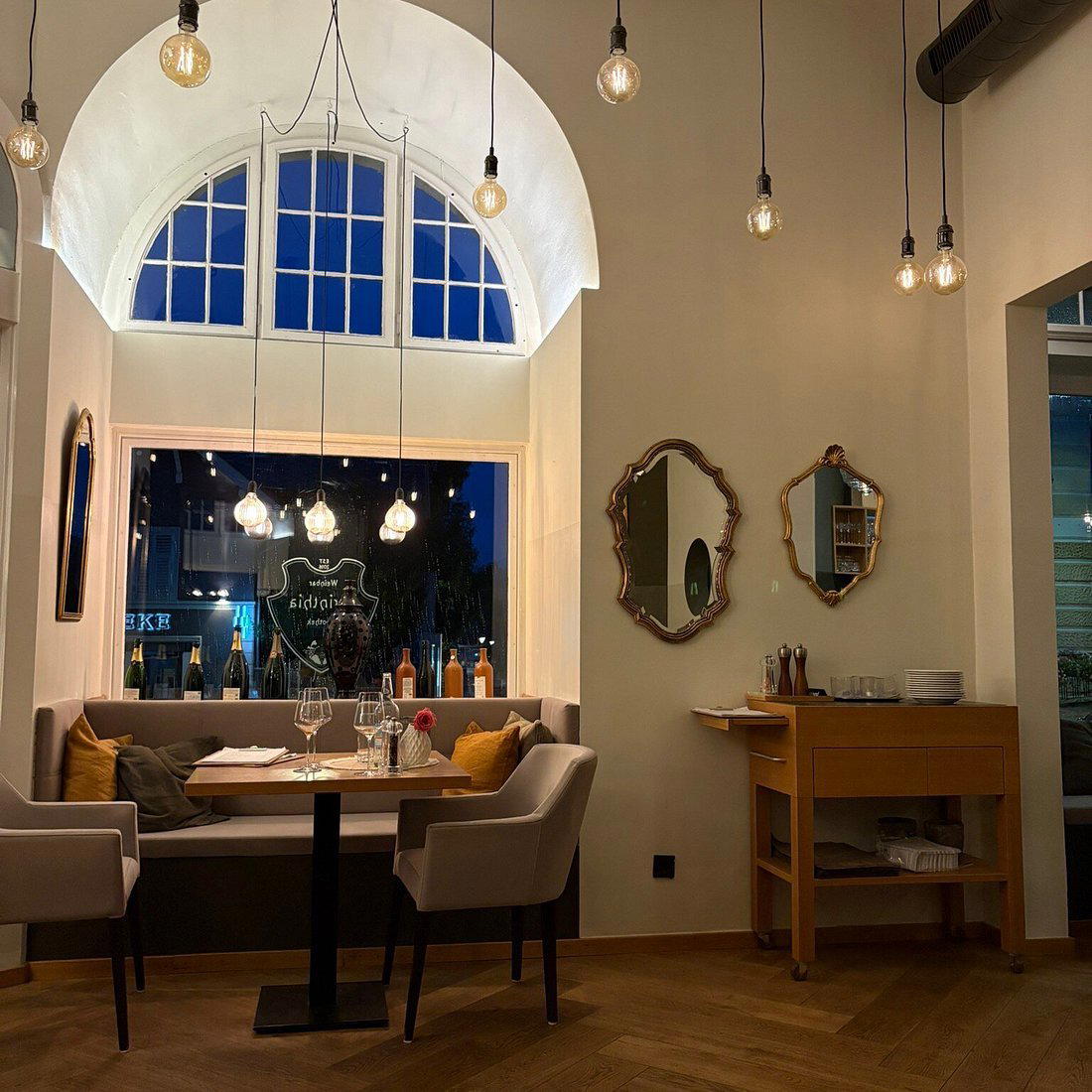
Warm, inviting, and nostalgic atmosphere with timeless elegance in ornate surroundings overlooking the lake.